




Damion Smy
Australian EV lobby group blasts "fragmented, paywalled" new-vehicle sales data
The Electric Vehicle Council has called for transparent, freely available sales results to prevent Australia "flying blind" on EV adoption.
11 Hours Ago

Managing Editor
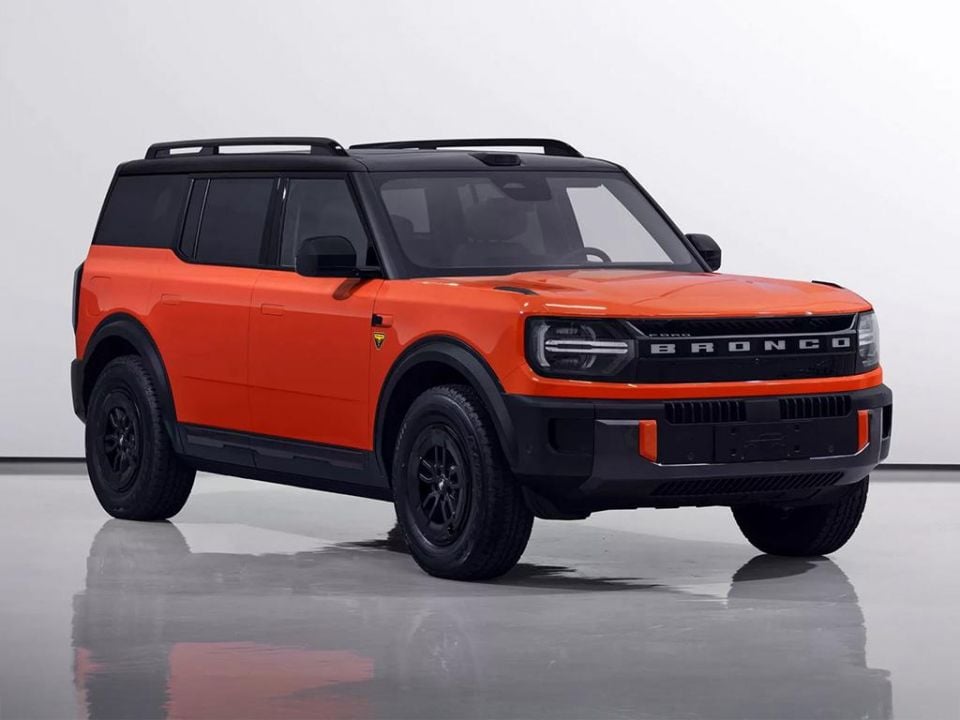
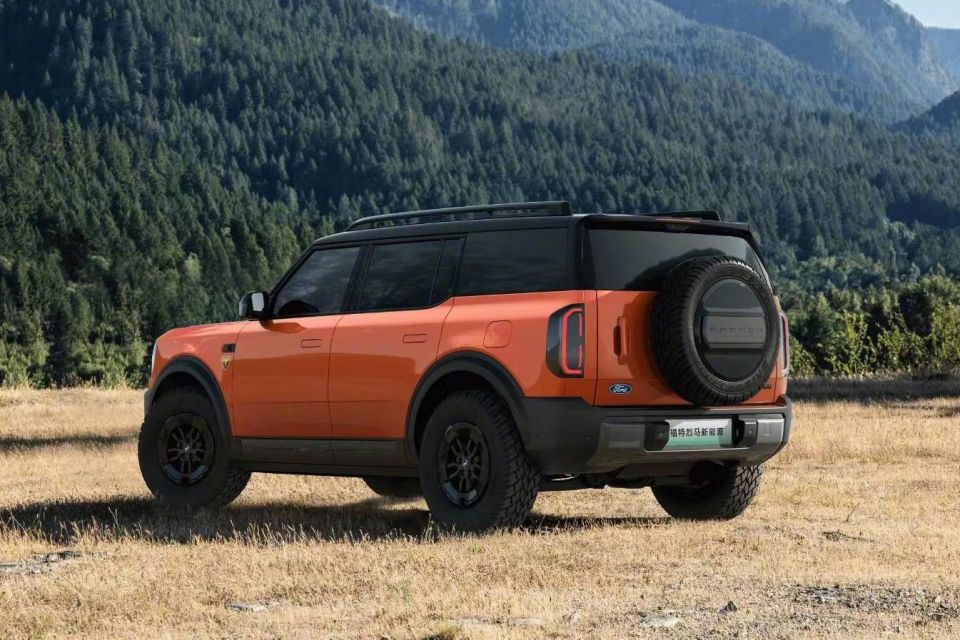
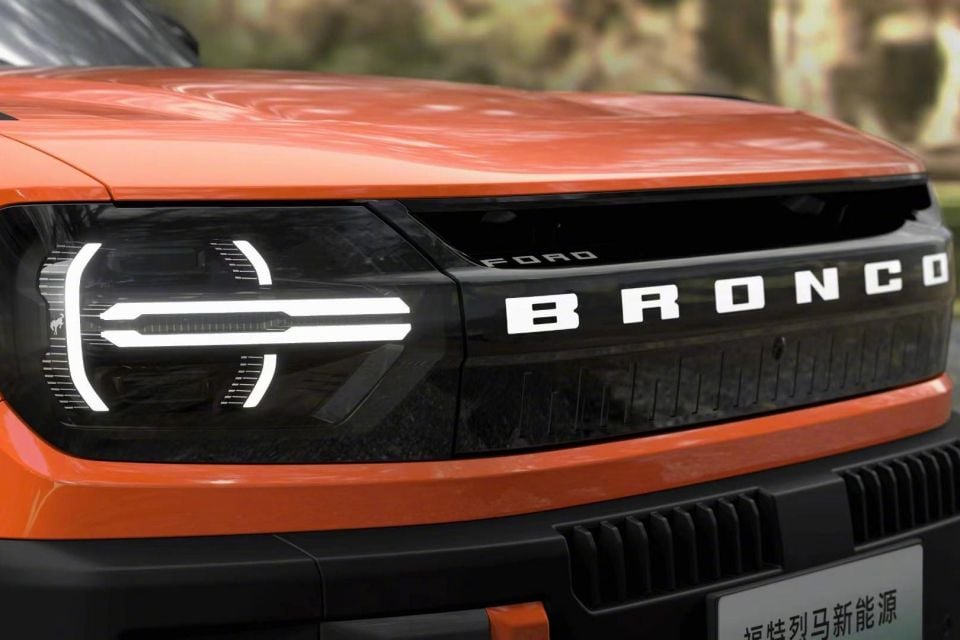
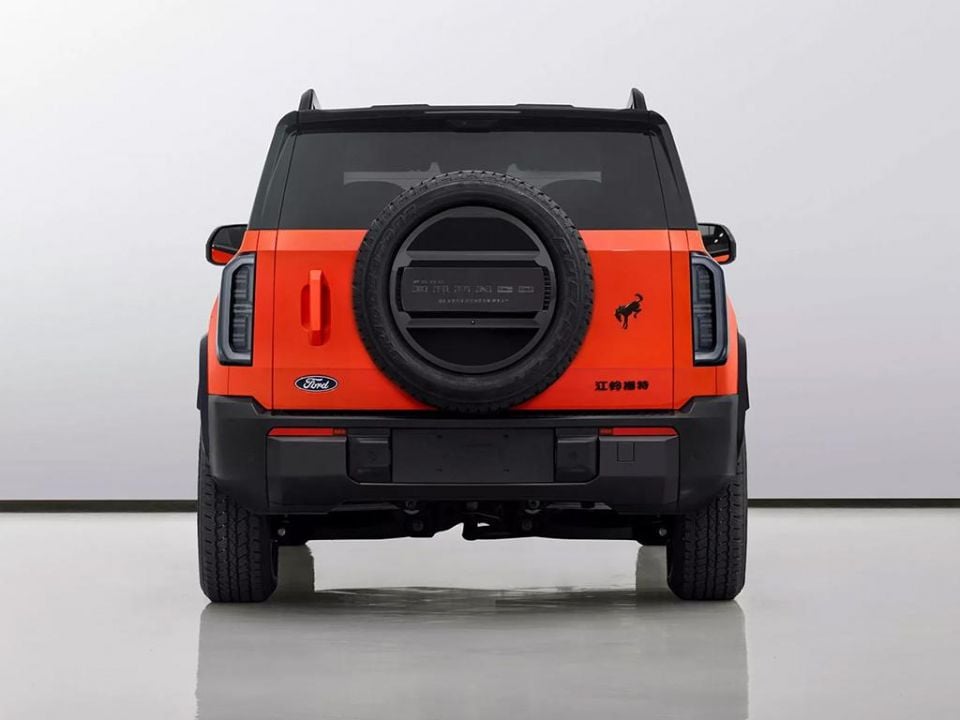
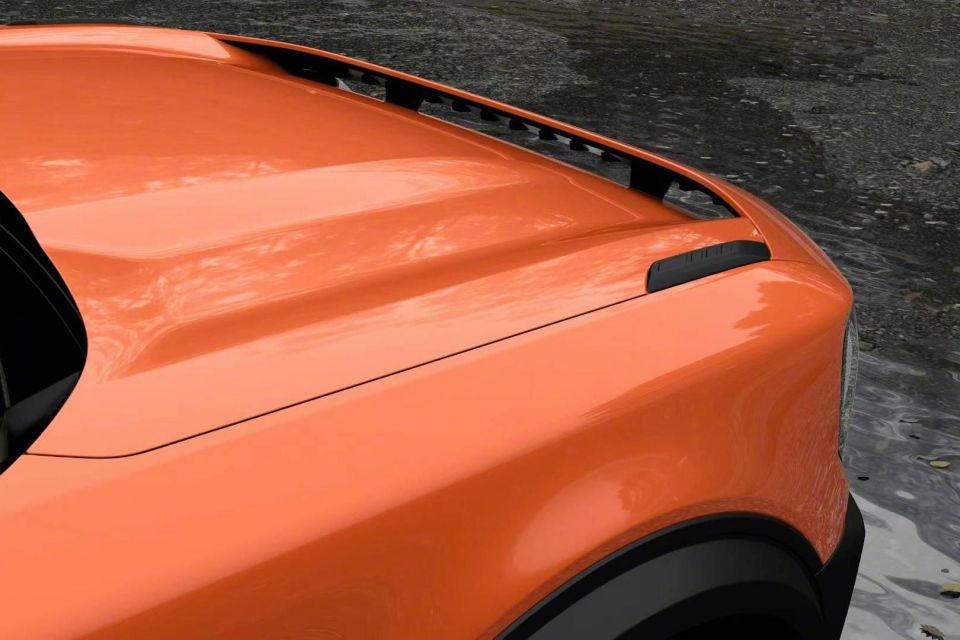
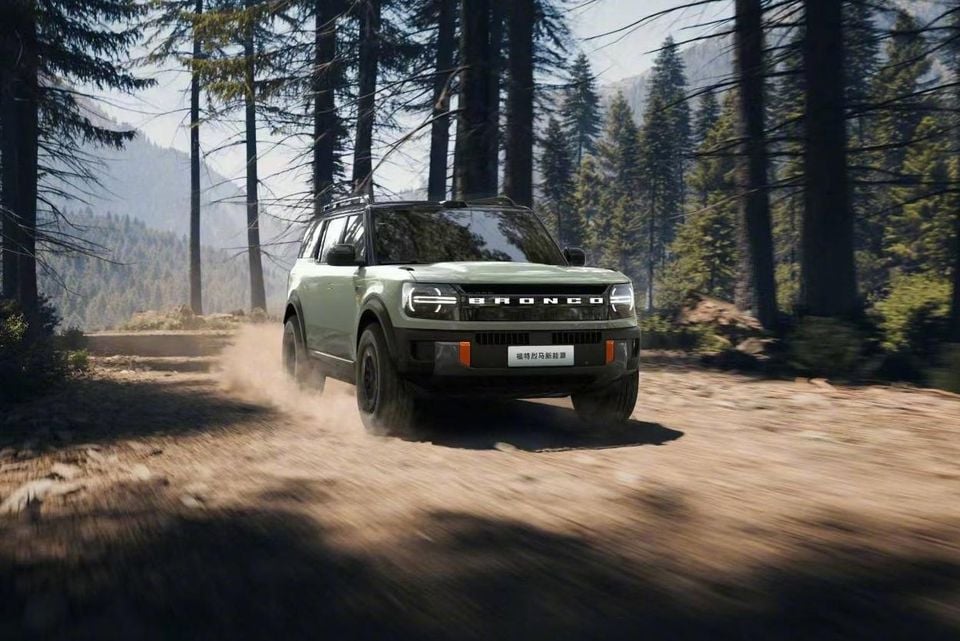
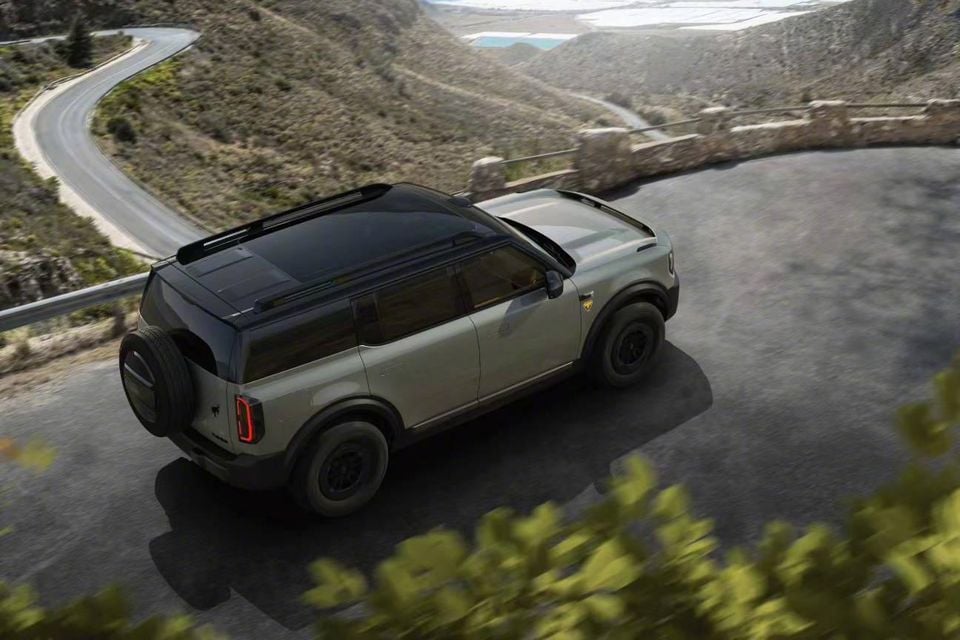
The Ford Bronco New Energy is yet to be officially confirmed for Australian release, but – as we reported exclusively earlier this month – the extended-range electric vehicle (EREV) is expected to be launched here by late 2026 or early 2027 with a sub-$60,000 starting price to match the top-selling Tesla Model Y.
However, it's not the only electrified Chinese model that could come to Ford Australia showrooms – if there is local demand and they are fit for purpose.
Several non-Chinese auto brands have already released models in Australia sourced from China, to either fill a gap in their lineups or allow them to offer something more unique or more competitively priced.
These include Hyundai with the Elexio electric SUV, Kia with its EV5 electric SUV, Cupra with its Tavascan, Mini with its electric Cooper and Aceman, Volvo with most of its SUVs, and all Tesla vehicles except the Model Y Performance.
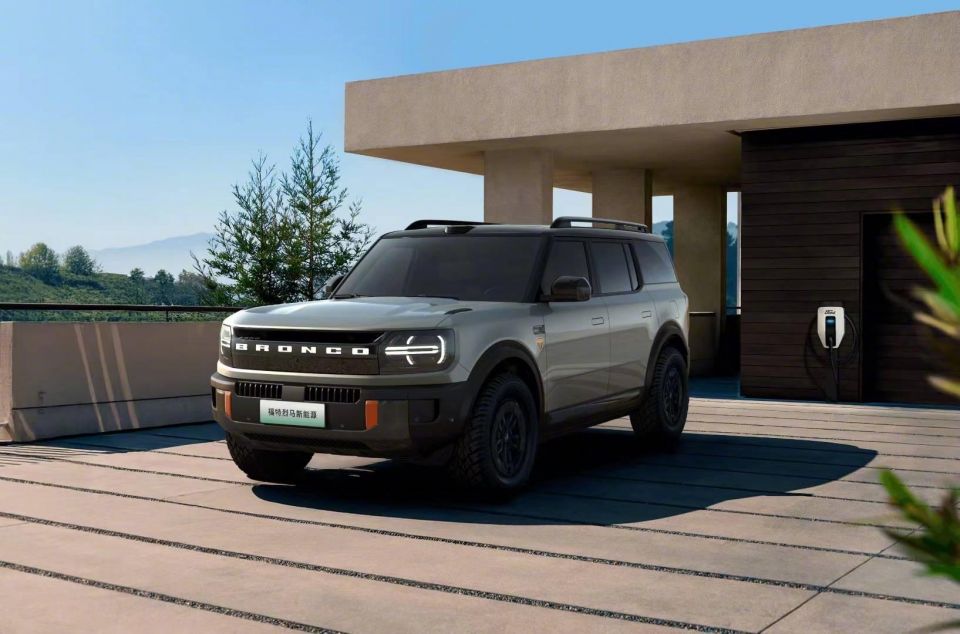
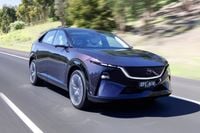
Mazda has also locked in the 6e electric liftback and CX-6e electric SUV for our market, and Nissan is set to bring the plug-in hybrid Frontier Pro ute and potentially the electric N7 sedan and NX8 SUV.
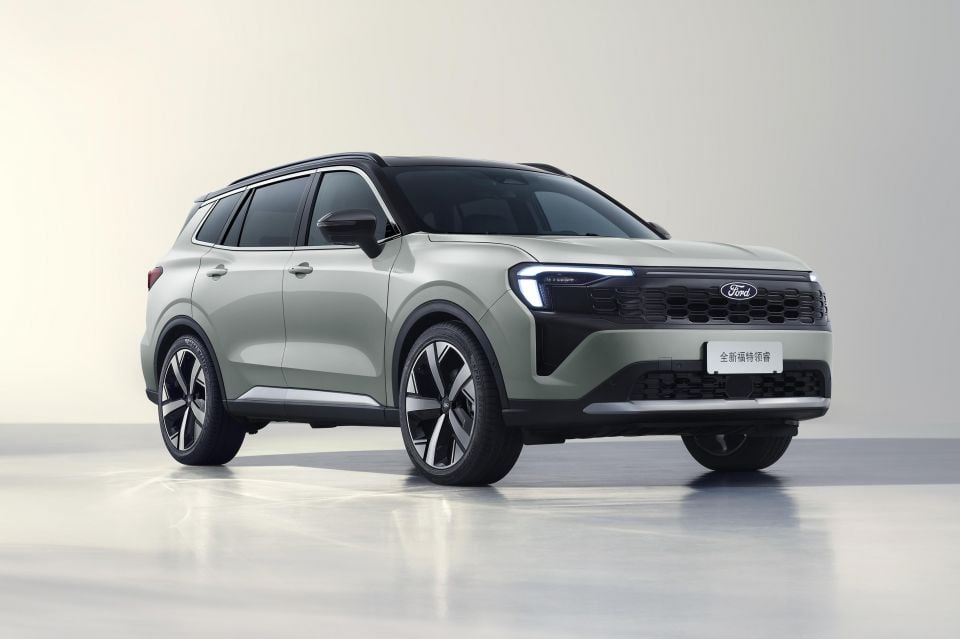
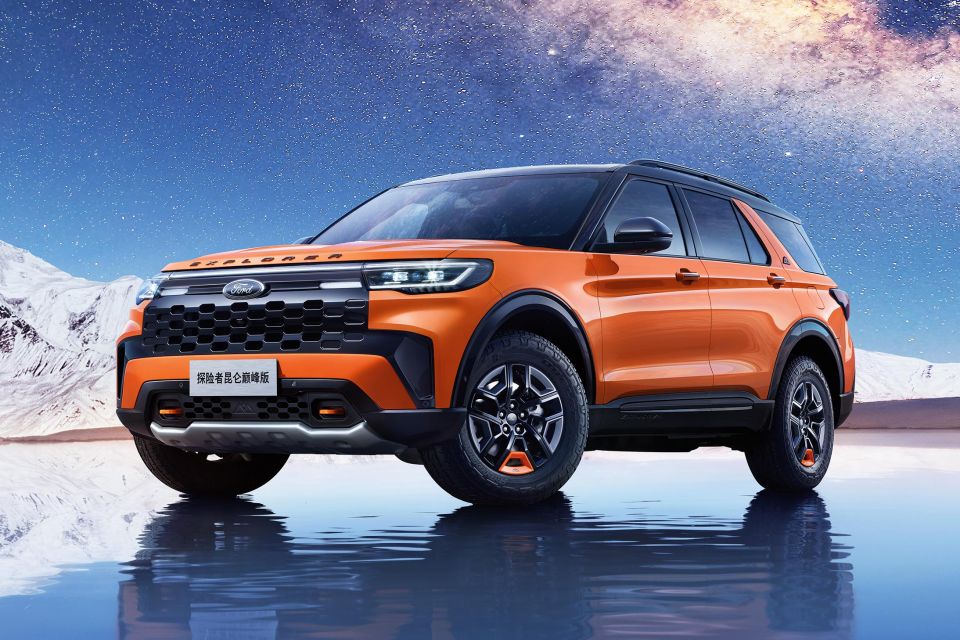
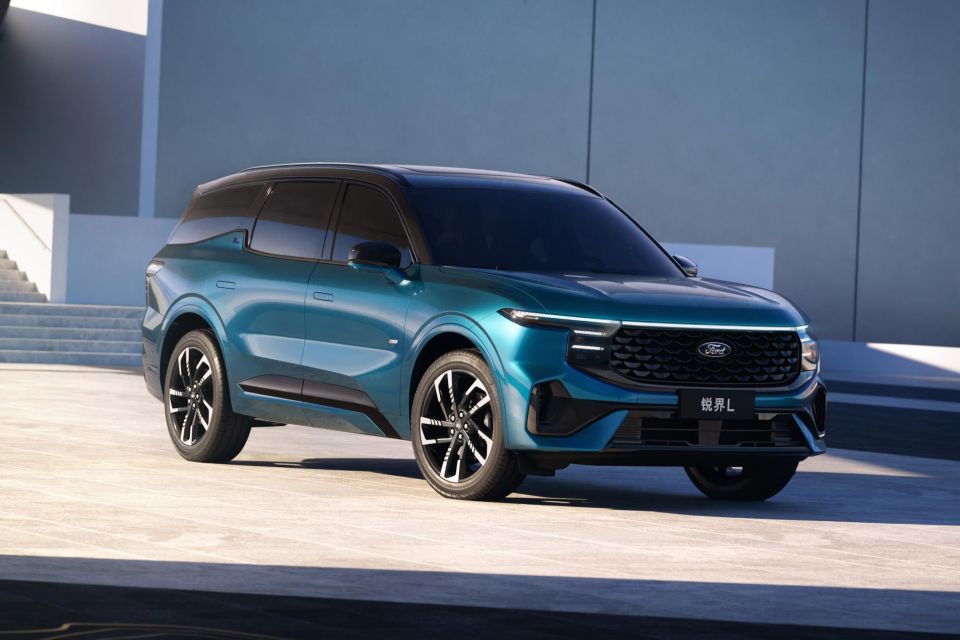
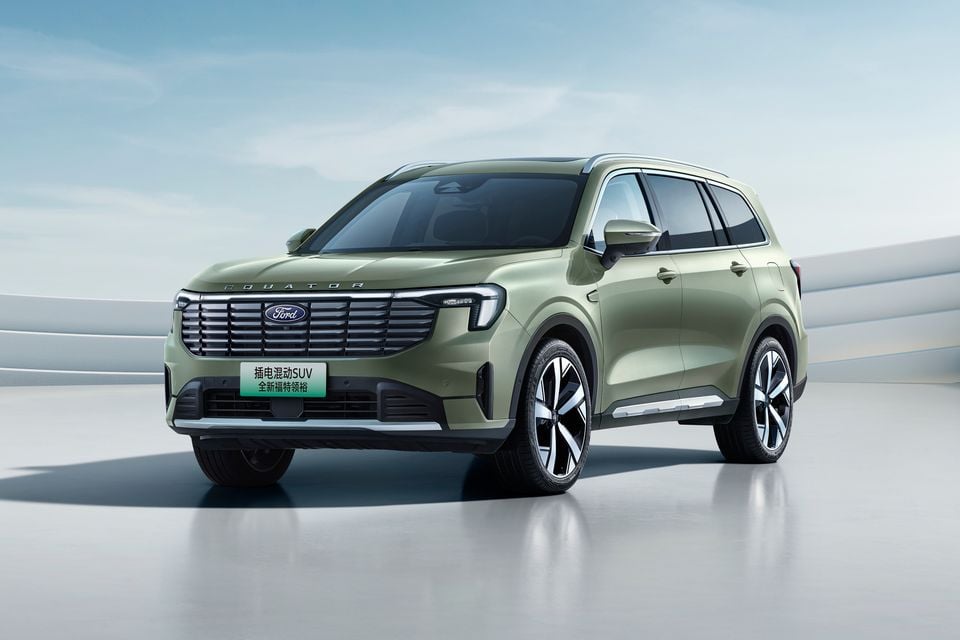
Ford is set to join the ranks with the Bronco New Energy, but the Blue Oval brand also produces a host of other models in China via its Changan Ford and JMC-Ford joint ventures, including the Escape, Explorer, Edge L, and the Equator and Equator Sport SUVs (which are produced in both left- and right-hand drive forms for export), and the Mondeo sedan and Mondeo Sport liftback.
While he stopped short of confirming the Bronco New Energy for this market, Ford Australia marketing director Ambrose Henderson said any of these models could be sold here if a business case could be established.
“You would have seen a Bronco running around here, because the team here designed and developed and tested [it]," he told CarExpert at the launch of the updated MY2026.50 Ranger and Everest at the company’s You Yangs Proving Ground southwest of Melbourne.
"That Bronco is based on the T6 platform, and that is what we would term the big Bronco in the US. Not available to drive on the correct side of the road, unfortunately for us, but it's extremely successful in America.
“The Bronco New Energy, which is what is on sale now in China, and also at the Beijing motor show, is on a different platform and is a super hybrid, so it's really exciting. It's extended-range technology, the first one in the Ford world, and lots of people covered that from the Beijing motor show with a lot of interest.
“We don't have anything to confirm today, in terms of future cycle plan, but one of the great things about being part of a global company like we are is we have a choice of products from around the globe, and we're constantly assessing which ones work for us, what the future environment looks like, what Australian customers need, and what makes a business case for us, but at this point we don't have any new announcements to make.”
Mr Henderson emphasised the fact there’s more to importing a model to fill a gap in a product range – such as a cheaper EV to slot beneath the Mustang Mach-E, which is priced from $65,990 before on-road costs – than simply meeting Australian Design Rule (ADR) certification requirements.
“While sometimes it seems very simple to bring cars in [if] they're already part of the global portfolio, the Australian market demands some things that the rest of the world doesn't, in terms of minimum safety standards, ADRs, et cetera,” he said.
“So it's not as easy as I think many would hope it would be. Each time we bring in a product, it's a very specific investment from us. So we make those decisions very carefully and when we bring in a product, we want it to win in that segment that we go into.
“So for us, it's not about ‘let's bring in as many products as we can and let's see which one works’. That's not our model. Our model is all about what do customers want, where is the Ford brand strong, where can we deliver a great outcome.
“And then we go hard at those areas, and I think that strategy has worked. You see what's happened with Ranger, what's happened with Everest. The Transit range is doing incredibly well, also Mustang… so our strategy is really about focussing on what is true to our brand, whether the Australian customer wants that product, and then go hard in those areas.”
The Mustang Mach-E has proved more popular since it received an upgrade and price cuts earlier this year, but Mr Henderson acknowledged there’s room for a cheaper EV from Ford.
“Mach-E is also going a lot better now since the facelift and the realignment. It's what we wanted to do with an EV in terms of bringing our heritage and the excitement of driving,” he said.
“It's clearly not a Chinese-sourced product, and therefore has a higher cost base, but as a result it also drives incredibly well. It’s a wonderful and joyful car to drive – my wife's favourite car.
“So we're assessing those things clearly. China provides a cost advantage, but… there's a lot of things that go into deciding whether we bring a car into the country. We have a lot of really exciting plans, and we'll announce those in due course.”
Mr Henderson stressed that the federal government’s New Vehicle Efficiency Standard (NVES), which penalises or credits auto brands financially if they exceed or undercut increasingly lower CO2 emissions figures respectively, was just one of many factors in the decision to launch a new model in Australia.
“So we've been on the record saying that we absolutely understand the need for an emission scheme, and we support that. What we encourage the government and the broader industry to really think about and consider is what is the right path to get to that goal,” he said.
“And the very aggressive path that is currently legislated… We have some concerns about what that might do for the core of Australia, in terms of tradies and people who need their vehicles for work, for those people traveling around the country, which is not a want – it's a need to have that capability.
“The other thing that needs to be considered is the [EV charging] infrastructure… just doesn't exist yet in Australia. It's difficult because of the vast space that we have in Australia to be able to implement that electrified infrastructure that's needed for really significant BEV adoption.
“So, for that reason… we're very much focused on transitional technologies, and we've seen a lot of announcements about hybrids, plug-in hybrids, et cetera. Of course, BEVs will play their role as well, but in areas that we’re strong – commercials, SUVs, 4x4s, things like that – our view is that those transitional technologies is what is really important for our journey towards a lower carbon-emitting environment.”
Despite the diesel-powered Ranger and Everest being its top-selling models, Ford was among the roughly two-thirds of automotive brands that met their initial NVES targets for the July-December 2025 reporting period, with figures released in February showing it comfortably undercut its mandated CO2 limits for light commercial vehicles (Type 2) and SUVs, recording an interim emissions value credit of 426,261 units – enough to offset millions of dollars in potential future fines.
“You would have seen what was reported in February, and I'm sure many were surprised in terms of Ford's position. We, of course, have been working and focused and planned on that for some time, and we have a plan going forward as well,” said Mr Henderson.
“As you can imagine, that plan involves a number of things, but the really important part around NVES is it's one part of the business equation. So the NVES is a cost, absolutely. Is it an important part we consider when we're deciding on products and futures and mixes? Absolutely, but it's one component.
“There's also exchange rates, and you know the cost of fuel, and you know what's happening in the macro environment, and you know sourcing costs and tariffs and all that sort of stuff is also a part of the decision making on what we do in our future.”
Ford’s Ranger Hybrid (PHEV) lineup, which has received updates and price cuts of up to $10,000 for MY26.50, will continue to play a vital role in reducing Ford Australia’s fleet-average emissions output.
We understand PHEVs now account for about 20 per cent of Ranger sales following a spike in demand for electrified vehicles amid recent fuel price hikes, but Mr Henderson declined to reveal Ford’s sales target for the Ranger Hybrid.
“We have one internally, [but it’s] not something that we would share externally. We're happy with the performance of where Ranger Hybrid is. We've now issued our 26.5 lineup, which is slightly different, and also clearly [has] a different MLP [manufacturer’s list price] rate, so a significant reduction in MLP to make sure that we're competitive in the market,” he said.
First local deliveries of MY26.50 Ford Ranger PHEV vehicles will take place in the third quarter of 2026 (July to September), but dealers have all but run out of MY26 Wildtrak Hybrid stock amid record-high diesel prices.
“Given the current demand, we’re looking to get more of those into the country as soon as we possibly can,” said Mr Henderson.
“We can get the vehicles that we need. We're obviously balancing that with what our customers are demanding as well, and getting that balance is always the big question.
“Interest has surged, so we've moved through a lot more of those vehicles in the last two months than what we had originally planned. So it's a great thing and now we're looking to get more of them in as quickly as we can.”
MORE: Ford Bronco coming to Australia, but not the one you expected
Marton Pettendy is a veteran motoring journalist and editor with decades of experience across Australia’s leading automotive titles.
Damion Smy
11 Hours Ago

William Stopford
12 Hours Ago
Damion Smy
12 Hours Ago
William Stopford
14 Hours Ago

Josh Nevett
14 Hours Ago
Damion Smy
15 Hours Ago
Add CarExpert as a Preferred Source on Google so your search results prioritise writing by actual experts, not AI.