Ford Australia has had plenty of new and updated model activity in recent times, but most of it has focused on its two best sellers, the diesel-powered Ranger and Everest, which topped the ute and large SUV market segments last year respectively.
That not only makes the Blue Oval heavily reliant on just two models, but potentially exposes it to significant financial impacts under the federal government’s New Vehicle Efficiency Standard (NVES), which is now enforcing penalties for auto brands which exceed fleet-wide CO2 emissions limits that will reduce every year until 2029.
To counter this, many automakers are releasing low- and zero-emissions models, and Ford Australia has several options available to it in this space.
We used the recent Ford Ranger Super Duty XLT launch to ask Ford Australia product communications manager Ben Nightingale about the company’s NVES compliance strategy and what it means for Aussie car buyers, as well as its plans for the Super Duty.
CarExpert can save you thousands on a new car. Click here to get a great deal.
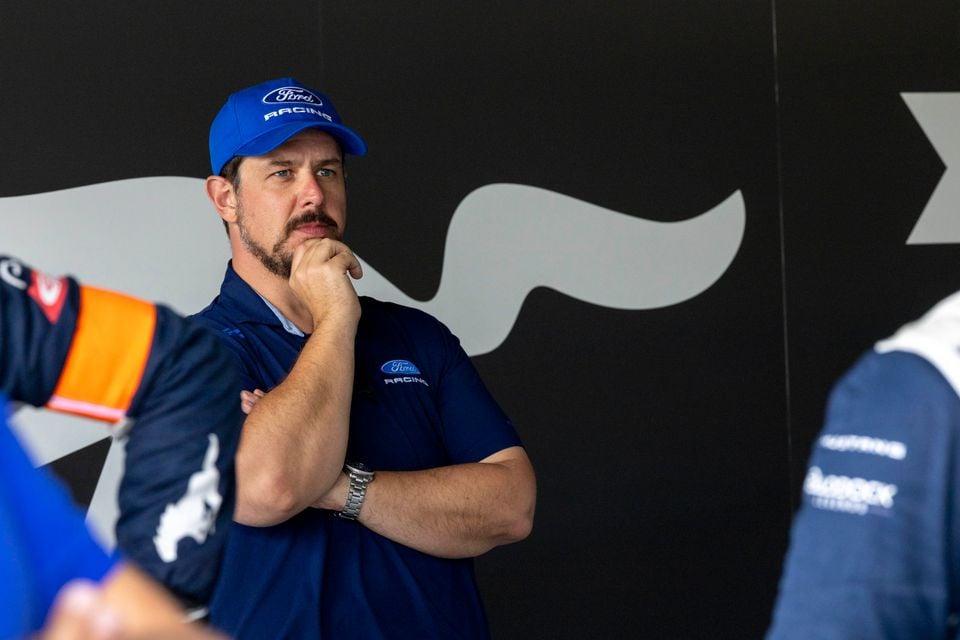
Ben Nightingale
Ford said the Super Duty outsold the Toyota LandCruiser 70 Series in the first quarter of this year, but how many have you actually sold? How many XLTs will you sell and what will be the volume-selling variant?
While we don't share specific sales figures, we've seen fantastic, broad-based demand for the Super Duty. It’s genuinely adding to the overall demand for Ranger, and that’s even before the pickup body and XLT models started landing with customers.
What I can tell you is that, according to the latest year-to-date VFACTS data, the Ranger Super Duty is outselling the LC79 by nearly two to one.
With the lineup expanding to include the Pick-Up and XLT variants, we fully expect that momentum to continue.
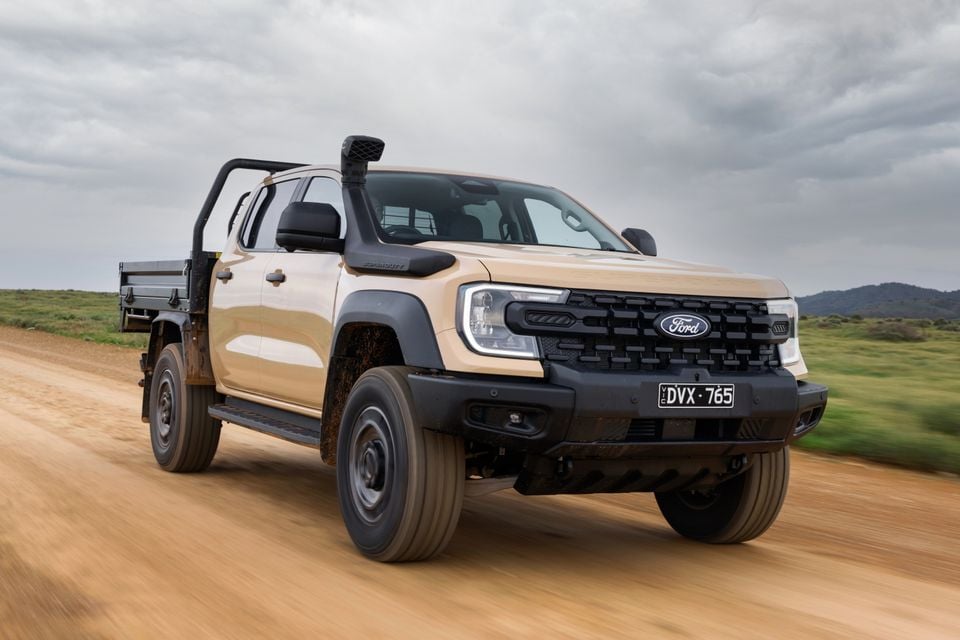
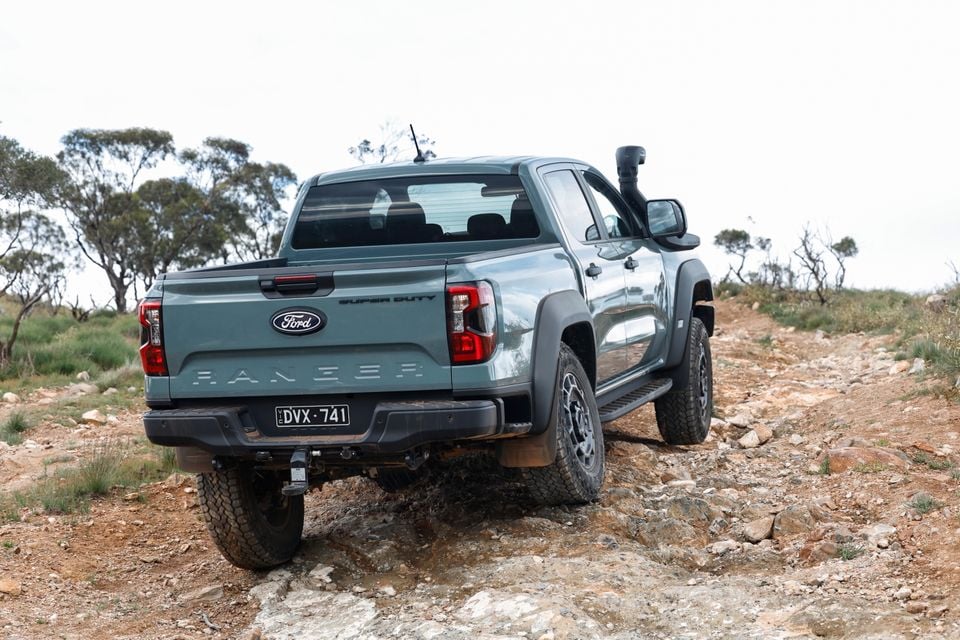
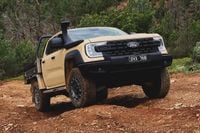
Ford Ranger Super Duty XLT Cab Chassis
Will the Super Duty get an MY2026.50 update too? Or not because it's V6-only?
The Ranger Super Duty will get rolling model year updates just like the rest of the Ranger family. For this particular vehicle, adding the pickup variant and the XLT grades essentially serves as its MY26.50 update.
We’ve also just announced that the XLT pack will become available on the single-cab and super-cab body styles of Ranger Super Duty from the MY27 model year.
Has Ford done anything to address criticisms regarding the Ranger Super Duty's alternator placement for water crossings?
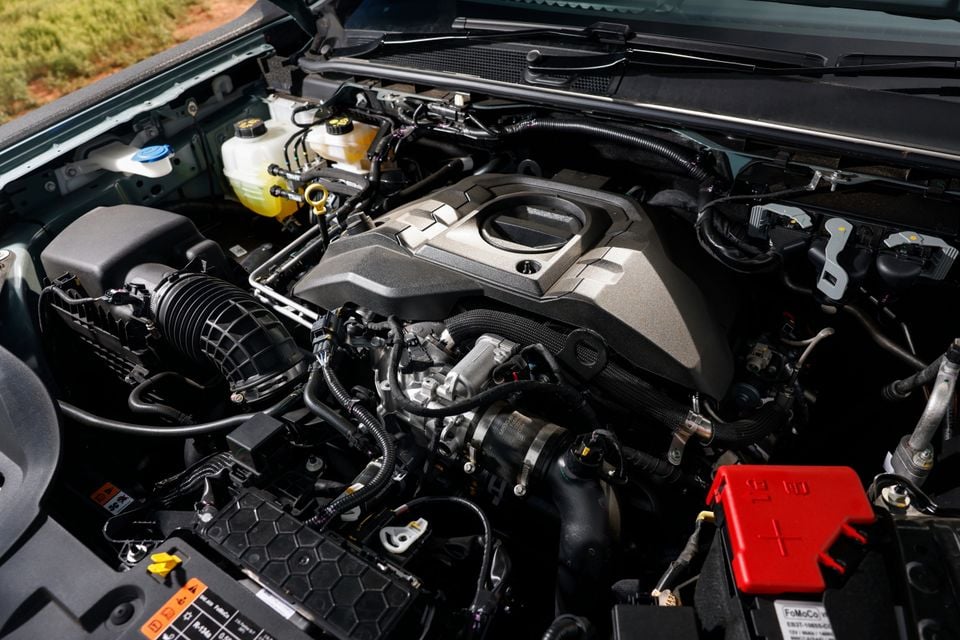
We’re always looking for ways to improve, so for the V6 turbo-diesel-powered MY2026.5 Ranger and Everest, we introduced an updated alternator design to make them even more durable.
Ford Ranger Super Duty
It features a new brush holder that actually deflects water and debris, letting it pass around critical components rather than getting trapped. Based on our testing, it’s about seven times more effective than the old setup.
Honestly, this is exactly why we have a local engineering team right here in Australia. They're out there constantly testing in our tough local conditions to make our vehicles even better.
Given public feedback since its unveiling and launch, is Ford progressing with a left-hand drive version of the Ranger Super Duty?
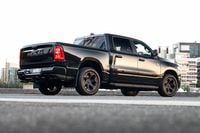
Ford Ranger Super Duty XLT Pick-Up
We recently announced that the Ranger Super Duty is heading to Europe as part of the Ford Pro commercial vehicle lineup. We're expecting strong demand over there from fleets doing some of the toughest jobs on earth – think emergency services, forestry, mining, and the military.
The Ranger Raptor is a performance ute for off-roading. Is Ford considering a road-going performance ute, like the Volkswagen Amarok W600?
We always let customer demand guide what we bring to market. Right now, we don't have plans for a road-focused performance ute.
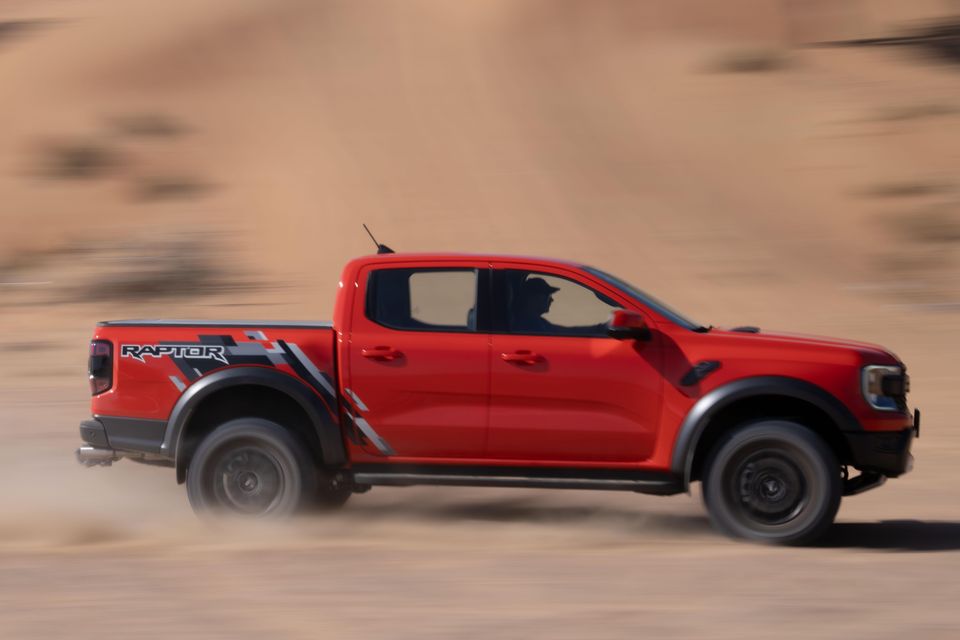
Ford Ranger Raptor
We listen closely to what buyers want at this level, and we’re really confident our current lineup hits the mark. Our focus is squarely on making sure the core Ranger, Ranger Raptor, and the new Ranger Super Duty deliver exactly what our customers need.
That said, if enough customers put their hands up and ask for a specific variant, we’ll absolutely take a look at it.
What will each Ranger cost Ford in terms of NVES penalties this year and each year by 2029? We understand one of your rivals will accrue $1500 in penalties for each diesel ute they sell next year.
We can't speak to [another brand’s] internal modelling or what their strategy might be. For us at Ford, it’s important to remember that NVES compliance is based on a fleet-wide average, rather than a penalty on individual vehicles.
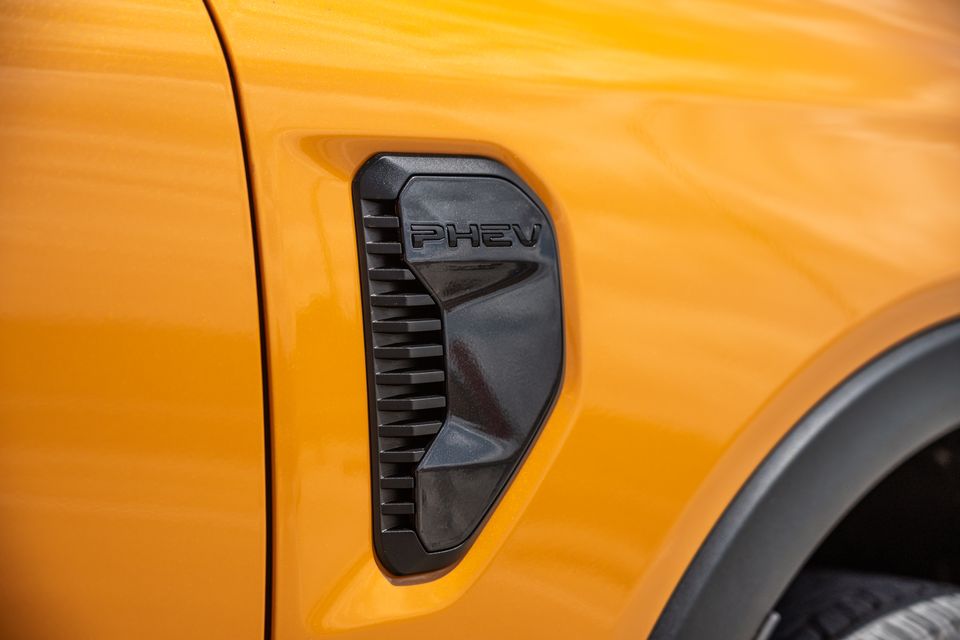
Ford Ranger Hybrid
The good news is that Ford Australia successfully navigated the first NVES performance period (from July to December 2025) and beat the legislated targets. We did this by offering the vehicles Aussies love and need for work with a growing lineup of lower-emission and electric options, like the Ranger Hybrid, Transit Custom Hybrid, E-Transit Custom, E-Transit, and the Mustang Mach-E.
Will Ford Australia pay NVES fines or buy credits from Tesla, BYD, etc? Either way when and how much of these costs will be passed on to customers?
Our main game plan is to achieve compliance naturally through our product mix, by offering lower-emission vehicles that Aussies genuinely want to buy. That said, there's no denying that NVES is part of the regulatory costs of doing business here.
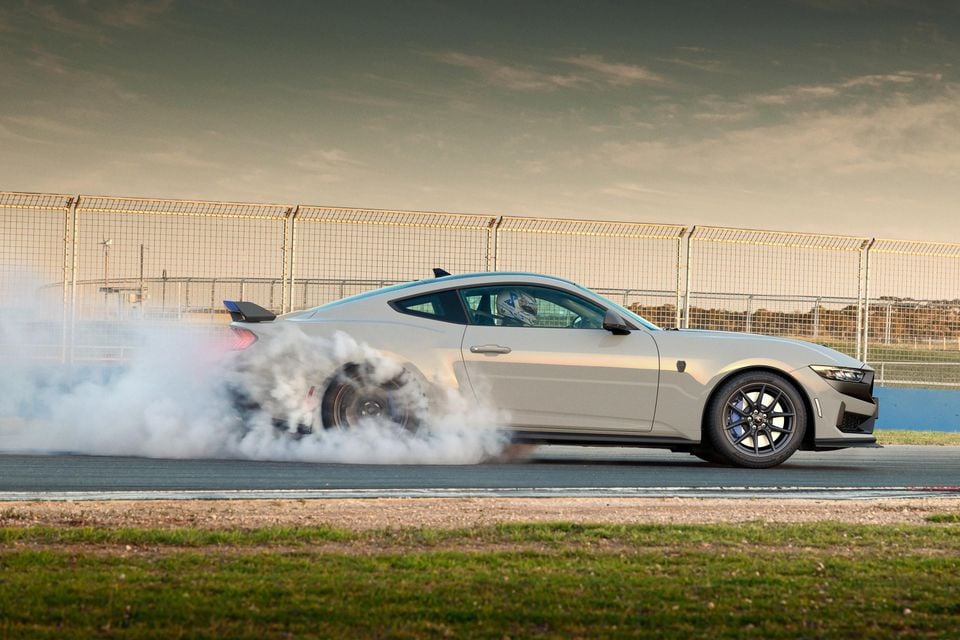
Ford Mustang
Just like we saw with the price adjustments on the Mustang, regulations do eventually impact a vehicle's final price. But because vehicle pricing is such a complex mix of exchange rates, raw materials, shipping costs, and local competition, we aren't going to break down a specific ‘NVES cost’ per car.
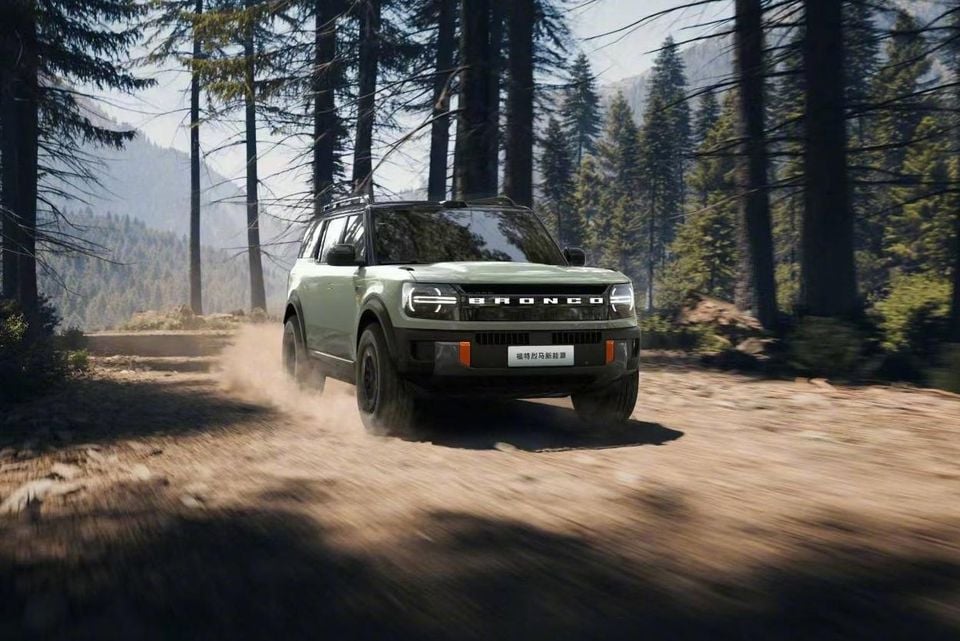
When will Ford confirm the Bronco New Energy electric SUV for Australia? And which other Fords may come here from China?
We know CarExpert has been keeping a close eye on this new vehicle, but we don't have any official news to share about the Bronco New Energy for Australia right now.
Ford Bronco New Energy
Because we're a global company, we are constantly looking at our entire portfolio – including vehicles coming out of our joint ventures in China – to see what might be a great fit for Aussie drivers.
Has Ford Australia closed the door on imports out of Europe?
Not at all. European-sourced vehicles are still a major part of our business and our NVES strategy, especially when you look at the Transit Custom and E-Transit.
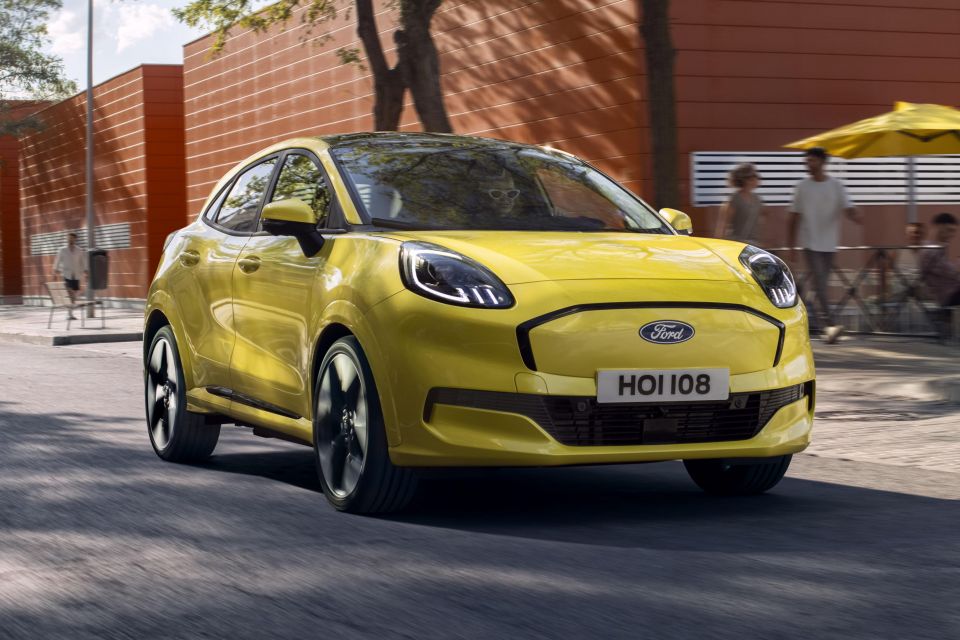
Ford Puma Gen-E
Retiring the Escape and Puma locally was about the dynamics of those specific segments and global supply issues, rather than us stepping away from Europe entirely.
If there's a European Ford that makes sense for Aussie buyers, we can bring it here.
Is Ford Australia over-reliant on two nameplates? What happens if there's a significant downturn in Ranger or Everest sales, or production of the turbo-diesel V6 ceases?
We actually see our leadership in 4x4 utes and large SUVs as a strength, not a weakness. In addition to Ranger and Everest being number one in their segments year-to-date, F-150 and Mustang are also segment leaders and Transit is doing very well.
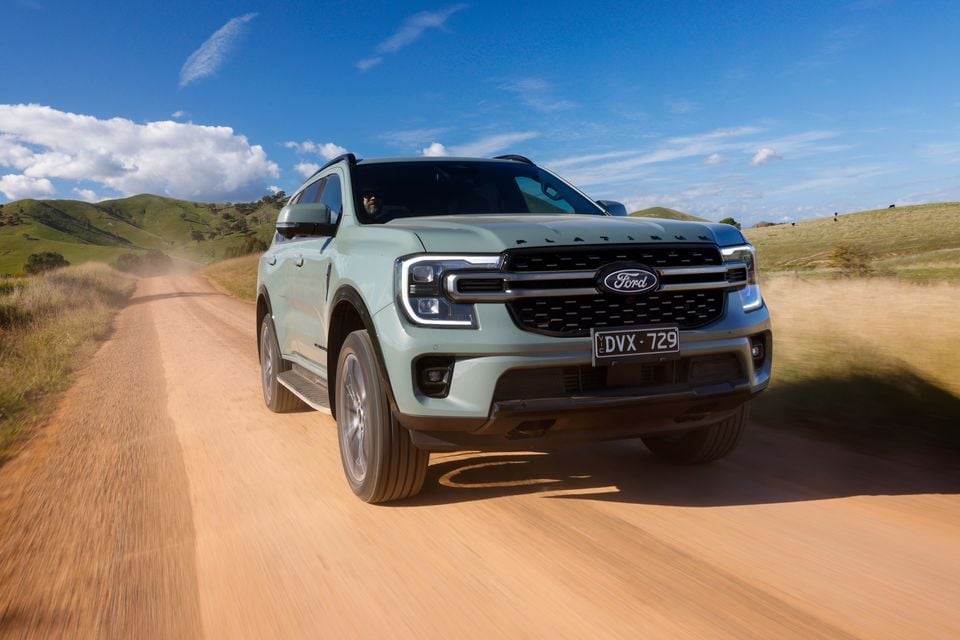
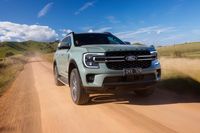
Ford Everest
We're leading in the segments that Australians are most passionate about. As for future-proofing, having a 1500-strong local team right here in Australia means we’re constantly evolving to stay ahead of the curve.
The Ranger Hybrid and the new Super Duty are great examples of how we're adapting to handle future regulations and changing customer needs, which will keep these nameplates strong for the long haul.
How are Ranger Hybrid sales going? What percentage of Ranger sales does the PHEV attract?
While we keep our specific sales forecasts under wraps, I can say that we treat the Ranger Hybrid as a core, mainstream part of the Ranger family.
Ford Ranger Hybrid
Because it carries the same segment-defining 3500kg towing capacity and full payload that Aussies expect, it really appeals to a wide variety of buyers – everyone from tradies who want on-site power to families trying to cut down on their weekly fuel bills.
We've seen interest, and sales, in the Ranger Hybrid ramp up over the last few months, driven by our recent campaigns and, of course, higher fuel prices at the pump.
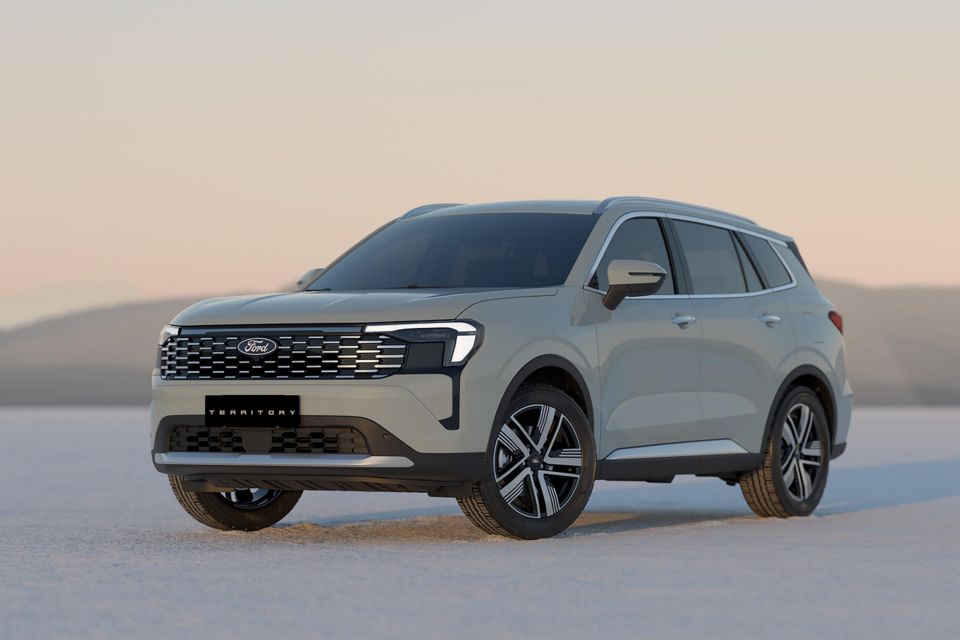
The Territory/Equator Sport is already sold in other right-hand drive countries. Is it a possibility for our market?
We definitely recognise that the mid-size SUV segment is huge here. We're always keeping an eye on right-hand drive models globally to see if they make sense for our business and, more importantly, if they meet the expectations of Aussie buyers.
Ford Territory
We don't have anything to announce today, but we certainly aren't ignoring that space.
Is China becoming more of an export hub for Ford and will Ford Australia have greater input into what's developed there for our market?
When it comes to having input, Ford Australia is already leading the charge. Our design and engineering hub in Victoria is world-class and remains one of Ford’s global product development centres.
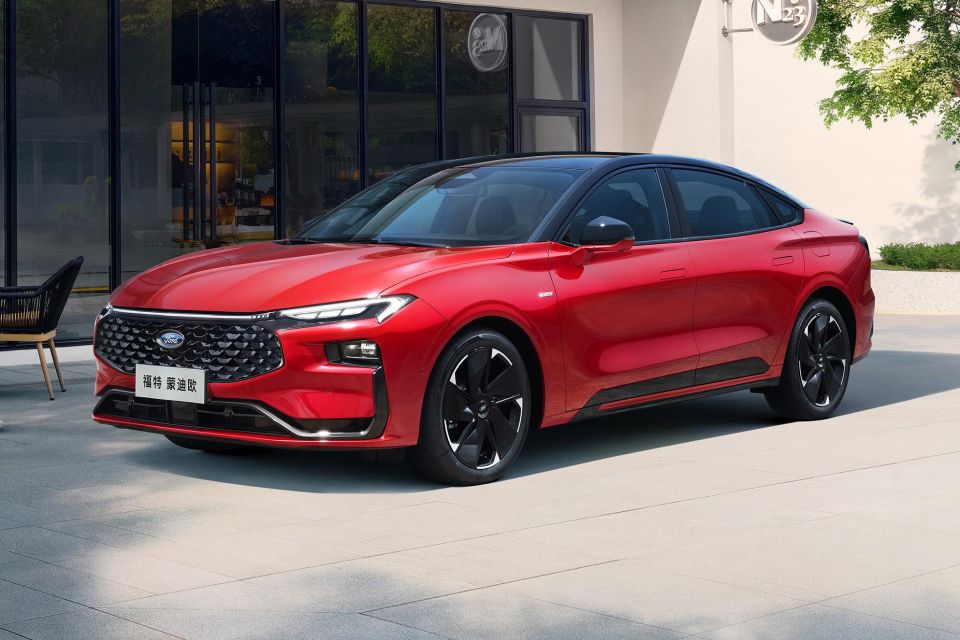
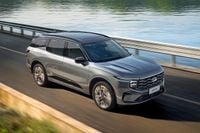
Ford Mondeo
Our team there is doing incredible work. As a global company, we'll always source vehicles from wherever makes the most sense, whether that's Thailand, North America, Europe, or China.
But the bottom line is, no matter where a vehicle is physically assembled, if it’s heading to Australian driveways, our local Aussie engineering team is involved to make sure it meets our tough local standards.