




Dave Humphreys
2027 Volkswagen ID. Polo review: Quick drive
Volkswagen goes back to basics for the Polo EV with a straightforward design, a better interior than recent efforts and a polished driving experience.
6 Hours Ago
Volkswagen goes back to basics for the Polo EV with a straightforward design, a better interior than recent efforts and a polished driving experience.
Contributor
Contributor
Contributor
Contributor
If this is the car for you, we’ll compare offers from trusted dealers, handle the back and forth and manage your purchase from enquiry to delivery.
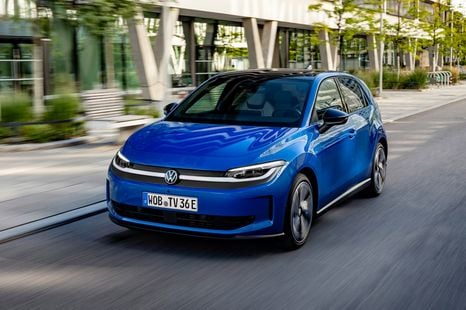
Facing unrelenting pressure from Chinese and Korean auto brands, Volkswagen is going back to what it used to do best for its new generation of electric cars, which starts with the ID. Polo.
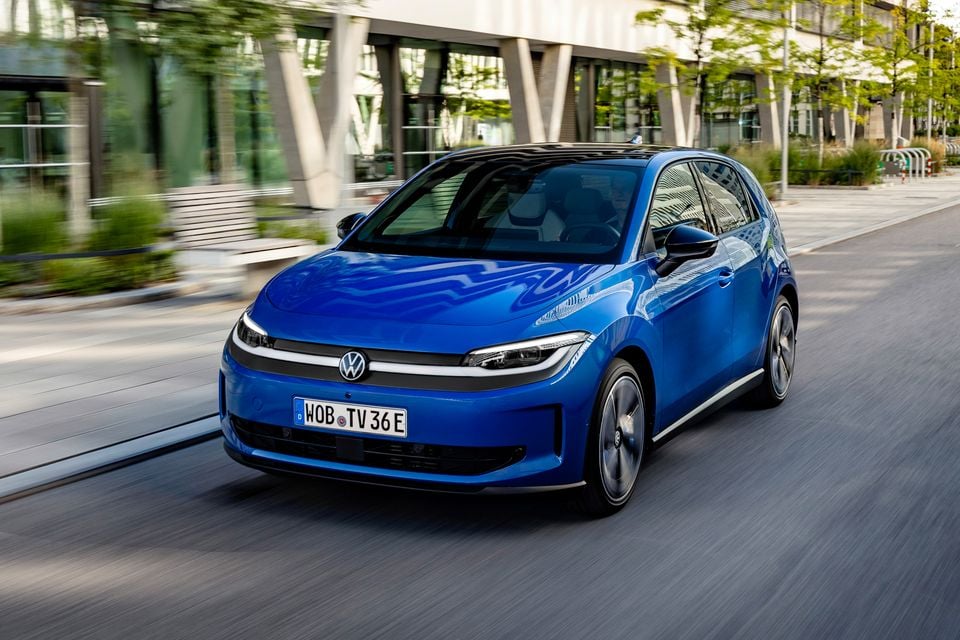
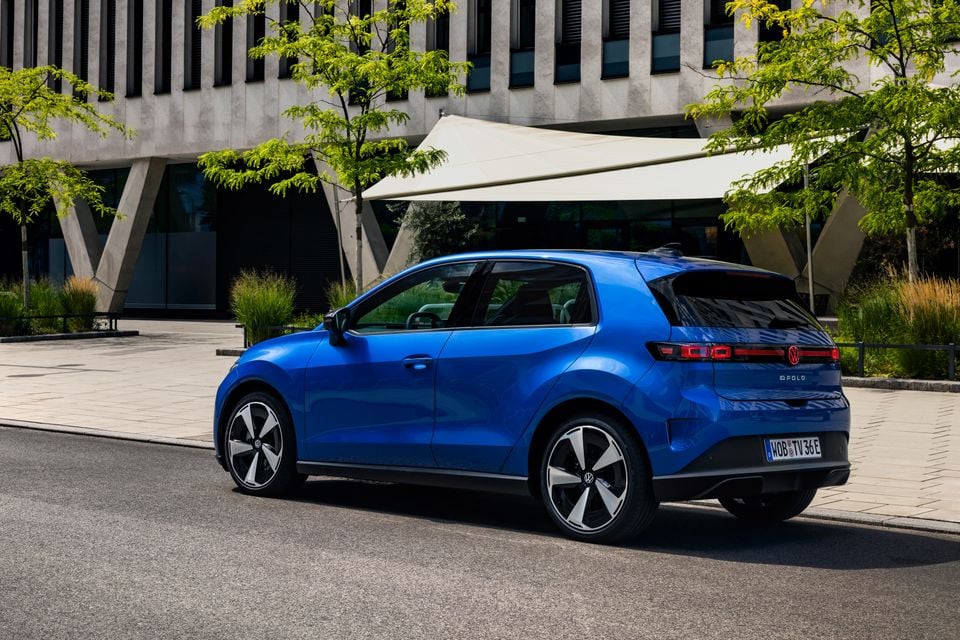
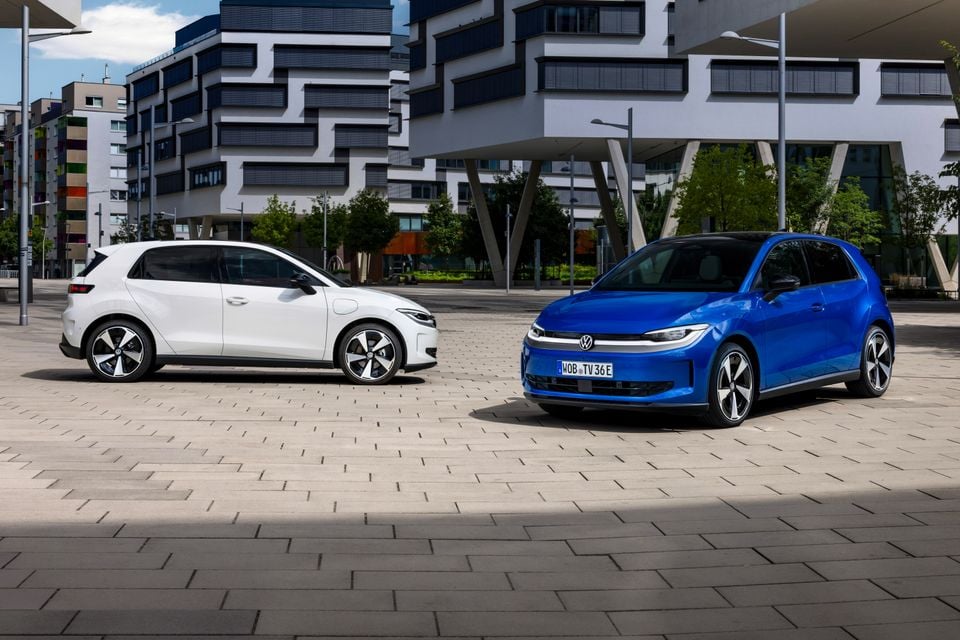
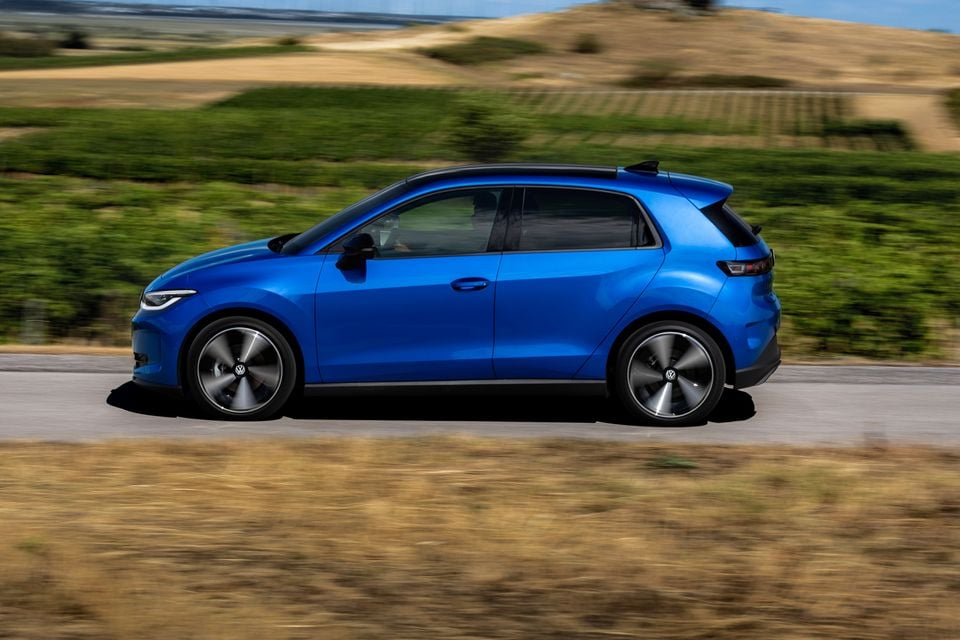
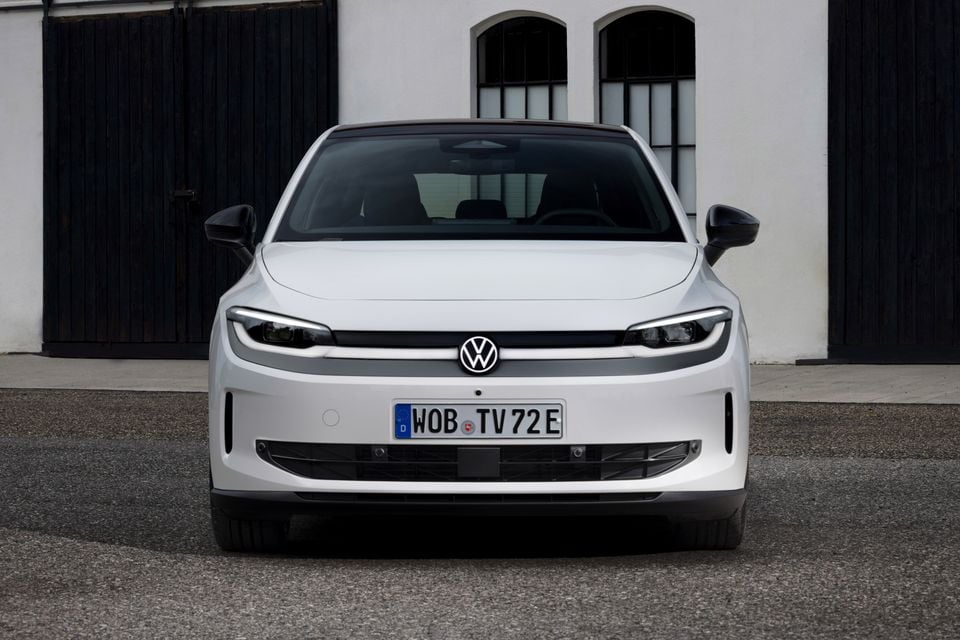
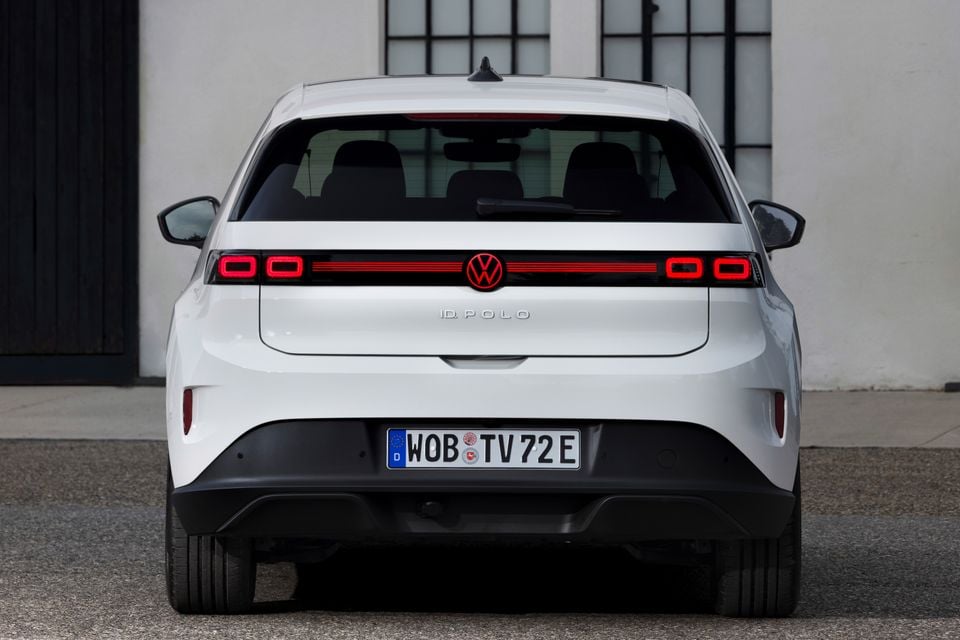
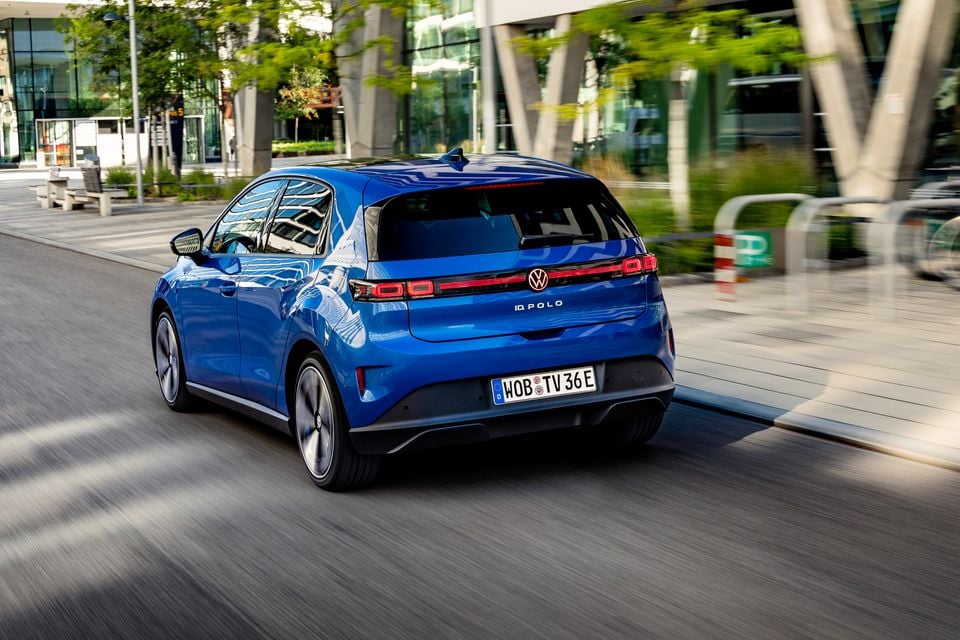
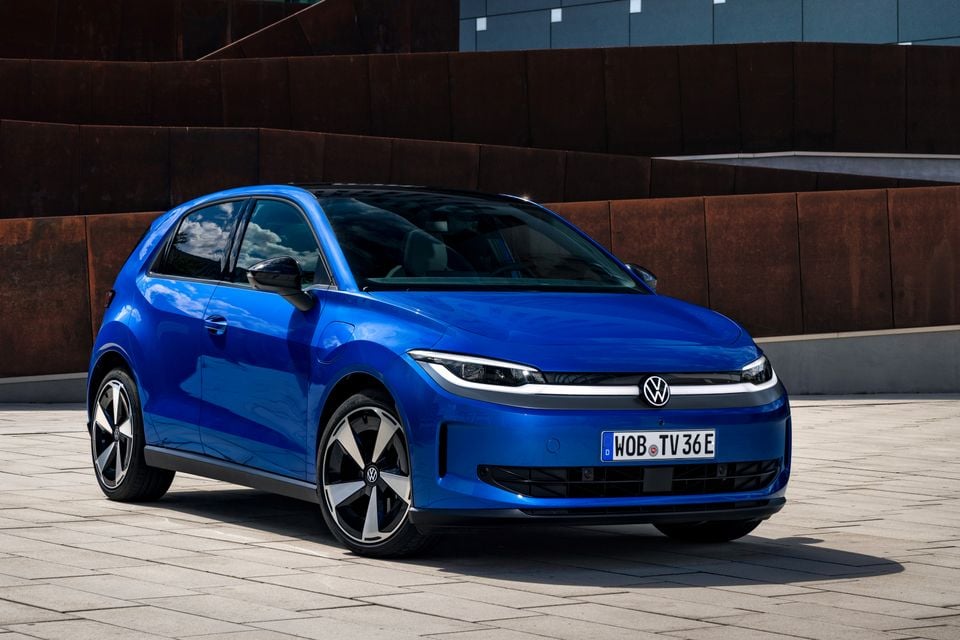
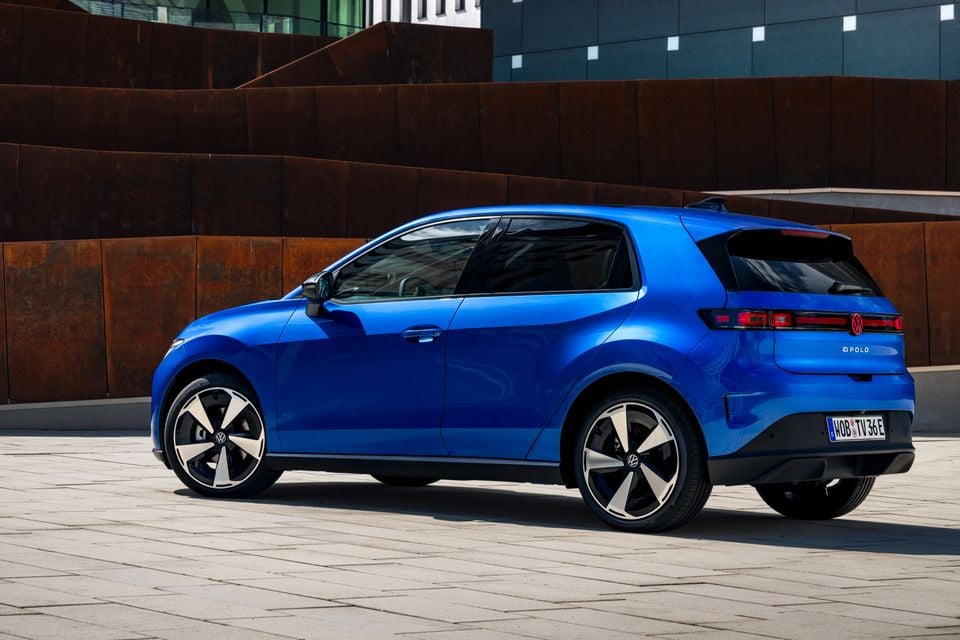
Rather than trying to woo would-be buyers with striking design, Volkswagen has gone back to a simpler and more broadly appealing appearance for what is currently its smallest electric car. It echoes the simplicity we saw when the third-generation Polo debuted in the mid-1990s, while the C-pillar is pure Mk4 Golf.
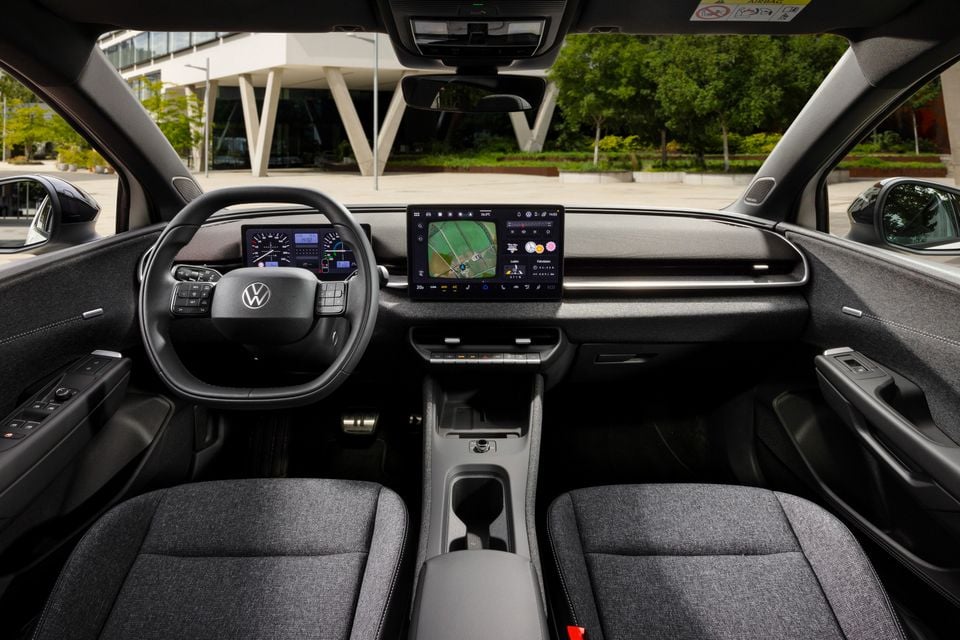
More importantly, it has listened to the feedback and criticism its other ID-badged electric models received, in particular their over-reliance on touchscreens and haptic surfaces. Now the dashboard features proper buttons and switchgear.
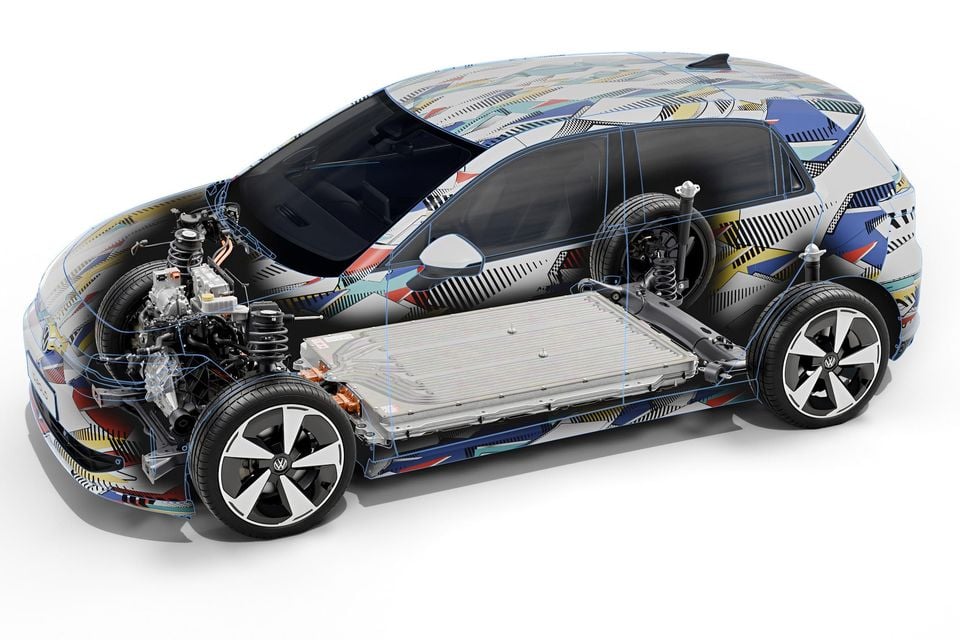
Under the skin is a new platform that has been designed to keep costs down and provide useful levels of performance and driving range, using LFP batteries and a front-wheel drive setup.
To see how it stacks up, we got behind the wheel of the ID. Polo at its European launch in Austria, which provided us with an opportunity to drive it on the highway, countryside and in the city.
The Volkswagen ID. Polo has not yet been confirmed for the Australian market, but in Germany prices start from €24,995 (A$40,900 at today’s exchange rate), making it more affordable than the similarly sized Renault 5 E-Tech. However, if you opt for the higher-capacity battery and move up to the top Style trim level, the price quickly increases to €32,395 ($52,275).
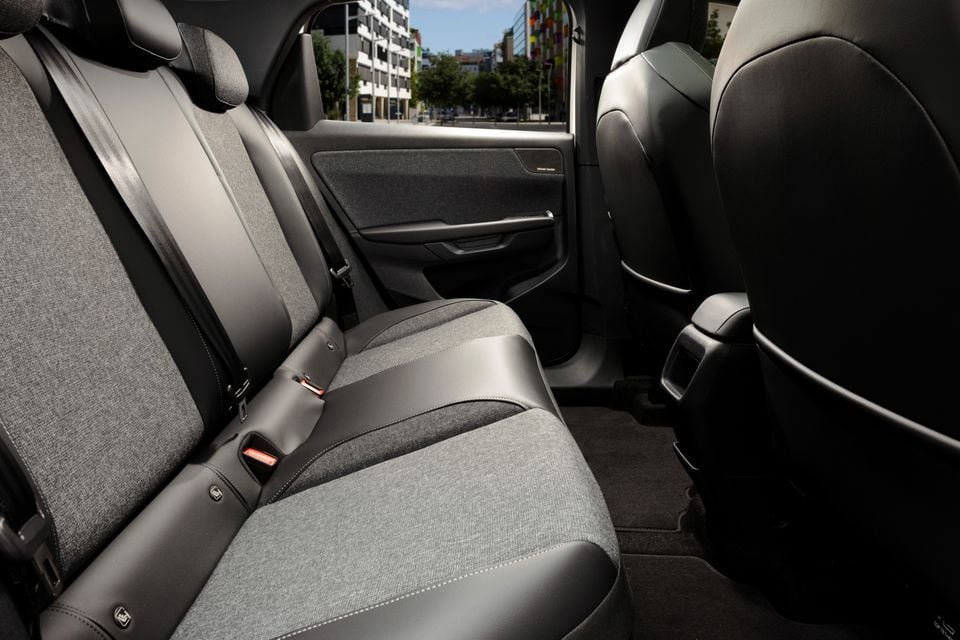
There’s a very logical layout to the ID. Polo’s cabin, with a good amount of space for both front and rear occupants and the choice of a light or dark colour.
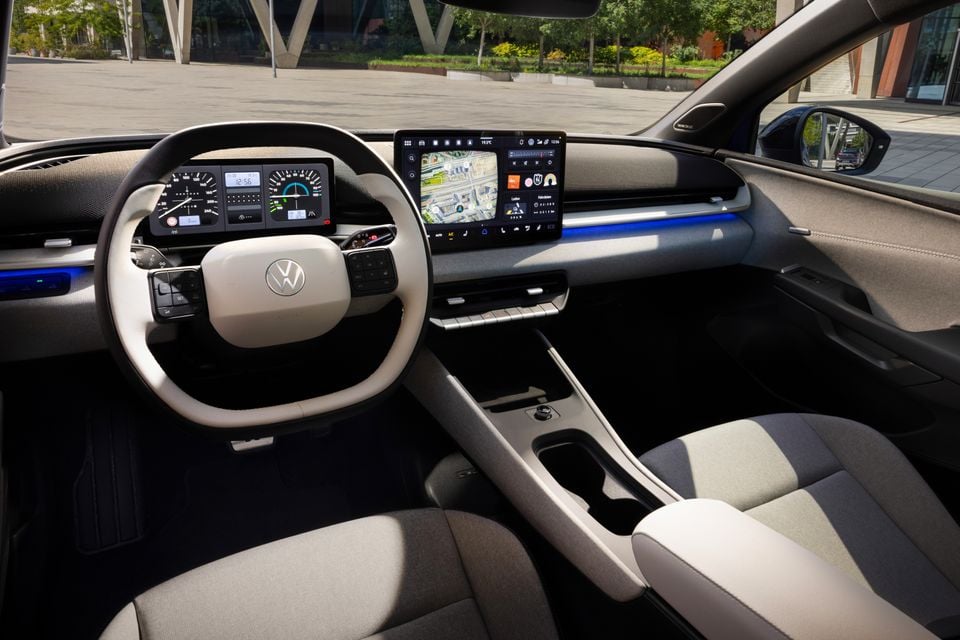
A new-look steering wheel has a two-spoke design with numerous physical buttons on either side. These are slightly raised on some edges to make it easier to navigate by touch alone once you become more familiar with the car.
Ahead of the driver is a 10-inch digital instrument display that provides all the relevant information in a clear view. Drivers can also scroll through different displays, including a retro theme that replicates the instrument dials from a Mk1 Golf. Yes, it’s a bit of a gimmick, but it’s refreshing to see some whimsy in a new car these days.
In the centre of the dashboard is a 12.9-inch multimedia touchscreen, and this has a better version of the native infotainment, featuring a menu system that is laid out more like the apps on a smartphone. It reacts quickly to inputs and is more intuitive to use than before. Better again is the bank of physical buttons below it for the temperature and other functions such as window demisting.
A relatively broad centre console contains a wireless phone charging pad and a useful slot that allows charging cables to be pulled through when plugged into the USB-C ports in the stowage area underneath. There are also two cupholders up top and some extra storage beneath the central armrest.
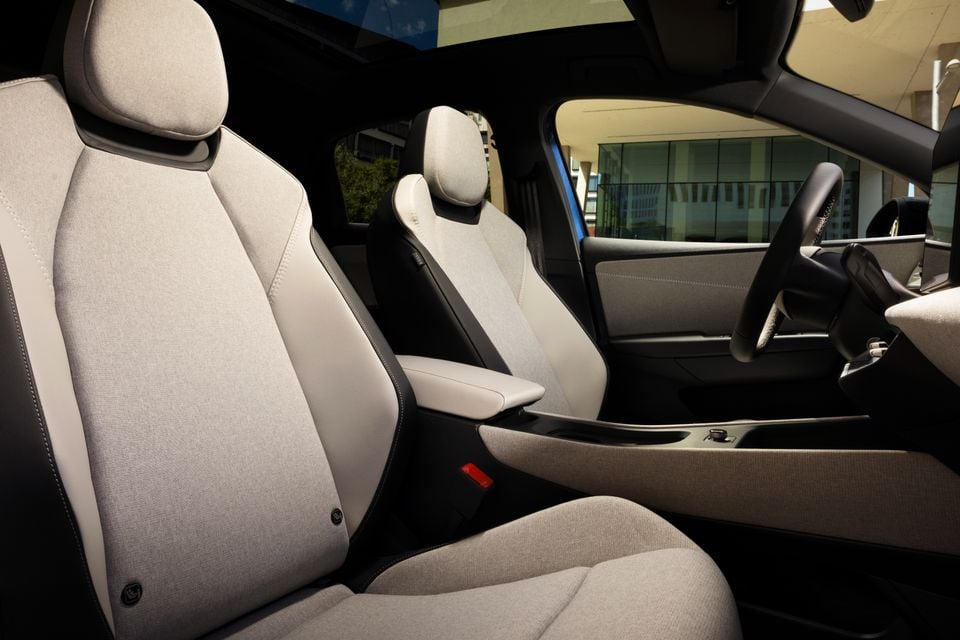
The front doors get useful door bins, and on the driver’s side there is a full set of window switches including one for child-lock activation. Chunky door release handles pull up at the end of the armrest to make it easy to exit the car.
The ID. Polo gets seating for three across the rear, though the outer two positions are far more comfortable than the middle one. These also contain ISOFIX child seat anchor points, as does the front passenger seat.
One area the new Polo does do well in is boot space, which at 441 litres is more than you get in a current Golf. That’s partly due to the platform’s clever packaging, which allows for a big underfloor storage compartment, and when the rear seats are folded the volume rises to 1240L.
| Dimensions | Volkswagen ID. Polo |
|---|---|
| Length | 4053mm |
| Width | 1816mm |
| Height | 1530mm |
| Wheelbase | 2592mm |
| Cargo capacity | 441L |
Volkswagen offers the ID. Polo with a range of powertrains with two battery sizes and three motors.
| Specifications | Volkswagen ID. Polo 155kW |
|---|---|
| Drivetrain | Single-motor electric |
| Battery | 52kWh nickel-manganese-cobalt (NMC) |
| Power | 155kW |
| Torque | 290Nm |
| Drive type | Front-wheel drive |
| Weight | 1576kg |
| 0-100km/h (claimed) | 7.1 seconds |
| Energy consumption (claimed) | 13.4kWh/100km |
| Energy consumption (as tested) | 14.7kWh/100km |
| Claimed range | 454km |
| Max AC charge rate | 11kW |
| Max DC charge rate | 105kW |
The ID. Polo range kicks off with an 85kW version that is paired with a 37kWh lithium-iron-phosphate (LFP) battery and provides a WLTP driving range of 323km. This version sits on 17-inch wheels, the smallest size available for the car. Official figures indicate it has combined energy use of 13.8kWh/100km in the Trend specification.
A slightly more powerful 99kW motor can also be paired with that 37kWh battery, resulting in a WLTP range of 331km, though this is only available in the Life specification. Not only does it get a marginally longer driving range, but the consumption figure drops slightly to 13.6kWh/100km, too.
That same grade can also be selected with the 155kW motor, and this comes only with the 52kWh NMC battery, providing a range of 454km, or up to 452km in the Style specification, with consumption of 13.4kWh/100km.
There’s a well-sorted feeling to how the Volkswagen drives, but it’s not without its niggles, which we discovered during our time behind the wheel of the 155kW version.
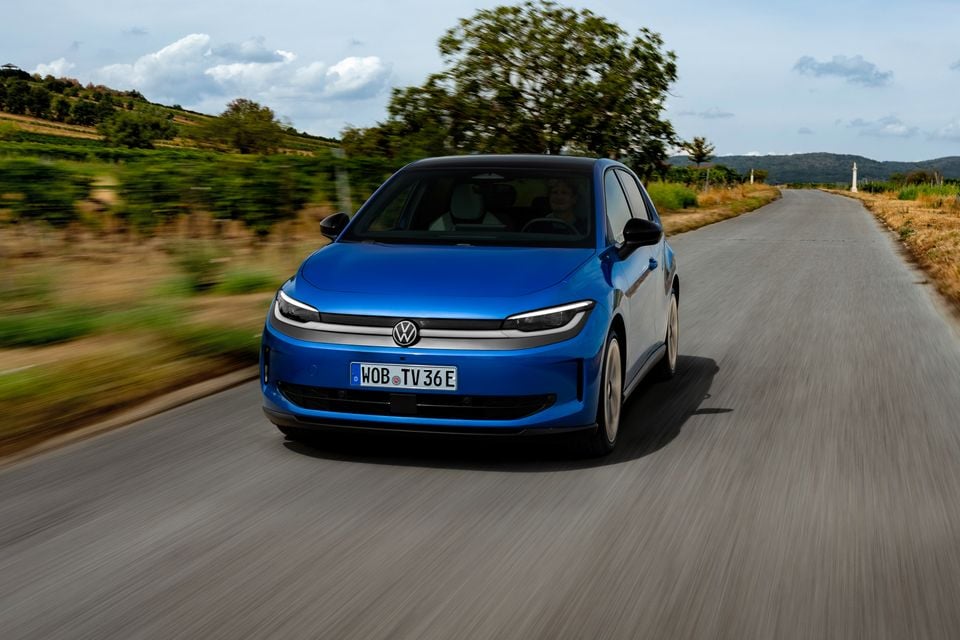
As we would have expected in lower-speed urban settings, the ID. Polo feels at home when slower driving provides a chance to demonstrate how quiet it can be. Given the car’s size and weight, the 155kW motor is more than adequate in most scenarios.
We didn’t get the opportunity to sample the lower-power versions that come with the smaller battery, so we can’t provide an overall comparison as yet. We suspect the 99kW model could be something of a sweet spot in the range from a driving and purchasing perspective.
Regardless of powertrain, outward visibility is quite good; there’s no chunky A-pillar to potentially create blind spots when pulling out of junctions, for example.
The power delivery is smooth and linear, and while you can hustle the car along, it doesn’t deliver jolts of acceleration as some other EVs do. It feels more measured in its approach, though perhaps that will be different with the incoming ID. Polo GTI.
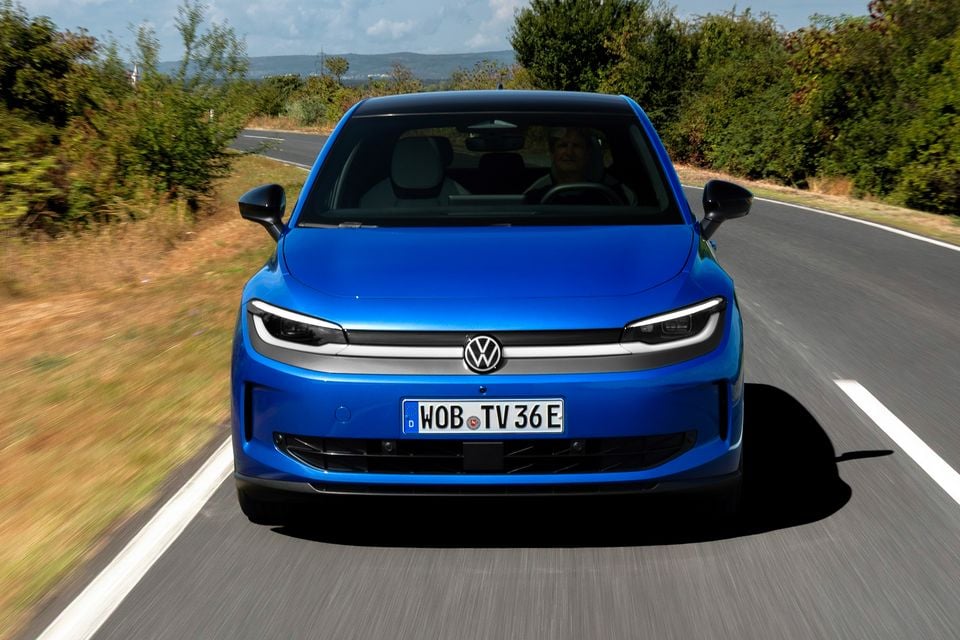
It’s easily manoeuvrable, but in a pinch its turning circle is larger than the majority of its rivals by more than half a metre in most cases. Still, there is at least a suite of parking sensors and a reversing camera to help out.
Leaving the city and heading onto the highway shows the Volkswagen can accomplish longer distances without much effort. Getting up to cruising speed when joining from a slip road isn’t an issue, but again it’s worth noting that this is the more powerful version we’re driving.
Given the ID. Polo’s compact dimensions, it feels stable and planted at higher speeds, though we did find there was more road noise being transmitted into the cabin than we had expected, specifically tyre noise from the Michelin rubber.
The highway stretch did serve as a good opportunity to try out Volkswagen’s Travel Assist system. It combines adaptive cruise control and lane-keeping assistance to provide lateral and longitudinal guidance while actively maintaining a selected distance to the vehicle in front.
The system is also now capable of traffic light recognition – in addition to road signs – and can interpret navigation data as well. The latter means that as a bend approaches, the car will reduce its speed to take it at a safe pace.
Another aspect of the ride comfort is the suspension, which for the most part does a comprehensive job of soaking up most of what the world throws at it. Its MacPherson front axle provides a positive feel, but the compact torsion beam rear struggles at times to mask its setup, with bumps such as expansion joints and thicker seams in the road surface thumping through and into the cabin. To its credit, the damping levels are quite good, and overall the result is a car that feels balanced and somewhat neutral.
Its steering is in line with what we’ve come to expect from Volkswagen, feeling neither too light to the point of being disconnected, nor seemingly artificially weighted to induce a sense of sportiness. Instead, the ID. Polo feels competent and predictable in a wide variety of situations.
One further positive is the brake pedal, which has a good feel as you apply more pressure. The one-box system controls disc brakes on both axles and a new type of sensor system actuated by brake pedal pressure to determine how much braking force comes from the friction brakes or from energy recuperation. It results in a consistent feel throughout the pedal movement, making it hard for even the keenest driver to decipher the split as it's happening.
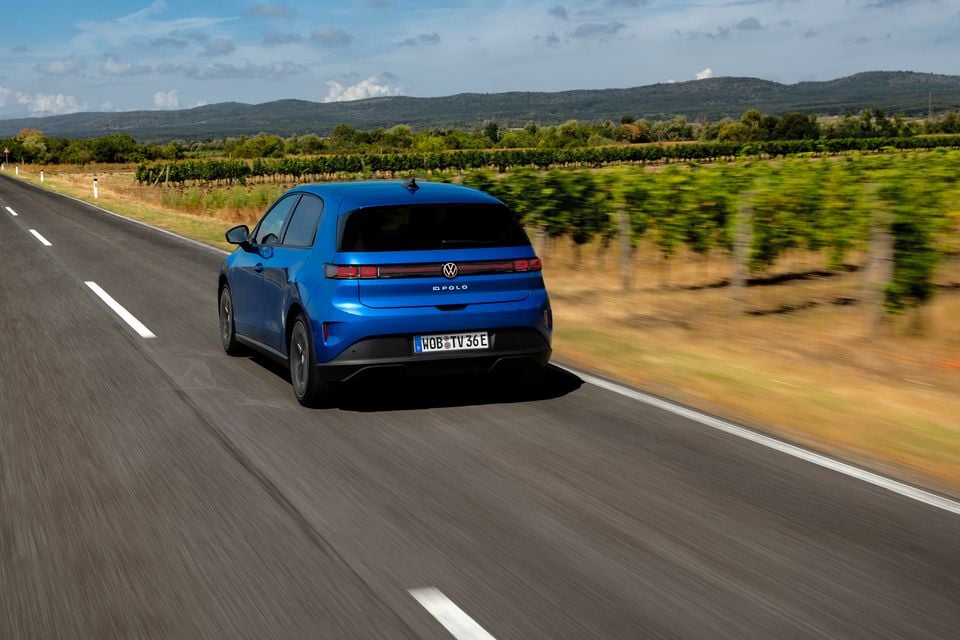
During our time with the car, it returned a consumption figure of 14.7kWh/100km.
The end result is a car that very much feels like the Volkswagens we had come to know about a decade ago. Next to the ID.3 Neo, it’s one of the most complete EV packages the company has released, and above all else it feels like a very normal car, which is what many people have been looking for from an electric car.
In Europe, there are three specification grades for the Volkswagen ID. Polo: Trend, Life and Style.
2027 Volkswagen ID. Polo Trend equipment highlights:
The Life adds:
The Style adds:
The Volkswagen ID. Polo has not yet been assessed by either Euro NCAP or ANCAP, but given the level of standard safety equipment, we expect it to achieve a good score when it does go through the tests.
Standard safety equipment includes:
Existing Volkswagen electric cars such as the ID.4 and ID.5 have 24-month or 30,000km service intervals, whichever comes first. It’s likely the ID. Polo will fall under the same schedule plan.
| Servicing and Warranty | Volkswagen ID. Polo |
|---|---|
| Warranty | 5 years, unlimited kilometres – vehicle 8 years or 160,000km – high-voltage battery |
| Roadside assistance | 2 years |
It’s clear that Volkswagen has worked hard to get back to where it used to be with the ID. Polo.
But in chasing a competitive price tag, it still falls short of matching what its Chinese rivals can offer, especially when it comes to standard equipment levels.
The ID. Polo does make up ground with how it drives and the overall efficiency isn’t bad, so running costs should be low for owners.
Higher specification grades make it a lovely car to spend time in, even if it does start to step on the ID.3 Neo’s toes at the upper end.
The new Polo is certainly a step in the right direction for Volkswagen.
If this is the car for you, we’ll compare offers from trusted dealers, handle the back and forth and manage your purchase from enquiry to delivery.
Click the images for the full gallery
If this is the car for you, we’ll compare offers from trusted dealers, handle the back and forth and manage your purchase from enquiry to delivery.
Quickly see how this car stacks up against its competition. Select any benchmark to see more details.
Volkswagen Polo
Volkswagen Polo Sales rolling 12-months#
*Based on VFACTS and EVC data
Looking for complete Volkswagen Polo price history?
Our Volkswagen Polo Pricing Page shows exactly how prices have changed over time.
2027
$34,741
2026
$34,741
2026
$36,595
2027
$38,861
2026
$38,861
2026
$46,071
Add CarExpert as a Preferred Source on Google so your search results prioritise writing by actual experts, not AI.
Dave Humphreys
6 Hours Ago

William Stopford
8 Days Ago

Derek Fung
10 Days Ago

Matt Campbell
13 Days Ago

Max Davies
14 Days Ago

Marton Pettendy
1 Month Ago
Add CarExpert as a Preferred Source on Google so your search results prioritise writing by actual experts, not AI.
# Based on VFACTS and EVC data
† Displayed prices are based on the drive-away price of the vehicle, which includes delivery charges, registration fees, number plates, and applicable road taxes, based on a Sydney location. However, prices may vary between states and territories, and additional costs such as compulsory third party (CTP) insurance, dealer delivery fees, and optional extras are not included. These prices are subject to change without notice and may not reflect current market pricing or dealer offers.
 Automotive Vehicle Spec Data & 4K images Powered by JATO Dynamics Ltd