




James Wong
2027 Forthing review: Quick drive
Dongfeng is Forthing ahead with its EREV and EV despite de-naming it amid a dispute with Porsche, but can it stand out in a sea of other Chinese SUVs?
51 Minutes Ago
Dongfeng is Forthing ahead with its EREV and EV despite de-naming it amid a dispute with Porsche, but can it stand out in a sea of other Chinese SUVs?
Marketplace Editor
Marketplace Editor
Marketplace Editor
Marketplace Editor
If this is the car for you, we’ll compare offers from trusted dealers, handle the back and forth and manage your purchase from enquiry to delivery.
One thing, two things, three things, Forthings?
There's yet another Chinese brand arriving in the Australian market, and Forthing is a subsidiary of automotive giant Dongfeng.
While it's not much of a household name Down Under, Dongfeng is the Chinese joint-venture partner of choice for the likes of Honda, Nissan and the Stellantis group.
The Forthing brand was first launched in the Chinese domestic market back in 2001, and since then it has expanded to parts of Europe, the Middle East, and South America.
Australia is the next cab off the rank, and the brand's local manager says our market will play a key role in its global network as a primary right-hand drive market.
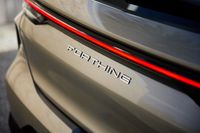
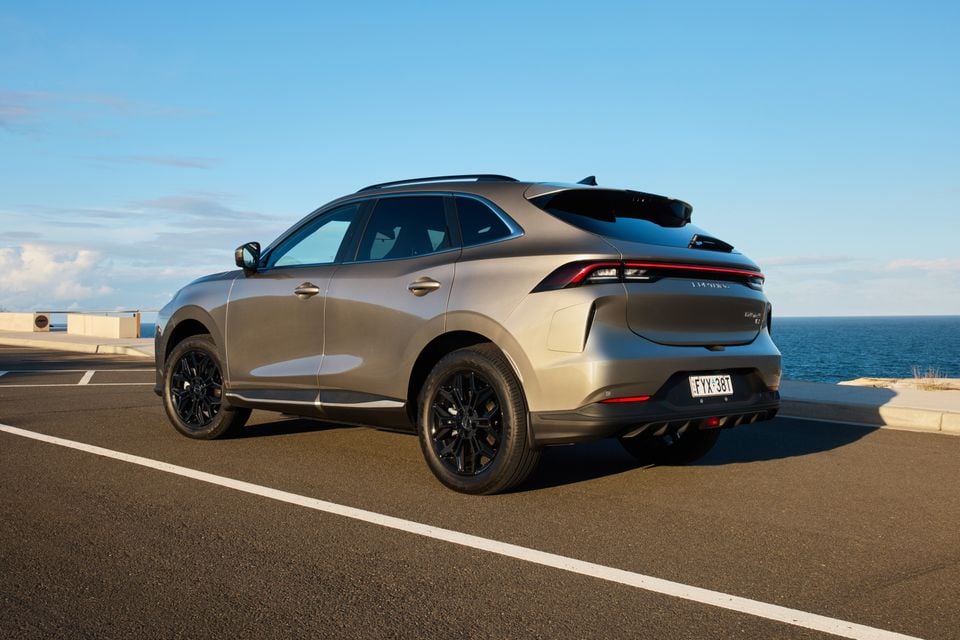
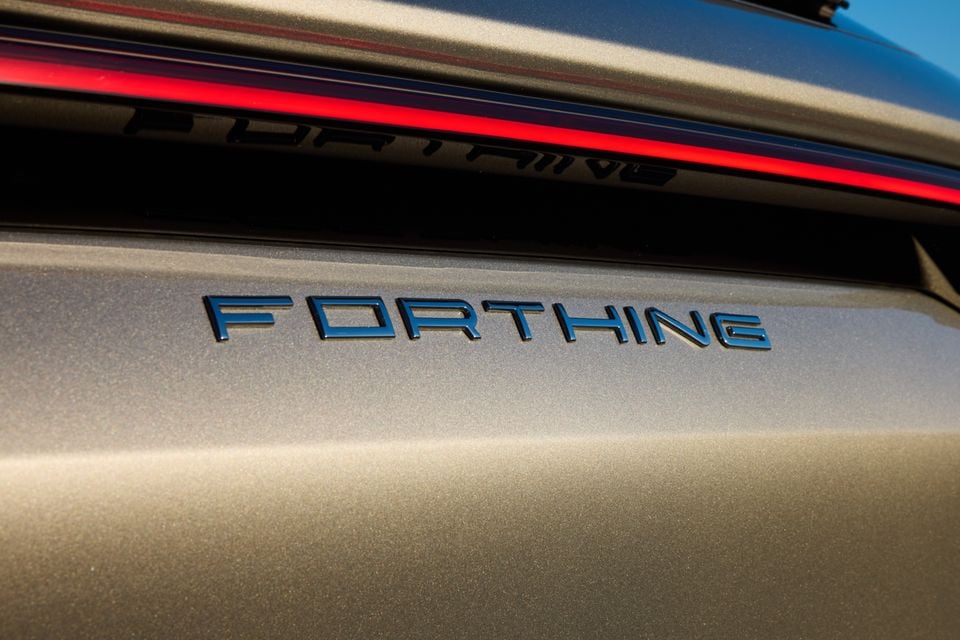
Kicking off proceedings is the Forthing Range Extender Hybrid (REEV) and Electric (EV) mid-size SUV, badged initially as the Taikon 5 but currently going by its powertrain names until the Chinese brand settles a dispute lodged by Porsche in New Zealand – apparently, the German marque thinks you might confuse the original Taikon nameplate with its much more expensive Taycan electric sports sedan and wagon.
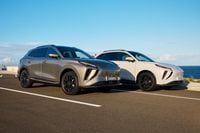
Taikon or not, Forthing's debut model is the latest in a slew of electrified Chinese SUVs to arrive in Australia with a bargain-basement price tag. Does it stand out from the crowd of newbies hitting our shores? We got a first drive of both powertrain versions recently in New South Wales to find out.
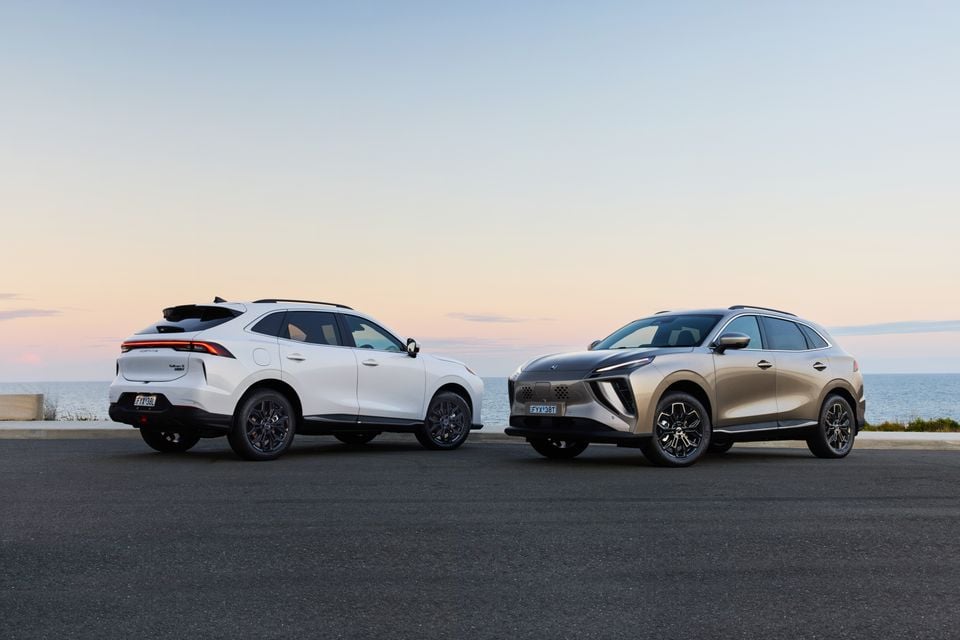
Pricing for the Forthing SUV range kicks off from $36,990 drive-away for the Range Extender Hybrid (REEV) Luxury grade, while the Electric (EV) variant kicks off from $40,490 drive-away.
| Model | Drive-away price |
|---|---|
| 2026 Forthing Range Extender Hybrid Luxury | $36,990 |
| 2026 Forthing Electric Luxury | $38,990 |
| 2026 Forthing Range Extender Hybrid Exclusive | $40,490 |
| 2026 Forthing Electric Exclusive | $42,490 |
While there aren't a whole lot of extended-range electric vehicles (EREVs) on sale in Australia currently, let alone at this price point, the Forthing REEV is up against plenty of competition from fellow Chinese SUVs with plug-in 'Super Hybrid' drivetrains.
The Chery Tiggo 7 Super Hybrid isn't an EREV but does offer a claimed 1200km of combined driving range from its plug-in hybrid (PHEV) powertrain, and starts at an even sharper $34,990 drive-away price point.
Chery's group of brands also includes Omoda Jaecoo, which offers the J7 SHS-P – a relative of the Tiggo 7 – from $39,990 drive-away. Rival Chinese brand Geely also has the Starray EM-i priced from $37,490 plus on-road costs, while GWM offers the Haval H6 PHEV from $40,990 drive-away.
To see how the Forthing lines up against the competition, check out our comparison tool
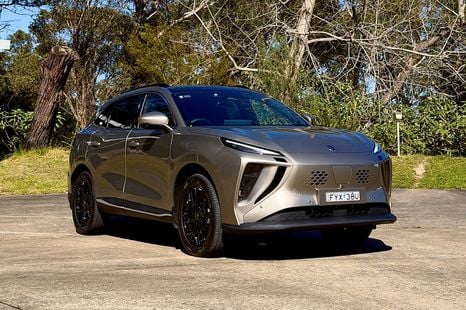
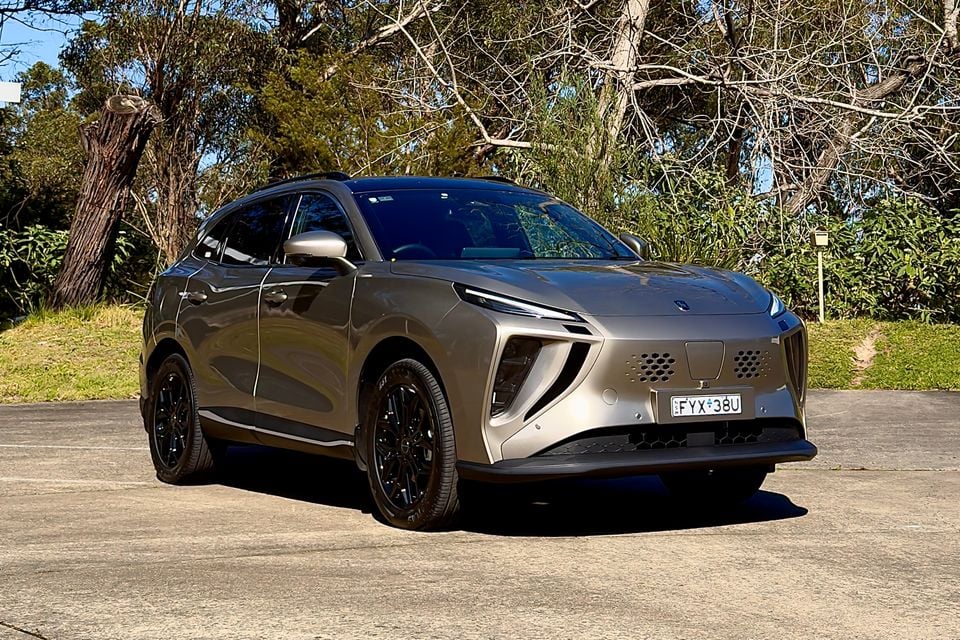
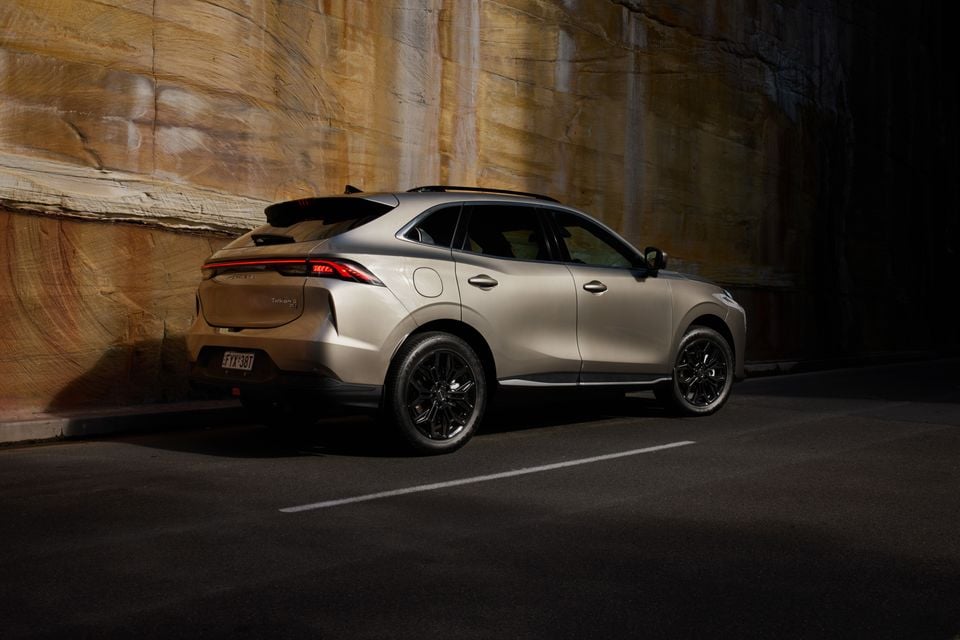
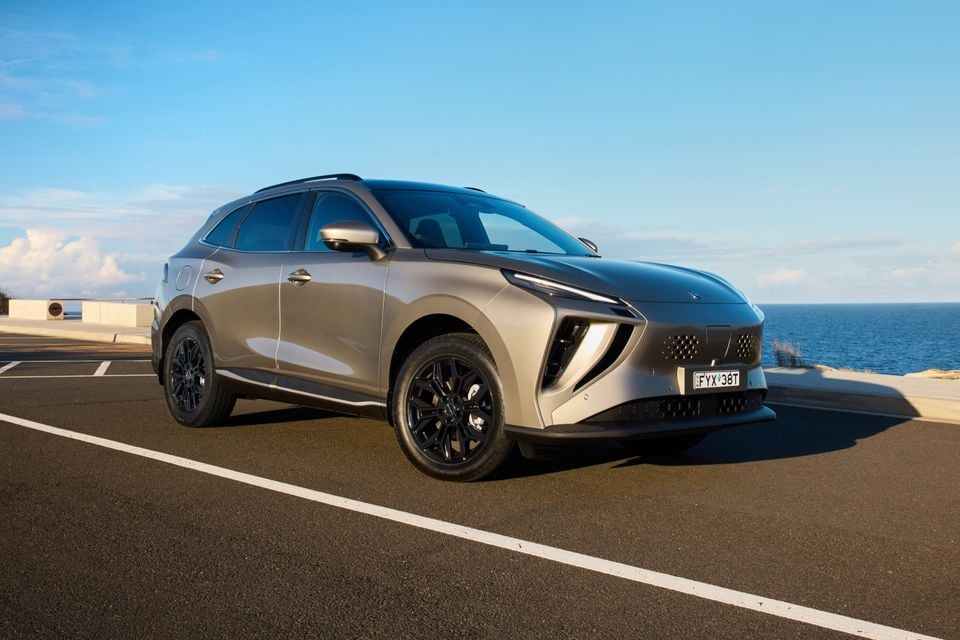
Where a lot of other brands from China go hard on glossy showroom appeal, the Forthing comes off as more of a mix between old and new.
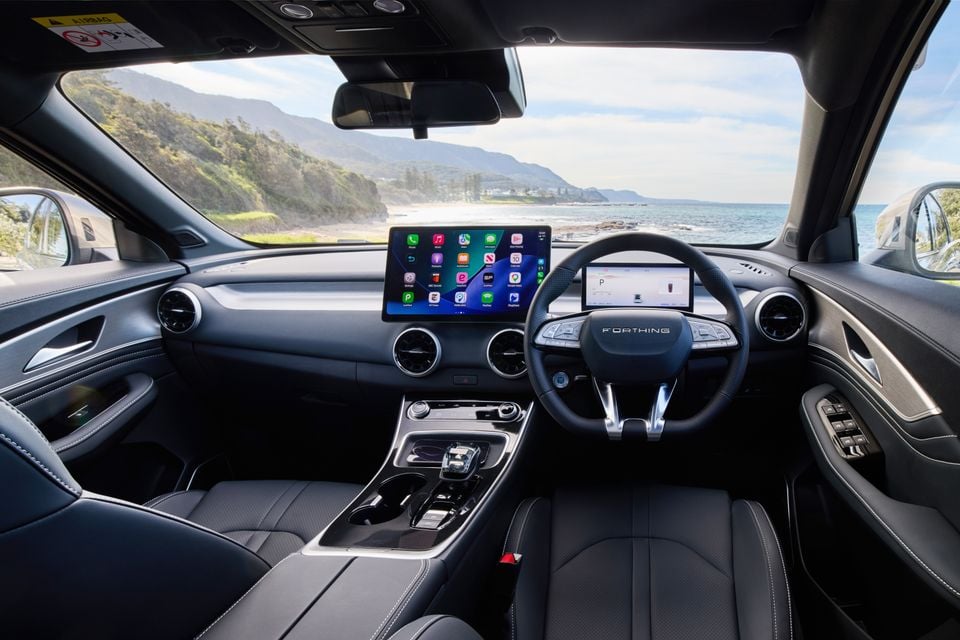
In fact, where a lot of Chinese car designs tend to draw heavy inspiration from mainstream and premium brands – usually from Europe – the Forthing's cabin execution in particular seems to blend a number of rival Chinese designs.
The displays, for example, are very BYD in their look and feel, while the dashboard and door designs could easily have been nicked from a GWM product. We're told the man who designed the Forthing (not-a-Taikon 5) is a former Volvo designer, and the only real evidence of that is the crystal-like gearshift.
Forthing's local team stressed that the SUV's cockpit has usability and practicality in mind, offering physical controls for the climate controls in addition to the virtual buttons embedded in the touchscreen.
You could argue, perhaps, that the circular air vents have a hint of Mercedes-Benz about them, but you could also say there's a hint of GWM about them. These are purely subjective observations, not meant with any criticism or disrespect.
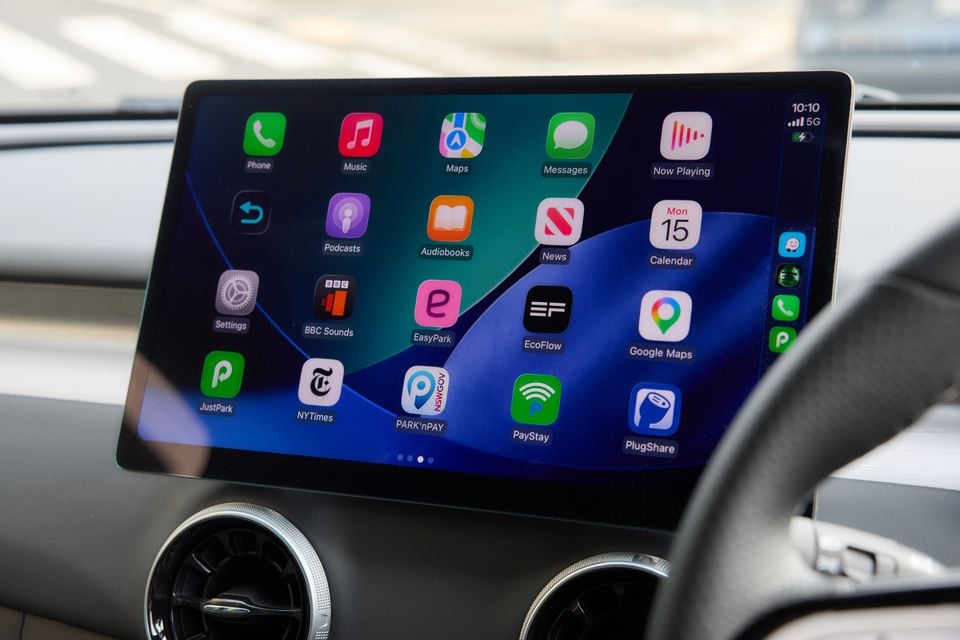
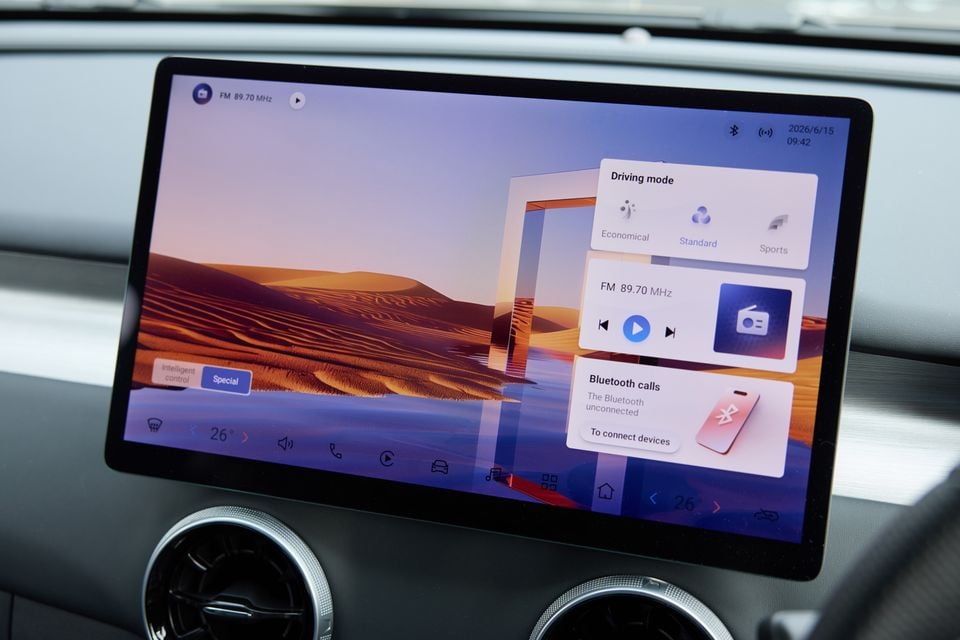
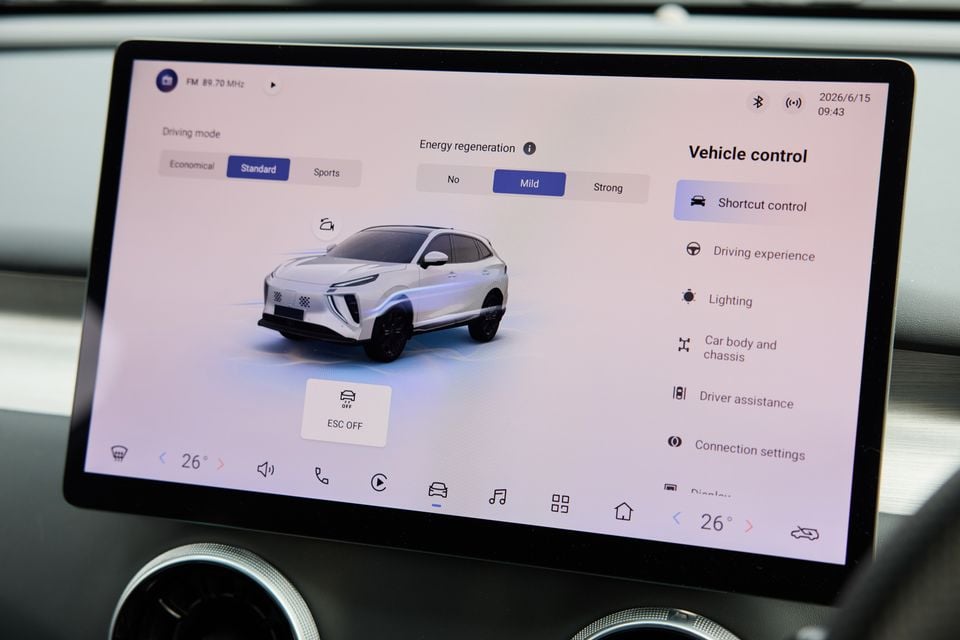
Either way, the derivative interface is easy enough to use, and the menu structure to dive through vehicle settings and the like isn't so dense that you're diving through successive menus to find things.
General response times to inputs and fluidity of animations and loading are also fine, but as noted earlier you could be forgiven for thinking the Forthing is running the infotainment system from a BYD or Geely.
Thankfully, there's wireless Apple CarPlay and Android Auto, which fill up the 14.6-inch display. Tethered to my iPhone 17 Pro Max, smartphone mirroring worked seamlessly, including Siri voice control – which isn't always a given.
While there's no embedded satellite navigation, so you'll have to use app-based maps from your smartphone, the Forthing interestingly includes AM radio alongside FM and DAB+ digital radio tuners. All that's missing is a cassette deck and CD player, really.
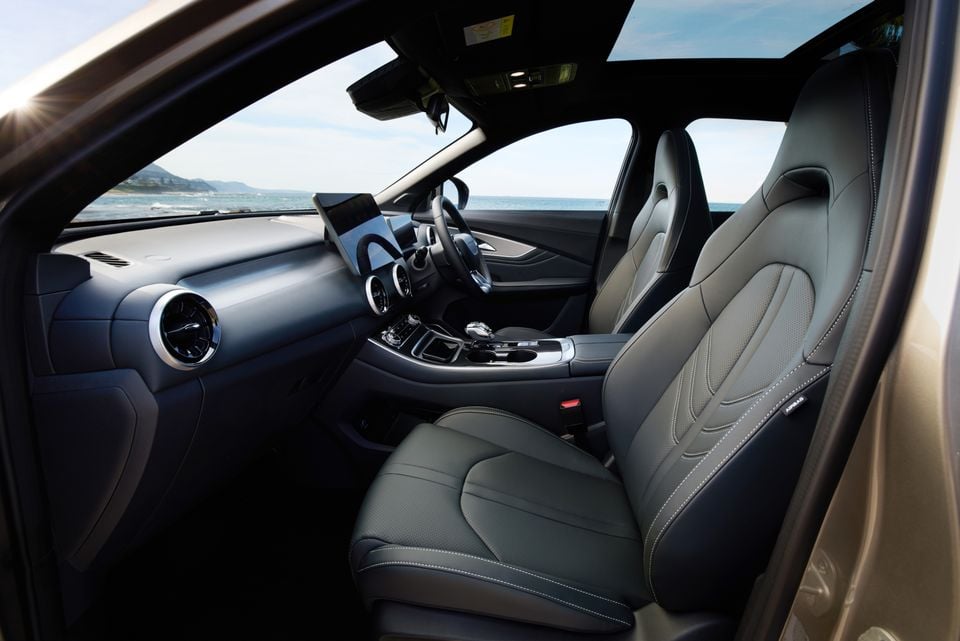
The front seats with integrated head restraints are mildly sporty in design but aren't all that well bolstered or figure-hugging. And in very Chinese fashion, the seat base is quite short and lacks angle adjustment.
We only sat in the kitted-out Exclusive versions of both the REEV and EV, so it's hard to tell how much the ambience suffers without the leather-wrapped steering wheel and panoramic sunroof.
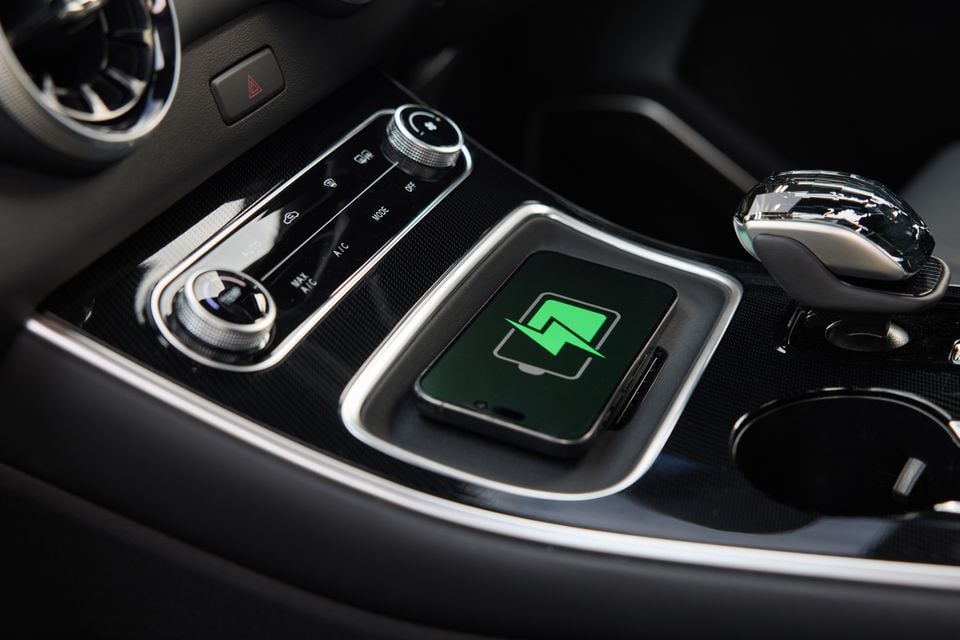
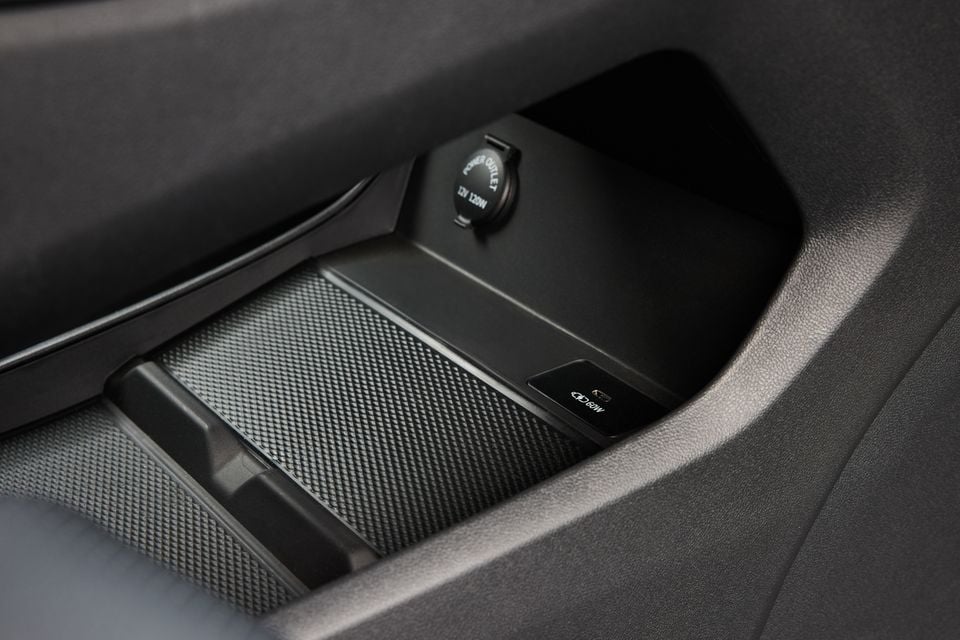
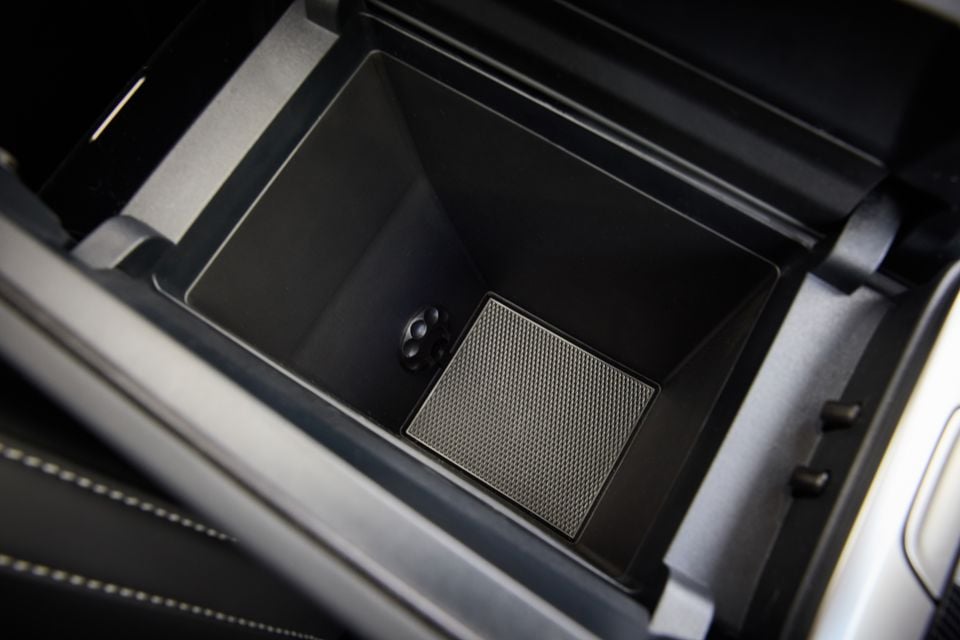
The Exclusive's 50W wireless phone charger is conveniently placed at the base of the dashboard and has little tabs to hold your phone in place nicely, while cabin storage up front is alright with a few nooks and crannies to stow your odds and ends – though none of them are quite as capacious as those in some rivals.
Further, the six-speaker audio system (up from the base car's four-speaker unit) is okay for the money, but nothing particularly noteworthy. That crystal-like gear shifter mentioned earlier is also a little fiddly, not allowing for long pushes or pulls to go straight to Drive or Reverse, and instead requiring successive actions to go past Neutral – luckily Park is selected via a button on the console.
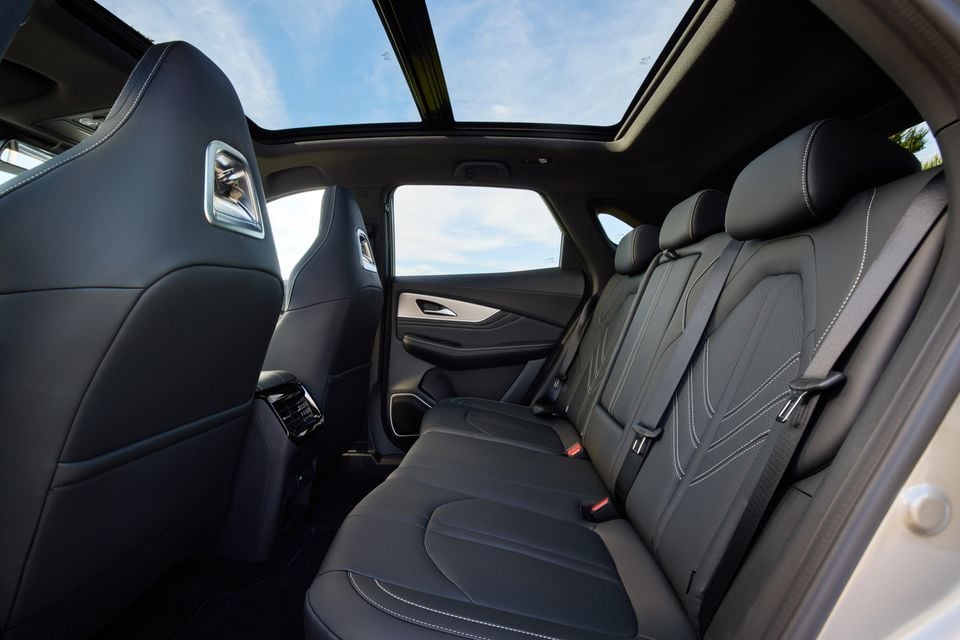
Like the front row of seats, the second row is decent but far from groundbreaking. The seats are pretty flat in the back and base, so there's width to spread out, but there's not a lot holding anyone in.
Space for taller passengers behind taller drivers is good for the segment, and there are standard rear air vents sitting above a single (outdated) USB-A charge port at the rear of the centre console.
Amenities include map pockets behind the front seats, bottle holders in the doors, and a fold-down rear-centre armrest. You also get ISOFIX anchors on the outboard seats, as well as top-tether points on the backs of all three for child seats.
The rear seatbacks fold with a 60:40 split, too.
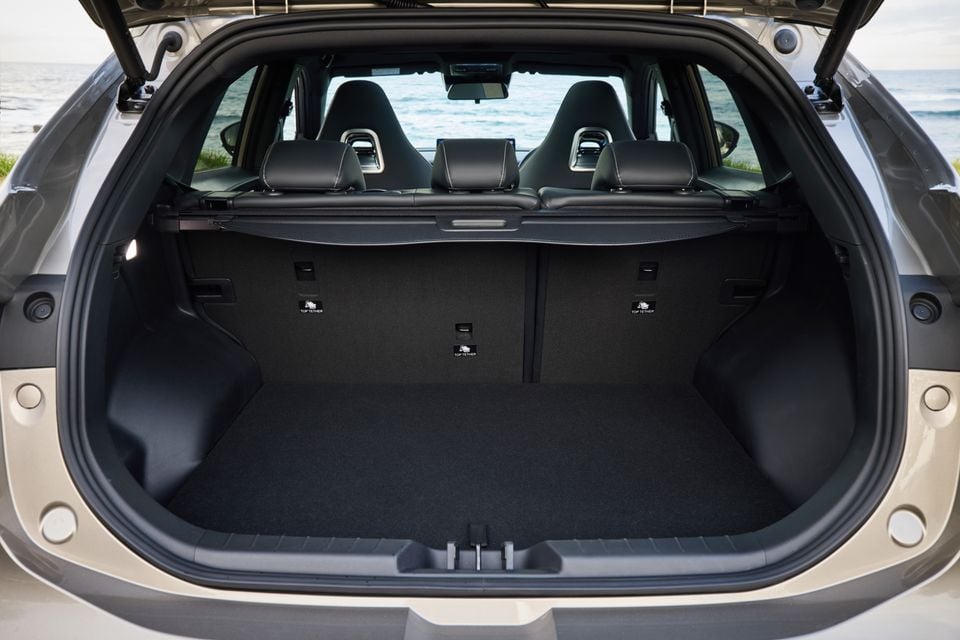
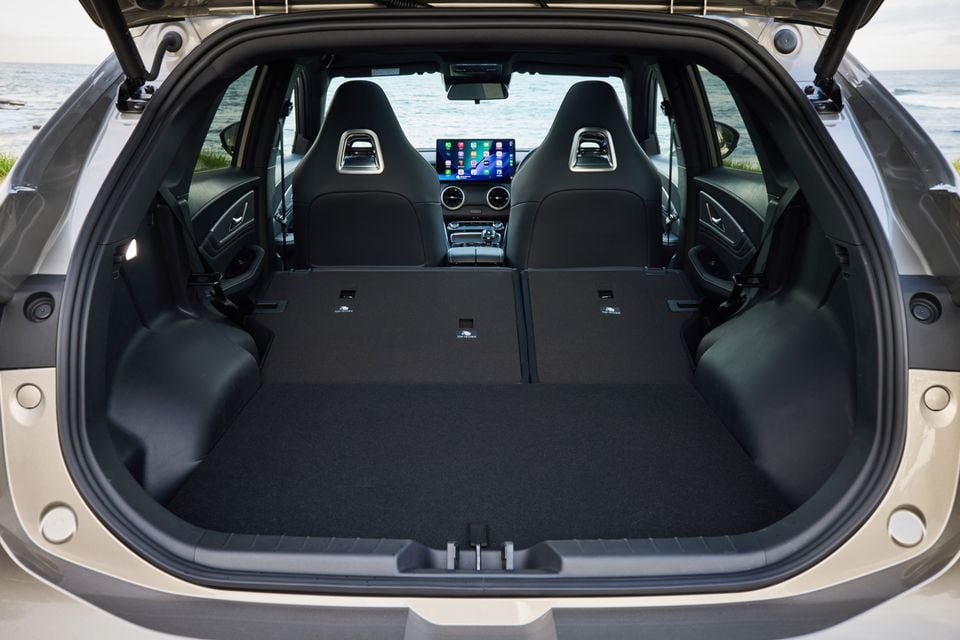
Forthing quotes 480 litres of cargo capacity behind the rear seatback when they're upright, expanding to 1480L with them folded – though they don't lie completely flat, even if the floor is relatively level.
The Chinese company also notes these figures don't include any underfloor storage depending on the variant, and oddly only the top-spec EV offers a spare wheel of any kind (a space-saver at that), which reeks of an upsell tactic. That said, the REEV's battery location under the boot floor makes packaging an issue.
| Dimensions | Forthing REEV/EV |
|---|---|
| Length | 4600mm |
| Width | 1860mm |
| Height | 1700mm |
| Wheelbase | 2715mm |
| Cargo capacity | 480L* – Rear seats up1480L* – Rear seats down |
*Does not include underfloor storage area, dependent on variant
To see how the Forthing lines up against the competition, check out our comparison tool
Well, that depends on which one you choose...
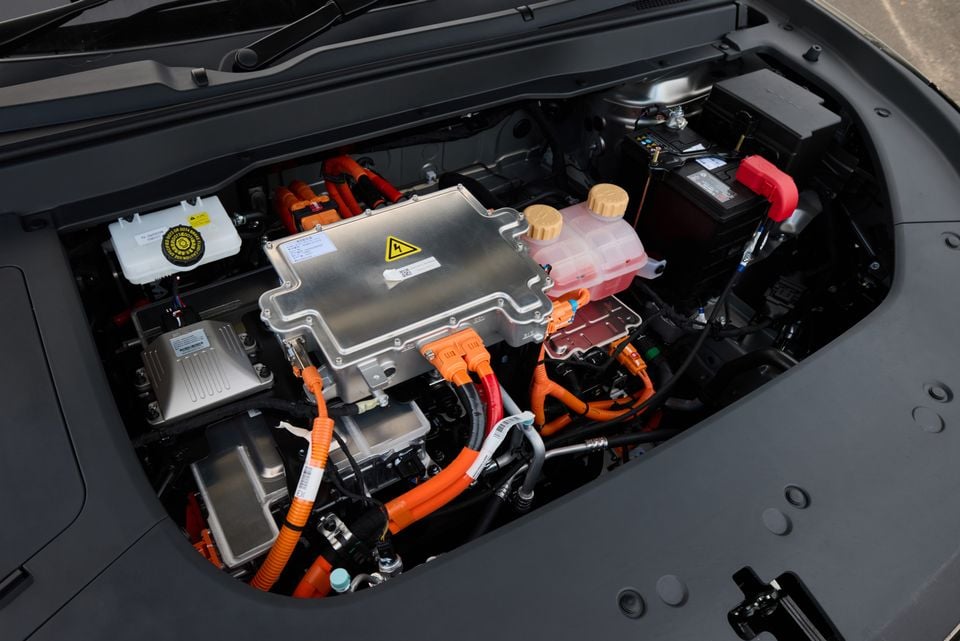
| Specifications | Forthing REEV | Forthing EV |
|---|---|---|
| Engine | 1.5L 4cyl petrol | - |
| Engine outputs | 75kW + 130Nm | - |
| Electric motor outputs | 120kW + 240Nm | 150kW + 340Nm |
| System outputs | - | - |
| Battery | 31.94kWh LFP | 64kWh LFP |
| Transmission | - | - |
| Drive type | RWD | FWD |
| Weight | 1820kg – Kerb | 1920kg – Kerb |
| 0-100km/h (claimed) | - | - |
| Energy/fuel consumption (claimed) | 0.9L/100km – Combined 5.6L/100km – ICE only | - |
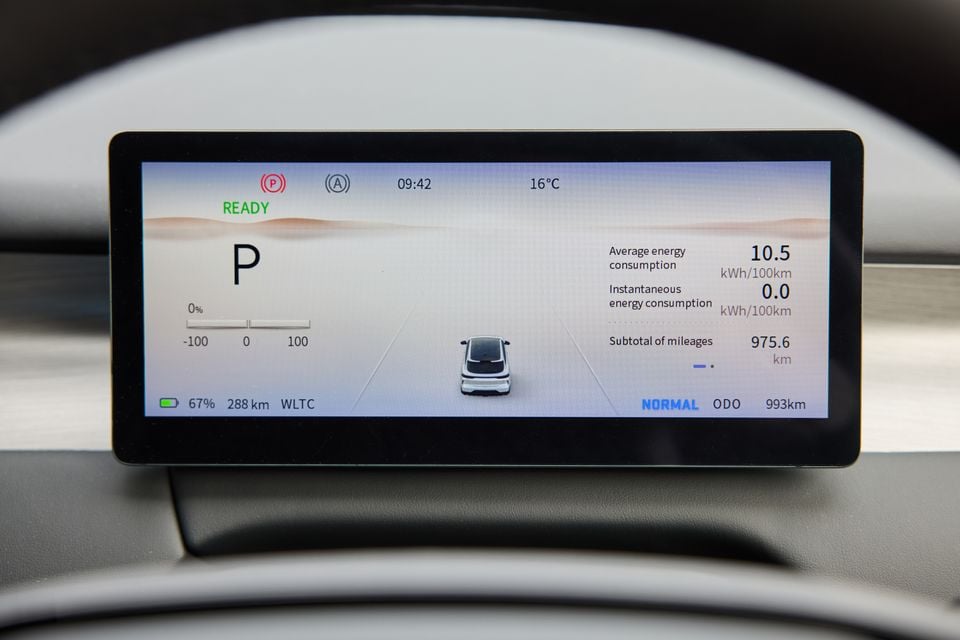
| Energy/fuel consumption (as tested) | 0.2L/100km + 17.4kWh/100km – Indicated | 14.1-15.0kWh/100km – Indicated |
| Electric driving range – WLTP | 170km | 427km |
| Max AC charge rated | 6.6kW | 11kW |
| Max DC charge rate | 40kW | 80kW |
| Fuel tank capacity | 43L | - |
| Fuel requirement | 91-octane regular unleaded | - |
| CO2 emissions | TBC | - |
| Emissions standard | TBC | - |
| Braked tow capacity | - | - |
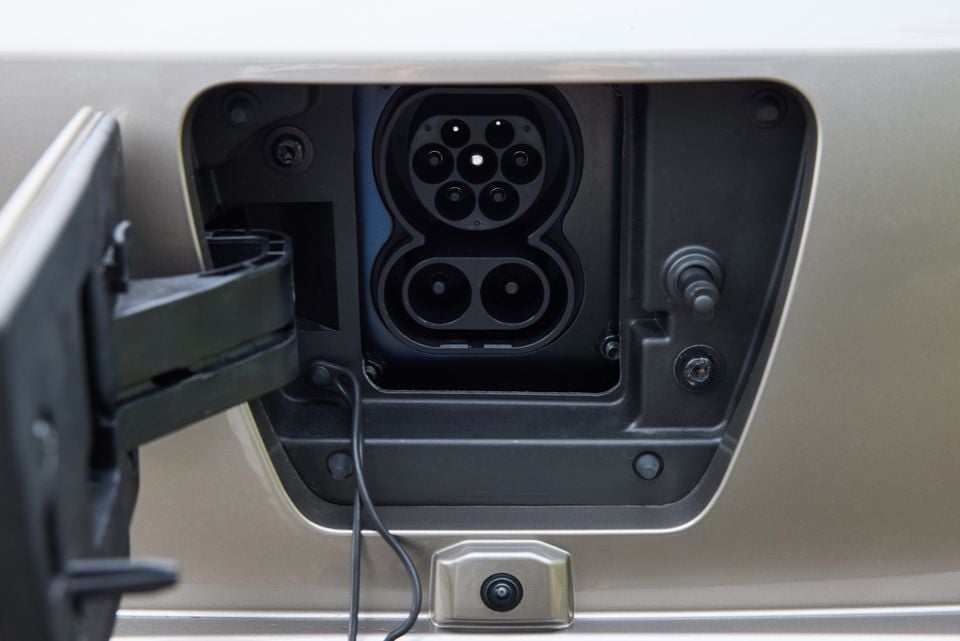
Regardless of whether you go for the Forthing REEV or EV, you get vehicle-to-load (V2L) capability, which allows the SUV to power external electrical appliances or devices via an adapter, with an output of up to 3.5kW.
According to Forthing, the Range Extender Hybrid will take approximately 30 minutes to charge from 30 to 80 per cent at its maximum 40kW DC fast-charge rate, with the Electric claiming the same 30 minutes from 30-80 per cent at its 80kW charging cap.
Meanwhile, the REEV quotes an AC charging capacity of 6.6kW, and the EV ups that to 11kW as standard, with a full charge taking around 5.5 hours in the Range Extender and seven hours for the Electric at their respective AC peak rates.
Forthing Australia is yet to publish emissions data for the REEV version, but given it's launching this year as an all-new model, CarExpert understands it's homologated to Euro 6 standards.
On-test fuel economy and energy efficiency were largely a match for the brand's claims, though a longer and more varied test will be a better indicator of real-world efficiency. In particular, the EV's indicated 14.1-15.0kWh/100km consumption rate is definitely one of the more impressive figures in the segment.
To see how the Forthing lines up against the competition, check out our comparison tool
We drove top-spec versions of both the Forthing REEV and EV from Parramatta to Sydney, over a mix of urban, highway and B roads. While there was a good range of conditions, our actual seat time was on the brief side.
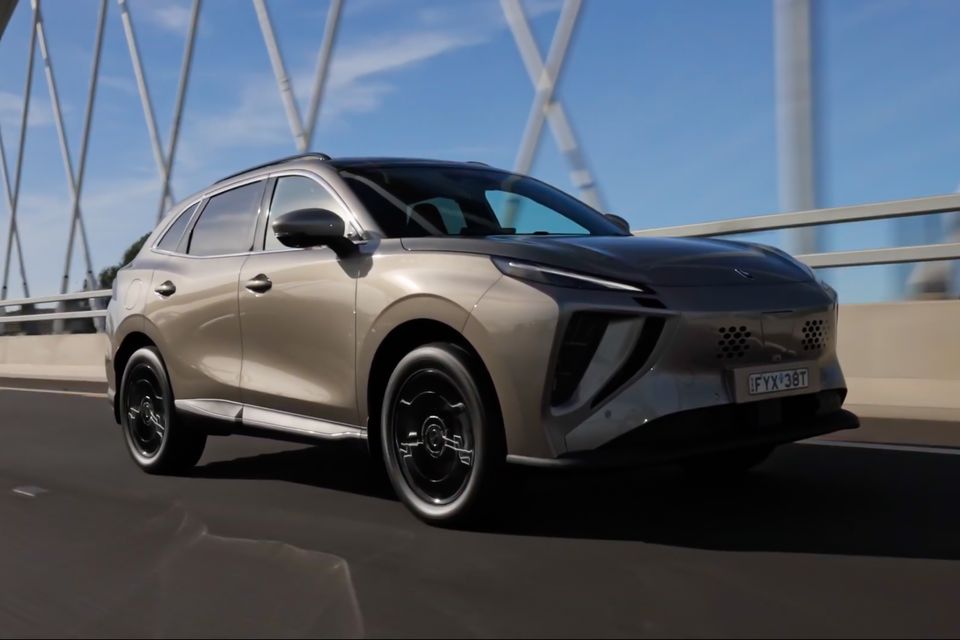
My stint started with the EV, which is front-drive versus the rear-drive layout of the REEV, while offering more power and torque from its electric motor.
Leaving Parramatta's main strip and heading to Sydney's surrounds via urban highways was a generally pleasant and fuss-free experience, with the Forthing offering effortless performance in these conditions.
Insulation from the outside world was likewise decent, and the chassis tune felt a touch more taut than is generally the norm for affordable Chinese SUVs, making the Forthing less susceptible to wobbling and bobbing about over successive bumps and undulations.
The steering is also pretty well sorted, offering agile and accurate response to inputs, and not being quite so vague about-centre as many Chinese rivals at this price point.
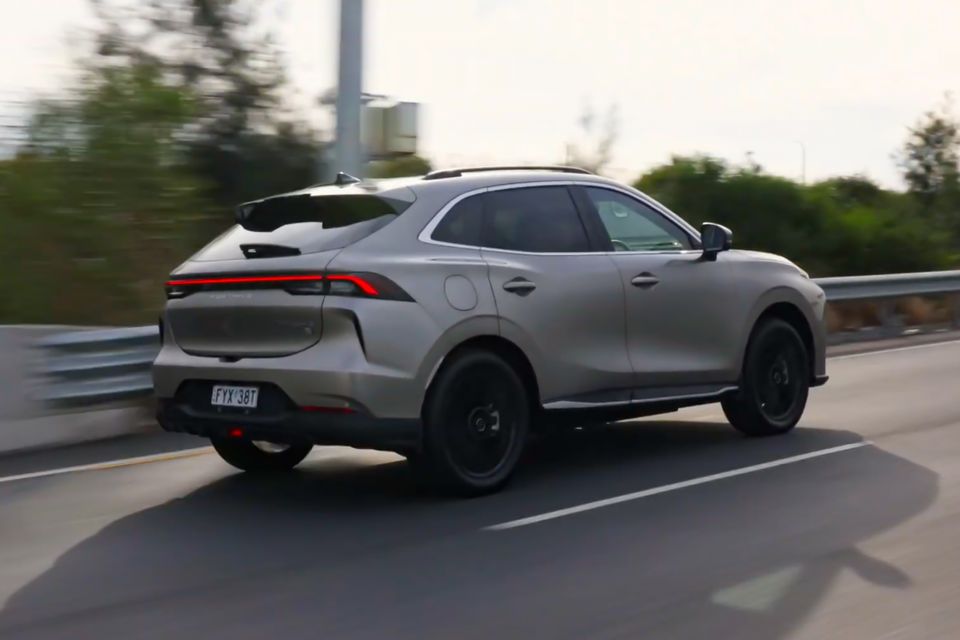
That's not to say it's perfect. Off the line, the Forthing EV might feel torquey and responsive but it rarely feels quick, and the firmer ride can also make it feel a little jittery or unsettled over pitter-patter road surfaces.
I didn't find the driver-assistance systems to be too intrusive, with the EV only offering lane departure warning and lane-keeping assistance, but not a full lane-centring function despite claiming Level 2 driver-assist technology as standard.
The only time I wasn't particularly happy with it was on a winding B-road into a national park, where the skinny and unmarked road verge caused the Forthing to jerk the wheel towards both the centre and edge of the road at different times.
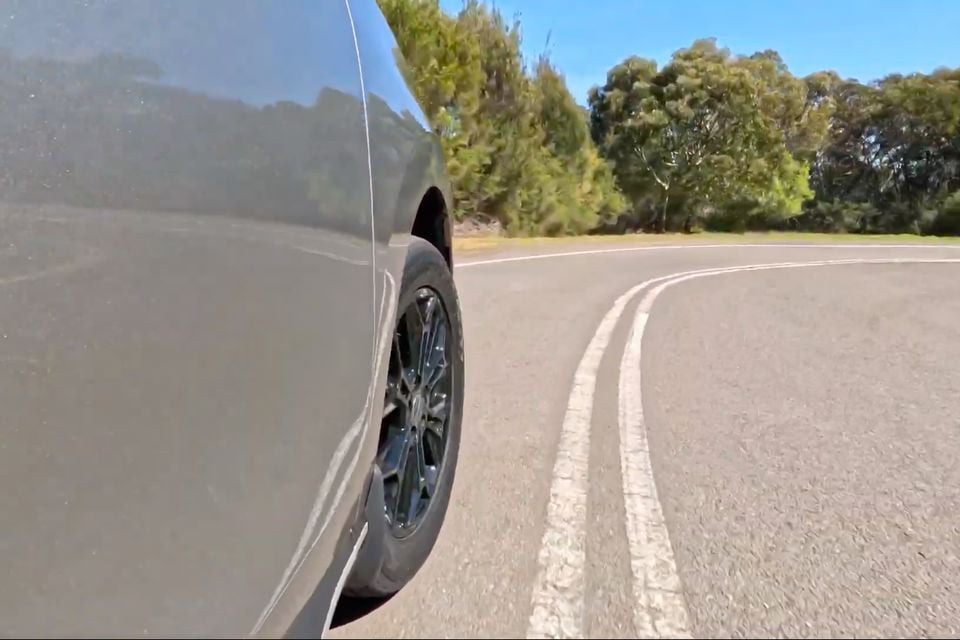
Further, the front-driven EV didn't appreciate being pushed on winding and uneven road surfaces, often scrambling for traction and feeling prone to understeer without much effort – I don't think the home-brand tyres (Atlas A51 on the EV, Prinx Hirace HP1 on the REEV) helped, either.
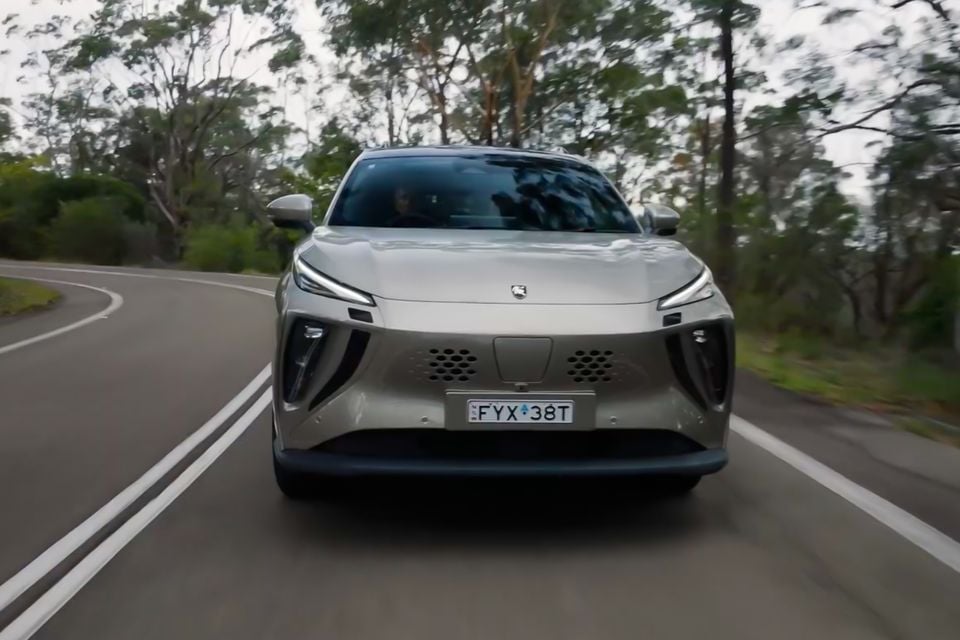
Driving it back-to-back with the equivalent REEV (or EREV), the rear-drive balance of the range-extender variant felt more secure both on the straight-ahead and in corners, no doubt helped by the fact the front wheels only have to worry about turning.
It certainly feels less peppy too, given the 30kW/100Nm deficit compared with the EV, though the motor isn't as noisy under hard acceleration – the EV at full noise was, well, noisy...
Up and down the same hilly pass the Forthing REEV was noticeably more sure-footed, though again it was let down by average grip from its cheap tyres, with the traction control system often cutting power when the rear tyres struggled for traction.
The latter trait proved more intrusive and frustrating than the EV's spinny front axle, particularly on the ascent rather than the descent, where sharper turns made things a little hairier.
Oddly, the top-spec Forthing REEV offers highway lane-centring but the EV does not, and the brand's local boss basically said these spec discrepancies will continue as they are for now.
In both vehicles, the adaptive cruise control worked fine for the brief periods we used them, though as I mentioned earlier the lane-keeping function had its moments on narrow, winding B-roads – though it was fine on the highway.
Blind-spot monitoring and rear cross-traffic alert aid with over-the-shoulder visibility when negotiating gaps in traffic or reversing out of blind parking spots, while the standard surround cameras in top-spec grades offer good resolution and a generous field of view.
I'd be interested to have a longer stint in Melbourne across a wider variety of driving scenarios, as well as a stint in the entry-level variants with the baseline assistance suite.
To see how the Forthing lines up against the competition, check out our comparison tool
Both powertrains are available in 'Luxury' and 'Exclusive' trim levels, though there are some specification discrepancies between equivalent versions.
If this is the car for you, we’ll compare offers from trusted dealers, handle the back and forth and manage your purchase from enquiry to delivery.
2027 Forthing Luxury equipment highlights:
Exclusive adds:
To see how the Forthing lines up against the competition, check out our comparison tool
The Forthing Electric and Range Extender Hybrid range hasn't been rated by ANCAP or Euro NCAP as yet, though the brand says the European auto safety organisation is expected to hand down a rating soon.
Standard safety equipment includes:
Exclusive adds:
To see how the Forthing lines up against the competition, check out our comparison tool
The Forthing lineup is covered by a seven-year, 200,000km warranty – whichever comes first. There's also a 'Service Care+' program spanning up to five years.
| Servicing and Warranty | Forthing REEV | Forthing EV |
|---|---|---|
| Warranty | 7 years or 200,000km – Vehicle 8 years or 200,000km – Battery | 7 years or 200,000km – Vehicle 8 years or 200,000km – Battery |
| Roadside assistance | Up to 5 years – Service activated | Up to 5 years – Service activated |
| Service intervals | 12 months or 15,000km | 12 months or 20,000km |
| Capped-price servicing | Up to 5 years | Up to 5 years |
| Average annual service cost | $521 – 5 years | $363 – 5 years |
| Total capped-price service cost | $1215 – 3 years $2605 – 5 years | $935 – 3 years $1815 – 5 years |
The high-voltage battery in both powertrain variants is warranted for an extra year beyond the vehicle warranty – though the 200,000km distance limit remains the same.
Roadside assistance is thrown in for the first 12 months and then renewed with each scheduled service at your authorised Forthing dealer for up to five years.
Service intervals are 12 months for both REEV and EV versions, though the REEV's distance interval is 15,000km while the EV's is 20,000km.
The EV is also significantly cheaper to maintain over the first five years too, averaging about $160 less per annum than the Forthing REEV based on advertised pricing.
To see how the Forthing lines up against the competition, check out our comparison tool
This was a hard verdict to really nail down.
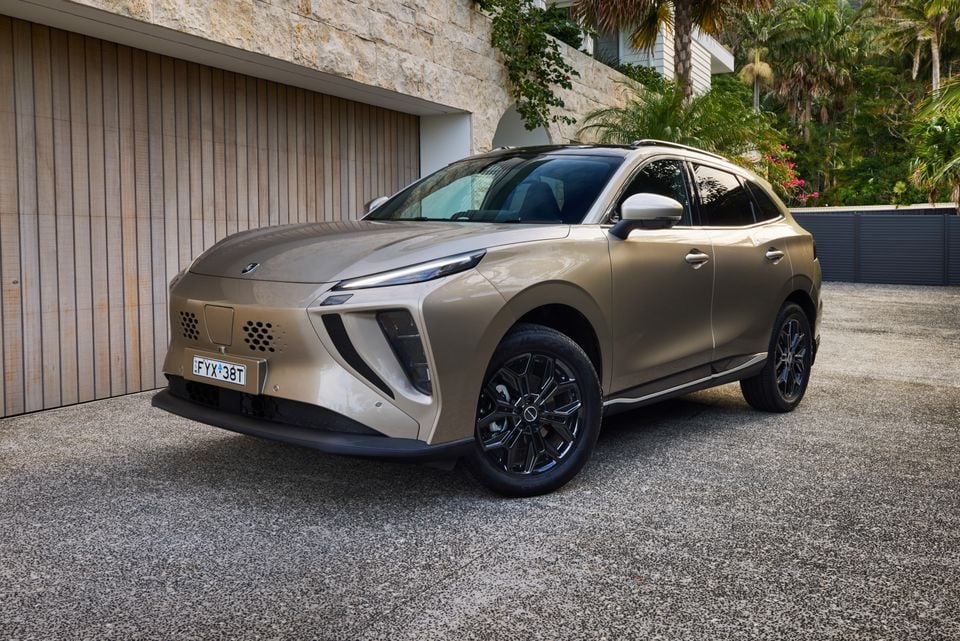
In a lot of ways the Forthing Range Extender Hybrid and Electric SUVs aren't any better or worse overall than other Chinese rivals, though some of the highs and lows go a bit further on either side of the scale.
On face value, the Forthing is adequate enough. It's a relatively cheap entry point into an electrified mid-size SUV, with strong standard equipment levels, a decent on-road experience provided you don't push it too hard, and the backing of the Ateco Automotive network.
The warranty is pretty long, providing added peace of mind, and service pricing – particularly for the EV – is pretty affordable over the first five years of ownership. And, it offers a good amount of space and practicality for the family-focused segment it enters.
Dig a little deeper though, and the cracks start to show...
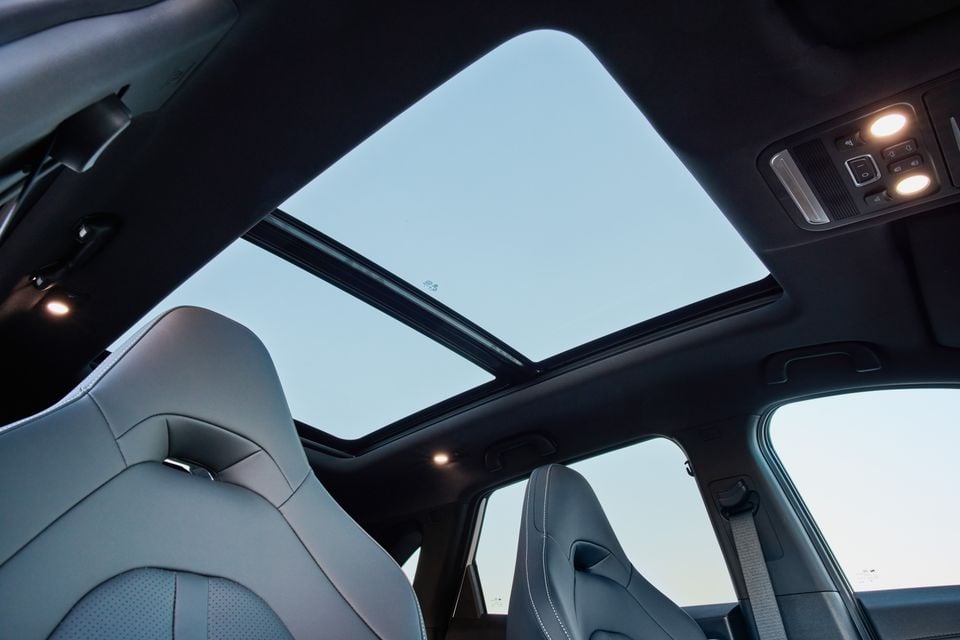
While it's pitched as the Australian market's cheapest EREV, the Forthing REEV doesn't really offer any groundbreaking specs or range claims compared to plug-in 'Super Hybrid' rivals from China.
The below-average dynamics are also evident as soon as you push the Forthing beyond anything we'd consider everyday driving conditions, even if the chassis is pleasantly calibrated for general commuting.
In higher-spec Exclusive trim the price advantage relative to the competition shrinks considerably, and the exterior and interior execution lack the wow-factor and ambience to really make the Forthing stand out amid a sea of competitors.
We've not seen the base grades in the metal, but the REEV is the pick of the two powertrain variants if you're interested in Forthing's first offering, which is perhaps worth a look if you're shopping on a budget, but it's no standout.
CarExpert can save you thousands on a new Forthing. Click here to get a great deal.
Click the images for the full gallery
If this is the car for you, we’ll compare offers from trusted dealers, handle the back and forth and manage your purchase from enquiry to delivery.
Quickly see how this car stacks up against its competition. Select any benchmark to see more details.
Forthing Taikon 5
Forthing Taikon 5 Sales rolling 12-months#
*Based on VFACTS and EVC data
Looking for complete Forthing Taikon 5 price history?
Our Forthing Taikon 5 Pricing Page shows exactly how prices have changed over time.
2026
$36,990
2026
$40,490
James Wong is an automotive journalist and former PR consultant, recognised among Australia’s most prolific motoring writers.
Add CarExpert as a Preferred Source on Google so your search results prioritise writing by actual experts, not AI.
James Wong
51 Minutes Ago

Marton Pettendy
3 Hours Ago

William Stopford
3 Hours Ago
William Stopford
3 Hours Ago
William Stopford
3 Hours Ago
William Stopford
6 Hours Ago
Add CarExpert as a Preferred Source on Google so your search results prioritise writing by actual experts, not AI.
# Based on VFACTS and EVC data
† Displayed prices are based on the drive-away price of the vehicle, which includes delivery charges, registration fees, number plates, and applicable road taxes, based on a Sydney location. However, prices may vary between states and territories, and additional costs such as compulsory third party (CTP) insurance, dealer delivery fees, and optional extras are not included. These prices are subject to change without notice and may not reflect current market pricing or dealer offers.
 Automotive Vehicle Spec Data & 4K images Powered by JATO Dynamics Ltd