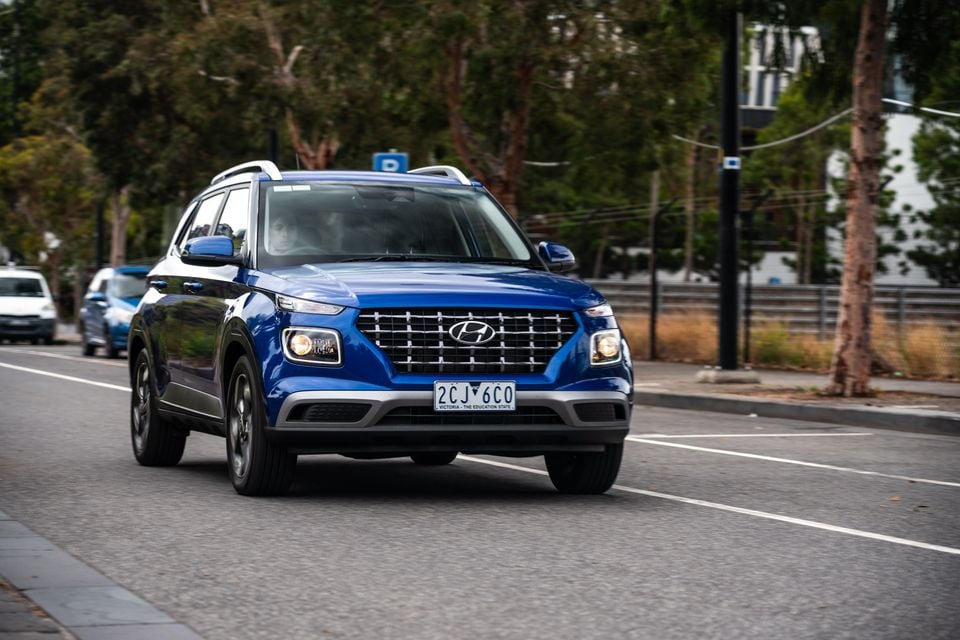
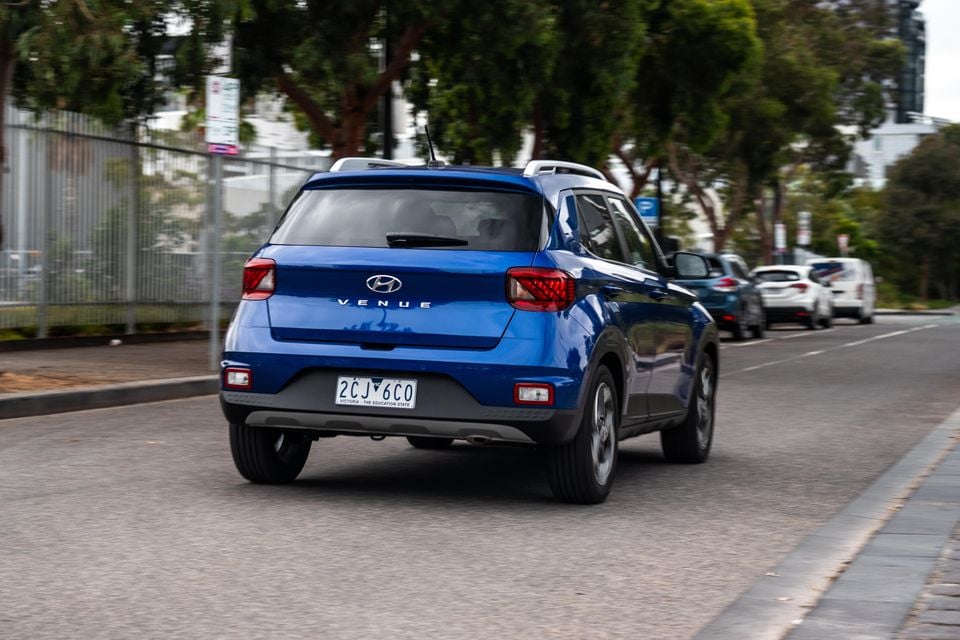
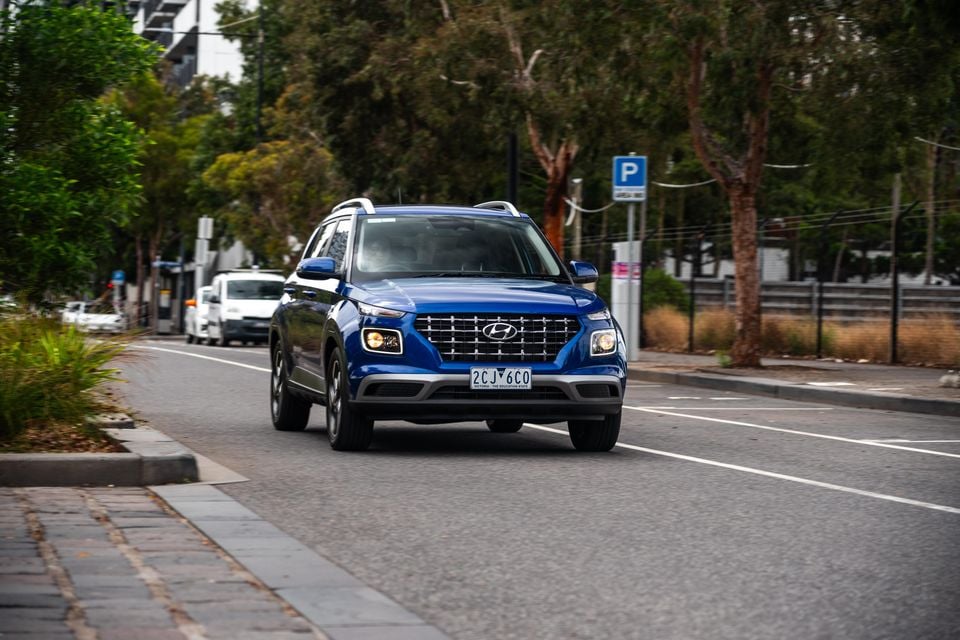
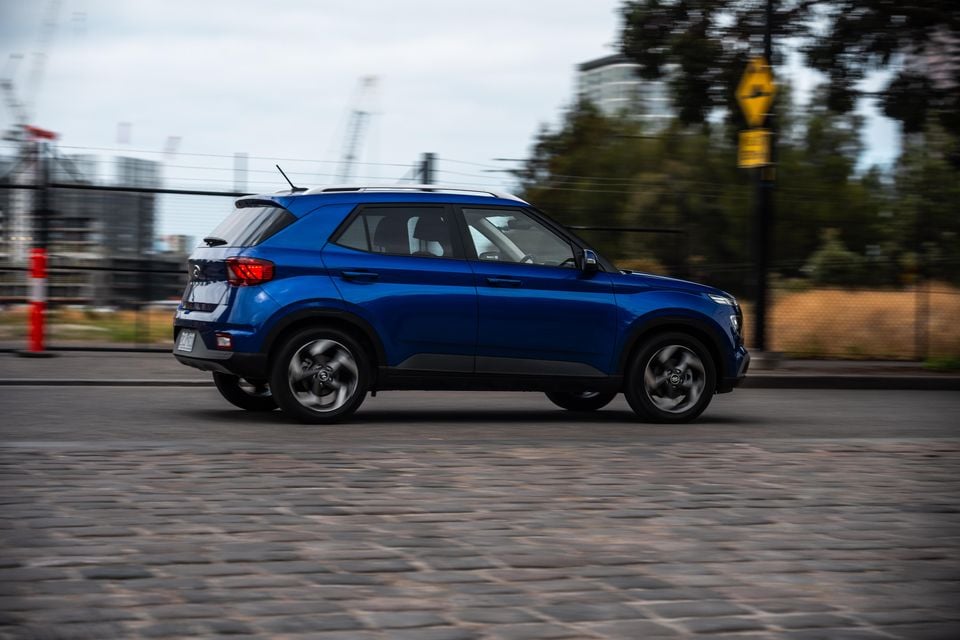
The Hyundai Venue is easy to overlook, unless there’s one right in front of you on the road or you’re renting one.
That hasn’t stopped the compact SUV from selling in reasonably strong numbers, with 899 shifted in the first two months of this year. That places it fifth in Australia’s light SUV segment, albeit well down on the dominant Mazda CX-3 (2328).
But both pint-size SUVs are dwarfed in terms of popularity by the slightly larger Chery Tiggo 4, which has nearly doubled the CX-3’s sales so far this year. When it packs much newer gear at a significantly lower price, that isn’t too surprising.
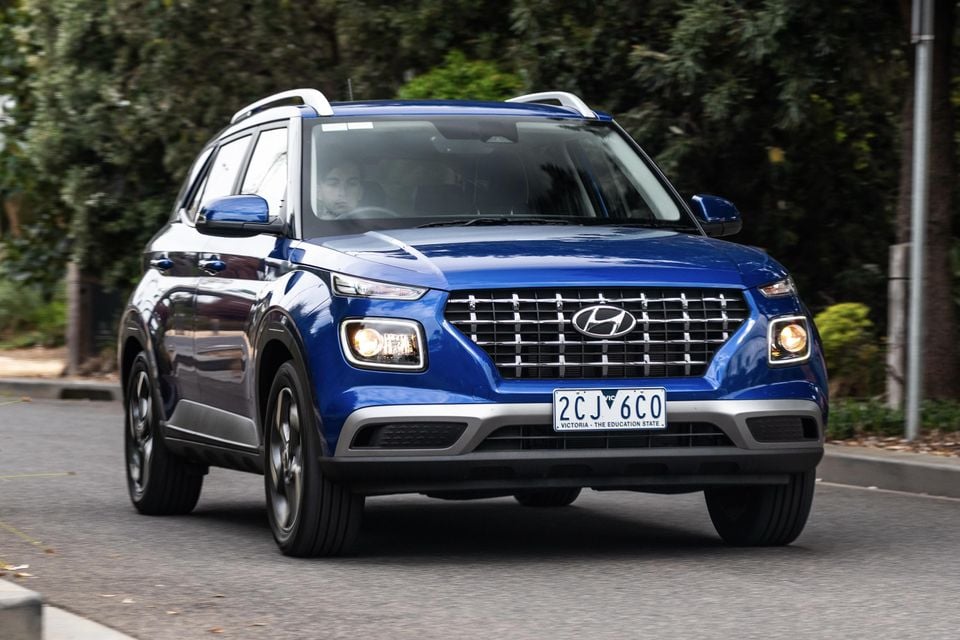
What has Hyundai done in response? Raised the Venue’s prices. All four variants are now $1000 more expensive than they were at the start of 2025, including the flagship 2026 Hyundai Venue Elite on test here, which now pushes past $30,000 for the first time.
How does it stack up against its rivals now, and is it worth considering in 2026?
How much does the Hyundai Venue cost?
The Elite sits at the top of the Venue hierarchy and costs $30,500 before on-roads.
| Model | Price before on-road costs |
|---|
| 2026 Hyundai Venue manual | $23,750 |
| 2026 Hyundai Venue auto | $25,750 |
| 2026 Hyundai Venue Active auto | $28,000 |
| 2026 Hyundai Venue Elite auto | $30,500 |
There are multiple contenders in the light SUV segment, but only a few are worth noting. One is the segment-leading Mazda CX-3, which starts at $30,670 before on-roads in base Pure form.
Find your perfect new car with CarExpert
Then there’s the Toyota Yaris Cross, which is slightly pricier and starts at $31,790 before on-roads.
But perhaps most importantly, the Chery Tiggo 4 small SUV tops out at $26,990 drive-away for the non-hybrid Ultimate, or $34,990 drive-away for the hybridised version.
Though the Chery is slightly larger, it’s likely to be cross-shopped with the Venue – and it sells in considerably higher numbers.
To see how the Hyundai Venue stacks up against the competition, use our comparison tool
What is the Hyundai Venue like on the inside?
Even in top-spec trim, the Venue is sorely lacking in creature comforts.
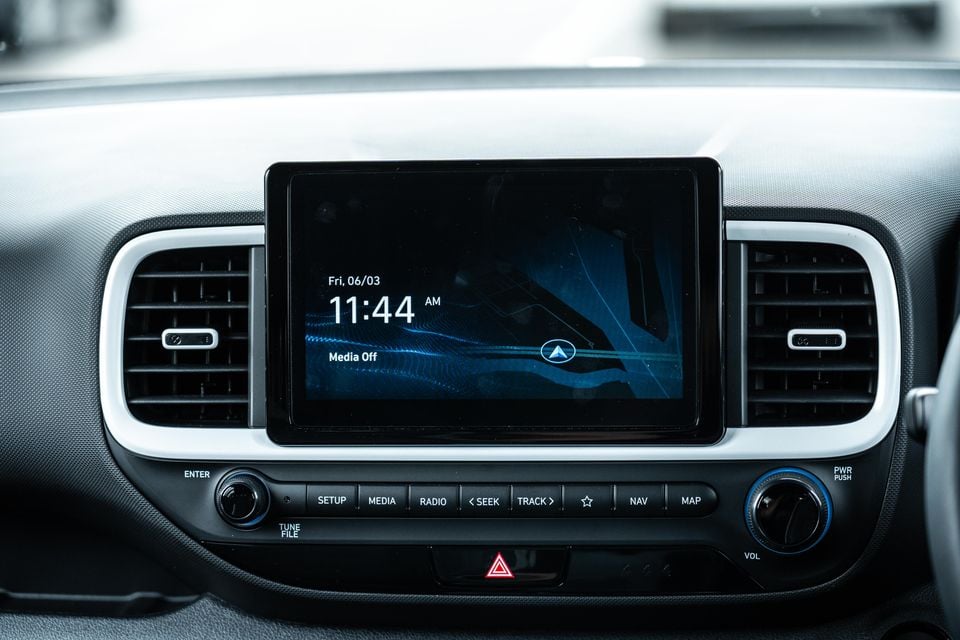
There’s no seat heating, power seat adjustment, or even wireless Apple CarPlay. Yes, it’s still a cheap-ish car (roughly $35,000 drive-away based on a Victorian postcode), but that’s hard to swallow given the Venue Elite’s flagship status.
It’s made worse by the fact that other cheap-ish cars add most of those luxuries once you get to the top of their respective ranges. The top-spec Toyota Corolla ZR, for example, has all of the above features, as does the Chery Tiggo 4 Ultimate – the difference is that the Chery is the cheapest by far.
The CarPlay argument, meanwhile, is weirder when you consider that cheaper Venue variants have wireless smartphone mirroring functionality. This is a quirk present in other Hyundai Group products (Kia Stonic and Hyundai i30, to name a couple), and its USB-A-only connection makes the Venue Active, which is positioned below the Elite, seem more appealing.
Furthermore, high-end Stonics and i30s at least get larger screens to make up for the wired inconvenience. The Venue’s is 8.0 inches across the board.
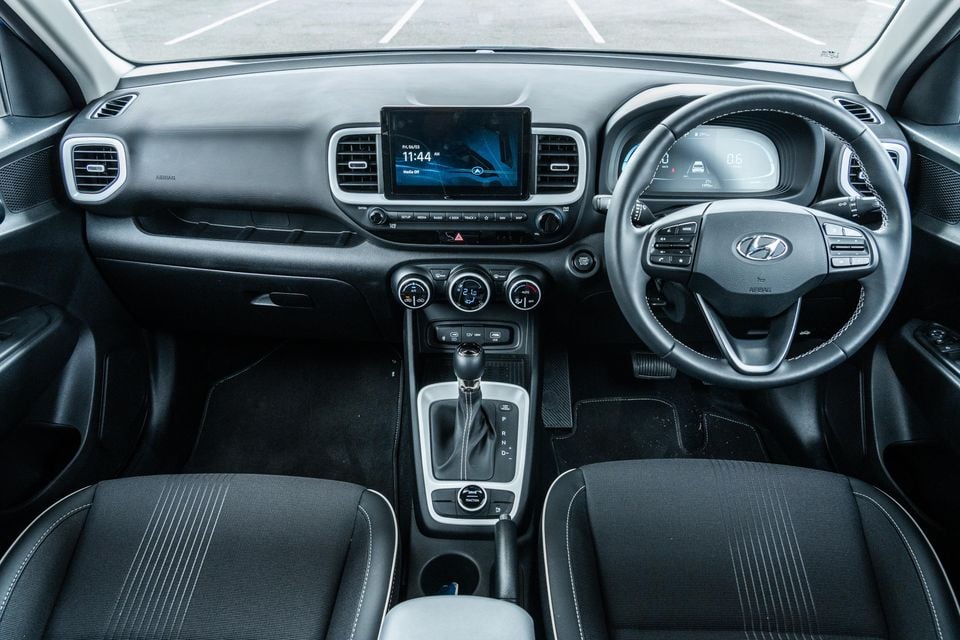
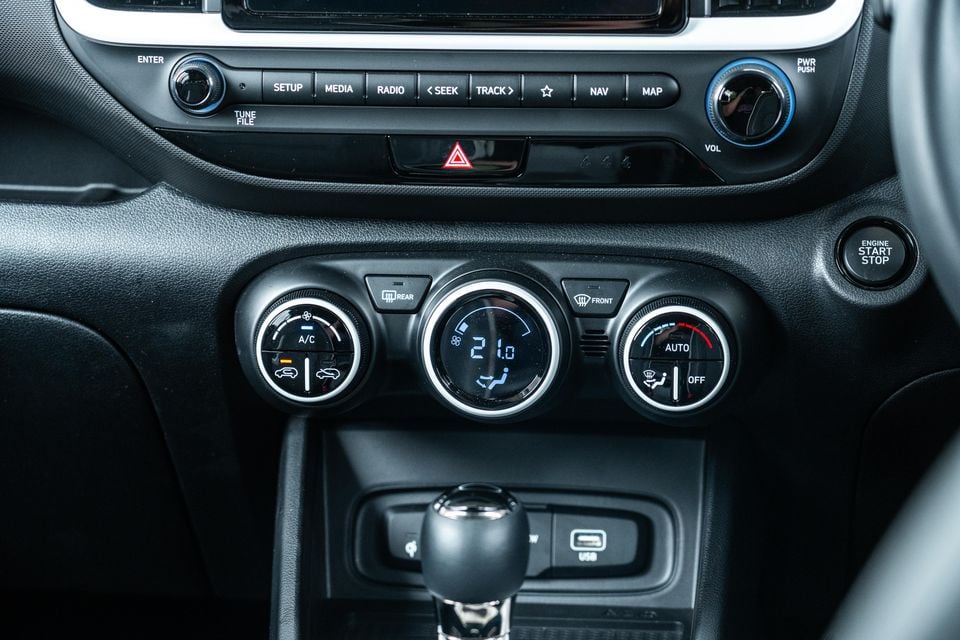
Beyond all that, the Venue’s interior layout isn’t too bad. Everything’s where you’d expect it to be, and it retains a comfortable number of physical dials and buttons – the climate system’s layout feels more complicated than it needs to be, but it’s far easier to learn than a screen-only alternative.
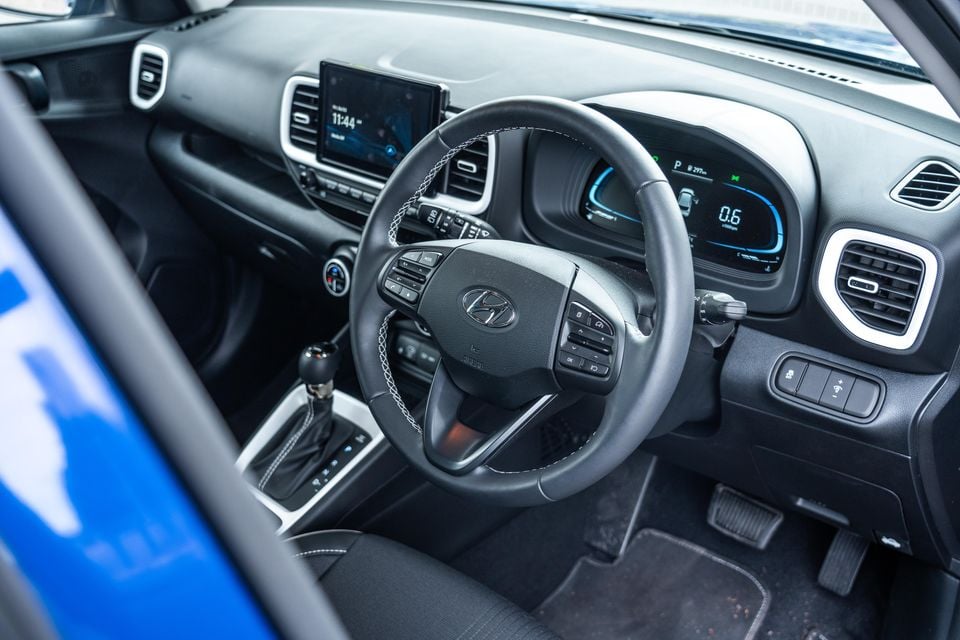
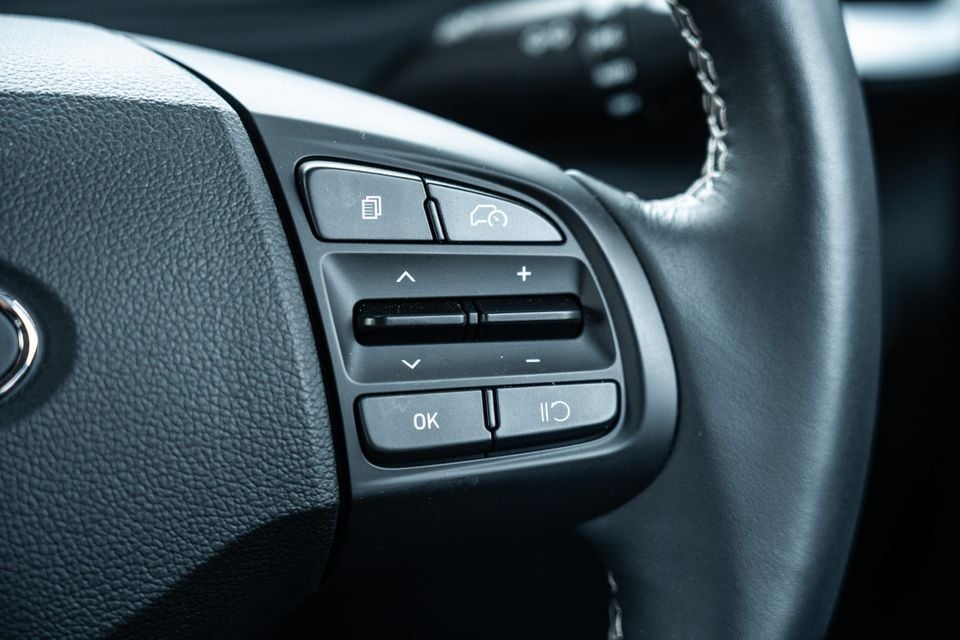
We find the steering wheel to be the most luxe item in here. It’s leather-wrapped and sized appropriately for the Venue’s stature, while its controls are all finished in durable plastic and operate robustly.
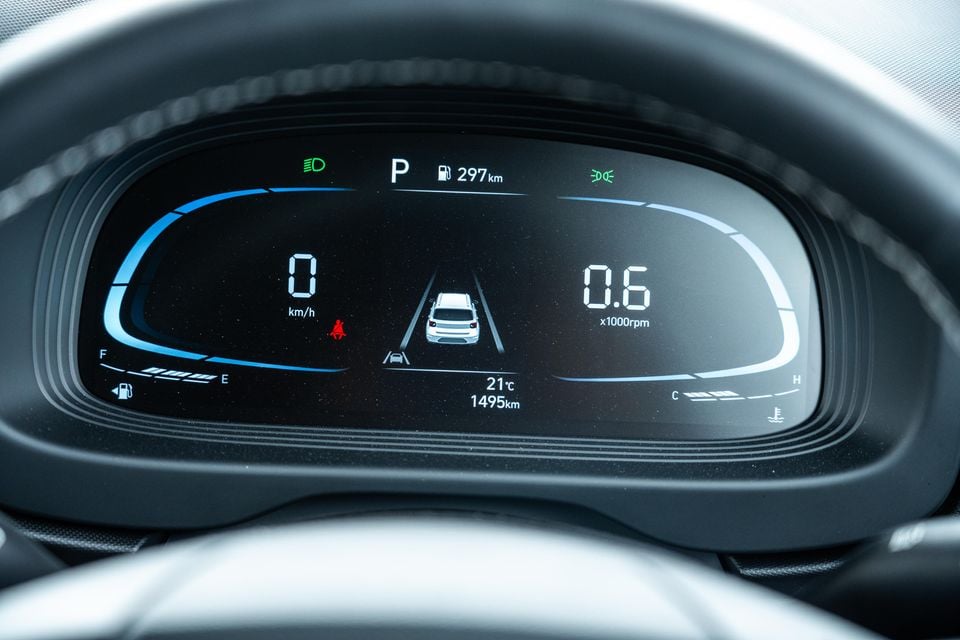
As with other Hyundai and Kia models, we don’t love the instrument cluster. It’s not quite a digital display despite the lack of old-school gauges, as the only configurable portion is the small central panel – even then, it only houses basic safety info and trip computers.
It’s functional, but its style just doesn’t gel for me. That somewhat sums up the cabin as a whole – there’s nothing inherently wrong with it, but in the context of what its rivals are offering, its scratchy plastics and equipment omissions hold it back.
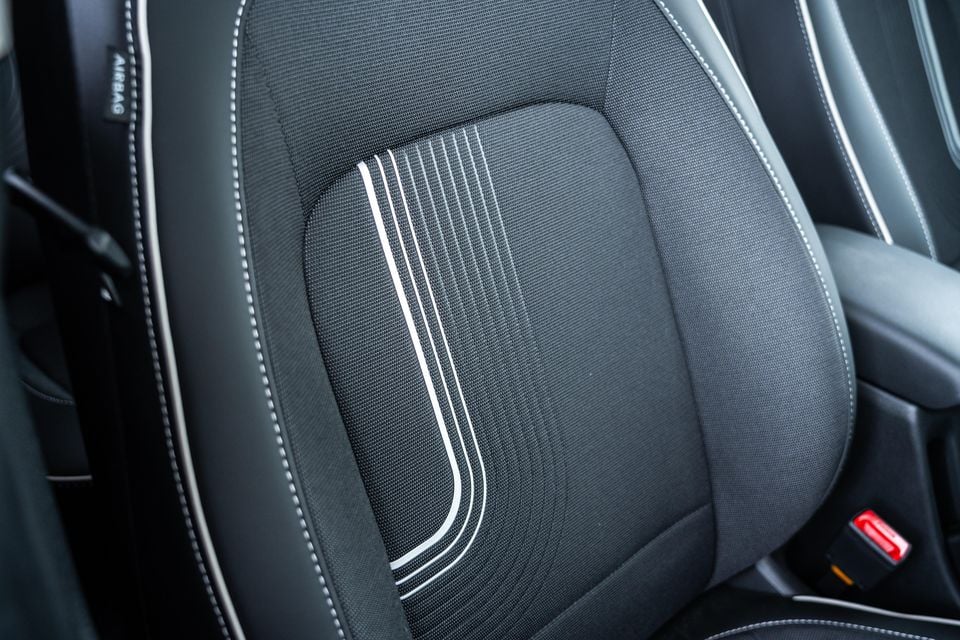
Key features like the seats are acceptable, as they’re a little flat but comfortable enough not to wear you down. It’d be wrong to call the upholstery luxurious, but the unique design and leather-like accents are nice additions.
You also get a little bit of padding on the armrests, which makes the Venue Elite fairly livable. The same can be said for the general space you have, as the bubbly glasshouse makes the cabin feel more open than the car’s exterior proportions might suggest.
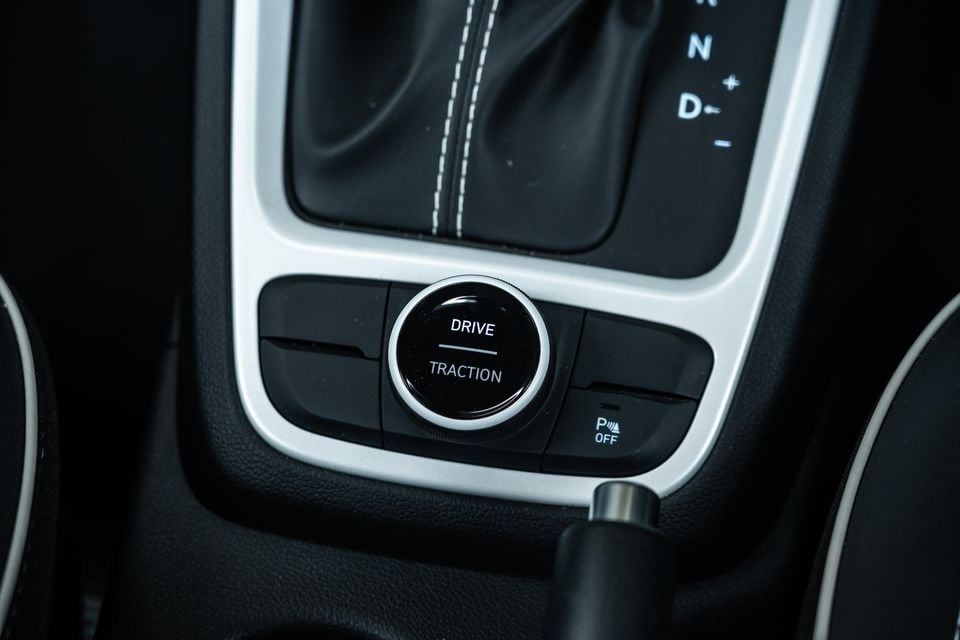
Storage inside could be better, but it’s far from the worst in the segment. Easily accessible storage areas include the wireless phone charging pad ahead of the gear selector, which sits below a USB-A port, a USB-C port, and a 12V outlet.
Otherwise, there are two cupholders further back, small bottle holders in the doors, a small central storage box, and a passenger-side glovebox with a neat shelf above. Workable, but unsurprisingly limited.
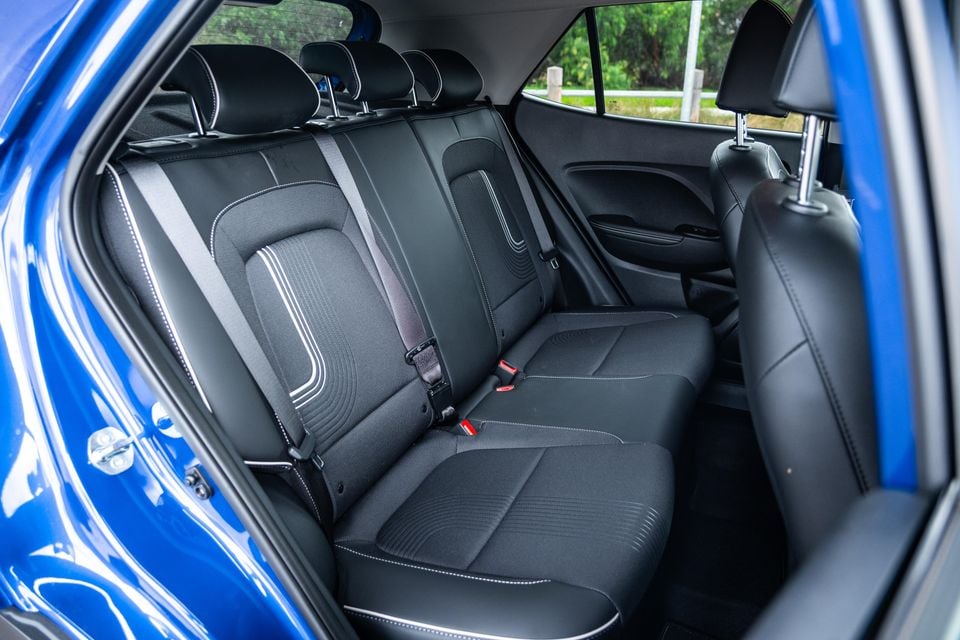
The second row is best suited for children or small adults, as long-legged people will struggle for room behind the front seats. That’s another product of the Venue’s tight packaging, but there’s at least enough headroom not to feel entirely trapped.
It’s comfortable enough, too, albeit with only a few extra amenities – just two USB-C ports and a single storage net, but no air vents. This isn’t at all uncommon in this segment, and in fact this area is slightly better equipped in terms of passenger convenience than that of a Mazda CX-3.
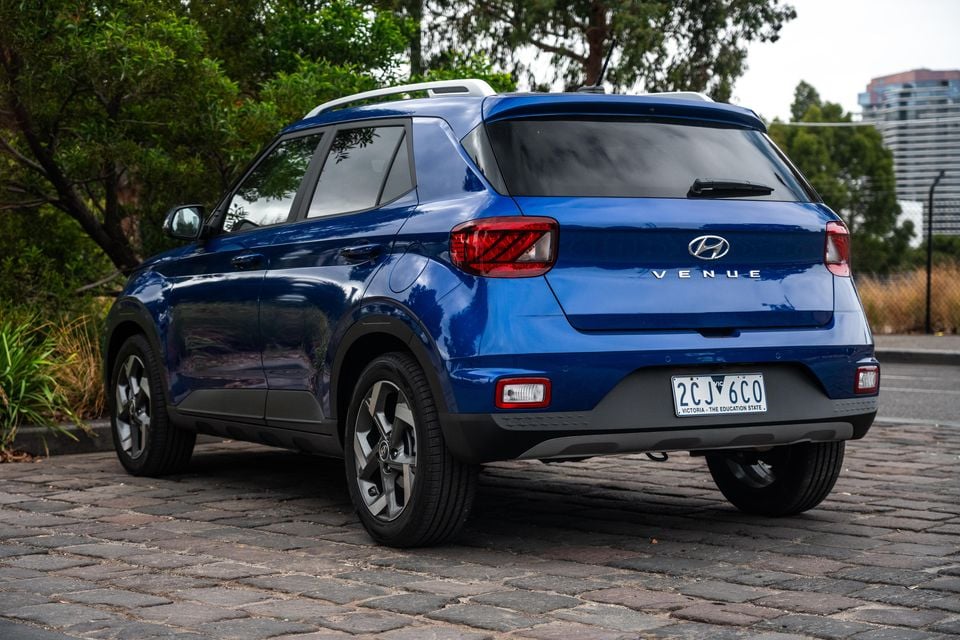
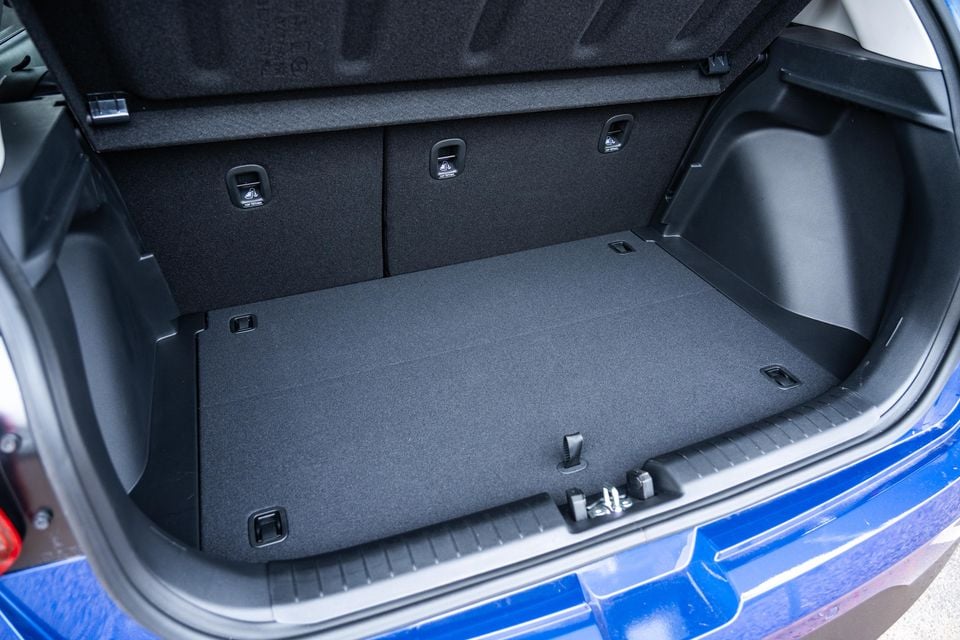
Boot size is also roughly on par with segment rivals. Its minimum capacity of 355 litres is smaller than the non-hybrid Tiggo 4’s 380L, but much larger than the CX-3’s 264L.
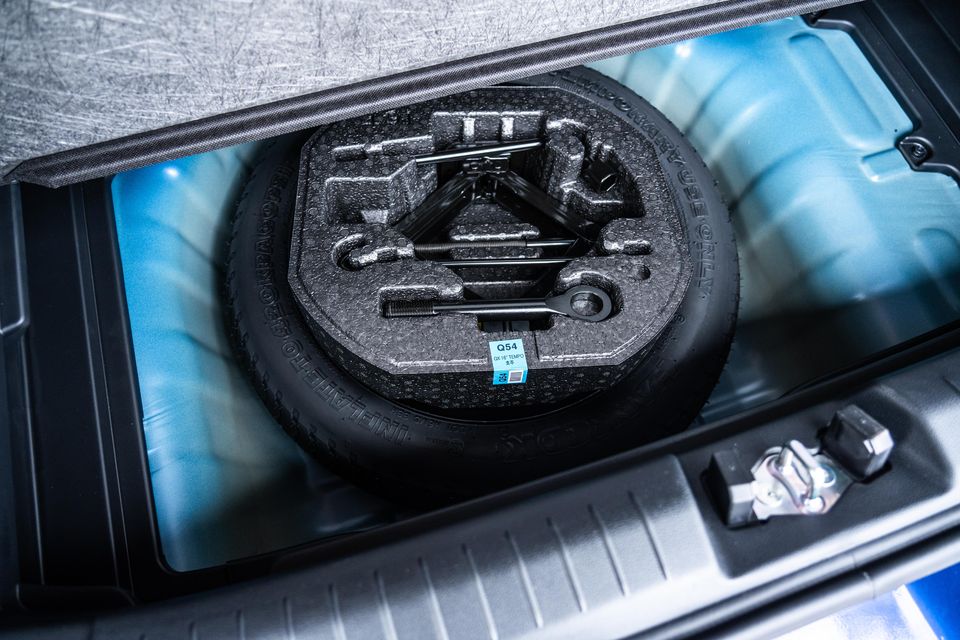
The load area is nicely sized and sits at a comfortable height, and under the floor is a space-saver spare wheel. You can fold the rear seats nearly completely flat (or split them 60:40) for more space, though Hyundai doesn’t quote capacity in this configuration.
| Dimensions | Hyundai Venue |
|---|
| Length | 4040mm |
| Width | 1770mm |
| Height | 1592mm |
| Wheelbase | 2520mm |
| Cargo capacity (VDA) | 355L (rear seats up) |
To see how the Hyundai Venue stacks up against the competition, use our comparison tool
What’s under the bonnet?
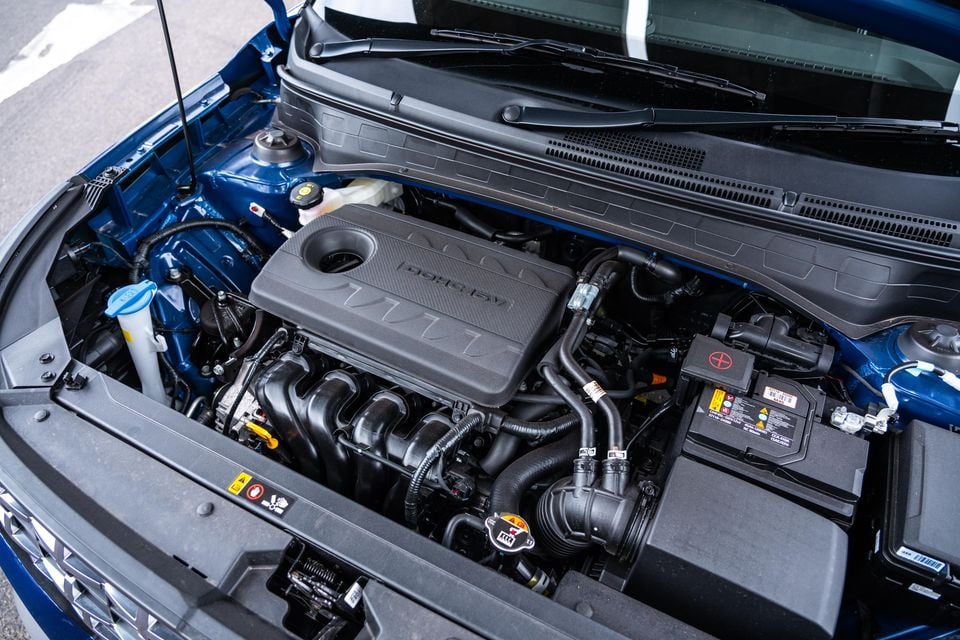
Powering the Venue is a 1.6-litre non-turbo four-cylinder petrol engine with 90kW of power and 151Nm of torque. It sends drive to the front wheels only via a six-speed automatic transmission.
| Specifications | Hyundai Venue |
|---|
| Engine | 1.6L non-turbo 4cyl petrol |
| Power | 90kW |
| Torque | 151Nm |
| Transmission | 6-speed auto |
| Drive type | Front-wheel drive |
| Kerb weight | 1142kg |
| Fuel economy (claimed) | 7.2L/100km |
| Fuel economy (as tested) | 7.0L/100km |
| Fuel tank capacity | 45L |
| Fuel requirement | 91-octane regular unleaded |
| CO2 emissions | 165g/km |
| Emissions standard | Euro 5 |
| Braked tow capacity | 800kg |
Our week with the car involved a mix of highway commuting and low-speed city driving, along with a stint on higher-speed country roads. The result is a recorded fuel economy slightly better than Hyundai’s claim.
To see how the Hyundai Venue stacks up against the competition, use our comparison tool
How does the Hyundai Venue drive?
The Venue has never been the most polished model in its class on the move, but newer rivals are making it feel less palatable than it did when it was first launched in 2019.
The engine is the most significant item holding it back. It’s underpowered, even by today’s light SUV standards, and never really ‘wakes up’ when you demand more power for a freeway on-ramp or a quick overtake.
Planting the throttle also makes it produce quite a racket, and not a very pleasant one. I’m not sure I’ve come across another new car that has such an unintentionally loud engine – and I mean engine noise, not exhaust volume – and it makes the Venue feel all the more hollow, even if it quietens down at speed.
Every move takes a fair amount of pre-planning; even setting off at a green light requires thought. Its throttle is unresponsive to smaller inputs, yet pressing it harder suddenly makes the Venue shoot off more quickly than expected – maybe it does have its ‘awake’ moments.
The transmission is also sluggish, though it’s easier to live with than the dual-clutch unit in the Kia Stonic. Kick-downs at speed feel like it’s shifting through each gear sequentially before landing, again meaning you have to plan ahead for an overtake.
Performance-wise, the Tiggo 4 Hybrid blows the Venue out of the water. Not that outright performance is the be-all and end-all at this end of the market, but we like an SUV that can comfortably get us out of trouble if need be.
Otherwise, the Venue doesn’t exhibit many deal-breakers. Some may find the road noise a little loud or the ride a little firm, but it’d be unfair to knock this SUV too harshly for things that are par for the course in this segment.
The ride quality isn’t too bad, and for a car this size, the Venue does a decent job of soaking up bumps on regional roads. It’s a little bobbly, sure, but it could be far worse considering the wafer-thin tyres Hyundai has fitted.
The same can be said for the Venue’s steering and handling. The former strikes a balance between being appropriately light for newcomers without feeling too flimsy, and the size of the steering wheel itself makes it easy to throw around.
Those relatively narrow tyres certainly don’t aid handling, but the Venue performs better than you might expect on a twisty road. By no means would we call it confidence-inspiring, as there’s a fair bit of nervous body movement through turns (heaven forbid you hit a mid-corner bump), but it’s capable enough.
Naturally, the Venue is better suited to the city. Once you’re past the slow throttle, you’ll find that it’s right at home on tight streets where manoeuvrability is king.
Visibility out of the cabin is good, and it rarely feels like you need the full bevvy of sensors and cameras to avoid bumping into things. When it comes time to park, you’ll be able to make use of a reversing camera if you need extra help.
The only downside to lower-speed driving is that imperfections like speed bumps and tram tracks aren’t comfortably absorbed. We suspect the more generous sidewalls of the tyres on the smaller alloys fitted to cheaper Venues would mitigate this.
Ready to buy? We’ll help you get a great deal.
If this is the car for you, we’ll compare offers from trusted dealers, handle the back and forth and manage your purchase from enquiry to delivery.
Importantly, we had no concerns with the Venue’s safety systems during our week with the car. The only function that made itself known was the lane-keep assist, which made itself known on occasion, even when there was no risk of crossing the lane markings.
There’s no adaptive cruise control, just an old-school cruise system instead. It also lacks traffic sign recognition, but that’s fine by us given there’s no annoying Hyundai-esque speed limit warning here.
Overall, the Venue is adequate. It’s just held back by its wheezy engine and sub-optimal throttle/transmission calibration, which undermine a package that otherwise behaves appropriately for its segment.
To see how the Hyundai Venue stacks up against the competition, use our comparison tool
What do you get?
The Elite sits at the top of the three-variant Venue range.
2026 Hyundai Venue standard equipment highlights:
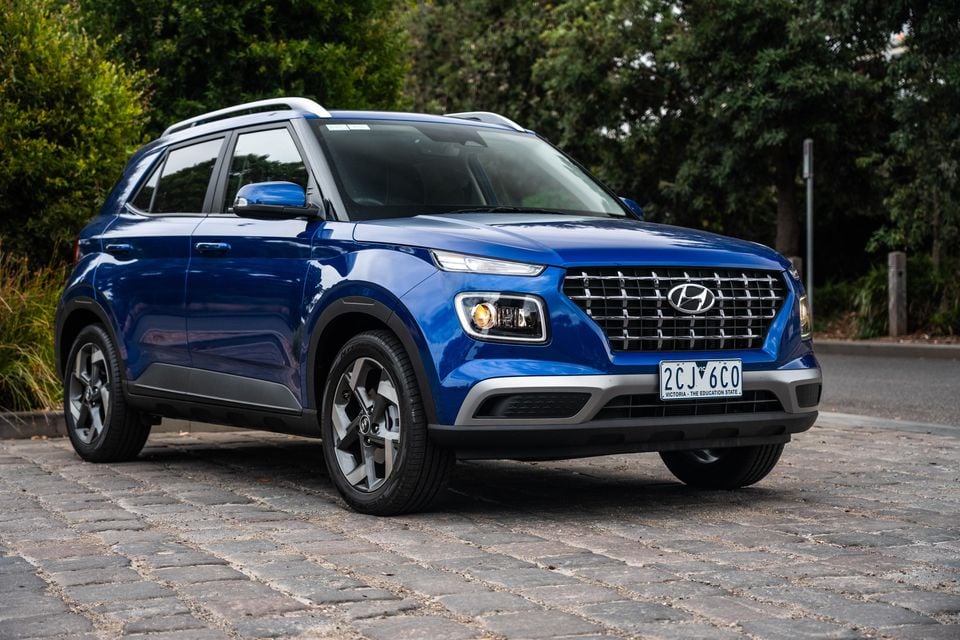
- 15-inch alloy wheels
- Space-saver spare wheel
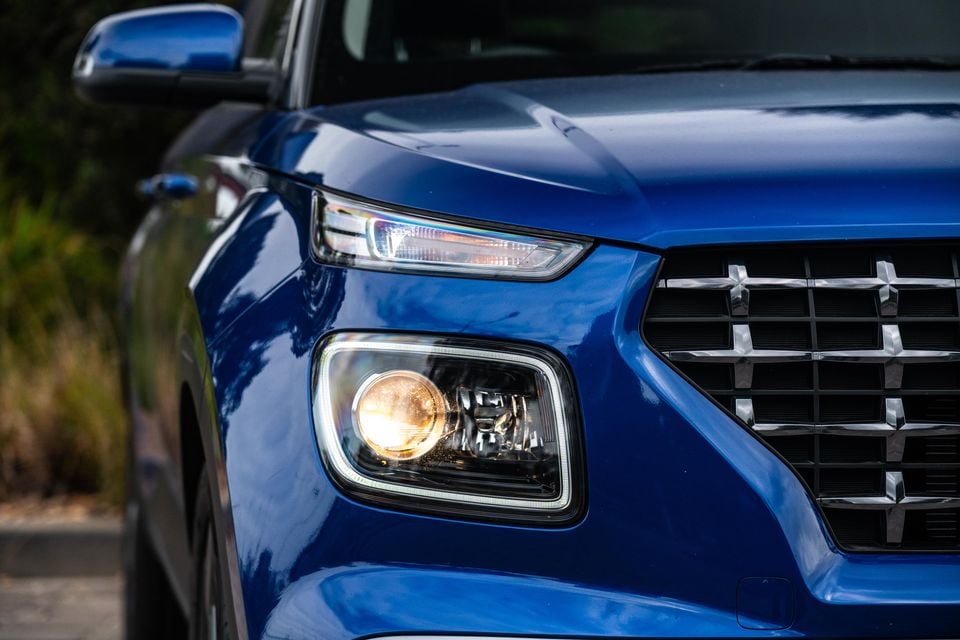
- Auto halogen projector headlights
- Halogen daytime running lights
- Cloth upholstery
- Manual air-conditioning
- 4.2-inch colour instrument cluster screen
- Wireless phone charger
- 8.0-inch touchscreen infotainment system
- Wireless Apple CarPlay, Android Auto
- 1 x 12V outlet, 1 x USB-A outlet, 1 x USB-C outlet
- 4-speaker sound system
- Remote central locking
- 60:40 split/fold rear seat
Venue Active adds:
- 17-inch alloy wheels
- LED daytime running lights
- LED positioning lights
- Static bending lights
- 6-speaker sound system
- ‘Premium’ seat bolsters
- Leather-wrapped steering wheel and shifter
- Power-folding exterior mirrors
Venue Elite adds:
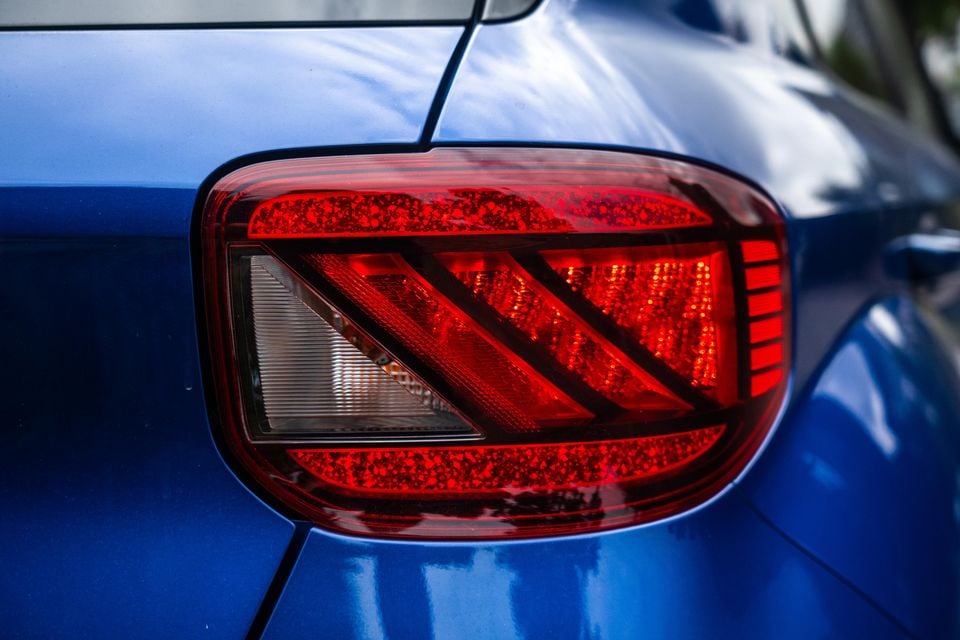
- LED rear combination lights
- Single-zone climate control
- Bluelink connected services (five-year subscription)
- 2 x USB-C outlets (rear)
- Electrochromatic rear-view mirror
- Unique 8.0-inch touchscreen infotainment system
- Wired Apple CarPlay, Android Auto (no wireless)
- Satellite navigation
- DAB+ digital radio
- Sunroof (not available with two-tone roof option)
- Keyless entry and start
- Rear privacy glass
To see how the Hyundai Venue stacks up against the competition, use our comparison tool
Is the Hyundai Venue safe?
The Venue’s four-star ANCAP safety rating awarded in 2019 has now expired, leaving it unrated.
Standard safety equipment highlights:
- 6 airbags, incl:
- Autonomous emergency braking (camera-based)
- City/urban/interurban braking
- Pedestrian detection
- Automatic high-beam
- Driver attention warning
- Lane-keep assist
- Leading vehicle departure alert
- Rear occupant alert
- Reversing camera
- Tyre pressure monitoring
Venue Active adds:
Venue Elite adds:
- Blind-spot monitoring
- Rear cross-traffic alert
To see how the Hyundai Venue stacks up against the competition, use our comparison tool
How much does the Hyundai Venue cost to run?
The Venue is covered by Hyundai’s five-year, unlimited-kilometre warranty (or seven years if all scheduled services are completed at an authorised Hyundai dealer). Servicing is required every 12 months or 15,000km, whichever comes first.
| Servicing and Warranty | Hyundai Venue |
|---|
| Warranty | 5 years, unlimited kilometres (7 years if all scheduled services are completed at an authorised Hyundai dealer) |
| Roadside assistance | 12 months (then service-activated) |
| Service intervals | 12 months or 15,000km |
| Capped-price servicing | Lifetime (service-activated) |
| Average annual service cost (5 years) | $395.2 |
| Total capped-price service cost (5 years) | $1976 |
Hyundai Australia outlines service pricing for the Venue’s lifetime. For comparison’s sake, the first five services are detailed below:
| Service | Price |
|---|
| 12 months, 15,000km | $315 |
| 24 months, 30,000km | $410 |
| 36 months, 45,000km | $399 |
| 48 months, 60,000km | $537 |
| 60 months, 75,000km | $315 |
For reference, the first five services for the non-hybrid Chery Tiggo 4 are capped at $289 each, totalling $1445 over five years. Hybrid versions bump prices up by $10 per service, instead totalling $1495.
The Mazda CX-3, meanwhile, costs $2259 to service over five years, averaging $451.8 annually.
It’s also worth mentioning the Yaris Cross, for which Toyota caps the first five services at $275 each. That means it costs $1375 to service over five years, making it cheaper to maintain than all of the above rivals.
To see how the Hyundai Venue stacks up against the competition, use our comparison tool
CarExpert’s Take on the Hyundai Venue Elite
The Venue exists to serve a purpose, but that’s almost entirely undermined by the top-spec Elite.
The entry-level Venue keeps the same wheezy engine, but it’s priced among the cheapest SUVs in Australia, and that makes it easier to forgive the omission of some critical features inside and out. So it makes sense as a rental vehicle or just a cheap set of wheels, and it can even be had with a manual.
When it comes to the Elite, though, there’s just too much gear missing, and its powertrain doesn’t do the elevated price tag any justice either. It’s made worse by the larger and newer Chery Tiggo 4, which can be had in both petrol and hybrid forms, all of which are cheaper than this top-spec Venue.
And don’t forget this car is $1000 more expensive than it was 12 months ago, with no real return.
The Tiggo 4 also has more standard equipment and better performance, not to mention much better efficiency in hybrid guise, as is the case with the Yaris Cross Hybrid. There just isn’t much going for the Venue Elite, regardless of whether it steers well or if its safety tech works the way it should.
If you must have a Venue, the mid-spec Active is a better pick given it’s cheaper yet has all the equipment you’d need – including wireless smartphone mirroring. Otherwise, it may well be worth dropping in to a Chery dealer instead.
CarExpert can save you thousands on a new Hyundai Venue. Click here to get a great deal.
Click the images for the full gallery
MORE: Explore the Hyundai Venue showroom





















 Automotive Vehicle Spec Data & 4K images Powered by JATO Dynamics Ltd