




William Stopford
2027 BMW X5 price and specs
The new-generation BMW X5 wears bolder styling inside and out, packs more power, and comes with a price tag only slightly higher than before.
10 Hours Ago
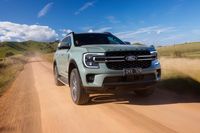
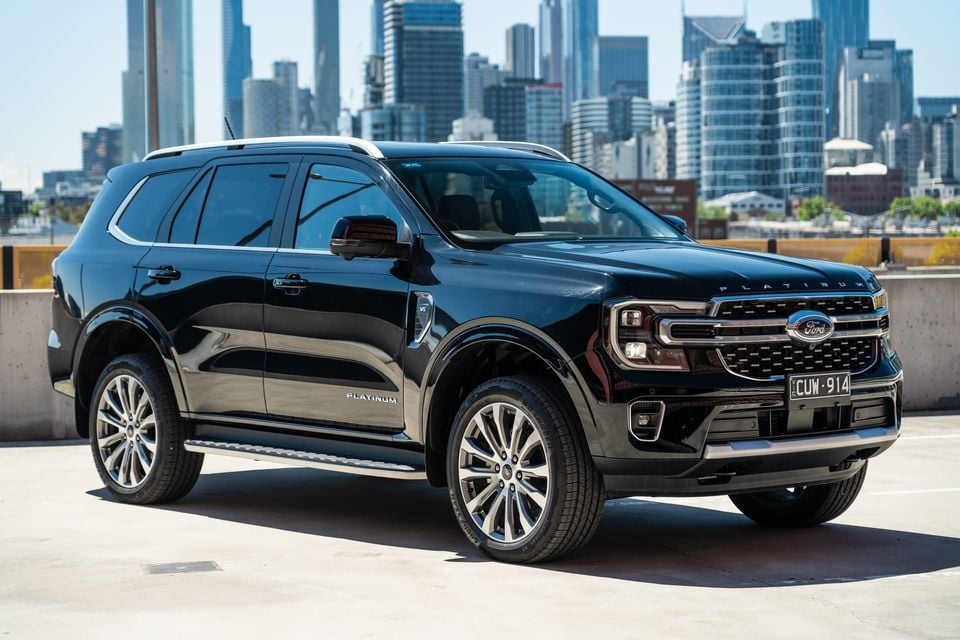
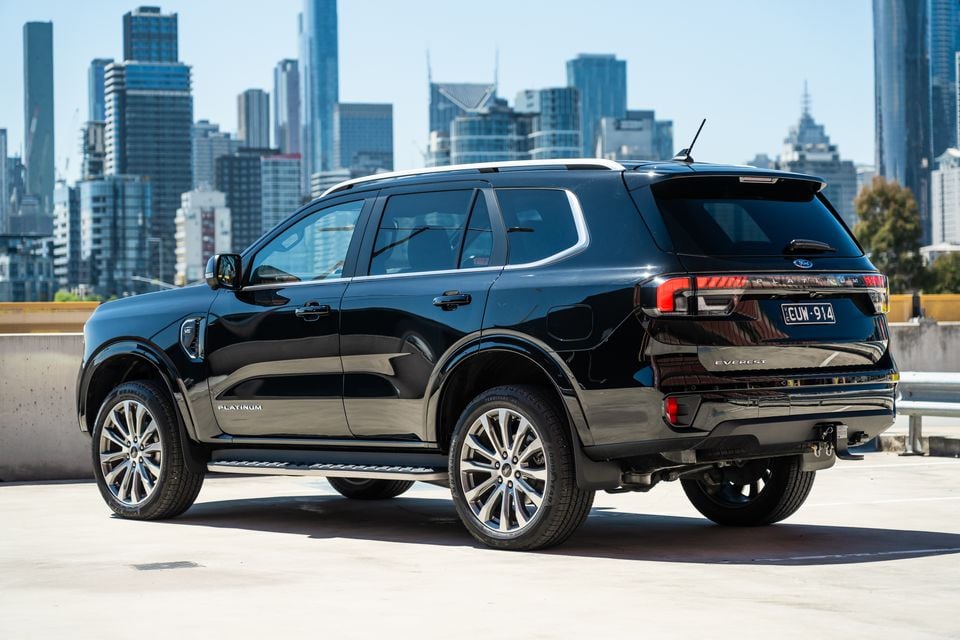
The range-topping variant of Australia's most popular large SUV, based on the nation's top-selling ute, is this – the Ford Everest Platinum.

Road Test Editor
Road Test Editor
Road Test Editor
Road Test Editor
If this is the car for you, we’ll compare offers from trusted dealers, handle the back and forth and manage your purchase from enquiry to delivery.
The Ford Everest was the best-selling large SUV in Australia in 2025, out-selling the Toyota Land Cruiser Prado for the second consecutive year.
There wasn’t much between the two, with the Everest finding a mere 55 additional new homes over the 26,106 Prados sold last year. But grammatical challenges aside, Dominic Toretto taught us that it don’t matter if you win by an inch or a mile, winning’s winning.
However, in a market obsessed with SUVs and utes, having the best-selling large SUV – alongside the best-selling ute – gives the Blue Oval some serious bragging rights (even if Toyota outsells Ford almost two-to-one overall).
Perhaps more impressive is the fact the Everest isn’t a stand-alone off-roader like the Prado or LandCruiser 300 Series, or – like many small and medium SUVs – a raised-up, road-going vehicle with a monocoque body.
No, the Everest is more or less a seven-seat wagon version of the Ranger – Australia’s favourite ute.
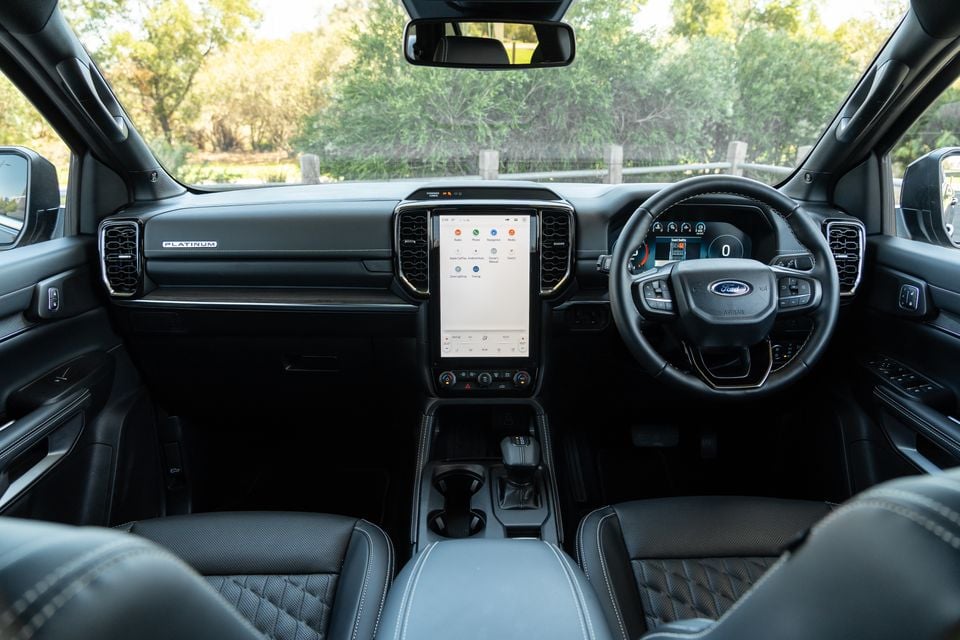
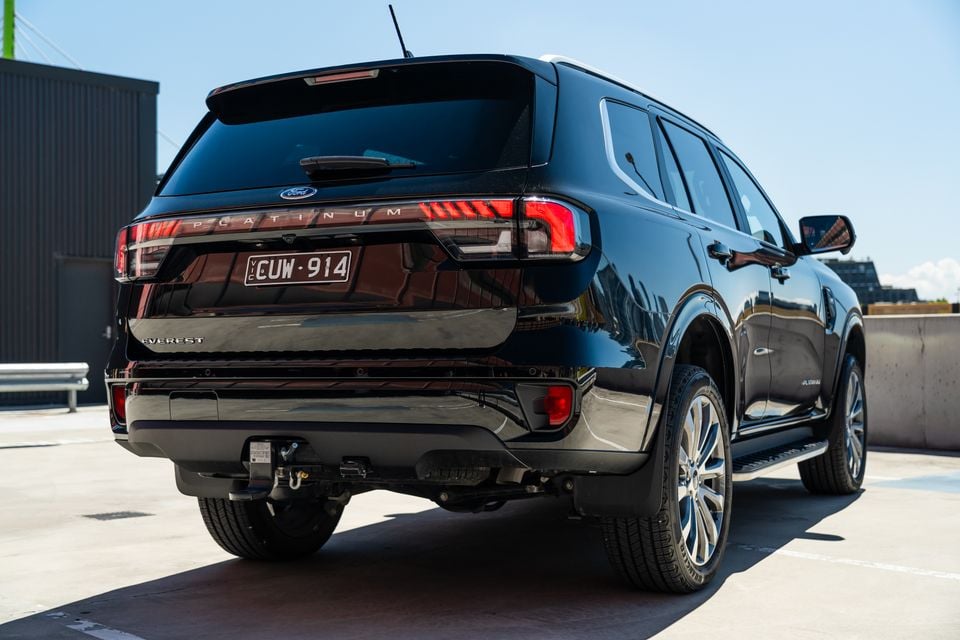
And this, arguably, is the best of the best, being the range-topping Everest Platinum, which comes with more fruit than a breakfast smoothie.
But with the Everest being Australia’s most popular large SUV for the second year in a row, is the Platinum the one to get?
The now-4x4-only Ford Everest lineup begins at $58,990 before on-road costs for the Active turbo-diesel four-cylinder variant, but tested here is the Everest Platinum V6 flagship – starting at $83,490 before on-roads.
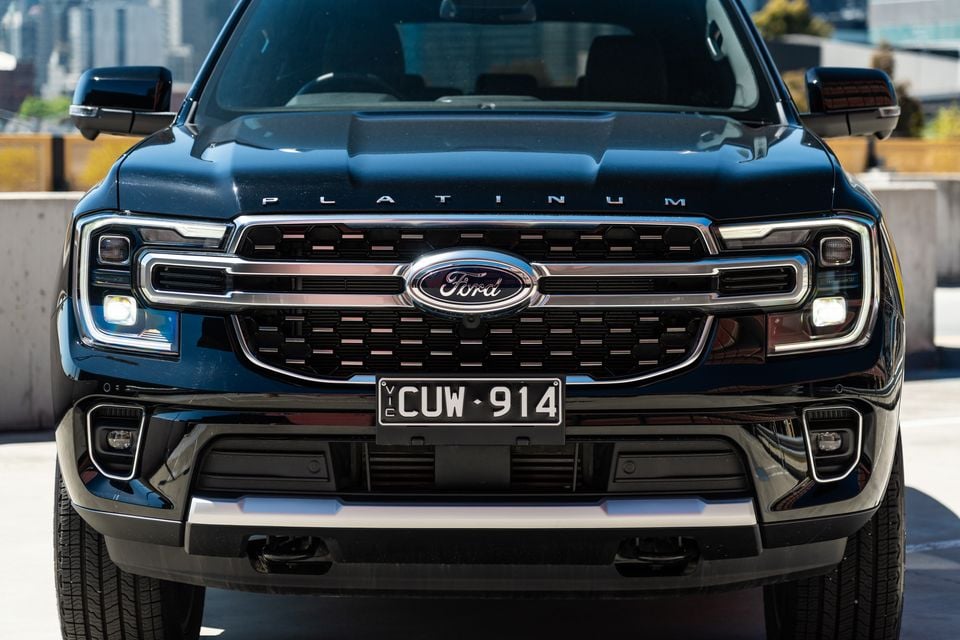
With the axing of the Mitsubishi Pajero Sport and Toyota Fortuner – both ute-based off-road SUVs – the Everest has even fewer direct competitors to deal with, and buyers have less choice from legacy brands.
| Model | Price before on-road costs |
|---|---|
| 2026 Ford Everest Active | $58,990 |
| 2026 Ford Everest Active V6 | $66,990 |
| 2026 Ford Everest Sport | $68,990 |
| 2026 Ford Everest Sport V6 | $76,990 |
| 2026 Ford Everest Tremor V6 | $79,990 |
| 2026 Ford Everest Platinum V6 | $83,490 |
To see how the Ford Everest lines up against the competition, check out our comparison tool
Not much has changed inside for the 2026 Everest, and it’ll be a familiar place for anyone who has spent time in a Ranger.
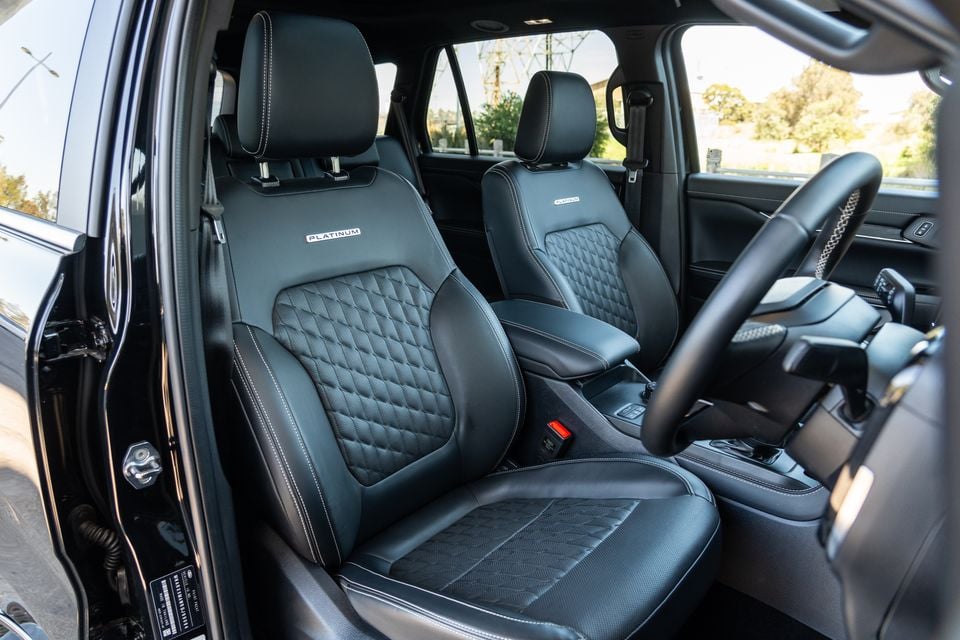
However, there’s clearly more here. More leather, more features, more buttons, more niceties.
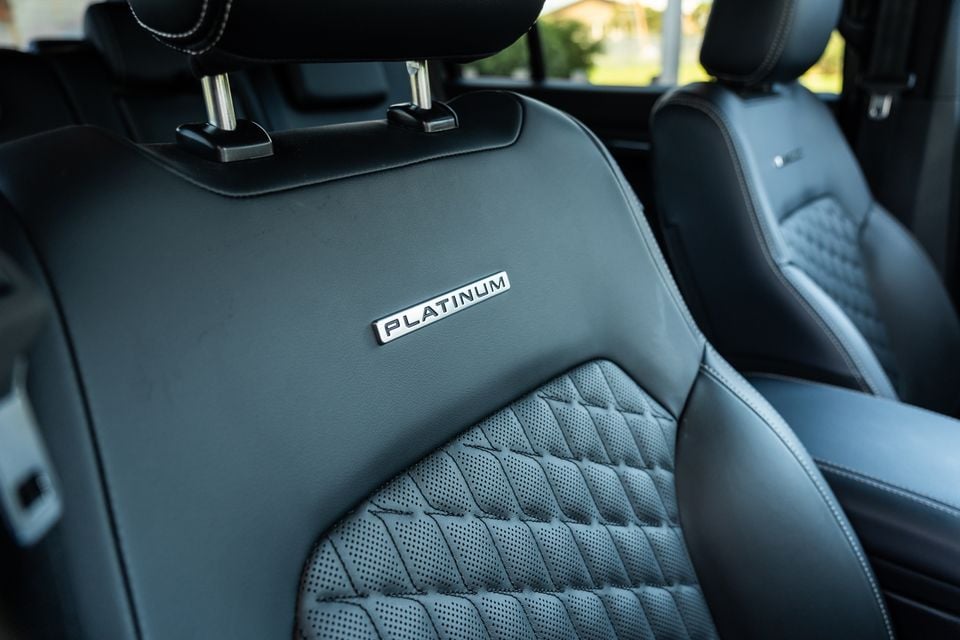
Rather than forced opulence – a common trait generally with high-end model variants – Ford finds a balance of comfort, technology, and style, delivering a cabin that feels premium without being over-the-top.
The Everest has an expansive cabin, and it feels like it borrows some of its flair from the likes of the F-150 and other American 'trucks'.
Ergonomics are excellent. Ford has provided a high level of adjustability for both the seat and steering wheel, allowing front-row occupants to find their perfect seating position easily, and making the Everest something you want to drive – regardless of distance.
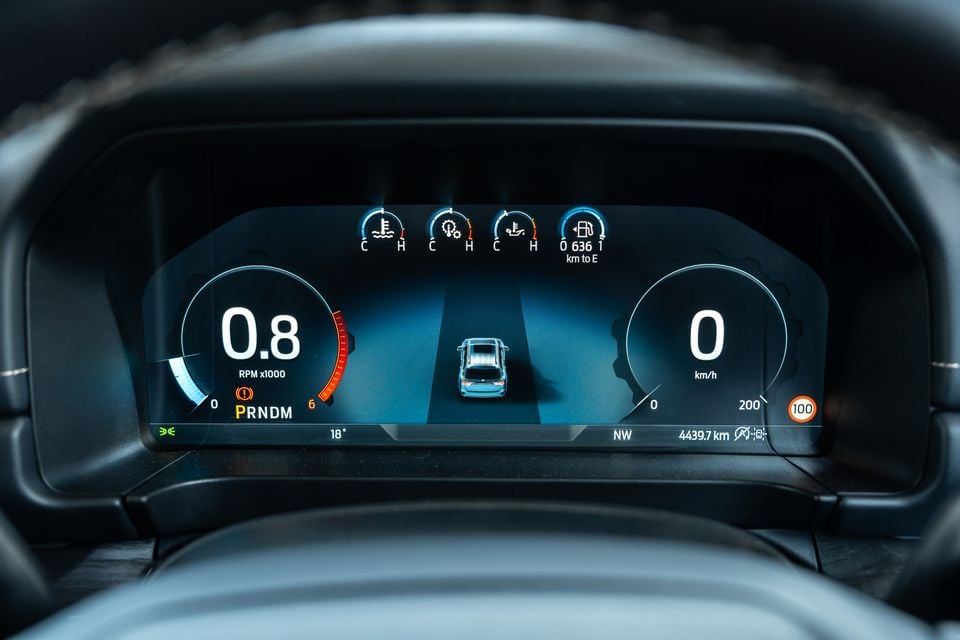
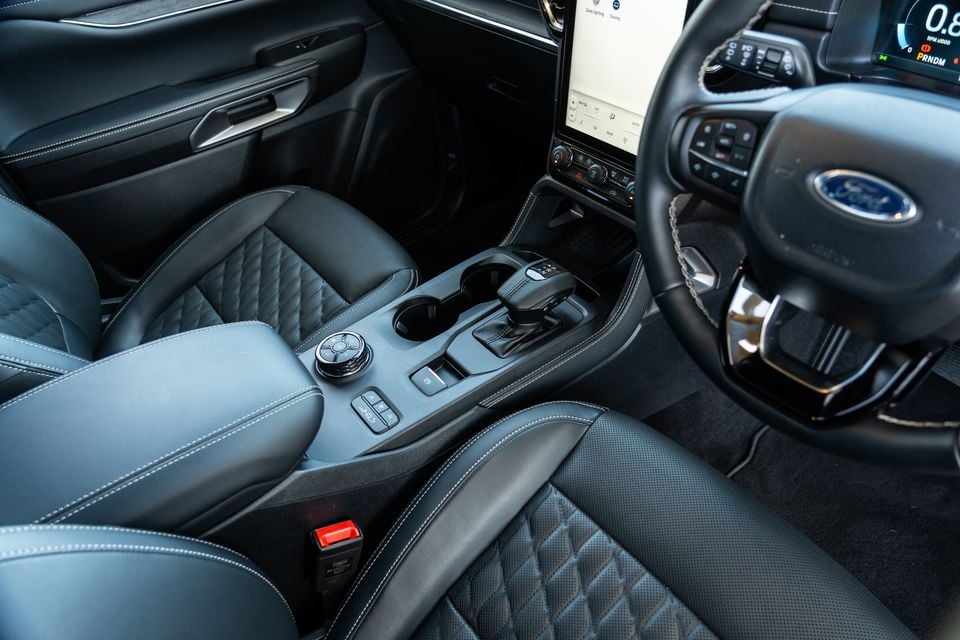
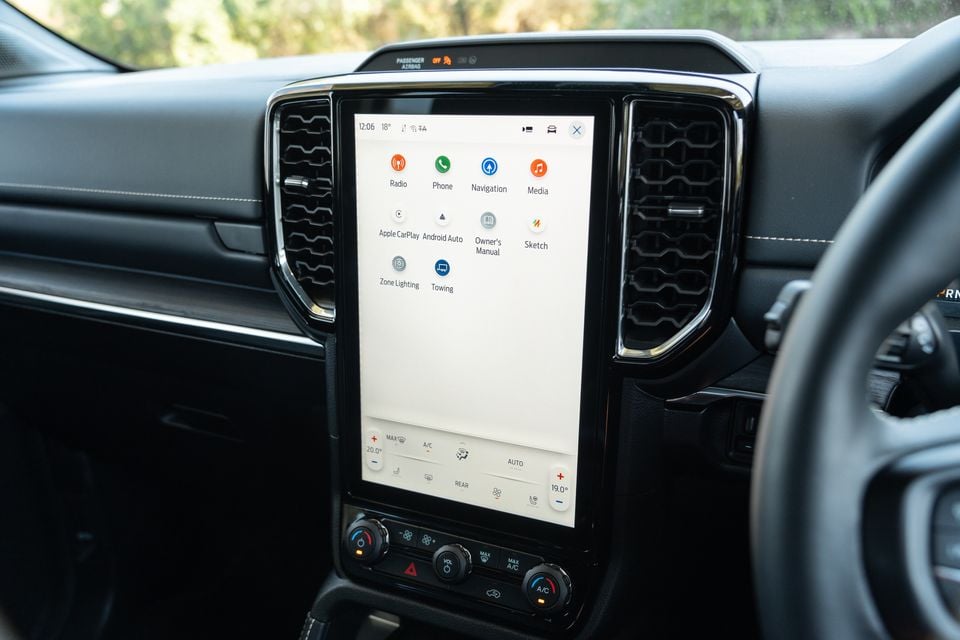
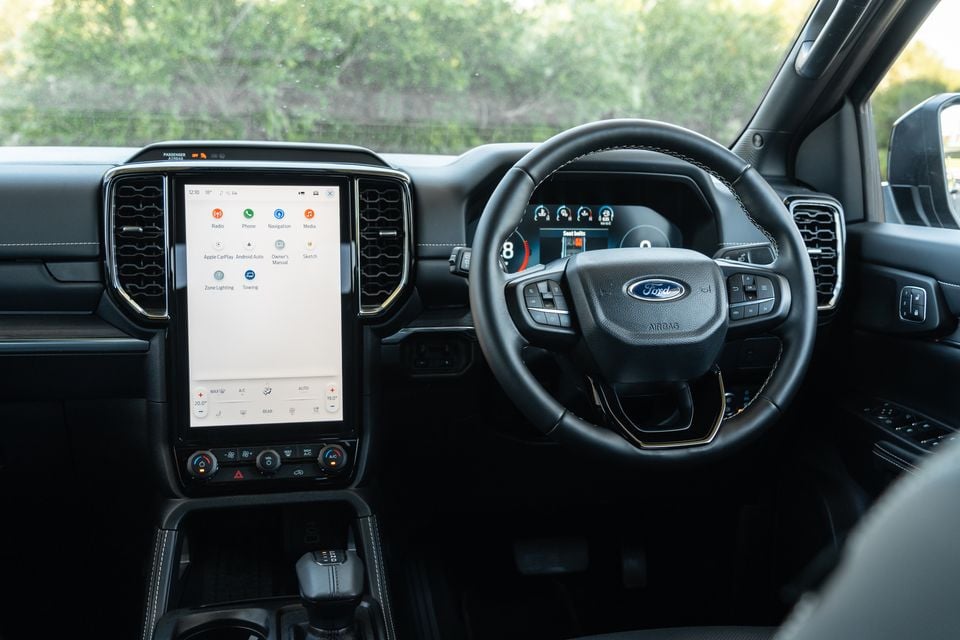
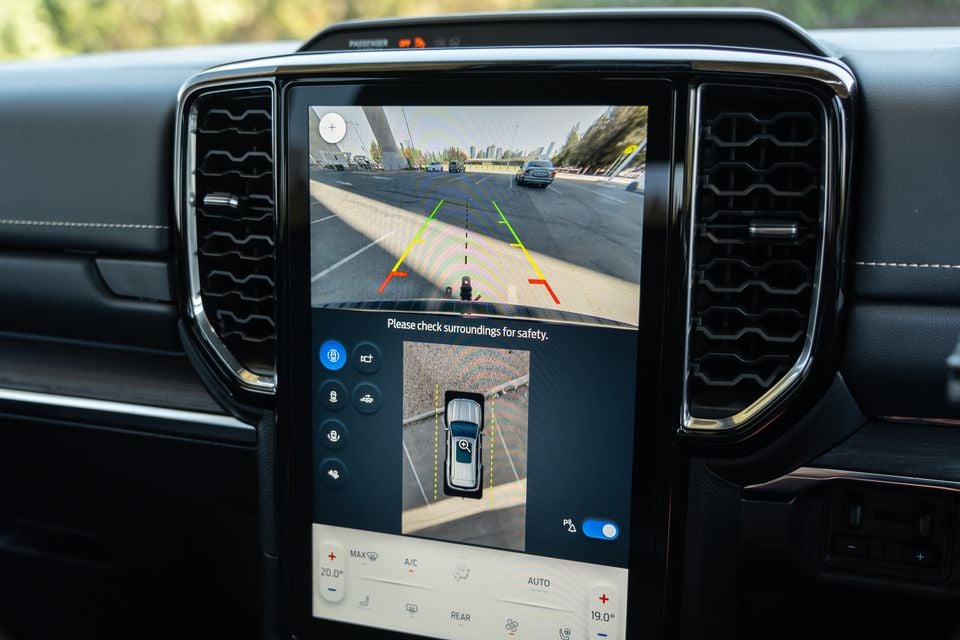
The oversized 12-inch portrait-style touchscreen works well for infotainment duties, and makes a lot of the competition feel antiquated, while the driver gets their own personal 12.4-inch digital instrument cluster. Ford offers a few different digital skins to choose from, depending on whether you prefer digital or analogue gauges.
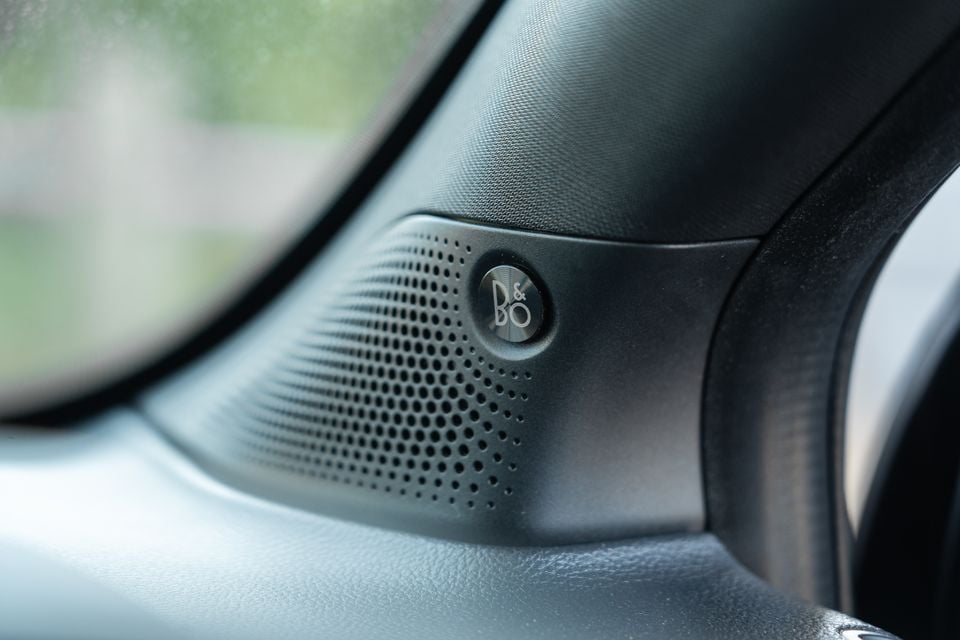
The Everest’s wireless Apple CarPlay worked well, connecting relatively quickly, while the 12-speaker Bang & Olufsen sound system does an excellent job of entertaining.
Given the bulky dimensions of the Everest, Ford’s 360-degree cameras make parking a lot easier. Unfortunately, for those with less confidence, Ford deleted its Park Assist 2.0 system from the Everest a couple of years ago, which allowed the car to park itself with minimal driver input.
As always, the relatively standard layout of stalks and buttons was very much appreciated – meaning I didn’t have to re-learn all the controls for my time with the Everest.
The traditional knobs for the volume and climate control are particularly great, allowing the driver to make adjustments on the fly without having to look away from the road. What a novel concept!
Overall, it’s a very pleasant place to spend time, though occasionally you do find a cheap plastic interior piece that has come straight out of a traffic controller’s Ranger.
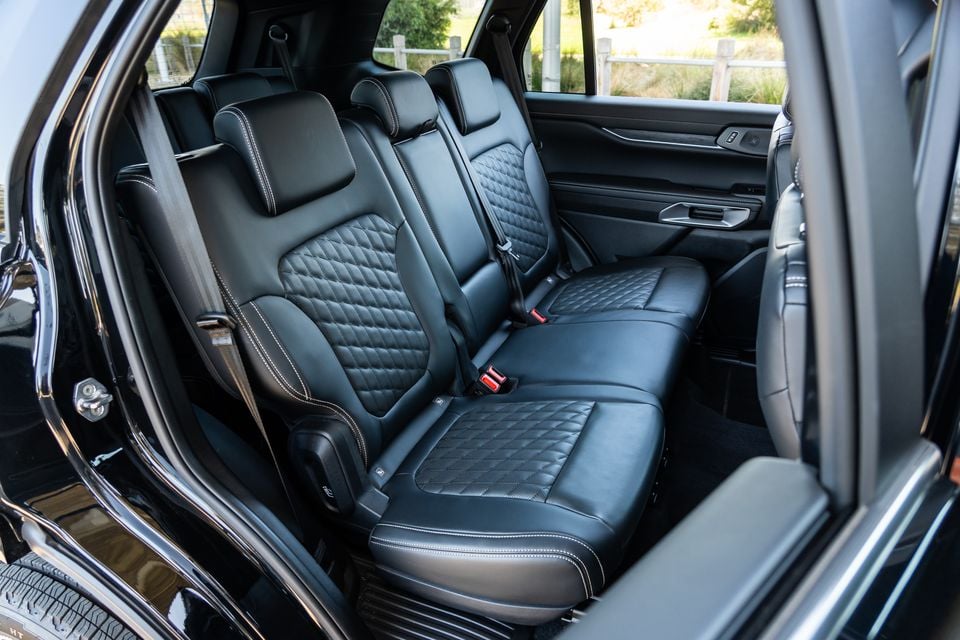
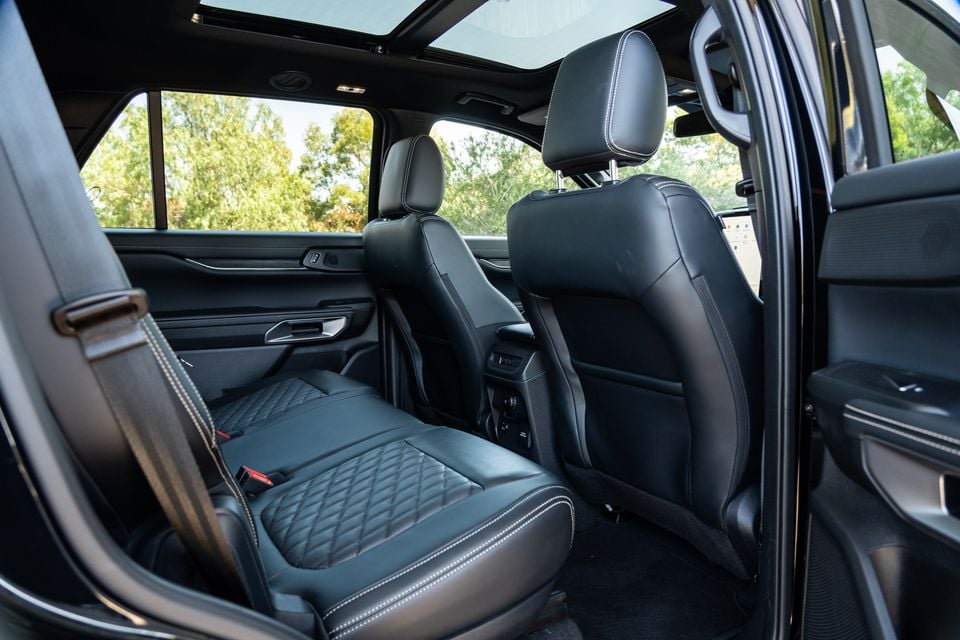
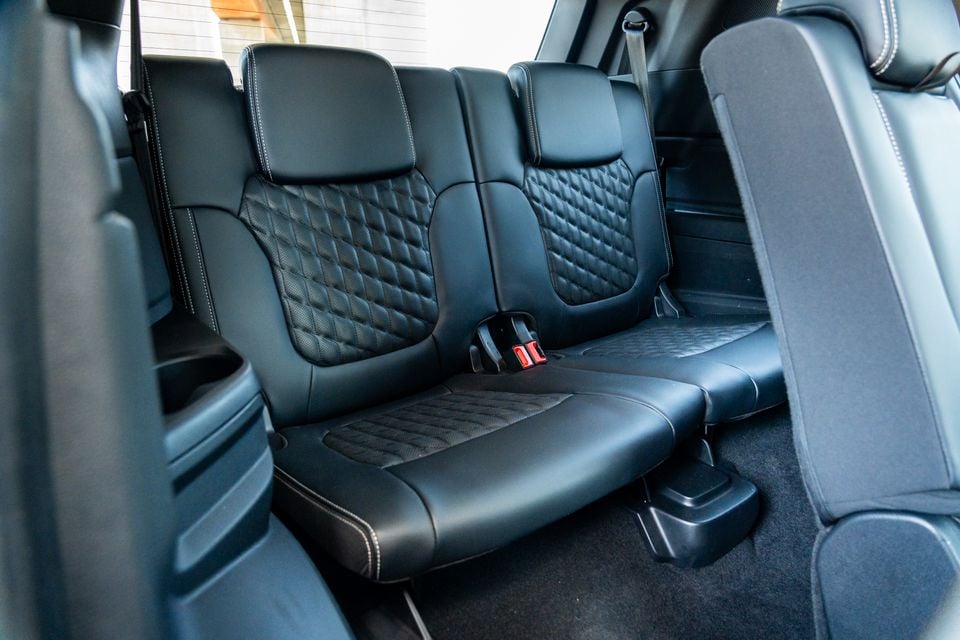
While the side steps aren’t suitable for hardcore off-roading, they definitely help occupants hoist themselves into the cabin – though the angle of the C-pillar does intrude a bit into the back door and makes accessing the third row more difficult.
Speaking of, the third row of seats is best reserved for littler people, whereas the second row can accommodate two adults – or three for short trips – while offering a slightly raised view compared to those in the front.
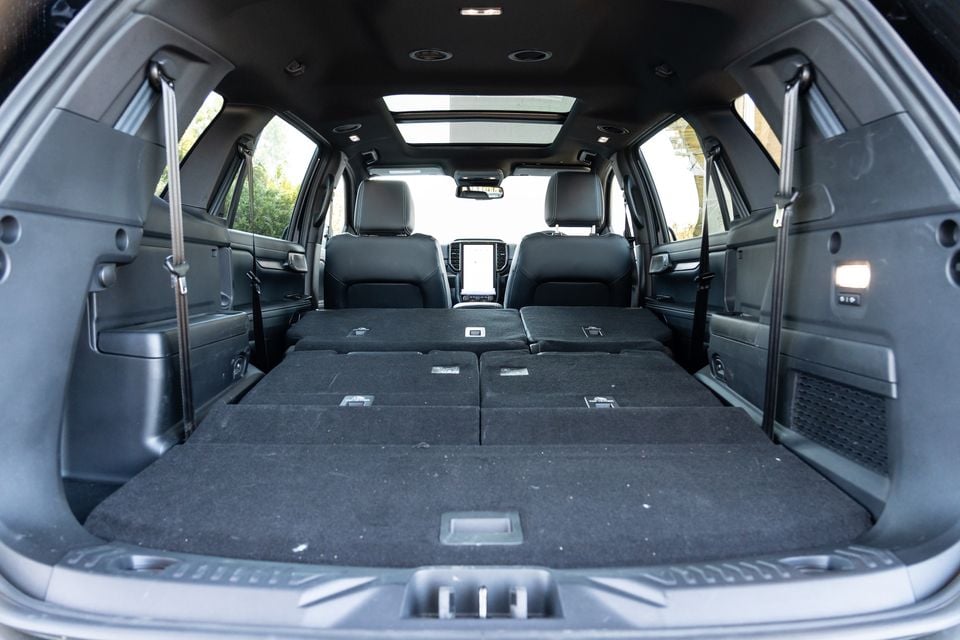
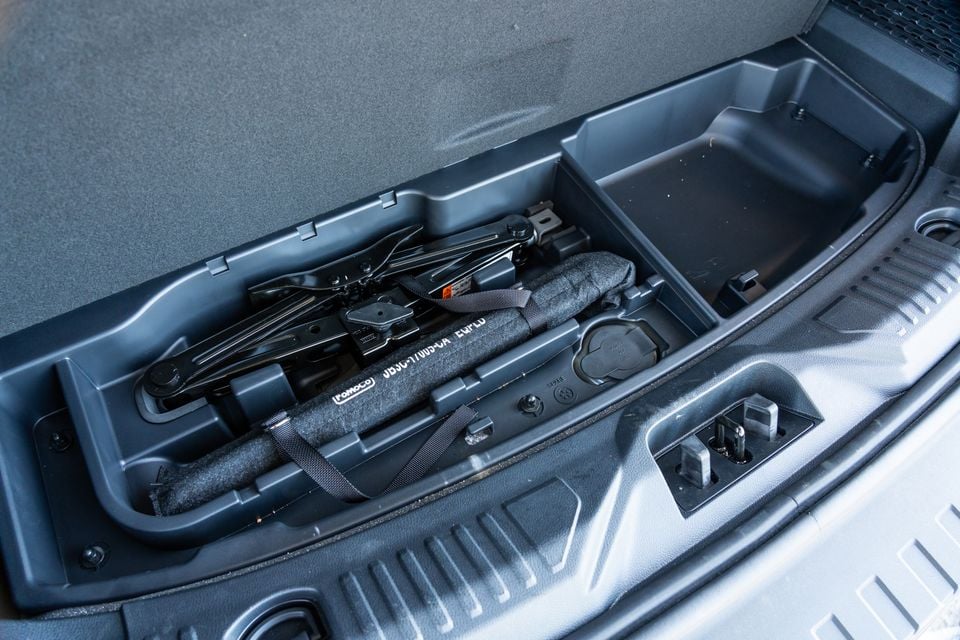
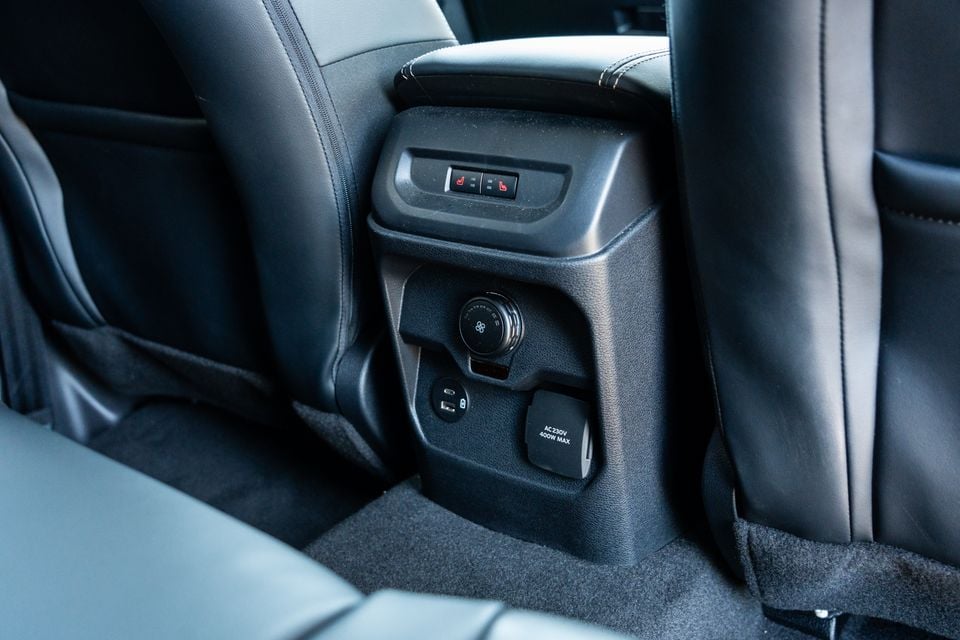
Those in the second row also get fan control, heated outboard seats, a household electricity socket, and both USB-A and USB-C ports.
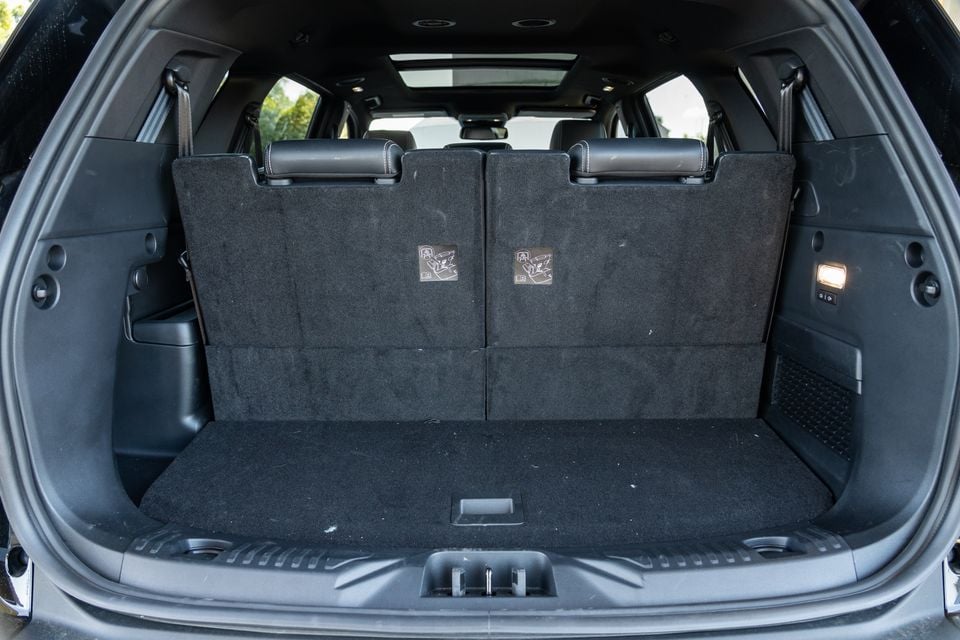
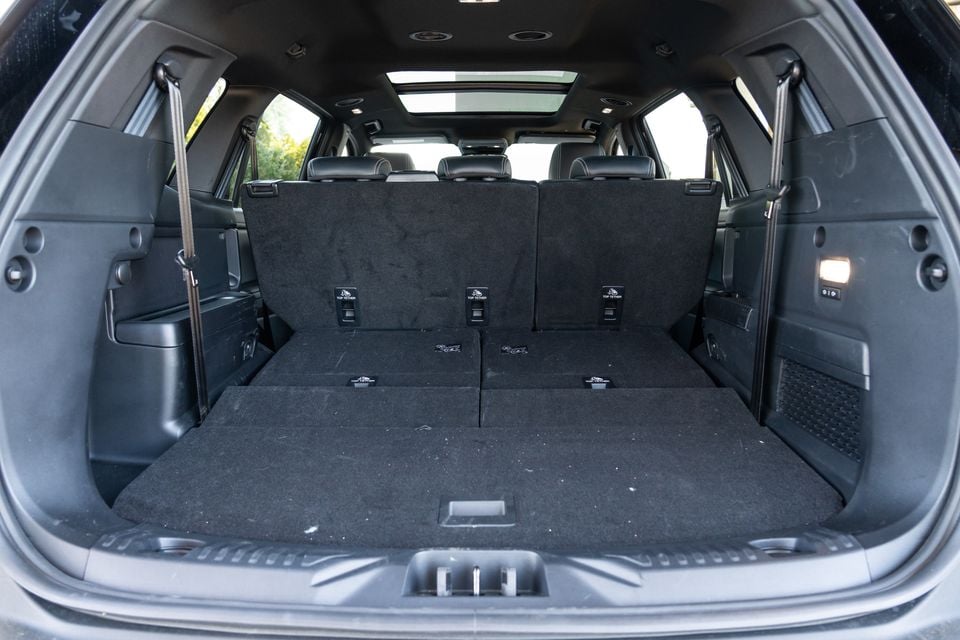
With all the seats in use, there’s 259 litres of storage, increasing to 898L with the third row folded, and 1823L with both rows flat.
Payload for the Everest Platinum is 651kg, but for those needing more, that figure increases to 731kg in the base Ambiente. The Prado, however, has a payload of between 580kg and 615kg. Might not sound like much, but when you have the family loaded, the caravan hooked up, and a tank full of diesel, you’d be surprised how little you’re left to play with – so that’s something to keep in mind.
| Dimensions | Ford Everest |
|---|---|
| Length | 4914mm |
| Width | 1923-1954mm (without mirrors) 2015mm (mirrors folded) 2207mm (mirrors extended) |
| Height | 1904mm (Tremor) 1876mm (all other variants) |
| Wheelbase | 2900mm |
| Cargo capacity | 259L (behind third row, measured to the roof) 898L (third row folded, to the roof) 1818L-1823L (second and third rows folded, measured to roof) |
To see how the Ford Everest lines up against the competition, check out our comparison tool
A four-cylinder turbo-diesel is available in the Everest, but the Platinum tested here comes with the 3.0-litre turbo-diesel V6, making 184kW of power and 600Nm of torque.
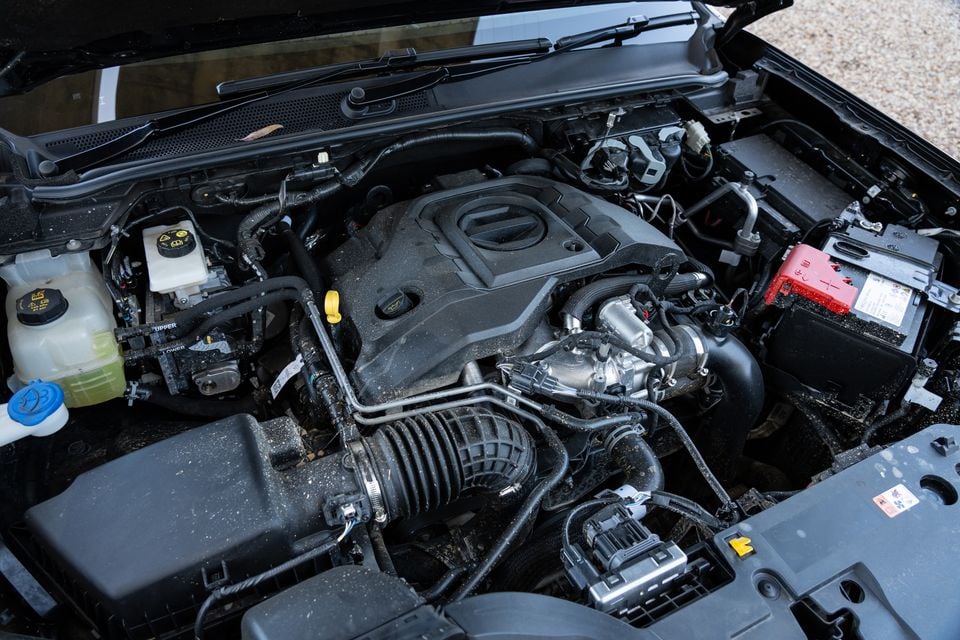
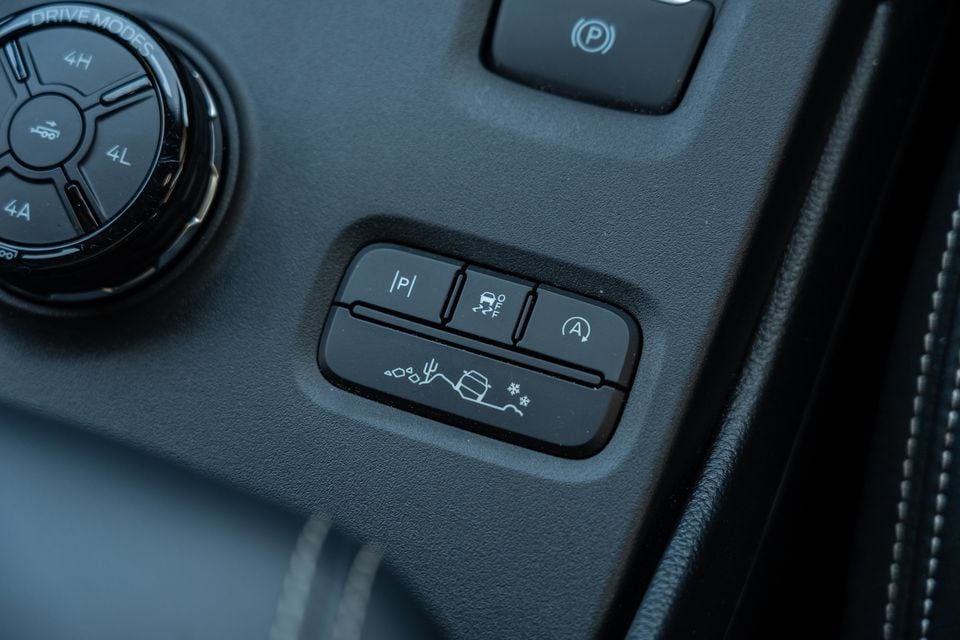
Drivers can keep the Everest in rear-wheel drive in dry conditions – helping lower fuel usage – but when driving in the wet or on loose surfaces, automatic four-wheel drive can be selected to ensure greater traction and handling. When venturing off-road, there’s both high- and low-range four-wheel drive.
Ford claims fuel consumption of 8.5L/100km, however, our time with the car returned 9.8L/100km with a mix of suburban, highway, and city driving.
| Specifications | Ford Everest Platinum |
|---|---|
| Engine | 3.0L turbo-diesel V6 |
| Power | 184kW |
| Torque | 600Nm |
| Transmission | 10-speed auto |
| Drive type | Four-wheel drive |
| Weight | 2499kg |
| Fuel economy (claimed) | 8.5L/100km |
| Fuel economy (as tested) | 9.8L/100km |
| Fuel tank capacity | 80L |
| Fuel requirement | Diesel |
| CO2 emissions | 224-250g/km |
| Emissions standard | Euro 5 |
| Braked tow capacity | 3500kg |
To see how the Ford Everest lines up against the competition, check out our comparison tool
Even after a run of commercial dual-cab 4x4 utes across my driveway, the Everest still has a largeness that takes a minute to calibrate to.
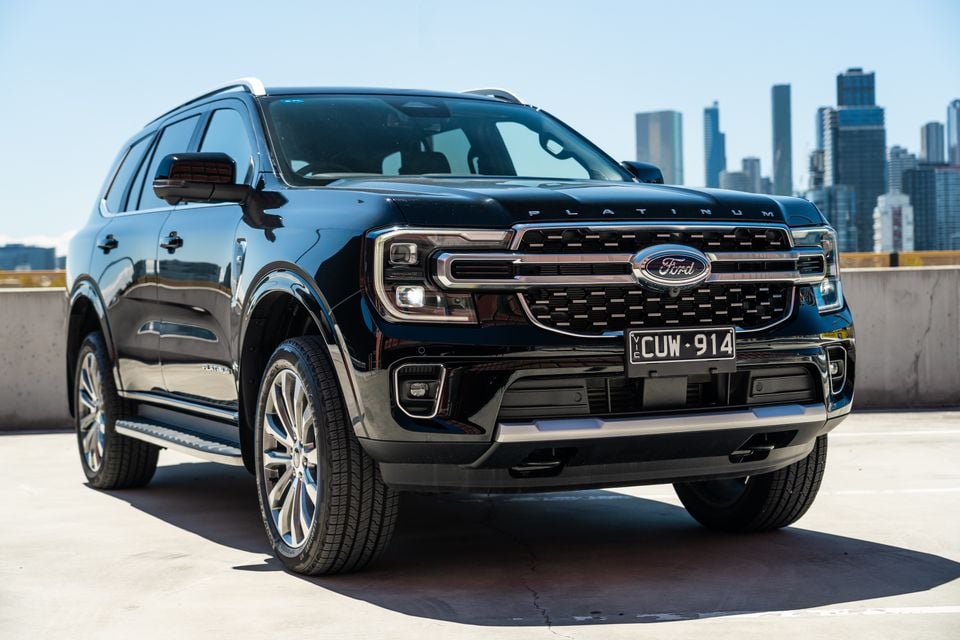
The solidity that comes from the Everest is inherent with ladder-frame chassis vehicles, and is a noticeably different flavour to more road-oriented SUVs – like a Nissan Pathfinder or Hyundai Santa Fe, for example.
However, there is an even greater element of strength in the Everest, providing an almost subconscious reassurance to the driver while driving. That chassis strength means the shock absorbers and rubber bushings are left to do their job of insulating the cabin from road imperfections.
For those who aren’t used to driving vehicles with ladder frames, it might make the experience feel more akin to a truck – after all, it is based on a commercial vehicle. But for those stepping out of a ute or other off-roader, there is a feeling of fortitude that comes from the Everest that's seldom repeated.
It could explain why so many people choose the Everest for their families. It feels safe.
Speaking of, the Ford's adaptive cruise control technology works well at freeway speeds, maintaining a gap to the car in front and reducing the driver's mental load.
But while the shocks do a good job of shocking, I was personally a little shocked at how firm the suspension is. It’s not actually uncomfortable, but it seems like the Everest is tuned less for comfort and more for handling – perhaps exacerbated by the large wheels and thinner tyre sidewalls. Though with softer suspension tuning, I suspect the weight of the vehicle could make the Everest wallowy in corners.
It may not be the plushest ride I’ve experienced, but smaller imperfections are dealt with well enough, and the big Ford is plenty comfortable for daily family use.
The V6 isn’t a powerhouse. I like the fact that it isn’t an undersized and overstressed engine, as seems to be the trend nowadays, but the turbo-diesel isn’t about to set any land-speed records.
I tend to prefer cars with nice gobs of low-down torque, and though that’s an unreasonable ask of most four-cylinder budget SUVs, for a premium SUV with a turbo-diesel V6, I wouldn’t have minded a little more oomph off the line.
But once it’s going and hits that bow wave, the Everest gets along nicely – helped by the 10-speed automatic transmission. Most of the time there’s a gear to make the most of the V6’s sweet spot, but every once in a while you can catch the gearbox out. Overall though, it’s a great powertrain and will exceed the needs of most.
Once you get familiar with its dimensions, the Everest is a relatively easy thing to punt around town, but is especially comfortable for long highway miles. We didn’t get a chance to take it off-road this time around, but we know the Ford is more than capable when hitting the bush, even without all-terrain tyres like the Platinum is.
In arguably its most natural environment – the local shopping centre – the Platinum's 360-degree cameras make parking a breeze, with the steering wheel appropriately weighted for low-speed tasks.
| Off-road dimensions | Ford Everest Platinum |
|---|---|
| Track front and rear | 1620mm / 1620mm |
| Ground clearance | 226mm |
| Approach angle | 30.2 degrees |
| Departure angle | 25.0 degrees |
| Ramp breakover angle | 21.9 degrees |
| Wading depth | 800mm |
To see how the Ford Everest lines up against the competition, check out our comparison tool
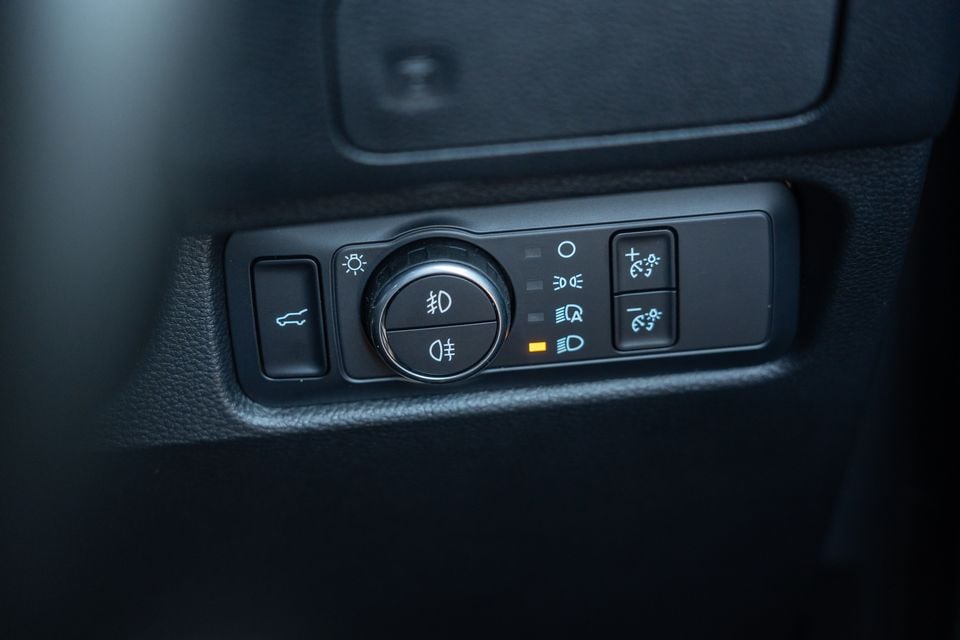
The Everest Platinum offers a long list of standard equipment, which should satisfy most families.
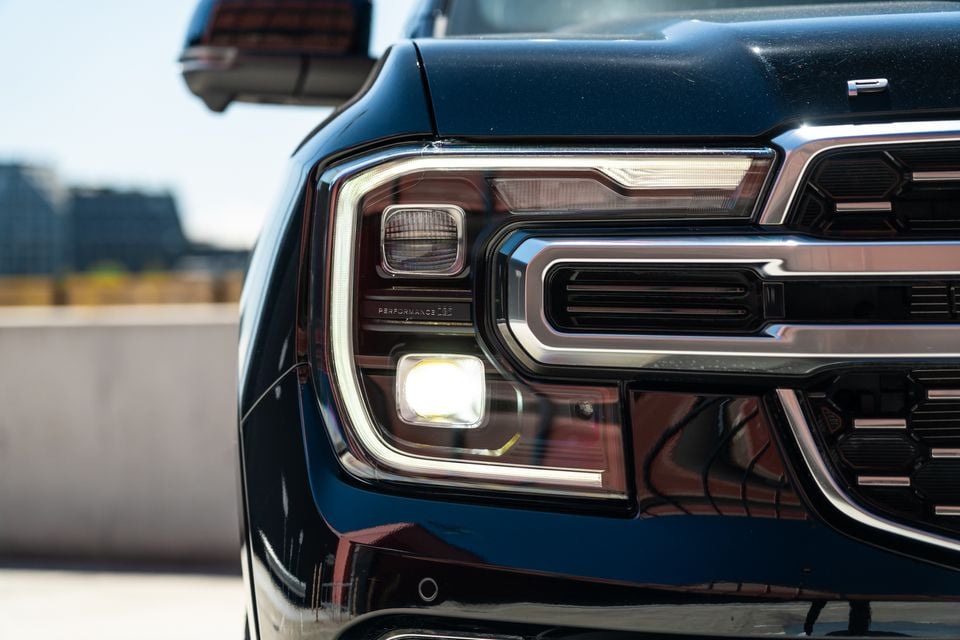
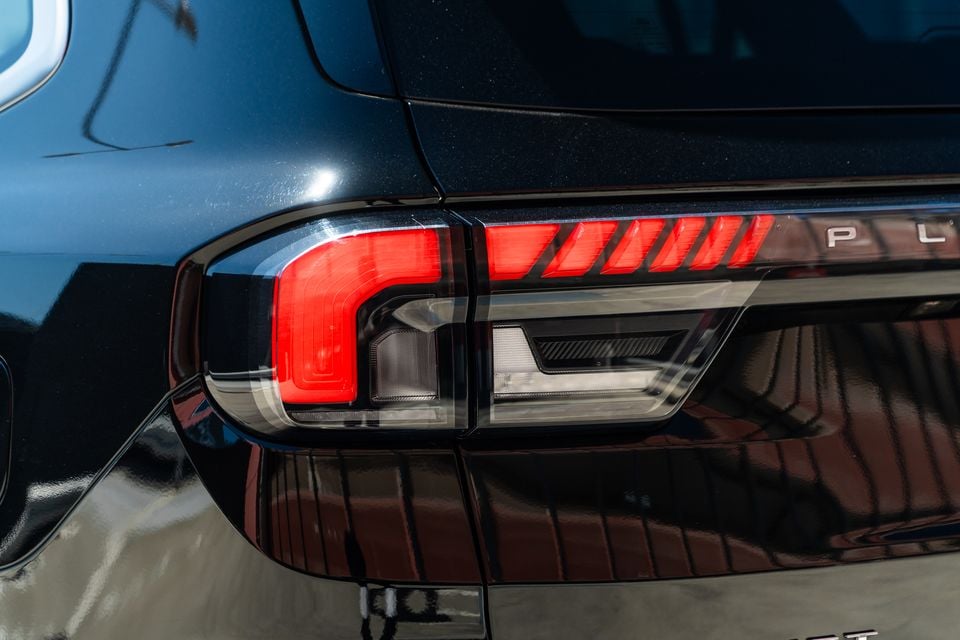
2026 Ford Everest Platinum equipment highlights:
If this is the car for you, we’ll compare offers from trusted dealers, handle the back and forth and manage your purchase from enquiry to delivery.
To see how the Ford Everest lines up against the competition, check out our comparison tool
The Ford Everest has been tested by ANCAP and awarded a five-star safety rating, based on testing of the closely-related Ranger ute in 2022.
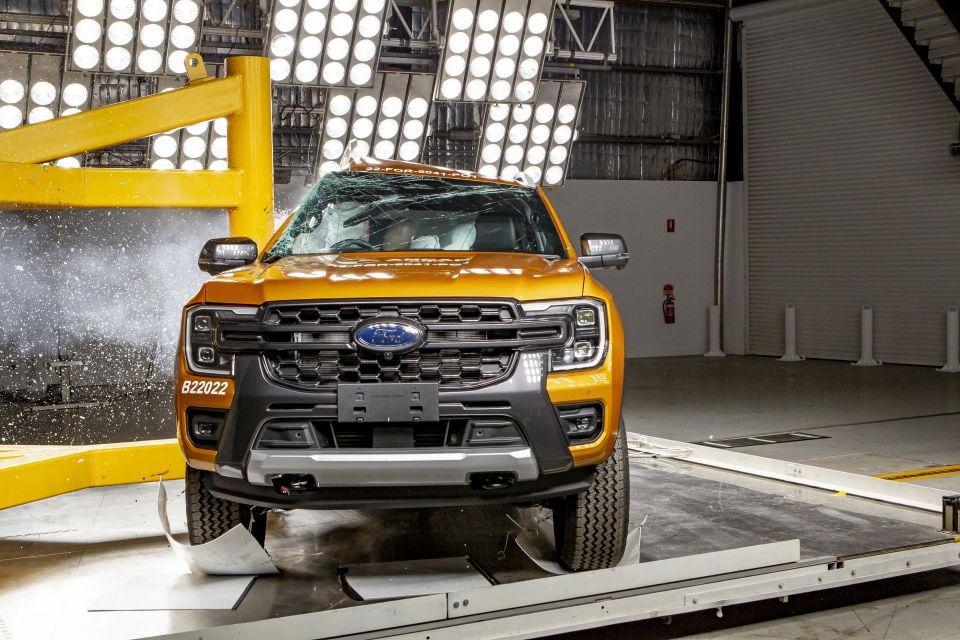
| Category | Ford Everest |
|---|---|
| Adult occupant protection | 86 per cent |
| Child occupant protection | 93 per cent |
| Vulnerable road user protection | 74 per cent |
| Safety assist | 86 per cent |
Standard safety equipment highlights:
To see how the Ford Everest lines up against the competition, check out our comparison tool
The Everest comes with a five-year, unlimited-kilometre warranty, with 12 months of roadside assistance included.
| Servicing and Warranty | Ford Everest |
|---|---|
| Warranty | 5 years, unlimited kilometres |
| Roadside assistance | 12 months, then service-activated up to 7 years |
| Service intervals | 12 months or 15,000km |
| Capped-price servicing | 5-year pre-paid plan |
| Total capped-price service cost | $1596 |
Owners can purchase a prepaid service plan for $1596, which includes five services and a brake fluid change per the logbook – with services required every 12 months or 15,000km.
While the Isuzu MU-X matches the Ford for service intervals, its services are capped at $469 – totalling $2345 over the same period – while the Toyota Prado requires servicing every six months or 10,000km, with five years of servicing at Toyota costing $3900.
To see how the Ford Everest lines up against the competition, check out our comparison tool
For those needing a comfortable family car that can do it all, the Ford Everest Platinum is surely one of the best options on the market today.
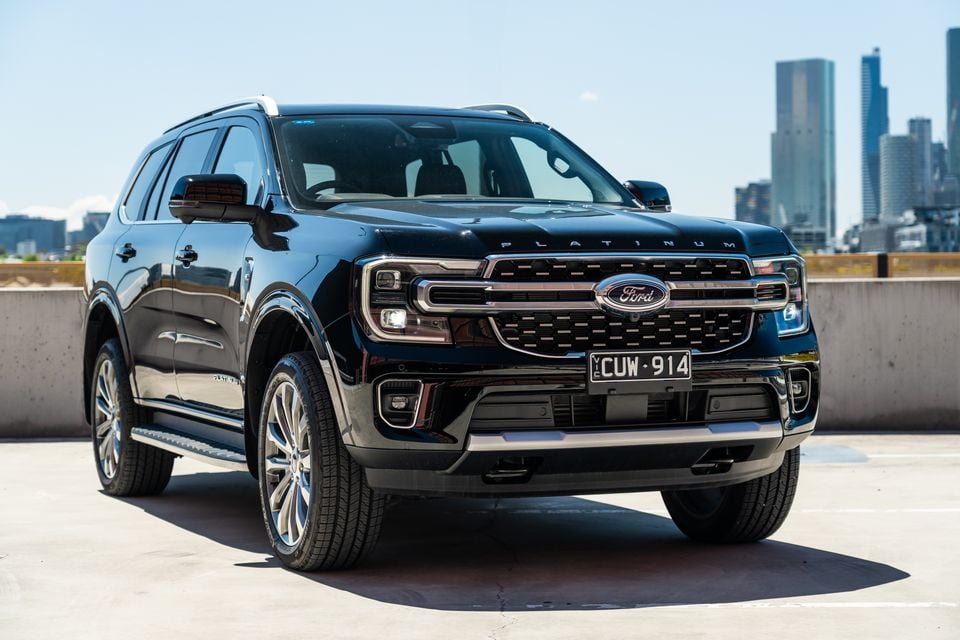
There really isn’t much to find fault with, with the Everest Platinum offering the right balance of comfort, space, technology, off-road capability, and on-road enjoyment. It feels premium, without being a show-off. Something that Aussies clearly appreciate.
But it goes beyond that. With turbo-diesel six-cylinder engines typically reserved for the likes of the LandCruiser, the Ineos Grenadier, and Land Rovers, the Everest is in good company, making it particularly compelling for those towing a caravan, boat or horse float – or even just those who travel long distances.
And yet, while the chassis is arguably one of the best among its direct peers, buyers will either love or hate the Everest’s truck-like characteristics. Sales figures suggest that, like me, plenty love it.
When it comes to servicing intervals and costs, the Everest clearly has the upper hand over the Prado, which could be the thing that helps swing people over to the Blue Oval.
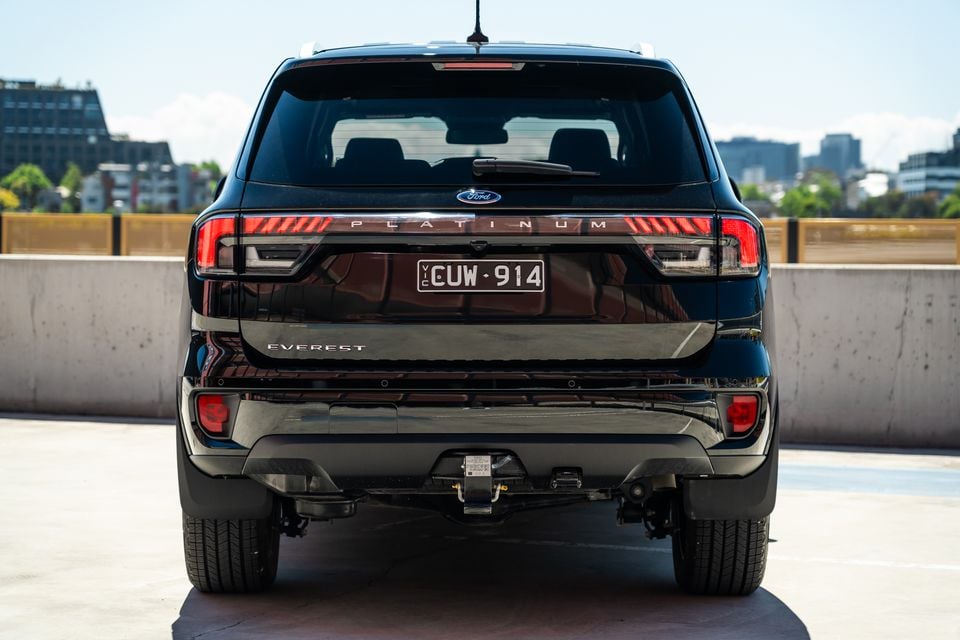
If you have the means to stretch to the range-topping Everest Platinum, it’s a good way to spend $85,000, and you’ll enjoy it each time you get into the car.
But, even without the V6, any of the Everest variants are a good shout, and it’s unlikely you’ll be wanting for anything – even with the entry-level four-cylinder Active, which arrives with a refreshed lineup around mid-2026.
I’ve been lucky enough to spend quite a bit of time behind the wheel of the Ranger, Everest, and the Volkswagen Amarok – the latter of which are based on the Ranger – and I continually find myself impressed and proud of the work that Australian engineers have put into making the ute and SUV. They're truly world-class.
Interested in buying a Ford Everest? Let CarExpert find you the best deal here
Click the images for the full gallery
If this is the car for you, we’ll compare offers from trusted dealers, handle the back and forth and manage your purchase from enquiry to delivery.
Quickly see how this car stacks up against its competition. Select any benchmark to see more details.
Ford Everest
Ford Everest Sales rolling 12-months#
*Based on VFACTS and EVC data
Looking for complete Ford Everest price history?
Our Ford Everest Pricing Page shows exactly how prices have changed over time.
2027
$64,057
2026
$64,057
2026
$64,582
2026
$72,772
2027
$74,557
2026
$74,557
2026
$74,557
2027
$86,107
2026
$86,107
2026
$86,107
2027
$89,180
2026
$89,705
Ben Zachariah has 20-plus years in automotive media, writing for The Age, Drive, and Wheels, and is an expert in classic car investment.
Add CarExpert as a Preferred Source on Google so your search results prioritise writing by actual experts, not AI.
William Stopford
10 Hours Ago

Max Davies
22 Hours Ago


Tace Clifford
5 Days Ago


Damion Smy
5 Days Ago

Damion Smy
5 Days Ago
Damion Smy
6 Days Ago
Add CarExpert as a Preferred Source on Google so your search results prioritise writing by actual experts, not AI.
# Based on VFACTS and EVC data
† Displayed prices are based on the drive-away price of the vehicle, which includes delivery charges, registration fees, number plates, and applicable road taxes, based on a Sydney location. However, prices may vary between states and territories, and additional costs such as compulsory third party (CTP) insurance, dealer delivery fees, and optional extras are not included. These prices are subject to change without notice and may not reflect current market pricing or dealer offers.
 Automotive Vehicle Spec Data & 4K images Powered by JATO Dynamics Ltd