




Damion Smy
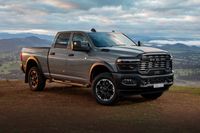
2027 Ram 2500 Warlock review
The Hemi V8 makes a comeback to Australia after almost two years in the Ram 2500 Warlock, but is it a return to form or a backward step?
8 Hours Ago
Plug-in hybrids continue to grow in popularity, and BYD’s first seven-seater undercuts rivals from Japan and South Korea.
If this is the car for you, we’ll compare offers from trusted dealers, handle the back and forth and manage your purchase from enquiry to delivery.
As Paul Simon sang: “Cars are cars, all over the world.”
But while Australia is considered by auto manufacturers to be a good testbed for the rest of the world, each market responds differently to each vehicle segment.
In 2025, VFACTS data from the Federal Chamber of Automotive Industries (FCAI) showed buyers flocked to plug-in hybrid vehicles (PHEVs) – with sales increasing by almost 131 per cent year-on-year.
Of course, there are a multitude of reasons behind this, but chief among them appears to be that Aussies like the idea of commuting using electricity – often harvested from their own roofs – but still want the flexibility and freedom of being able to drive into the outback on petrol power.
Like a feedback loop, this means there are more PHEVs hitting the market, contributing to increasing sales and, in turn, leading to more PHEV models being developed.
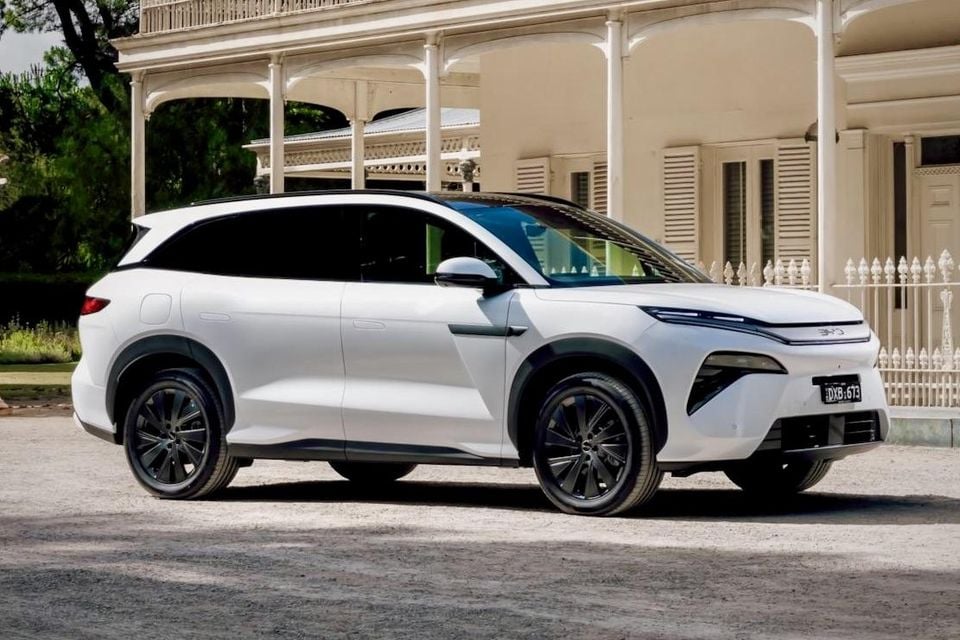
All of which brings us to the BYD Sealion 8 – a large seven-seat plug-in hybrid SUV, launched alongside the smaller and cheaper five-seat Sealion 5 plug-in hybrid mid-size SUV.
We’re driving the 2026 BYD Sealion 8 Dynamic FWD, which is the entry-level variant in the lineup.
The Sealion 8 isn’t the cheapest seven-seater PHEV on sale, but it’s certainly among them, priced from around $57,000 before on-road costs. It is, however, BYD’s largest SUV to go on sale in Australia to date.
CarExpert was given the opportunity to test the Sealion 8 briefly back in late 2025, but we’ve had a bit more seat time with the new model on Victorian roads at its official launch.
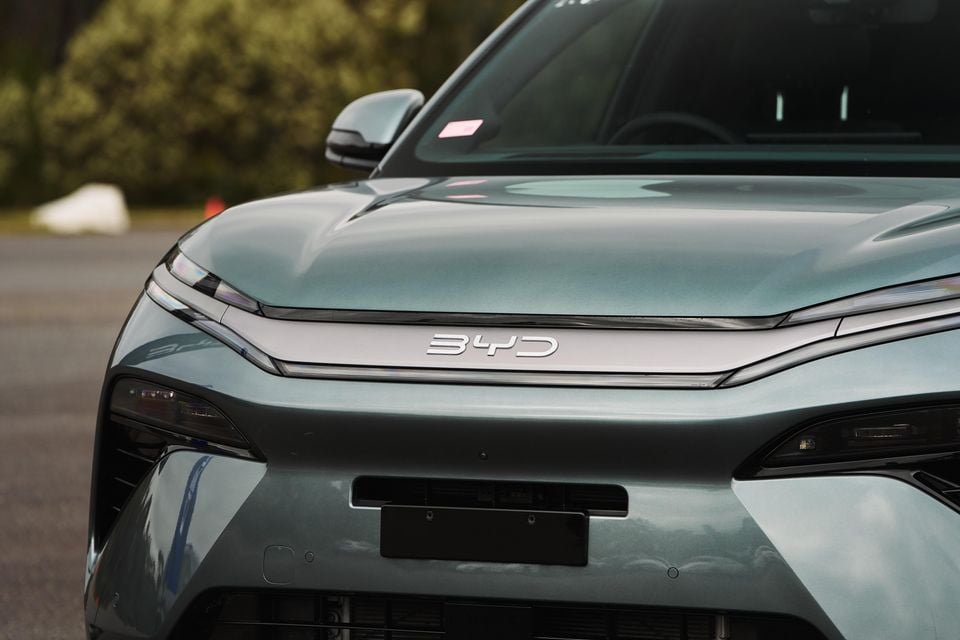
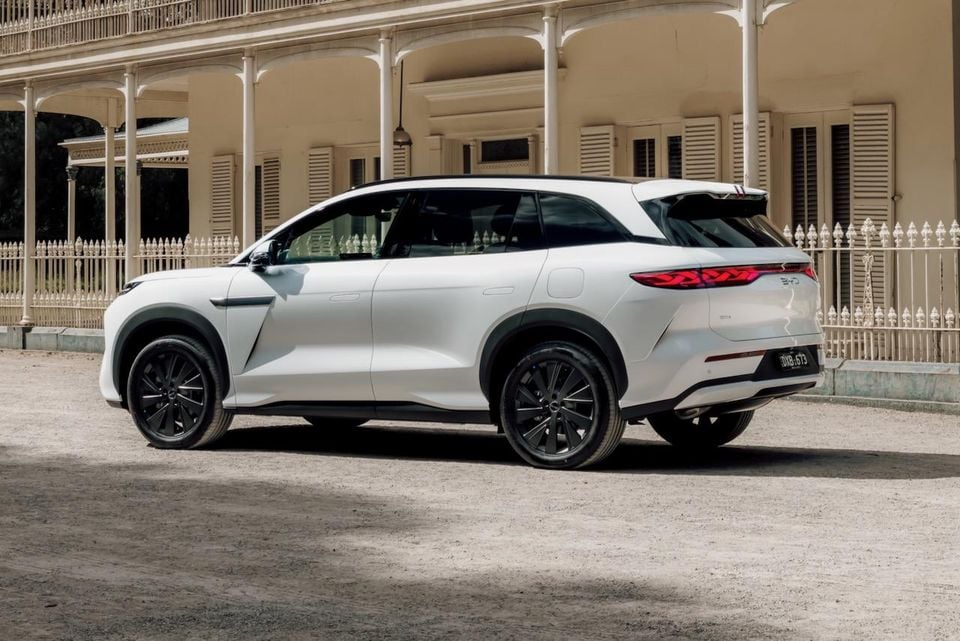
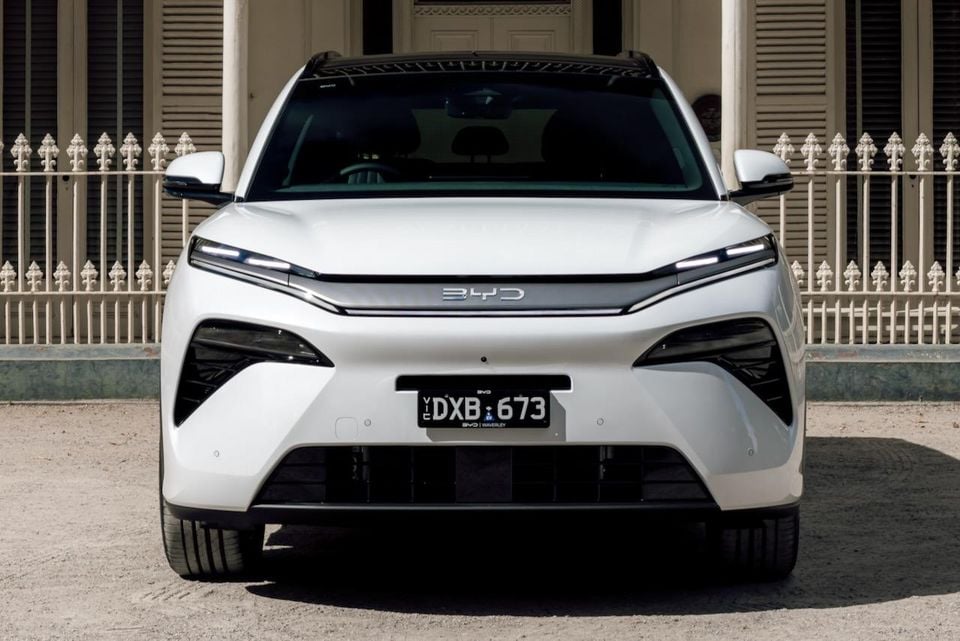
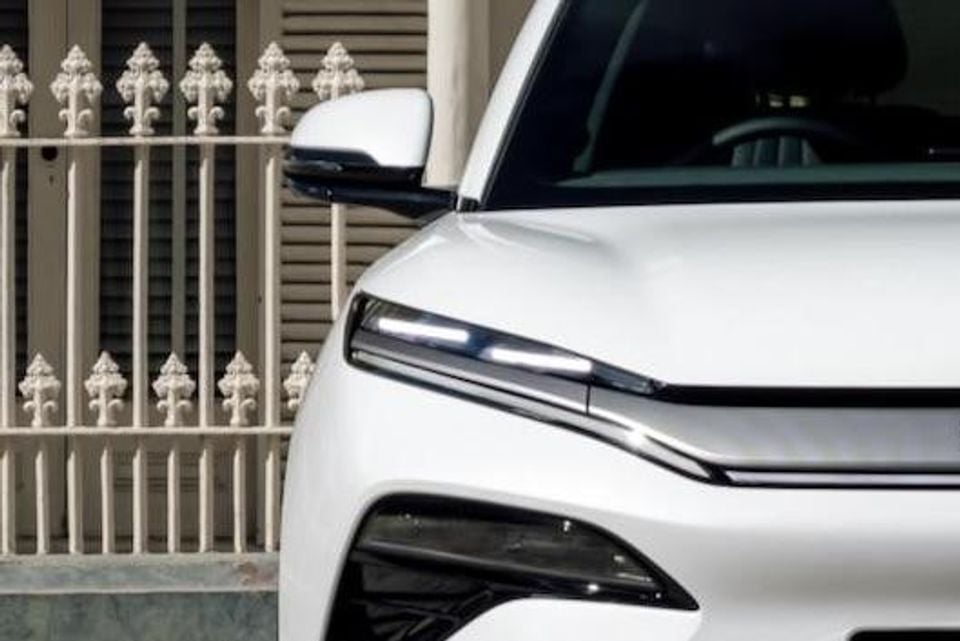
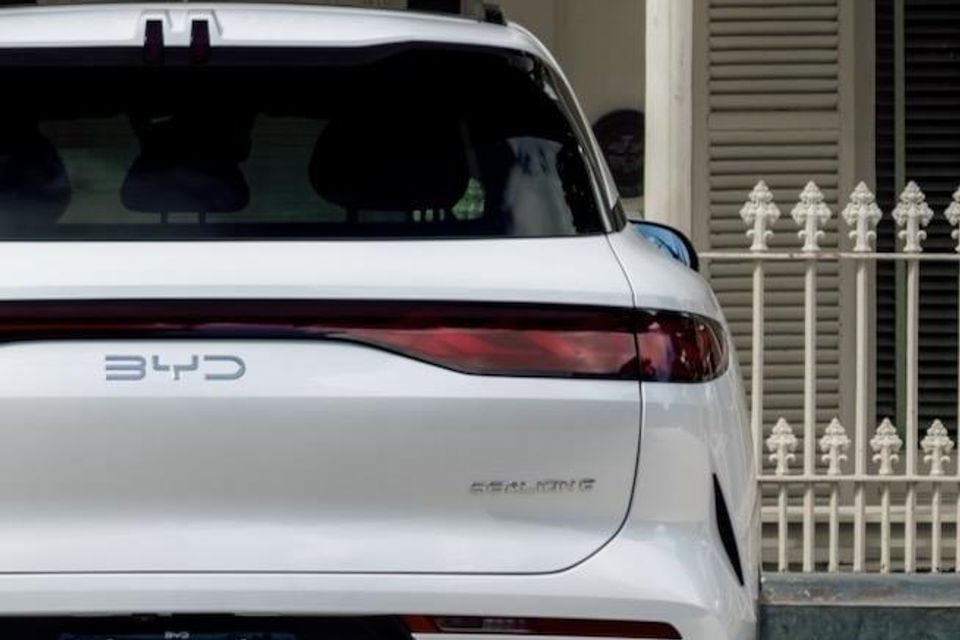
Out of the box, this thing looks good. BYD does a good job of designing cars, and it’s only getting better. The diagonal styling feature on the front doors is cool – echoed on the rear corners – and we particularly like the rear tail-light bar. It’s fresh and modern, but doesn’t go over-the-top.
But we’re particularly interested to know whether the BYD Sealion 8 is a viable alternative to the likes of the Mazda CX-80 PHEV, Kia Sorento PHEV, and the Mitsubishi Outlander PHEV. Here’s what we discovered.
The 2026 BYD Sealion 8 is priced from $56,990 before on-road costs, which gets you the base Dynamic trim with front-wheel drive.
| Model | Price before on-road costs |
|---|---|
| 2026 BYD Sealion 8 Dynamic FWD | $56,990 |
| 2026 BYD Sealion 8 Dynamic AWD | $63,990 |
| 2026 BYD Sealion 8 Premium AWD | $70,990 |
Step up to the Sealion 8 Dynamic all-wheel drive, and you’ll be paying $63,990 before on-roads, while the range-topping Sealion 8 Premium AWD is priced from $70,990 plus ORCs.
While the Chery Tiggo 8 Super Hybrid also offers seven seats and a plug-in hybrid powertrain, it’s quite a bit smaller than the Sealion 8 – making the Chery Tiggo 9 Super Hybrid a more direct rival, which is priced from $59,990 before on-road costs.
Meanwhile, the cheapest plug-in hybrid Mazda CX-80 is $75,000 plus on-roads, with entry into the plug-in hybrid Kia Sorento range costing $70,880 before on-road costs, and the Mitsubishi Outlander PHEV starting from $57,290 plus ORCs – though that is expected to change soon.
To see how the BYD Sealion 8 stacks up against its rivals, use our comparison tool
The initial impression of the Sealion 8 is that it’s a bit of a Tardis, in that it doesn’t seem all that big when approaching it from the outside, but step inside and suddenly its dimensions feel significant.
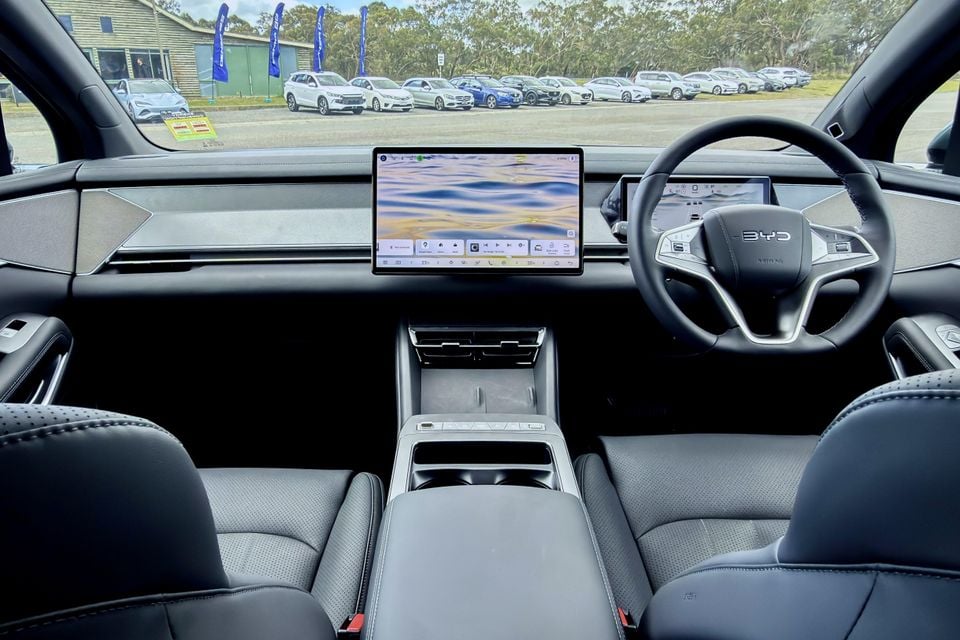
That translates to a comfortable amount of room throughout the cabin.
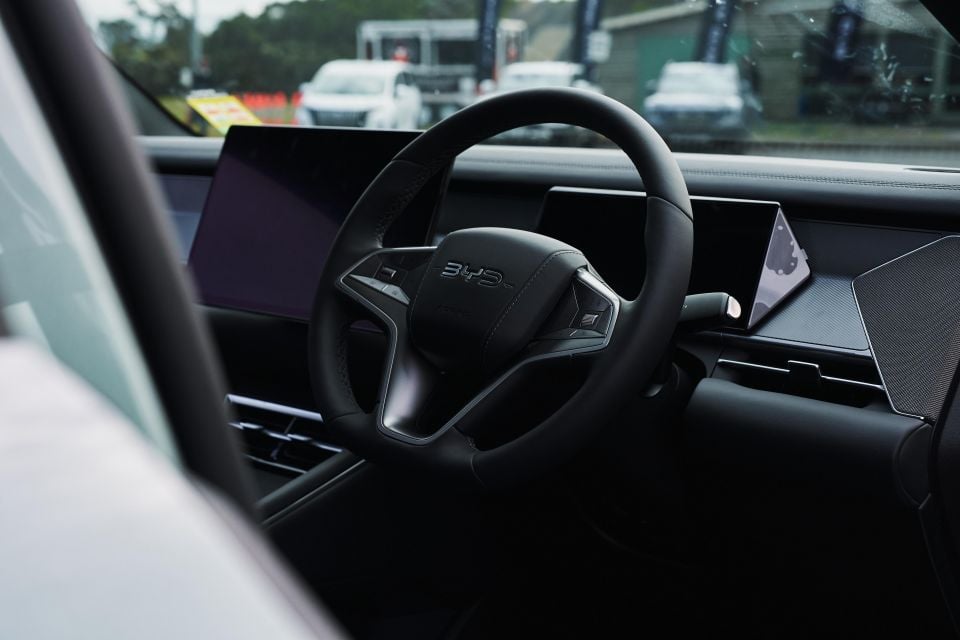
As with the outside, the inside comes off as a generation newer than the Sealion 5, with some funky, modern styling – but nothing that comes across as being offensive or loud.
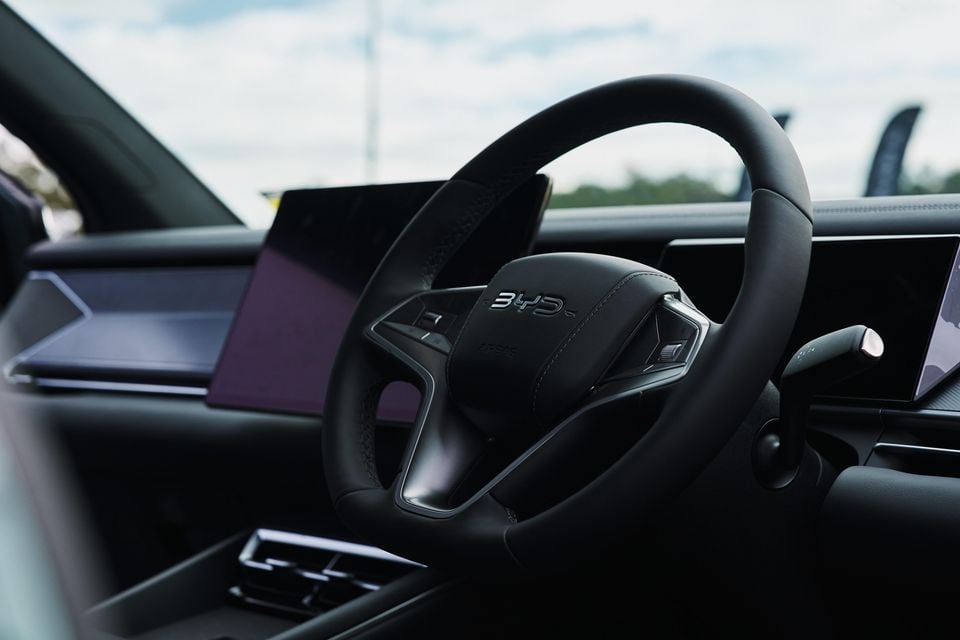
As seems to be the trend nowadays, the Sealion 8 follows the Tesla-era of interior design, with a minimalistic ethos, made slightly more interesting by the dual screens, stitched dash, and integrated speakers.
Speaking of, the Dynamic gets a 15.6-inch infotainment screen in the centre with wireless Apple CarPlay and Android Auto, connecting to a 10-speaker sound system, and a 10.25-inch digital instrument cluster ahead of the driver. Both are crisp and clear, relatively easy to navigate, and offer a good amount of information to the driver.
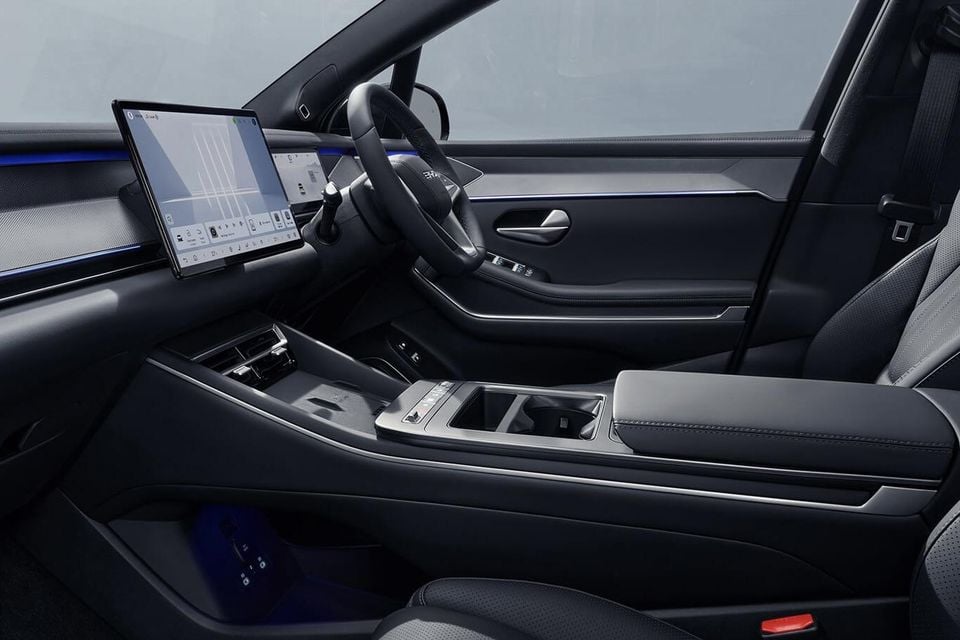
Unfortunately, I did find the reception on the DAB+ digital radio to be insufficient. On the same roads, I’d previously listened to DAB+ radio in the Sealion 5, so I know there’s ample reception there – but the Sealion 8 wasn’t able to play any radio (except for a few crackles of life near the top of a hill).
But there’s plenty to keep you entertained, even if the radio isn’t working. There’s a panoramic sunroof with power sunshade, three zones of climate control, and the ability to select between nap, camping, and car wash modes.
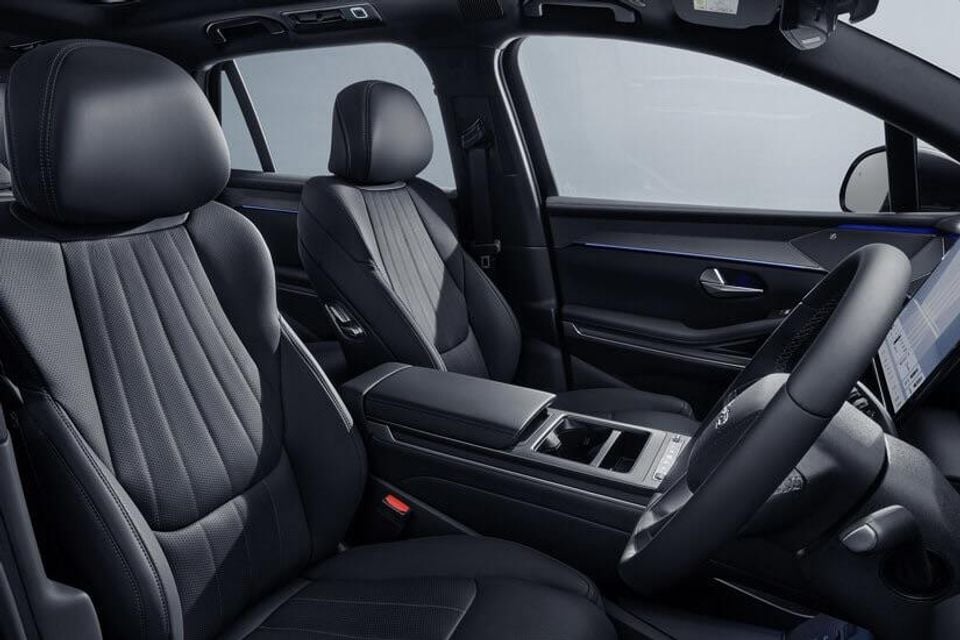
The cabin is upholstered in leatherette, and there are heated and ventilated front seats, which are also six-way power-adjustable.
The seating position is pretty good, but there seemed to be a hard bump under the seat cushion – as if there was maybe a support bar across the middle. Now, it’s worth saying that there’s a good chance I weigh more than you do, and I probably weigh more than the Chinese population (combined), so it’s possible that most other people wouldn’t notice the bump. But, given this was a brand-new car I was driving, it did make me wonder what it would be like after a few years, when the seat cushion has compressed.

BYD has also chosen to adopt the latest trend for gear selectors, which sees it replace the right-hand wiper stalk. Sure, it makes the cabin look slick in photos, but while turning left I actually slammed the car into neutral accidentally. Maybe stop putting form above function for something so fundamental, guys.
However, the good news is BYD has bucked the industry trend and offered a nice array of buttons, knobs, and thumb wheels, as well as a shortcut menu along the bottom of the infotainment screen, meaning it’s relatively easy to access the most commonly used functions.
The left-hand indicator stalk does pretty much everything else, which is a little annoying and takes some learning, but at least it looks cool.
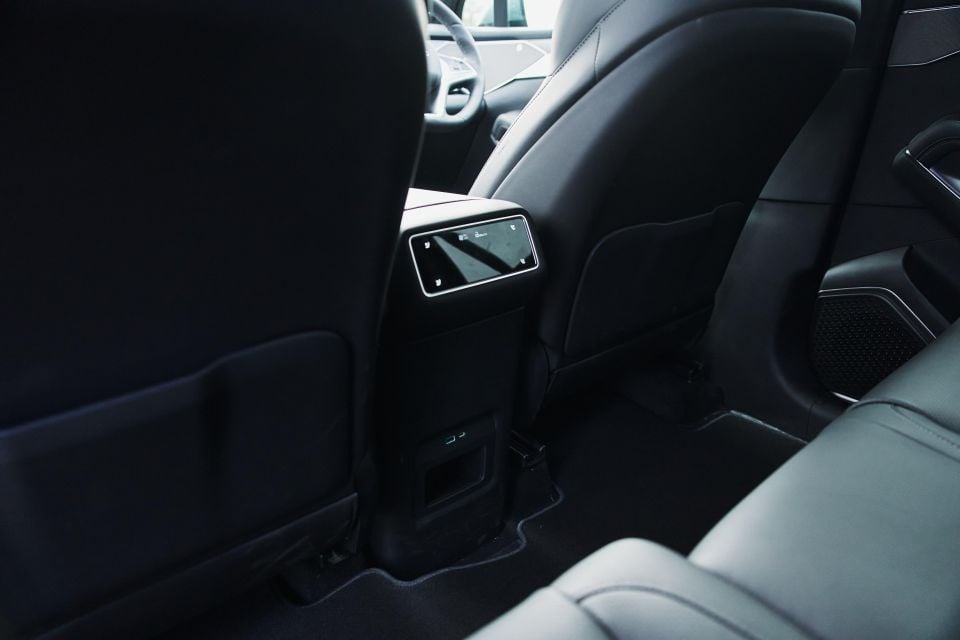
There’s also a wireless smartphone charger and some okay storage space available, along with two USB-C outlets at the front, and both USB-A and USB-C ports in the second row.
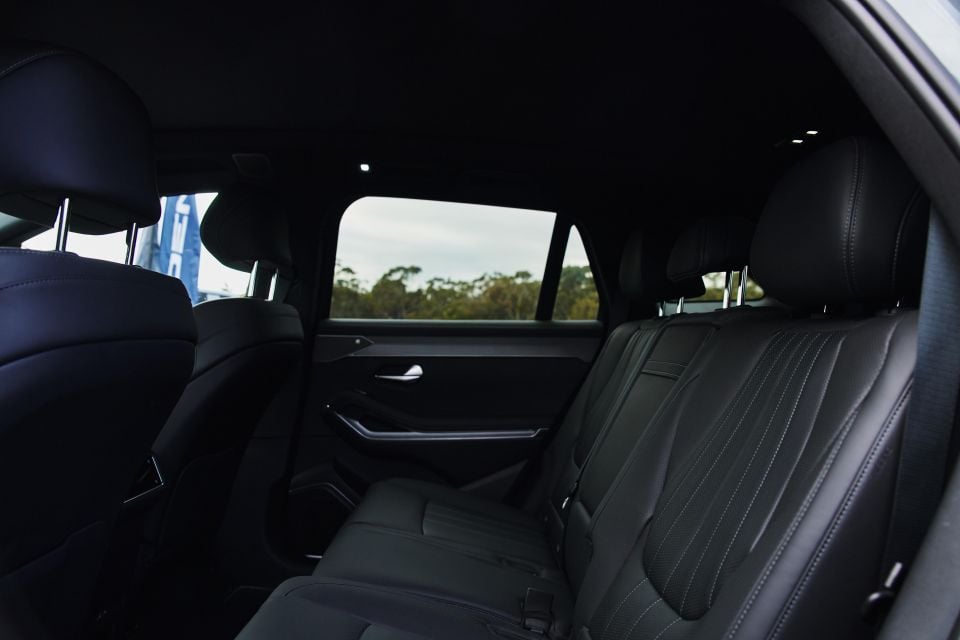
Those needing to transfer adults or oversized teenagers will have no issues with the Sealion 8, with ample space for back-seat passengers.
While the second row of seats moves out of the way easily to help load and unload those in the third row, there isn’t quite as much space in the very back. Knee room is at a premium, and the occupants sit closer together due to the wheel-arches, making it more suitable for children than for adults.
Even with all three rows of seats in the Sealion 8 in place, BYD claims up to 270 litres of luggage space, jumping to 960L behind the front two rows of seats.
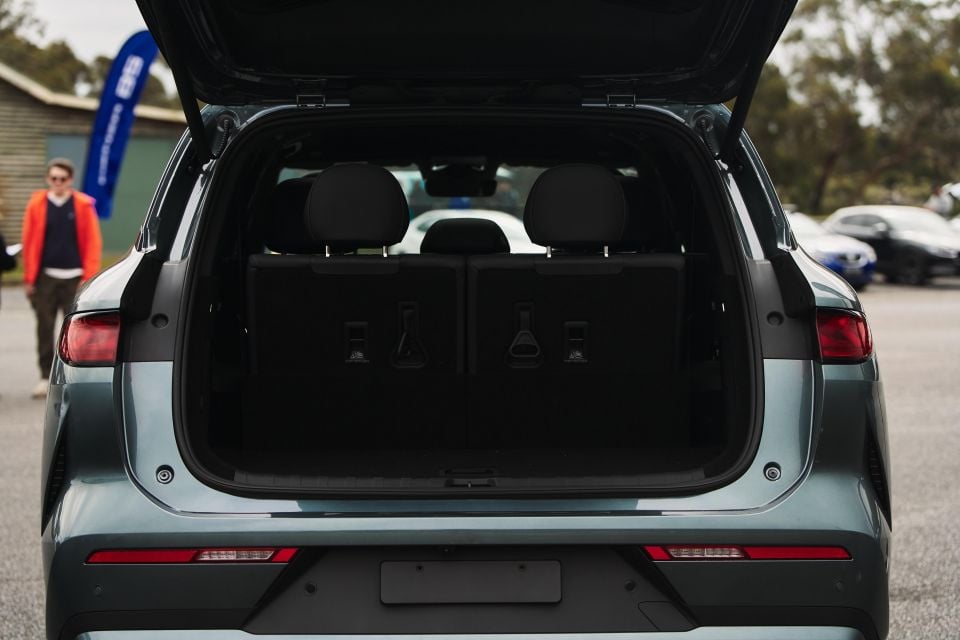
| Dimensions | BYD Sealion 8 |
|---|---|
| Length | 5040mm |
| Width | 1996mm |
| Height | 1760mm |
| Wheelbase | 2950mm |
| Cargo capacity | 270L – 7 seats 960L – 5 seats 1960L – 2 seats |
To see how the BYD Sealion 8 stacks up against its rivals, use our comparison tool
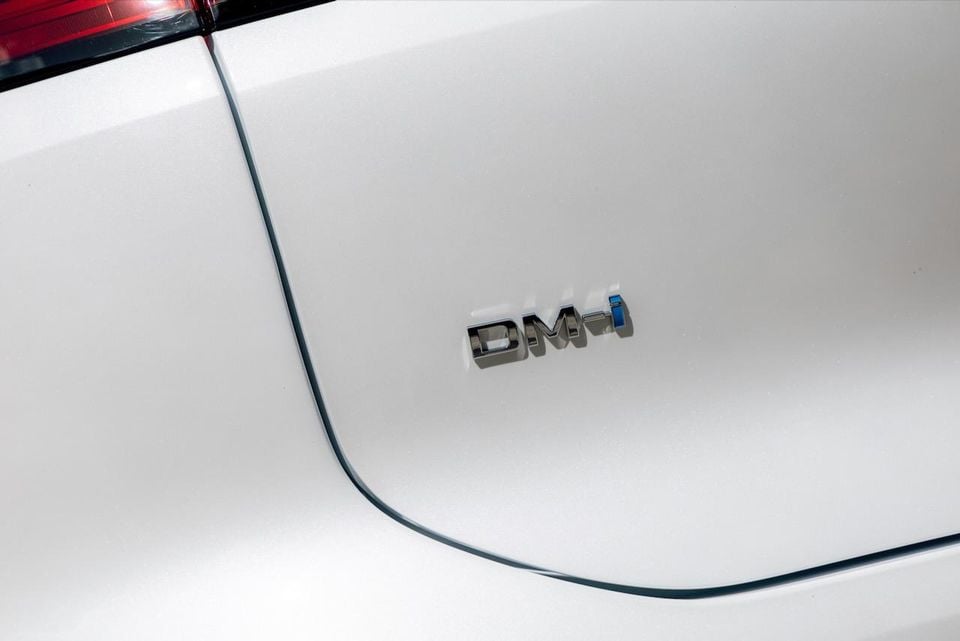
Powering the BYD Sealion 8 is a 1.5-litre turbocharged four-cylinder petrol engine making 110kW of power and 220Nm of torque, mated to a 200kW/315Nm electric motor – for combined outputs of 215kW and 315Nm.
| Specifications | Sealion 8 FWD | Sealion 8 AWD |
|---|---|---|
| Engine | 1.5L 4cyl turbo-petrol PHEV | 1.5L 4cyl turbo-petrol PHEV |
| Engine outputs | 110kW + 220Nm | 110kW + 220Nm |
| Electric motor outputs | 200kW + 315Nm | 200kW + 315Nm (front) 200kW + 350Nm (rear) |
| System outputs | 215kW + 315Nm | 359kW + 675Nm |
| Battery | 19kWh LFP | 35.6kWh LFP |
| Drive type | Front-wheel drive | All-wheel drive |
| Weight | 2315kg | 2580kg |
| 0-100km/h (claimed) | 8.6 seconds | 4.9 seconds |
| Fuel economy (claimed) | 1.1L/100km (battery over 25%) 5.3L/100km (battery under 25%) | 1.0L/100km (battery over 25%) 6.3L/100km (battery under 25%) |
| Electric driving range (NEDC) | 103km | 152km |
| Fuel tank capacity | 60L | 60L |
| Fuel requirement | TBC | TBC |
| CO2 emissions | TBC | TBC |
| Emissions standard | Euro 5 | Euro 5 |
| Braked tow capacity | 750kg | 750kg |
BYD claims the turbo-petrol engine achieves thermal efficiency of 45.3 per cent – a highly impressive figure for a road car. For context, that puts it on par with Formula 1 engines from a decade ago.
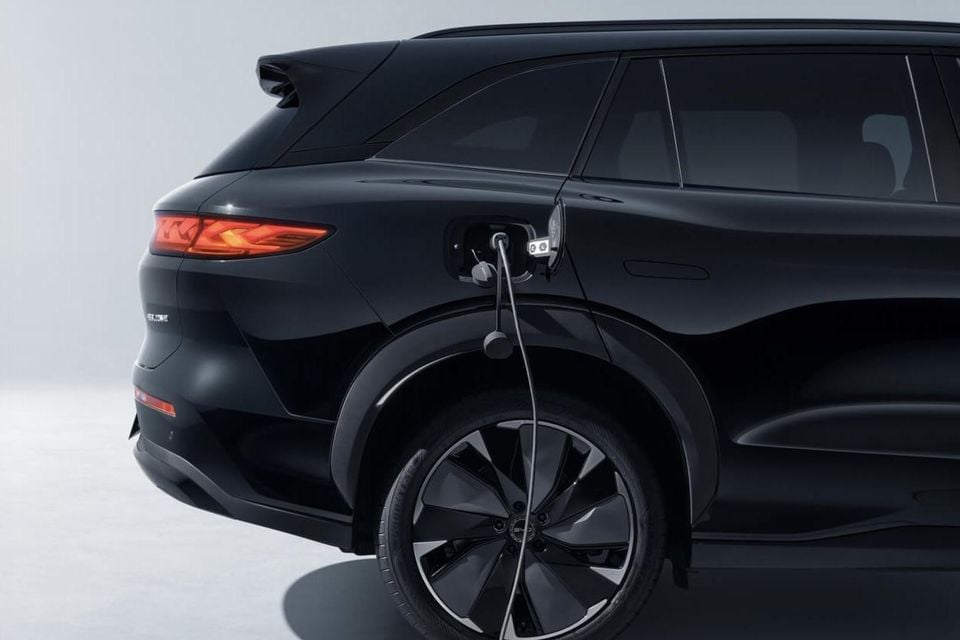
A 19kWh battery feeds the electric motor, offering a claimed electric driving range of up to 103km, based on the more lenient NEDC testing procedure.
Despite the smaller battery, and due to the lower performance compared to the AWD variant, the Sealion 8 FWD has a claimed combined driving range of 1118km.
BYD’s Blade battery is said to be safer in some circumstances than traditional batteries found in EVs and PHEVs, while also providing vehicle-to-load (V2L) capability – allowing typical household appliances to be plugged into the car.
BYD claims fuel economy of just 1.1L/100km if the battery is charged more than 25 per cent. If it’s less than 25 per cent, that increases to 5.3L/100km. Unfortunately, we didn’t have enough time with the Sealion 8 to verify the claims on this occasion.
To see how the BYD Sealion 8 stacks up against its rivals, use our comparison tool
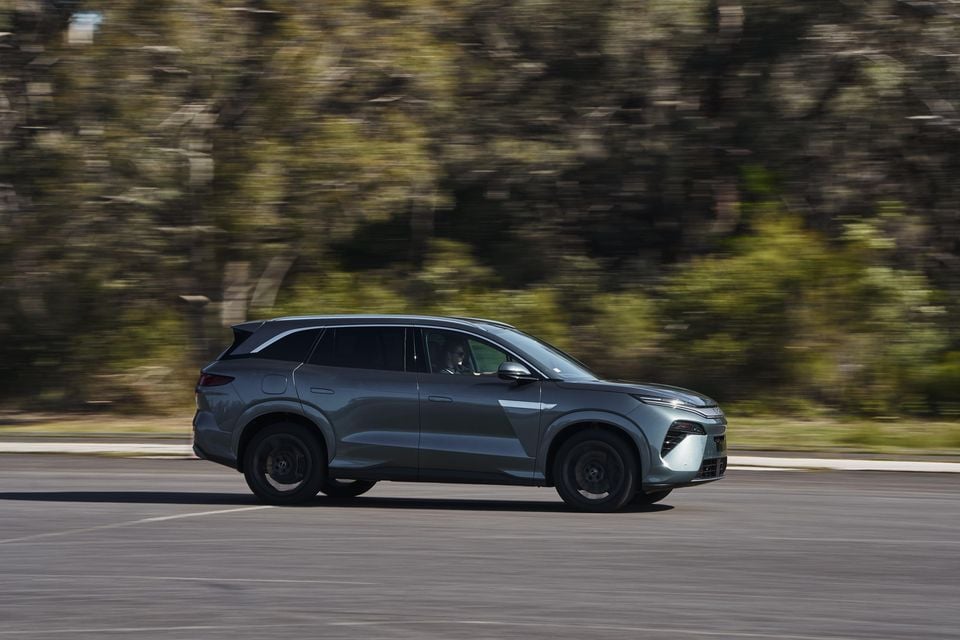
While the car doesn’t look big from the outside, on the road it’s a different story.
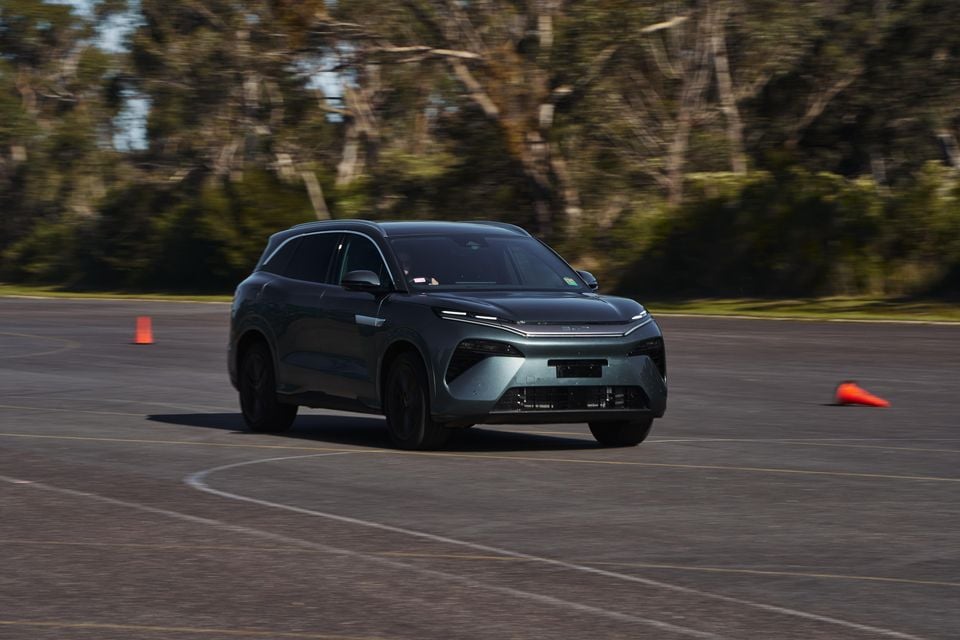
The BYD Sealion 8 certainly feels like it’s making the most of your lane, and especially so when driving out on tighter winding country roads.
BYD has done a great job of tuning the steering, throttle, and brakes, with the vehicle being comfortable for the driver as soon as they jump in – with the exception of the shifter stalk.
While the cabin is relatively quiet inside – elevating the experience and making it more akin to a premium SUV – there was a minor rattle from somewhere inside when hitting some rougher roads.
The car’s ADAS technology isn’t the worst I’ve used, telling me when I was spending too much time looking at the infotainment screen, and occasionally pulling on the wheel to re-centre the car in its lane.
If this is the car for you, we’ll compare offers from trusted dealers, handle the back and forth and manage your purchase from enquiry to delivery.
The BYD has a similar overall feel to many electric and plug-in hybrid SUVs on the market, in that there’s an obvious heft from the battery under the floor that engineers have tried to hide with lightweight steering inputs.
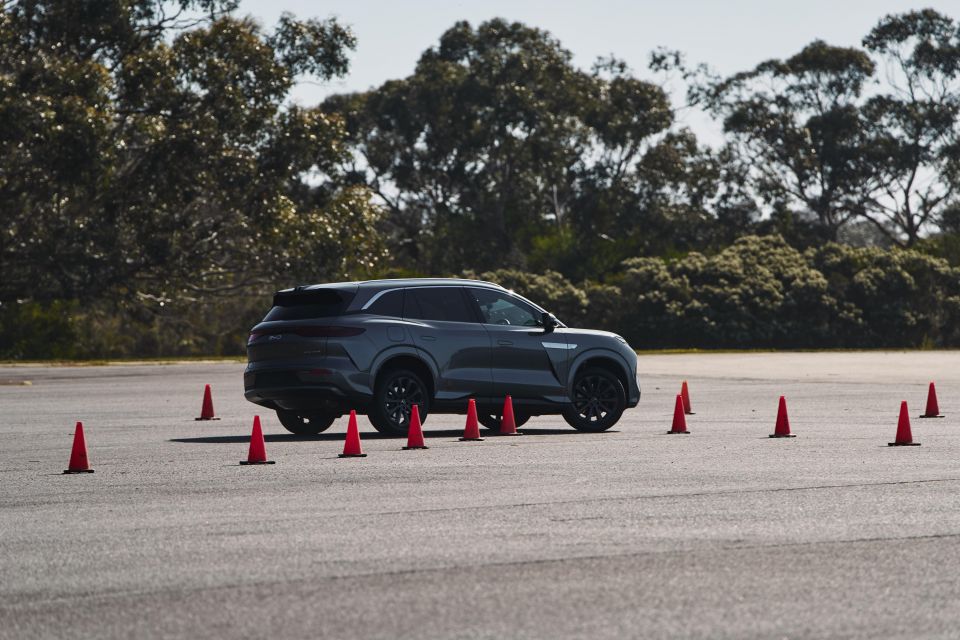
But despite tipping the scales at more than 2300kg, the Sealion 8 rides really well. It hits bumps nicely, and takes corners relatively flat. Push it a bit and that weight becomes more obvious with some understeer creeping in, but overall, it’s well balanced and can pull itself through a corner without much fanfare.
From a standstill, it doesn’t feel like the driver is offered the full 205kW and 315Nm from the get-go, with the Sealion 8 seemingly unlocking full performance only when in sports mode, along with sharper throttle response.
Squeeze the throttle and the engine will fire into life and flare high in the revs, as the car builds up speed. At no point does it feel like a rocketship, but it’s enough to execute an overtake with minimal time spent in oncoming lanes.
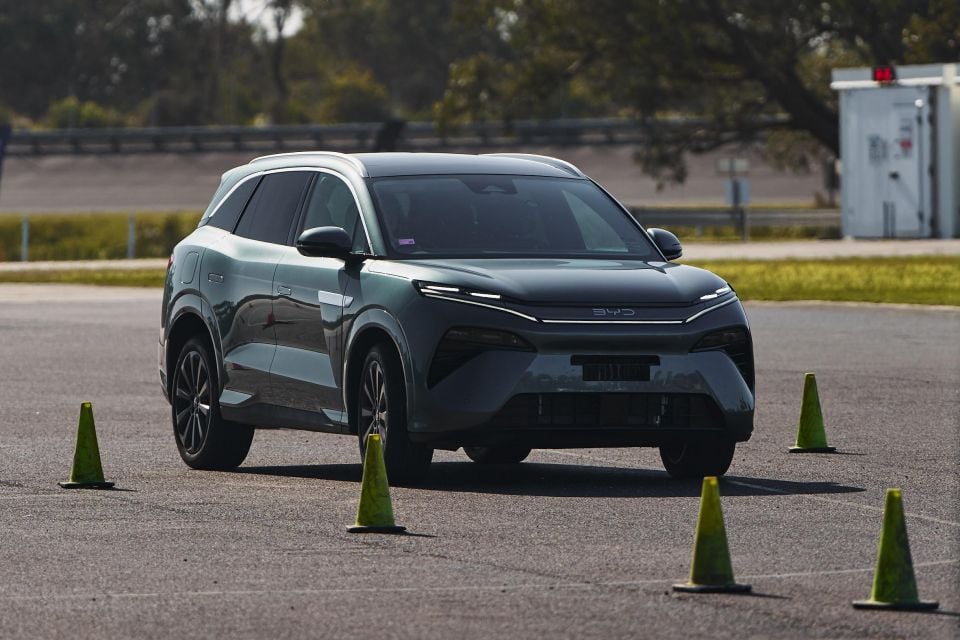
When our man James Wong drove the Sealion 8 Premium AWD briefly a few months ago, he commented about how quick the SUV was. Given it had 75 per cent more power and 114 per cent more torque than the one on test here, it’s obvious there’s quite a gap between the two powertrains.
Looking at the claimed 0-100km/h times, that becomes very obvious, with the Sealion 8 FWD completing it in 8.6 seconds – which is pushing dangerously close to ‘slow’ territory. The AWD version? Just 4.9 seconds, which is within coo-ee of being supercar-fast.
It sounds like JWo had more power than he needed, and my time with the entry-level Sealion 8 had me feeling like I could have used just a bit more performance – which makes me think BYD should consider developing a powertrain that sits somewhere in between. A Goldilocks Sealion 8, if you will – which also happens to be the title of my next children’s book. Nobody steal my idea.
To see how the BYD Sealion 8 stacks up against its rivals, use our comparison tool
The BYD Sealion 8 Dynamic FWD has a healthy list of standard features, particularly as it’s the ‘entry-level’ variant of the lineup.
2026 BYD Sealion 8 Dynamic FWD equipment highlights:
Sealion 8 Dynamic AWD equipment highlights:
Sealion 8 Premium AWD adds:
To see how the BYD Sealion 8 stacks up against its rivals, use our comparison tool
Neither the Australasian New Car Assessment Program (ANCAP) nor Euro NCAP have tested the BYD Sealion 8 at the time of publication.
Standard safety equipment highlights:
An emergency call function will come in March 2026 via an over-the-air software update.
To see how the BYD Sealion 8 stacks up against its rivals, use our comparison tool
The Sealion 8 is covered by BYD’s six-year, 150,000km new-vehicle warranty – with the car’s battery getting an additional two years and 10,000km of aftersales coverage.
| Servicing and Warranty | BYD Sealion 8 |
|---|---|
| Vehicle warranty | 6 years or 150,000km – vehicle |
| High-voltage battery warranty | 8 years or 160,000km – battery |
| Roadside assistance | 12 months, then service-activated |
| Service intervals | TBC |
| Capped-price servicing | TBC |
| Total capped-price service cost | TBC |
BYD hasn’t released details of the Sealion 8’s service schedule at this time.
To see how the BYD Sealion 8 stacks up against its rivals, use our comparison tool
The 2026 BYD Sealion 8 has the potential to shake up the niche seven-seat, plug-in hybrid SUV segment.
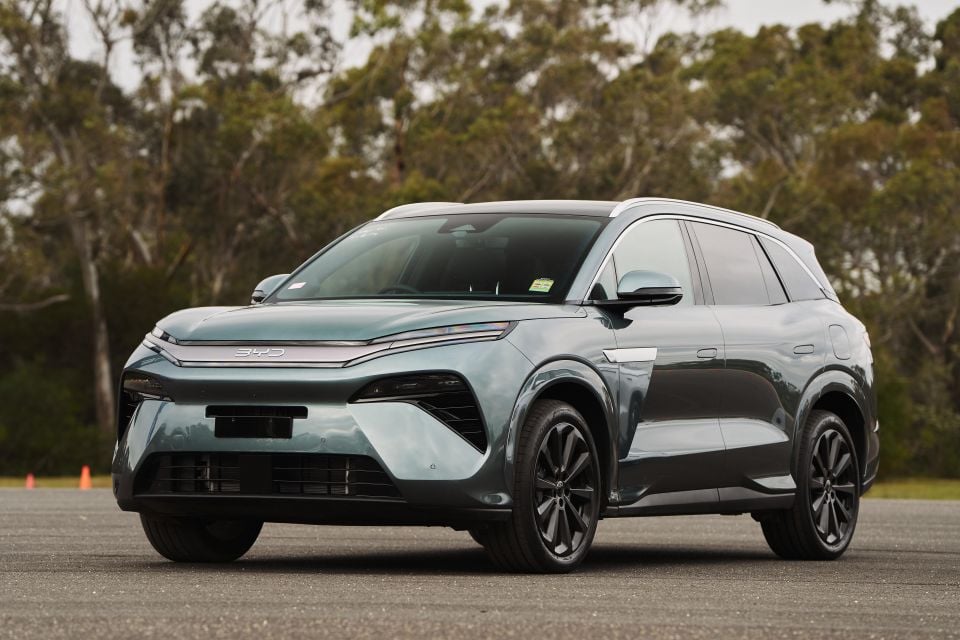
There’s a lot to like here, including decent on-road manners, a comfortable interior, and enough tech to keep it relevant for years to come. It also looks good, which, frankly, isn’t a given nowadays.
While it lacks that last two per cent that would level it with rivals from Japan and South Korea, the value it delivers far outpaces any minor grievances and makes it a serious contender in this space.
For the majority of families looking for a plug-in hybrid that can carry up to seven people – or up to five family members and their luggage – the entry-level Sealion 8 Dynamic FWD will be more than enough to get the job done. The long list of standard features also means they won’t feel as if they’ve cheaped out.
The BYD Sealion 8 has the potential to not only introduce the concept of a plug-in hybrid vehicle to Australian families, but it could also be their first Chinese car. It offers a lot of things people love about the Tesla Model Y, but with the added benefit of a petrol engine – and for a sharp price.
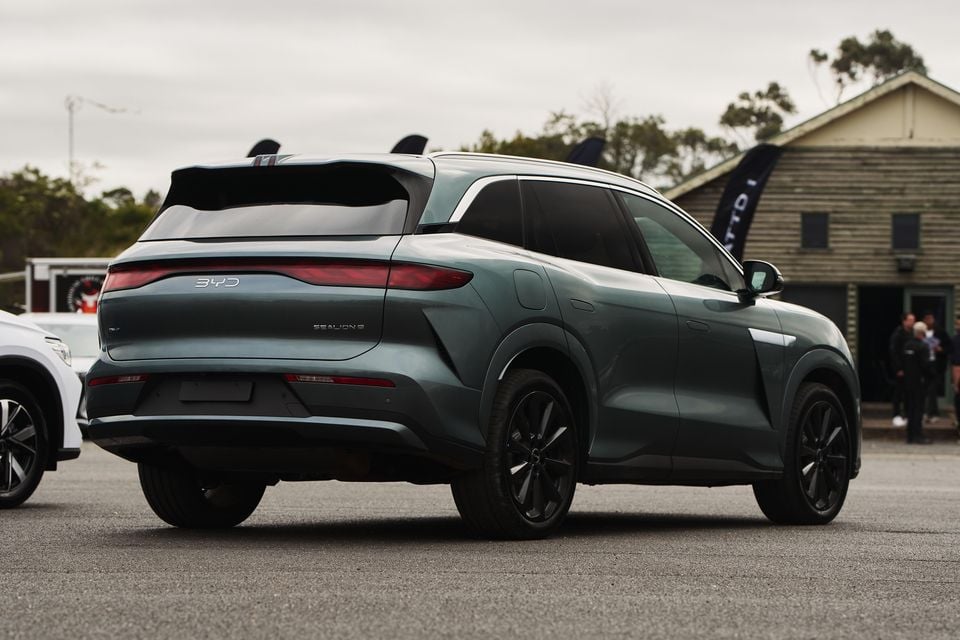
CarExpert can save you thousands on a new BYD Sealion 8. Click here to get a great deal.
Click the images for the full gallery
If this is the car for you, we’ll compare offers from trusted dealers, handle the back and forth and manage your purchase from enquiry to delivery.
Quickly see how this car stacks up against its competition. Select any benchmark to see more details.
BYD Sealion 8
BYD Sealion 8 Sales rolling 12-months#
*Based on VFACTS and EVC data
Looking for complete BYD Sealion 8 price history?
Our BYD Sealion 8 Pricing Page shows exactly how prices have changed over time.
2026
$61,957
2026
$76,657
Ben Zachariah has 20-plus years in automotive media, writing for The Age, Drive, and Wheels, and is an expert in classic car investment.
Add CarExpert as a Preferred Source on Google so your search results prioritise writing by actual experts, not AI.
Damion Smy
8 Hours Ago

William Stopford
10 Hours Ago
William Stopford
11 Hours Ago

James Wong
12 Hours Ago

Ben Zachariah
13 Hours Ago
William Stopford
14 Hours Ago
Add CarExpert as a Preferred Source on Google so your search results prioritise writing by actual experts, not AI.
# Based on VFACTS and EVC data
† Displayed prices are based on the drive-away price of the vehicle, which includes delivery charges, registration fees, number plates, and applicable road taxes, based on a Sydney location. However, prices may vary between states and territories, and additional costs such as compulsory third party (CTP) insurance, dealer delivery fees, and optional extras are not included. These prices are subject to change without notice and may not reflect current market pricing or dealer offers.
 Automotive Vehicle Spec Data & 4K images Powered by JATO Dynamics Ltd