Raising a child from birth to 18 years old is said to cost between $300,000 and $500,000, which is enough to buy you a very nice car!
That’s at least $17,000 a year, and if you have more than one child it’s even more expensive.
Between daycare fees when they’re little to all the sports and extracurricular activities as they get older, it mounts up pretty quick (and that’s if you send them to state school)!
So it’s no wonder price is a main factor when buying your family car.
If you are looking for ways to maximise on savings, a plug-in hybrid vehicle (PHEV) can make sense for your family car. You can use the battery power for the daily school runs, commuting, driving infants to sleep and extra-curricular running around, while having the flexibility to drive longer distances on fuel when you need to.
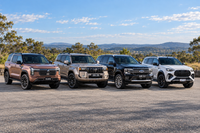
PHEVs can vary as much in their family practicality and battery range as they do in price so, having driven hundreds of cars with my family onboard over the last decade, I’ve put together this list of the cheapest mid-size plug-in hybrid cars for families.
1. BYD Sealion 5 Essential ($33,990 plus ORCs)
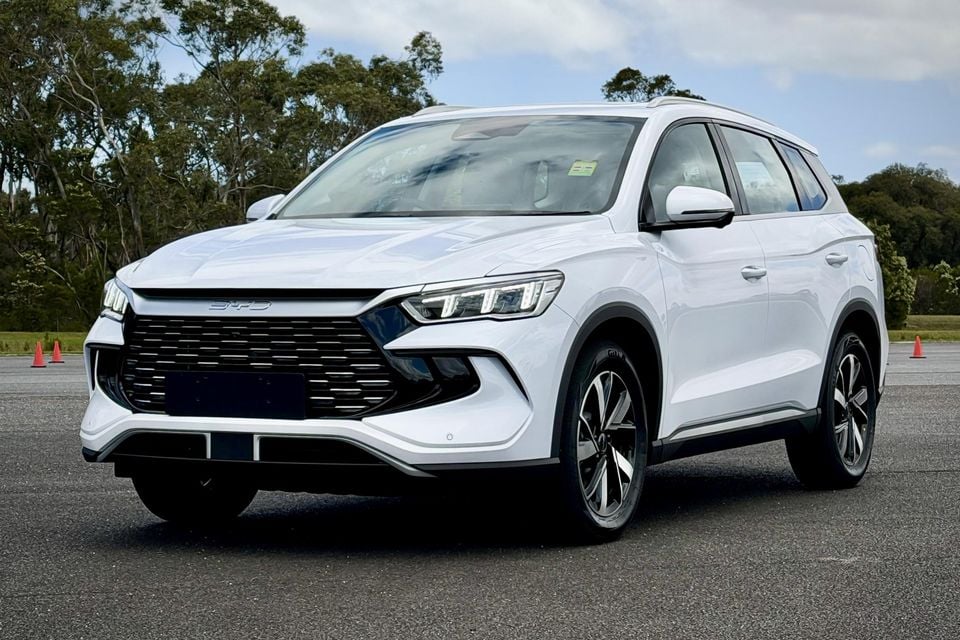
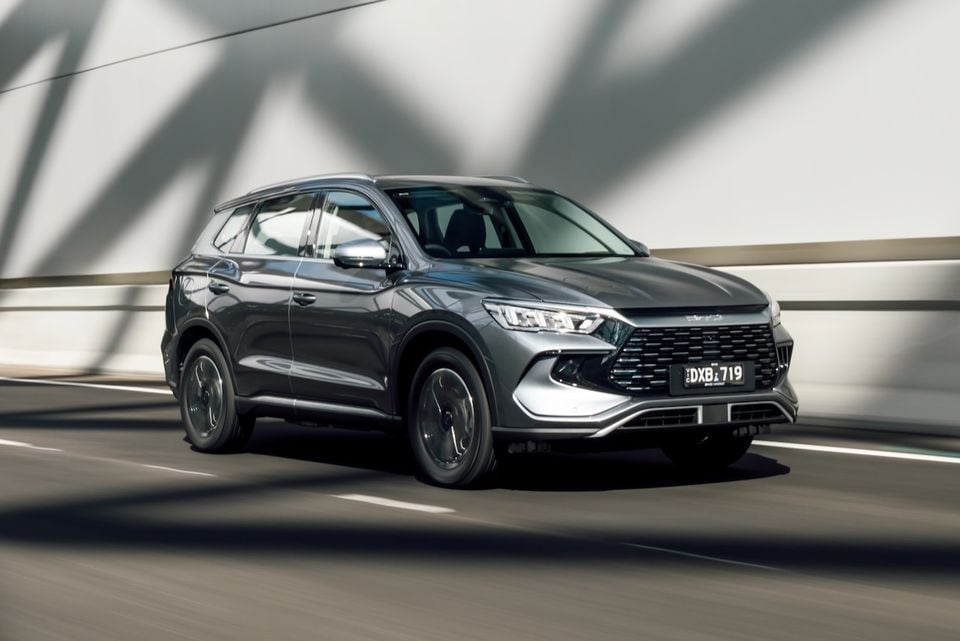
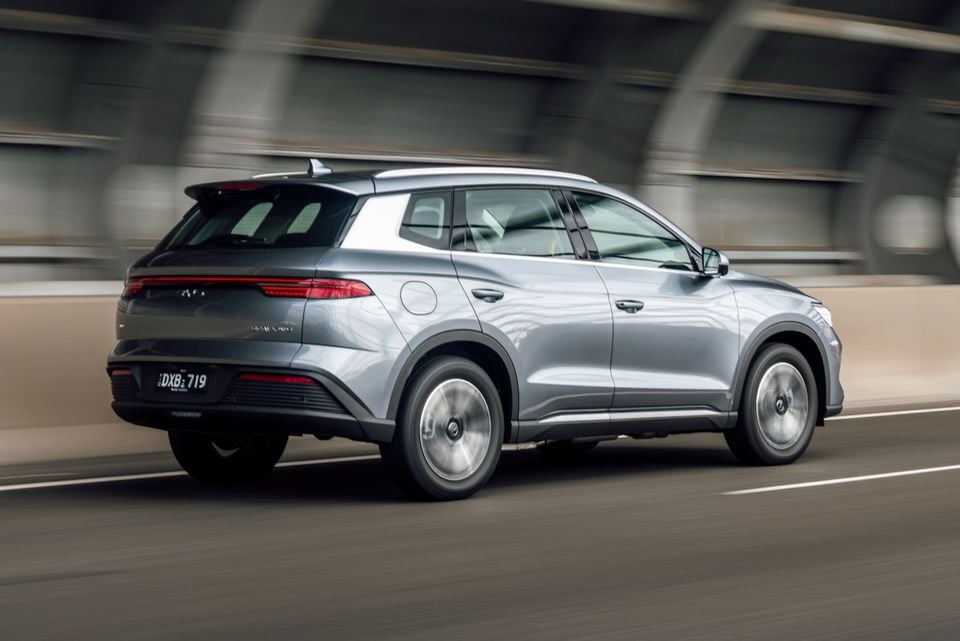
Priced from under $34,000 before on-road costs is the BYD Sealion 5 Essential small/mid-size SUV.
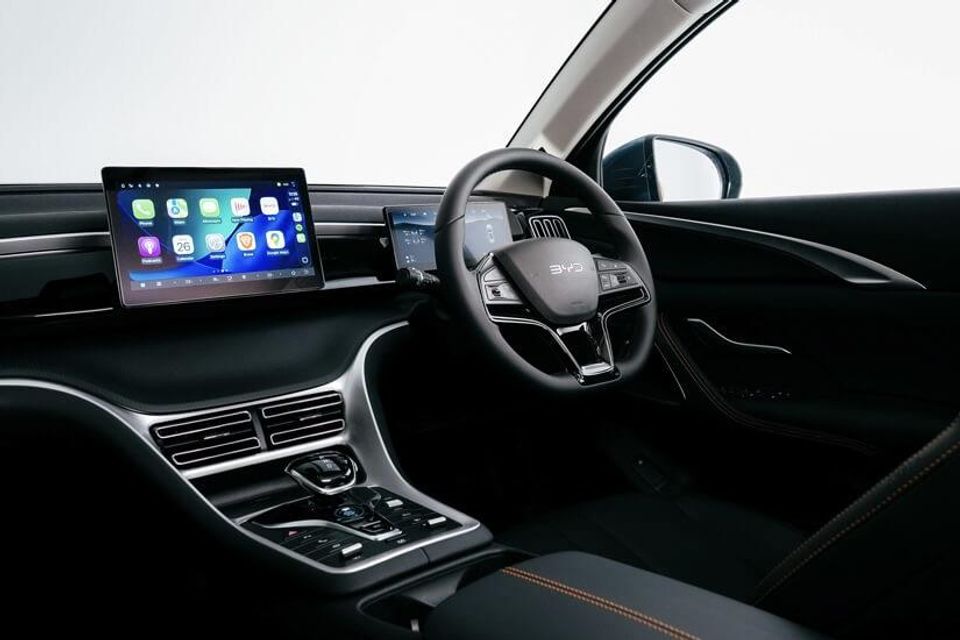
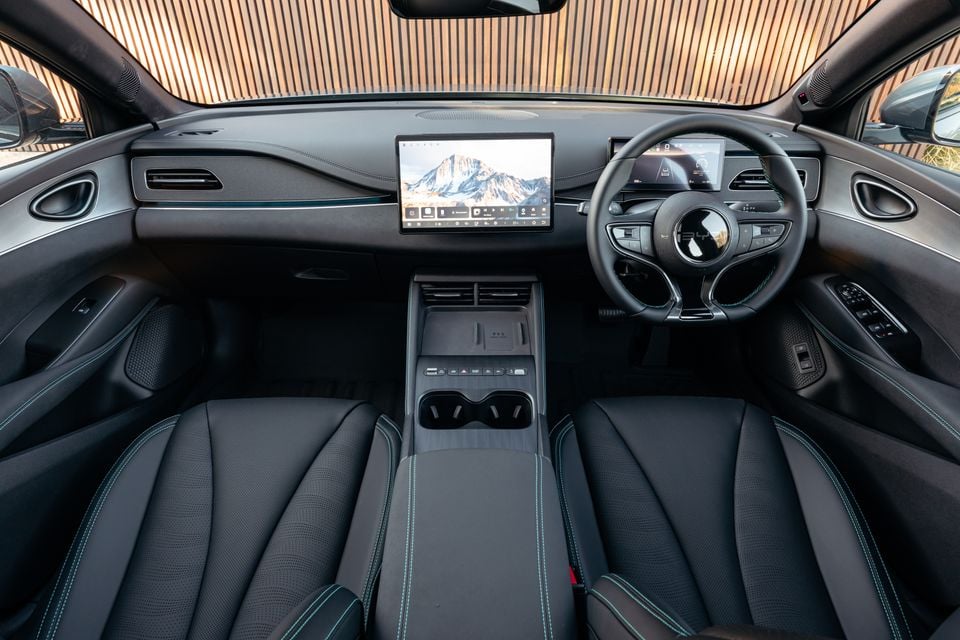
The higher-spec Premium variant costs $4000 more and adds a few extra comforts like a powered tailgate, roof rails, panoramic sunroof, heated and ventilated driver’s seat, a larger 12.8-inch infotainment touchscreen with nine-speaker sound system, a wireless phone charger, and more.
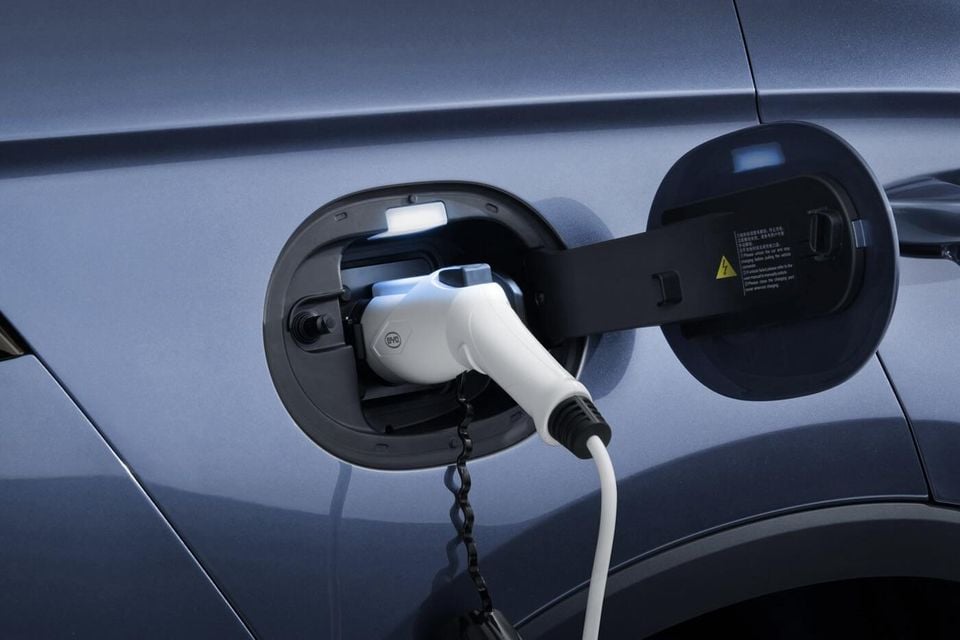
The Sealion 5 Essential has a battery range of 71km (NEDC), jumping up to 100km in the higher-spec Premium. It’s enough for a couple of days of local driving for the average Aussie family before needing a recharge. But BYD says it has a combined range of 1001km, which is good for minimising petrol stops on a family road trip.
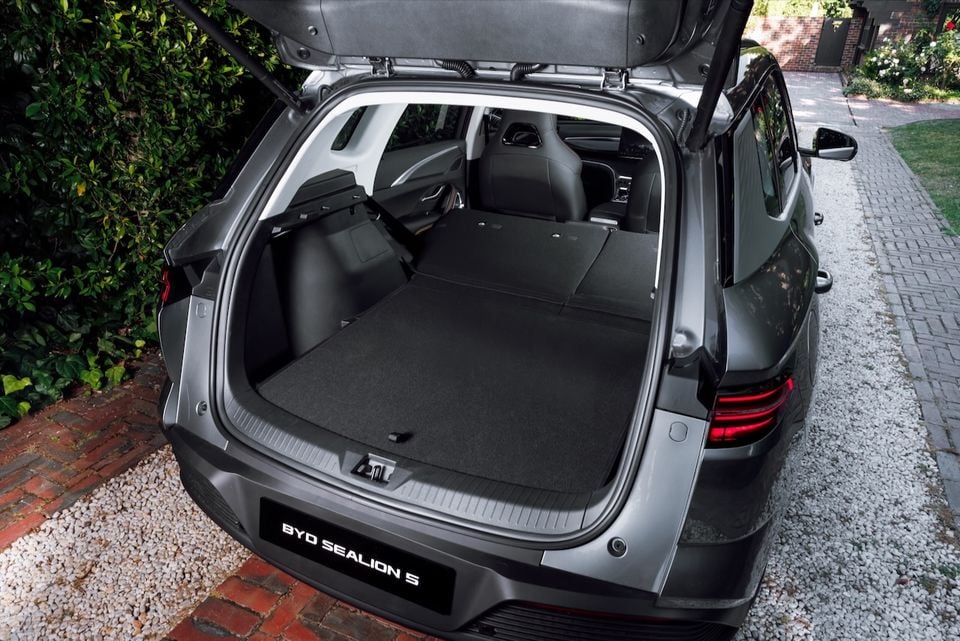
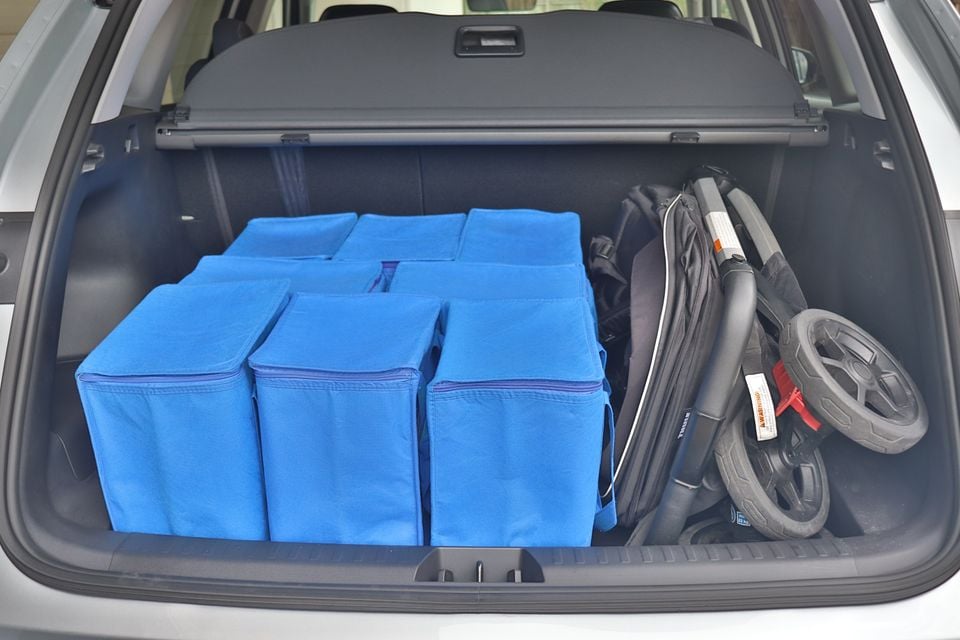
When it comes to family practicality, the BYD Sealion 5 Essential is a wagon with a 463-litre boot, which should fit a twin pram for families with two young infants.
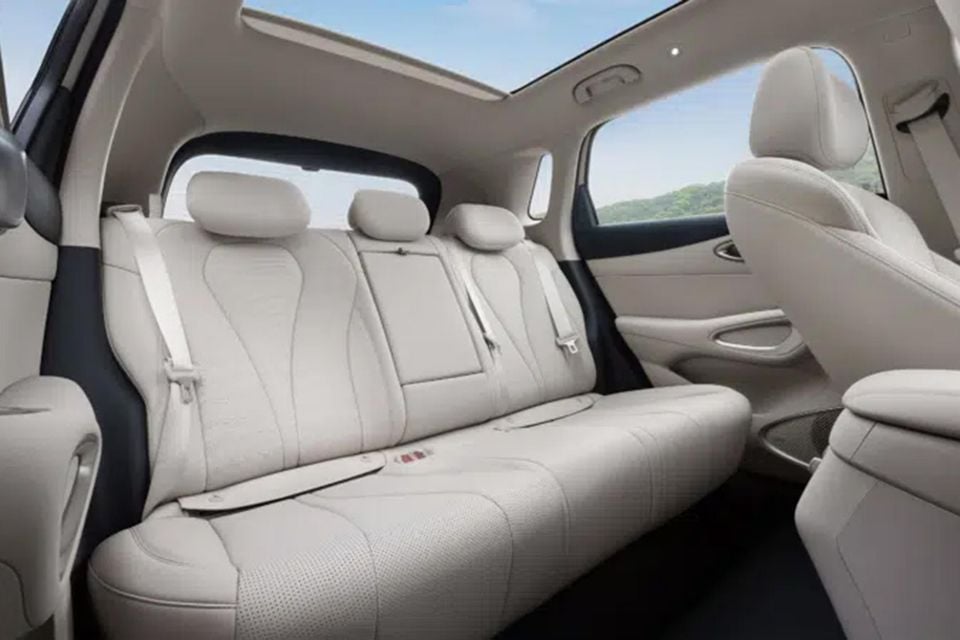
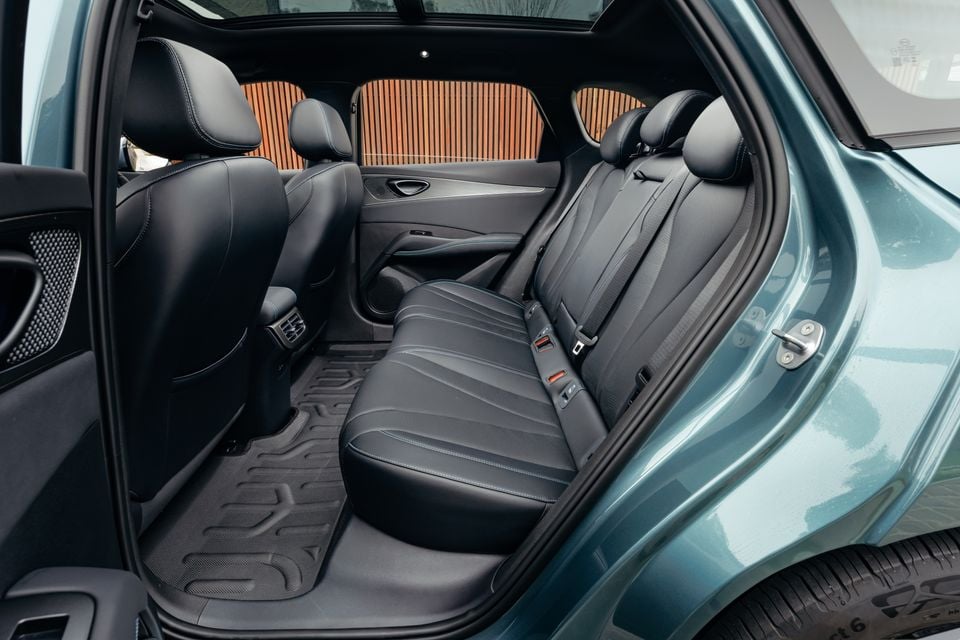
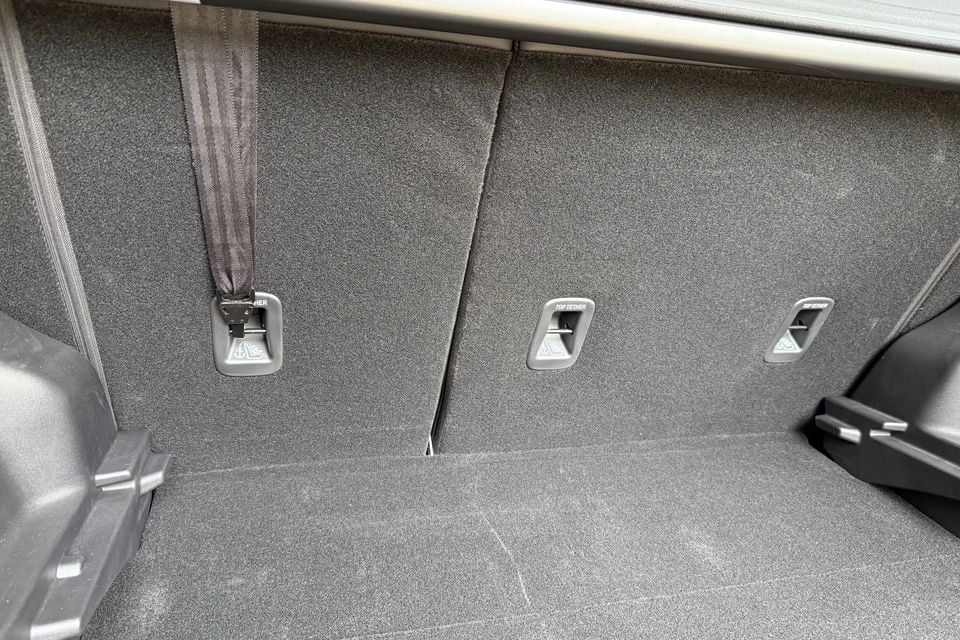
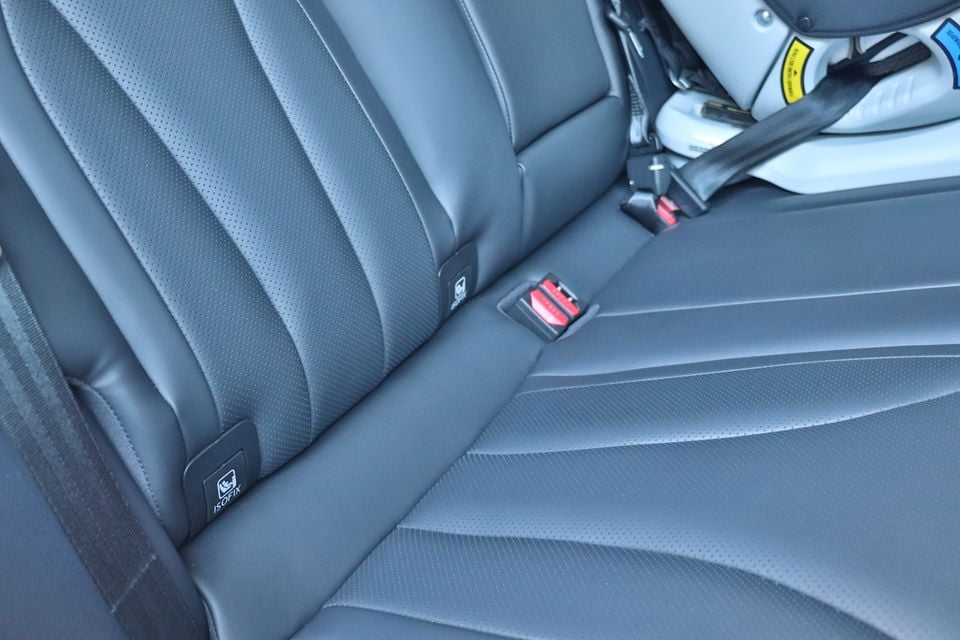
In the back there is the hardware for three child seats, including ISOFIX anchors for the two outboard second-row seats and top-tether anchors for all three. I haven’t yet tested if three child seats will fit across in Sealion 5, but the rear seats are split 60:40 so if you don’t need all three back seats you can fold one flat to carry impromptu purchases of IKEA flatpack furniture.
The Sealion 5 ended the Chinese auto brand’s five-star ANCAP safety rating streak as it only achieved three stars under the latest ANCAP criteria, but for protection of rear passengers (children) it scored 90 per cent in the frontal offset crash test and 100 per cent in the side impact test.
It has seven airbags as standard including dual front and front-side airbags, curtain airbags for both front and rear passenger head protection, and a front-central airbag.
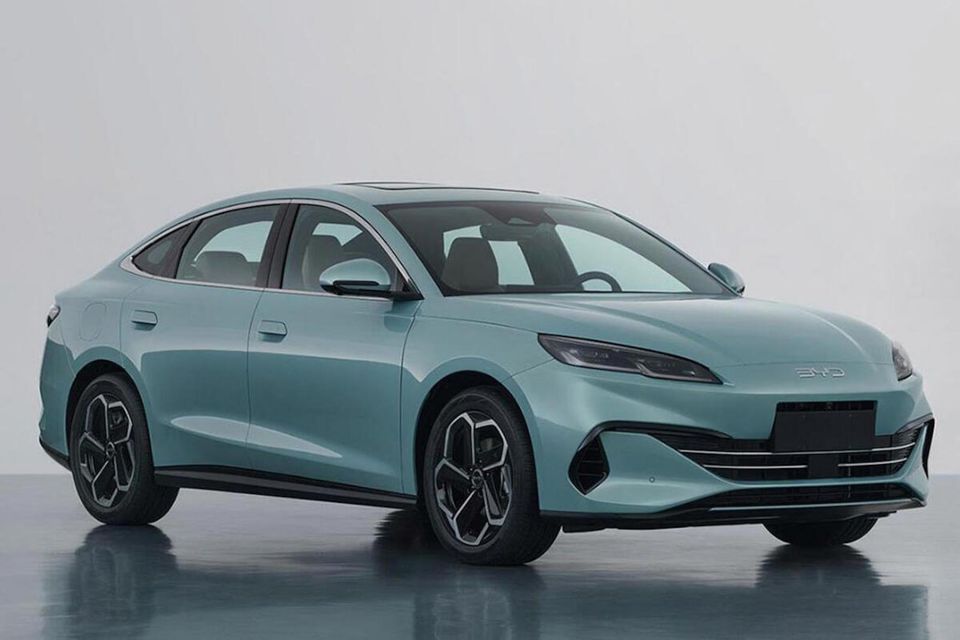
Only $1000 more expensive in second position is the Sealion 5’s aquatic mammal sibling, the BYD Seal 6 Essential mid-size sedan (the Seal 6 Touring Premium wagon costs $5000 more at $39,990 before ORCs).
With a battery range of only 55km (WLTP) and a combined range of 1000km according to BYD, the Seal 6 Essential sedan may suit families who have a charger at home or work and can commit to charging every day.
Choosing the Seal 6 Touring Premium model gets you the same combined range but it has a 100km (WLTP) electric range, so families can get two or three days of local driving before needing to recharge.
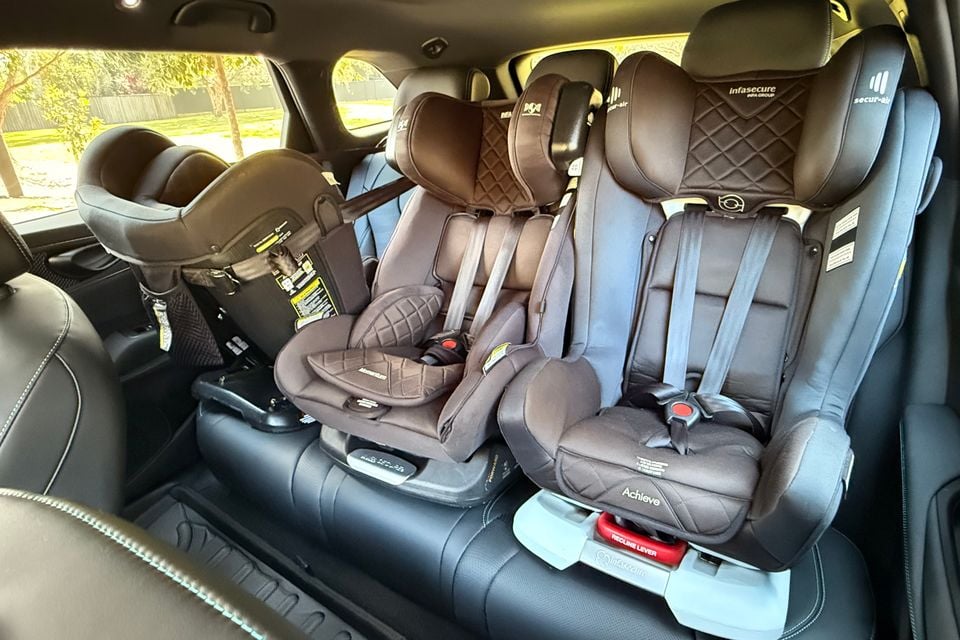
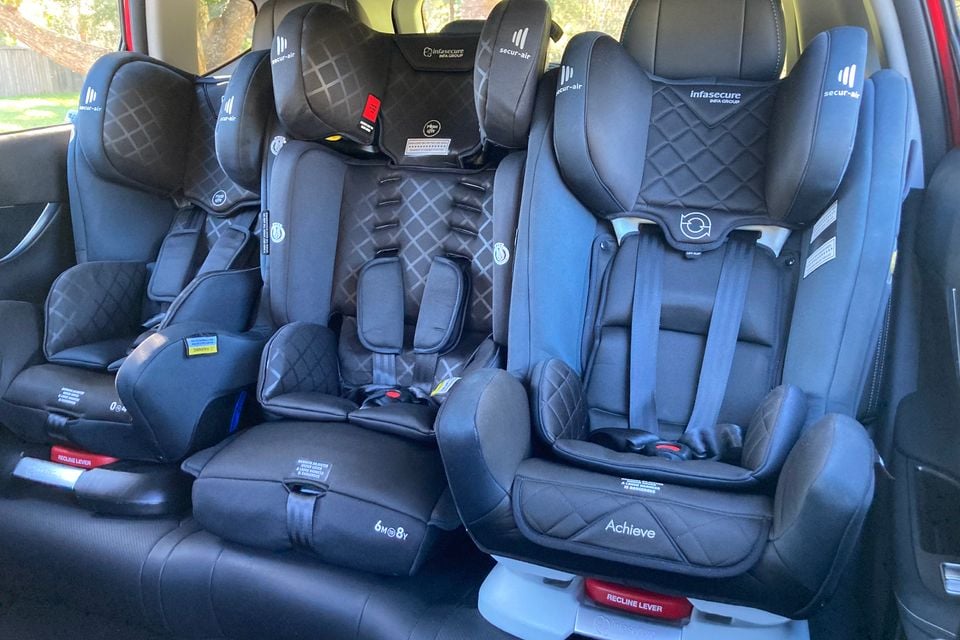
Three slim child seats fit across the rear seats in both the Seal 6 sedan and wagon, both of which offer excellent legroom for tall front occupants.
With rear-facing child seats in the back, a 186cm-tall driver can sit in front in both models, and even taller drivers with forward-facing child seats behind them.
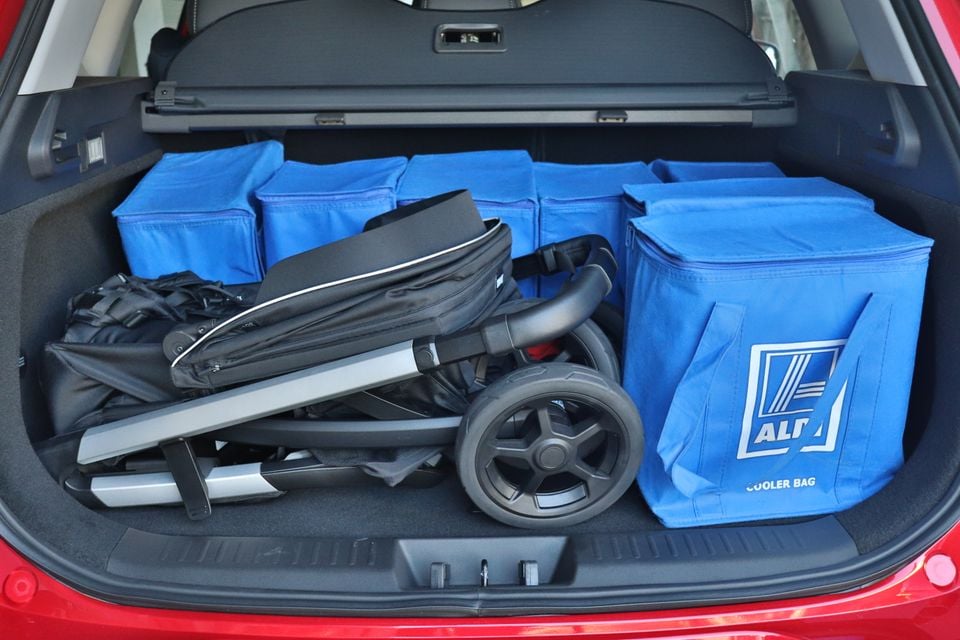
A twin pram and some shopping will fit easily in the 491L boot of the sedan, and the Touring has a much bigger 670L boot – perfect for all the luggage you’ll need on a family road trip.
The BYD Seal 6 has a five-star ANCAP safety rating, scoring 90 per cent for child occupant protection and 92 per cent for adult occupant protection. It has seven airbags as standard.
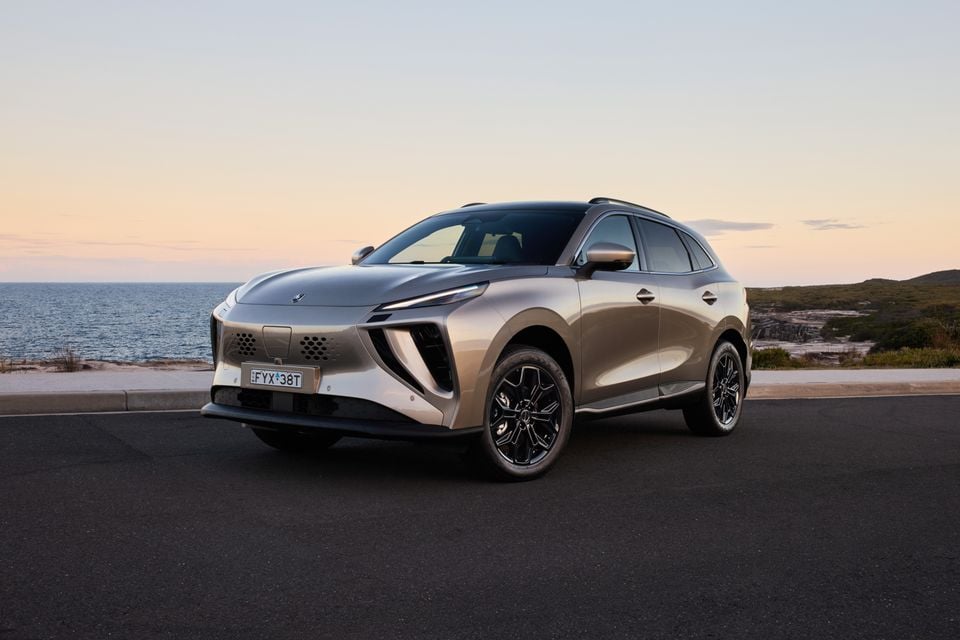
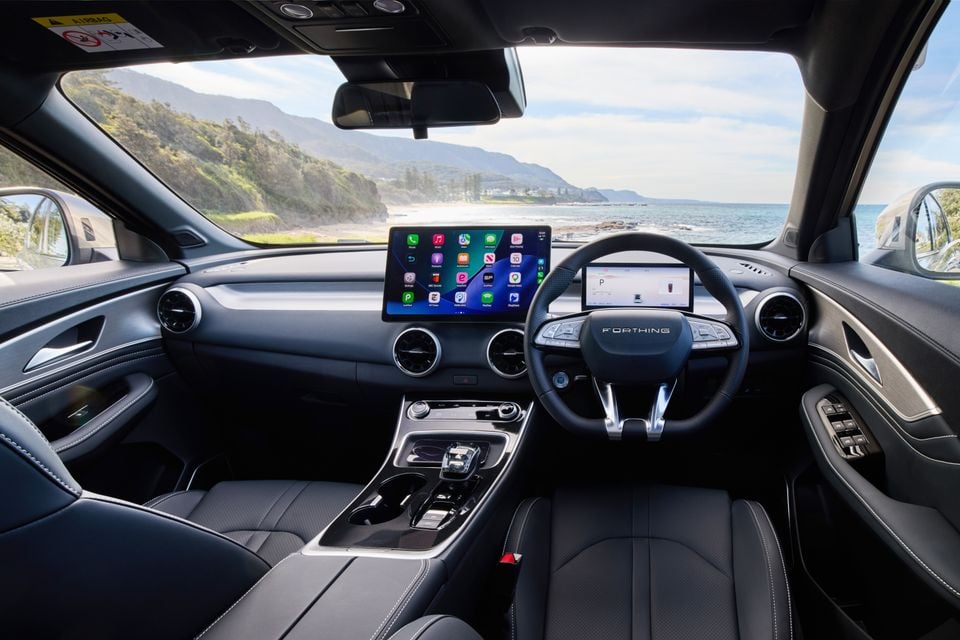
3. Forthing Range Extender Hybrid Luxury ($36,990 drive-away)
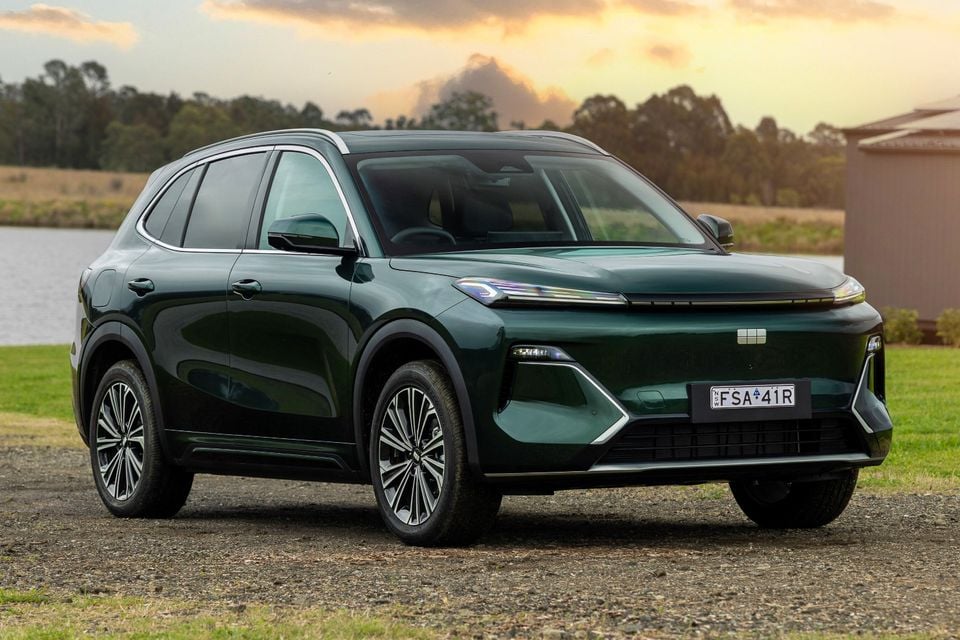
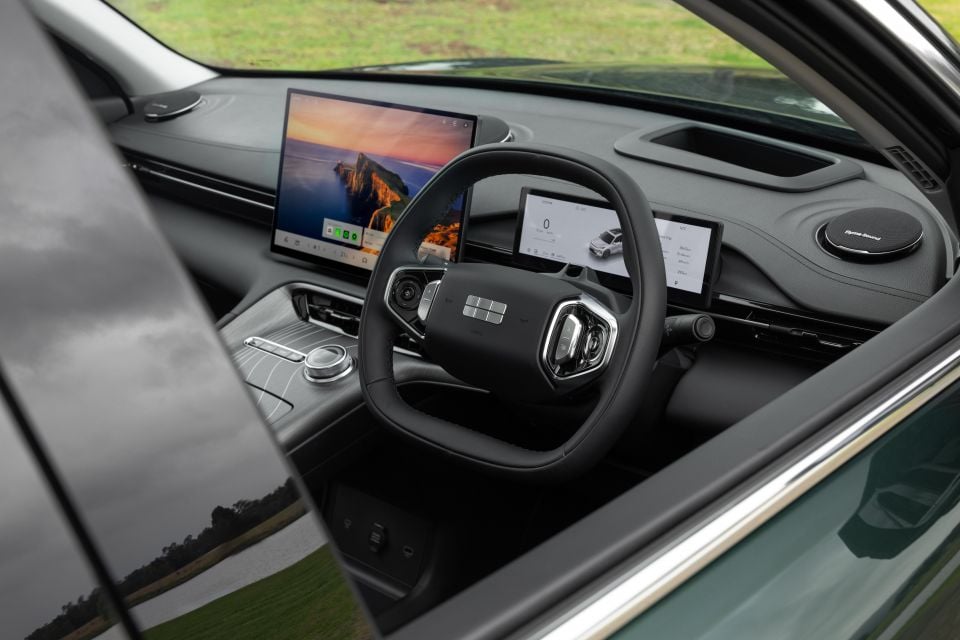
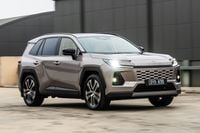
The newest kid on the block is a model formerly called the Forthing Taikon 5 (Porsche and Volkswagen have trademark disputes over the Taikon name so what the Chinese brand’s debut model in Australia will be called remains up in the air until further notice).
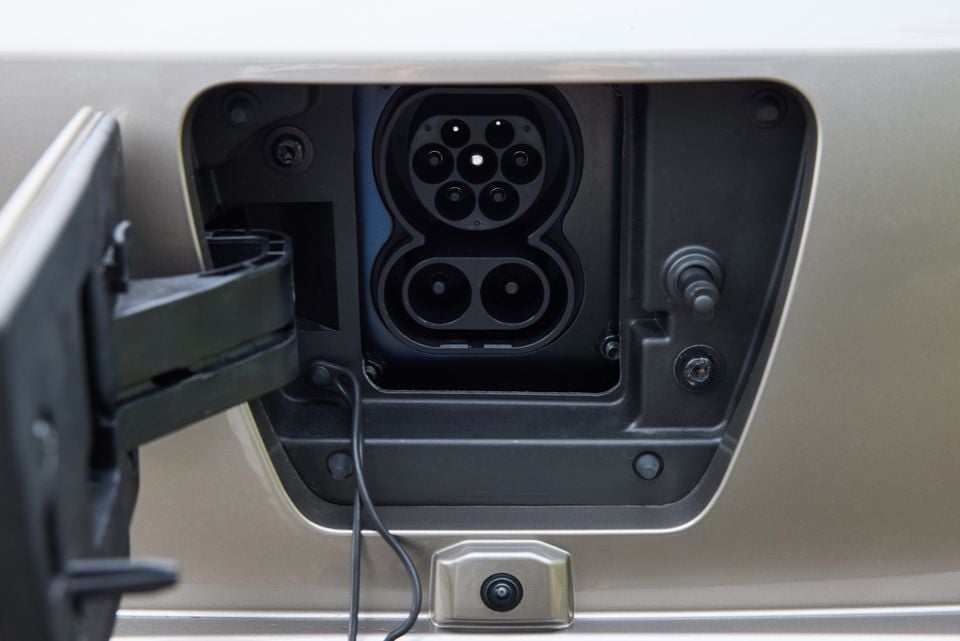
In base Luxury-variant form with an extended-range electric vehicle (EREV) powertrain, which is branded as a Range Extender Hybrid, this five-seat mid-size SUV has a claimed 170km (WLTP) of battery range – the longest of any model in this list – but a slightly more modest combined range of 937km.
Most Australian families would get at least four days of driving without needing to charge the battery, so the Forthing could be a good choice for those who want or need to charge less frequently.
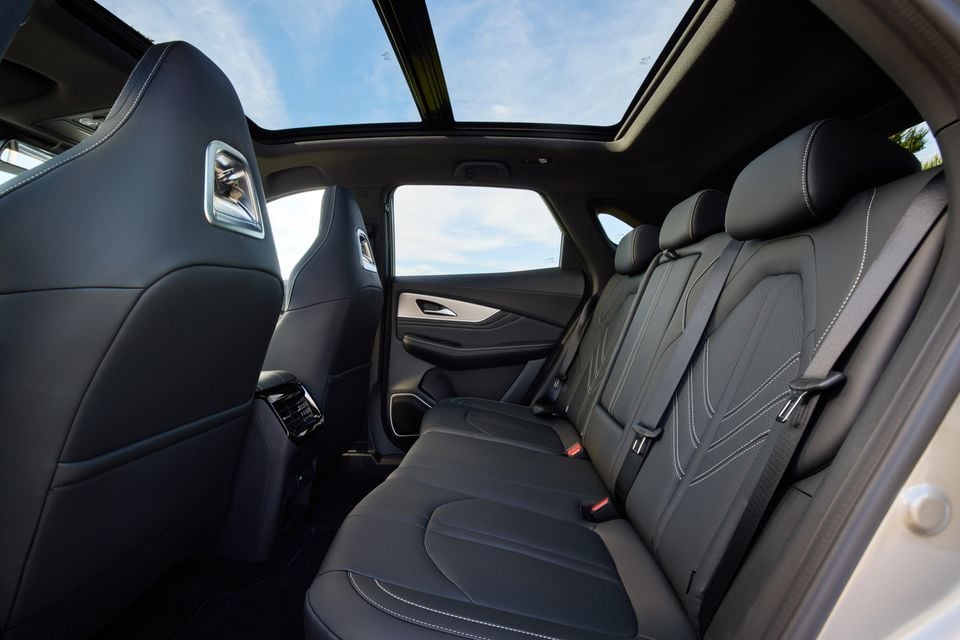
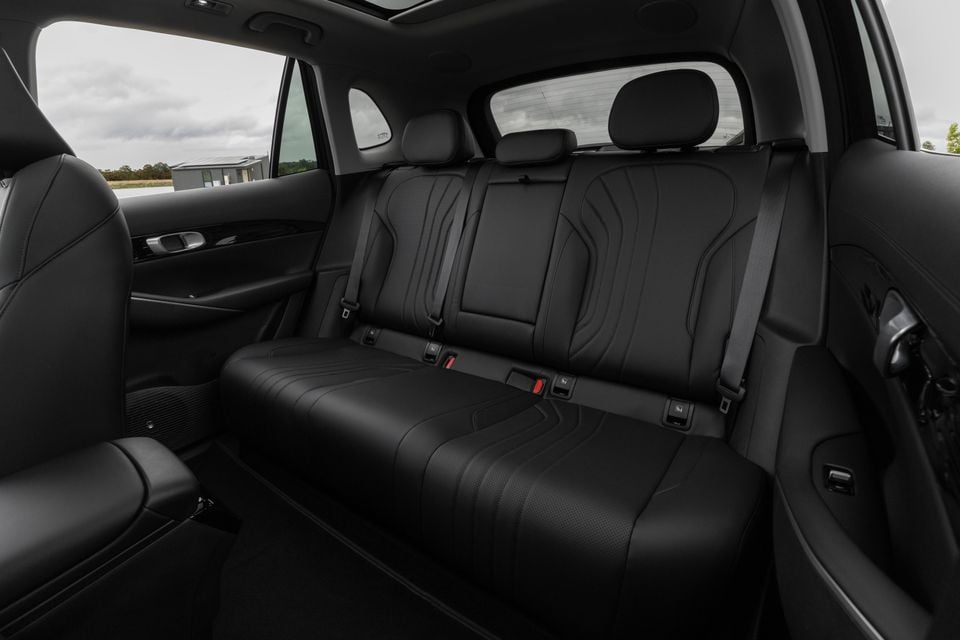
The Forthing has top-tether anchors for all three rear seating positions, and ISOFIX points for the outer two rear seats only.
I’m yet to test how child seats fit across the rear seats and how they affect legroom up front, but the rear seats are comfortable for adults and offer good headroom and legroom.
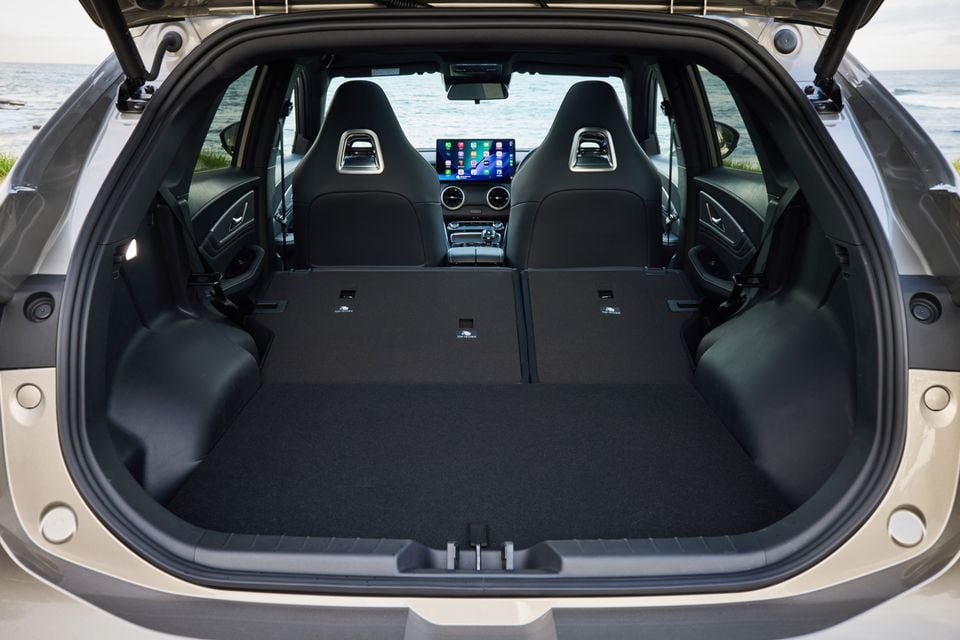
Boot capacity of 480L is comparable to its competitors and should fit a twin pram for young families with two small children.
The Forthing has not yet been assessed by ANCAP. It has six airbags as standard, including side curtain airbags covering the first and second rows.
4. Geely Starray EM-i Complete ($37,490 plus ORCs)
This is a very congested price point as many manufacturers have their elbows out in a fight to offer affordable mid-size family PHEVs.
The entry-level Complete version of the Geely Starray EM-i medium SUV is priced just $3500 higher than the BYD at the top of this list, but the top-spec Inspire variant ($41,490 plus ORCs) offers a few more features.
These include a panoramic opening glass sunroof, hands-free powered tailgate, ventilated front seats, front parking sensors, 360-degree camera, and more.
Tall families will love the Geely Starray’s spacious interior since three child seats fit tightly in the back, and there’s enough legroom for a 186cm driver to fit in front of a rear-facing child seat, or an even taller driver ahead of forward-facing child seats.
A double pram fits nicely in the 428L boot for families with two young infants, or it can accommodate a 13-bag weekly food shop.
The 83km (WLTP) standard battery range is at the lower end of PHEVs on this list, making it suitable for a couple of days of family duties and commuting, although the 136km extended-range version offers more flexibility for families using public chargers.
The combined fuel and battery range of 943km puts the Starray alongside the Forthing at the lower end of this list.
Demonstrating how competitive this part of Australia’s new-car market is becoming, the Chery Tiggo 7 Urban has gone from being a great and affordable PHEV for families to a bit more of a hard sell (on paper at least).
This mid-size plug-in hybrid SUV is priced from $39,990 drive-away in entry-level Urban guise, and jumps up to $43,990 drive-away for the top-spec Ultimate, which adds a lot more creature comforts such as panoramic sunroof, heated and ventilated seats, a 360-degree camera, and more.
A 93km (NEDC) electric-only range is enough to last most Aussie families a couple of days between charges, and the 1200km combined range is perfect for family touring free of fuel stops.
Three child seats fit tightly across the second row of the Tiggo 7, and there’s decent legroom. A 180cm driver can sit in front of rear-facing child seats, and there’s enough room for a 186cm driver in front of forward-facing child seats.
Its 356L boot is the smallest of any PHEV on this list, but it’s still large enough to swallow a double pram or 11 bags of groceries.