So you have a new baby on the way and you’re looking for a new family car.
Whether this is your first baby, your fifth, or you’re blending families and need more seats on weekends, you’ll want your new car to function in a way that makes your life as a parent easier rather than harder.
But what are the things you should consider when looking for a new family car?
Here are our top five considerations when it comes to shopping for a new car for your family.
Lifestyle
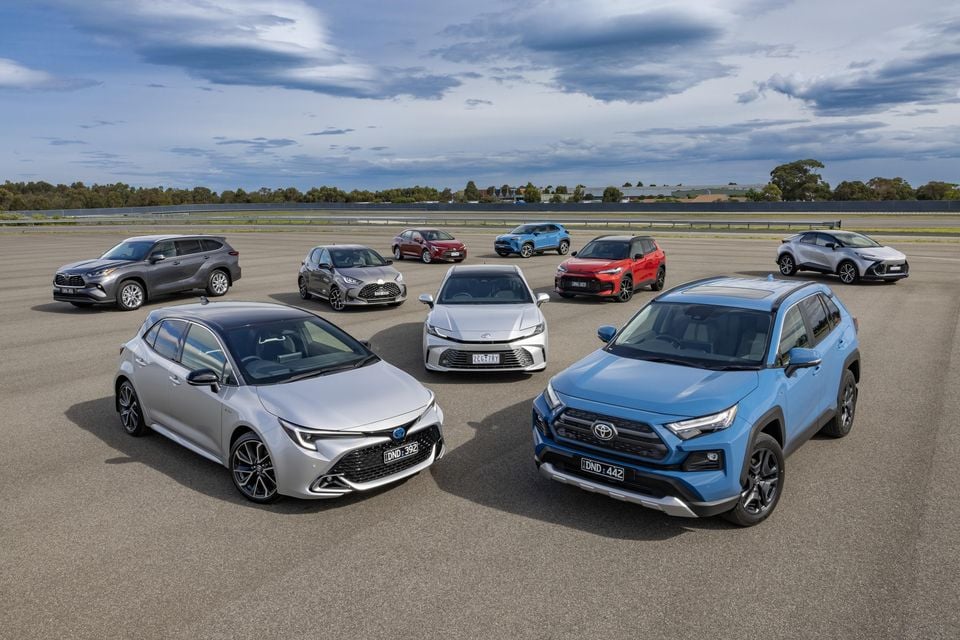
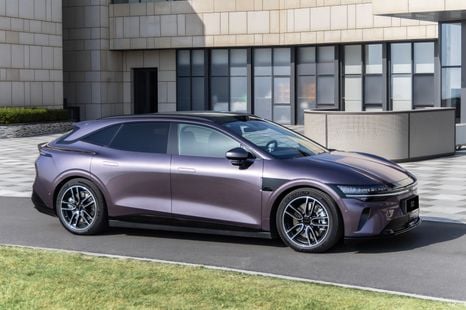
What type of vehicle does your family need? Everyone thinks they need a big SUV as soon as they have one baby but stop and consider your lifestyle first because lots of other body styles could fit your family’s lifestyle and location better.
Ask yourself what the car will be used for.
Are you just running around local suburbs or will you be doing regular off-road trips or highway driving?
Whether this is your first baby or you have other school-age kids or teens, how much space will their pram, sports gear or music equipment need?
How big is your garage or parking space?
If you like camping or need to tow a caravan, boat or trailer, what do they weigh?
Will it be a work vehicle as well as a family car?
If this is your first baby, are you planning siblings quickly afterwards? If so, will you buy a bigger car now that your family can grow into it, or change cars as your family grows?
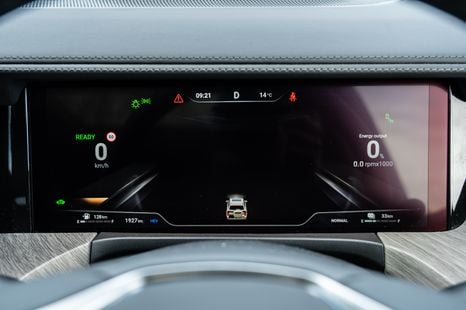
Another important question is do you want a petrol, diesel, hybrid, plug-in hybrid or electric car?
For those running around on small local trips, electric cars are perfect, especially if you can charge at home. If you’ll still need to do long commutes then maybe a hybrid or plug-in hybrid will be better so you can use electricity around town and fuel on longer journeys, where they’ll be more economical than a petrol vehicle and smoother than a diesel.
If you live remotely or where home charging isn’t possible, a hybrid, petrol or diesel car is best.
Before kids, everyone thinks they won’t drive their infants to sleep or get stuck in a car while they complete their nap, but inevitably many of us end up doing exactly that at some point.
An electric or plug-in hybrid car can be great for driving your child to sleep without burning through fuel while on the move or sitting while they sleep with the air-con running, without the air and noise pollution of an idling engine.
Safety
Once you know what type of vehicle you want, safety is top priority. For anyone buying a new car, safety is very important but no more so than when you are becoming first-time parents or your family is expanding.
You may still be driving the car you got your P-plates in, so vehicle safety features may have moved on since then.
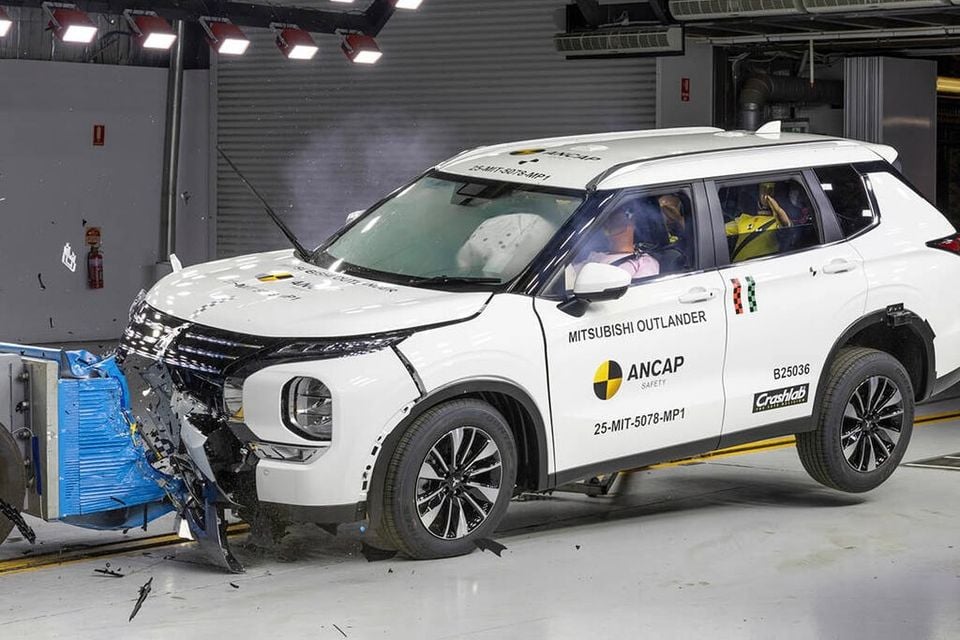
Have a look and compare the ANCAP safety rating for the cars you are considering. Most new cars are assessed independently by ANCAP so you can directly compare the results for front and rear occupants, both adults and children.
It’s important to look at the safety features each car has, as this can vary greatly between models. Some safety features can be standard in one model, and an extra-cost option for others.
Helpful safety features for family life include:
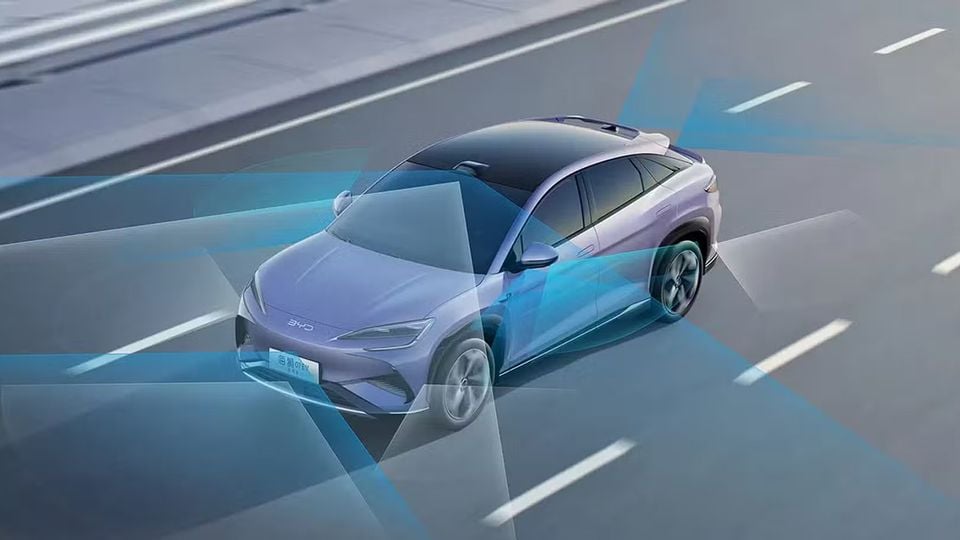
Blind-spot monitoring: Alerts you if there is a car in your blind spot when changing lanes. Child seats and window shades can affect visibility, so this feature can really help. More recent models also include detection of passing cyclists and vehicles to prevent you or your passengers opening their door into the path of anyone.
Adaptive cruise control: As well as being sleep-deprived, parents of young children are often distracted by what is going on in the back seats, and drained by the very process of getting them out of the house and into the car. This safety feature can help with keeping your vehicle at the correct speed and at a safe distance from traffic in front of you.
Lane-keeping assist and lane departure warning: This self-explanatory feature helps tired and distracted parents keep within their lane on marked roads including highways.
Yes, you should bring your A-game every time you get behind the wheel, but the realities of travelling with kids mean that modern technology can and does prevent accidents that would’ve occurred because we’re all just humans trying, often against all the odds, to go about our day.
Interior space and rear-seat usability
With your tiny new bundle of joy comes the need for an enormous amount of new equipment, some of it much larger than the baby is!
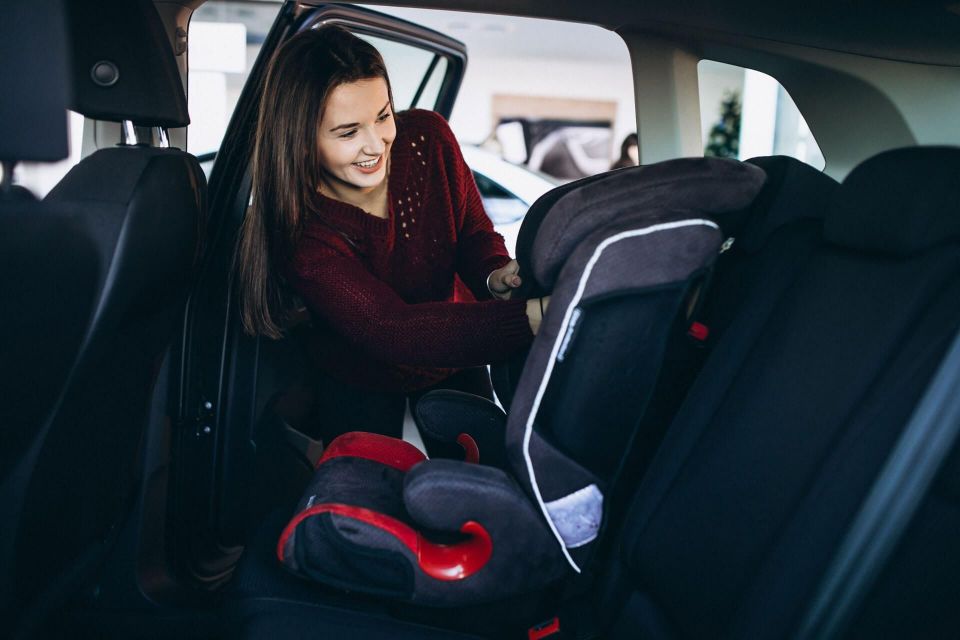
An infant capsule or car seat can feel enormous compared to your tiny newborn and you will need a back seat big enough to fit it in. Your car might have all the legroom in the world for tall adults but introduce an infant capsule and suddenly there’s no room for the driver or front passenger.
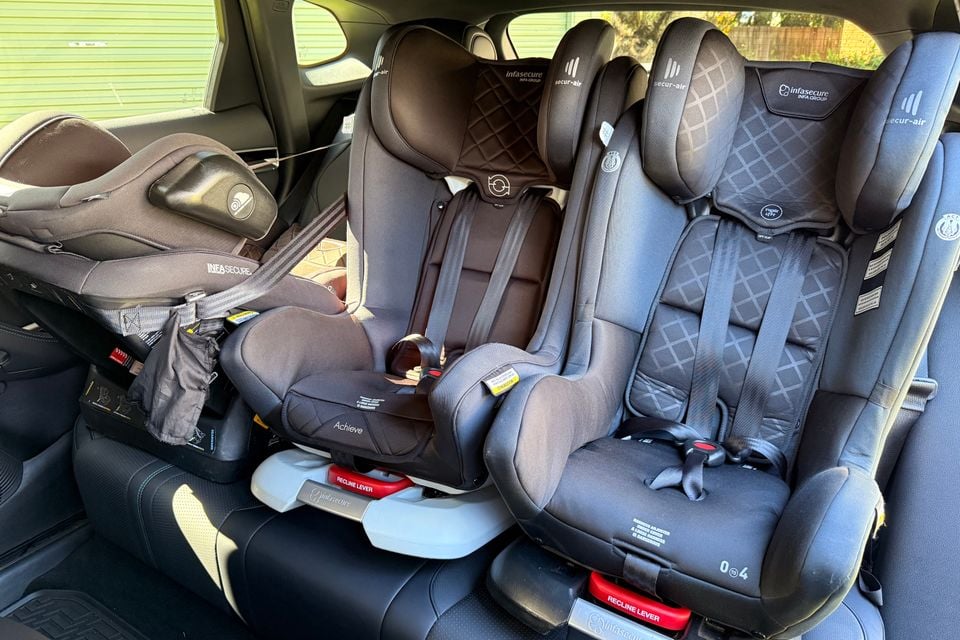
If this is your first child (or you already have three or more) you will need a car that can fit the correct number of child seats. And just because a car says it has three top-tether anchorages, it doesn’t mean three child seats will fit across the rear bench seat at the same time.
You can visit BabyDrive.com.au to check each car’s child seat compatibility.
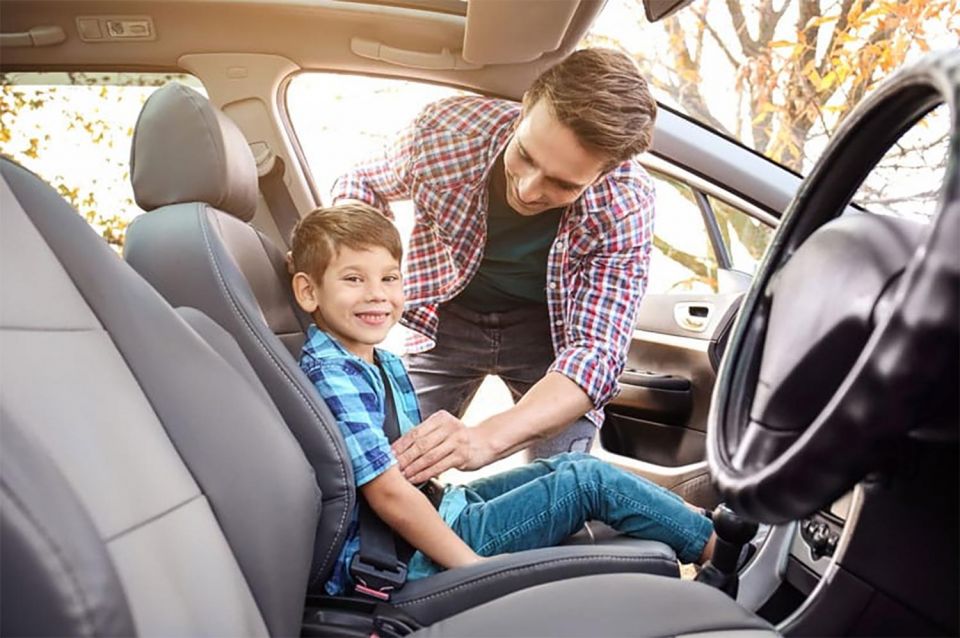
In Australia, children must be in the correct child seat for their age and size until they are at least seven years old, and then they need to be tall enough for a lap/sash seatbelt in a car to fit correctly.
Infants have to be rear-facing in the correct child seat for their size for at least the first 12 months of their life, and the best safety practice is to keep them rear-facing for much longer.
Rear-facing child seats take up a lot of space in the back seat and can really affect how far front passengers can move their seats backwards, often reducing the amount of legroom the adults have. If you have two or more rear-facing child seats fitted at once, the ‘tallest person always rides shotgun’ rule no longer works!
The amount of interior space and how that is distributed across the front and rear seats is different in every car.
If this is your first child and you are planning on having more children, you might want to buy a car now that can accommodate the number of child seats you expect to have.
You may not know it yet, but many parents end up travelling in the back with their children! I had no idea until I brought my firstborn home from the hospital and she screamed all the way. From then on, when we travelled as a family one parent would always sit in the back, so for your own sake make sure the rear seats are comfortable!
Also, if you have older kids or are planning to keep this car until you have lanky teens, there needs to be enough headroom and legroom in the back for them too.
If you have more than three children or you’re looking at a seven- or eight-seat vehicle then make sure you can access the third row while you have child seats installed in the second-row seats. It sounds crazy but in lots of seven- and eight-seaters you can’t get into the third-row seats without uninstalling a child seat in the second row.
Boot space
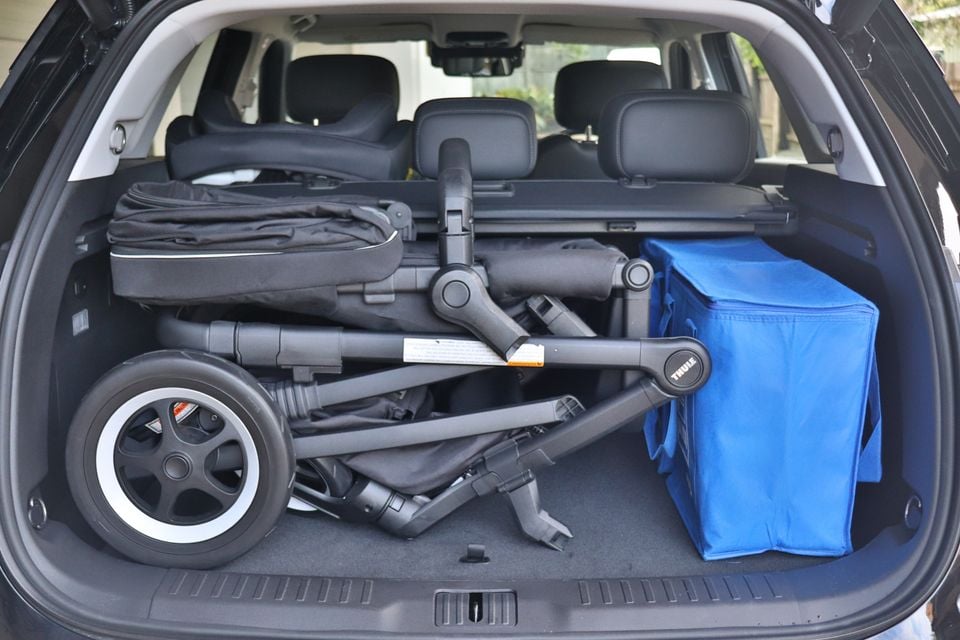
Along with all the other large pieces of equipment you will acquire when having a baby is the pram. Simple umbrella strollers have been replaced by enormous prams, some of which have shopping baskets, skateboards and carts attached to them, so they can take up the entire boot in many cars.
Checking that a pram will fit in the boot before you buy both the new car and the new pram is a good idea.
If you know you’ll be transporting two babies under three or three babies under five you will need to consider whether you can fit a double, tandem or even triple pram in the boot.
Also, if you have a dog you need to transport safely, or other kids who play instruments or sports, you’ll need to fit them in the boot as well. I do several kinds of boot space tests in my full reviews over at BabyDrive.com.au, to help you make sure everything you need will fit in the boot of a car before you buy it.
Onboard tech
If you are moving from an older vehicle into a brand-new car you may be a little overwhelmed by the technology and the beeping that comes with its safety systems. It can take a bit of getting used to!
Some cars have some great tech that is really helpful in everyday family life – here are my favourites.
Built-in rear-seat cameras: Displaying vision on the media screen, they allow you to see bub in the back while you’re driving.
Lane-change cameras: Mounted in the exterior mirrors or indicators, they display a live video feed of blind spots that may be caused by child seats and other obstructions when you indicate.
Rear-view cameras: Unlike a reversing camera, you can leave these on while driving to give you visibility out the back when the rear window is blocked by child seats or the boot is filled with prams and scooters. Some kids will also enjoy watching the view from the camera as they travel!
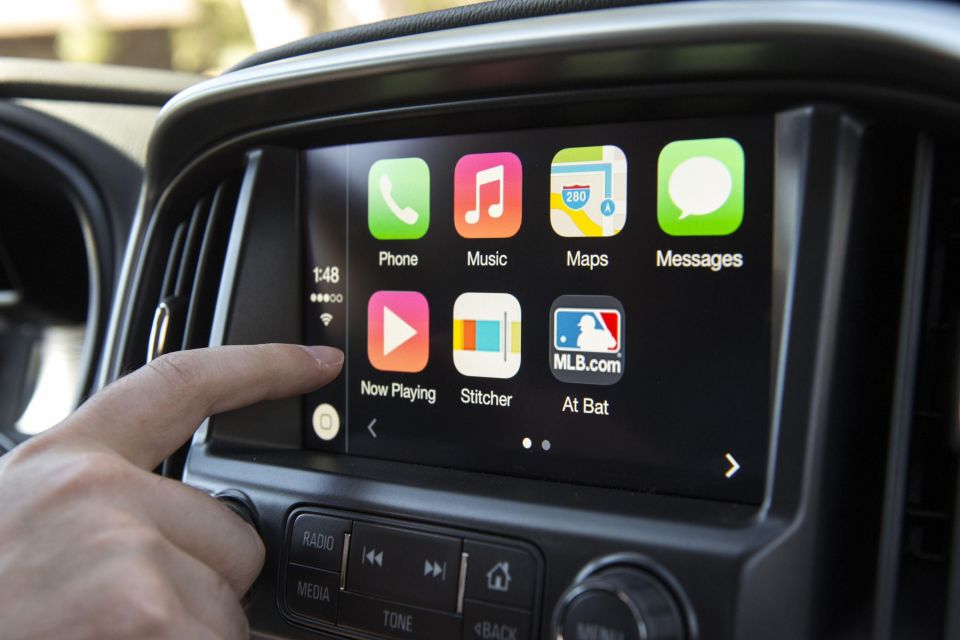
Apple CarPlay and Android Auto: Smartphone mirroring systems give you safe and convenient access to your messaging, navigation, music and podcast apps while driving, so you can play your kids’ favourite podcasts, audiobooks, white noise or THAT movie soundtrack to keep your little ones calm and entertained on the road.