
James Wong
Kia stays mum on Corolla Hybrid rival for Australia
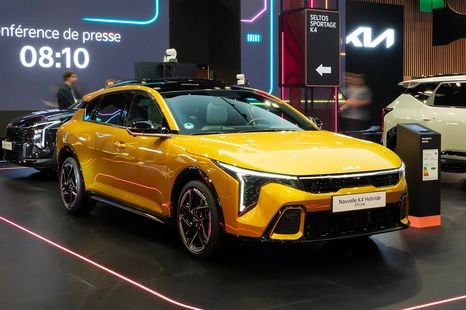
The Kia K4 Hybrid has been revealed and confirmed for Europe, but the Korean brand's local division won't say if and when it'll come to Australia.
1 Hour Ago
The maker of Australia’s best-selling electric vehicle says a road user charge should be applied to all types of cars, as it would otherwise penalise zero-emission vehicles.

Deputy News Editor

Deputy News Editor
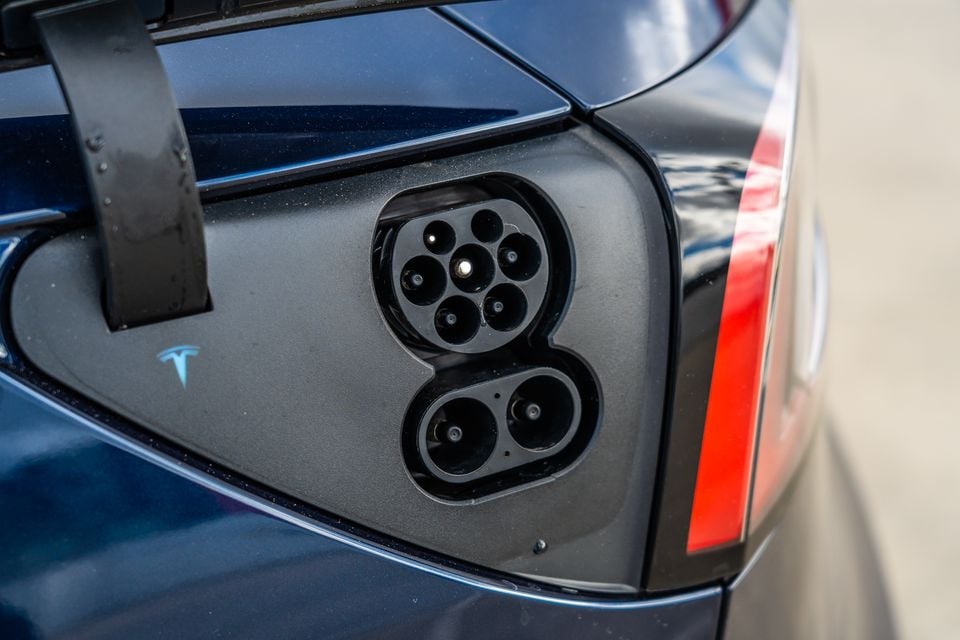
Tesla Australia wants drivers of petrol, diesel and hybrid vehicles to pay a road user charge (RUC), instead of this being limited to drivers of electric vehicles (EVs), telling an Australian parliamentary inquiry that an EV-only charge could ‘distort’ perceived costs for motorists and penalise EV owners.
Additionally, the automaker is proposing the fuel excise be retained, meaning owners of newly registered petrol, diesel and hybrid vehicles would eventually be subject to both this and the RUC.
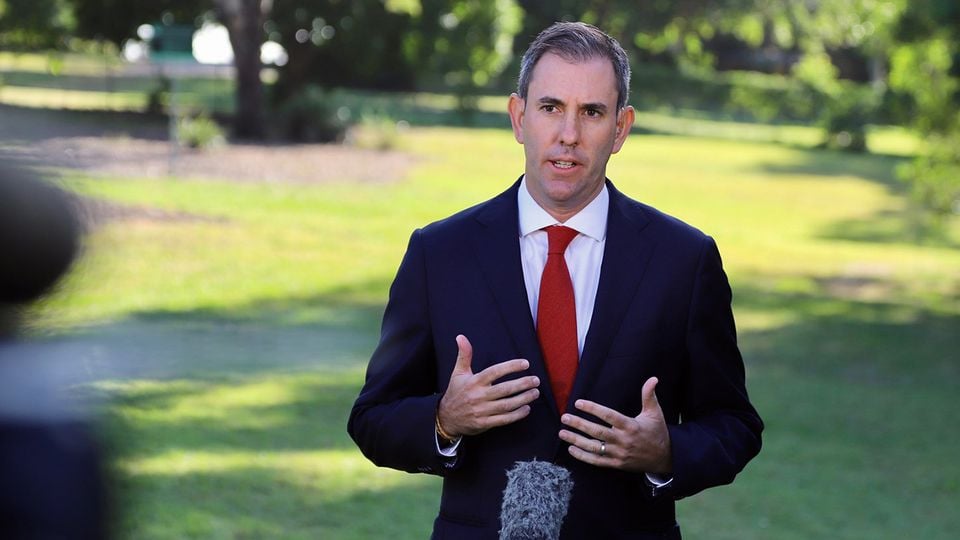
An RUC was raised publicly by federal Treasurer Jim Chalmers in 2025, with the government saying it was “accelerating work” at the time on how it would be implemented.
“If the Government develops a national road user charge, [it must] apply it universally to all vehicles on the road, phased-in, and the rate (c/km) per determined based on real road funding costs,” the Tesla submission published earlier this month said.
It was one of hundreds of submissions to the Select Committee on Productivity in Australia’s inquiry, with the EV maker saying it “considers the productivity constraint on increased electrification of transport and energy as a national issue”.
One proposal for an RUC would see EV drivers charged per kilometre travelled, with motorists required to report annual mileage or use in-car GPS tracking to calculate distance driven.
Under an EV-only scheme, petrol and diesel vehicles wouldn't be subject to the RUC, with owners instead paying fuel excise, which is currently 53.7c/litre.
“Our focus in road user charging is on electric vehicles,” Mr Chalmers told the Australian Broadcasting Corporation’s (ABC) Insiders in August 2025.
“We’re not trying to work out ways to double‑tax internal combustion engines,” the Treasurer said.
“We’re trying to make sure that people who drive EVs, increasing numbers of people who drive electric vehicles, are making a contribution to the upkeep of the roads that they use. It’s fundamentally about making the system a bit fairer.”
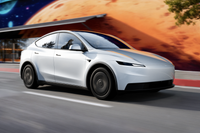
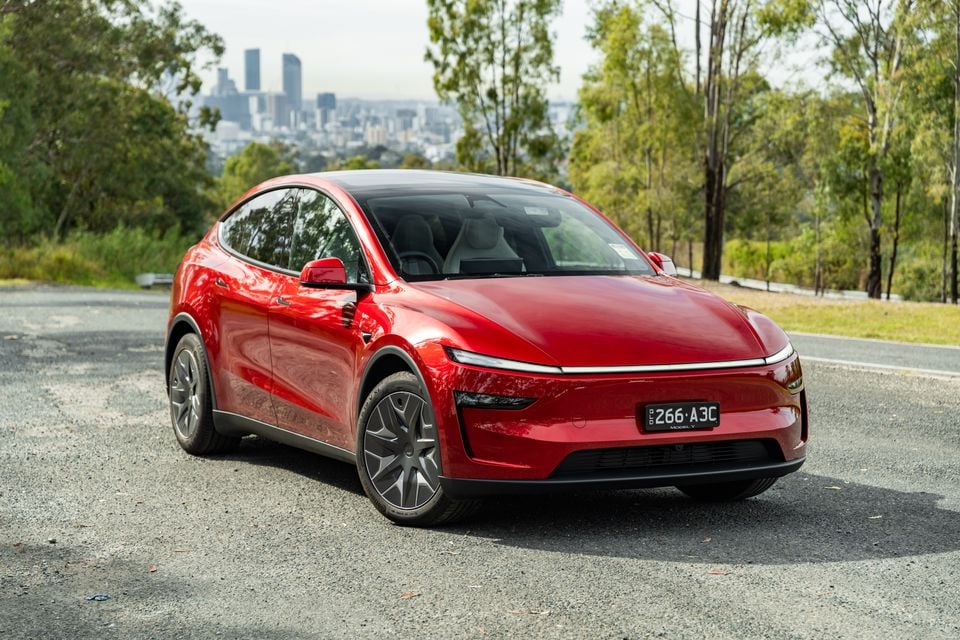
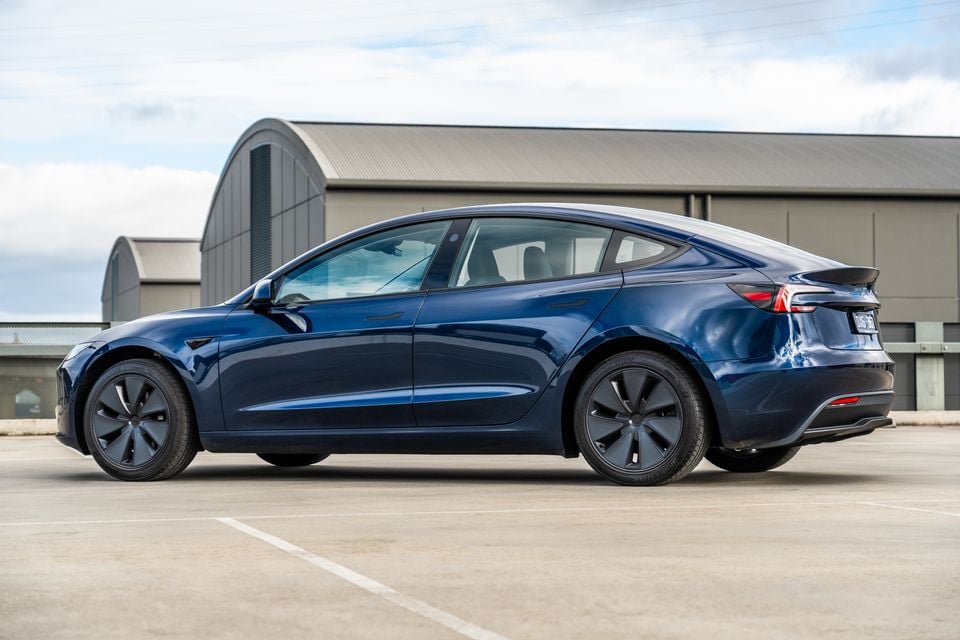
Tesla, which currently has Australia’s best-selling EV, the Model Y SUV, in its lineup, said the RUC must go beyond EVs if it is to encourage take-up of zero-tailpipe-emission vehicles.
“Rather than motivating drivers to utilise public transport or opt into rideshare and carpooling, an EV-only distance levy acts as a financial penalty for decarbonising personal transport, encouraging motorists to retain or revert to internal combustion vehicles that do not face an explicit per kilometre surcharge,” the submission said.
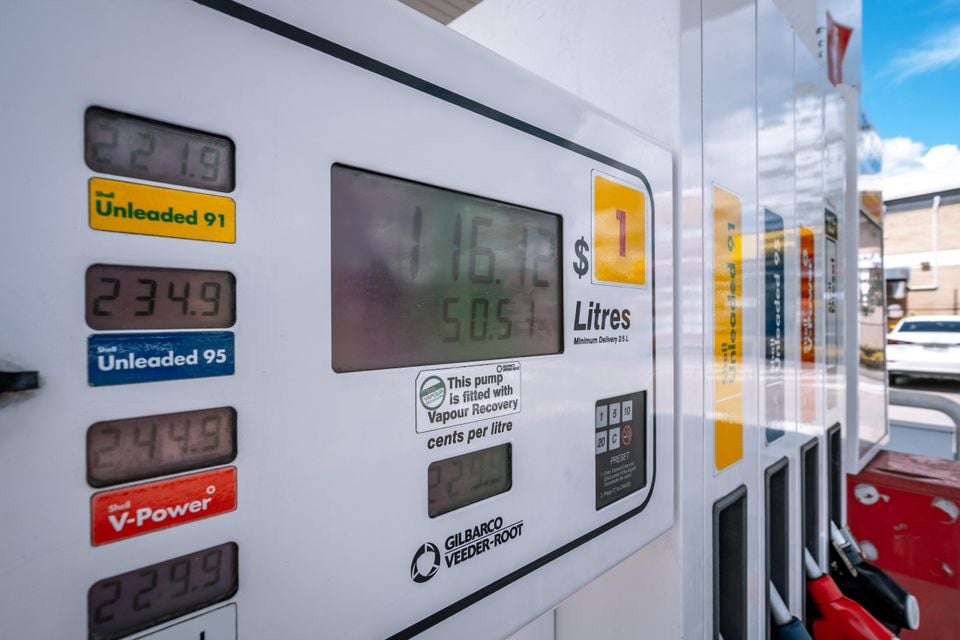
The RUC is seen as one way of recovering some of the lost revenue caused by drivers switching to EVs, thereby no longer needing petrol or diesel, which attract fuel excise for every litre sold.
Progress on an RUC slowed ahead of this year’s federal budget, with federal Transport Minister Catherine King suggesting in April that introducing it could discourage EV uptake.
EVs have since reached record market share, making up 24.2 per cent of all new-vehicle sales in September alone, more than petrol (23.9 per cent) and diesel models (23.1 per cent).
The Tesla Model Y was the first EV to top Australia’s monthly new-vehicle sales chart, beating the Ford Ranger in May 2026 and doing so again in June and August.
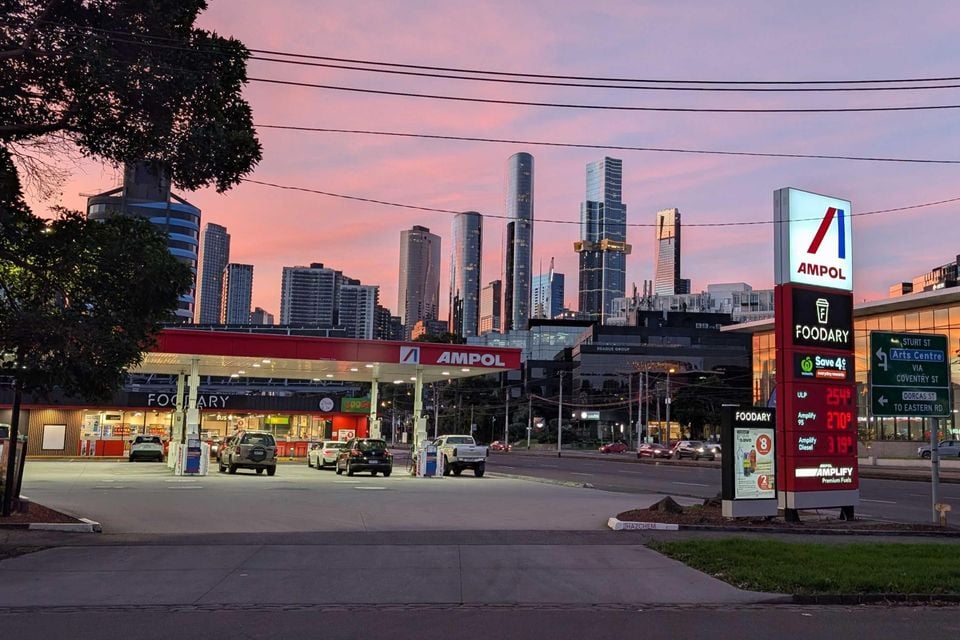
Ms King’s comments came only days after the government enacted a three-month fuel excise reduction for motorists in the wake of record pump prices due to conflict in the Middle East.
It then extended the relief at a reduced level for another month beyond the original June 30 end date, before the full excise rate was restored on August 3, 2026.
Yet fuel excise is not effective in discouraging the use of petrol or diesel transport, said Tesla.
“Because fuel excise is hidden within the aggregate pump price, consumers remain largely inelastic to the tax component of their travel, treating fuel as a bundled cost rather than an identifiable usage fee,” the Tesla submission said.
“A transparent, distance-based road user charge (cents per kilometre) is an effective lever to introduce the price salience of road use that fuel excise lacks, serving to directly discourage marginal, discretionary car journeys in favour of public and active transport.
“Crucially, and Tesla contends this cannot be overstated, this price signal is productive only if it applies universally across every passenger vehicle powertrain.
“If a distance charge is levied exclusively against zero-emission vehicles – such as the 2.97c/km rates previously attempted at state levels for electric cars only – it introduces a distortionary price signal.”
Tesla’s submission echoes similar comments from Polestar Australia boss Scott Maynard earlier this month.
“We see the inevitable introduction of a road-user charge, and we feel that it's critical that [the] charge be levied against all road users, and not just electric vehicle owners,” Mr Maynard told CarExpert.
“We don't have a congestion tax in Australia. We don't have any other form of pollution tax, as such, and so it would make sense that a road user charge be levelled fairly and evenly across all users,” he explained.
Research cars in our Showroom, compare your options or let our New Car Specialists do the running around to find you a great deal.
Damion Smy is an award-winning motoring journalist with global editorial experience at Car, Auto Express, and Wheels.
James Wong
1 Hour Ago

William Stopford
4 Hours Ago
Damion Smy
4 Hours Ago

Damion Smy
5 Hours Ago
William Stopford
6 Hours Ago

Matt Robinson
8 Hours Ago
Add CarExpert as a Preferred Source on Google so your search results prioritise writing by actual experts, not AI.