Damion Smy
Australian drivers want physical buttons back as touchscreens linked to crashes
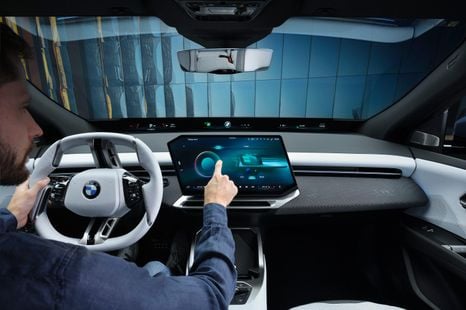
A global survey has found Australian drivers are especially critical of touchscreens, adding to calls for more physical buttons in cars.
3 Hours Ago
Chery’s international boss is weighing a future with fewer private car buyers, as driverless fleets expand and analysts forecast different outcomes for vehicle sales.

Publisher
Publisher
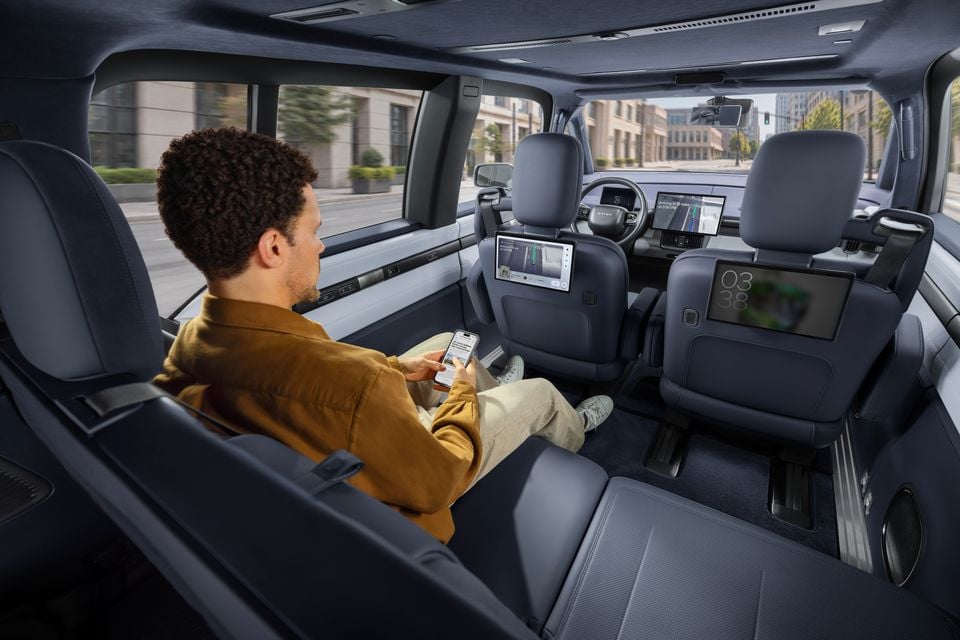
Chery’s international boss has questioned whether most people will still want to own a car in 10 years, as robotaxis become a bigger part of the Chinese automaker’s plans.
Speaking to Australian media, including CarExpert, in Wuhu, Chery International president Zhang Guibing was asked where he wanted the company to be in Australia in a decade.
“We are thinking now, we are even forecasting, maybe 10 years later, how many people will buy a car? Because now the robotaxi's developing very quickly,” Mr Zhang said.
“So really, maybe at that time, most of the people won’t like to buy the car, won’t like to own the car.”
The question reaches well beyond which brands survive the current wave of competition. If more people choose an on-demand ride over ownership, car companies will have to sell more vehicles to fleet operators, run transport services themselves, or find other ways to replace lost private sales.
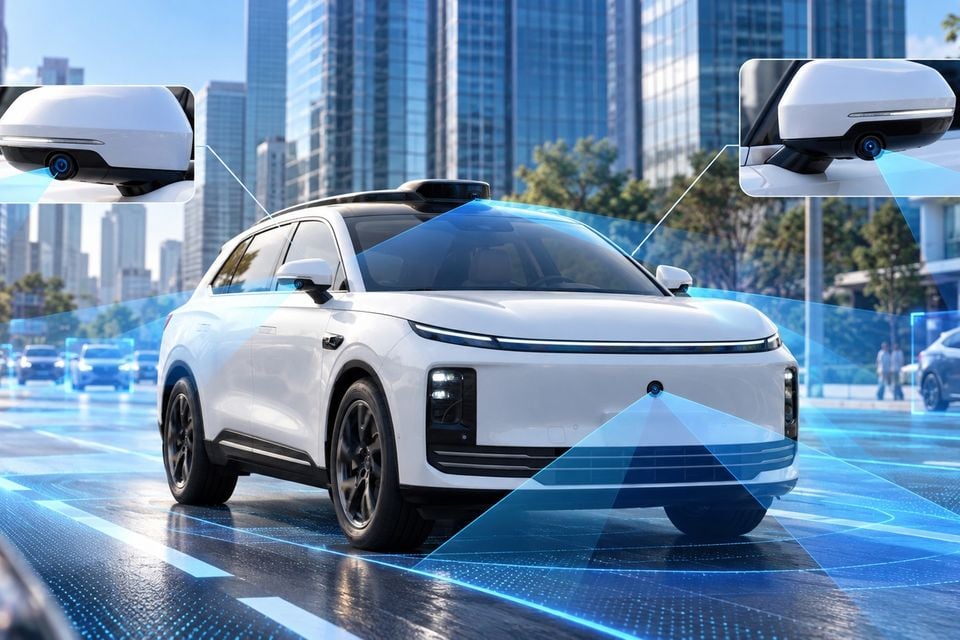
Chery already has a robotaxi on public roads. In July 2025, it launched a service with autonomous-driving company WeRide and Jinjiang Taxi in Shanghai’s Pudong district.
Their jointly developed CER robotaxi combines WeRide’s technology with the architecture of the Sterra ET SUV from Chery's premium Exeed brand. It's a Level 4 vehicle, designed to operate without a human driver within specified operating conditions.
Exeed – due in Australia in 2027 as Exlantix – subsequently announced it would showcase the robotaxi at this month’s Chery summit in Wuhu, along with plans for an agreement with the United Arab Emirates’ K2 aimed at overseas commercial deployment.
Driverless ride-hailing services are already recording millions of trips.

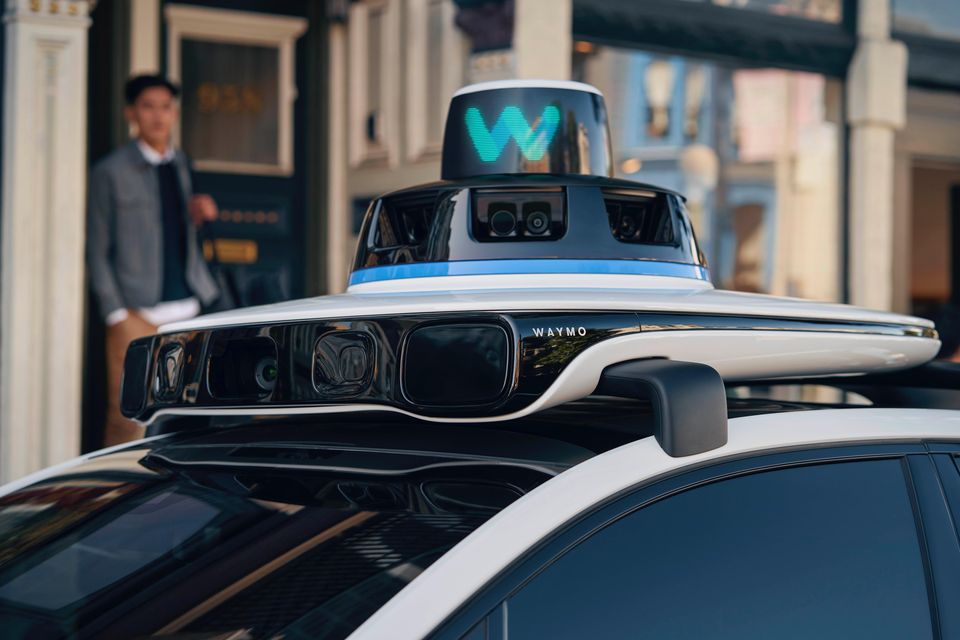
Waymo said on October 20 it had completed more than 20 million trips and was providing hundreds of thousands of commercial rides each week. It's also preparing to take its service to Madrid, with first riders targeted for 2027.
In China, Baidu reported in August that its autonomous-driving operations had accumulated more than 350 million kilometres, including more than 240 million kilometres fully driverless. Those are cumulative distance figures, rather than a count of paying passenger trips.
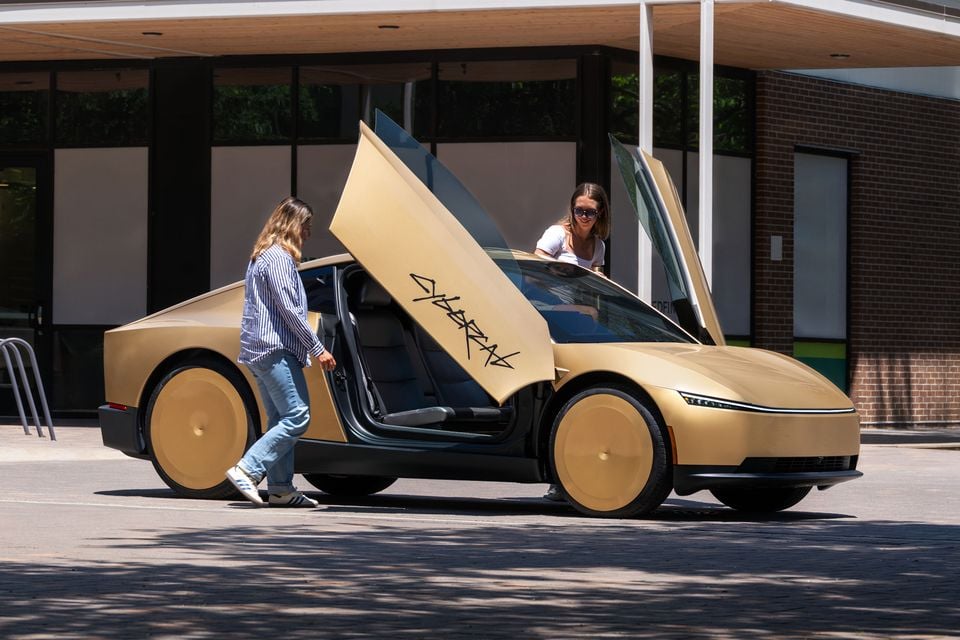
Tesla’s separate Robotaxi operation had accumulated almost two million unsupervised miles by the end of September, equivalent to approximately 3.2 million kilometres. Its Cybercab began providing rides in Austin on September 3.
Whether that growth leads households to give up their own cars is a much bigger question. Forecasts differ on how widely robotaxis will operate, how cheaply they will carry passengers, and how quickly customers will change their habits.
Goldman Sachs Research forecasts the global commercial robotaxi fleet will grow from roughly 7000 vehicles in 2025 to about one million in 2030 and six million in 2035.
Yet its April 2026 analysis argues concerns about a dramatic decline in personal vehicle ownership are overstated for the next decade. Its base case sees limited impact on the size of the US vehicle fleet.
The bank also points out that falling autonomous-driving hardware costs could help consumers buy their own autonomous cars. A buyer might want the technology while still preferring a vehicle they own.
It models a more extreme scenario in which all distance travelled shifts to shared autonomous vehicles. In that case, annual United States vehicle sales could fall to between 10 million and 13 million, compared with a historical average of about 16 million.
However, that's a scenario assuming a complete change in how people travel, not its central forecast for the next decade.
It also illustrates why a smaller vehicle fleet doesn't translate directly into an equivalent fall in annual sales. Shared cars can carry more passengers over more kilometres, but heavier use can also bring forward replacement. Fleet purchases would naturally remain part of the market.
McKinsey’s broader transport analysis, published in April 2023, envisaged US vehicle sales in 2035 being 30 per cent below their 2015 level, with Europe almost 20 per cent lower.
That forecast covers light vehicles with a gross vehicle mass (GVM) below 3.5 tonnes. It incorporates changes in public transport, walking, cycling, transport policy, and other mobility services, alongside automation, so the projected decline can't be attributed entirely to robotaxis.
The same analysis expected private cars to account for more than 80 per cent of passenger mileage in rural America in 2035, reflecting the weaker economics of shared services in less densely populated areas.
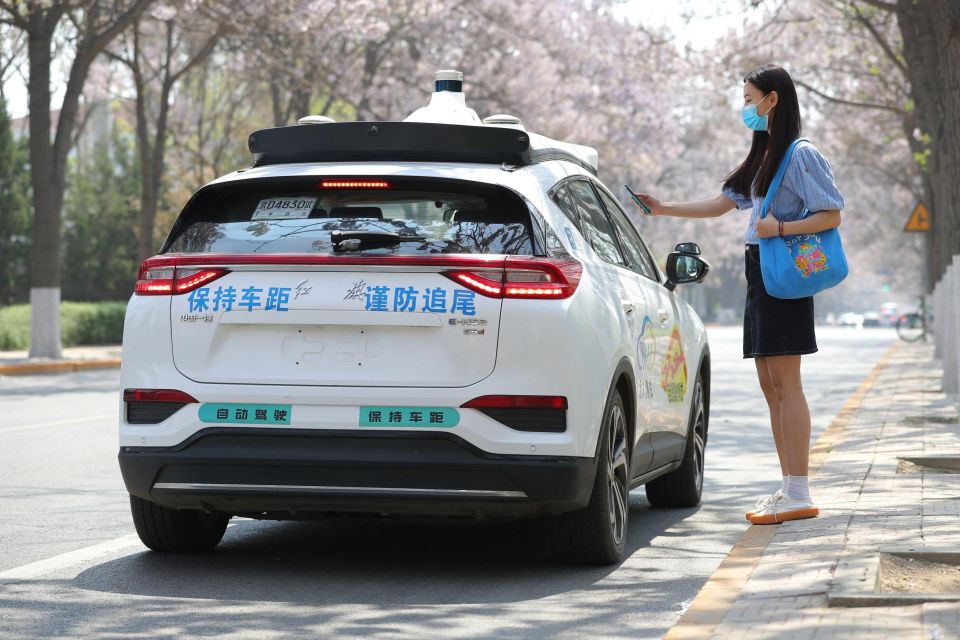
For an Australian buyer, the practical question is how much of their driving a service could actually replace. Regular availability in one city wouldn't necessarily remove the need for a household car used for regional travel or journeys beyond the service area.
There's also a history of deployment taking longer than anticipated. In research published in January 2026, McKinsey said industry expectations for a large-scale global robotaxi rollout had shifted from 2029 to 2030. That expected timing came from a January 2025 survey of 91 industry decision-makers.
Australia’s vehicle fleet is still growing. Federal transport statistics published this month show 22.77 million registered motor vehicles at January 31, 2026, up approximately 2.1 per cent year over year.
That total includes commercial vehicles and motorcycles as well as cars. The average age of a registered passenger vehicle was 11.45 years, illustrating how gradually the existing fleet turns over.
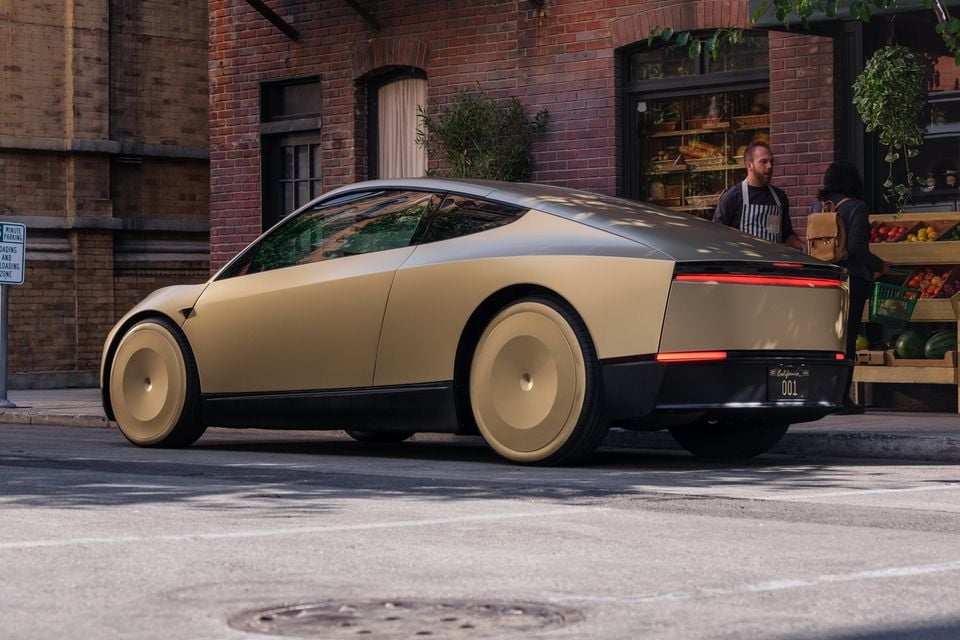
Tesla’s Cybercab is touring Australia and New Zealand as a display vehicle, with the tour running into 2027, but the company hasn't announced plans to establish a robotaxi service here.
Instead, it's using the Cybercab as part of a rolling tech showcase, where it'll also demonstrate to customers the effectiveness of its Full Self-Driving (Supervised) system, which it already offers in Australia as part of a $149 monthly subscription. Tesla claims it has 1.74 million active FSD subscriptions globally as of the end of September, up 67 per cent year over year.
While Tesla hasn't announced plans for a local robotaxi service, Waymo has reportedly discussed with the Australian Government the possibility of establishing one. It has yet to announce a timeline for this.
Alborz Fallah is a CarExpert co-founder and industry leader shaping digital automotive media with a unique mix of tech and car expertise.
Damion Smy
3 Hours Ago

William Stopford
3 Hours Ago

Derek Fung
4 Hours Ago
William Stopford
4 Hours Ago
Damion Smy
4 Hours Ago

Ben Zachariah
5 Hours Ago
Add CarExpert as a Preferred Source on Google so your search results prioritise writing by actual experts, not AI.