


Damion Smy
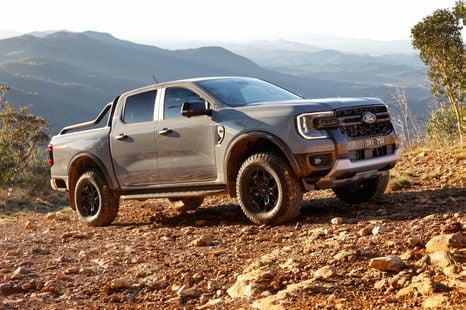
Ford Ranger Black Friday deal offers thousands in savings
Selected versions of Australia’s best-selling vehicle come with free servicing and a $5000 fuel card as part of Ford Australia’s Black Friday offer.
2 Days Ago
Deputy News Editor
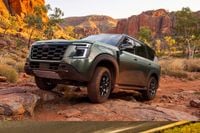
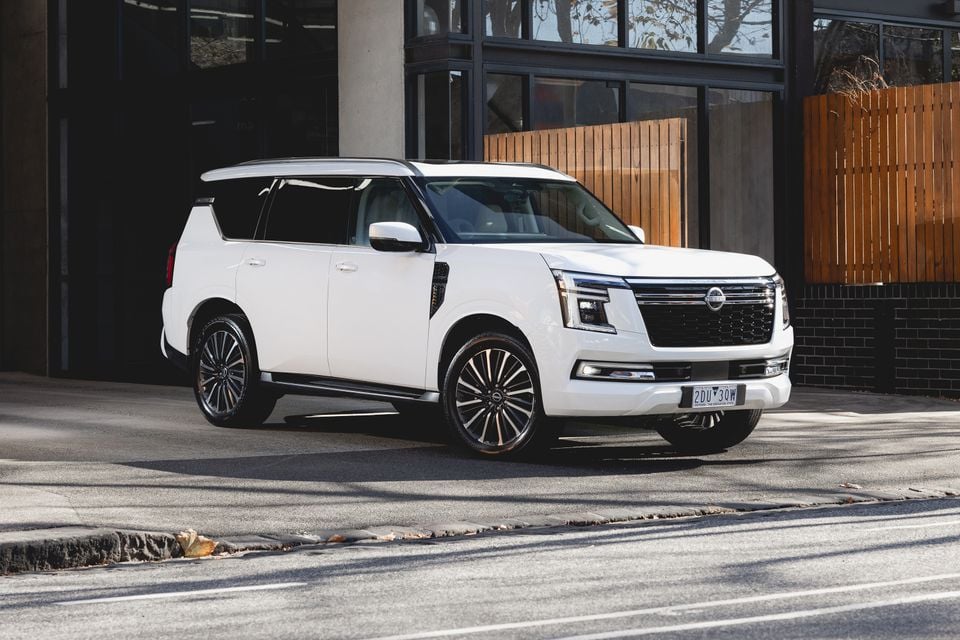
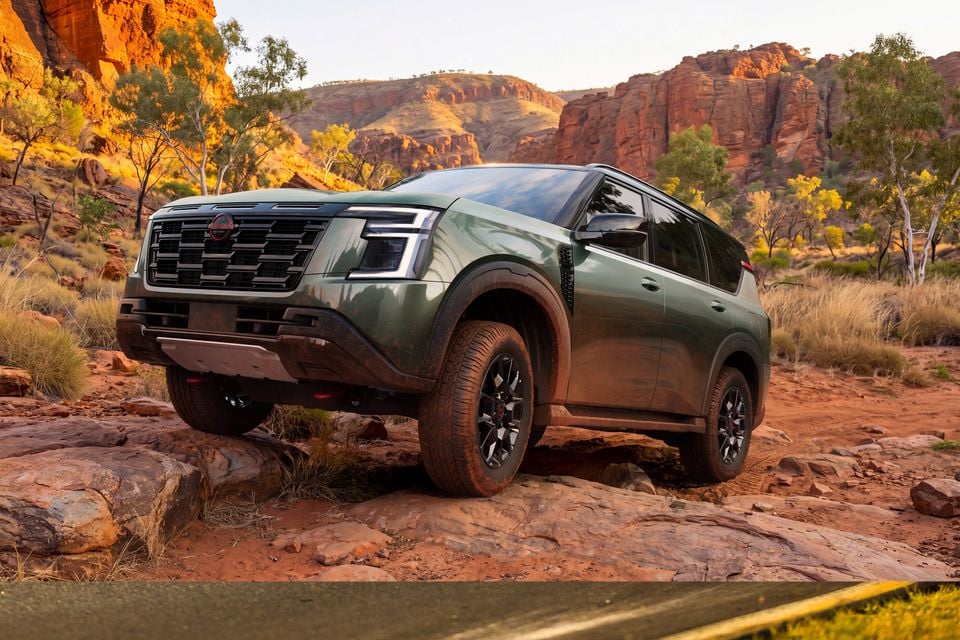
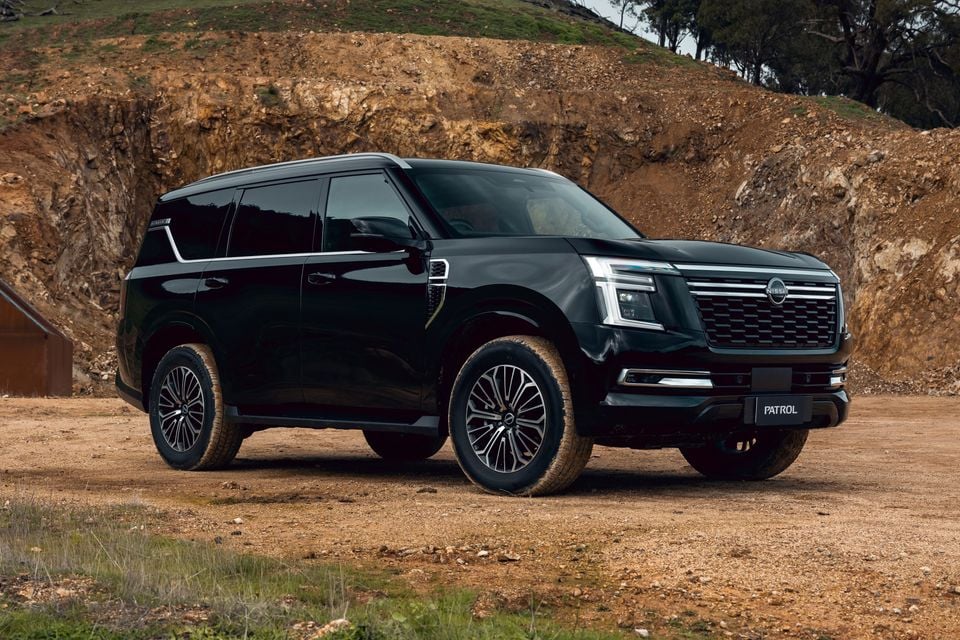
Nissan Australia said the higher gross vehicle mass (GVM) of the new twin-turbo V6-powered Patrol Y63, due to arrive in local showrooms next month, was not a ploy to avoid emissions regulations.
The outgoing Y62 Patrol Ti and Ti-L had a GVM of 3500kg for model year 2026 (MY26), which meant their emissions were counted under the Australian Government's New Vehicle Efficiency Standard (NVES). The outgoing Warrior had a GVM of 3620kg.
Vehicles with a GVM above 3500kg are currently exempt, meaning the new 2027 Patrol Y63, with its higher 3550kg GVM, will launch without its emissions counting towards Nissan’s fleet average.
The NVES sets annual carbon dioxide emissions targets for each automaker's fleet of covered new vehicles. Automakers that exceed their targets can buy credits from other automakers to avoid incurring penalties.
Nissan Oceania boss Steve Milette described the NVES as a “cost of doing business” in an August interview with CarExpert.
His predecessor, Andrew Humberstone, said the company had tactically delayed introducing its Ariya mid-size electric SUV to local showrooms until the NVES came into effect in 2025.
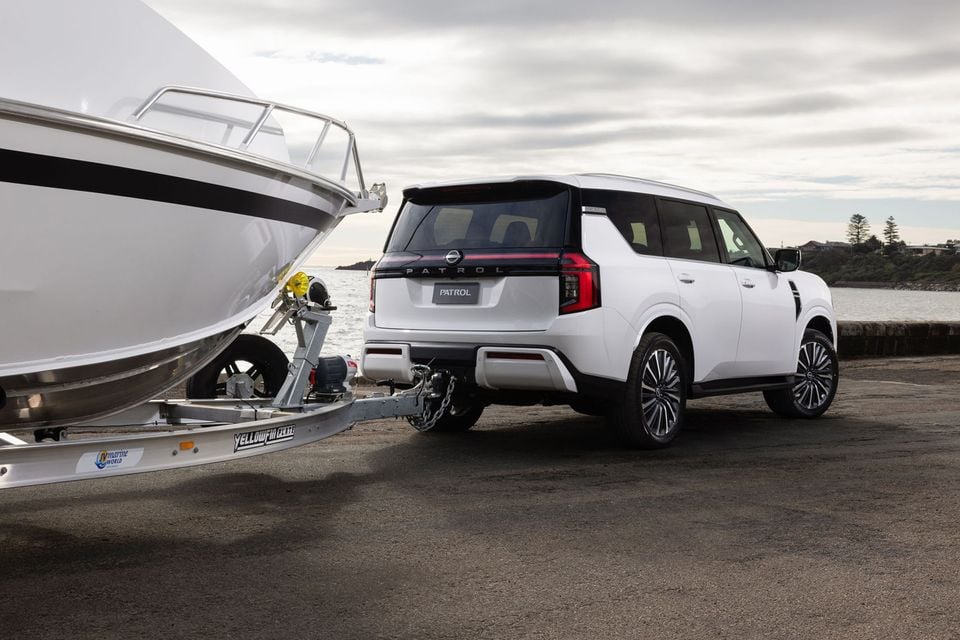
“The all-new Patrol’s higher GVM was fundamentally about improving customer usability, with a particular focus on delivering greater usable carrying capacity,” a Nissan Australia spokesperson told CarExpert.
“This is an important consideration for a large SUV like Patrol, where customers want the flexibility to carry family, luggage, accessories and equipment, while making the most of its towing capability.
“The 3550kg GVM, an increase of 50kg over the outgoing model, combined with a lower kerb mass, delivers greater usable payload across the range.”
The higher GVM also puts the Y63 above the threshold for mandatory fuel consumption labelling. Nissan Australia has nevertheless published combined fuel consumption figures of 12.0 to 12.2L/100km for the range.
Other vehicles with similar GVMs include the Toyota LandCruiser 70 Series Wagon at 3510kg and certain versions of the Ram 1500 full-size pickup at 3505kg.
From July 1, 2027, eligible vehicles with a GVM above 3500kg and up to 3855kg will count towards the NVES when they're first entered on the Register of Approved Vehicles. That covers all six Y63 Patrol grades.
Examples entered on the register before that date will remain exempt, even if they’re delivered later.
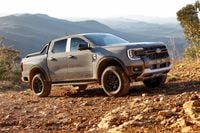
Vehicles that meet the Australian Design Rule definition of a work van or work truck will retain their exemption. Vehicles above 3855kg GVM, such as the 4500kg Ford Ranger Super Duty, also remain exempt under the current determination, which expires at the end of 2029.
The federal government invited submissions on the draft amendment between May 21 and July 20, 2026. Nissan Australia was absent from the five published submissions.
The Federal Chamber of Automotive Industries (FCAI), of which Nissan Australia is a member, said the draft gave effect to the government’s objectives. It described the roughly 13-month lead time for the new emissions-testing rule as an exceptional case that should set no precedent.
“We support the FCAI’s view that at least two years lead-time should be provided for any ADR [Australian Design Rule] to apply to New Models, with four years lead-time required for All Models,” a Nissan Australia spokesperson told CarExpert.
Nissan will introduce its first plug-in hybrid (PHEV) in Australia in 2027, the Chinese-made Navara Pro ute, which will rival the BYD Shark 6.
Mr Milette has also identified the Terrano PHEV SUV as a priority for Australia and has shown interest in other Nissan electric vehicles (EVs) from China.
Research cars in our Showroom, compare your options or let our New Car Specialists do the running around to find you a great deal.
Damion Smy is an award-winning motoring journalist with global editorial experience at Car, Auto Express, and Wheels.
Damion Smy
2 Days Ago

William Stopford
3 Days Ago
Damion Smy
3 Days Ago
Damion Smy
4 Days Ago
Damion Smy
4 Days Ago
William Stopford
4 Days Ago
Add CarExpert as a Preferred Source on Google so your search results prioritise writing by actual experts, not AI.