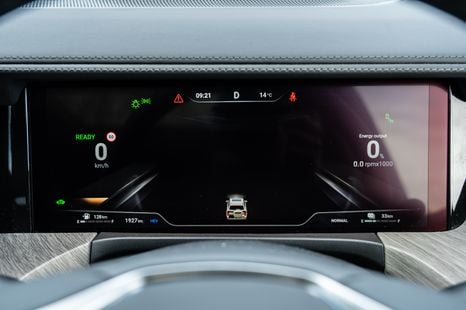
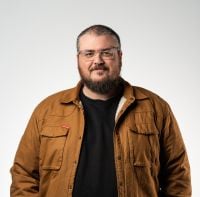
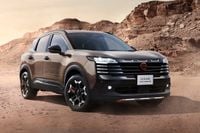
Nissan has a new boss in Australia who says he plans to grow the brand in our increasingly cut-throat market.
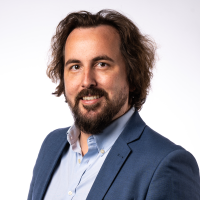
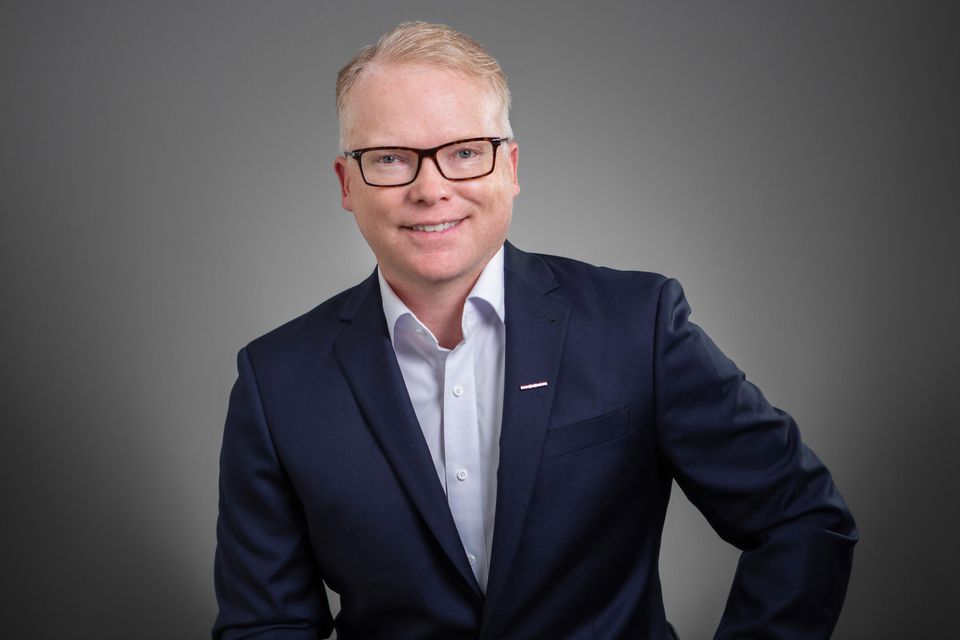
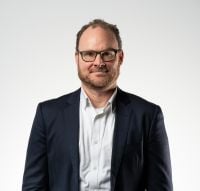
Steve Milette is still fresh in the top job at Nissan Oceania, succeeding Andrew Humberstone as managing director on April 1, 2026.
The Canadian executive has spent almost three decades in the automotive industry, starting at General Motors and eventually joining Nissan in 2017 before serving five years as the boss of its Canadian operations.
We sat down with Mr Milette, along with Nissan Oceania's head of communications Steve Coughlan, to discuss Nissan's challenges and opportunities in the Australian market – one smaller than Canada's, but vastly more cluttered and competitive.
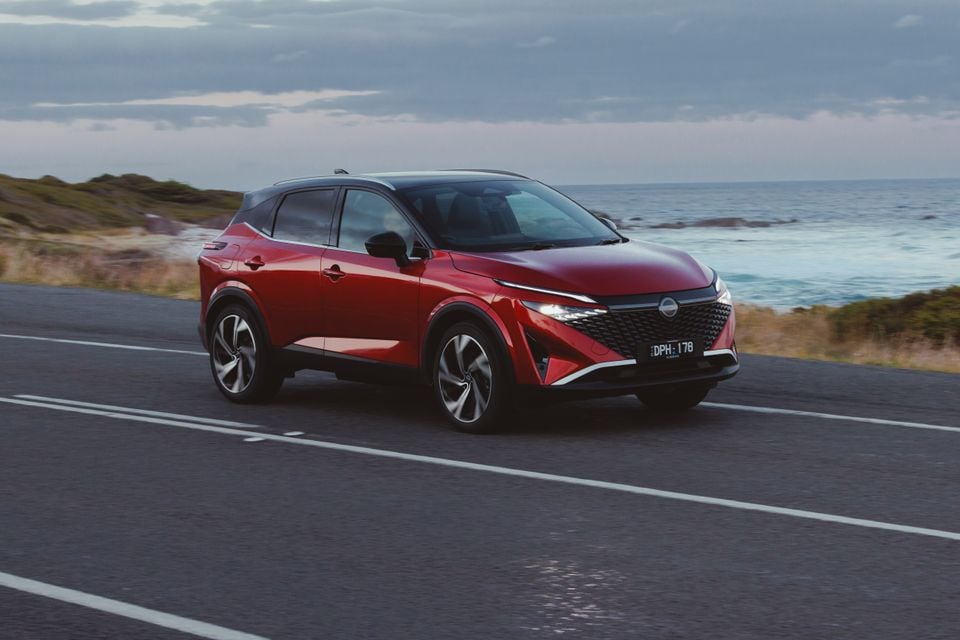
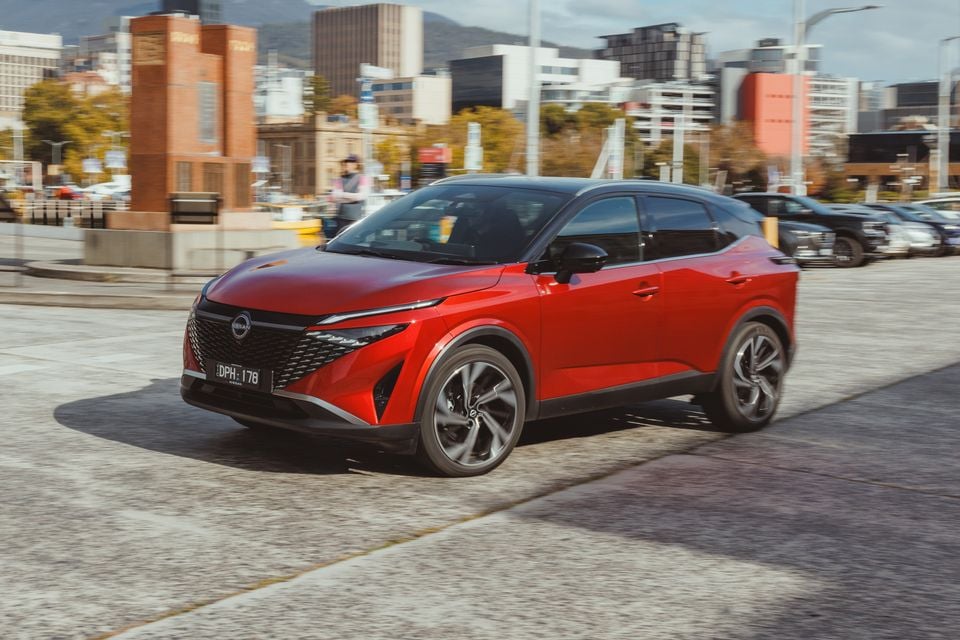
Nissan Qashqai
Nissan reached a high watermark of 79,747 sales here in 2012, finishing sixth overall among new-vehicle brands and holding 7.2 per cent of the market.
However, its sales have been trending downwards since then, apart from a bump in 2023 and 2024 on the back of redesigned models making their way here.
In 2024, Nissan finished in ninth place, but last year it fell out of the top 10 entirely, dropping to 12th place with 35,511 sales and a 2.9 per cent market share.
So far this year, the recently redesigned Navara ute has been declining in popularity, the Qashqai small SUV has slumped dramatically, the slow-selling Juke and Pathfinder SUVs have been axed and a Leaf replacement postponed indefinitely, and deliveries of the new Patrol won't commence until the first quarter (January to March) of 2027.
Mr Milette therefore inherits a model portfolio with fresh gaps, in a market where there are now multiple Chinese brands in the top 10.
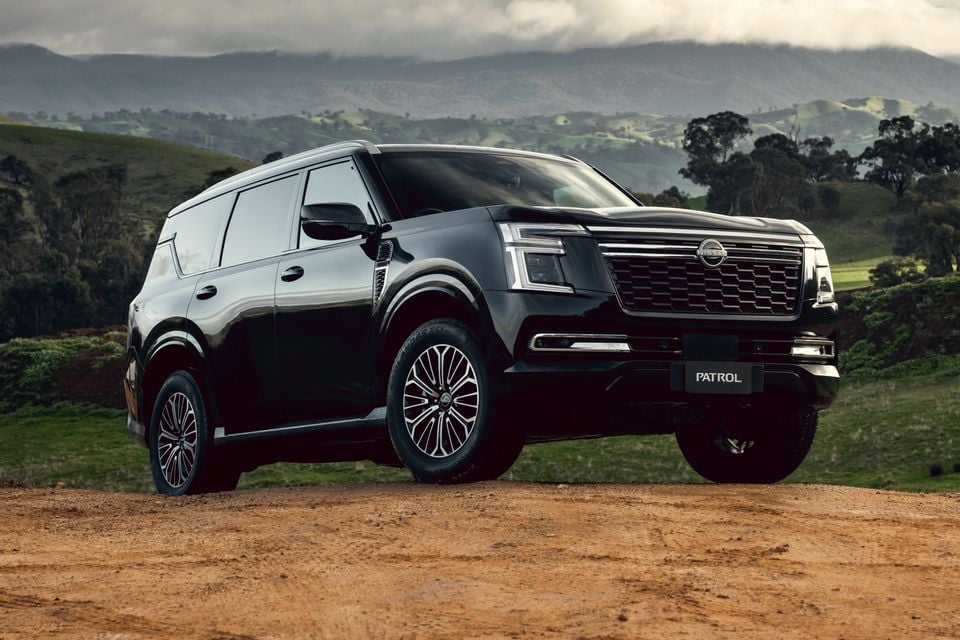
The new Patrol is launching with a more efficient twin-turbo V6 powertrain. Are there existing Patrol buyers that are sad to see the V8 go?
And is there any desire from buyers or from Nissan Australia to have an electrified powertrain, whether that be hybrid or plug-in hybrid for the Patrol?
Steve Milette: I've seen this play in Canada and the US. I was in Canada when we launched the Y63 under the Armada and the [Infiniti] QX80. And I would say there's a customer that definitely wants to buy the last of the V8s. You know, there's no replacement for displacement, that kind of mindset. So there is definitely room for that.
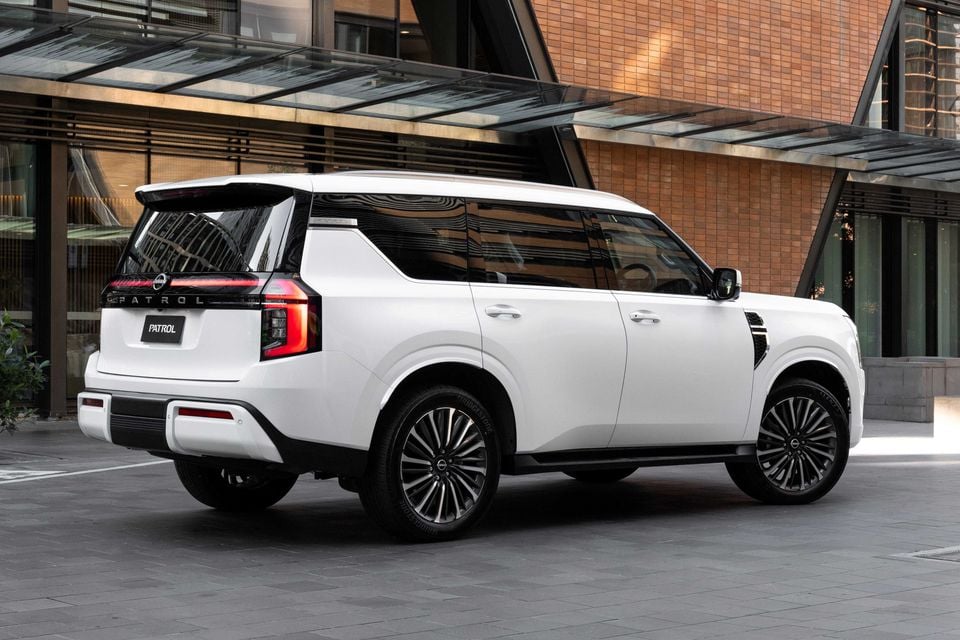
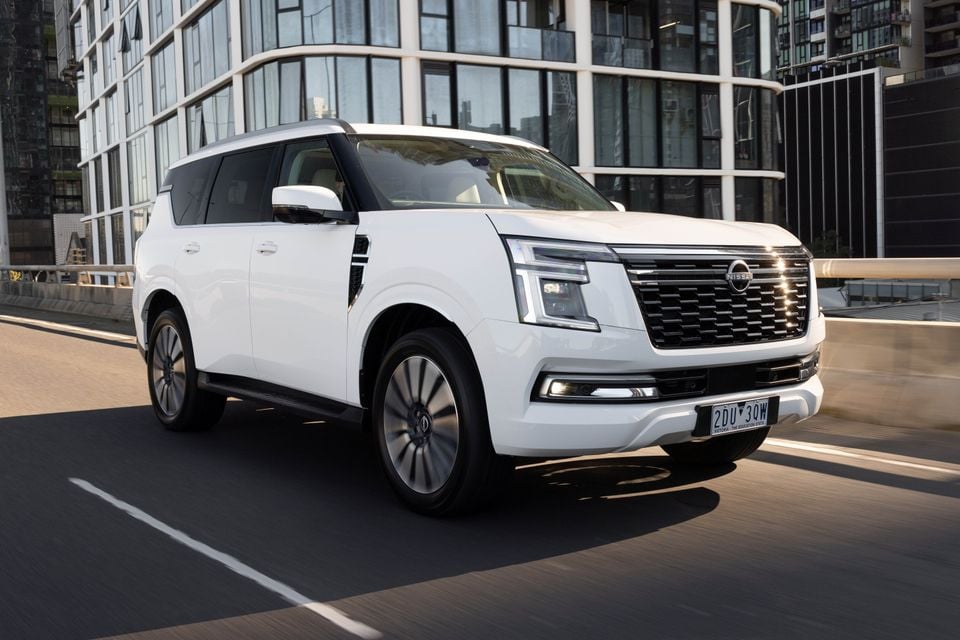
Nissan Y63 Patrol
But then you get into a modern twin-turbo V6, which actually has more horsepower, more torque and better fuel economy in a modern package. And so I found in other markets you actually do retain a lot of your traditional customers, but it becomes quite the conquest vehicle because now you're speaking to a wider audience, you're speaking to even the luxury space.
And so I've seen from the Canadian and US experience that have some very positive migration within the brand, but also a conquest ability from other brands.
Now, in terms of your question on electrification, we're launching this one as a V6 twin-turbo. Don't have a plan to share with you today in terms of electrification plans for the Patrol nameplate. But you can imagine the portfolio will have electrified products in the future, some in the larger utility segments as well.
So we have the New Vehicle Efficiency Standard that was introduced not too long ago in Australia. Has that had any effect on pricing or supply for the new Patrol?
Steve Milette: No impact on pricing nor supply. I think the fact that we're launching today versus other markets before, obviously the right-hand drive configuration is the key reason why.
But I would say, as an OEM, we don't price NVES into the vehicles, but we do balance the portfolio and plan to further balance the portfolio in the future to make sure we meet the overall standard.
Does Australia's love of utes and large SUVs make our market more desirable for Nissan globally, given those are potentially more profitable vehicles? Or is this a challenge, given those vehicles typically attract NVES liabilities?
Steve Milette: I think it's a great opportunity. Like I said, coming from outside this market, I'm not going to say the word ‘shocked’, but you quickly realise how different this market is, that there is a love of utility, there is a love of larger SUVs and really not just like pretend capability, but real capability because we are using it off-road and we are pulling caravans in this market for very long distances.
So I say, from that perspective, it's a market that Nissan wants to participate in today and into the future. So, to answer your question, it's a prime market for Nissan to develop and continue to participate in these segments.
So when the first round of NVES results was released, Nissan had accumulated a provisional liability which was calculated around $10.8 million in penalties, and that was in the first six months of the scheme.
How do you plan to eliminate that liability moving forward? Is that changing the model mix? Is it buying credits from other brands, increasing prices, or is it just going to be reliant on, as you mentioned before, bringing in more vehicles to balance the portfolio?
Steve Milette: So your number is obviously correct. It's a public number. I'm not concerned about the future from an NVES perspective. As a company, we are dealing with it and we'll continue to deal with it well into the future. And it's a mixture of what you said, except for the pricing part. As a company, we are, for example, shifting our mix to more NVES-friendly vehicles.
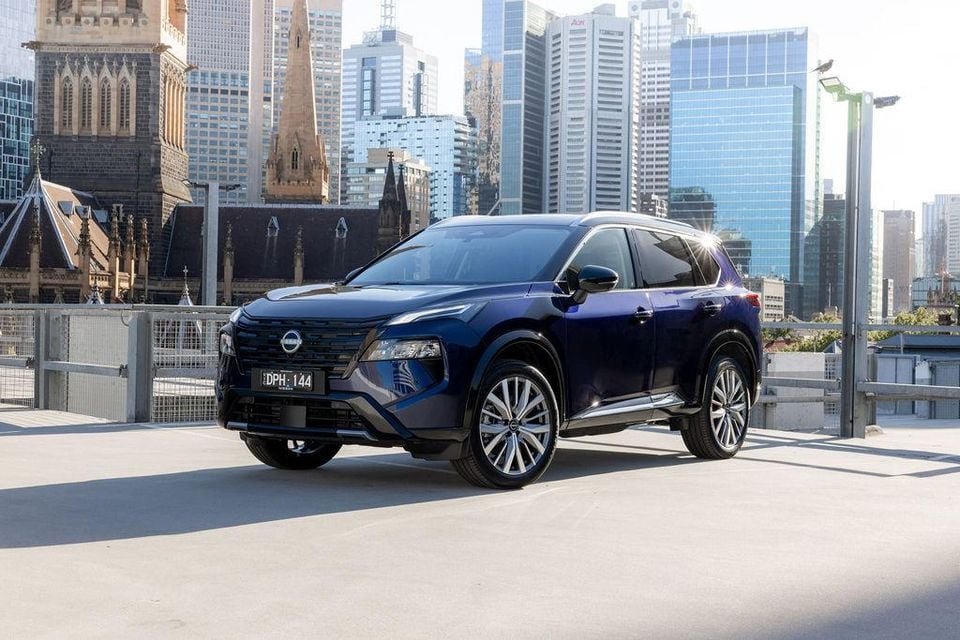
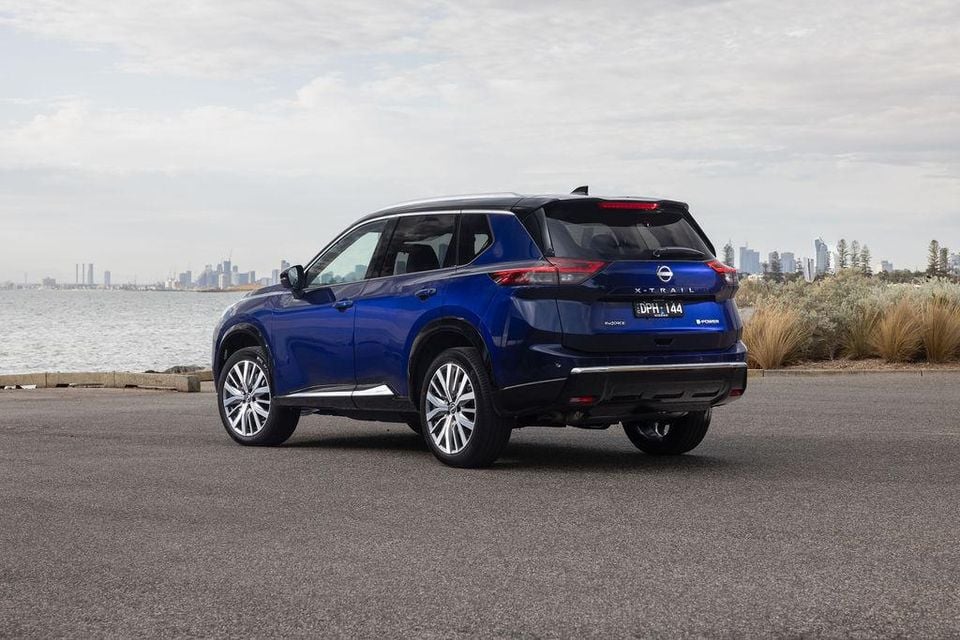
Nissan X-Trail
So an example is we're launching the two-wheel drive e-Power X-Trail. It’s the biggest segment in Australia, and it’s certainly our highest-volume model in Australia. We have the e-Power hybrid at the four-wheel drive iteration only. So now we're going down in the price range, if you will. And so I think you'll see us shift more towards this hybrid, today and into the future. So this product will be starting in September in our dealer showrooms.
The Qashqai is only available with the e-Power hybrid as an example. And so with the future product iterations, I think you'll see NVES-friendly vehicles being introduced that help us offset the Patrols that we do want to sell in this market. And including future battery-electric vehicles and so on.
But we also realise that there's a trading market. And so, in the short term, in the near term, we need to look at all these options to balance our needs.
Do you think that purchasing credits from other companies is just sort of a temporary bridge? Or do you think that's just going to become the normal cost of doing business in Australia?
Steve Milette: Hopefully, in the future, we rely much less on trading and can be self-sustaining. But I know those same results that you looked at, this is a net credit generating market for the most part. And so with the number of EVs coming in, you can only assume there will be a lot of credits available to be traded by some companies. So it remains an option for us, but we certainly want to be as self-sufficient as we can be today and well into the future.
Brands like Tesla and BYD will accumulate plenty of credits in the scheme. They're also selling vehicles that directly compete with your vehicles. So is there any unease about doing that?
Steve Milette: We have trading partners or business partners. I think, as a company, you have a choice to make, right? If you can't self-sustain – I mean, to zero credit – then you have to be open to purchasing from what's available in the marketplace. And they may or may not be those OEMs that you mentioned.
Nissan Qashqai
So to me, I want to have as sustainable a business in the long term as I can have. And I want to offer to the marketplace the products that they want. And for as long as they will want diesel utilities, diesel SUVs – if that's the thing – if they want to buy Patrols, then that means I need to offset with my portfolio or with trading credits from the competition. I need to be open to it.
Do you expect Nissan to remain in an NVES deficit for the full year 2026, following the release of those earlier results?
Steve Coughlan: We'd have to get the guys to run the numbers to be 100 per cent clear, but with V8s in market at the moment, with diesel Navara, I think it would have to be [a deficit].
Steve Milette: Honestly, we have a very good understanding of where we're going to be all the way through 2030. And so, coming off calendar year ‘25, moving into calendar year ‘26 with roughly the same portfolio, then you can only assume that, as a company, we will have that deficit.
So my objective is: how do we move out of that in our mid-term plan and in our long-term plans? So in the short term, it's looking like whoever was in deficit last year will likely be in deficit this year, unless they had major shifts in what they sell, which I don't think is the case for anybody at this point in time.
You mentioned that there are different things you could look at to help reduce that liability. Would Nissan ever, say, deliberately throttle volumes of Patrol and Navara coming into the country, if your emissions liability has become too great?
Or is that something you wouldn't consider and you'd try and find other ways to minimise the liability?
Steve Milette: My objective would be to find other ways. If there's a number, if there's a market for a certain number of Patrols, then I want to be able to meet that number of Patrols. Then it's up to me to find the tools to offset it.
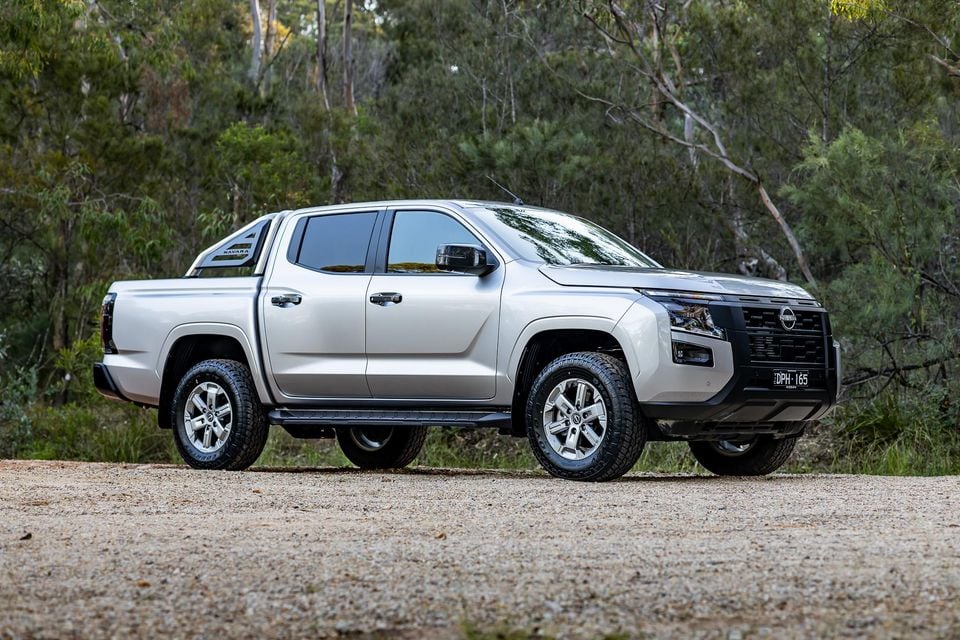
Nissan Navara
I need my dealers to have a profitable and sustainable business. I need to have a profitable and sustainable business. In this market, NVES is cost of doing business.
I often get this question like, “You can't, right? Like, are you going to pass on the price to consumers?” You can't do that. We can't do that, because you're competing with others that may or may not have the same conditions you have. And so, for me, it's about: how do I find the right tools, the right models, the right mix to make sure that we minimise or eliminate these NVES structures? I want to meet the needs of the market.
We've had some car companies tell us in the past that the NVES has definitely helped sort of rattle the cage of head office to allocate more supply of vehicles to our market, such as EVs and plug-in hybrids – Volkswagen being an example there.
How much has the NVES shaped Nissan's product strategy in Australia?
Steve Milette: It's a well-understood condition of doing business in Australia. For me, what's important is that, at the product-planning level, at the advanced-planning level, it is a well-understood condition of doing business here.
Everybody wants us to succeed, from all those channels all the way to here. Everyone wants to succeed in Australia. It's one of the most important right-hand drive markets in the world. And so it has to be a very successful and prominent part of your volume if you're going to continue to have right-hand drive iterations of your product, which we plan to do.
Nissan X-Trail
So again, we need to understand the market. There are rules to play in the market. We're going to play by local rules and make sure that we develop the right products and bring in the right mix.
And even if it's not easy, right, you need more of these hybrid e-Power vehicles. We need the two-wheel drive iterations. And also we need to be able to shift the mix, right? Like, we were, I would say, heavier on the Patrol side.
Obviously, with what happened in the March-April timeframe, the demand has shifted. But there's still demand for petrol X-Trails, because it affords you the lower price point. So there's still demand for the two in our portfolio, but we are shifting more to the hybrid e-Power.
Now, with this two-wheel drive, wider portfolio, we're reaching a wider part of the segment. I think there are self-help tools that we can do locally and have the support all the way to our global partners to make sure that we meet the needs of the market and respect the conditions of the market.
So we shouldn't expect to see the X-Trail follow the Qashqai in going e-Power-only in Australia?
Steve Milette: At this point, no. Our mix has shifted both ways. Like I said, there's still a need for the lower price point vehicle. Now, ask me a year from now or two years from now, it's very likely it would shift even more so in favour of e-Power.
So you talk about the need for a lower price-point model, but the Juke has just been axed and the Qashqai has gone e-Power-only, so that's pushed up the base price a bit there, even with the addition of the ST-L e-Power.
Does Nissan have any plans to slot in something underneath the Qashqai and X-Trail to appeal to more value-conscious buyers?
Steve Milette: We're always looking for opportunities in this market, always. And so, to your point about Juke, it wasn't huge volumes for us. For all kinds of business-case reasons, we elected to not continue and pursue with it.
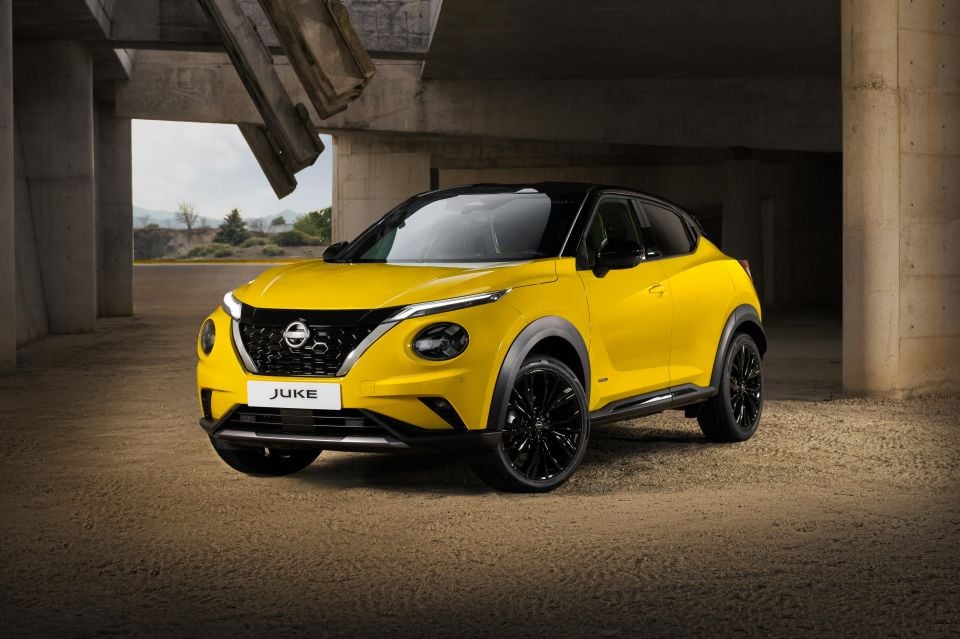
Nissan Juke
I mean, these are European-produced vehicles exported to Australia. Foreign exchange sometimes works in your favour, sometimes it doesn't. And so we made the decision to go Qashqai e-Power-only so that the business case would work. Now, realise by doing that, you're shrinking the available segment. You're not playing at the lower end of a smaller SUV; you're playing at the higher end.
And if you've ever driven a Qashqai e-Power, it feels like a luxury vehicle. When you sit inside, you actually think you're sitting inside a luxury vehicle. That's my personal car, by the way, that's what I drive. I could drive anything in our portfolio, and I chose a Qashqai e-Power because of, it is true, it goes 1300km on a fuel tank. It is true that it really feels, it drives like an EV because of the e-Power system. To me, it feels like a luxury vehicle when I'm sitting on the inside, even from exterior looks.
And so we have capabilities to do more with what we have. Is there a way to bring in something that's at the lower price point? I mean, we're always looking at those opportunities. So there's nothing new to announce today, but we realise that there is benefit to having a wider spectrum in terms of price points.
But what I would say for us, though, if you identify our core strengths – I mean, we're celebrating 60 years in Australia this year – so there'll be some time in mid-October.
Nissan Y63 Patrol
We have a very strong Patrol heritage, a very strong, capable 4x4 heritage. We need to continue. We have a very strong utility heritage with the Navara nameplate, and so we need to make sure we play in those important segments. X-Trail is 25 years in the market this year. And so you see, there's a lot of new entrants and they're either one month or three years in the market. They don't have the heritage that we do.
And so those are the core of who we are in this country. None of those are at the entry price points. We need to make sure that we remain strong in our challenger mindset. Like, we are a Japanese challenger brand, if you will, although we're established for 60 years.
And we need to remain strong at the core of who we are and then expand the portfolio to reach the broader price range and meet the NVES standards across the board.
Nissan has a pretty strong heritage of offering affordable, value-for-money models going back to the Pulsar Plus at $19,990 drive-away.
We understand the Kicks small SUV previously wasn't available to Nissan Australia but has now been introduced in Japan. Could it become available to our market now?
Steve Milette: It's always an option that we're looking at.
Circling back to the NVES for a moment, is Nissan Australia's stance that there should be changes made to the NVES? Or do you think the current trajectory for the changing emissions limits is fine?
And should the government introduce further incentives to stimulate demand for fuel-efficient vehicles?
Steve Milette: I'd say as a company, my objective is to always align and meet the policies that are in place. I'm not going to critique them or wish they were something different or more aligned to a certain spec that suits my needs for today.
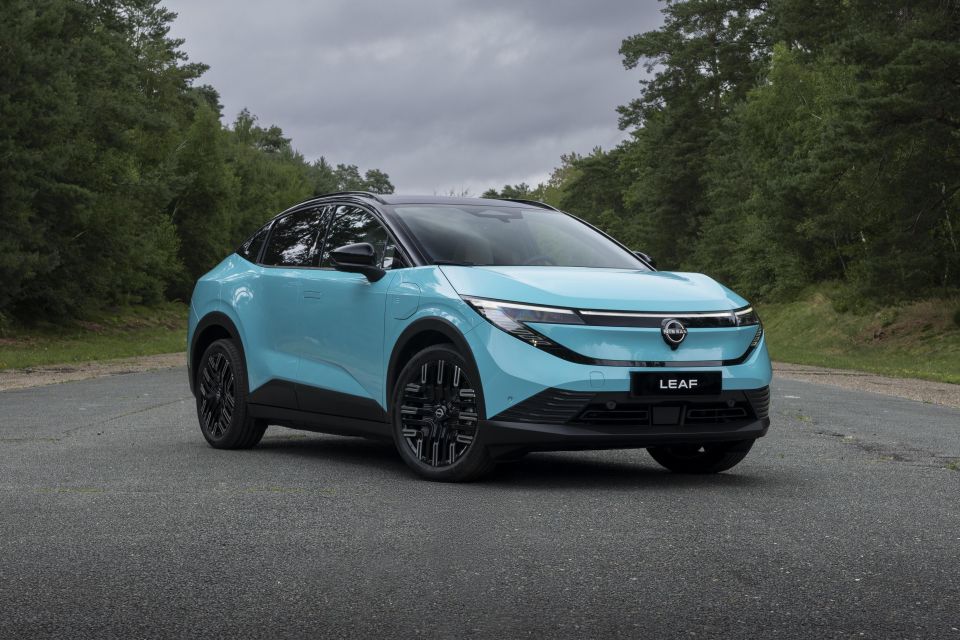
Nissan Leaf
It's my objective to make sure that, no matter what the regulations are – if they're like they are today or if they're enhanced or softened – I will be there for my customers in Australia, and I will meet the needs of the market.
Nissan recently postponed the new Leaf indefinitely for our market after having previously confirmed it for local release. Nissan Australia also ruled out the electric Juke.
But since then we've seen EV demand increase amid high fuel prices. Is that a decision that could be reversed?
Steve Milette: It was announced as postponed. Honestly, we continue to look at the business case. It was a business-case decision. But having said that, like I said, we are putting our efforts across the spectrum of what Australians are actually shopping for and what they're wanting. And so, like I said, e-Power in the X-Trail model, e-Power in the Qashqai model, bringing vehicles that are fuel-efficient beyond just EVs.
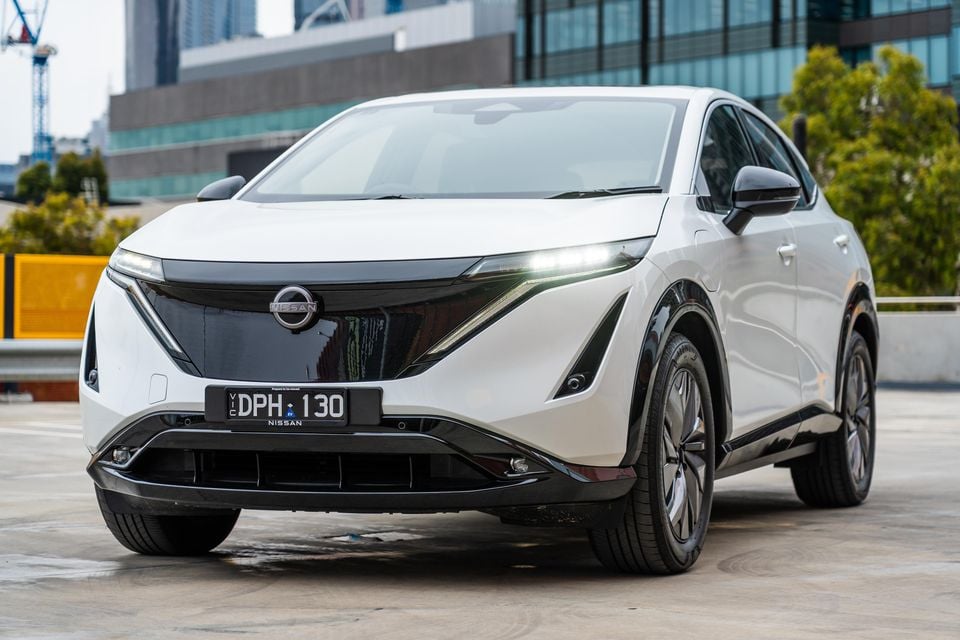
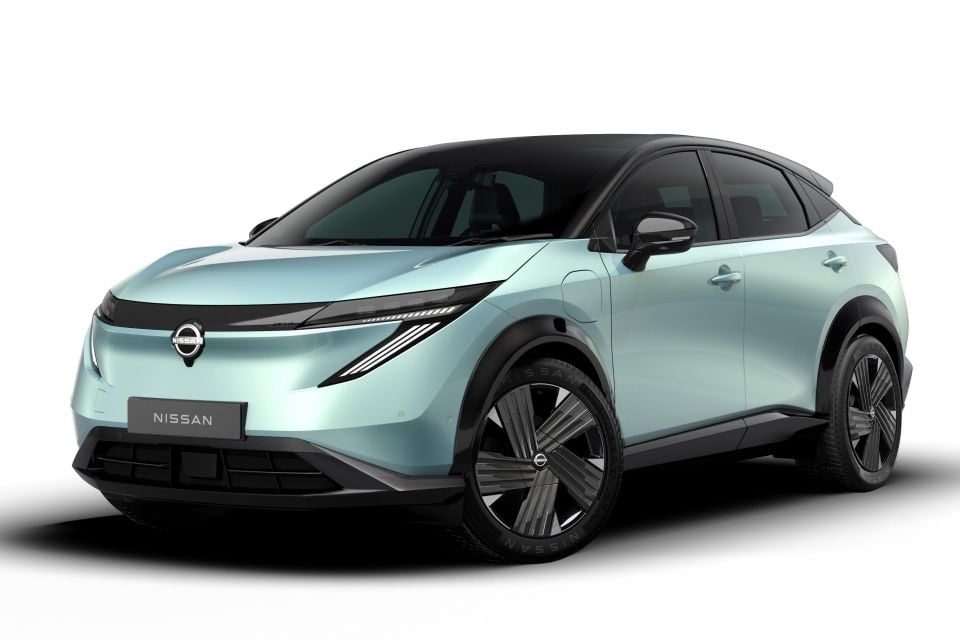
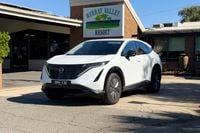
I think EVs do suit a need. Obviously, they've been performing really well. They have FBT benefits on certain programs. For us, we have the Ariya to play in that category. But for now, we continue to put our resources on what we think our customer wants, which is ensuring we have a wide spectrum of hybrid vehicles that are usable from a day-to-day perspective.
Nissan Ariya
No matter where you are or how far you travel, I think the hybrid e-Power system is the one that we need to shift more mix to. And should the conditions change on Leaf or any other products, then my hand's all the way up.
Given Ariya has recorded 147 deliveries in the first half of 2026, is that relatively low-volume EV and your existing hybrid models enough to meaningfully offset models such as the Patrol and Navara under the NVES?
Steve Milette: I would say, again, the same reasoning as before: same portfolio as last year, essentially, plus or minus the shift on hybrid. And so if you're asking calendar year ‘26, probably not enough at the current volume.
We are always looking at what tools do you have to offset NVES, these charges, trading is part of it, [but] continued change of your mix into the future is really what we're looking for.
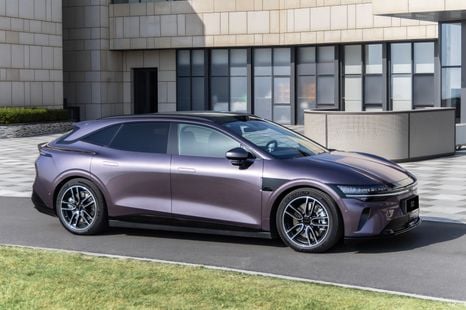
Nissan Australia has spoken recently about potentially bringing products here from China. Which Chinese-developed models have now reached the formal business-case stage for our market?
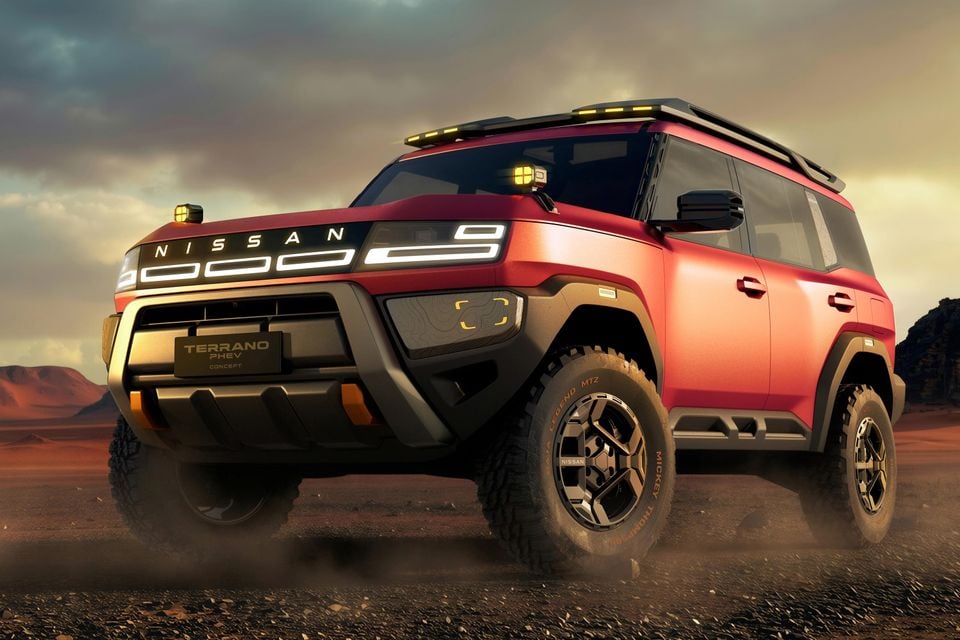
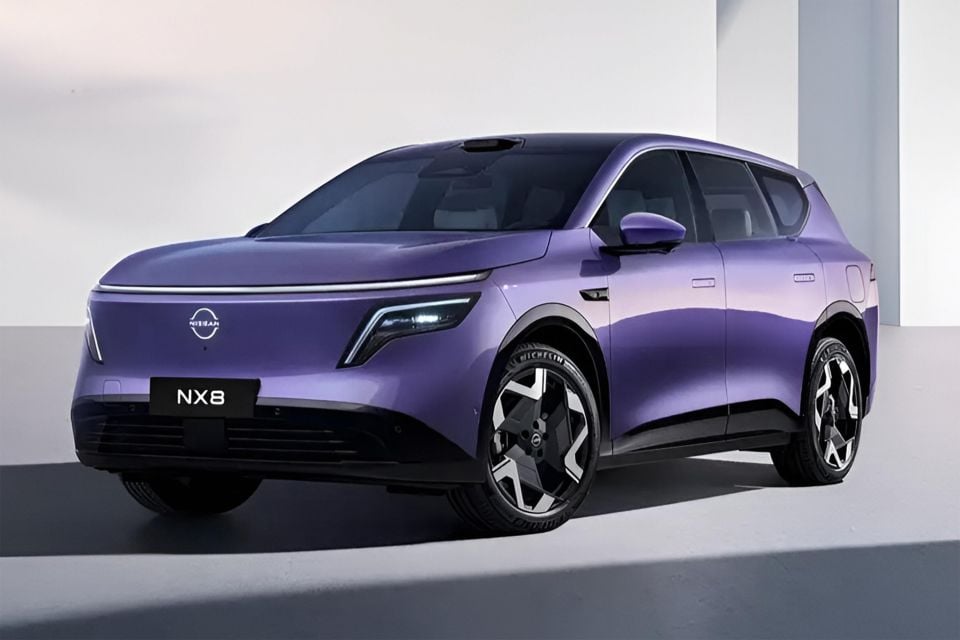
Obviously, there's a lot of interest in Frontier Pro, but there is also the Terrano, which was previewed in concept form at Beijing. You've got NX8, you've got N7. Can you give us an update on the chances of any of those models for our market?
Steve Milette: Obviously, we're interested in all those vehicle lines that you just mentioned. I think there was a picture that showed at the China Auto Nissan display those models that you mentioned. I mean, we have our hand up. Obviously, they would perform extremely well.
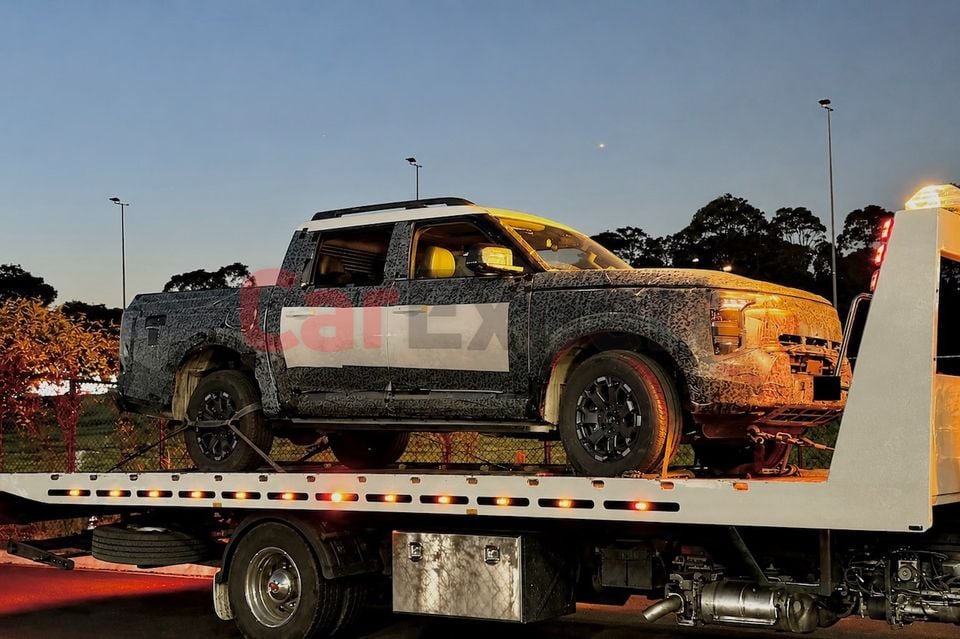
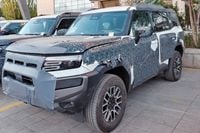
Nissan Frontier Pro PHEV captured by CarExpert
I think your company took some very good photography here in the neighbourhood of one of them. We have a couple of vehicles that are camouflaged that I think were properly identified.
The reason why they are here is to make sure we continue the robust evaluations of these vehicles and make sure they meet the needs of our customers. I don't think we'd be doing that if we didn't have any positive intent of bringing them in one day. Just nothing new to announce today formally.
What are the biggest obstacles in getting those Dongfeng Nissan vehicles into this country?
Steve Milette: I wouldn't call them obstacles. I think they're just proper steps in the business-case development of any product evaluation. And so, yes, right-hand drive markets, or right-hand drive development from a left-hand drive, all those investments need to be identified, developed, put back into a business case. I mean, that is like product planning 101.
I wouldn't say there's an obstacle. The company wants to do the right thing for Australia. We're just going through the proper product-planning, business-case evaluations for all those models.
Steve Coughlan: I think also, just to add, the conditions here of use are very different to perhaps where you've seen some of those models announced already. So those models have already been announced for export to selected countries and regions.
Nissan Terrano PHEV concept
Australia has such rigorous, rugged terrain that when you bring something, particularly if it sits in the utility segment, you really need to account for that, to make sure that you've got that tested and ironed out, and that it's the right spec for towing and for all of those kind of things as well.
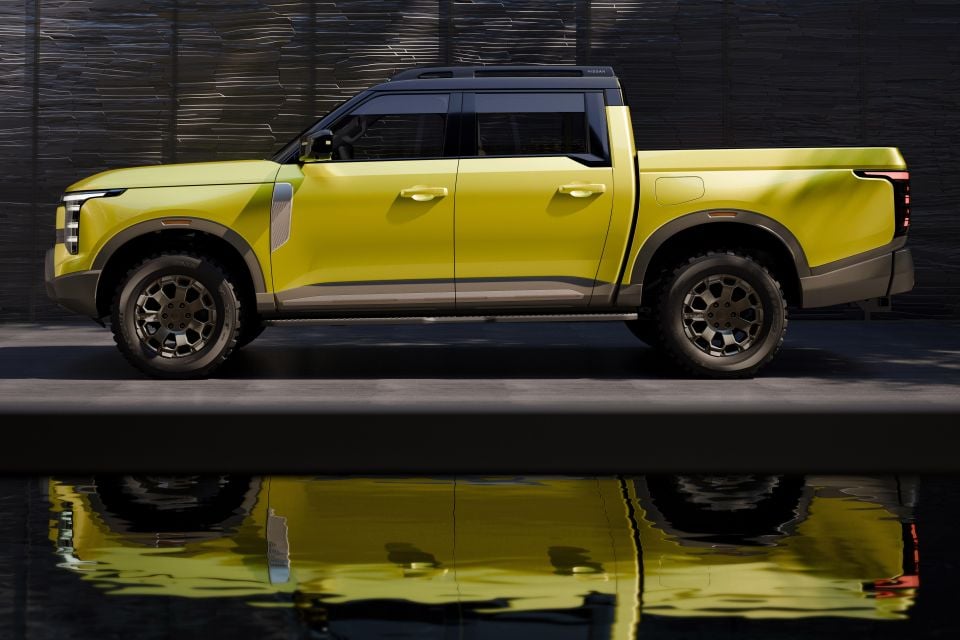
You already have a rugged, capable ute here. So could the Frontier Pro be positioned as a more tech-focused lifestyle ute alongside the Navara? Is that the kind of strategy you could employ?
Steve Milette: It could. Or, a product that has wider acceptance across that range could do well. So anyway, we have some vehicles roaming around in our country. They're doing all the robust testing that Steve has mentioned. They are pulling heavy trailers. They're going up steep grades. They are going off-road. They are wanting to make sure they meet the extreme needs of this market.
It doesn't mean because it's launched in one iteration, one configuration somewhere, that it wouldn't necessarily be the same here. So that's the kind of stuff that we're going through.
So you're suggesting there are models that could come here from, for example, China with Australian-specific suspension tuning and such?
Steve Coughlan: Could even be much more than that. That's the best we could probably give you at this time.
Would Premcar be involved in this? Given the scope of its work with Nissan has expanded from rugged Warrior variants to developing the suspension tune for the core Navara range, what's the future of your partnership with Premcar?
Steve Milette: They have a longstanding relationship with us. They’re a trusted partner. I'd say they're in here every week, and we're in there every week. There’s a very symbiotic nature to the relationship.
Nissan Frontier Pro
Again, there's nothing new to announce in terms of their role to play in any of these future products. But I think, first and foremost, as a Nissan entity, we need to make sure that our products meet the needs of the market. And then, how we've leveraged the Premcar relationship in the past was 'how do we make it that and then more?'. I think there's room for both, but we need to make sure that on the Nissan side we get our product right.
Chinese brands typically develop and update their models faster than traditional Japanese manufacturers. Via the Dongfeng partnership, can Nissan adopt that same speed without compromising its reputation for durability, reliability and quality?
Steve Milette: Absolutely. [The Frontier Pro] is a Nissan design. It is a joint-venture partnership, but it's very much a Nissan design. And so, yes, to answer your question, we think we can have the best of all worlds when you deal with this joint venture. The Nissan quality and standards don't change just because it's manufactured somewhere else.
Steve Coughlan: Same way with Qashqai being manufactured in the UK or the Navara being built in Thailand in partnership with Mitsubishi, for instance. Certain standards are absolutely mandatory.
Is sourcing vehicles from China essential to Nissan Australia's growth moving forward, or do you see this simply as an opportunity to fill gaps in the local lineup?
Steve Milette: I think it's a balanced approach we need to continue. There are models that will make sense that will be potentially still European, there are models that will certainly make sense and they will be Japanese-based, and there are models that will make sense from China. So I think it's going to be a balanced approach.
The Pathfinder has also been discontinued. Do you see the need for a model to slot in between X-Trail and Patrol with a third row of seating, or is that not a key market for your company?
Steve Milette: No, I wouldn't say that. I think globally we have several iterations of a five- or seven-passenger E-segment SUV.
Nissan Pathfinder
And so, that need is real in Australia. I think Pathfinder did quite well, it has a strong reputation. Obviously, Pathfinder is doing very well in its domestic market in the US. I think, as a business case from a US foreign-exchange to Australian-dollar perspective, I don't know that was very sustainable, especially when your home market can take all the production.
It's very successful in the USA right now. But to answer your question, it is something that we have our hand up for, to fit that need that you described, because it is an important segment here.
Pathfinder was sourced from the US and Nissan is launching a whole new range of new body-on-frame models there that seem suitable for Australian tastes, including the Xterra. Is the door still open to bring in vehicles from the US?
Steve Milette: To say the door is closed on a forever basis, I would not say that. To say it's something we're actively pursuing, based on current foreign-exchange scenarios, I'd say it's not something we're pursuing in the short term. So yeah, Xterra, all these things. There are some very nice images that came out, but it's not something that we're actively pursuing for this market. But we are pursuing some other options.
Sourcing a capable off-road SUV from China with an electrified powertrain would seem to be more preferable than sourcing one with a V6 powertrain.
Steve Milette: Hey, your words!
Nissan's Australian sales are down in the first half of this year. How much can that be attributed to model changeovers, and when can we expect the brand to return to growth here?
Steve Milette: That's a great question. So yes, it is down. I think there's all kinds of reasons why. So some of it is product portfolio age. Some of it is changeover of models. Some of it is, it feels like it was the perfect storm for maybe EVs as of March and April.
But having said that, I would say that my mandate coming here is to grow the business. And so that's what I'm here for: to make sure we have the right mid-term plan. We have, first of all, engaged employees, very disciplined internal processes. I mean, not just me – it's a big family.
We have a captive finance company that is a competitive advantage for us. We have the casting plant that is here. So when you add all those people up, there's 600 of us that are paid by the company, on top of all the indirects.
And so how do you get all these people engaged, marching towards the common vision? And then how do you bring your dealers on board? And to make sure that they're engaged and that they're successful and that they see the future?
And I think as we introduce products, as they understand the vision of where we're going, I think 2026 will have been our low point and we will be going back into growth mode.
You mentioned the casting plant in Victoria. What is the long-term future of that facility, given Nissan has been making moves globally to consolidate its various operations?
Steve Milette: So in spite of all these consolidations, this is one that remains. Like, all the decisions of consolidations of certain plants or elimination, they're done.
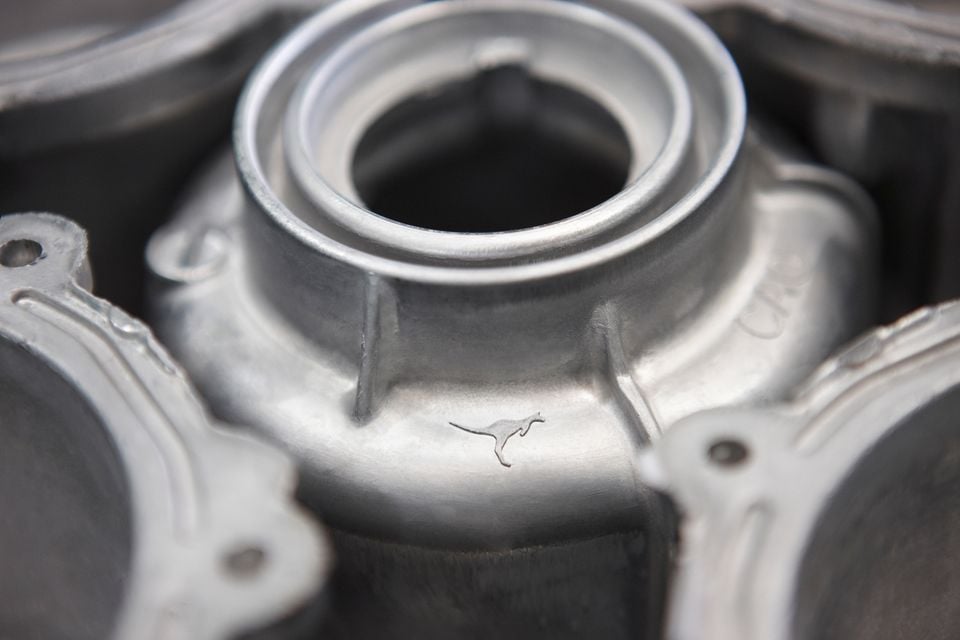
And so I think from a casting plant perspective – and this is something I was talking to dealers in Sydney this week about, and they had not realised this – but every e-Power-equipped vehicle in the world has a kangaroo stamp on it. Every single one of them. And so it plays an important role. Every Patrol everywhere in the world, its diff housing has a kangaroo stamp on it.
And so I don't know that Australian consumers or the general public actually realise that in Nissan's successful hybrid system, some of the key components are actually made right here locally.
And that's something that we need to make sure our dealers understand, their staff understands, consumers understand. But it's the only auto-manufacturing plant of any kind here in Australia.
So has the plant secured work for Nissan's next generation of electrified vehicles?
Steve Coughlan: Yes.
What sales volume or market share would represent success for Nissan Australia by the end of next year?
Steve Milette: You know, it's not something that I think I want to share at this point in time, and here's why. We're currently working on our mid-term plan internally. I owe it to my dealers to walk them through the vision, if you will, before I'm comfortable to go public with what the vision is.
But all I can say is in that scenario, 2026 is the low point, and it then increases from there on in, based on, as far as we know it, future product introductions into the market, continued shift into hybrids and other forms. And we think Nissan can be a very strong brand in this market.
I often hear the term ‘legacy’ as if it's a bad thing. But to me, it's about heritage. We have heritage in this market. We have a huge number of units in operation. Our dealers are very successful on the fixed operations side of the business.
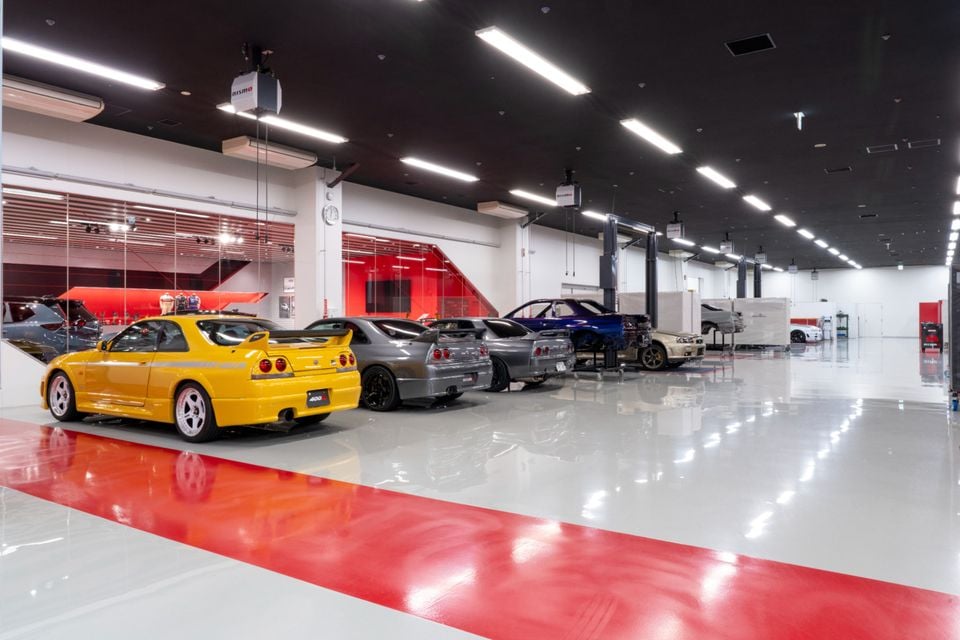
We're introducing the Nismo Performance Centre. The first actual physical location will be by the end of this year, and it will be Ferntree Gully. It'll be the first of a few across the country, but we wouldn't be doing all these things if it wasn't for growing the brand and making sure we grow our presence in the marketplace.
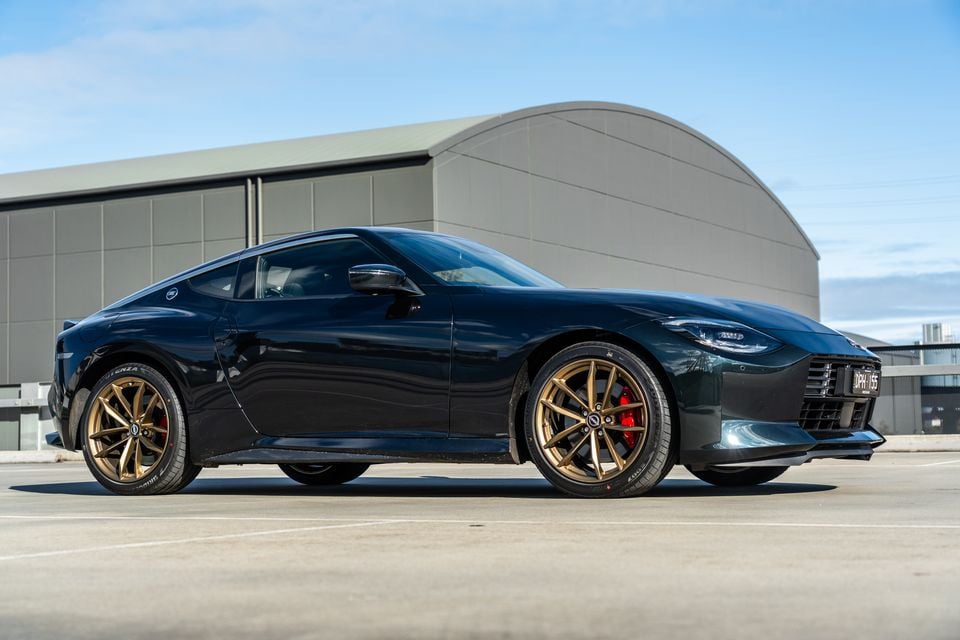
I'm always amazed when I go out to enthusiast events. I go to a GT-R festival, or you meet people who drive Zs, or Steve's out there filming the new Patrol to make his great video that's out there. People actually stop and go see the Patrols because they have one – in fact, they have 10. There is a passion for our vehicles. The heritage has created this enthusiast crowd, and we need to start tapping into that at a much higher level. And it is a significant competitive advantage that we have.
Nissan Z
And so instead of saying 'Hey, you're a legacy brand, and look what's happening' to me, we're actually putting a challenger mindset. The conditions of the game have changed. It's wide-open borders, so anybody who has an idea can come in here and establish themselves.
Whether they're here in five years or 10, I have no idea. But I'm going to be here as a very successful [brand]. I'm not going to aim to quadruple, quintuple my market share, because that's not realistic. But I can find a very happy sweet spot that makes sense for my dealers and for the factory, and we can look after our customers in the core segments.
Do you anticipate the size of Nissan's retail network in Australia will stay the same, grow or decrease?
Steve Milette: Not grow. I think for us, I would say there's organic consolidation opportunities. We're not out there proactively trying to close doors. But there are opportunities where there are two adjacent PMAs [primary market areas], as an example, like the owner has two stores and two adjacent markets. And quite often, they're the ones actually actively coming to us saying ‘what if I consolidated the markets?’ To me, that makes a lot of sense. Some markets maybe not, but in some of the metro markets, I think it makes a lot of sense.
Because what's important in the end is, do they have the right throughput to make sure they make the right investments in the facility, in the customer tools, in the loyalty, like just making sure they treat our customers as they should. For that to happen, they need the right throughput.
And so I think organically, we're going to get to maybe a smaller footprint, primarily in some of the key markets. But we're not out there actively trying to make that happen. It's happening organically because it makes sense. It's what needs to happen.
Is there still a desire for Nissan to ensure the brand has a retail presence in all the key regions? There were a few brands that were closing their dealerships in Alice Springs, for example.
Are there any regions that are not necessarily must-have regions for Nissan Australia?
Steve Milette: No, not at all. One of our competitive advantages is the national footprint. And so, in the scenario I described, it remains a national footprint. There are many markets, because of our heritage and how many years we've been in certain markets, a new dealer would not necessarily go there in that market. But for that dealer who started many generations ago, it makes sense. And it provides us with outreach, and it provides us with convenience for customers.
So for me, the future is national representation, coast to coast. No matter where you are, we're there to support customers. But is there an opportunity and we're seeing, like I said, organically, to condense two metro stores in Melbourne, for example, into one business, if the same guy owns left and right? Then the answer to that is yes. From a customer-convenience perspective it remains the same, but coverage from coast to coast.
As part of Nissan's global recovery plan and its ensuing cuts, have there been any impacts on the company in Australia or any product programs for our market?
Steve Milette: What happens at global, happens at global I guess. For us, we've been rightsizing the company. And we always rightsize the company. So if decisions needed to be made in 2017, they were made, and then in 2019 or whatever. So I would say that there were no immediate directives to us in terms of what to do with our business.
I think we control our business, but we do have to adjust to making sure we're aligned with the times that we're in. And that has happened over the last several years. It's not a one-time thing. And so, for us, I would say it's been business as usual, but for the most part there weren't major cuts. There wasn't a plant that was closed, which is a much more significant impact as a corporate citizen. So we just adjust as we go.
In terms of products, certainly there hasn't been any impact of that nature. So we continue. I think at the vision event that was in April, there were a number of products that were shown, global investments. Australia was shown as an important market to the company. And so from a product perspective, if that's the definition of Australia, that it's an important market to the company, then you need to make sure you have the right investments in product.
And like I said, as a right-hand drive market, we're there for the future investments of all those products that you've seen in China. At least our hands are up, whether we get them or not, that remains to be confirmed.
Nissan NX
But those are all, they're the signs of a company in a turnaround, right? For me locally, it's the low end. For them, maybe ‘25 is the low end, because in other parts of the world you're starting to see some very positive momentum. You read positive articles, right? 16 straight months of growth on the retail side of the business.
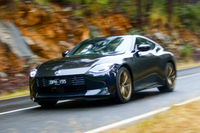
So I would say for me, we're on the cusp of excellence. We're at the lower end of where we're ever going to be. And we have a sequence of hopefully great news that we can share. Certainly the 60th anniversary celebration will be a big one. We’ve officially launched a new Y63. It's a very important model for this market. It's a very important model for the dealers.
How important is it for Nissan to be a top-10 brand in Australia? Or is that title not really ultimately that important to you?
Steve Milette: I think, as an aspiration, it's important. We've been a top-10 [brand] and now we're out of the top 10. I think as a positioning in the mind of ourselves and the dealers, I think there's a big difference between number one and number 10 in other ways. But to say that you're a top-10 brand in a 100-OEM market by 2030, that'd be an interesting statement to me, I think.
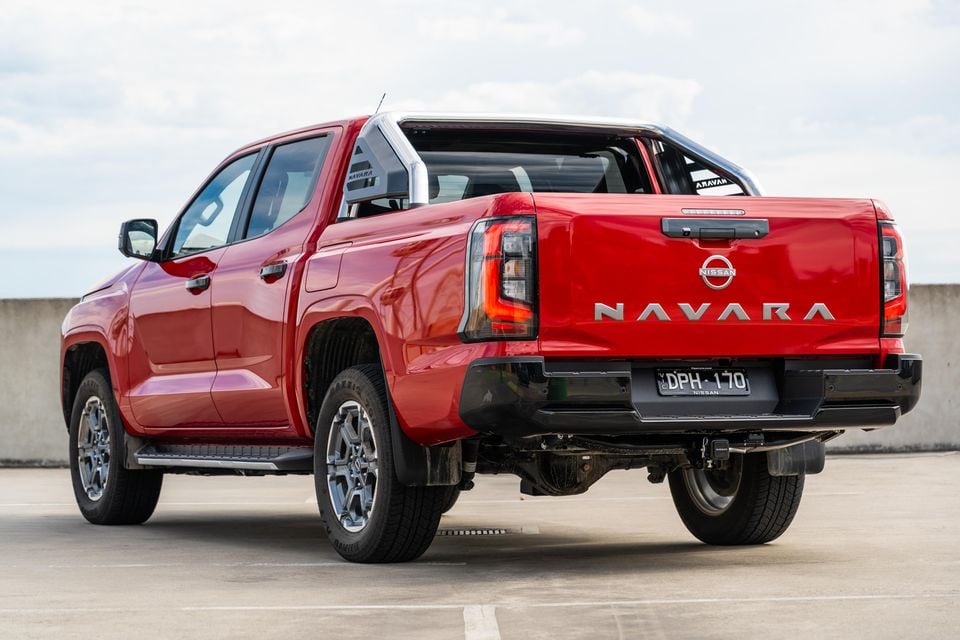
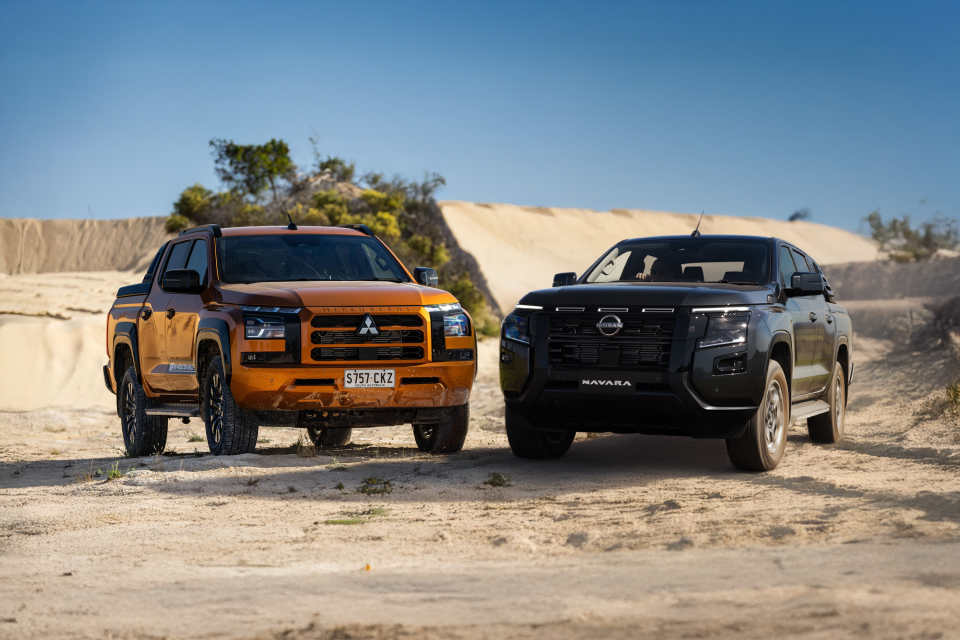
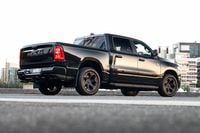
The new Navara was launched not too long ago and it's closely related to the Mitsubishi Triton. Given both Nissan and Mitsubishi are trusted brands with plenty of history in our market, why should a buyer choose a Navara over a Triton?
Steve Milette: I don't really like to go this one versus that one. To me, it's an ultra-competitive segment, right? It's the second-biggest segment in the country. I see all of them as my competitors, not just the Mitsubishi equivalent. But I think for us, the whole Premcar tuning made for Australia, is important to us. The truck does ride differently. We felt it met the needs of our Nissan customers.
Nissan Navara
It hasn't been as successful in the initial phases as we would like. I think we can do better. We can do more. Last week, there was a repricing, from an offer perspective anyways. I would say overnight we've seen demand increase quite substantially. And to be honest with you, we put our resources up front. They were all leveraging our captive finance, in the sense of it was guaranteed future value. It was long-term financing.
And, you know, now we're providing the option to shift to more of a drive-away pricing, which obviously that segment probably enjoys more. But it's an important segment for Nissan today and will continue to be in the future. And I just don't compare this one versus that one. To me, there are plenty of opportunities for both of them to succeed in the marketplace, by the way.
The new Navara lineup is quite a bit smaller than the previous Navara lineup. Is there any interest in expanding the range again to chase the sales volume the nameplate has previously enjoyed?
Steve Milette: I think at the right time, if we had announcements, I think we'd make those announcements. But for now, we're really focused on what we have.
Steve Coughlan: I'll just add context. When we went double-cab, 2.4-litre, twin-turbo, automatic pickup [only], that's 90 per cent of the segment right there. So I think that context is also important.
Given the arrangement between Nissan and Mitsubishi in which Nissan takes the Triton and makes its changes to it, how much scope does Nissan have to alter the Navara independently?
Will the Navara receive all of the updates the Triton receives moving forward?
Steve Coughlan: Two separate programs, I would say.
Mitsubishi Triton and Nissan Navara
Steve Milette: Yeah, I couldn't really answer, because I don't really know the cadence of future enhancements. I know we have, if there are environmental reasons why you need to change certain things or homologation things, we know our part of that. But I couldn't really answer that question. I think we take control of our platform and our product, and we make the changes that we need. I'm sure there are common things if they were related to homologation or certification of any sort.
There’s perhaps one prominent example – the previous Ford Ranger and Mazda BT-50 – where the Ford received more upgrades than the BT-50, and the BT-50 was left behind.
But given Nissan and Mitsubishi are members of the same Alliance, would it still be fair to assume the Navara won't receive the same level of updates as the Triton?
Steve Milette: Yeah, I think it's fair. For me, there's the Alliance partnership; it's produced in the same factory, but then we kind of take control over our product, our iteration. If there are enhancements they're making, I may not actually be aware of it, until it gets to the downstream level. I wouldn't really know. From a product-development perspective, they're two separate entities.
So the new Navara has not gotten off to quite as strong a start as you would have liked. Another model that hasn't had as strong a start as anticipated is the Ariya.
It arrived here several years after launching overseas. Is that why its sales volumes are where they are?
Steve Milette: Yeah, I think the delayed launch had an impact. I physically wasn't here. It's a hyper-competitive segment as well. We don't have a ton of volume either. It's not like we're trying to be a certain, you know, top three in that segment. But sales have improved. I think we're using our captive finance partner quite well.
I'd say we're probably not where the potential is overall, but it started weaker probably than anyone would have projected, based on it being a delayed product in market. But I've driven one for many months. It's a fantastic vehicle. I certainly would put it up to any other product in the market.
Nissan Ariya – facelifted model
Steve Coughlan: I think that's exactly it. I wasn't here either, but it's a hyper-competitive segment. Consumers in that segment, more so than ever, are spoilt for choice, and at price points that perhaps weren't considered when planning and things were done for years prior. So Australia is in a unique position for that model versus other markets where perhaps the competitors aren't as many and varied.
When can we expect to see the updated Ariya here?
Steve Coughlan: Nothing to announce on that one, at least today.
Are there any other products on the horizon that you can provide timings for? What else is coming down the pipeline from Nissan?
Steve Milette: We can't make those announcements today.
If we were to sit down again in, say, three years' time and talk about Nissan Australia, what will be visibly different in terms of its sales position, its product range, and the way it does business?
Steve Milette: It's like you want me to give you my mid-term plan in a bullet [laughter]. No, I think as a company, like I said, we have a strong heritage, and we can do better with leveraging the heritage. That's true today. Certainly it's true three years from now. I think customers, if you believe the third-party data, there's a lot of switching between brands. Loyalty is not what it used to be. There's always a new shiny toy. There's a new OEM per week, it feels.
But I think success for me would be a high level of sales loyalty and a high level of service retention through the Nissan More 10-year warranty, all the programs we have in place. Initial data is very positive on that. So that, to me, is important.
And I think a better alignment, if you will, of – we'll have newer products, but also alignment with meeting the NVES standards. Whether that means fully self-sustained or it means it's a combination of what's available to an OEM, which is trading and product. But I think as a company we'll be in a better place. We'll have, I think, a disciplined approach to our business.
Recently, I nominated a director that looks after sales and aftersales. And it's, to me, about making sure we look at the complete customer journey from start to end, and then it starts and ends again as you renew the product with the same customer. So it's more of a strategic move. And that's going to take time.
But to me, it's about breaking silos and making sure that we act as one team, that we put our challenger mindset, our fighting spirit every day, because we know it's tough out there and there's more OEMs to come.
But I think we have our role to play as a brand, and it's bigger than where we are today. So I think, overall, I need my dealers to be engaged, but I also need my employees to be engaged. And if we get celebrations like we're a great place to work, and people are giving 110 per cent, and my dealers see us as a valued partner, and we have open communications – and at all times they understand where we're going – to me, that's success.