




Elle Baillieu
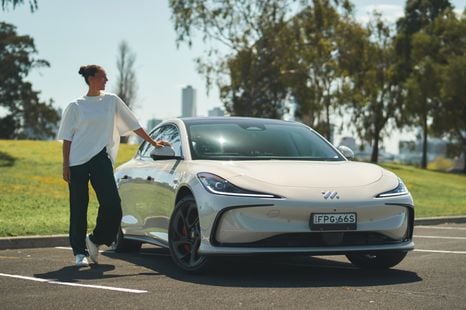
The IM5 offers serious value for money
SPONSORED: Why the IM5 electric sedan from IM Motors is a must-drive if you’re in the market for a Tesla Model 3 or BYD Seal.
1 Hour Ago
A review has found Aussie motorists are waiting up to 18 months for parts and refunds, with dealers left to explain when automakers fail to deliver.

Deputy News Editor
Deputy News Editor
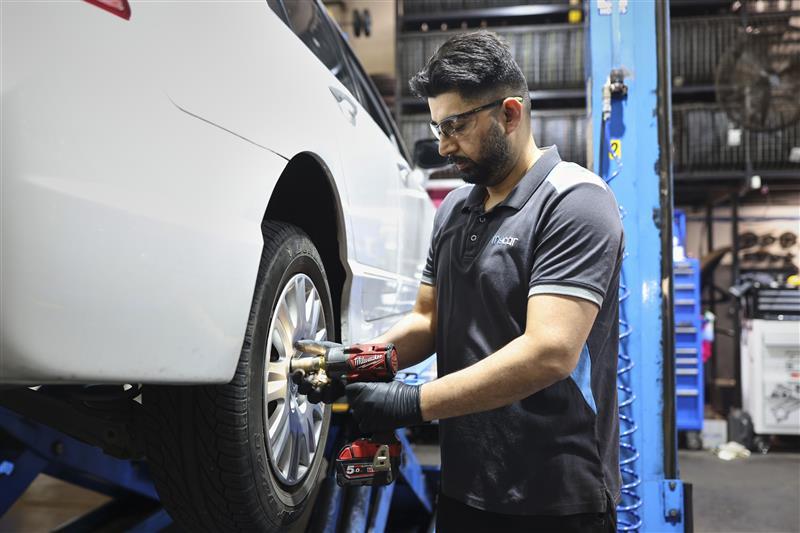
Long delays for replacement parts and refunds involving newer auto brands in Australia have prompted calls for an overhaul of Australian Consumer Law.
The Buchan Review, commissioned by the Australian Automotive Dealer Association (AADA), has found that current regulations are falling short amid lengthy delays for components used in both repairs and scheduled servicing, particularly involving some newer car brands.
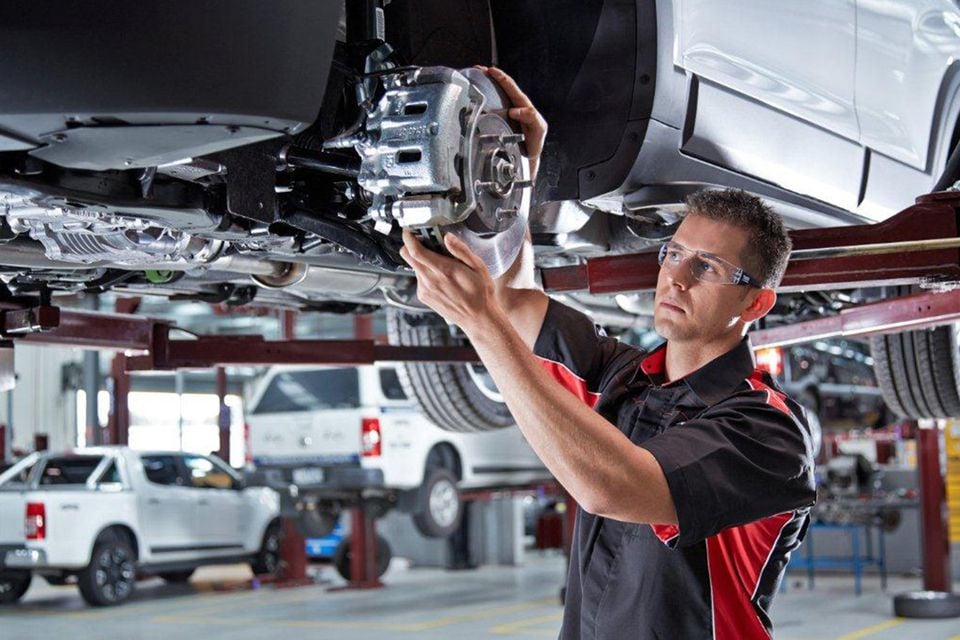
According to the report: "Dealers acknowledged that customers face significant delays in Australia, especially for EVs [electric vehicles], and workshop backlogs that can stretch up to six weeks just for diagnosis.
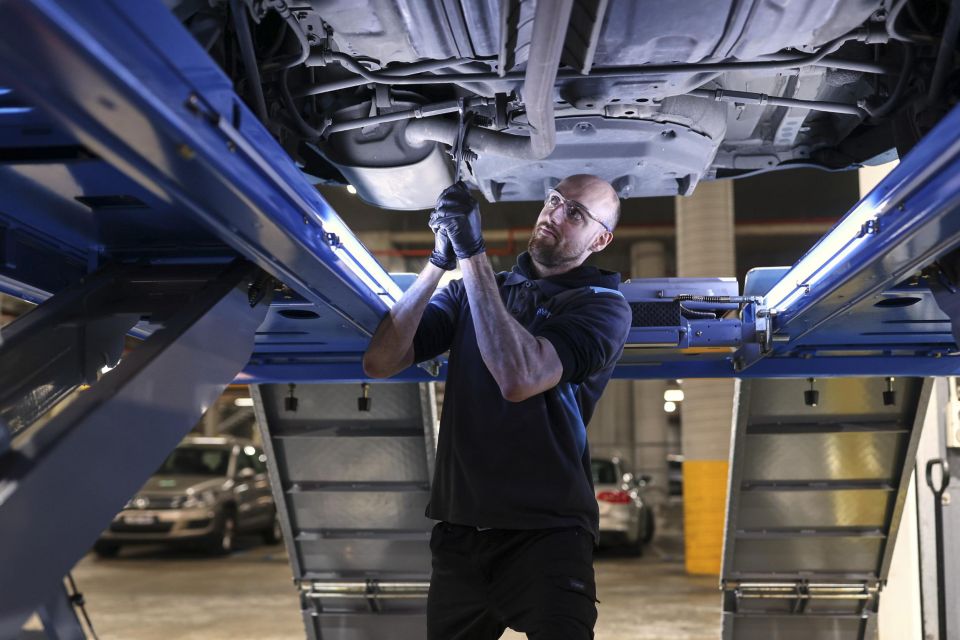
"This is partly attributed to long wait times for parts – especially those that cannot be air-freighted, like batteries. Those long wait times can potentially qualify a vehicle for a buyback."
The report also found consumers can wait up to 18 months to receive payment following a vehicle buyback or refund.
It said the issues have led some Australian dealers to refuse non-warranty work on vehicles they did not originally sell.
In addition, the Buchan Review found the cost of additional customer support, such as loan vehicles, is often not covered by can manufacturers, making it more expensive for dealers to provide such services.
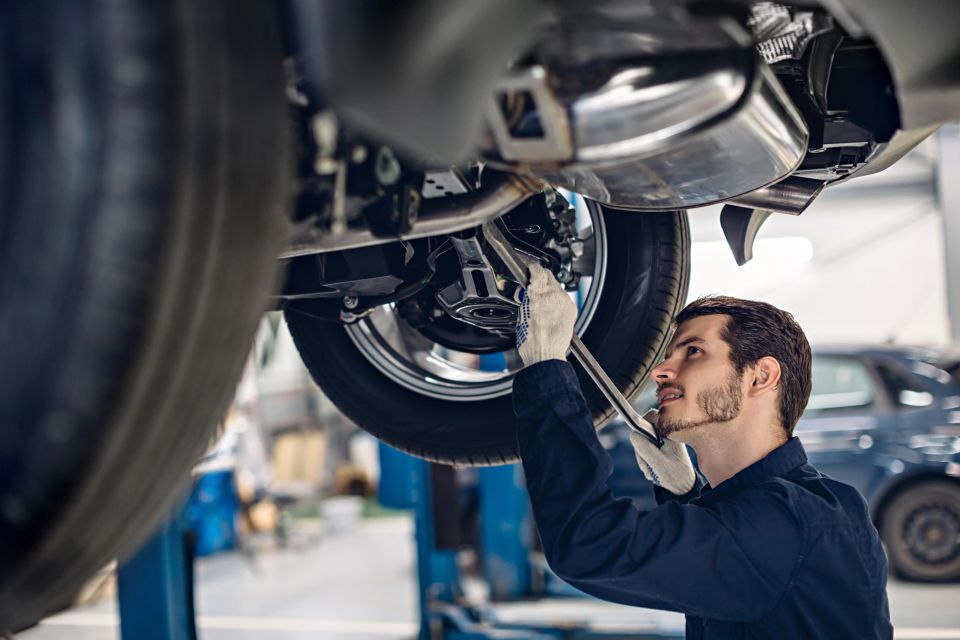
Combined with long delays for replacement parts, the lack of a loan vehicle can leave customers without transport for extended periods.
Under Australian Consumer Law, dealers are legally responsible for rectifying defects despite relying on manufacturers for parts supply, technical support, and approval for warranty claims.
Australia is one of the world's most competitive new-vehicle markets, with more than 70 auto brands competing for annual sales of around 1.2 million vehicles.
That compares with around two million annual sales in the UK, about 4.6 million in Japan, 16.3 million in the US, and more than 23.7 million passenger-car sales in China, the world's largest new-vehicle market.
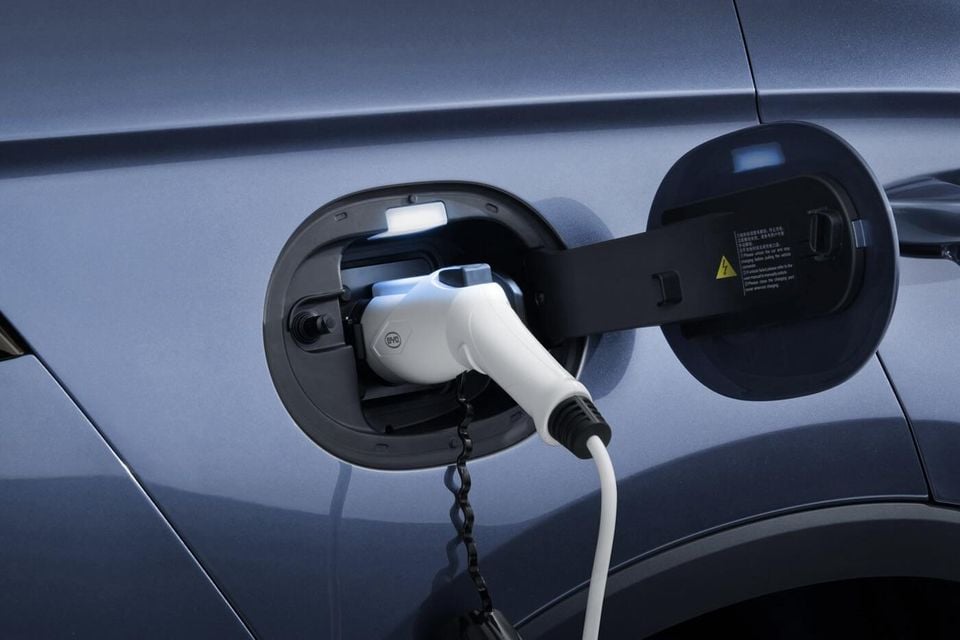
Australia has welcomed a wave of new brands over the past 12 months, including Denza, Geely, IM Motors and GAC, with Forthing also due to launch here soon.
BYD, which sold only 243 fewer vehicles than long-time market leader Toyota in June 2026, established its Australian subsidiary in 2022 and began selling vehicles locally the following year.
The Chinese brand recently promised refunds after an administration error saw 1265 customers purchase BYD vehicles, including the popular Shark 6 dual-cab ute, they believed were built in 2026 but were actually manufactured in 2025.
"The influx of new OEMs [automakers], especially Chinese brands and electric vehicles (EVs), presents challenges related to consumer law compliance, cultural nuances, and technical issues like battery reliability," the report said.
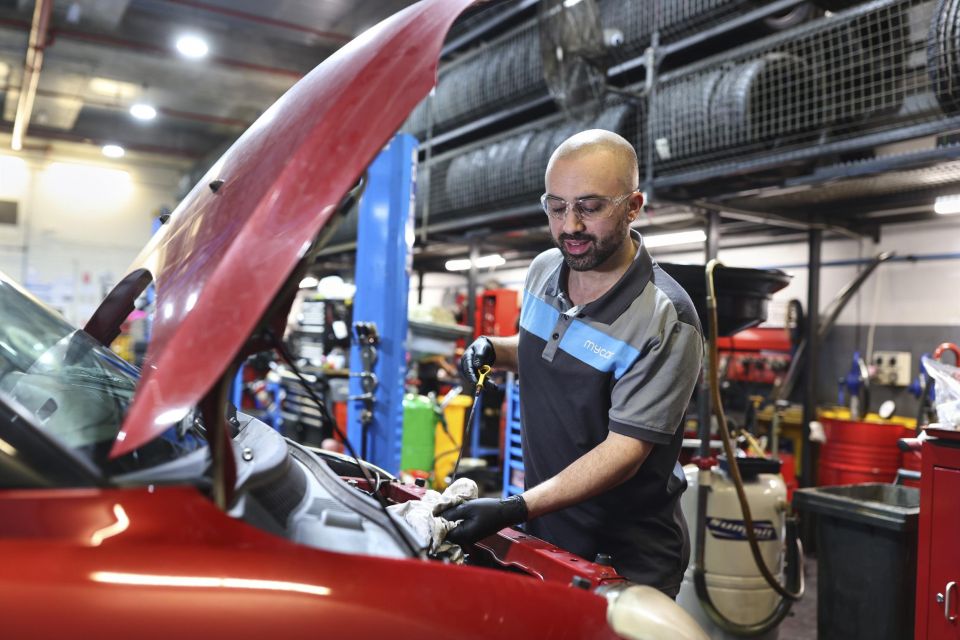
"These issues often only emerge after a few years of vehicle use, creating long-term risk for OEMs."
The findings echo comments made by former Toyota Australia vice president of sales, marketing and franchise operations Sean Hanley when speaking to CarExpert in 2025.
"My belief is that speed to market is actually a bit fraught with danger because people still value quality, durability, reliability," Mr Hanley told CarExpert.
"Now, some are going to say, 'Is he kidding? They're just legacy things', but they're still values [quality, durability, reliability] that our customers want."
Chinese brand Xpeng, which was launched in Australia in 2024, assumed local distribution from independent importer TrueEV on April 1, 2026. The change left some customers waiting for cashback payments offered by the original distributor during a late-2025 promotion.
Xpeng Australia this week confirmed it will honour those outstanding payments for eligible customers, despite the incentives being offered by another distributor it's currently in court proceedings with.
The AADA said those responses contrasted with the experiences some dealers had reported with other manufacturers.
"This review clearly shows that Australia's consumer laws are not delivering the outcomes that consumers and new car dealers deserve," AADA chief executive James Voortman said in a statement.

"The evidence presented in this report indicates that some international manufacturers are either failing to engage with, or are not adequately responding to, Australia's consumer law processes.
"Ambiguous definitions and unclear procedures are creating unnecessary costs for businesses, placing additional pressure on tribunals and, most importantly, leaving motorists without access to their vehicle for extended periods."
MORE: Influx of brands to Australia poses threat to car industry, says Toyota
Damion Smy is an award-winning motoring journalist with global editorial experience at Car, Auto Express, and Wheels.
Elle Baillieu
1 Hour Ago

Derek Fung
2 Hours Ago
Damion Smy
8 Hours Ago

James Wong
21 Hours Ago
Damion Smy
22 Hours Ago
Damion Smy
23 Hours Ago
Add CarExpert as a Preferred Source on Google so your search results prioritise writing by actual experts, not AI.