




Alborz Fallah
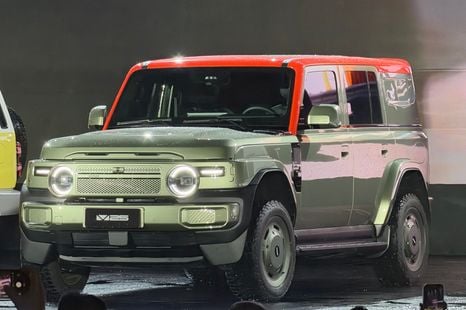
Omoda X revealed with night vision and a tougher SUV look
The Omoda X has been revealed as a tougher-looking crossover SUV from Omoda Jaecoo, though it has yet to be confirmed for an Australian launch.
4 Hours Ago

Senior Editor – Reviews
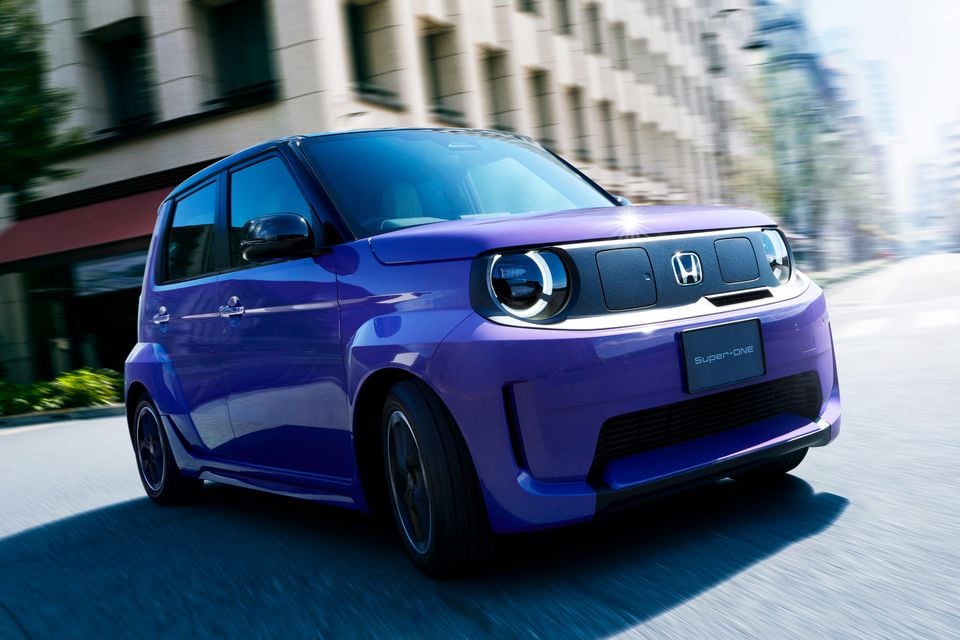
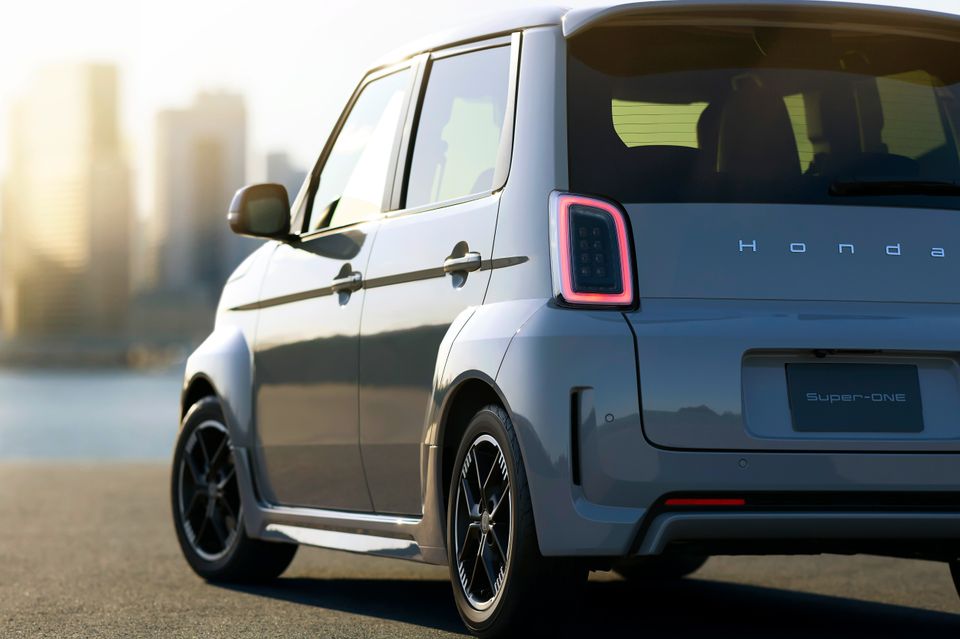
The 2026 Honda Super-One electric hatchback has gone on sale in its home market of Japan, and the starting price might shock you.
Available in a single specification, the Super-One has been priced from 3,390,200 yen in Japan – which based on a direct currency conversion equates to A$29,600.
Honda has also confirmed more details on the domestic market-spec version of its all-new electric kei car, providing a strong indication of what to expect when the Super-One arrives in Australia later this year.
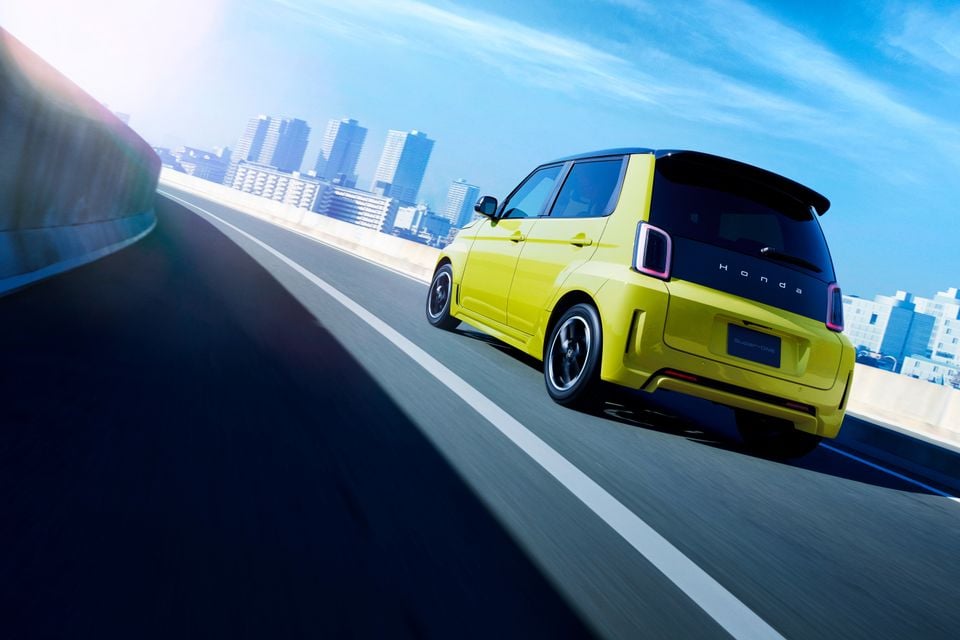
The boxy little electric hatch employs a small electric motor on its front axle, fed by a 29.6kWh battery pack.
The Super-One makes just 47kW of power in its standard setting, though the available Boost mode ups that to 70kW and 162Nm of torque. While that sounds pretty anaemic on paper, the Japan-market model weighs just 1090kg, making it a featherweight by modern vehicle standards – EV or not.
As such, the new Honda EV's official WLTC range is 274km per charge. By comparison, the BYD Atto 1 quotes 220km of WLTP range in base Essential trim (30kWh), and up to 310km in the Premium with a larger 43kWh battery.
Honda is offering a strong baseline specification too, with highlights including Bose eight-speaker premium audio, a 9.0-inch Honda Connect infotainment touchscreen with Google Built-in, and a full suite of Honda Sensing driver assistance features as standard equipment.
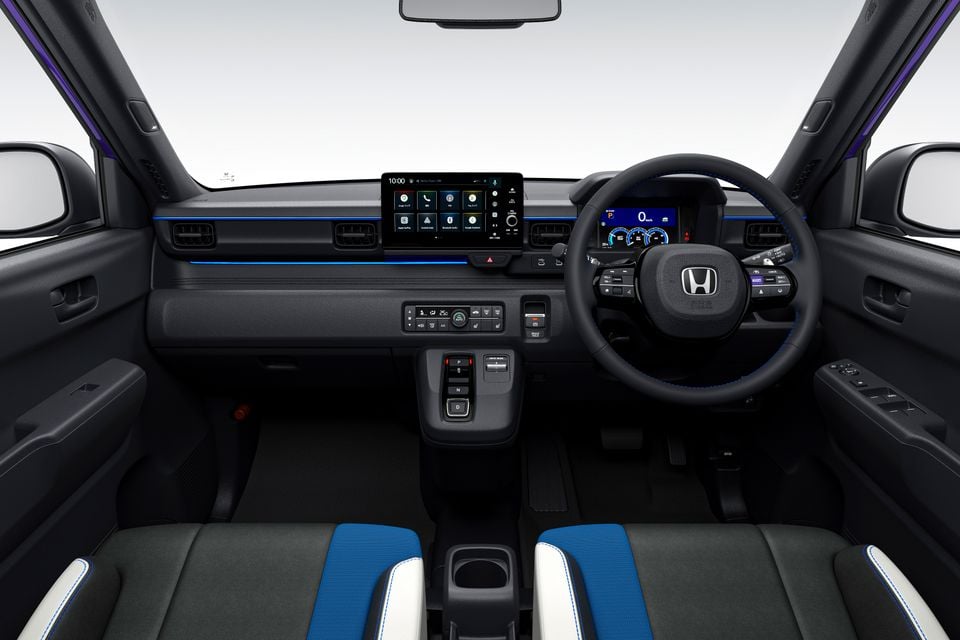
Measuring 3580mm long, 1575mm wide and 1615mm tall, the Honda Super-One has a smaller footprint than even a Kia Picanto.
The all-electric micro-car has seating for four people only – much like the Civic Type R hot hatch, as well as the Atto 1 and Hyundai Inster city EVs – with a focus on driving fun and outright packaging efficiency.
Of particular note in all of Honda's communications about the Super-One is Boost mode, which not only optimises the drivetrain for its maximum 70kW output, but also simulates a seven-speed 'multi-gear transmission' with an Active Sound Control system that's claimed to provide "virtual engine sound".
In its domestic market, the Super-One also offers a 'Honda Power Supply Connector', which is the brand's marketing-speak for vehicle-to-load (V2L) functionality. This allows the Super-One to output up to 1500W of power via an adaptor, acting as a generator or backup power source.
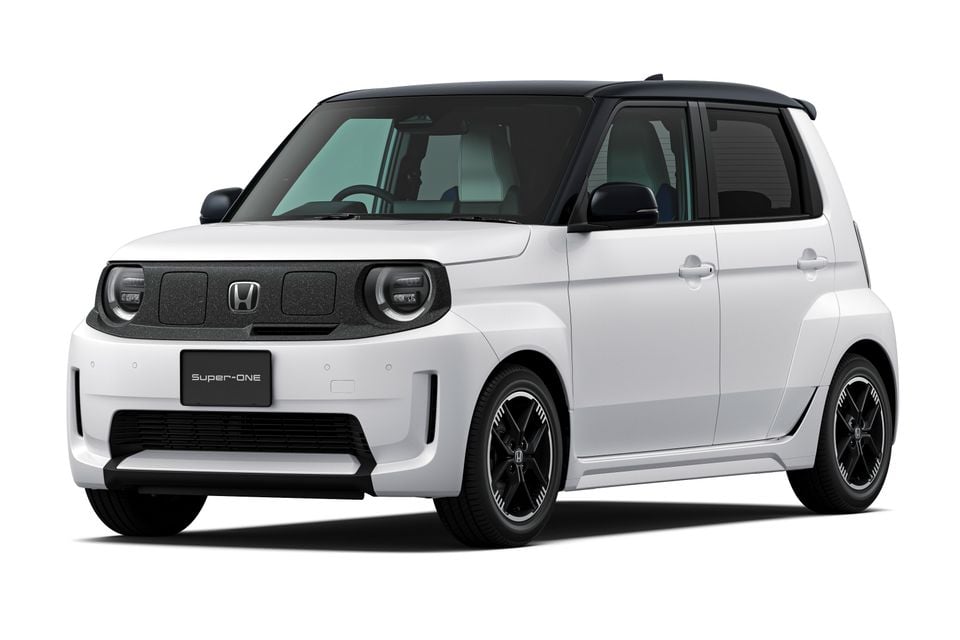
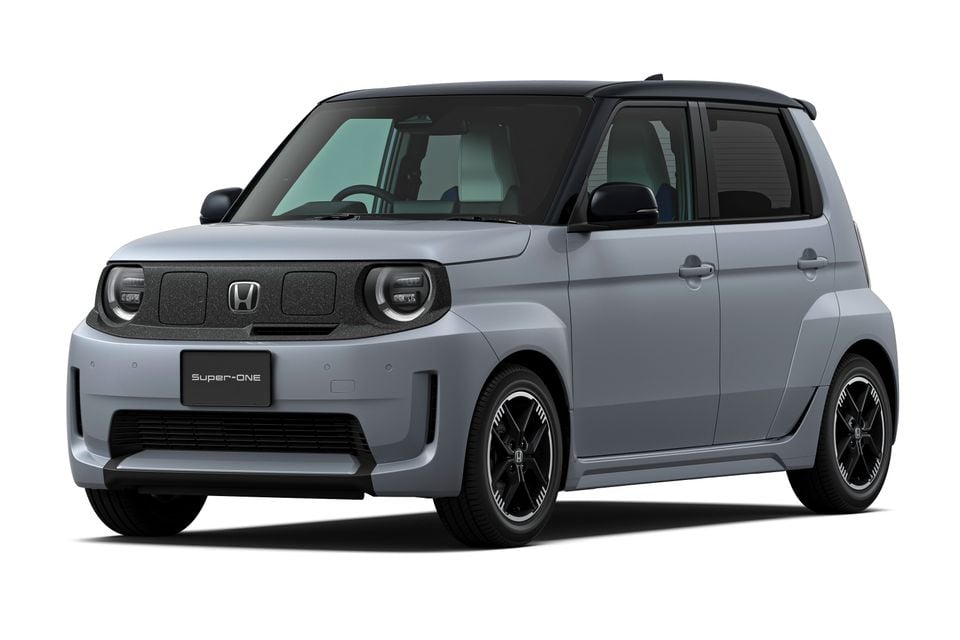
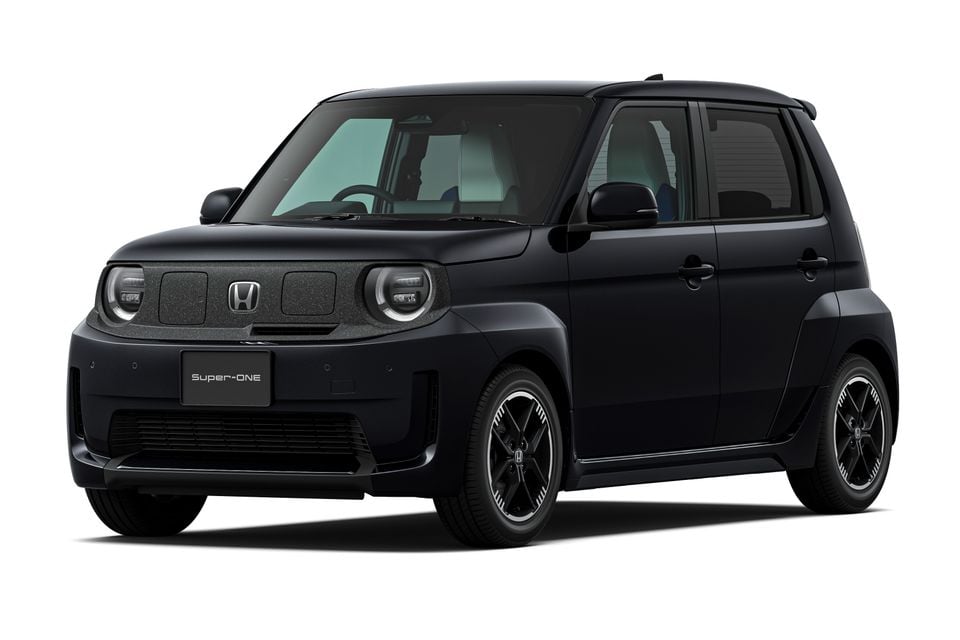
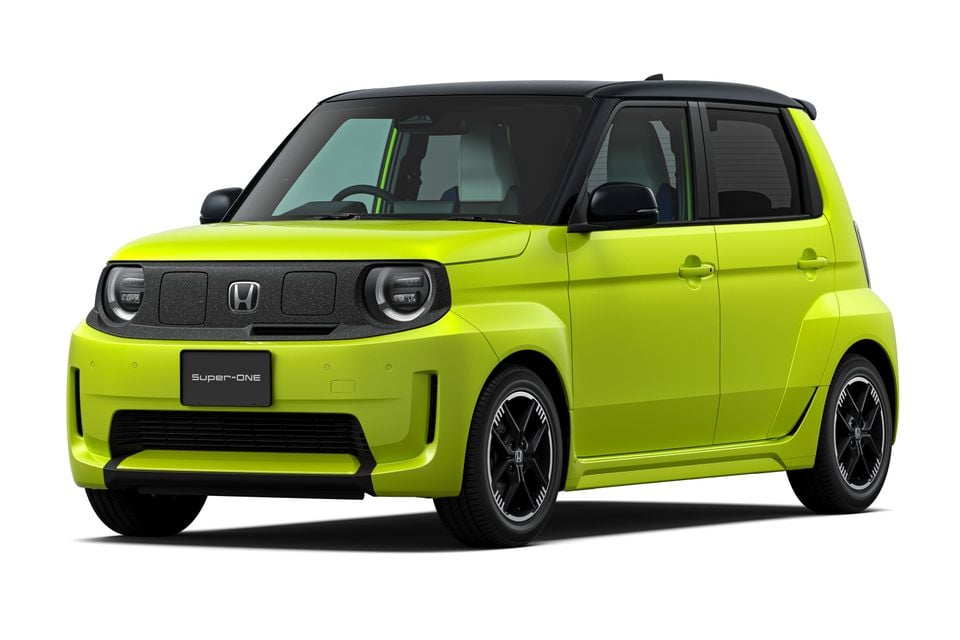
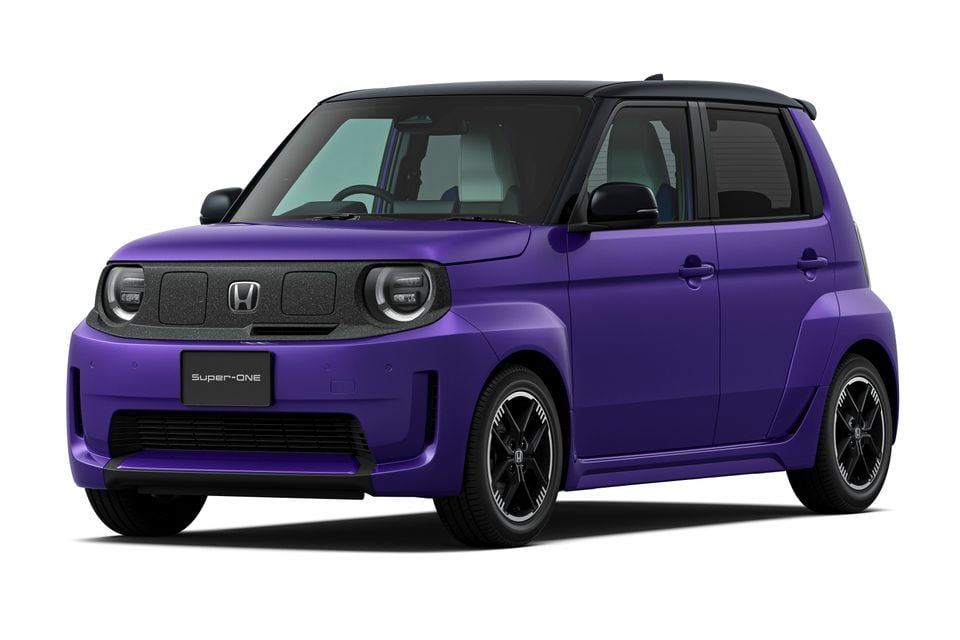
As for paint colours, five main body finishes will be available in the Japanese market, with four of those offering the addition of a contrasting black roof.
Boost Violet Pearl headlines the colour palette, as the interior displays and ambient lighting system glow purple when Boost mode is activated.
The Honda Super-One has been confirmed for Australian release in late 2026, and will be the Japanese brand's first all-electric model Down Under. It will also be sold in markets like the UK (as the Super-N) and in other unspecified Asia-Pacific markets.
Last month Honda walked back its electrification rollout strategy, cancelling the all-electric 0 Series Saloon and SUV as well as the Acura RSX that was due to go into production in the coming year.
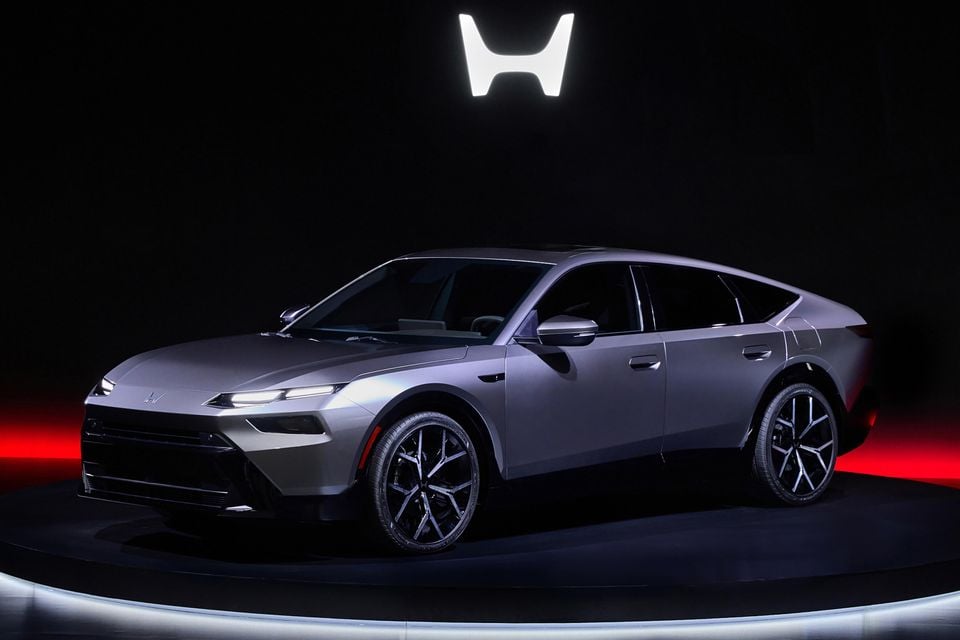
Instead, the company now plans to launch 15 new hybrid models by 2030, mostly in North America, where some of the larger vehicles will be powered by a new V6 hybrid setup. To support the announcement, a pair of hybrid prototypes were revealed and confirmed for production by 2028.
Honda will repurpose its joint-venture factory with LG Energy Solution to build battery packs for these new hybrid cars.
Although its EV ambitions have been scaled back significantly, Honda still plans to launch new EVs “mainly in the mini-vehicle [kei car] category” in Japan, as well as plug-in hybrids and EVs “built on platforms provided by local partners” in China.
Honda says it remains committed to achieving carbon neutrality by 2050, but its previous target of halting production of cars with internal combustion engines by 2040 has been abandoned. Instead, it says it will reach its 2050 goal via a “multi-faceted approach” comprising “EVs, hybrid vehicles, carbon-neutral fuels and carbon-offset technologies“.
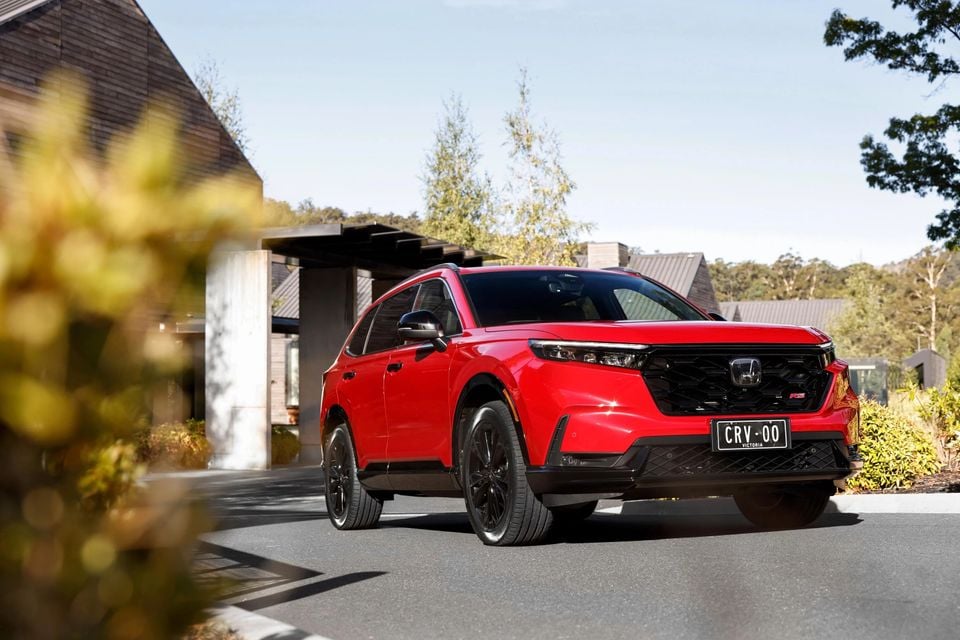
Honda Australia has long been more conservative than its global parent with its EV rollout, primarily focusing on hybrids.
The Japanese brand recently expanded the hybrid offerings in its top-selling CR-V and ZR-V mid-size SUVs, with the smaller HR-V adding a third e:HEV hybrid variant just this week.
It also launched the controversial Prelude e:HEV hybrid sports coupe last month. Honda Australia expects more than 80 per cent of its sales in 2026 to be hybrids.
Stay tuned to CarExpert for all the latest news and reviews, and share your thoughts in the comments below.
MORE: 2026 Honda Super-One review – Quick drive
MORE: Explore the Honda showroom
Research cars in our Showroom, compare your options or let our New Car Specialists do the running around to find you a great deal.
James Wong is an automotive journalist and former PR consultant, recognised among Australia’s most prolific motoring writers.
Alborz Fallah
4 Hours Ago
James Wong
7 Hours Ago

Alborz Fallah
10 Hours Ago
Alborz Fallah
10 Hours Ago
Alborz Fallah
11 Hours Ago
Alborz Fallah
11 Hours Ago
Add CarExpert as a Preferred Source on Google so your search results prioritise writing by actual experts, not AI.