




Alborz Fallah
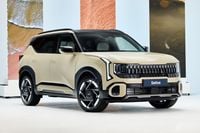
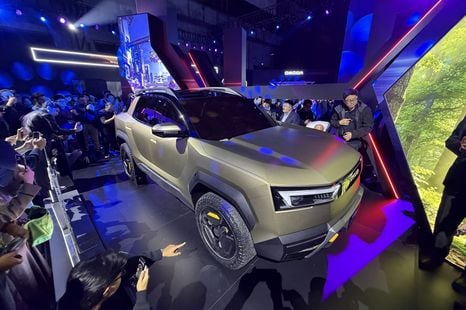
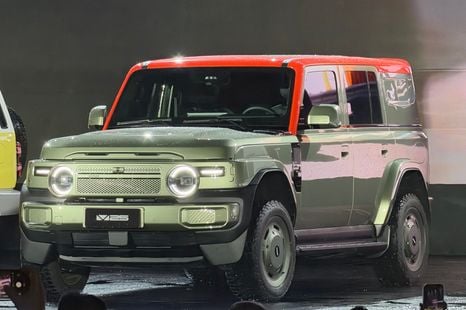
Omoda X revealed with night vision and a tougher SUV look
The Omoda X has been revealed as a tougher-looking crossover SUV from Omoda Jaecoo, though it has yet to be confirmed for an Australian launch.
5 Hours Ago
The EU's 2035 ban on new cars with petrol and diesel engines could be watered down in a relief package being prepared for the auto industry.

Journalist
Journalist
With EV sales growth slowing down, as well as increasing Chinese competition and fears about widespread job losses, the European Commission (EC) is working on a relief package for the automotive industry.
Many automakers and nations are lobbying hard for changes to the bloc’s effective ban on new vehicles with internal combustion engines from 2035, although there are some prominent dissenting voices.
In a letter seen by Reuters, six member countries (Bulgaria, Czechia, Hungary, Italy, Poland and Slovakia) have written to the EC asking for hybrids and vehicles with other technologies “that could contribute to the goal of reducing emissions” to be granted permission to be sold after 2035.
The letter also requests low-carbon and renewable fuels to be part of the bloc’s plans to reduce carbon emissions generated by the transportation sector.
CarExpert can save you thousands on a new car. Click here to get a great deal.
“We can and we must pursue our climate goal in an effective way, while not killing our competitiveness in the meanwhile since there is nothing green in an industrial desert,” the letter goes on to say.
Friedrich Merz, Germany’s chancellor, is urging the Commission to allow plug-in hybrid and range-extender EVs, as well as highly efficient combustion engines, after 2035. Italy, meanwhile, is pushing for cars using biofuels to be exempted from the 2035 ban.
BMW is also looking for plug-in hybrids and “sustainable” fuels to be allowed after 2035. The Bavarian automaker would also like the EU’s regulations to also take into account life-cycle emissions rather than just tailpipe emissions.
Environmental groups are against altering the effective EV mandate, with Lucien Mathieu, a director of the Transport & Environment advocacy group, arguing exempting biofuels would lead to an increase in CO2 emissions, reduce the availability of biofuels for ships and planes, and will likely lead to unintended consequences, such as an increase in deforestation.
Not all automakers or car-making countries are in favour of watering down the EU’s 2035 internal combustion ban for new cars.
France, for example, is asking the EU to support local battery production, and has proposed mandatory electrification of corporate fleets with vehicles made in the EU.
French president Emmanuel Macron told France 24: “If we abandon the 2035 target, forget about European battery plants.”
In an interview with The Guardian, Polestar CEO Michael Lohscheller said: “Pausing 2035 is just a bad, bad idea. I have no other words for that. If Europe doesn’t take the lead in this transformation, be rest assured, other countries will do it for us.”
Håkan Samuelsson, head of sister brand Volvo, likens today’s fight to the resistance mounted by automakers against catalytic convertors and seatbelts.
“If they were not mandatory, we would probably have 30 per cent of our cars without seatbelts and if you consider the additional cost we probably wouldn’t have any cars with catalytic converters either unless they were mandatory,” Mr Samuelsson told the British newspaper.
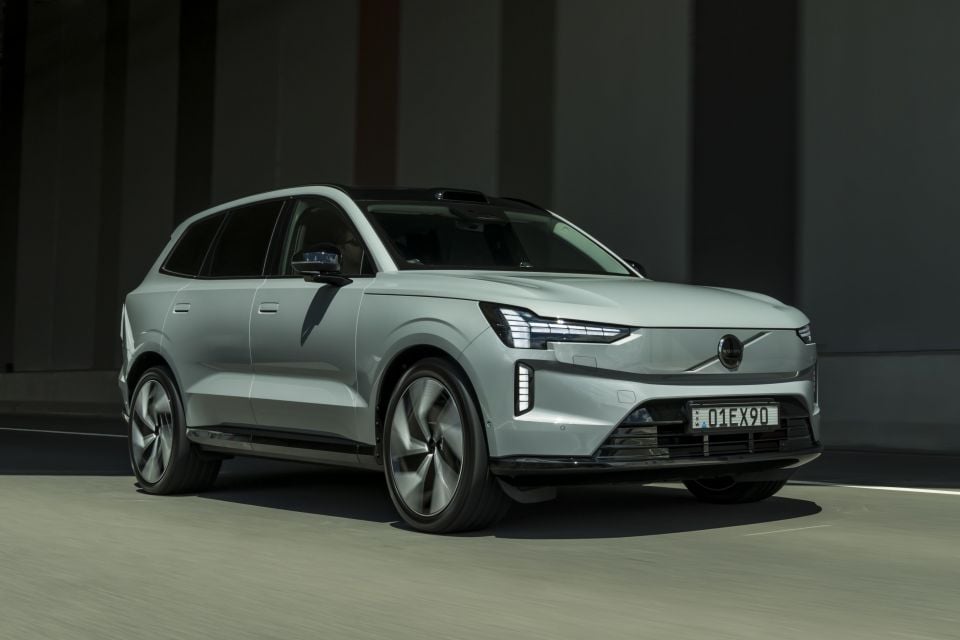
The EC is due to release its proposed relief package on December 10, but due to the complexity of the issues at hand and the wildly differing opinions offered, it’s possible the deadline may be extended.
In addition to possible changes to the internal combustion engine ban, it’s expected the package will also address incentives for making corporate fleets greener, boosting the use of EU-made components in battery packs, and relaxing interim CO2 targets.
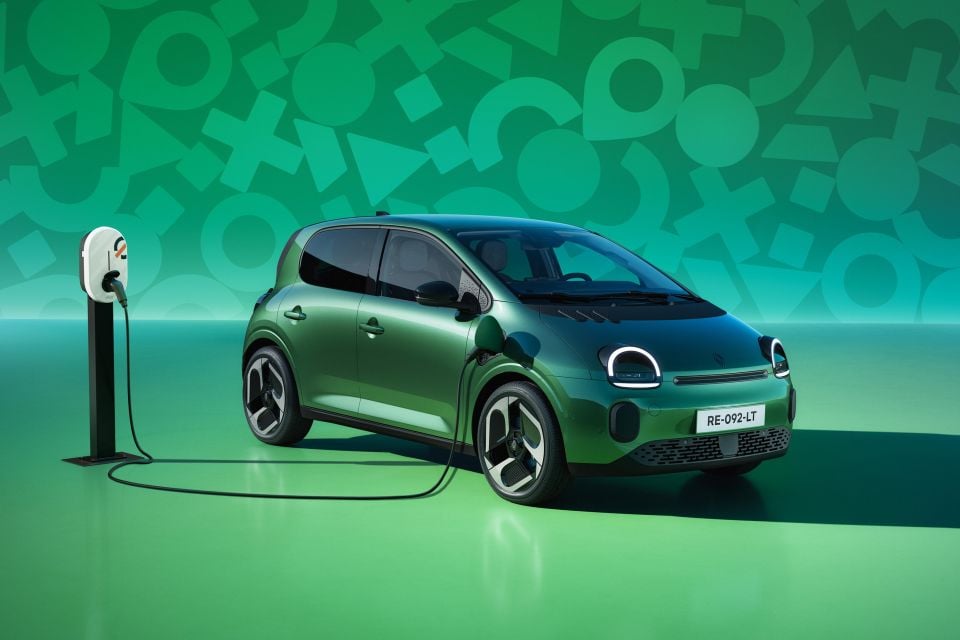
The Commission is also likely to introduce a new ‘E-car’ category for European-made electric city cars.
Once the Commission’s relief package is unveiled, it requires approval by the European Council and the EU Parliament, a process that will likely take months to complete.
Derek Fung would love to tell you about his multiple degrees, but he's too busy writing up some news right now. In his spare time Derek loves chasing automotive rabbits down the hole. Based in New York, New York, Derek loves to travel and is very much a window not an aisle person.
Alborz Fallah
5 Hours Ago

James Wong
8 Hours Ago

Alborz Fallah
11 Hours Ago
Alborz Fallah
11 Hours Ago
Alborz Fallah
12 Hours Ago
Alborz Fallah
12 Hours Ago
Add CarExpert as a Preferred Source on Google so your search results prioritise writing by actual experts, not AI.