




Damion Smy
Cheaper Toyota RAV4 PHEV coming to Australia in 2027
Toyota's plug-in hybrid mid-size SUV lineup will get a new entry-level variant next year, and it's expected to come with a lower price tag.
9 Hours Ago

Senior Editor – Reviews
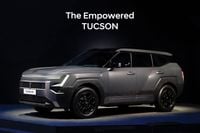
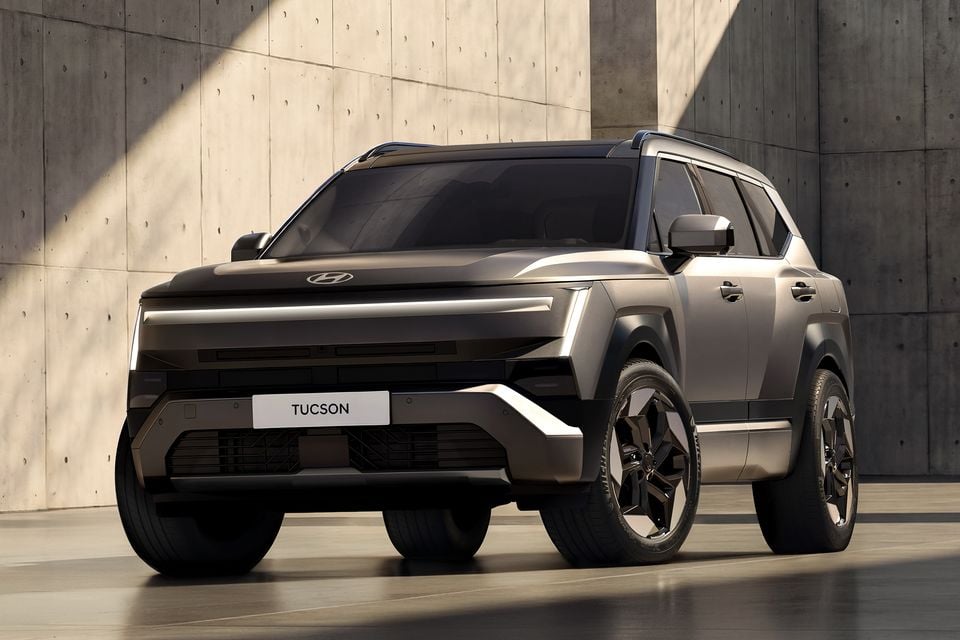
Hyundai Motor Company has revealed the new fifth-generation Tucson SUV, boasting the Korean brand's new 'Art of Steel' design language and latest in-car tech.
The 2027 Hyundai Tucson is a stark departure from the curvaceous current model, with a more upright body and angular detailing, as well as striking full-width LED lighting front and rear.
Measuring 4700mm long, 1905mm wide and 1685mm tall on a 2785mm wheelbase, the new Tucson is 60mm longer overall and 30mm in the wheelbase compared to the previous generation, while width has increased by 40mm.
As such, Hyundai is claiming the 'All-New Tucson' boasts class-leading interior space for passengers and cargo, with second-row headroom increased by 29mm, while the second-row doors now open to 83 degrees (up from 73 degrees) for easier entry/exit.
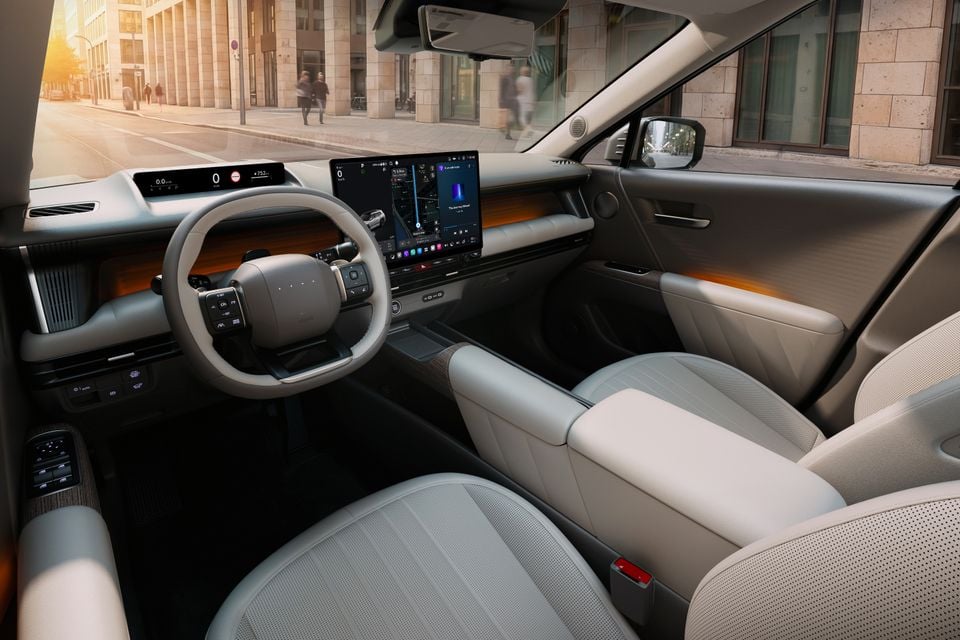
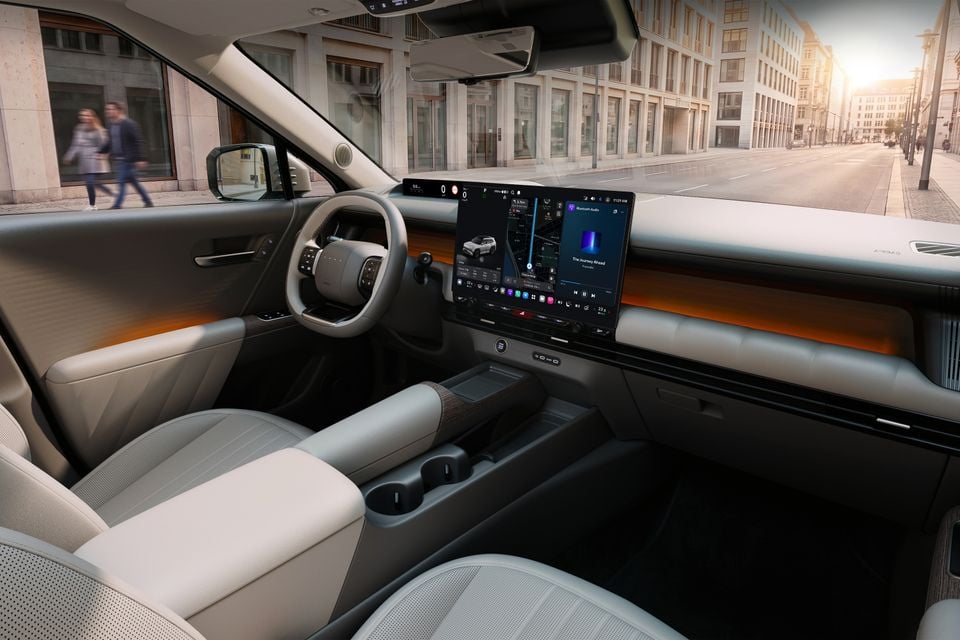
The interior has seen a major overhaul too, in keeping with the brand's latest models like the larger Palisade and Ioniq 9, with a floating-look dashboard augmented by a new, larger centre touchscreen running the brand's new Pleos in-car software interface.
Gone is the conventional instrument cluster too, with a "slim display" sitting ahead of the driver similar to that seen in the Elexio electric SUV, appearing to also play the role of a head-up display with its heightened position above the upper rim of the D-cut steering wheel.
Other confirmed features of the Tucson's cabin – at least for the Korean domestic market – include a card holder to the side of the driver's air vent, as well as a dual wireless smartphone charging system.
The interior can be had in several colourways in Hyundai's home market, including two-tone mud grey/dove grey; black/sand beige; black/soil brown; as well as black monotone.
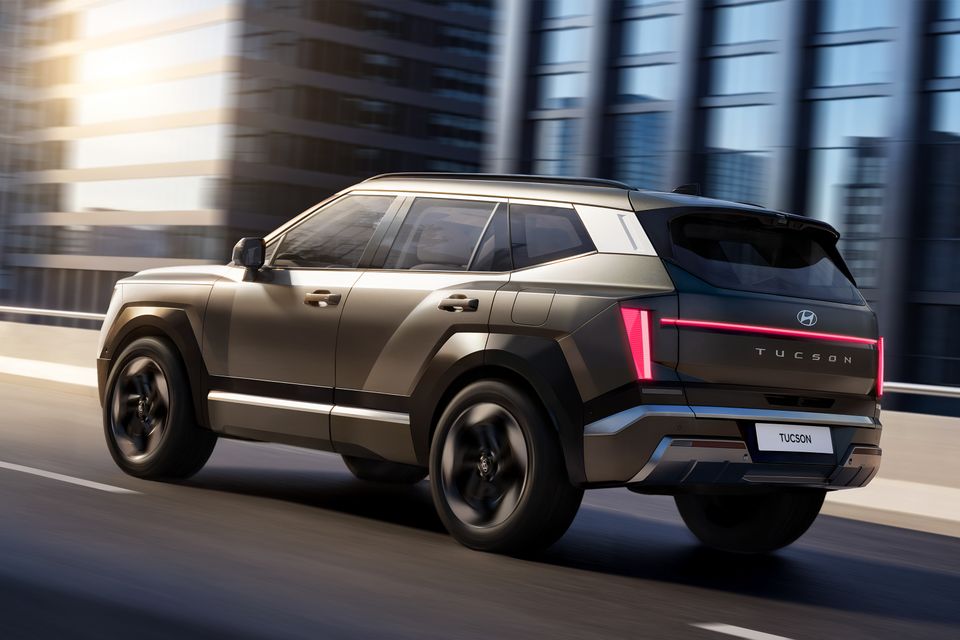
The Korean Tucson range – and therefore, potentially Australia's – will be bolstered for the first time by a new XRT version, with a more rugged and adventurous design "for customers who prefer an outdoor lifestyle".
While only previewed with a single front-on image, the new Tucson XRT gets an exclusive front grille design with a rectangular motif, as well as a wide front skid plate insert. On the side, there are contrast black wheel arches with a pattern inspired by forged carbon-fibre.
XRT-specific alloy wheels and a unique rear bumper with skid plate insert round out the main design changes, while the interior features "patterned seats" exclusive to the outdoor-focused model which are paired with protective floor mats.
The tailgate in the new Tucson XRT also features touch-sensitive LED lighting which "enhances practicality for outdoor activities".
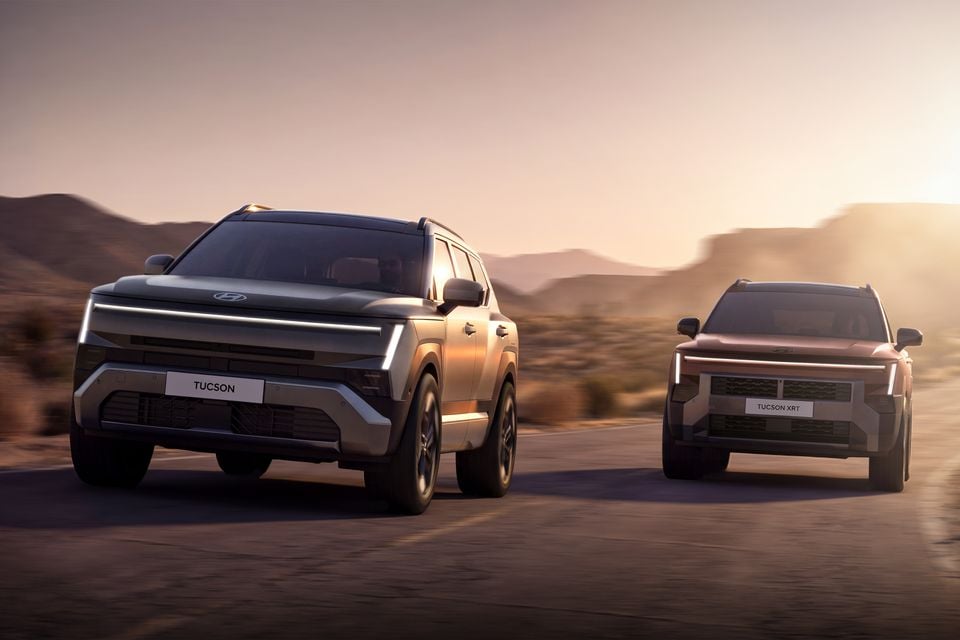
No details on the new model's platform or powertrains have been confirmed yet, but it's likely the Tucson will be running the latest iteration of the brand's 1.6-litre hybrid system, which should offer performance and efficiency improvements thanks to updated tech.
Depending on market, we can expect the new Tucson to also offer updated versions of the existing powertrain range, which globally includes naturally aspirated and turbocharged petrol engines, as well as a plug-in hybrid (PHEV).
It's also unclear whether the Tucson will once again be offered in multiple lengths depending on market, given the outgoing model is produced in a shorter-wheelbase variation in Europe, for Europe, while the Korean, Australian and American models are longer.
Stay tuned to CarExpert for more details as they come to light, including technical specifications, as well as Australian market timing.
Click the images for the full gallery
Research cars in our Showroom, compare your options or let our New Car Specialists do the running around to find you a great deal.
James Wong is an automotive journalist and former PR consultant, recognised among Australia’s most prolific motoring writers.
Damion Smy
9 Hours Ago

Marton Pettendy
13 Hours Ago

Derek Fung
2 Days Ago

William Stopford
7 Days Ago
William Stopford
8 Days Ago

Josh Nevett
10 Days Ago
Add CarExpert as a Preferred Source on Google so your search results prioritise writing by actual experts, not AI.