




Josh Nevett
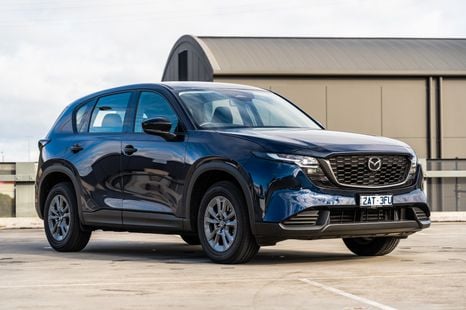
2027 Mazda CX-5 Evolve review: Long-term introduction
It's bigger, edgier and more tech-heavy, so how does the overhauled Mazda CX-5 handle an active urban lifestyle? We’ve got three months to find out.
4 Hours Ago
We take a look at what sort of drivetrain losses you might expect, by putting a dozen utes onto a rolling dyno.

Senior Contributor
Senior Contributor
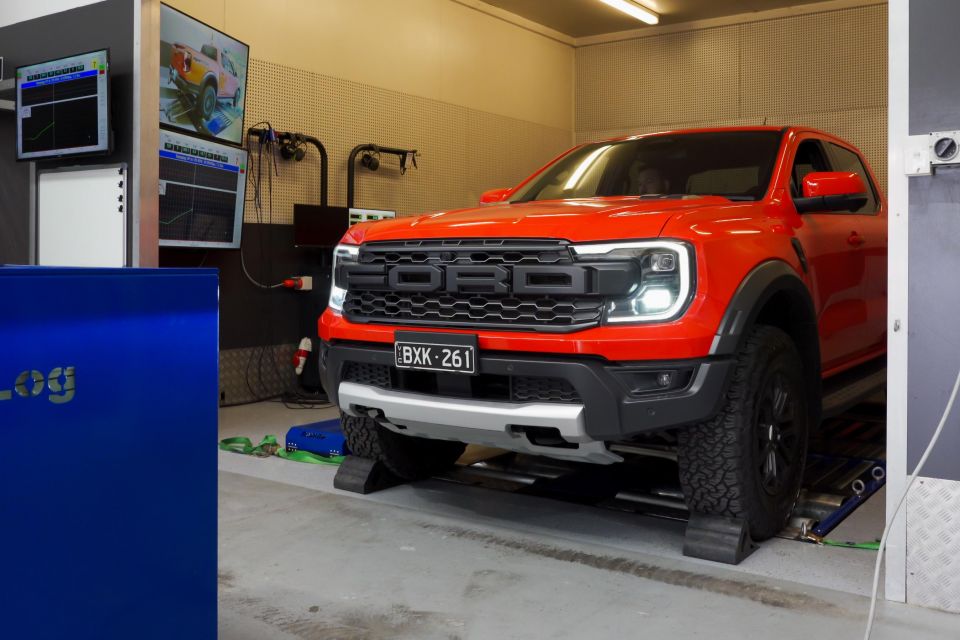
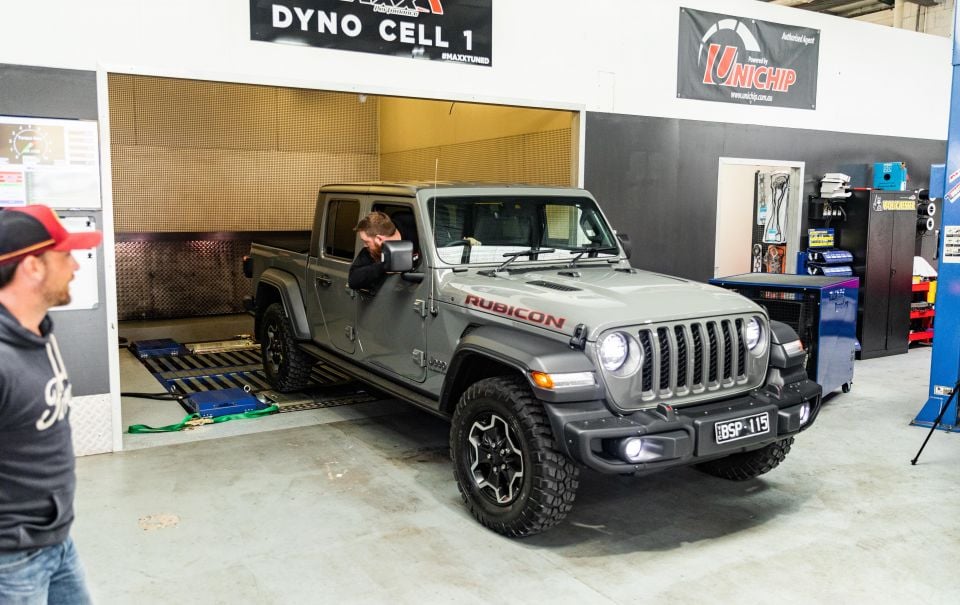
In this part of our 4×4 ute megatest, we took the group to a rolling dynamometer (dyno) owned by our friends at Maxx Performance in the Melbourne suburb of Dandenong.
The goal was to see how claimed engine outputs on the spec sheet compared to the reality of how much power was measured at the rear wheels.
The aim of the test isn’t to celebrate the most powerful ute, but rather to find which ute had the smallest differential between the flywheel power claim and dyno wheel result.
Each ute was backed onto the rolling dyno, with the back wheels rotating at full throttle. The machine then spits out a power result.
The winner recorded an 18.7 per cent reduction, while the worst-case scenario was a 42 per cent drop.
As Zane from Maxx Performance explained, we went with 40psi tyre pressures for all the utes, which were driven in 2H or rear-wheel drive mode.
He also explains in the detailed video above why we didn’t include the torque measurements (Nm) in the final results.

Jump straight to a particular ute by clicking these links, or scroll to read the full thing in winning order.
Chevrolet Silverado LTZ Premium Ford Ranger Raptor Ford Ranger Wildtrak V6 GWM Ute Cannon-X Isuzu D-Max LS-U+ Jeep Gladiator Rubicon Mazda BT-50 SP Mitsubishi Triton GSR Nissan Navara Pro-4X Warrior Ram 1500 Laramie SsangYong Musso XLV Ultimate Toyota HiLux Rogue FINAL RESULTS
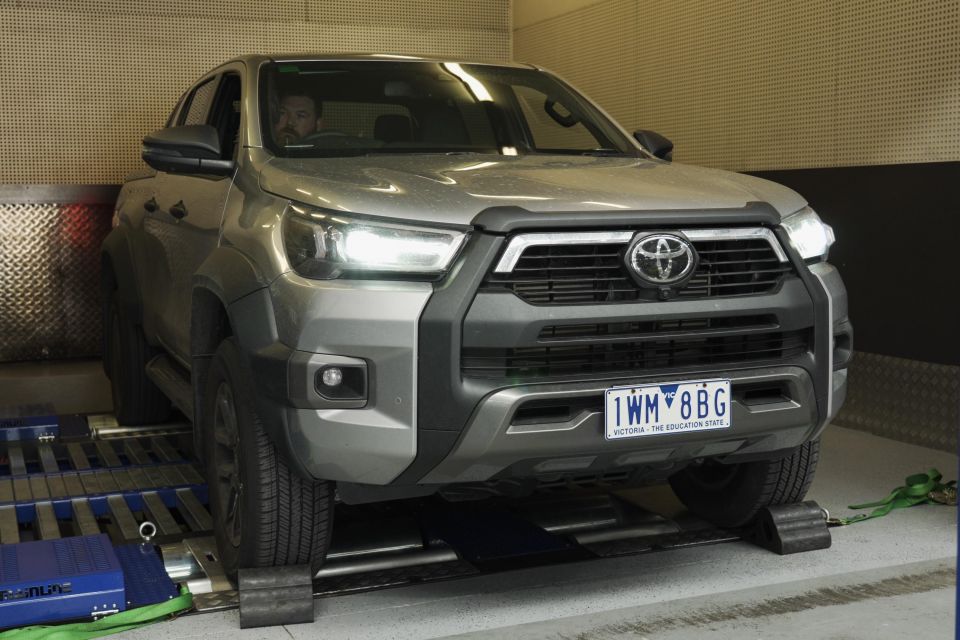
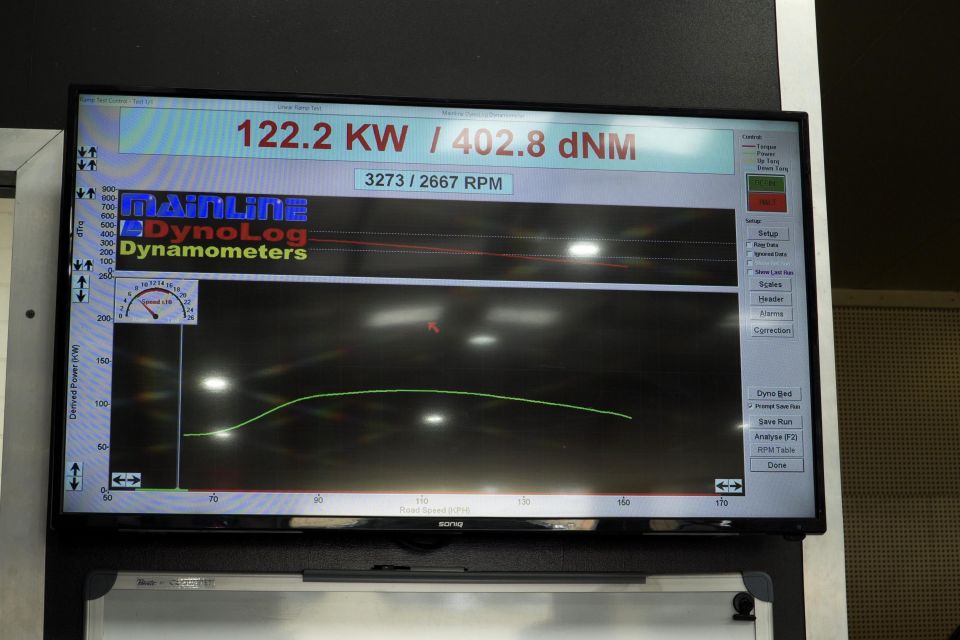
An impressive result for the honest HiLux, which recorded the smallest gap between flywheel and wheel power.
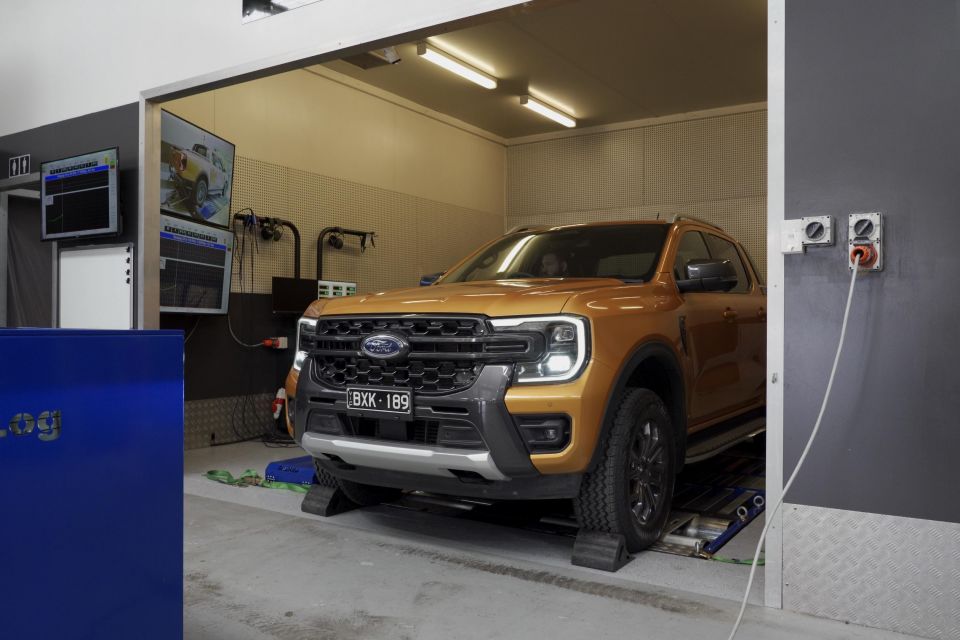
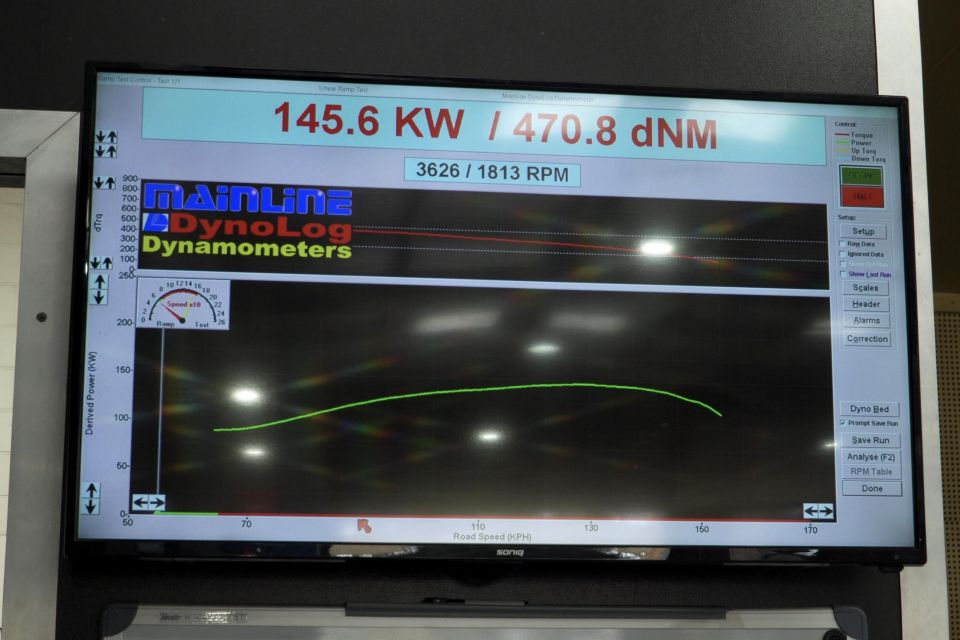
Excellent result for the Ford Ranger V6 diesel on the dyno, with just over 20 per cent drivetrain loss and a silver medal.
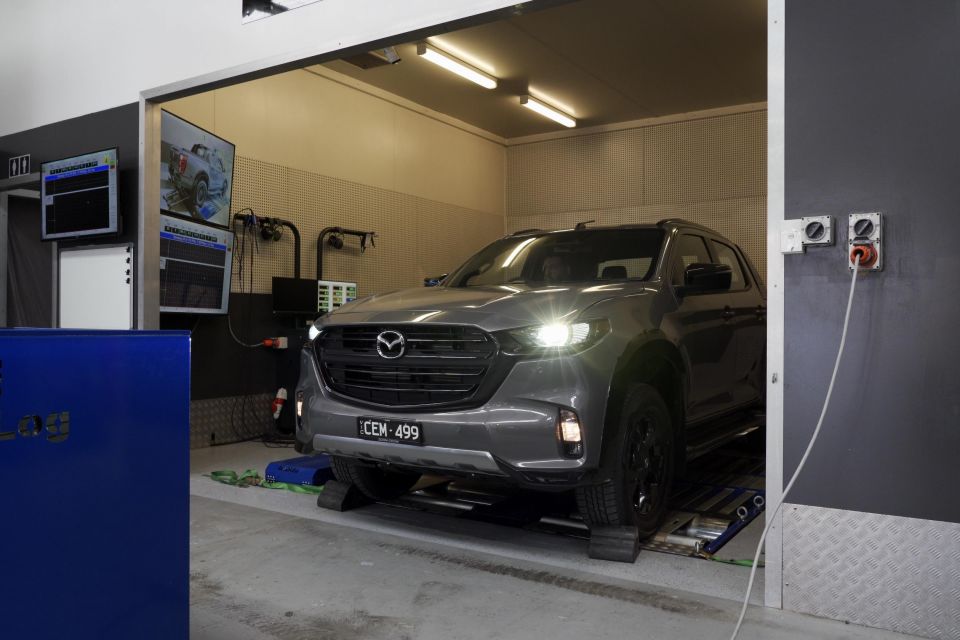
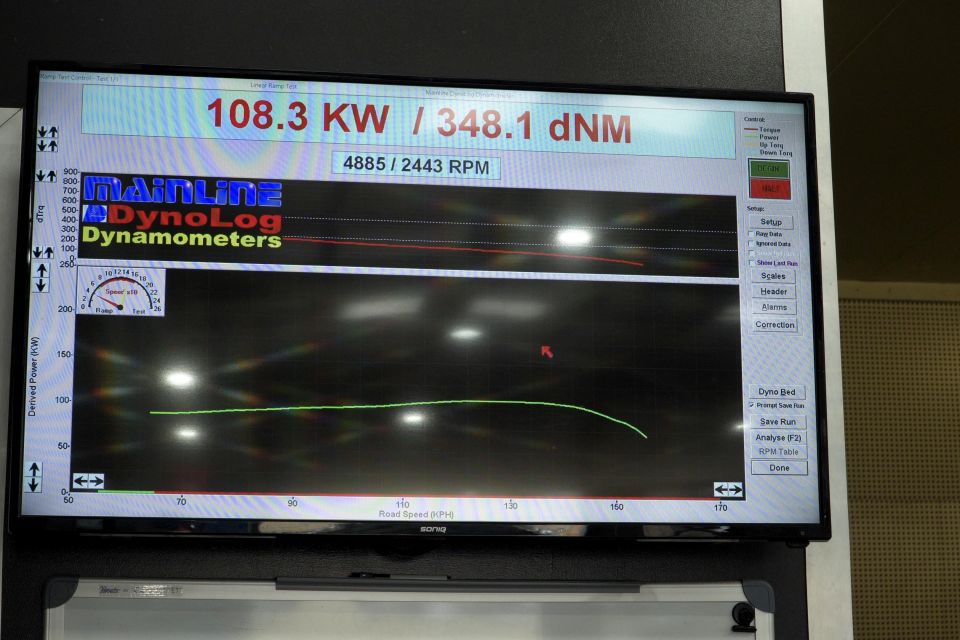
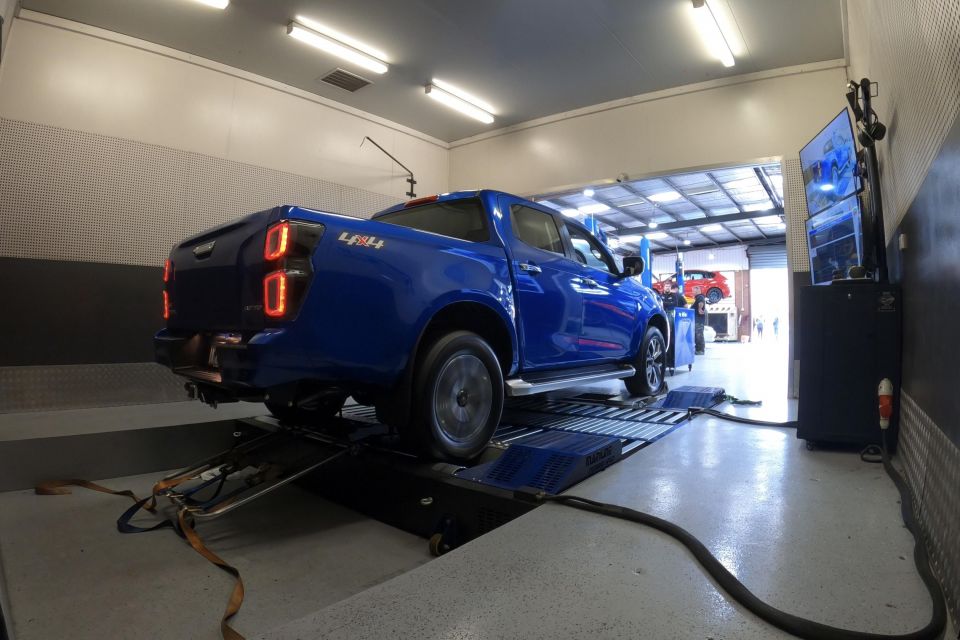
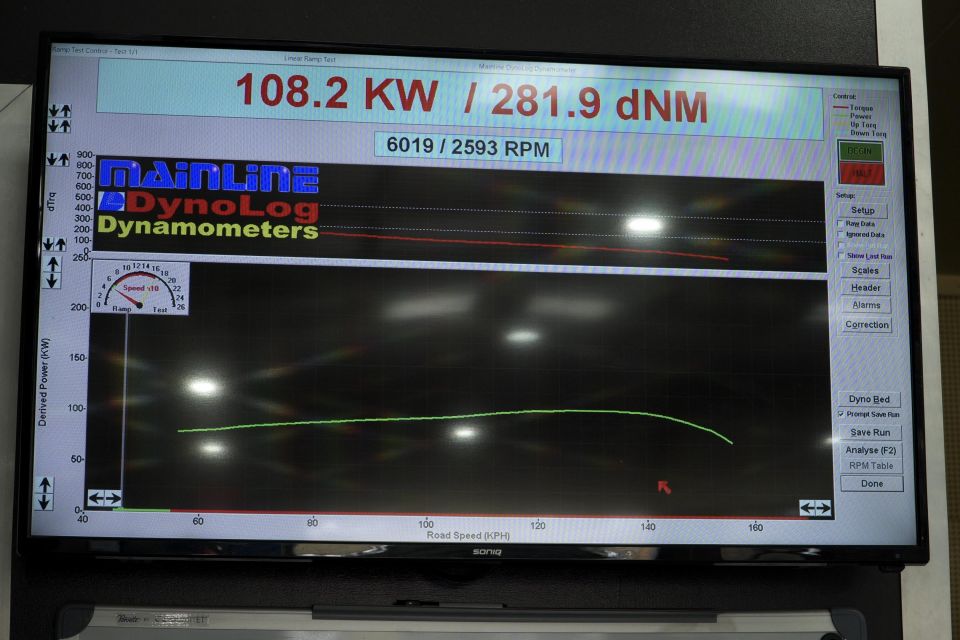
Check out the minuscule difference in power between the mechanically identical D-Max and BT-50: 108.3kW versus 108.2kW! The torque figure differential is down to the respective transmissions’ torque-converter lock-up behaviour.
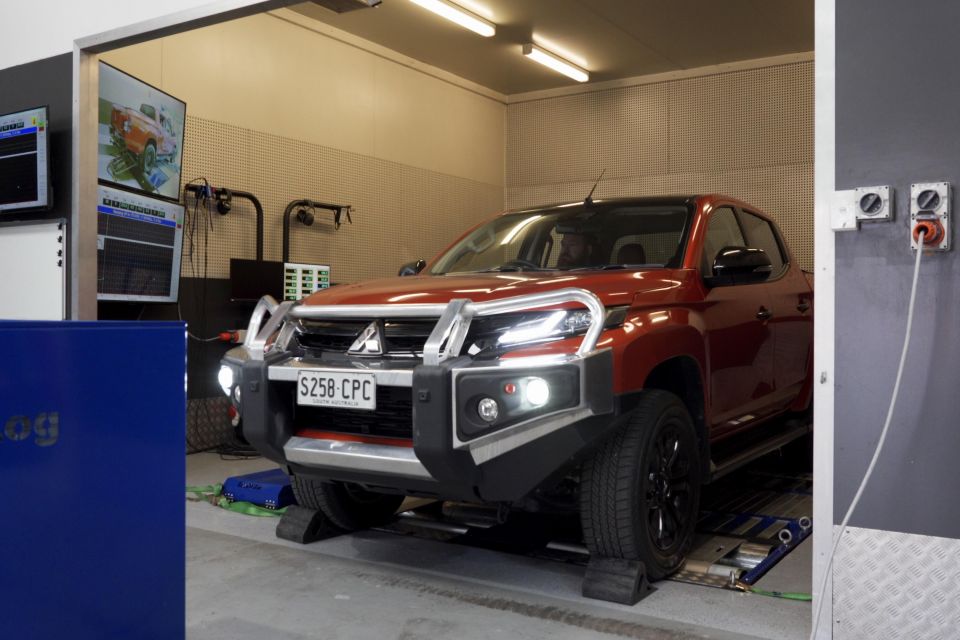
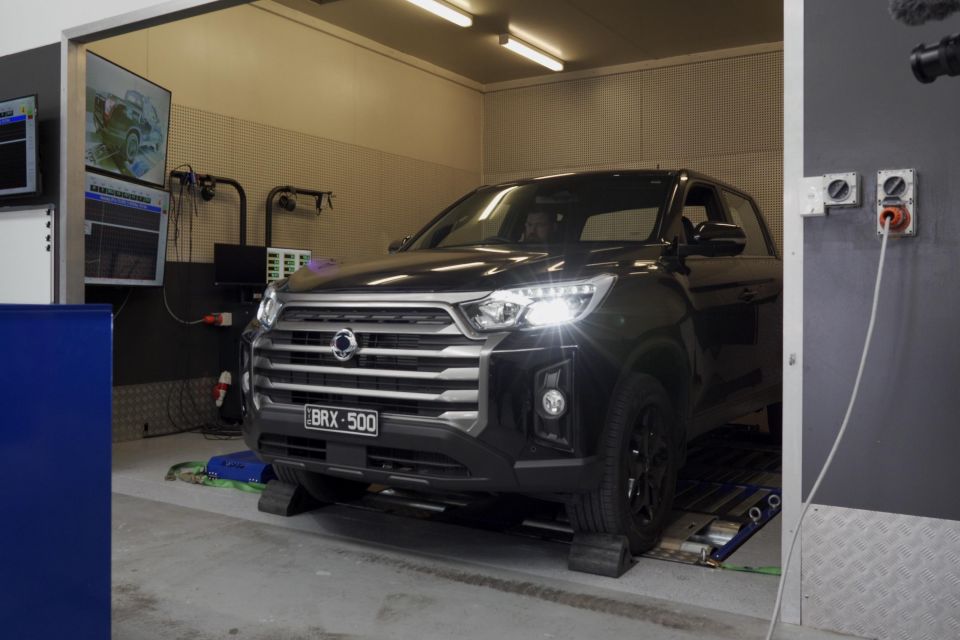
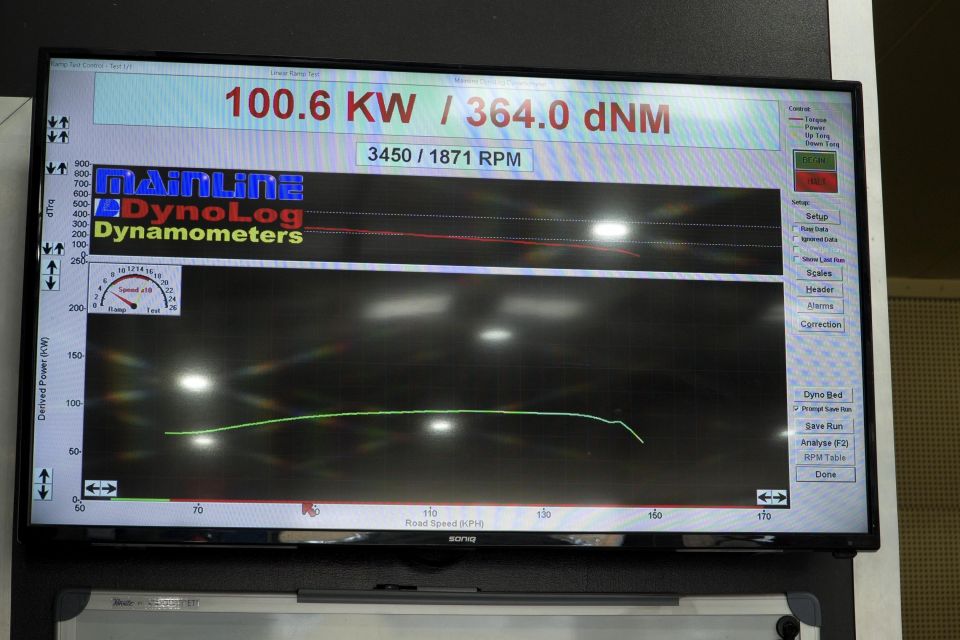
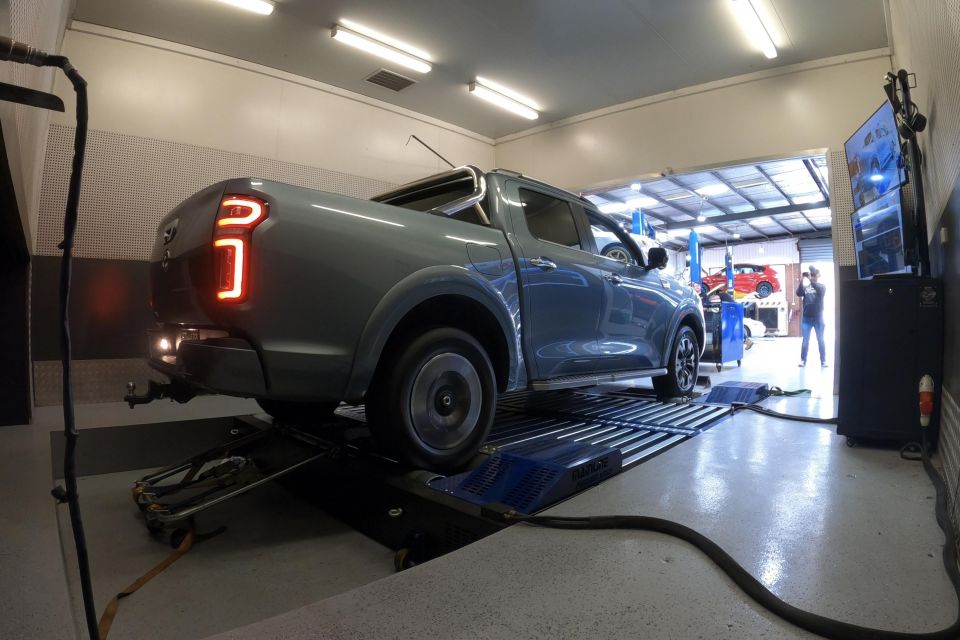
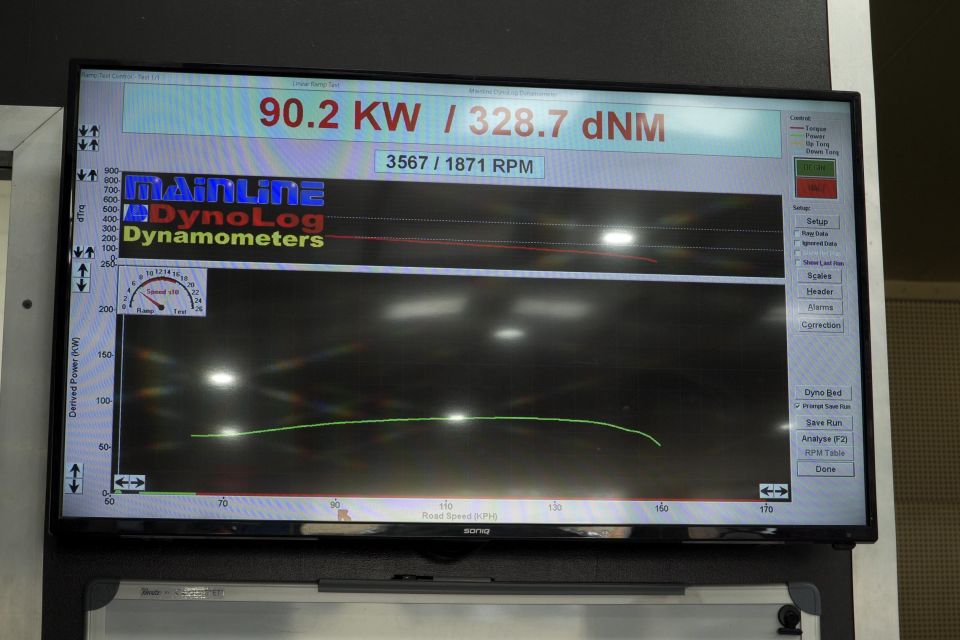
The GWM had the lowest overall output on the dyno and was one of two that failed to break 100kW. But it’s also the lowest-output on paper, so that’s somewhat to be expected.
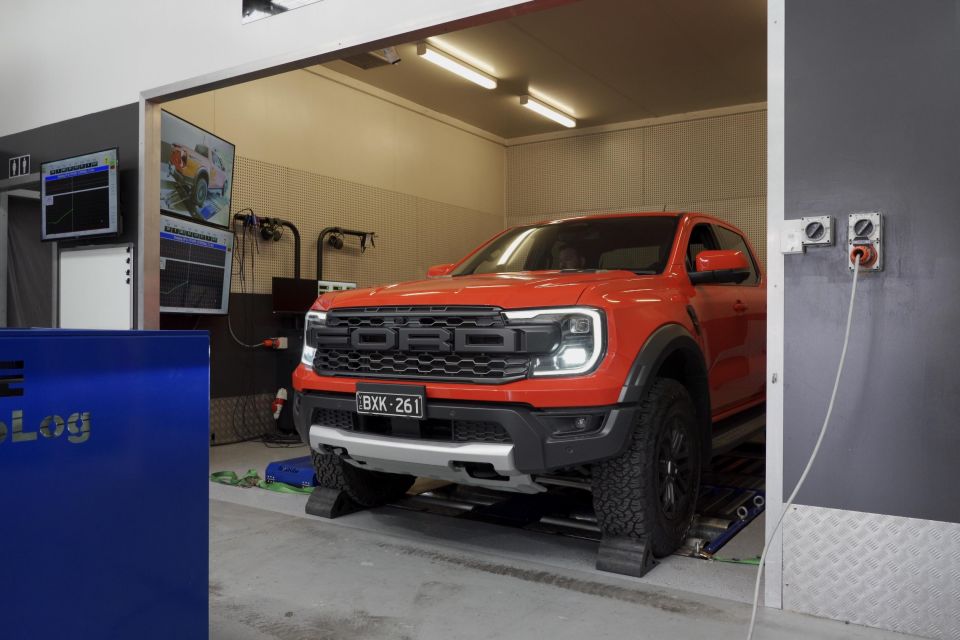
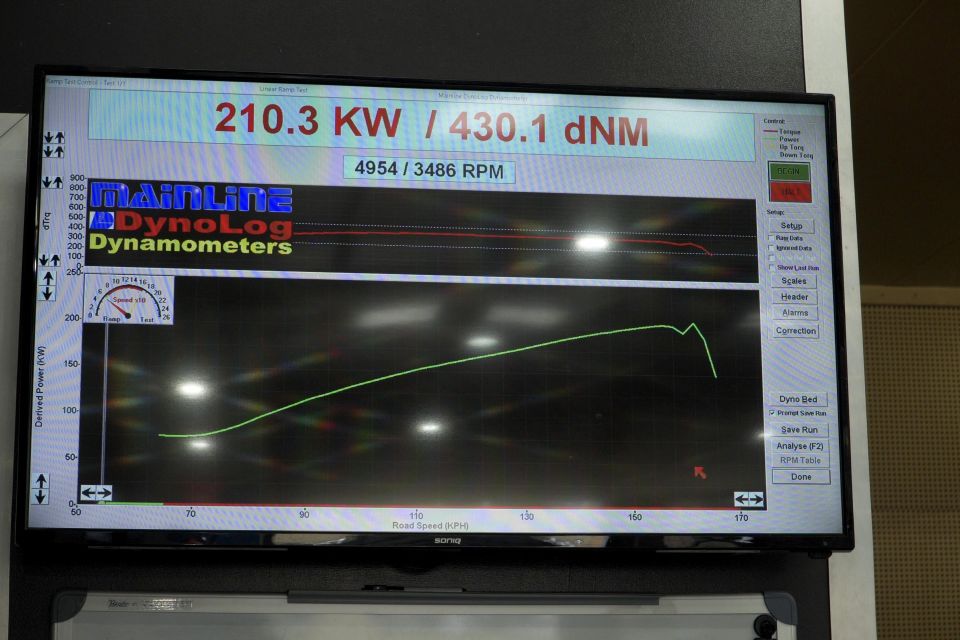
We put the Raptor in its go-fast Baja and Sport driving modes.
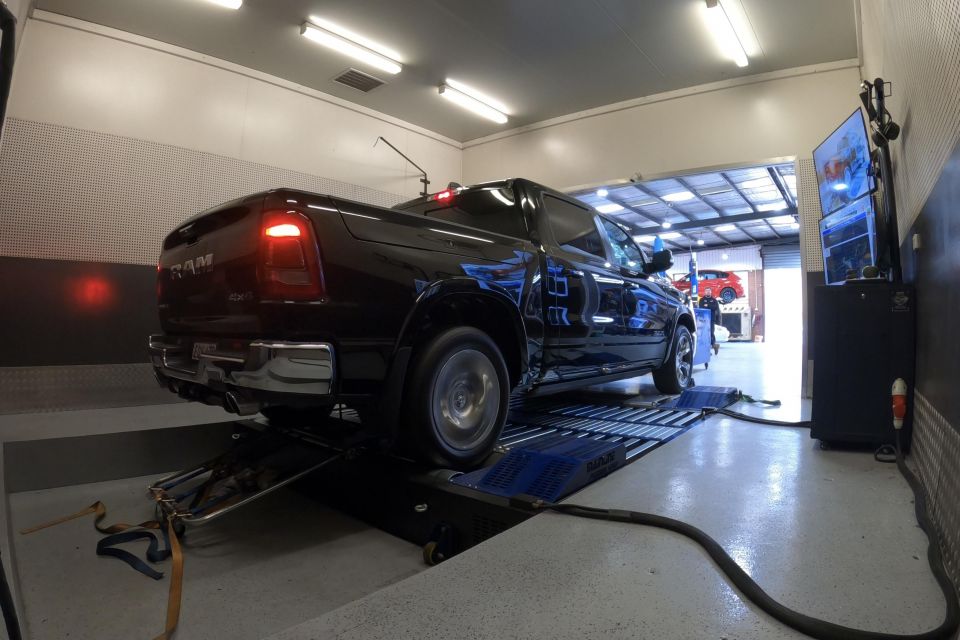
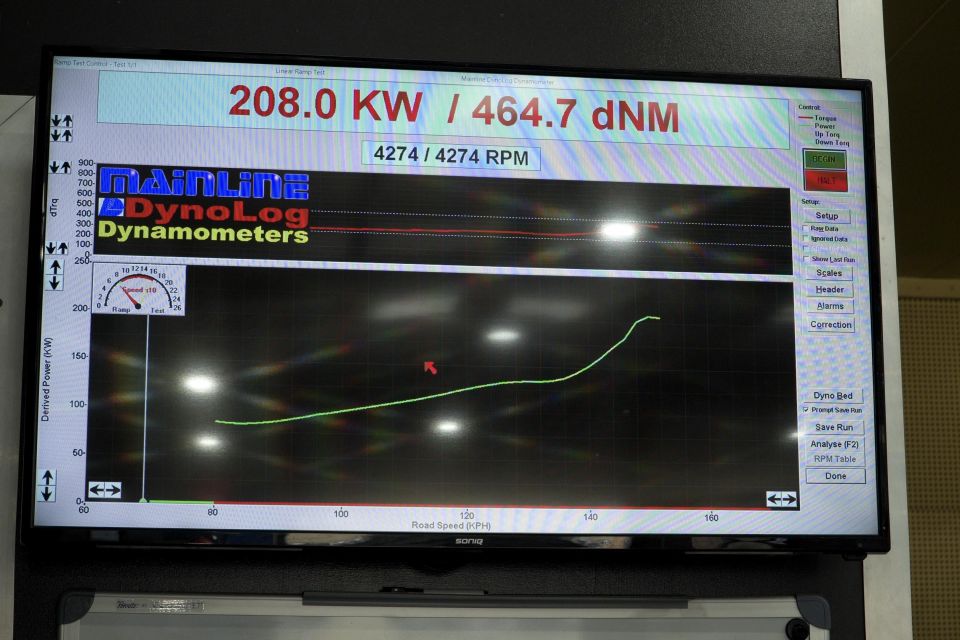
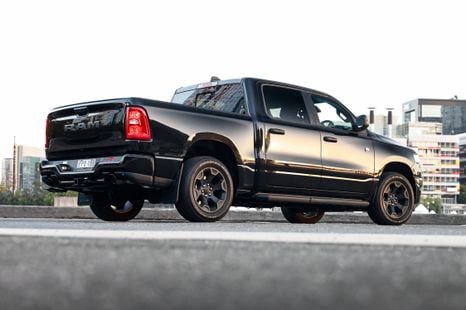
The Ram’s transmission kept kicking down, which impeded its maximum output.
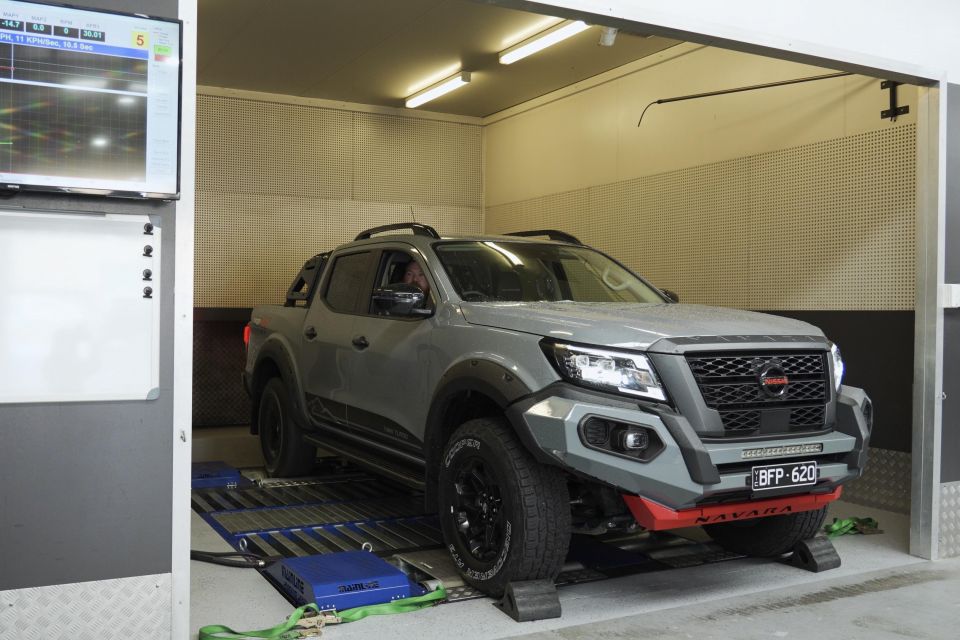
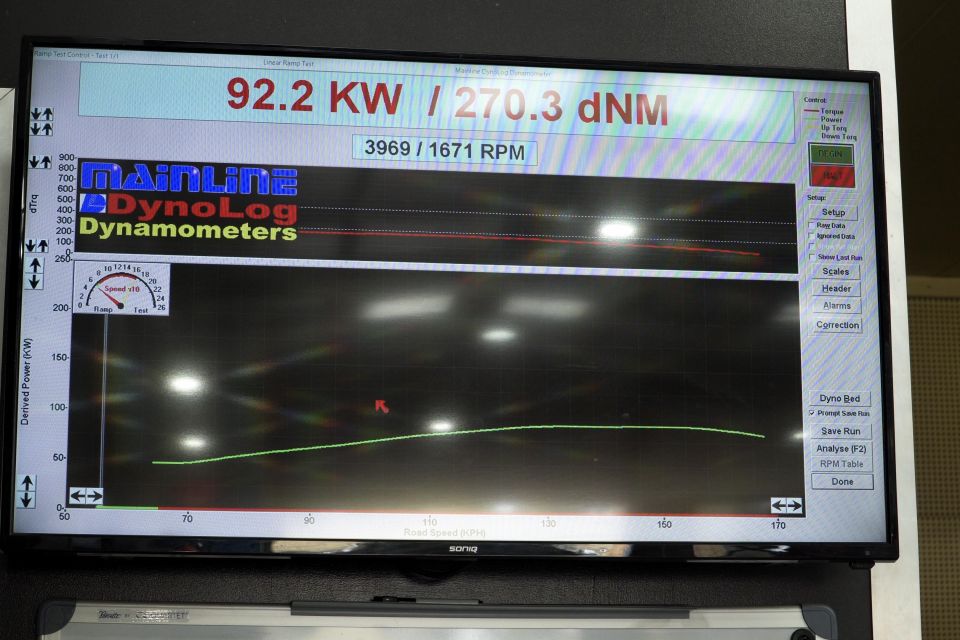
Gee that’s disappointing. We suspect those chunky all-terrain tyres didn’t help things.
If this is the car for you, we’ll compare offers from trusted dealers, handle the back and forth and manage your purchase from enquiry to delivery.
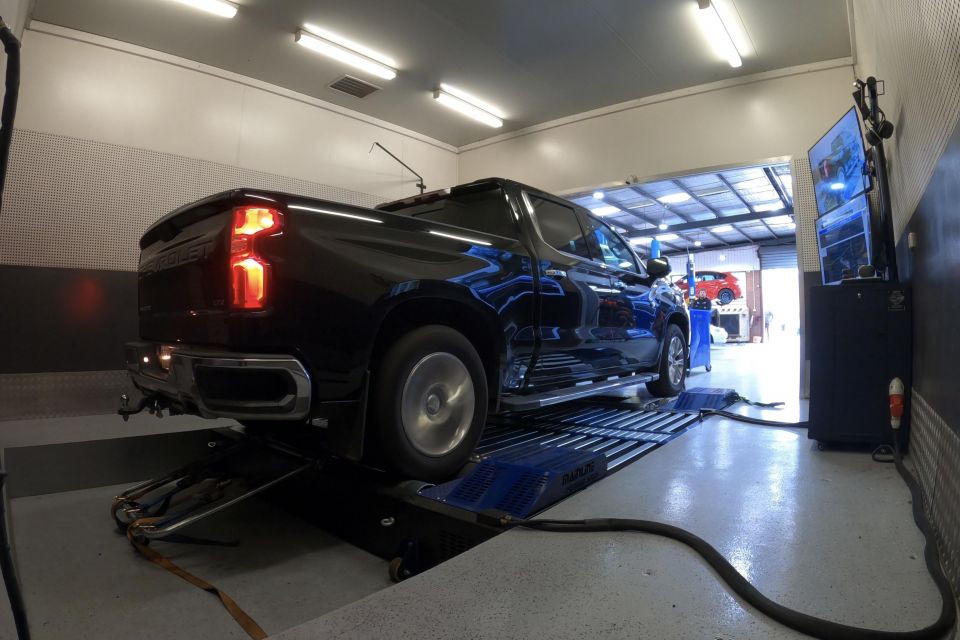
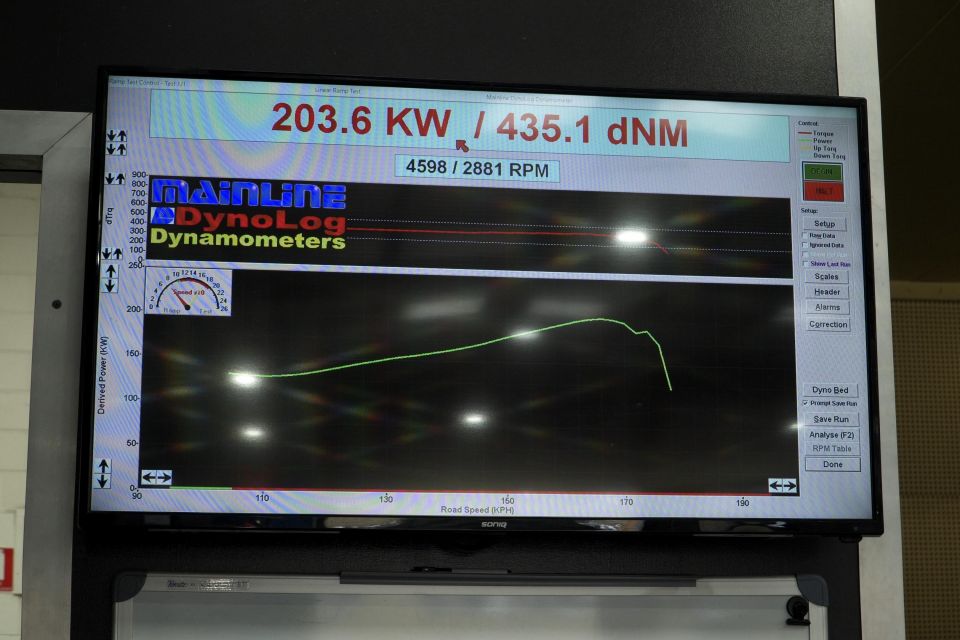
The Silverado is speed-limited to 187km/h, without this we think the ceiling was ~220kW.
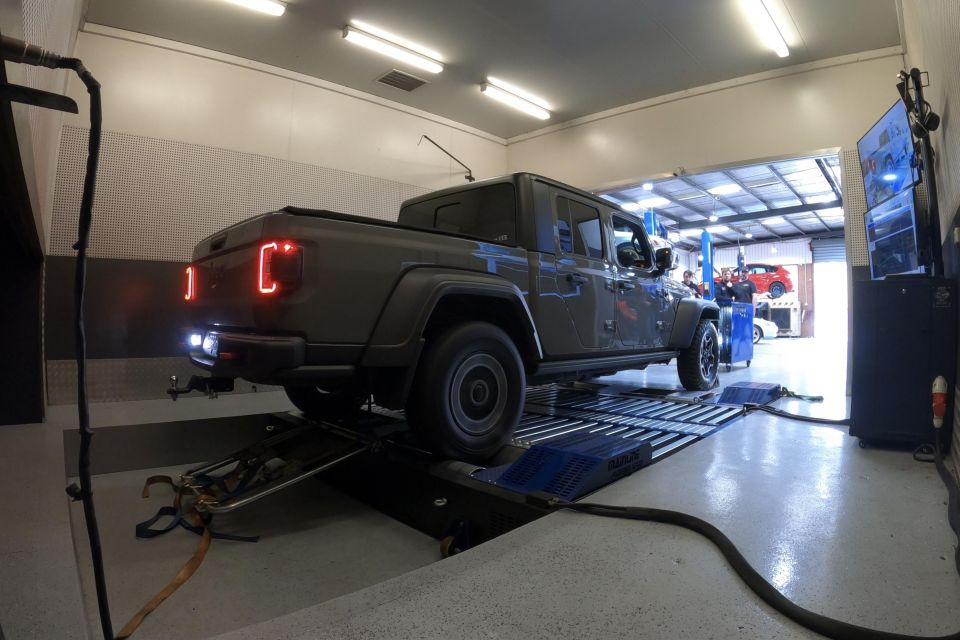
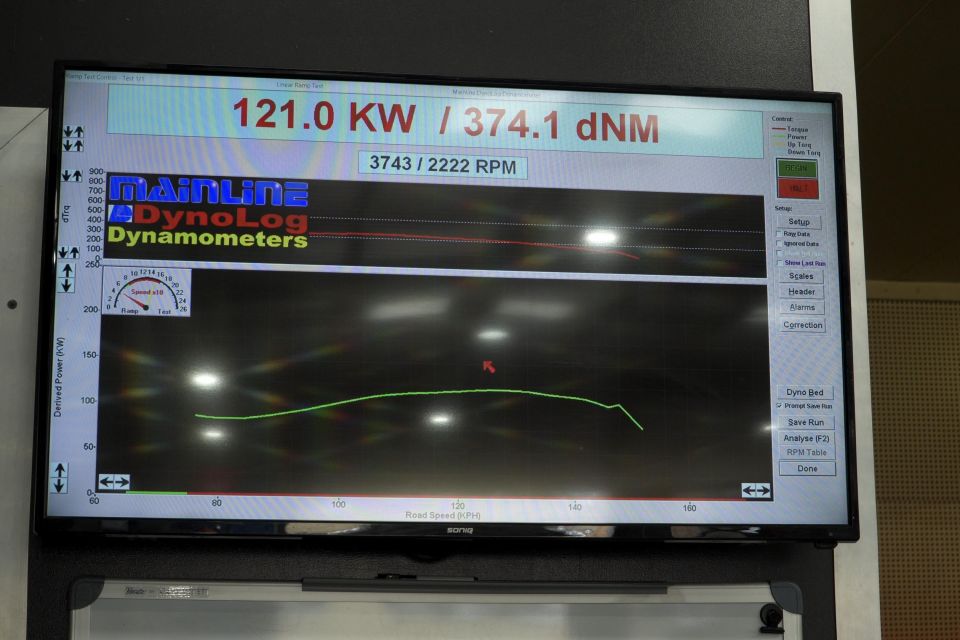
Another vehicle that wouldn’t stay in gear and kept kicking down. Eventually we got a warning light on the dash.
| Model | Factory | Dyno | % Loss |
|---|---|---|---|
| Toyota HiLux | 150kW | 122.2kW | 18.7 |
| Ford Ranger V6 | 184kW | 145.6kW | 20.9 |
| Mazda BT-50 | 140kW | 108.3kW | 22.6 |
| Isuzu D-Max | 140kW | 108.2kW | 22.7 |
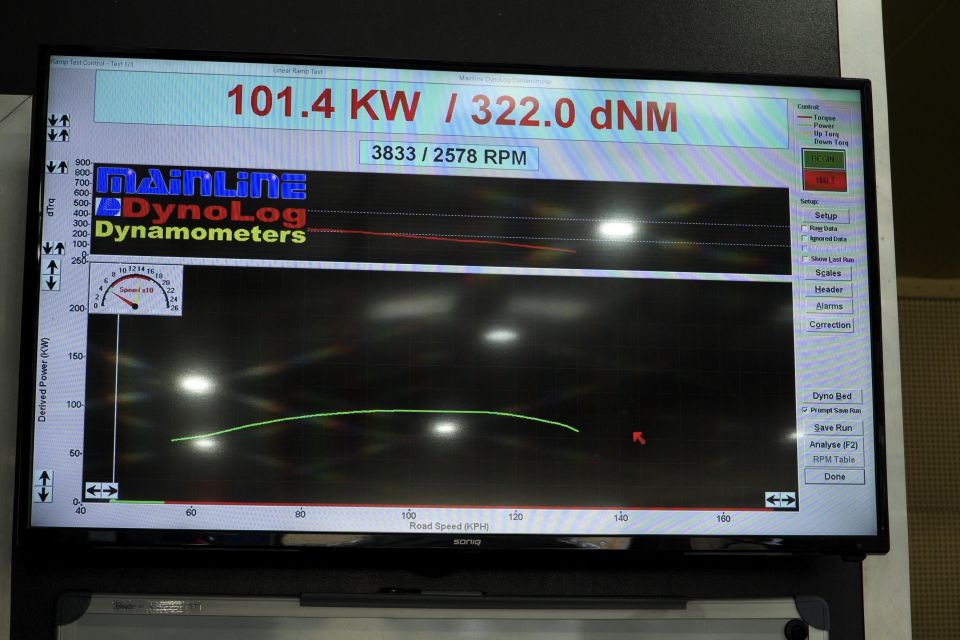
| Mitsubishi Triton | 133kW | 101.4kW | 23.8 |
| SsangYong Musso | 133kW | 100.6kW | 24.4 |
| GWM Ute | 120kW | 90.2kW | 24.8 |
| Ford Ranger Raptor | 292kW | 210.3kW | 28.1 |
| Ram 1500 | 291kW | 208kW | 28.5 |
| Nissan Navara | 140kW | 92.2kW | 34.1 |
| Chevrolet Silverado | 313kW | 203.6kW | 35.0 |
| Jeep Gladiator | 209kW | 121kW | 42.1 |
Share your thoughts with us in the comments below!
Share your thoughts and write a review of a car you own and get featured on CarExpert.
Josh Nevett
4 Hours Ago

Damion Smy
20 Hours Ago


Alborz Fallah
21 Hours Ago

William Stopford
21 Hours Ago

Matt Campbell
1 Day Ago

Ben Zachariah
1 Day Ago