
Damion Smy
Toyota LandCruiser 70 Series slapped with price rise
The iconic 70 Series has received a range-wide price increase just weeks after the automaker warned emissions laws would make new cars more expensive.
2 Days Ago
We've lived with the new Subaru Outback for three months, and it's fair to say this boxy SUV has left us with mixed feelings.

Senior Contributor
Senior Contributor
Senior Contributor
Senior Contributor
If this is the car for you, we’ll compare offers from trusted dealers, handle the back and forth and manage your purchase from enquiry to delivery.
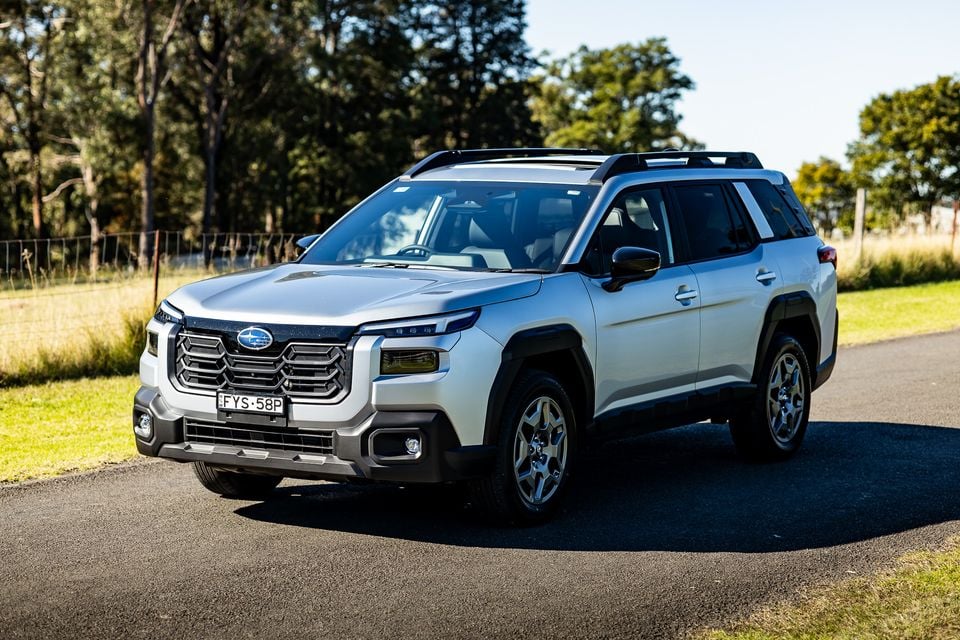
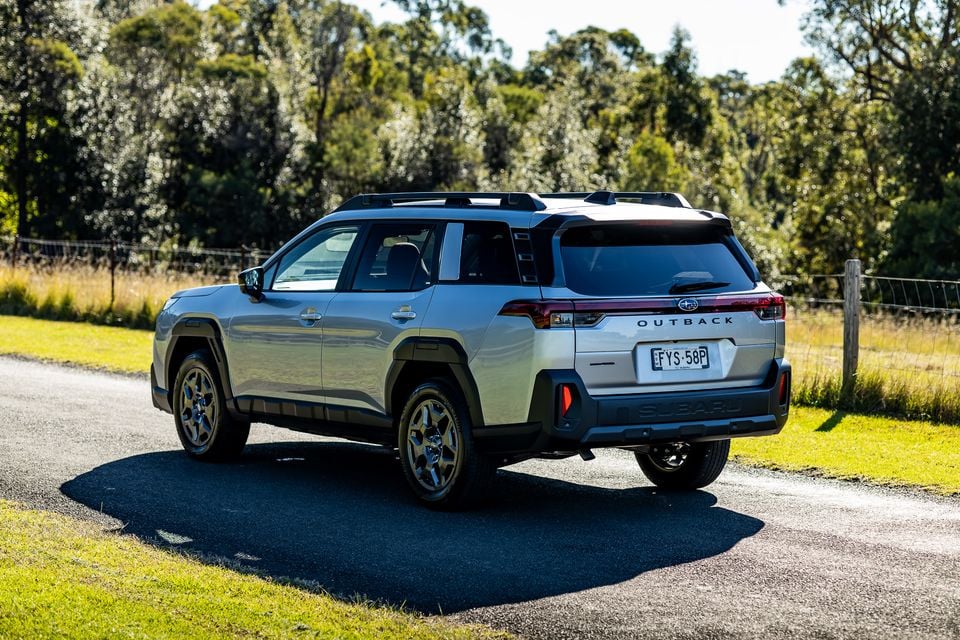
The all-new Subaru Outback is a big departure from the way this model has been designed over more than three decades.
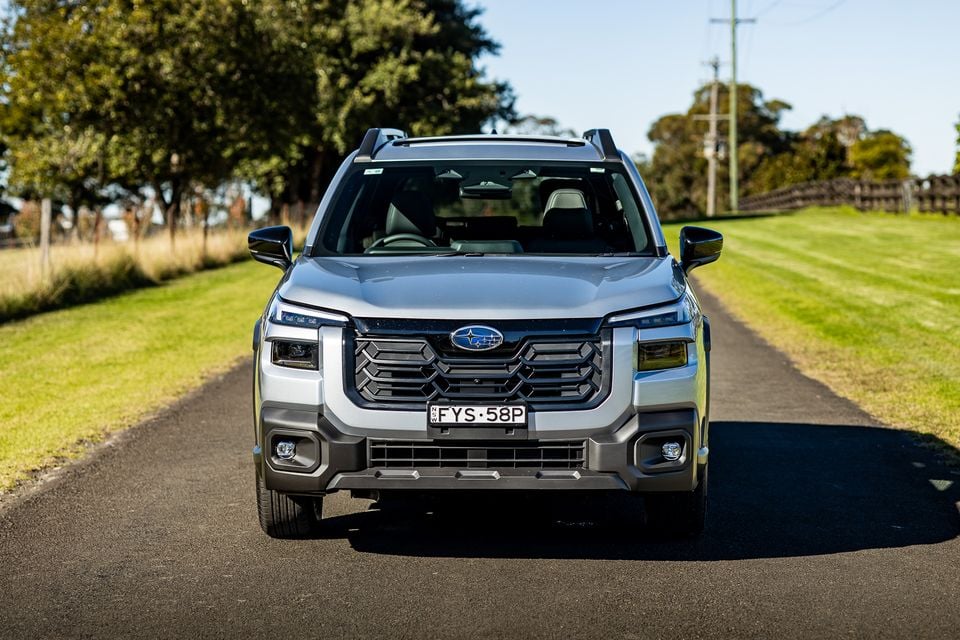
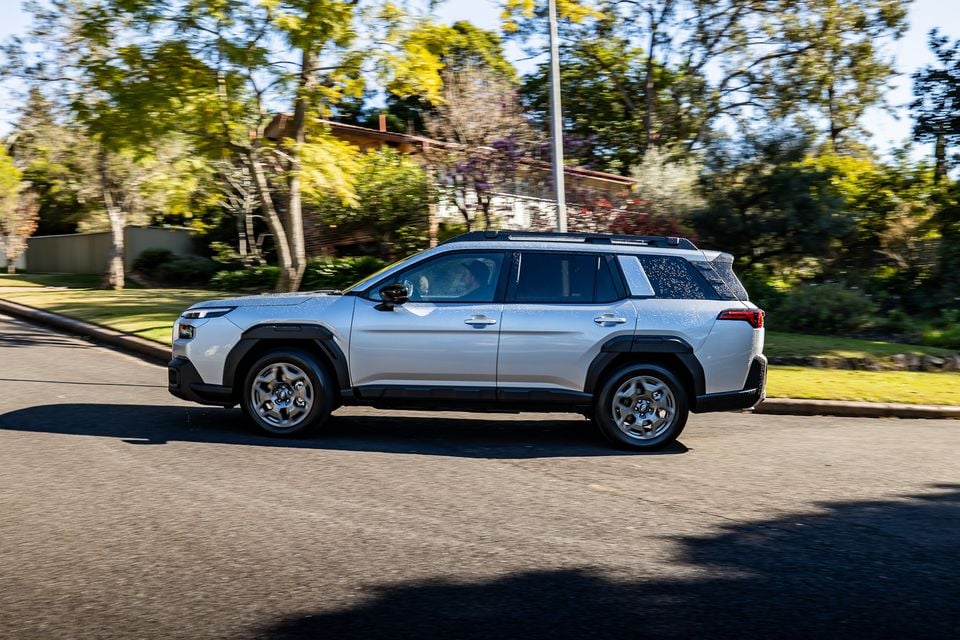
It’s now a boxy SUV. Don’t believe Subaru’s marketing that states it’s still a wagon. It’s no longer what it used to be.
And that’s okay in some respects. But there are things about this model that aren’t great, and we’ll tell you all about them in this review – because we’ve spent more than three months testing this mid-spec non-turbo Outback AWD Premium variant.
Prices for the entire Subaru Outback range rose by almost $5000 when the seventh-generation model was introduced in Australia earlier in 2026, and while there have been some improvements in terms of the spec and tech, it’s playing in an increasingly cluttered part of the market.
| Model | Price before on-road costs |
|---|---|
| 2027 Subaru Outback AWD | $48,990 |
| 2027 Subaru Outback AWD Premium | $53,490 |
| 2027 Subaru Outback AWD Touring | $56,990 |
| 2027 Subaru Outback AWD Wilderness | $59,690 |
| 2027 Subaru Outback AWD Wilderness Apex | $62,690 |
The new Wilderness model variants are the ones you want – for the engine, not so much the appearance – because they are turbocharged. The three lower grades aren’t.
That means the three more affordable grades, which aren’t as affordable as they could be, are running a non-turbo, non-hybrid powertrain while you could be buying another all-wheel drive SUV with a turbo engine, a hybrid or plug-in hybrid powertrain, or even a full EV, for similar money or less.
Considering those prices, you could have a Hyundai Santa Fe – which has a turbo AND is a hybrid, and has seven seats! – for similar cash. Or a plug-in hybrid three-row SUV from China with AWD for less than $60k drive-away.
Or you could go for the excellent fully-electric Subaru Trailseeker, which feels like the money you’re paying and better fulfils the off-road wagon vibe than this new boxy Outback, in my opinion.
What would you buy? Have your say in the comments.
To see how the Subaru Outback lines up against the competition, check out our comparison tool
There are some things Subaru has absolutely nailed here, particularly the everyday usability, but there are also some details that make you wonder how this car costs close to $60,000 by the time it's in your driveway.
Let's start with the good stuff.
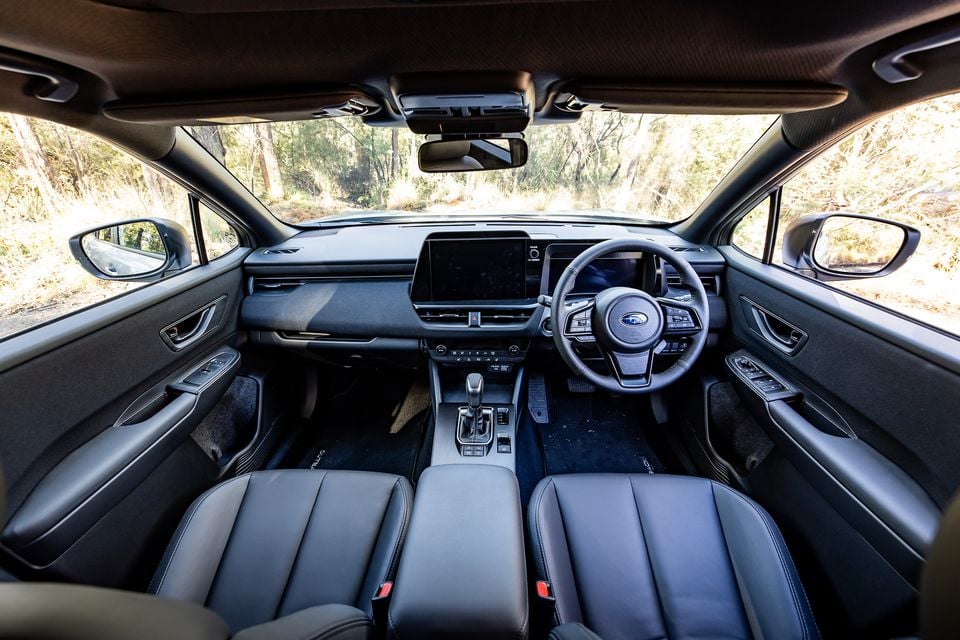
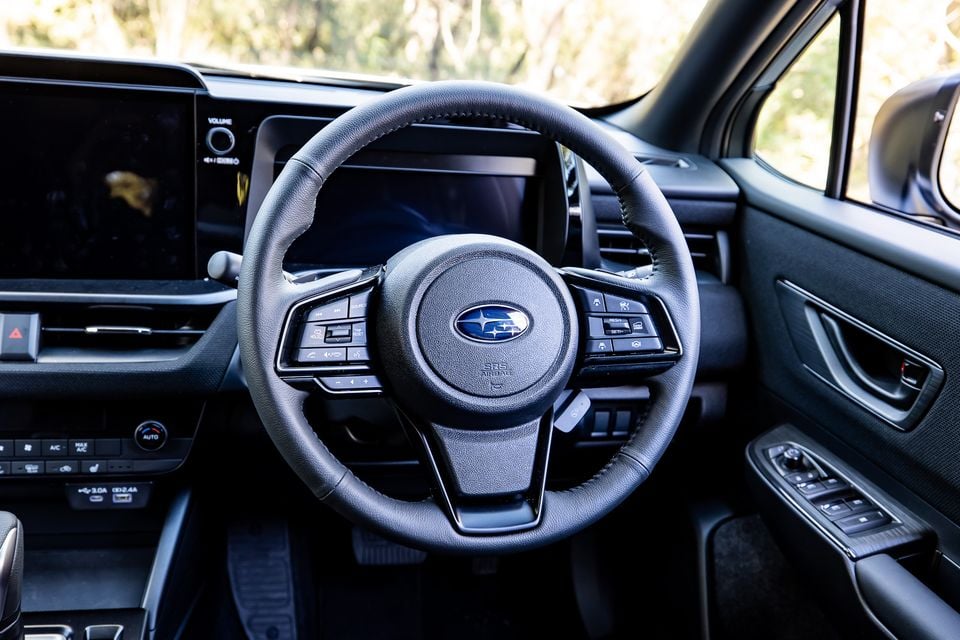
The steering wheel is excellent from a usability perspective. You've got proper buttons rather than those horrible haptic controls common in other cars, and they're clearly laid out for your media, trip computer, cruise control and steering assistance functions. There's also a dedicated button for the heated steering wheel.
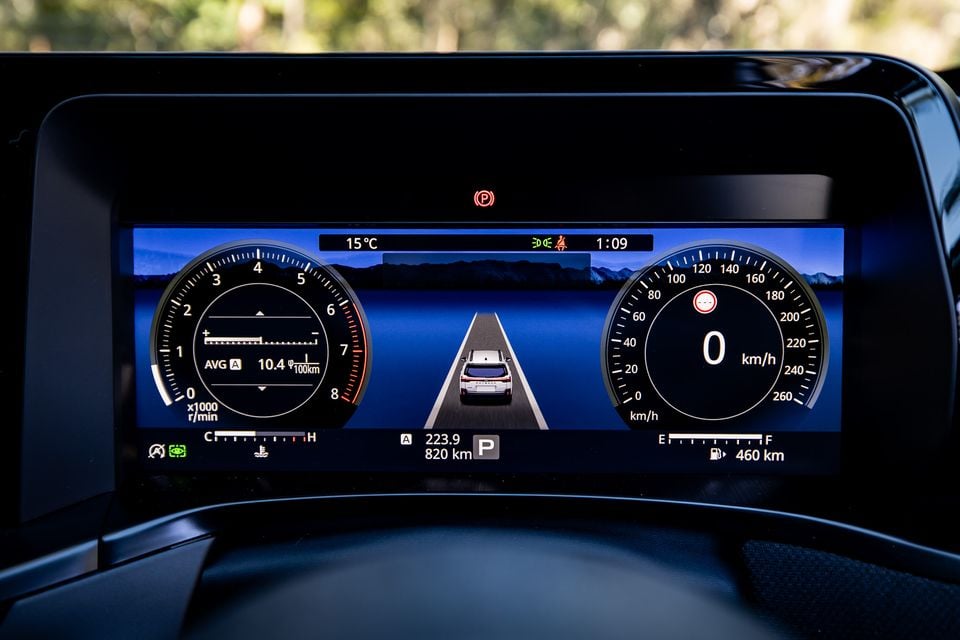
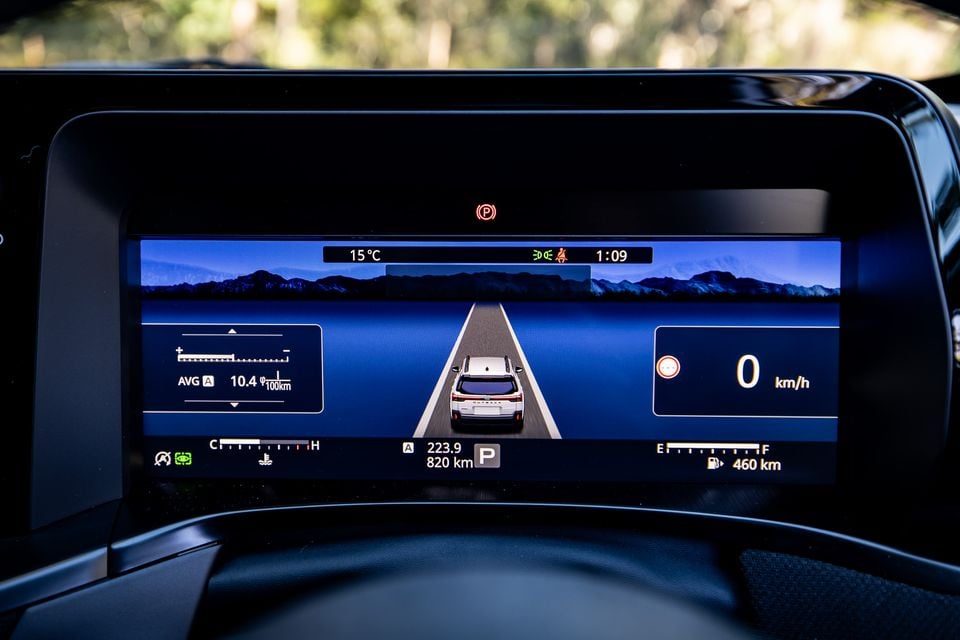
The driver gets a 12.3-inch digital instrument display, and it's a good one. There's plenty of information available and you can change the layout depending on what you want to see. It feels like Subaru has finally caught up with the rest of the industry here.
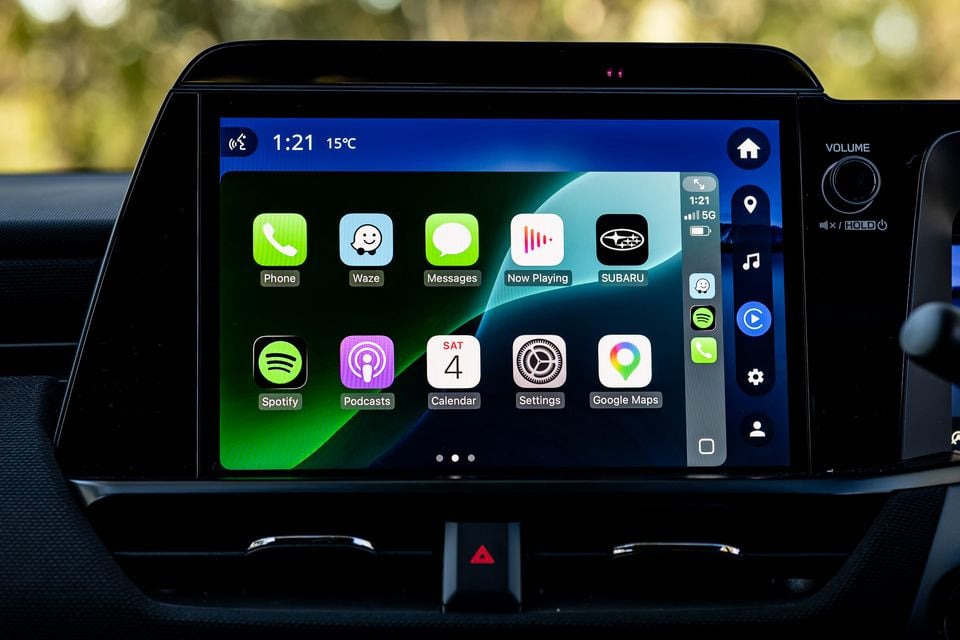
The central infotainment touchscreen is decent, too, although my experience with the connectivity hasn't been overly brilliant.
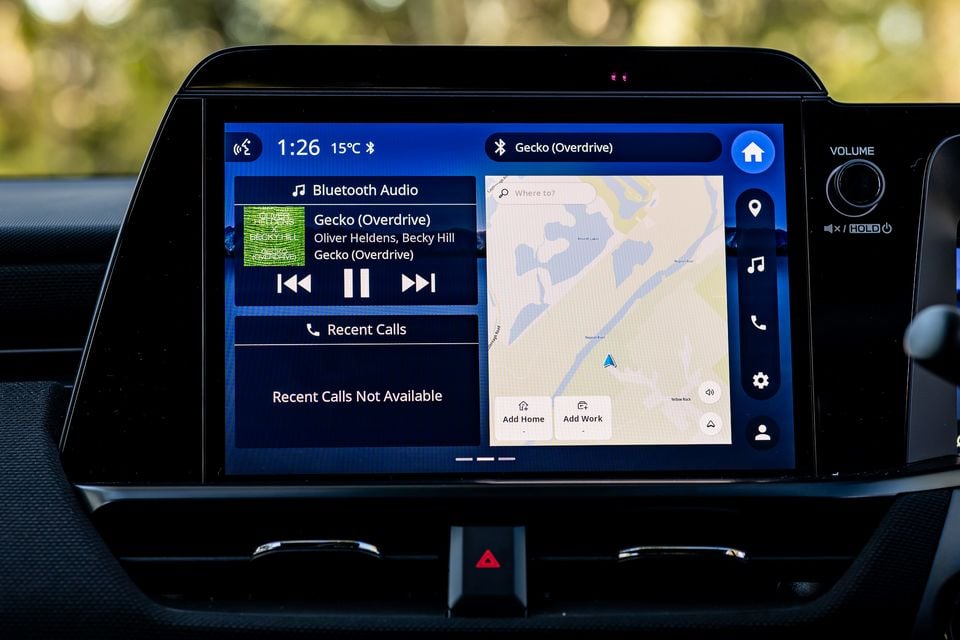
Apple CarPlay can take ages to reconnect when you get back into the car. I'm talking a minute or two sometimes, and I've also had it completely drop out when driving past toll gantries.
And then there's the safety technology.
If you don't like some of Subaru's driver-assistance systems, be prepared to do a bit of menu learning. There isn't a simple shortcut that lets you quickly turn everything off, and you can't save your preferred settings to a driver profile either.
So when you get back into the car and start it up, you're potentially going through the same process every single time. That's frustrating, particularly because some of the systems can be pretty over-sensitive.
At least Subaru hasn't gone completely touchscreen-mad elsewhere in the cabin.
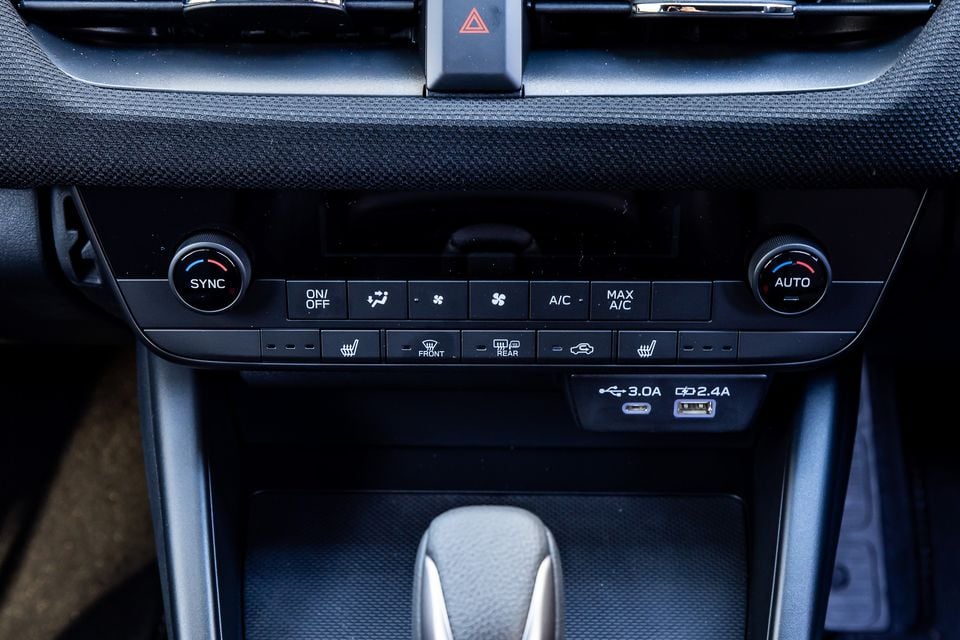
The climate system is adjusted via proper physical controls, with dials for temperature and buttons for the fan. The heated seats have buttons, too.
There's also USB-A and USB-C connectivity but there's no wireless phone charger, despite there being a perfect space for one in the centre console – you have to spend more to get that feature.
That's the sort of thing that bugs me in a car at this price.
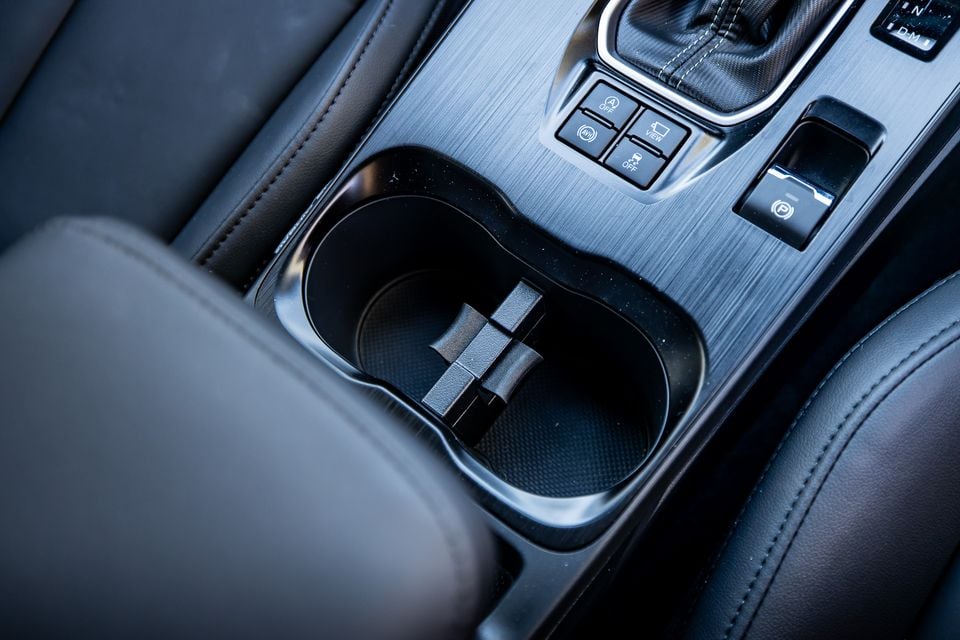
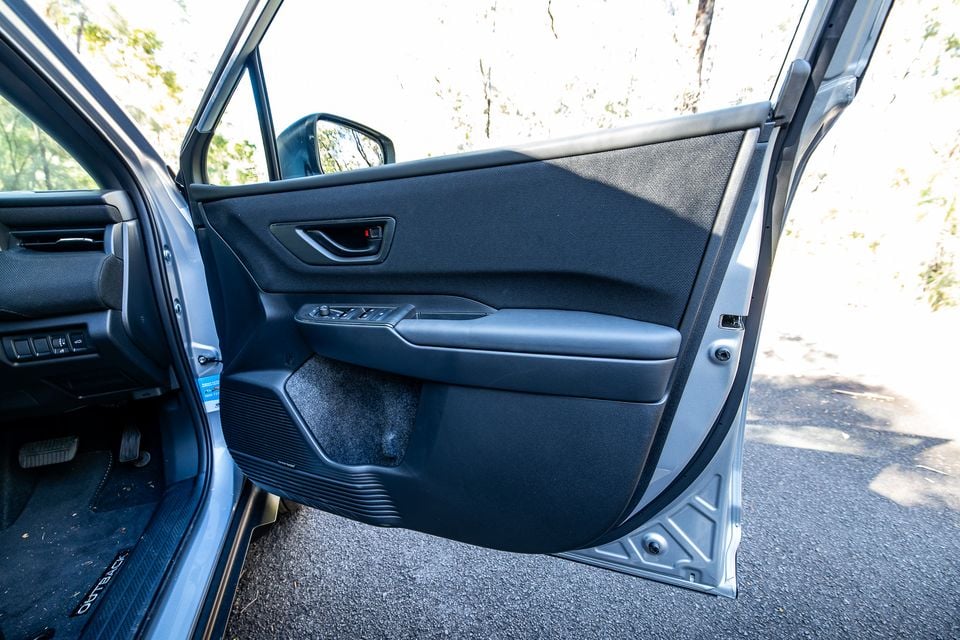
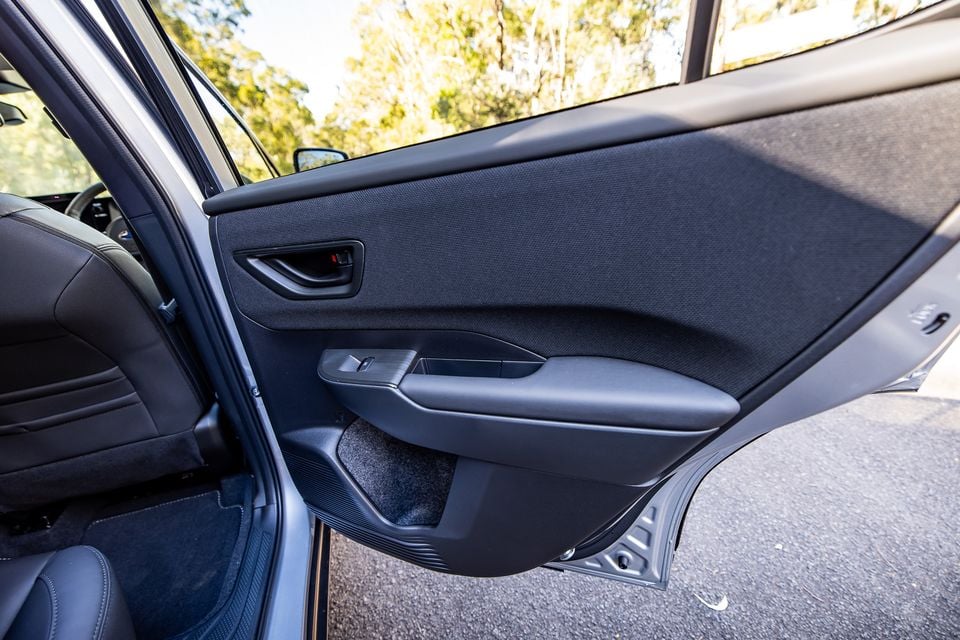
Storage is otherwise pretty good. You get decent cupholders, a useful centre console bin and lined door pockets, which I really like because they stop your bottles and other junk from rattling around.
There are soft-touch elbow rests and fabric trim that runs across the dashboard and into the doors. It adds a bit of warmth to what could otherwise be a fairly dour cabin.
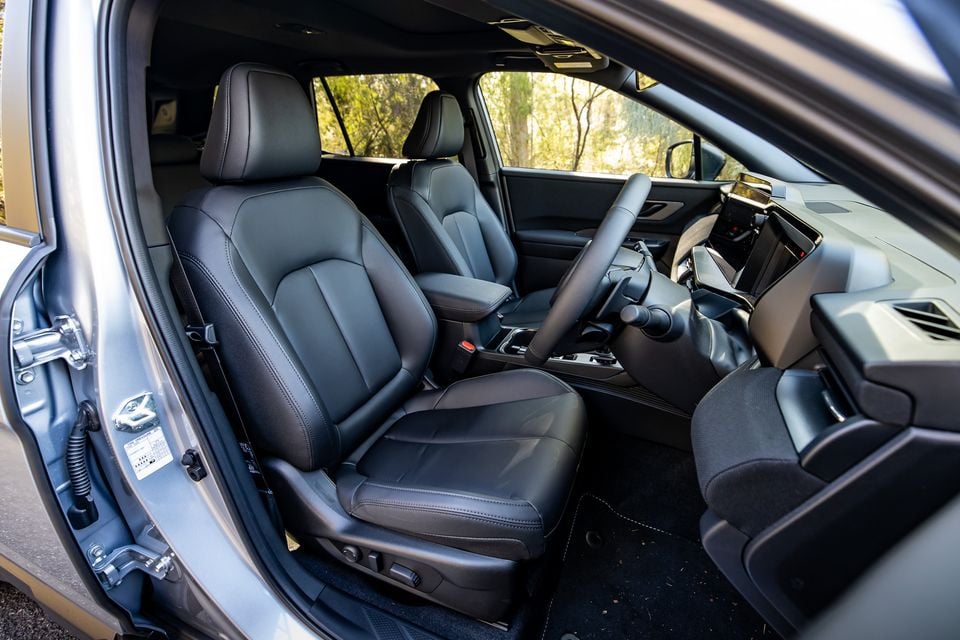
The seats are electrically adjustable in this grade and they're covered in fake leather but, honestly, it’s pretty convincing. More importantly, they're comfortable. We've done some longer trips in this car and I haven't had any complaints about the seats.
There is one problem if you're sharing the car with someone who is a different size to you, though: there's no memory settings for the driver's seat, and my partner – who was regularly sharing this car with me – is considerably shorter than I am, so having to readjust the seat every time got old quickly.
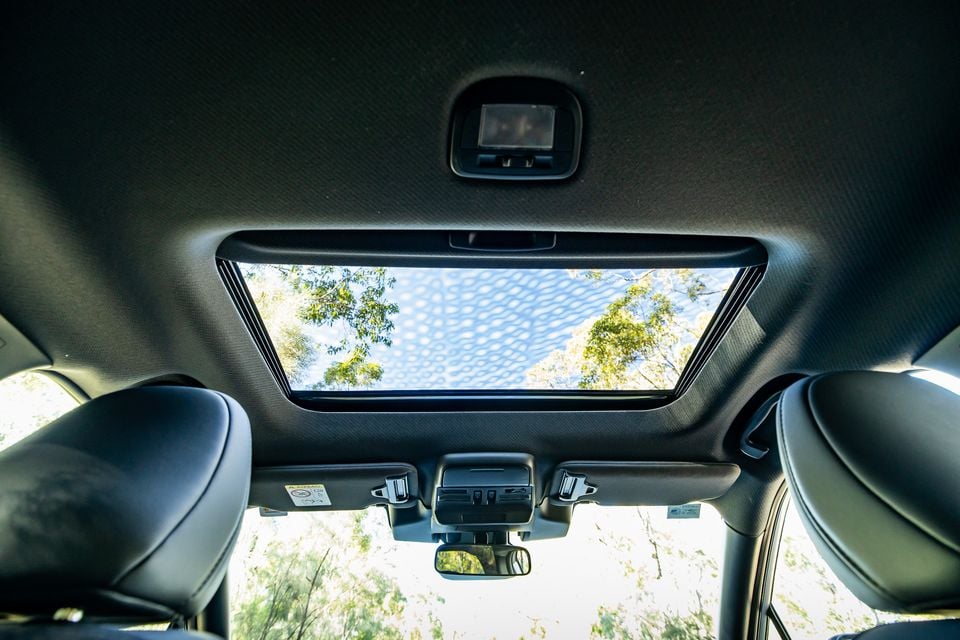
Then you've got a few things that just feel a bit cheap.
The rear-view mirror is manual – not auto-dimming. In a car approaching $60,000, that’s a bit stingy.
The sun visors are also narrow and, while they extend, they don't really do much to block the sun when it's coming in from the side. Plus they clang into the EyeSight camera surround plastic when you use them.
And then there's the sunroof. Yes, it's there. Yes, it opens. And after three months with the car, I didn’t use it once. I’d happily forego a sunroof for some better features like a wireless phone charger or ventilated seats.
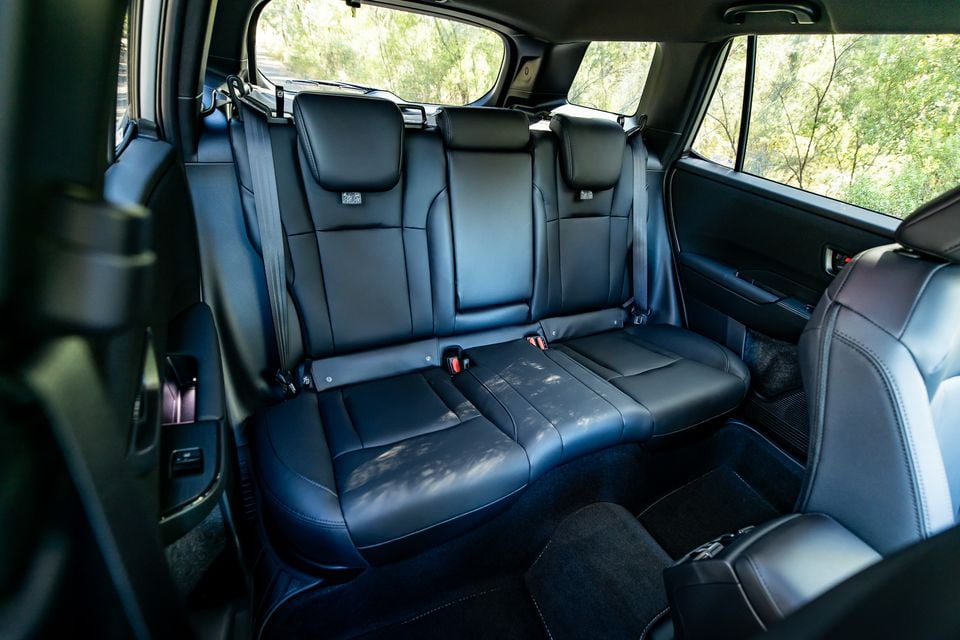
But the Outback delivers when it comes to rear-seat space.
I'm about six foot (182cm) tall and with the driver's seat set for me, there is heaps of room behind. Rear legroom is excellent, there's plenty of space to get your feet underneath the front seat, and headroom is generous.
You could fit three adults across the back without too much drama, although there is a transmission tunnel through the middle, so three big adults might find things a little tighter around their feet.
It's also really dark back here. The previous Outback had a light headliner, and I reckon it made a big difference. The dark lining and rear tinted glass result in a cabin that feels a bit like a cave.
It's spacious, though, and that's ultimately what matters in a family car.
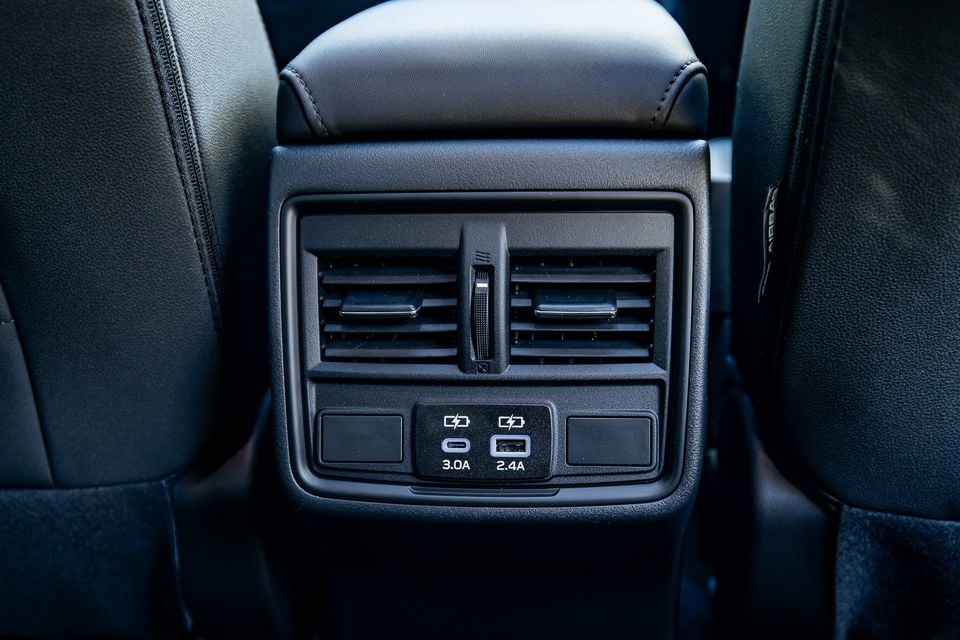
Parents have access to ISOFIX points and top-tether anchors for child seats, plus bottle holders in the doors, seatback pockets, directional air-vents, and USB ports. There's also a fold-down centre armrest with cupholders.
What you don't get is adjustable rear-seat backrests, and you’ll need to spend up to the next grade to get rear-seat heating, too.
There's also an odd centre seatbelt arrangement, which comes down from the roof. If you've got a big person sitting in the middle, the belt can end up sitting across the shoulder of the person next to them.
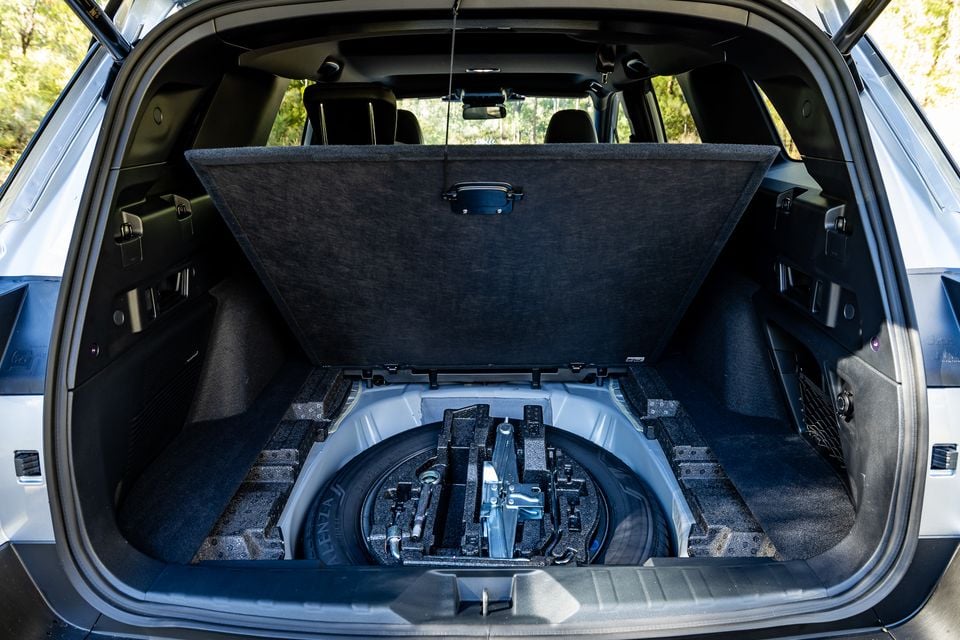
Then we get to the boot, and as a family car it nails the brief.
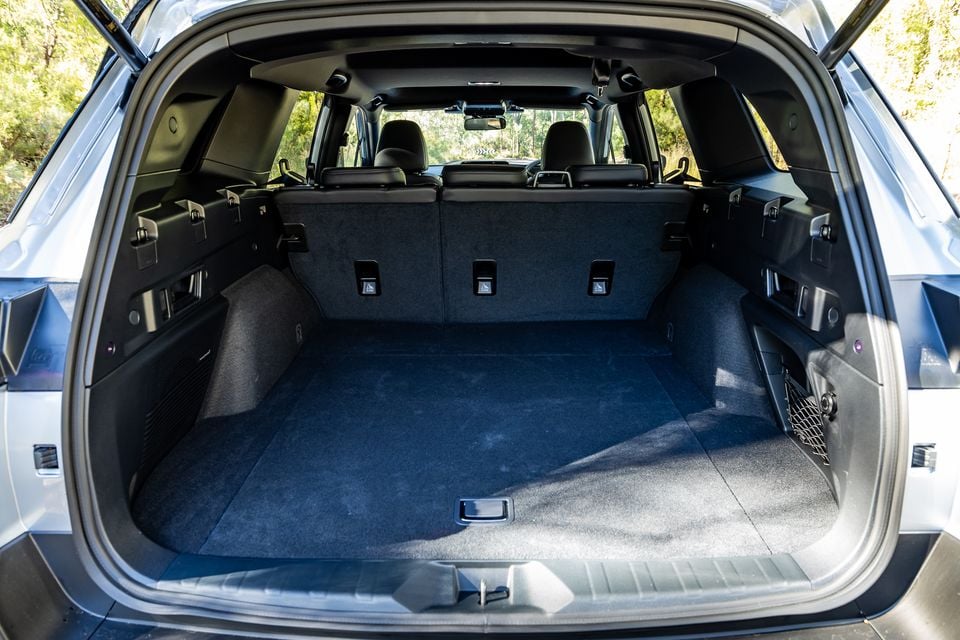
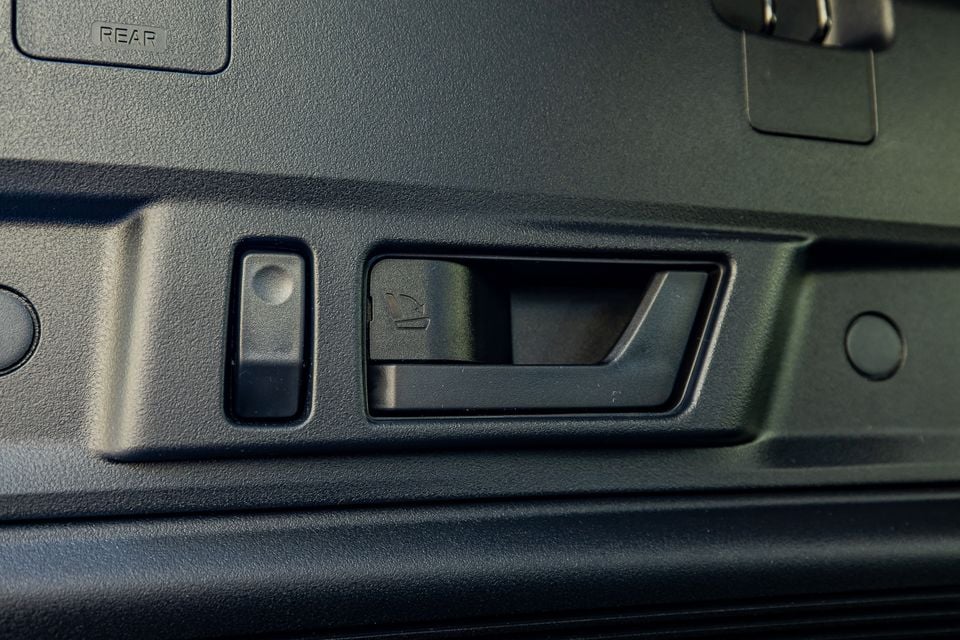
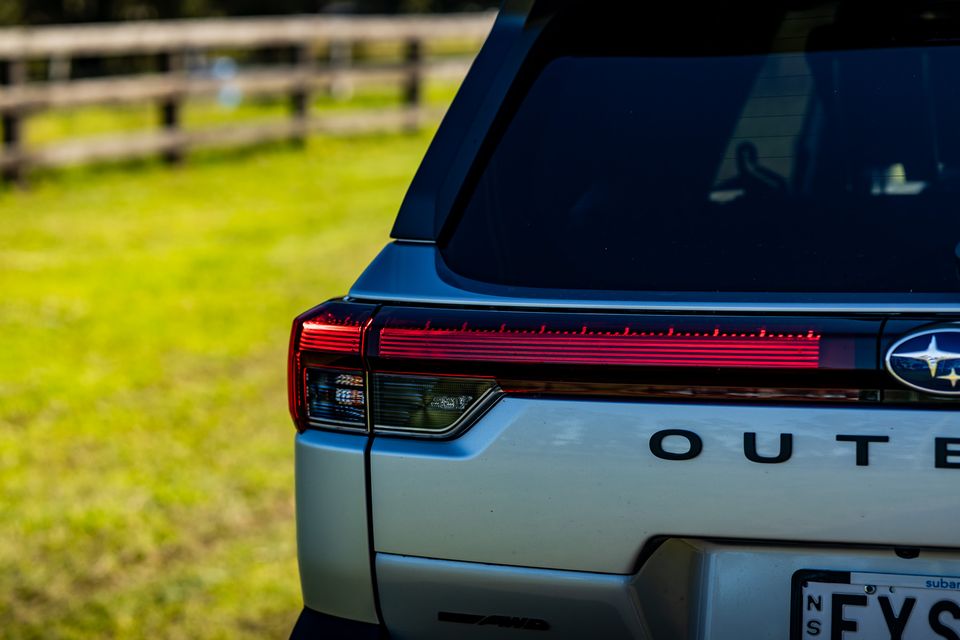
The cargo space is massive and it has a flat load-in lip, plus there’s an electric tailgate as standard and plenty of little touches designed to make life easier. There are hooks for shopping bags or camping gear, additional bag holders, a 12-volt outlet and, importantly, a full-size spare wheel under the floor.
The rear seatbacks can be dropped from the boot, too, giving you a big load area.
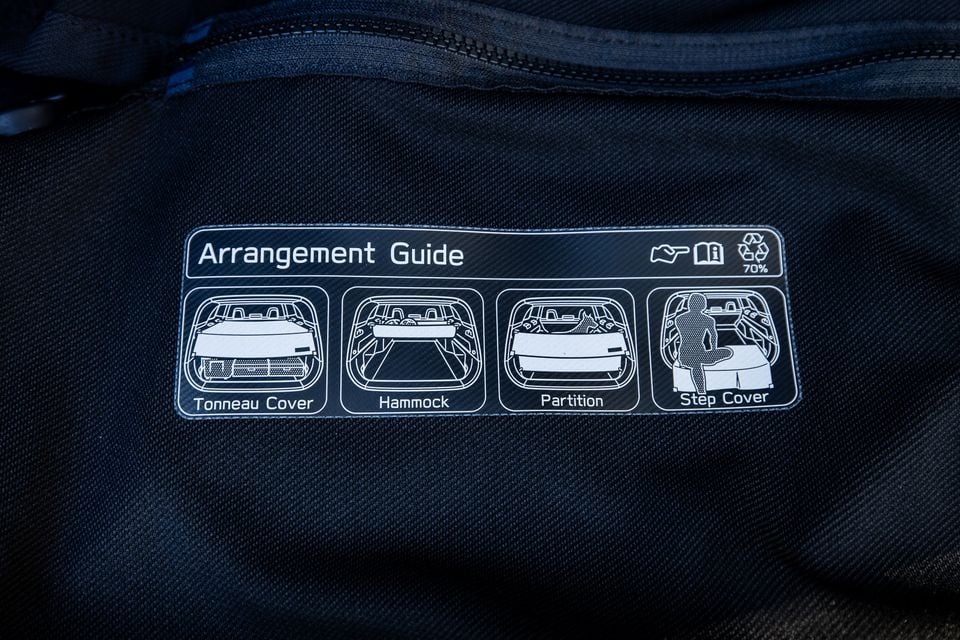
Subaru has also done something a bit different with the cargo cover. You can configure it in various ways and even turn it into something of a hammock. It's clever, I suppose. But honestly, it's also a bit of a faff.
| Dimensions | Subaru Outback AWD Premium |
|---|---|
| Length | 4880mm |
| Width | 1880mm |
| Height | 1715mm |
| Wheelbase | 2745mm |
| Ground clearance | 220mm |
| Cargo capacity | 530L – rear seats up 1211L – rear seats folded, to seatback |
To see how the Subaru Outback lines up against the competition, check out our comparison tool
Have a look at the table below to see just how much more you’re getting if you choose the turbocharged Wilderness variants instead of the 2.5i non-turbo versions.
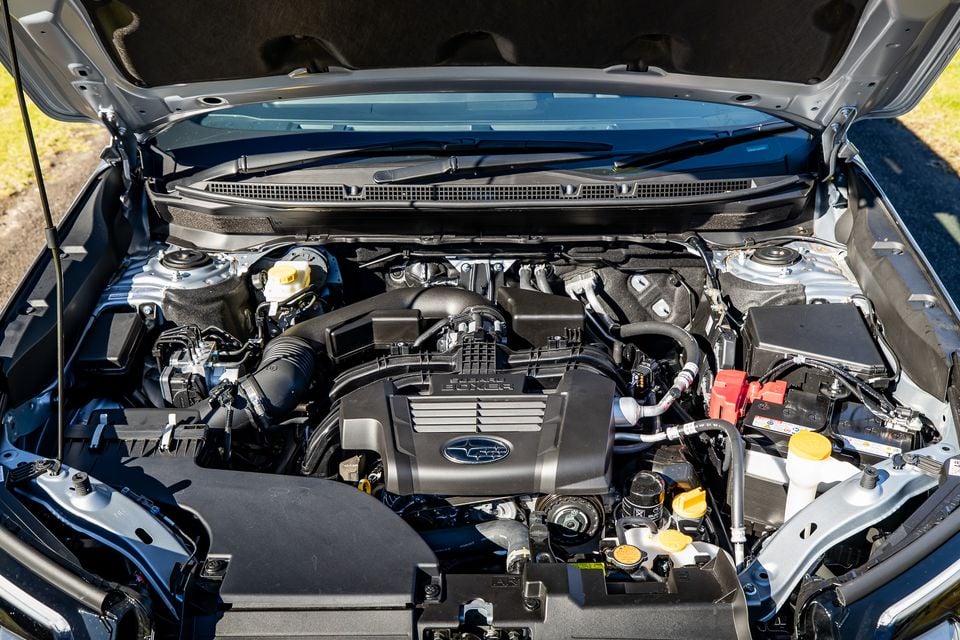
| Specifications | Subaru Outback | Subaru Outback Wilderness |
|---|---|---|
| Engine | 2.5L 4cyl non-turbo boxer | 2.4L 4cyl turbo-petrol boxer |
| Power | 137kW | 194kW |
| Torque | 245Nm | 382Nm |
| Transmission | ‘8-speed’ CVT | ‘8-speed’ CVT |
| Drive type | All-wheel drive | All-wheel drive |
| Weight | 1705kg – base 1732kg – Premium 1733kg – Touring | 1781kg – Wilderness 1802kg – Wilderness Apex |
| 0-100km/h (claimed) | - | - |
| Fuel economy (claimed) | 8.1L/100km | 9.7L/100km |
| Fuel economy (as tested) | 9.0L/100km | - |
| Fuel tank capacity | 63L | 63L |
| Fuel requirement | 91-octane regular unleaded | 91-octane regular unleaded |
| CO2 emissions | 183g/km | 228g/km |
| Emissions standard | Euro 6 | Euro 6 |
| Braked tow capacity | 2000kg | 2100kg |
Of course, there’s a price to pay in terms of fuel efficiency for the turbo, but it has better towing specs (just) and it’s a far nicer car to live with from a daily driving perspective. More on that below.
And if you’re wondering what I achieved over three months of testing and a few thousand kilometres of driving – the number was 9.0L/100km. Not bad, but far higher than you’d see in plenty of turbo or hybrid alternatives.
To see how the Subaru Outback lines up against the competition, check out our comparison tool
For the most part, the Outback is a really agreeable thing to drive.
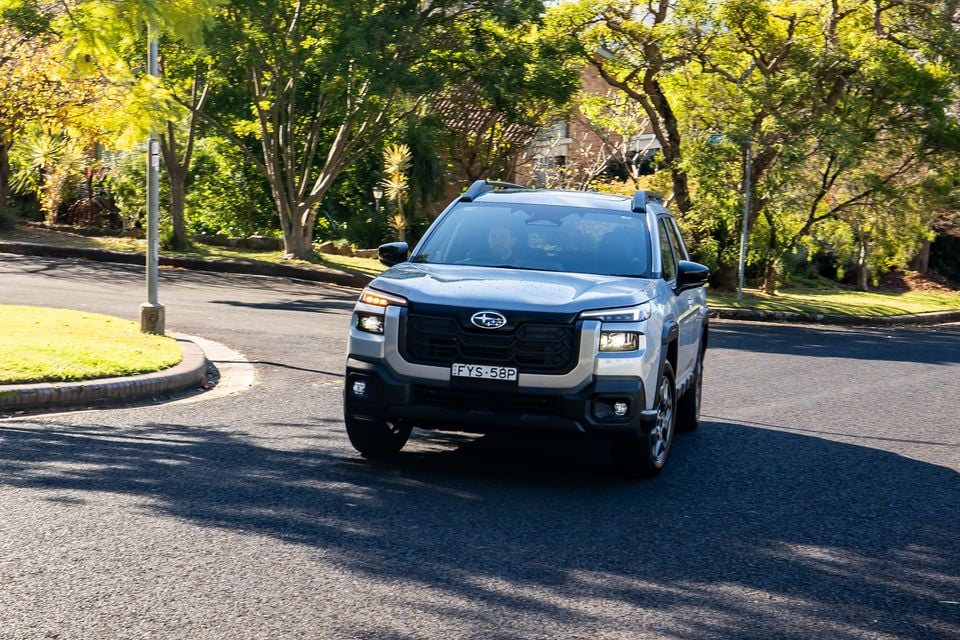
The ride is excellent, the steering is nicely weighted and predictable, and despite being a fairly big, chunky wagon-style SUV, it doesn't feel particularly large from behind the wheel.
But there is one thing that has driven me slightly mad during my time with it, and that's the safety technology.
I already touched on this in the interior section, but it becomes even more obvious when you're actually driving the car.
The lane-keeping system can be intrusive at higher speeds, nudging the car around within the lane when you'd rather it just let you get on with driving. Worse, there were occasions when I indicated to merge and the car actively tried to steer me back into my lane because it thought there was something in my blind spot.
I understand what it's trying to do, but when you're deliberately trying to change lanes and the steering wheel is effectively fighting you, it can be unnerving. My partner brought it up as something that made her feel unsafe.
If this is the car for you, we’ll compare offers from trusted dealers, handle the back and forth and manage your purchase from enquiry to delivery.
Then there's the driver-monitoring camera, which has a tendency to constantly tell you that you're distracted, to the point of distraction.
And while I'm sure some people will appreciate that sort of assistance, during the time I spent with this car it became one more thing I wanted to switch off.
If you can get past those safety frustrations, there's another issue that's much harder to ignore: the engine.
The naturally aspirated 2.5-litre four-cylinder is adequate around town, but load the Outback up and it can struggle.
I took it on longer trips with my partner, my daughter, the dogs and a boot full of stuff, and there were occasions when I went to overtake on an uphill section and thought I may not actually make it in time.
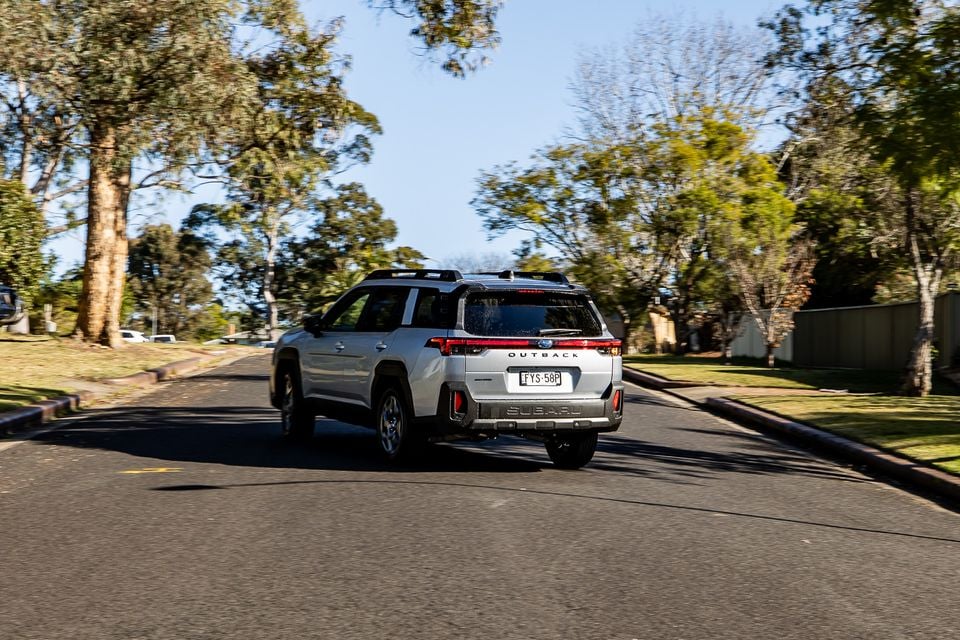
The CVT auto doesn't help. Under acceleration, the engine/transmission combination can feel laboured, with the engine revving away while the car takes its time building speed. The paddle shifters give you some control over the transmission, but they don't change the fundamental flaw – this powertrain is not good enough in the context of this market segment.
In 2026, with turbocharged engines, hybrids and EVs offering much stronger low-speed response, this naturally aspirated setup feels ancient. Yes, the 2.5-litre boxer engine has stood the test of time, but retirement beckons.
If you're a relaxed driver who isn't particularly interested in accelerating hard, you might never care, though. Maybe there’s something to that retirement thing – it does feel like an ‘old person’ car now more than ever, dare I say it.
The steering is one of my favourite things about this car. It's got a nice weight to it, it's predictable and easy to place, and it doesn't make the Outback feel like the sizable machine that it actually is.
The ride comfort is excellent, too. It's really well judged over bumps and rougher surfaces, and gives the Outback the sort of relaxed and comfortable character you'd want from a family road-trip car.
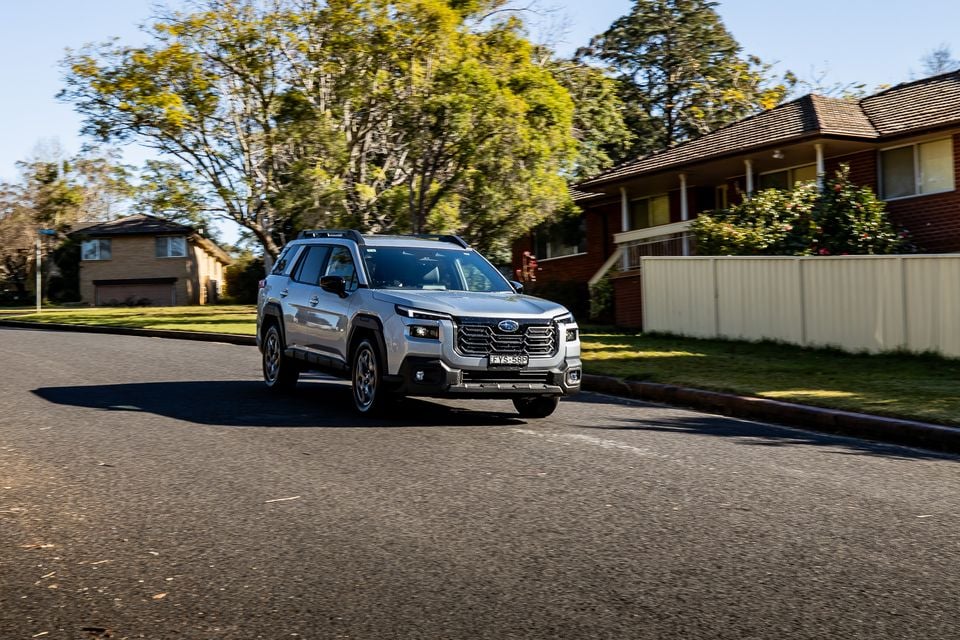
The brakes are strong and with decent pedal feel they make you feel confident when you need to pull the car up quickly.
The standard all-wheel drive system is another advantage, particularly if you're regularly driving on wet, gravel or other slippery surfaces. It's a useful bit of extra traction and adds to the Outback's versatility. But for everyday driving on sealed roads, where you don't necessarily need all four wheels driving, you can be left wishing there was a bit more urgency.
And then there's fuel consumption. The official figure for the naturally aspirated Outback isn't particularly impressive compared with what you can get from modern hybrid and plug-in hybrid SUVs. And over three months and several refills, I saw 9.0L/100km over a few thousand kays.
That's not terrible for a vehicle of this size, but the problem is the context: you're using that much fuel without getting performance in return. At least the Outback can run on regular unleaded, so you don't need to spend extra on premium fuel.
To see how the Subaru Outback lines up against the competition, check out our comparison tool
Here’s a rundown of the model range. You might be surprised by how much you have to spend to get things you may expect as standard in a large SUV.
2027 Subaru Outback equipment highlights:
Outback Premium adds:
Outback Touring adds:
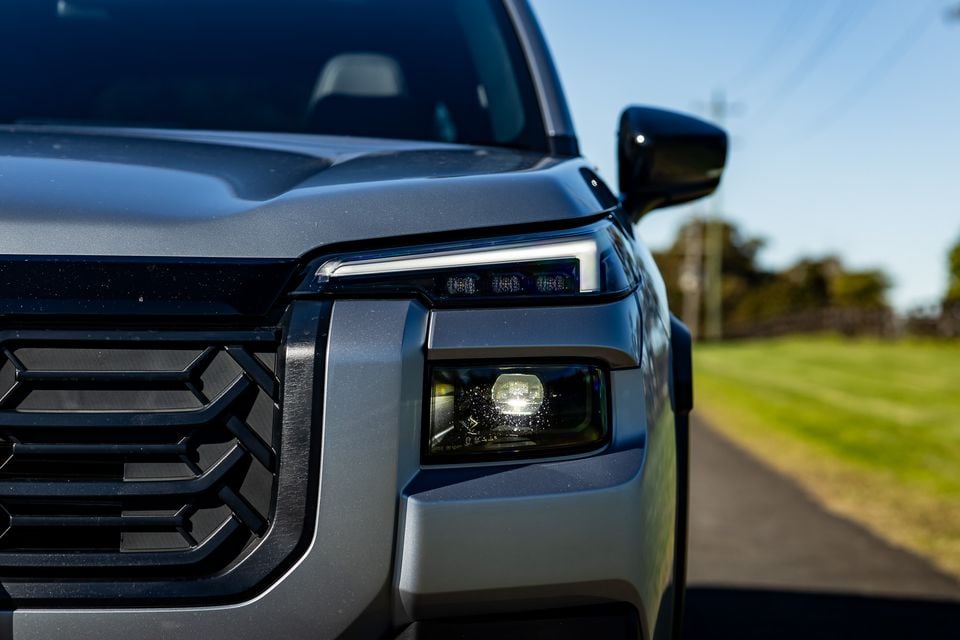
And if you’re interested in the Wilderness models, and can stomach the weird design, here’s what they add.
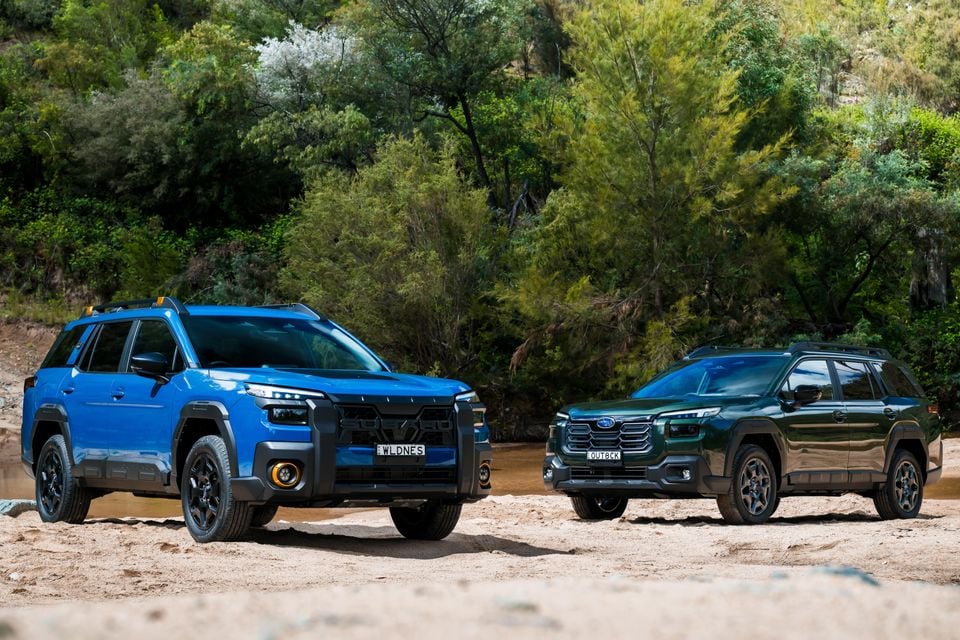
2027 Subaru Outback Wilderness equipment highlights:
Outback Wilderness Apex adds (over Wilderness):
To see how the Subaru Outback lines up against the competition, check out our comparison tool
The latest Outback has not yet been crash-tested by ANCAP nor its sister organisation Euro NCAP. This could be a concern for some.
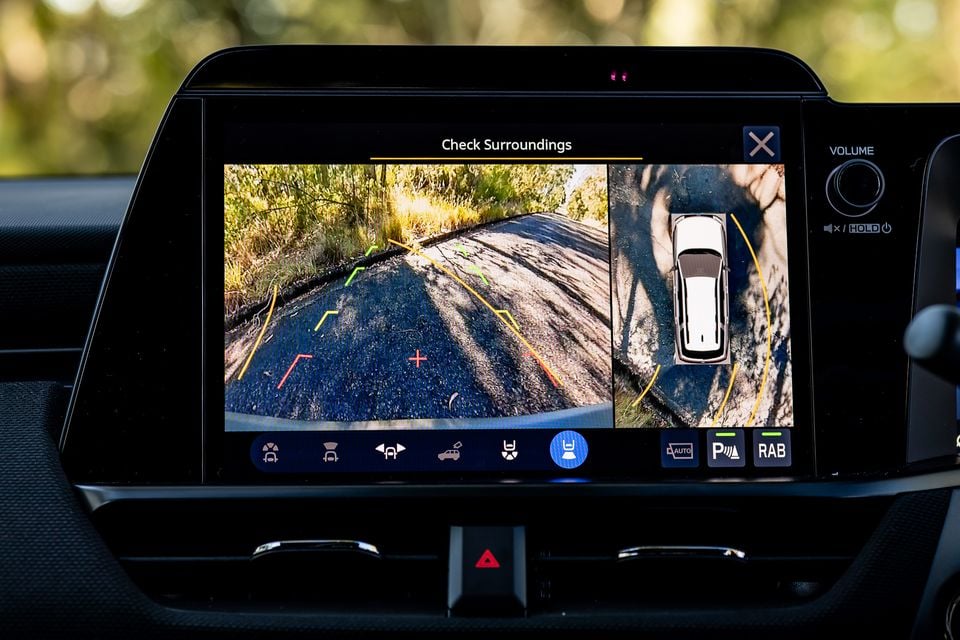
Standard safety features include:
Outback Premium adds:
Outback Touring adds:
The Outback Wilderness shares all the same safety gear as the base Outback AWD, while the Wilderness Apex adds a surround-view camera.
But as I mentioned, the Outback has all the gear but no idea when it comes to tech integration, and for buyers who prefer not to be annoyed by bing-bongs and chimes, it won’t be a fun ownership experience.
To see how the Subaru Outback lines up against the competition, check out our comparison tool
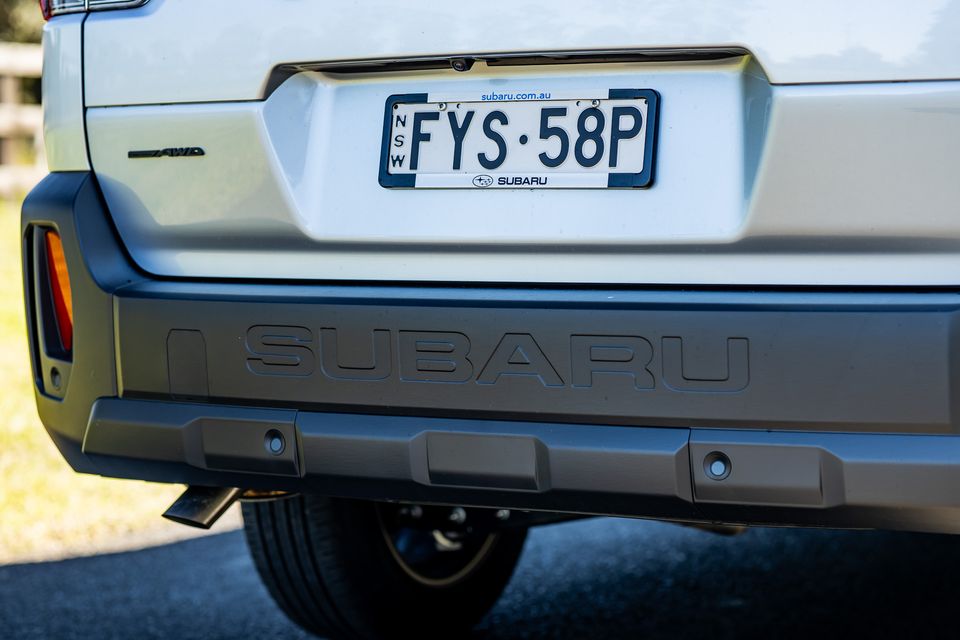
The Outback has a terrific reputation for reliability, and because the same engines are offered in this new-gen model range, hopefully that remains the case.
| Servicing and Warranty | Subaru Outback AWD Premium |
|---|---|
| Warranty | 5 years, unlimited kilometres |
| Roadside assistance | 12 months free or three years free if you prepay servicing |
| Service intervals | 12 months or 15,000km |
| Capped-price servicing | 5 years or 75,000km |
| Average annual service cost | $460 |
| Total capped-price service cost | $2299 |
The aftersales backup for this model is good, and Outbacks do hold their value well. Or at least the previous Outback wagons did. So who knows if this boxier, more SUV-like model will follow the same path.
To see how the Subaru Outback lines up against the competition, check out our comparison tool
There are some really great things about the new Subaru Outback.
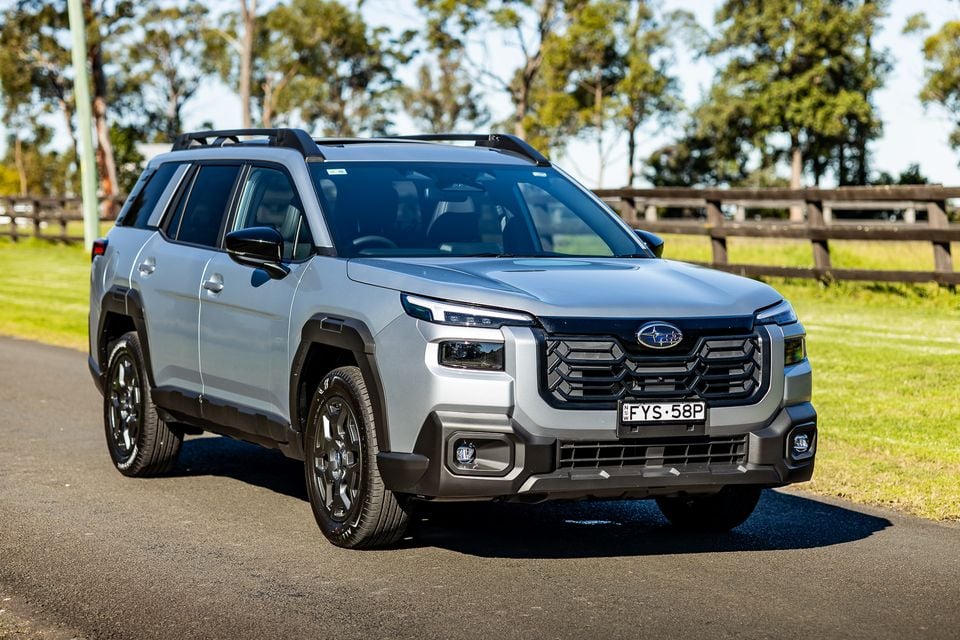
It’s more off-roadable than many of its rivals, and it remains a super-practical family five-seater with a big boot, lots of cabin space and loads of practicality. It's also comfy for urban or long-distance driving, and the handling is predictable on the road, too.
But with this non-turbo engine it’s not the car it deserves to be. And some of the safety tech is pretty hard to live with, too.
Add to that a higher price that isn’t as competitive as it needs to be in the current market, and the Outback struggles to stand out from the pack, despite its design arguably standing out for the wrong reasons.
If I was into this car but wanted it with a turbo engine and without the Wilderness exterior pack, I’d wait and see… Apart from the chance of price cuts, I reckon Subaru Australia might adjust its strategy to offer turbo options in non-Wilderness grades. Heck, I’d maybe even wait and see if the rumoured hybrid powertrain arrives!
CarExpert can save you thousands on a new Subaru Outback. Click here to get a great deal.
Click the images for the full gallery
MORE: Explore the Subaru Outback showroom
Editorial Disclosure
This vehicle was supplied by Subaru Australia for evaluation.
If this is the car for you, we’ll compare offers from trusted dealers, handle the back and forth and manage your purchase from enquiry to delivery.
Quickly see how this car stacks up against its competition. Select any benchmark to see more details.
Subaru Outback
Subaru Outback Sales rolling 12-months#
*Based on VFACTS and EVC data
Looking for complete Subaru Outback price history?
Our Subaru Outback Pricing Page shows exactly how prices have changed over time.
2025
$48,452
2025
$53,161
2026
$53,557
2025
$56,592
2024
$56,592
2026
$58,282
2025
$58,411
2025
$60,907
2026
$61,957
2025
$62,401
2026
$64,792
2026
$67,942
Matt has more than a decade of experience in automotive journalism, and loves exploring the pros and cons of new cars, delving into deep-dive industry stories, and going for a drive just for the fun of it.
Add CarExpert as a Preferred Source on Google so your search results prioritise writing by actual experts, not AI.
Damion Smy
2 Days Ago

William Stopford
6 Days Ago
Damion Smy
7 Days Ago

Tace Clifford
8 Days Ago

Max Davies
9 Days Ago
Max Davies
9 Days Ago
Add CarExpert as a Preferred Source on Google so your search results prioritise writing by actual experts, not AI.
# Based on VFACTS and EVC data
† Displayed prices are based on the drive-away price of the vehicle, which includes delivery charges, registration fees, number plates, and applicable road taxes, based on a Sydney location. However, prices may vary between states and territories, and additional costs such as compulsory third party (CTP) insurance, dealer delivery fees, and optional extras are not included. These prices are subject to change without notice and may not reflect current market pricing or dealer offers.
 Automotive Vehicle Spec Data & 4K images Powered by JATO Dynamics Ltd