





Damion Smy
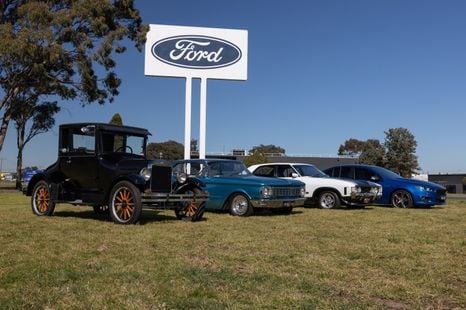
A decade on: Our favourite Australian-made Fords
Ten years to the day since Australia's final Ford factory closed, we reminisce with our favourite locally made models.
14 Minutes Ago
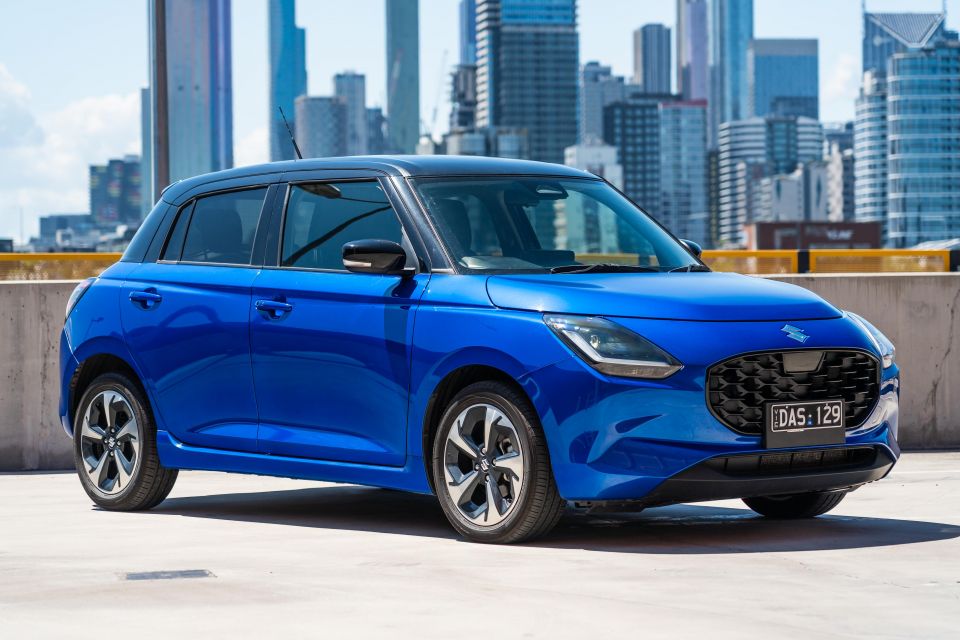
The Swift Hybrid remains a cheap and cheerful hatch, made more palatable by an improved safety rating in recent months.
If this is the car for you, we’ll compare offers from trusted dealers, handle the back and forth and manage your purchase from enquiry to delivery.
As Impreza is to Subaru, and Civic is to Honda, Swift is one of Suzuki’s most iconic nameplates.
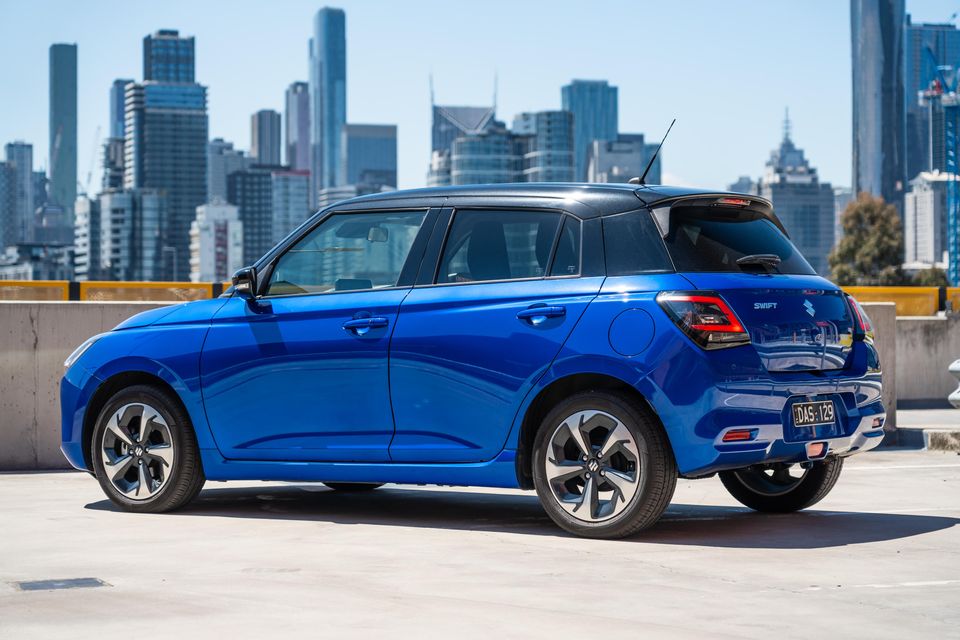
In 2024, the long-running Japanese light hatch entered a new generation, giving us the Mk4 Swift ‘Hybrid’ you see here. The headline addition was a new 12V mild-hybrid system, making the latest Swift a hybrid-only model and marking the first step in Suzuki’s electrified model push in Australia.
Following in its low-capacity mild-hybrid footsteps would later be the Fronx light SUV in 2025, while the fully electric e-Vitara – and a hybrid version of the regular Vitara – is due to arrive locally by mid-2026.
But for the time being, Suzuki’s smallest local model (and currently its only non-SUV passenger car) is a prime example of what the Japanese brand is best known for: cheerful small cars that won’t break the budget.
In Australia’s four-model light-car segment, the Swift Hybrid is the third most popular model, ahead of only the Toyota Yaris. It’s the only one still available with a manual transmission after the Mazda 2 lineup was rejigged for 2025, but it’s still more expensive than the segment-leading MG 3.
But despite its iconic status within the Suzuki stable, it isn’t the brand’s top-seller – at least not in Australia. That distinction goes to the pint-size Jimny off-roader, and even though specific variants of the latter were recently subject to a lengthy stop-sale, it isn’t particularly close.
In fact, last year the Jimny outsold the Swift by more than double. That’s likely down to a mix of the Jimny’s cult status and Australia’s appetite for SUVs, but it’s no less curious given the Swift is cheaper and objectively more sophisticated.
Regardless, the Swift formula is tried and tested, and Suzuki chose not to deviate from what it knows. On test here is the 2026 Suzuki Swift Hybrid GLX, the range-topping trim level in the three-variant lineup.
How does it stack up against its better-selling rivals, and is it the pick of the bunch?
The top-spec Suzuki Swift Hybrid GLX is priced at $29,490 before on-road costs.
| Model | Price before on-road costs |
|---|---|
| 2026 Suzuki Swift Hybrid manual | $24,990 |
| 2026 Suzuki Swift Hybrid auto | $25,990 |
| 2026 Suzuki Swift Hybrid Plus auto | $27,490 |
| 2026 Suzuki Swift Hybrid GLX auto | $29,490 |
Direct segment rivals are limited to the MG 3, Toyota Yaris, and Mazda 2, and our Swift tester is cheaper than two of its top-spec equivalents.
The range-topping MG 3 Hybrid+ Essence is typically priced at $29,990 before on-road costs (or $28,888 drive-away according to MG’s website), while the Mazda 2 G15 GT costs $28,190 plus on-roads.
The Yaris, meanwhile, tops out at $34,590 before on-roads for the ZR Hybrid, excluding the $55,000-plus, two-door GR performance models.
To see how the Suzuki Swift stacks up against its rivals, use our comparison tool
The Swift Hybrid is a very sensible small hatch.
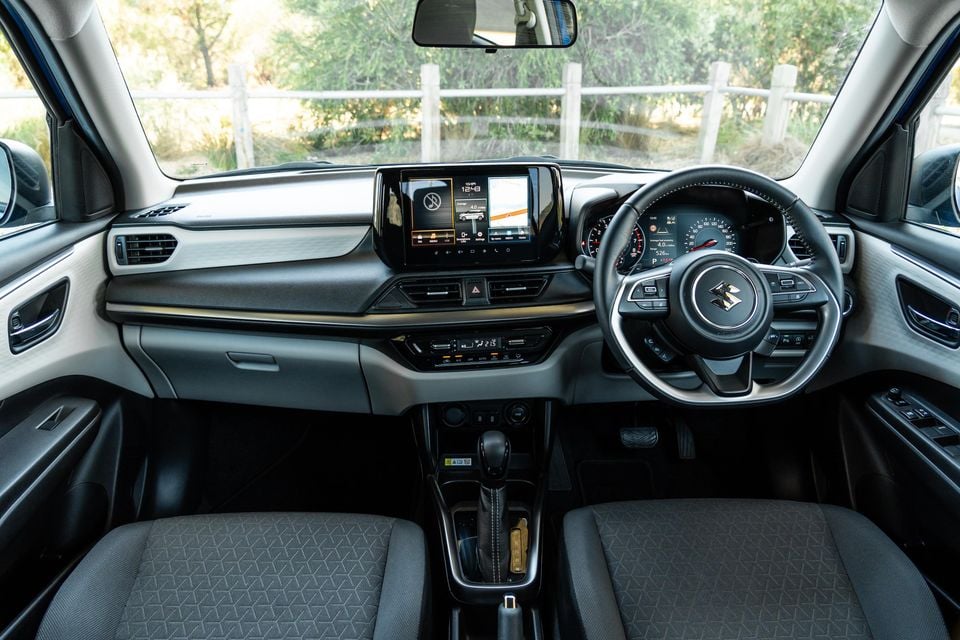
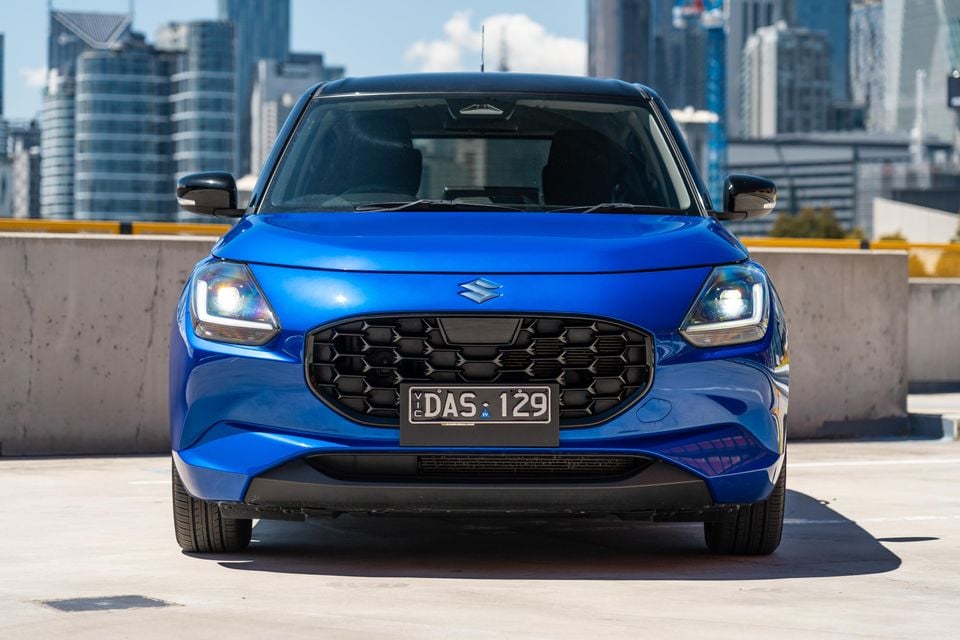
It may not be flash, and it sure gets its fair share of angles and mismatched lines, but the Swift never feels like it’s trying to be anything it isn’t. The only problem is that the GLX doesn’t do much to justify its range-topping status.
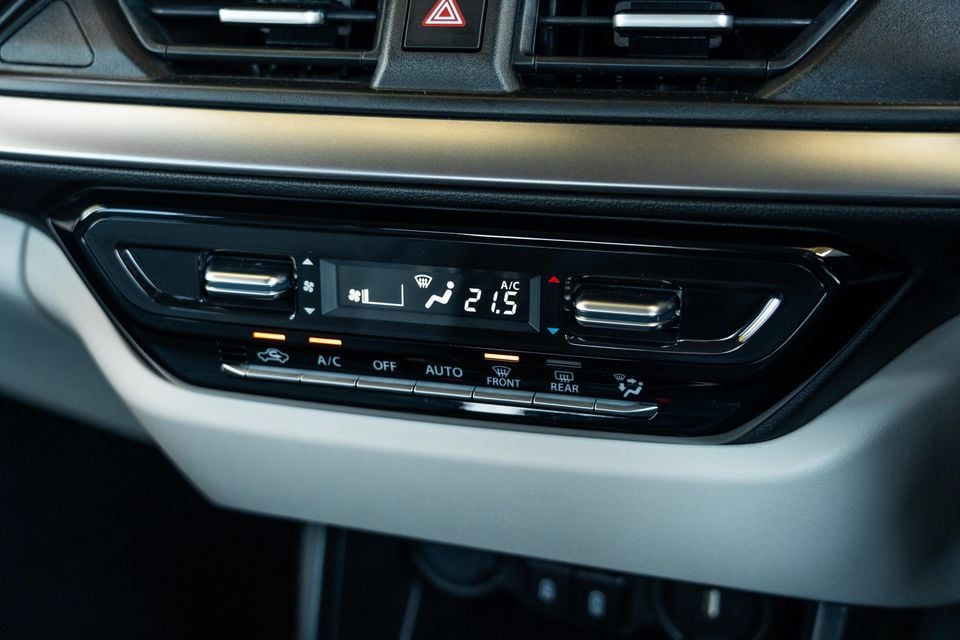
Unique fittings include a wireless phone charger, automatic climate control, and paddle shifters, but none of that is entirely necessary. Charging? You can use the USB-C port instead. Auto climate control? Manual air-conditioning is standard in the other two trim levels.
And the paddle shifters? Please, it’s an economy hatch with a continuously variable automatic transmission (CVT), so they aren’t anything more than a novelty.
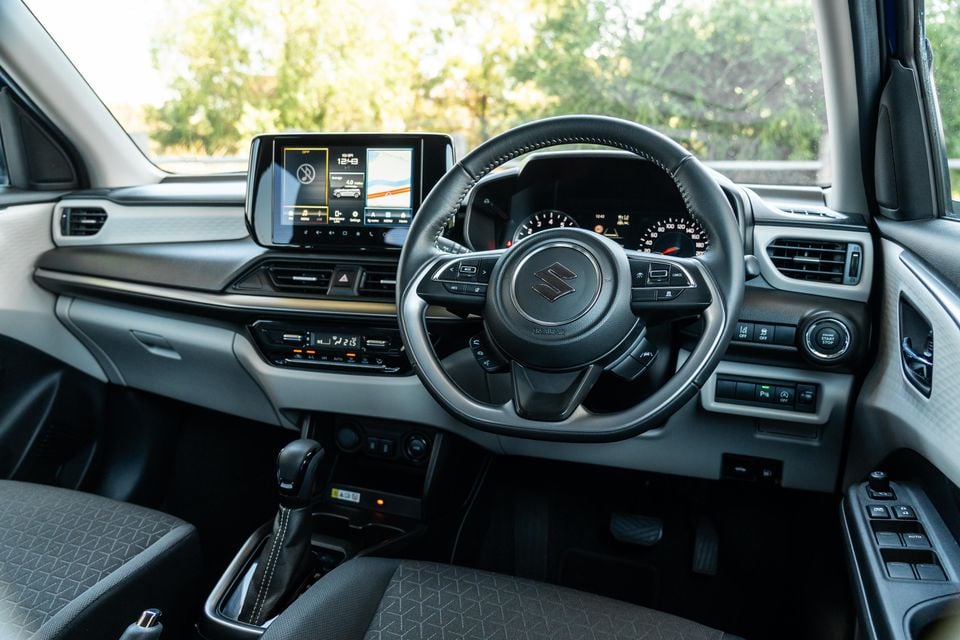
The important things are all still present in the GLX, which blurs the line between it and the Plus below it. Regardless, strong ergonomics and a logical layout suggest the Swift’s interior is well thought out.
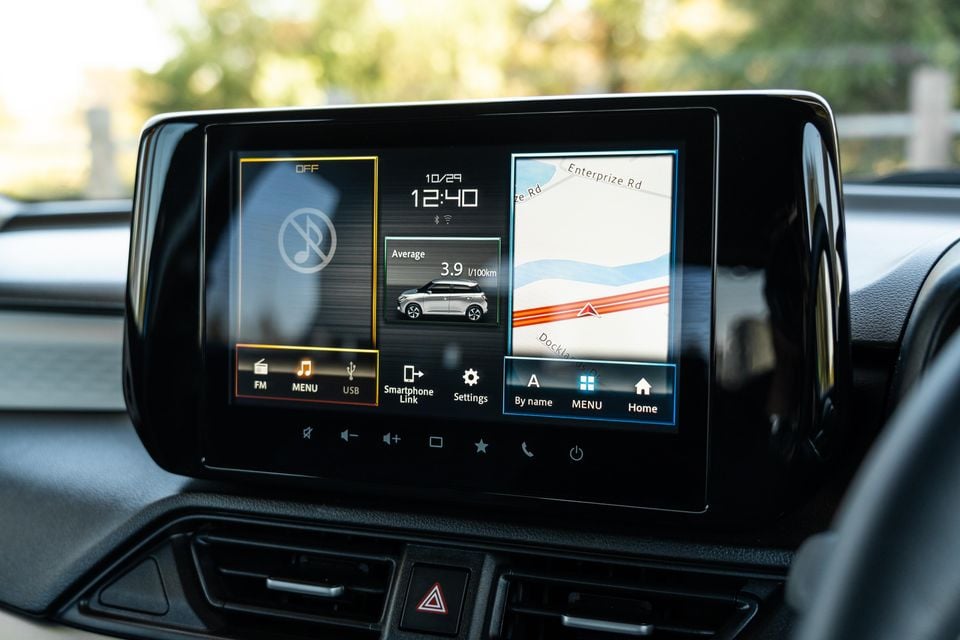
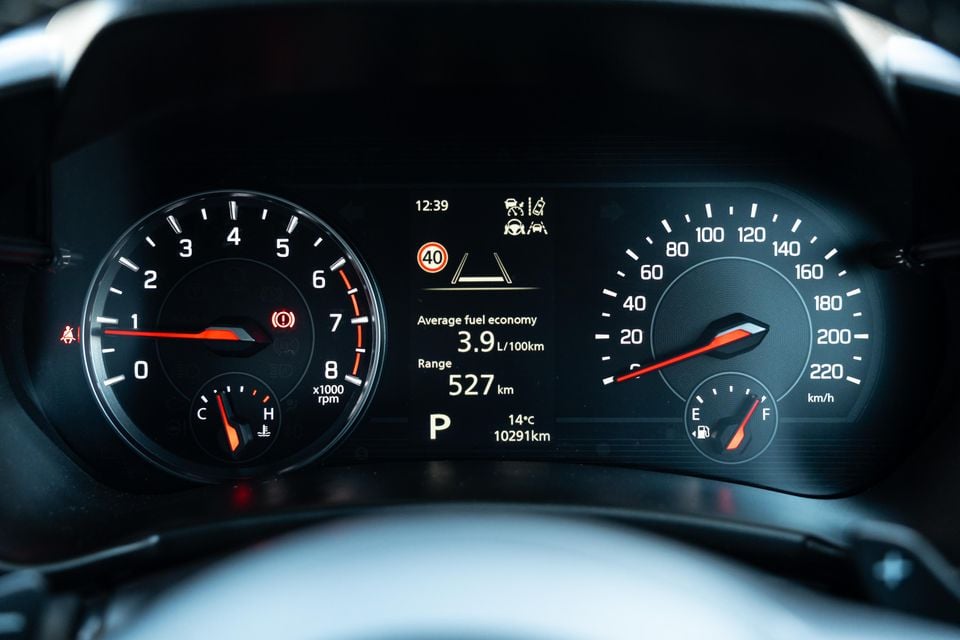
In many ways, it’s a breath of fresh air compared to the more tech-savvy alternatives, yet it doesn’t feel as dated as the Mazda 2 does. There’s a neat-looking instrument cluster behind the steering wheel, entirely analogue except for the digital panel in the middle.
No economy hatch needs anything more than this. Both the MG 3 and Yaris (at least in top-spec form) get digital instrument displays, which work fine but can feel a little forced at this end of the market. We appreciate that Suzuki hasn’t followed suit.
Instead, it gets a basic setup that suits the car. It’s no more cumbersome either; in fact, it’s much less intimidating for newcomers or first-timers, as there are only a few simple menus to flick through on that small central display – and only one large steering wheel button to do so.
Similarly, that wheel is simple, with just a handful of hardy plastic buttons in various places. Its leather finish is a nice touch (again carried over from the Plus trim), but we could do without the plastic piece along the bottom.
Moving across to the infotainment display reveals a visually unappealing unit, both physically and digitally. Its placement on the dash is clunky, with huge glossy black bezels, while its graphics aren’t befitting of a car that launched in 2024.
But functionality is solid if not a little laggy at times, and wireless Apple CarPlay is a much-needed inclusion that works reliably. It’s possible to adjust a handful of settings through this screen, but customisation is expectedly limited.
Below is a simple physical climate control setup that’s easy to understand. Even if something confuses you off the bat, it won’t take long to get acclimatised to how the system works – having real buttons to poke and prod also means that, like the instrument cluster, people coming from older cars won’t be scared away.
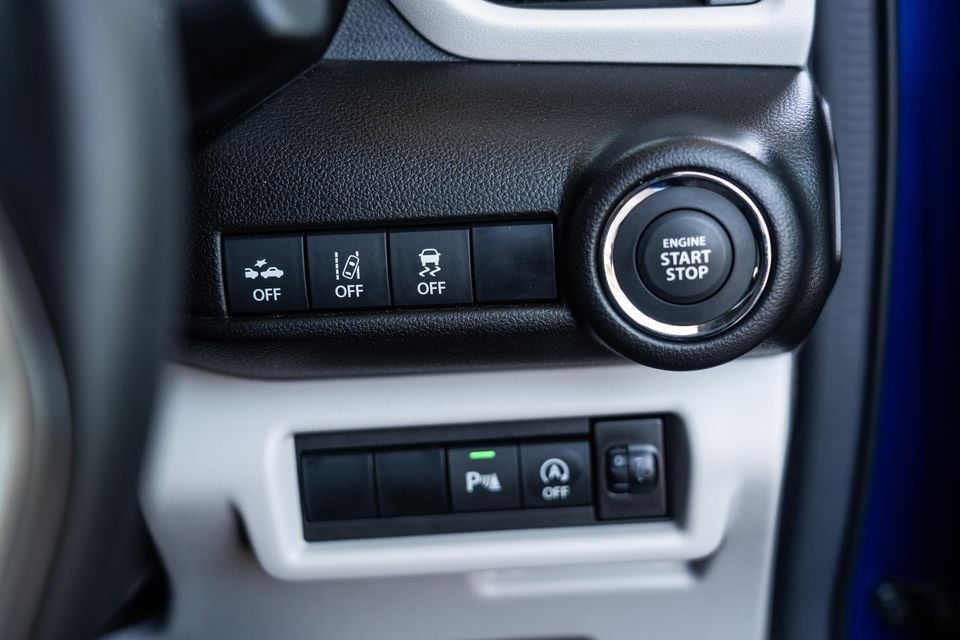
On the topic of things to press, what’s with all the button blanks? This is a top-spec model, so those blanks on the steering wheel and around the engine start/stop button are curious, even when considering potentially higher-spec overseas variants.
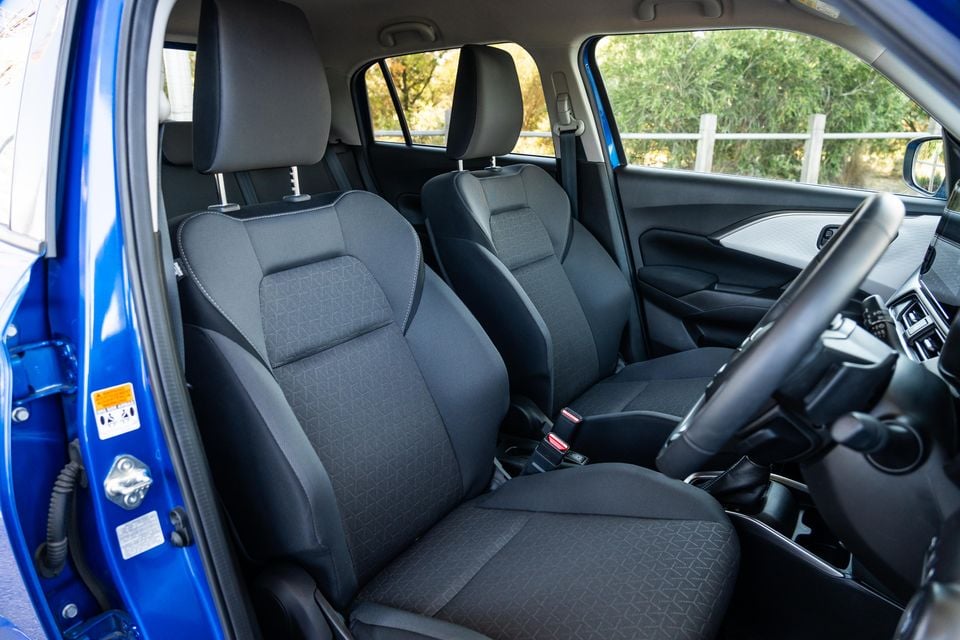
Other than that, everything is as you’d expect for a Swift. The seats are comfortable if unremarkable, and there’s a wide range of (manual) adjustment for both the driver’s seat and steering wheel, making it easy to find a solid driving position.
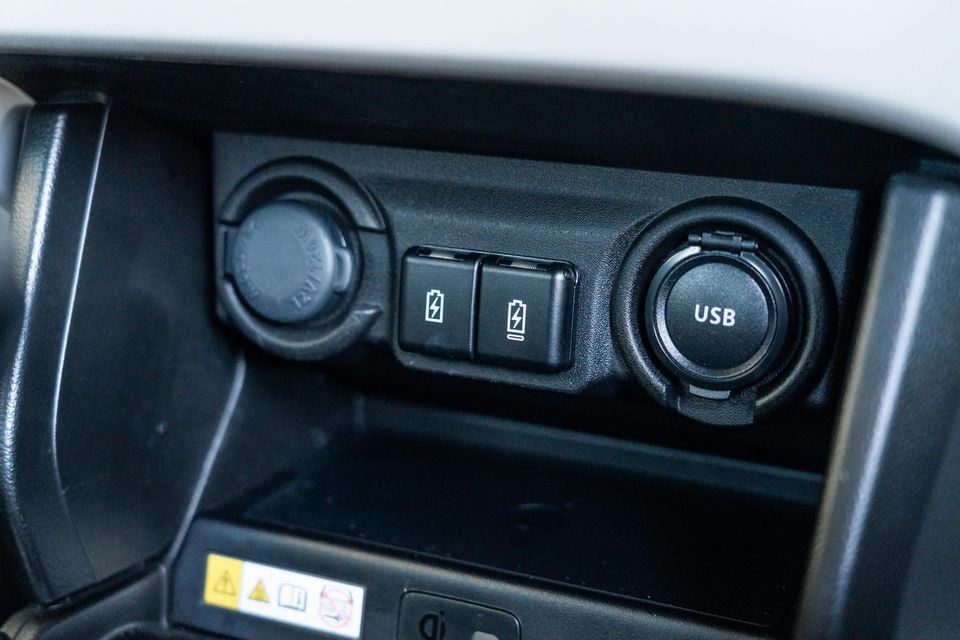
We like the traditional gear selector and manual handbrake, while the wireless charger, heated seats, and multiple USB ports are all nice to have. You’ll also find there’s plenty of room for taller bottles in the two central cupholders, provided they’re not too wide.
It’s the same story for the bottle holders in the doors, which don’t cope too well with anything larger than an average 600ml bottle. There isn’t much more than a small cupholder-sized hole on the centre console either, with unfortunately no room for a lidded storage box.
Rounding it off is the somewhat unique design up front, with the lighter-coloured plastic adding a touch of difference and freshness. It is all fairly scratchy, though.
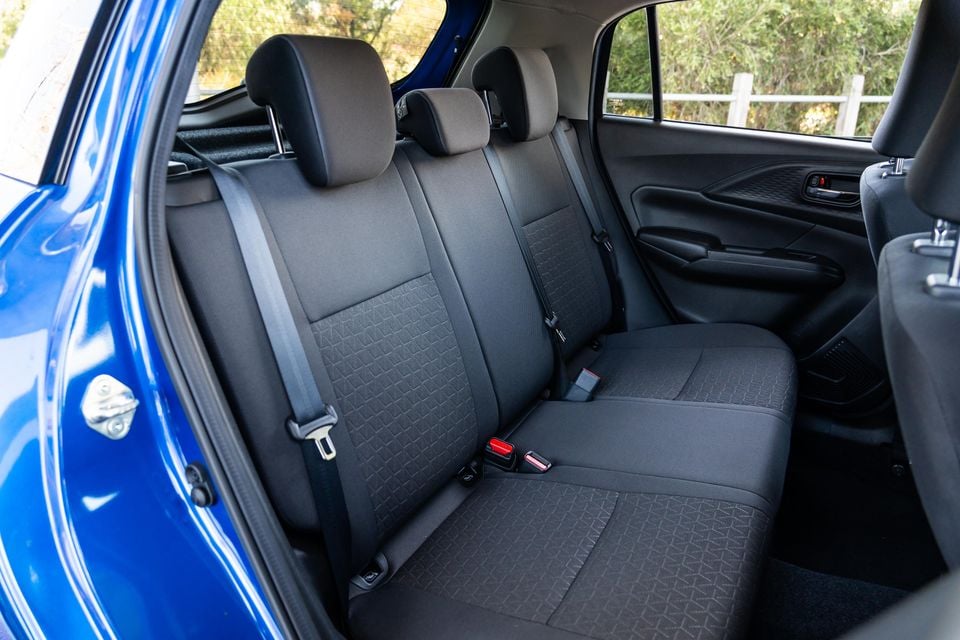
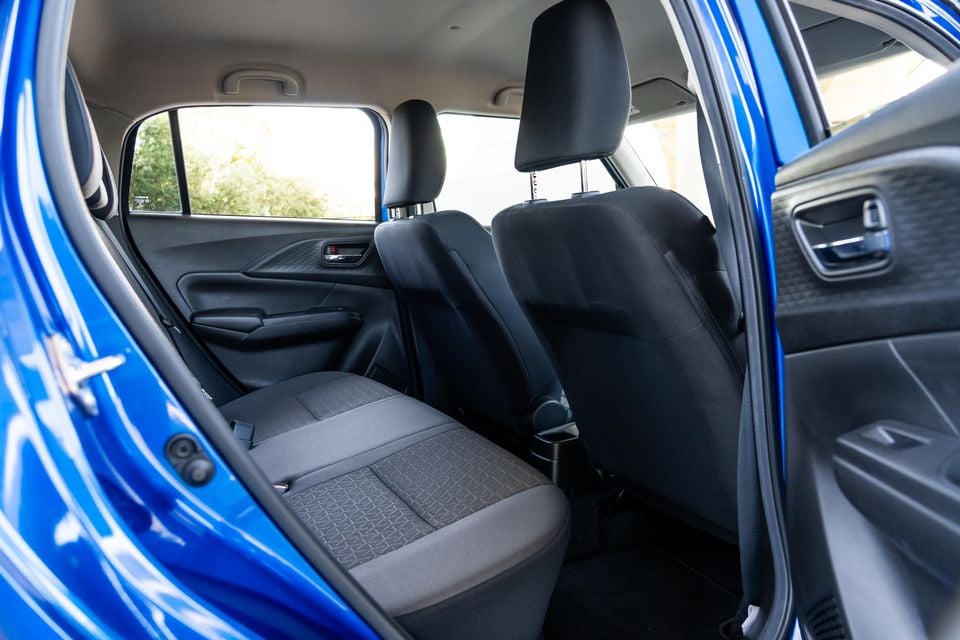
There isn’t much going on in the second row, not even a fold-down armrest. But you do get a decent amount of space – as much as a light hatch can provide, at least – as the roof barely slopes downwards until it’s past the seatbacks.
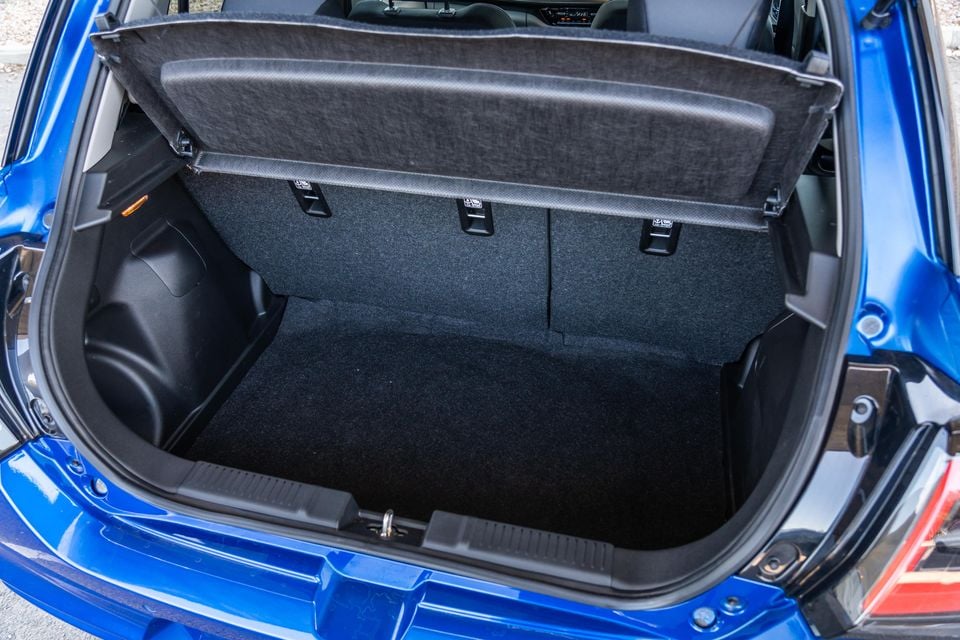
The boot, however, feels like it’s as large as it possibly could be given the Swift’s diminutive packaging. It’s pretty deep, creating a low load floor that could make loading things a bit more cumbersome, but it claims to offer more space than the Mazda 2 (250 litres), and is only slightly down on the Yaris’s 270L.
It’s at least completely square, which means there’s plenty of space for boxes and groceries. The cargo cover lifts nicely out of the way when you open the tailgate too, making the boot opening wider than you may expect.
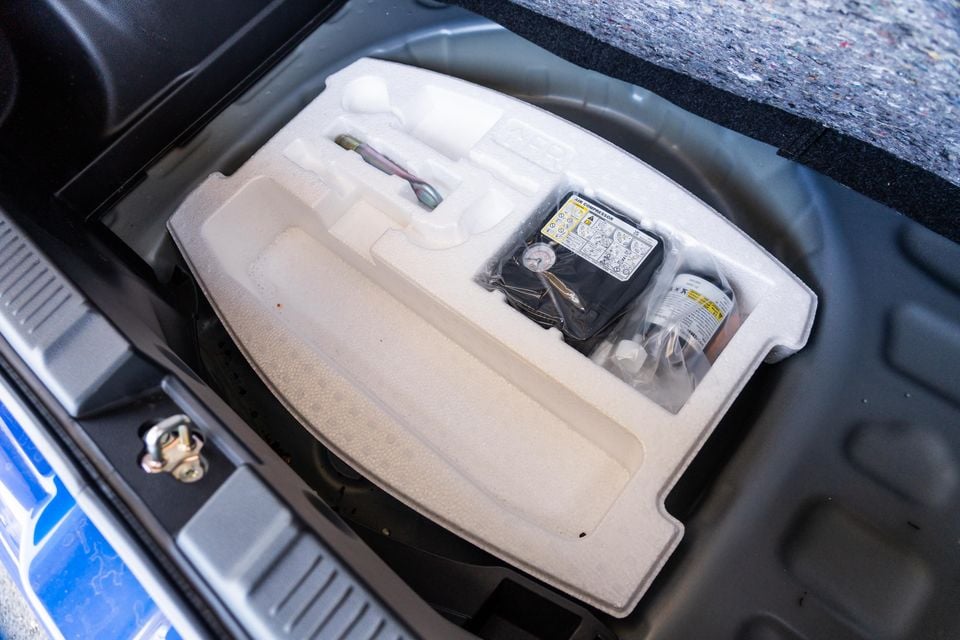
Of course, the trade-off is that there’s no spare wheel, leaving you with nothing more than a tyre repair kit.
| Dimensions | Suzuki Swift |
|---|---|
| Length | 3860mm |
| Width | 1735mm |
| Height | 1520mm |
| Wheelbase | 2450mm |
| Cargo capacity | 265L (rear seats up) 980L (rear seats folded) |
To see how the Suzuki Swift stacks up against its rivals, use our comparison tool
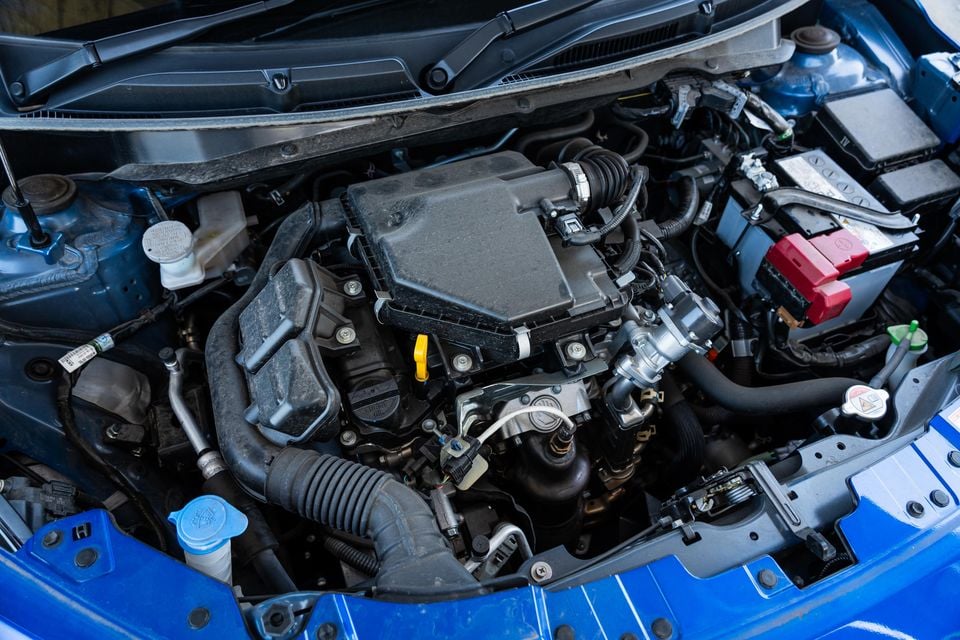
Powering all Swift Hybrids is a 1.2-litre naturally aspirated three-cylinder petrol engine, paired with a 12V mild-hybrid system. This produces 61kW of power and 112Nm of torque, sending drive to the front wheels via a continuously variable transmission, except for the five-speed manual in the base variant.
| Specifications | Suzuki Swift Hybrid GLX |
|---|---|
| Engine | 1.2L 3cyl petrol mild-hybrid |
| Power | 61kW |
| Torque | 112Nm |
| Transmission | CVT |
| Drive type | Front-wheel drive |
| Kerb weight | 957kg |
| Fuel economy (claimed) | 4.0L/100km |
| Fuel economy (as tested) | 4.2L/100km |
| Fuel tank capacity | 37L |
| Fuel requirement | 95-octane premium unleaded |
| CO2 emissions | 90g/km |
| Emissions standard | Euro 5 |
| Braked tow capacity | 1000kg |
Our week with the car primarily involved highway commuting, but sprinkled in were multiple suburban stints, as well as a brief twisty-road jaunt to push the car out of its comfort zone.
Even so, our observed fuel economy was on par with Suzuki’s claim, and it dipped into sub-4.0L/100km territory during normal driving.
To see how the Suzuki Swift stacks up against its rivals, use our comparison tool
Thanks to its simplicity, the latest Swift proves to be a fun drive, like its predecessors.
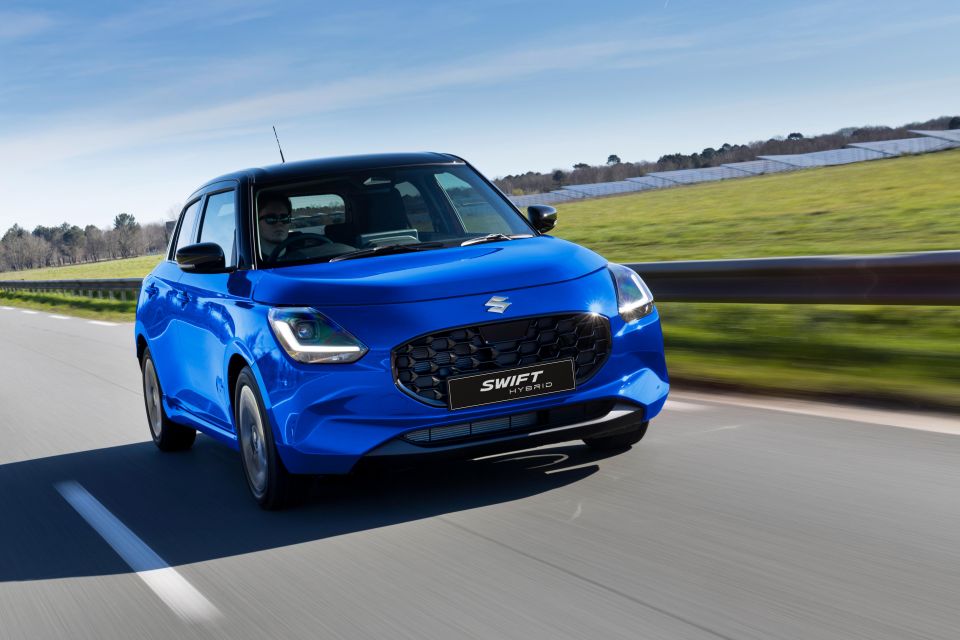
Because there’s no space-age tech trying to control the car on your behalf, you’re free to drive the Swift however you please – within the law, of course.
That’s precisely how any car in this segment should behave but, truthfully, you’ll struggle to find one that has enough safety gear to bother you in this regard anyway. Instead, the Swift’s edge comes from its surprisingly well-tuned chassis.
It’s far more nimble than you’d expect, diligently going wherever you point the steering wheel. There’s a real go-kart vibe to it, thanks to its combination of low weight, compact dimensions, a very short wheelbase, a low seating position, nicely weighted steering, and vaguely sporty suspension.
What stops its being a real handling ‘sleeper’ seems to be its wheels and tyres, which, given this is an economy car, are very narrow. Carrying plenty of speed on twisty roads is still possible, but prepare for a fair bit of tyre squeal, particularly from the rear-end.
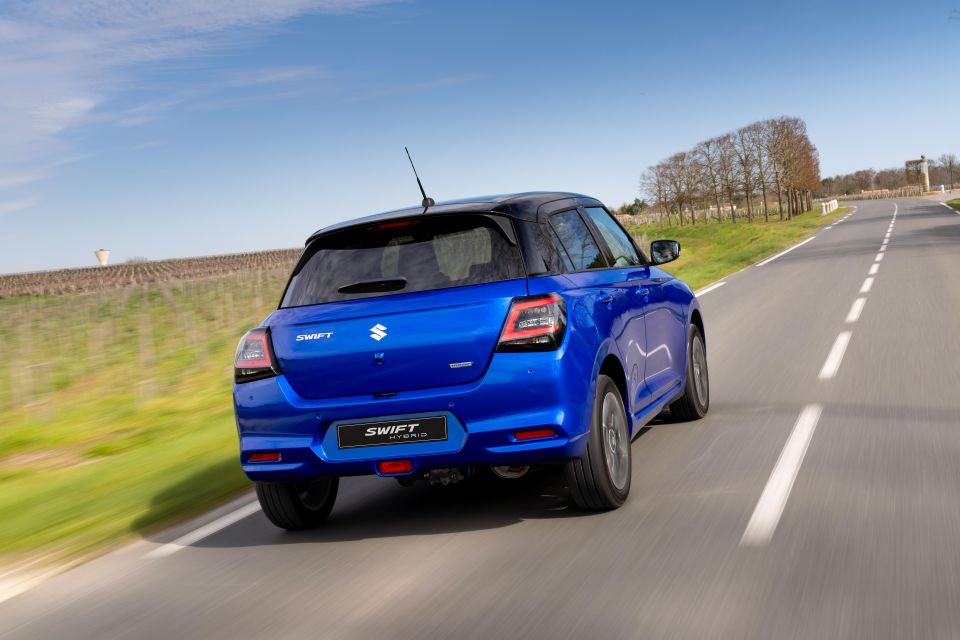
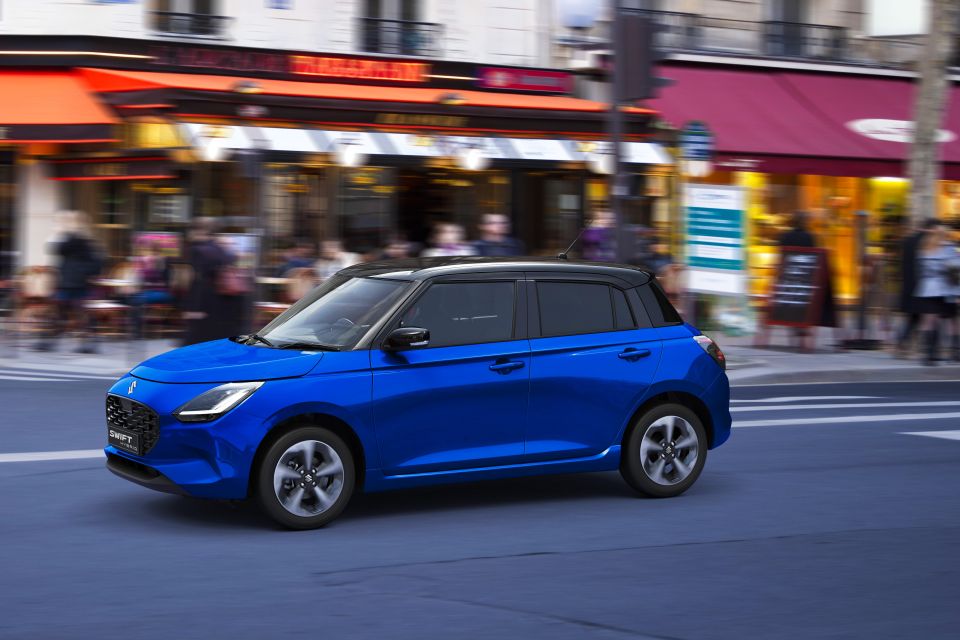
But where the Swift really shines is in and around the city. It’s incredibly easy to place on tight streets, and that nimble handling also makes swinging through built-up areas a breeze.
At the same time, the suspension remains compliant, and the Swift never feels unsettled. Tram tracks and surfaces holes are shoved aside without fuss, making for a commuter that’s very easy to drive.
Likewise the powertrain. Sensibility is again the theme, as power delivery is predictable and – unsurprisingly – very manageable. A meagre 61kW isn’t much to work with, but the Swift’s zippy performance makes it feel reasonably lively, while the three-pot engine gives it character.
Combined with that sportier-than-expected handling, the Swift is much more engaging to drive than most of its rivals, particularly the MG 3. Its transmission is similarly strong, though it’s perhaps the least inspiring aspect of the Swift Hybrid’s powertrain.
If this is the car for you, we’ll compare offers from trusted dealers, handle the back and forth and manage your purchase from enquiry to delivery.
It doesn’t simulate gears like a Honda does, nor has Suzuki tried to mask any of the typical CVT dreariness. The engine revs away endlessly under hard acceleration, and those paddle ‘shifters’ do very little to disguise any of it, if anything at all.
But this is a perfectly adequate setup for a car like the Swift, not to mention incredibly efficient. Suzuki’s low fuel consumption claim is no joke and – unlike a hybrid Toyota Corolla, for instance, which becomes less efficient if you primarily commute on highways – the Swift is generally more frugal.
It does use more fuel at low speeds in traffic or built-up areas, as the mild-hybrid system can’t drive the car only with electric power like Toyota’s full-hybrids can, but an idle stop/start system does cut the engine at a standstill to reduce urban consumption.
However, the idle-stop system seems sensitive. On multiple occasions, it kept the engine running while at a standstill, likely due to the demands of the climate control system, somewhat undermining the effectiveness of its electrified powertrain.
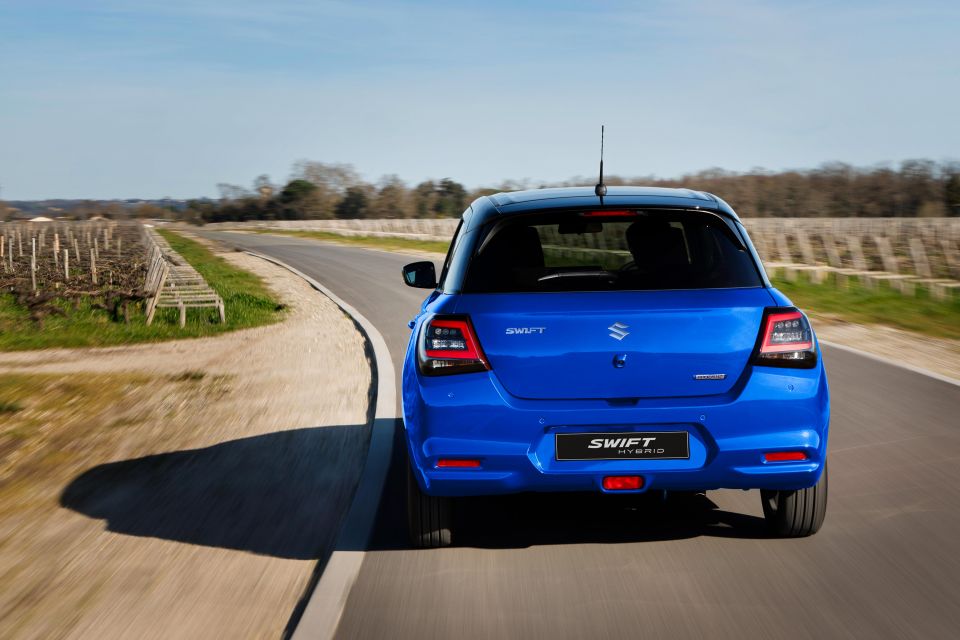
Road and wind noise are acceptable, and the Swift doesn’t feel out of its depth on the freeway, making it a solid all-rounder even if it is still better suited to the city.
Finally, the Swift’s suite of safety gear should be more than enough to keep most buyers comfortable. The adaptive cruise control system works well, and we weren’t annoyed by any other ADAS functions, including the lane-keep assist.
There’s no surround-view camera, but the car is small enough for easy parking and you have parking sensors for extra help. And while there is also a reversing camera, it could be of slightly higher quality.
To see how the Suzuki Swift stacks up against its rivals, use our comparison tool
There are three trim levels available for the Swift Hybrid.
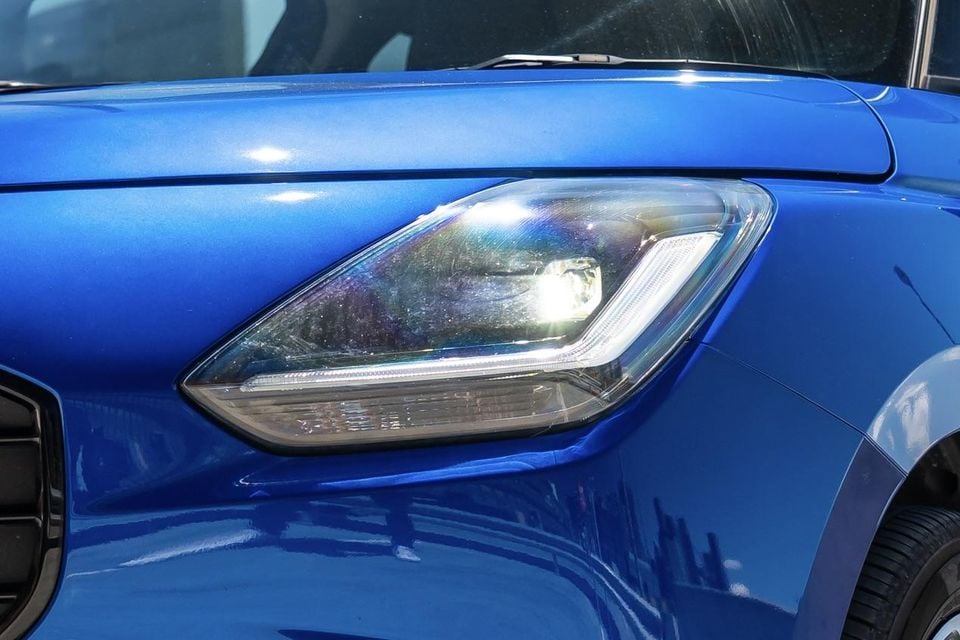
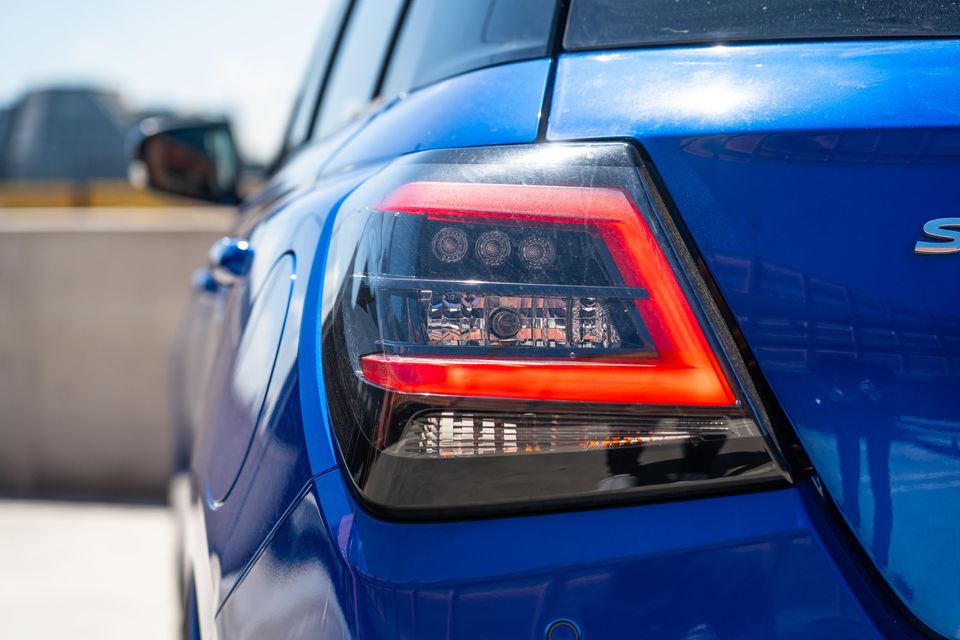
2026 Suzuki Swift Hybrid equipment highlights:
Swift Hybrid Plus adds:
Swift Hybrid GLX adds:
To see how the Suzuki Swift stacks up against its rivals, use our comparison tool
The Suzuki Swift has a three-star ANCAP safety rating, based on testing conducted by sister organisation Euro NCAP in 2024.

| Category | Suzuki Swift |
|---|---|
| Adult occupant protection | 67 per cent |
| Child occupant protection | 65 per cent |
| Vulnerable road user protection | 76 per cent |
| Safety assist | 55 per cent |
Standard safety features include:
Swift Hybrid Plus adds:
To see how the Suzuki Swift stacks up against its rivals, use our comparison tool
Suzuki Australia backs its vehicles with a five-year, unlimited-kilometre warranty. Servicing for the Swift Hybrid is required every 12 months or 15,000km, whichever comes first.
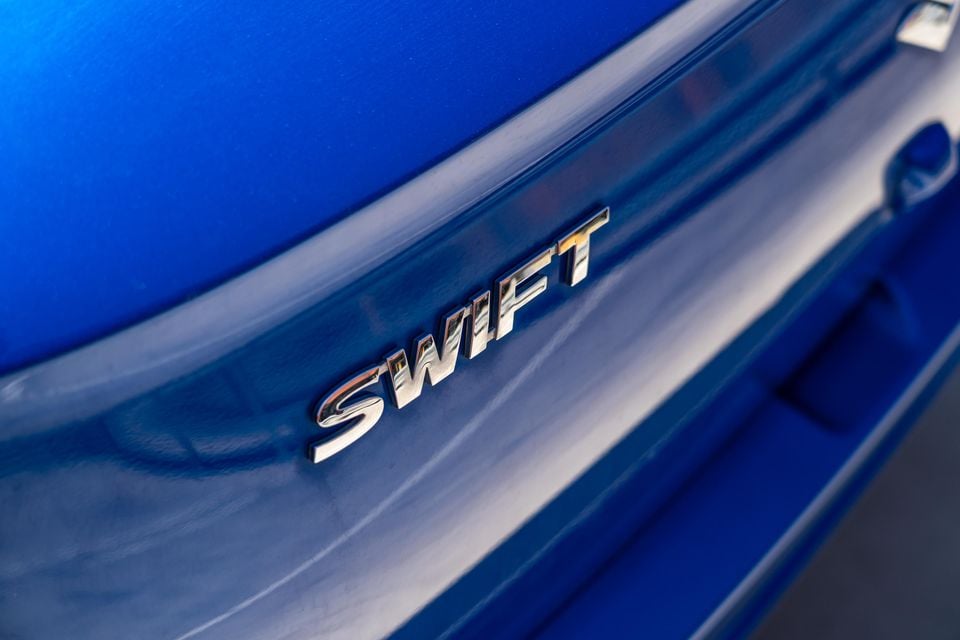
| Servicing and Warranty | Suzuki Swift Hybrid |
|---|---|
| Warranty | 5 years, unlimited kilometres |
| Roadside assistance | 5 years |
| Service intervals | 12 months or 15,000km |
| Capped-price servicing | 5 years |
| Average annual service cost | $391 |
| Total capped-price service cost | $1955 |
Suzuki’s capped-price servicing is detailed below:
| Service | Price |
|---|---|
| 12 months, 15,000km | $319 |
| 24 months, 30,000km | $429 |
| 36 months, 45,000km | $409 |
| 48 months, 60,000km | $449 |
| 60 months, 75,000km | $349 |
As for rivals, the Mazda 2 costs $2244 to service over five years, averaging $448.8 annually. Toyota, meanwhile, caps the first five services for the Yaris Hybrid at $250, totalling $1250 over five years.
The MG 3 is the most expensive to service of the lot, with five years of ownership estimated to set you back $2413, or an average of $482.6 per year.
To see how the Suzuki Swift stacks up against its rivals, use our comparison tool
The Swift Hybrid is the most characterful of its compact hatch rivals, making it a ‘normal’ car that can actually be quite fun.
Lively handling and steering are highlights, and the Swift’s agility holds up to higher-intensity driving with much of the same composure it shows in the city. Simply put, it’s a car you can look forward to driving, and more so now that it has a more palatable safety rating than the one-star rating it attracted before.
Aside from the underwhelming transmission, the powertrain is also competent and the three-pot engine produced a charming off-beat thrum. This helps mitigate some of the CVT’s wail, though it still sounds fairly unpleasant under hard acceleration.
Some minor gripes still exist, like the plasticky interior, but it’s all par for the course in this segment. The only thing is that the top-spec GLX isn’t the pick of the bunch, as it’s more expensive than its rivals (excluding the Yaris) without adding much gear we’d consider essential.
Instead, the Swift Hybrid Plus is probably the sweet spot in a light-car range that continues to offer an iconic charm that none of its competitors can match.
CarExpert can save you thousands on a new Suzuki Swift. Click here to get a great deal.
Click the images for the full gallery
If this is the car for you, we’ll compare offers from trusted dealers, handle the back and forth and manage your purchase from enquiry to delivery.
Quickly see how this car stacks up against its competition. Select any benchmark to see more details.
Suzuki Swift
Suzuki Swift Sales rolling 12-months#
*Based on VFACTS and EVC data
Looking for complete Suzuki Swift price history?
Our Suzuki Swift Pricing Page shows exactly how prices have changed over time.
2026
$28,968
2026
$28,968
2026
$31,543
2023
$33,461
2026
$33,603
Max Davies is a CarExpert journalist with a background in regional media, with a passion for Japanese brands and motorsport.
Add CarExpert as a Preferred Source on Google so your search results prioritise writing by actual experts, not AI.
Damion Smy
14 Minutes Ago

Elle Baillieu
16 Minutes Ago

William Stopford
49 Minutes Ago
William Stopford
49 Minutes Ago
Damion Smy
2 Hours Ago
Damion Smy
2 Hours Ago
Add CarExpert as a Preferred Source on Google so your search results prioritise writing by actual experts, not AI.
# Based on VFACTS and EVC data
† Displayed prices are based on the drive-away price of the vehicle, which includes delivery charges, registration fees, number plates, and applicable road taxes, based on a Sydney location. However, prices may vary between states and territories, and additional costs such as compulsory third party (CTP) insurance, dealer delivery fees, and optional extras are not included. These prices are subject to change without notice and may not reflect current market pricing or dealer offers.
 Automotive Vehicle Spec Data & 4K images Powered by JATO Dynamics Ltd