




Damion Smy
2027 GWM Ora 5 vs Hyundai Kona Electric: Spec battle
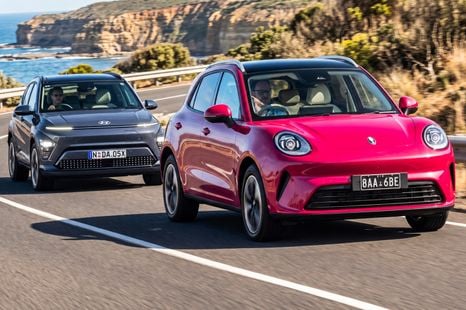
The GWM Ora 5 small electric SUV has arrived full of character and charm, but how does it stack up against the popular Hyundai Kona Electric?
7 Hours Ago
This small electric SUV offers a lot for the price, but buyers in this segment have many other contenders to consider.

Journalist
Journalist
Journalist
Journalist
If this is the car for you, we’ll compare offers from trusted dealers, handle the back and forth and manage your purchase from enquiry to delivery.
Omoda Jaecoo has quickly established a foothold in the Australian market, proving to be a popular marque among lower-budget buyers.
Its success has been achieved with the significant help of the Jaecoo J5 small SUV, which is now the most diverse model in the Chery-owned brand's local lineup. It was launched in January 2026 as an electric vehicle (EV), then joined by petrol-only variants, and it's now received a hybrid powertrain to provide as much powertrain choice as possible.
The J5 has remained cheap, too, which is in keeping with the theme of Jaecoo-badged vehicles. Mind you, they're not quite as cheap as Chery's own models, but the idea is that Jaecoo cars offer a semi-premium experience at relatively affordable prices.
That seems to be resonating with buyers, with 1654 examples of the J5 delivered – across all powertrains – in July 2026 alone. So far this year it's Australia's sixth-best-selling small SUV behind Chery's own Tiggo 4, the Hyundai Kona, GWM Haval Jolion, MG ZS, and Toyota Corolla Cross.
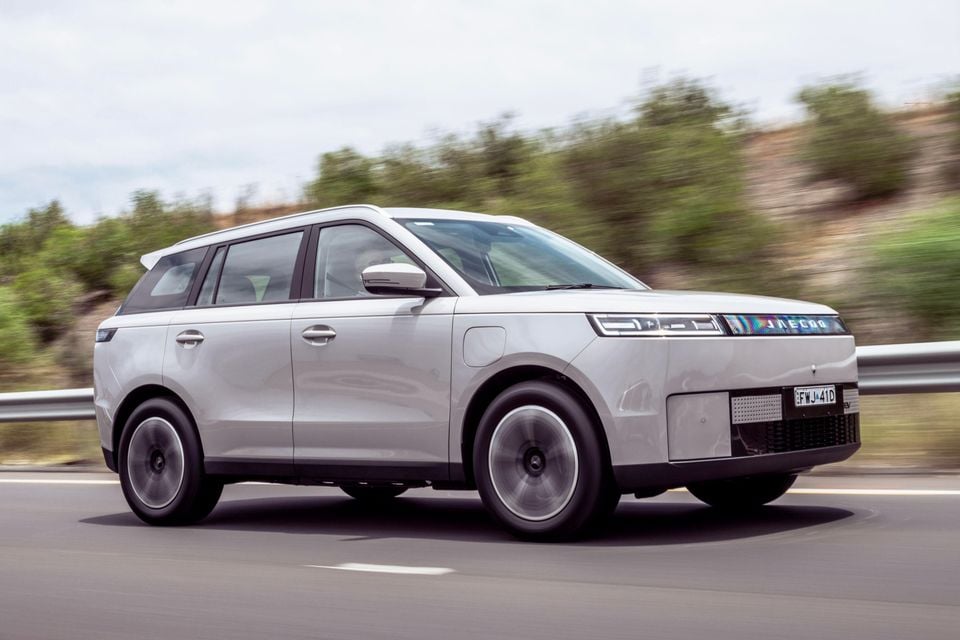
In this review, we'll break down the sole electric variant in the J5 lineup, the 2026 Jaecoo J5 EV Summit. Is it worth spending a bit more for this top-spec small electric SUV?
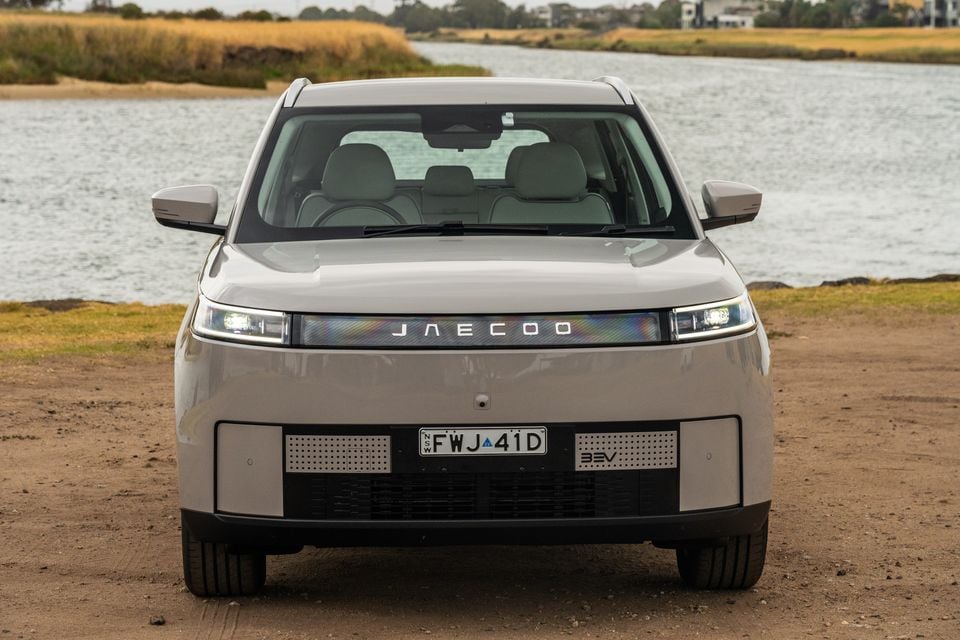
The J5 EV Summit is the most expensive Jaecoo J5 variant on sale, currently priced at $36,990 drive-away as part of a limited-time deal. It typically has the same list price but with on-road costs excluded.
| Model | Drive-away price |
|---|---|
| 2026 Jaecoo J5 Track | $25,990 |
| 2026 Jaecoo J5 Summit | $29,990 |
| 2026 Jaecoo J5 Hybrid Summit | $34,990 |
| 2026 Jaecoo J5 EV Summit | $36,990 (until September 30, 2026, then $36,990 before on-roads) |
Its most direct rivals are small electric SUVs from other Chinese brands. The segment leader is the BYD Atto 2, priced at either $31,990 or $35,990 before on-roads, while there's also the newly released GWM Ora 5, which costs either $33,990 or $36,990 drive-away depending on the variant.
A slightly larger option is the MG S5 EV, which starts at $42,990 plus on-roads, while a useful segment baseline is the Toyota Corolla Cross (from $37,440 plus ORCs).
To see how the Jaecoo J5 stacks up against the competition, check out our comparison tool
The J5's cabin is hardly revolutionary in the context of Chinese vehicles, but there's a surprisingly premium edge to the way everything looks and feels.
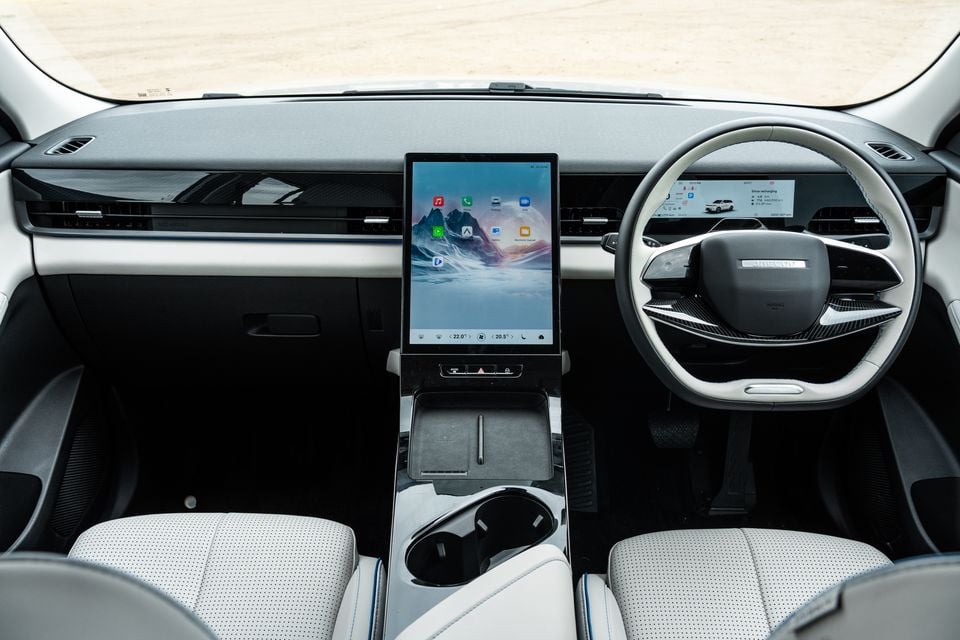
Providing a semi-premium experience at a distinctly un-premium price is the point of the Jaecoo brand, after all. This top-spec J5 EV won't be dethroning a Lexus in terms of interior luxury, but it's impressive compared to its segment rivals.
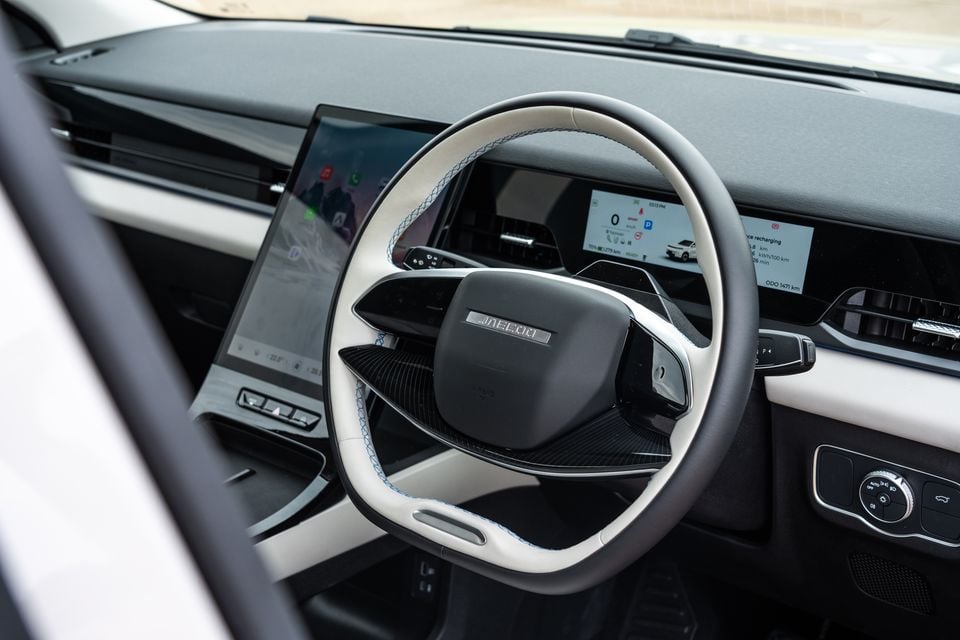
A lot of that has to do with the choice of cabin materials. Most high-touch areas are finished in smooth synthetic leather, making the steering wheel nice to hold. Its use on the door cards and dashboard also distracts you from the scratchy plastic elsewhere.
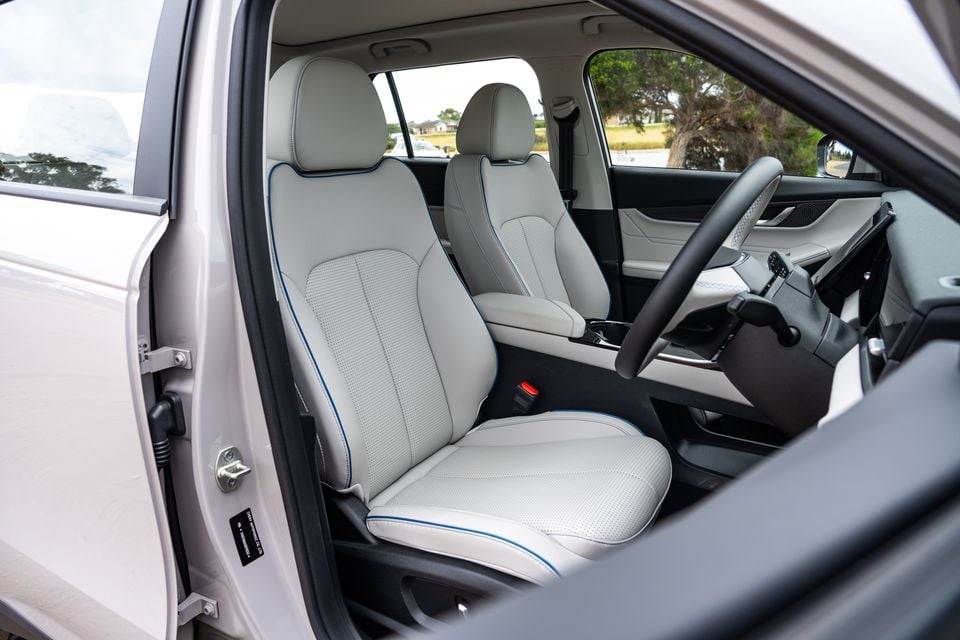
The armrests are also soft enough, and the seats are reasonably comfortable. It's easy to get into a good seating position thanks to the standard power adjustment, and heating and ventilation functions are also bonuses – especially at this price point.
That said, I found there wasn't enough reach adjustment in the steering wheel, which slightly compromised the driving position for me. Overall, though, the front of the cabin is a decent place to spend time.
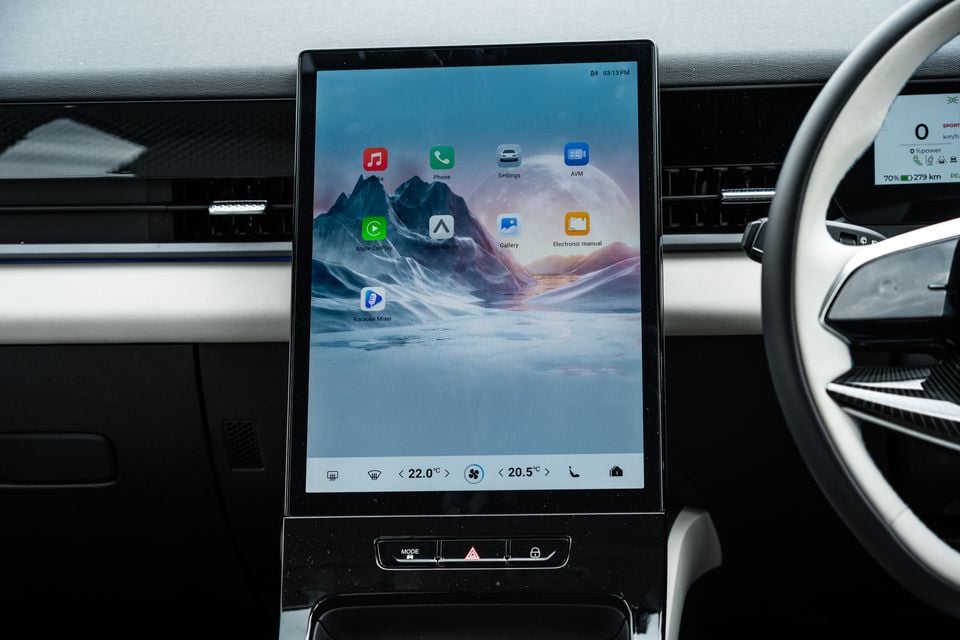
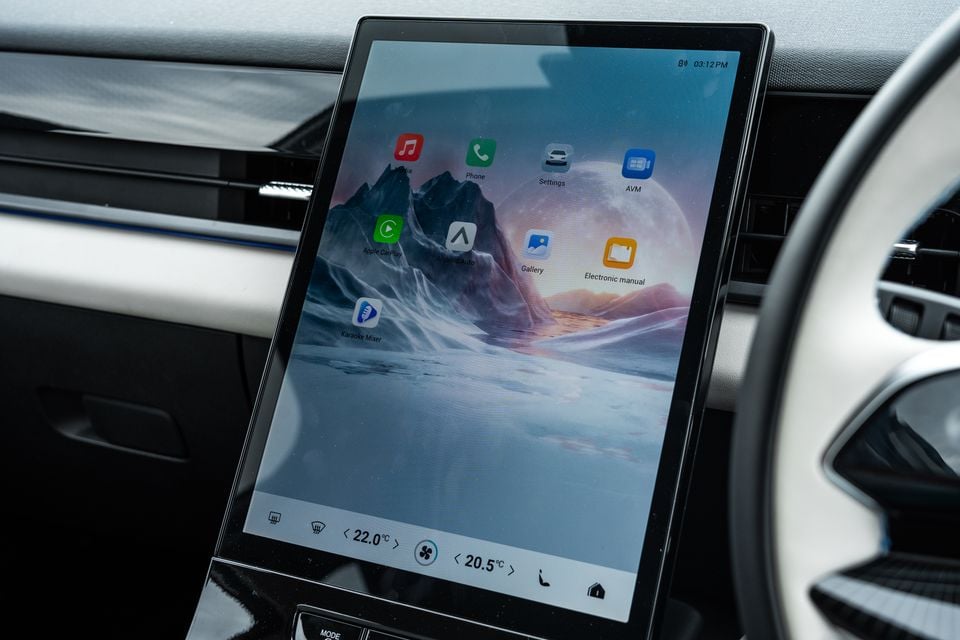
Elsewhere, we found the tech to be functional, though fairly derivative in its presentation. It could just be us, but the sloped central touchscreen looks an awful lot like what a certain German brand has done in recent times, as does the generous use of piano-black plastic around it.
Still, the 13.2-inch screen's functions fall nicely to hand, which is important given the lack of physical buttons elsewhere. The climate control interface, for example, is entirely digital and located within a ribbon at the bottom of the screen. Not ideal, given the screen can sometimes be sluggish.
The ribbon is at least a permanent fixture, even if you're using smartphone mirroring. It's still frustrating that there aren't any physical controls below the screen beyond drive modes, hazard lights, and central locking. Even the seat heating and ventilation functions require you to open a separate menu.
The screen-heavy setup forces drivers to take their eyes off the road to find and make basic adjustments, even if just for a moment. There are sub-menus accessible by swiping from the edges of the screen, but there aren't enough native apps to justify the screen-only approach. For example, satellite navigation is confusingly absent, but there is karaoke.
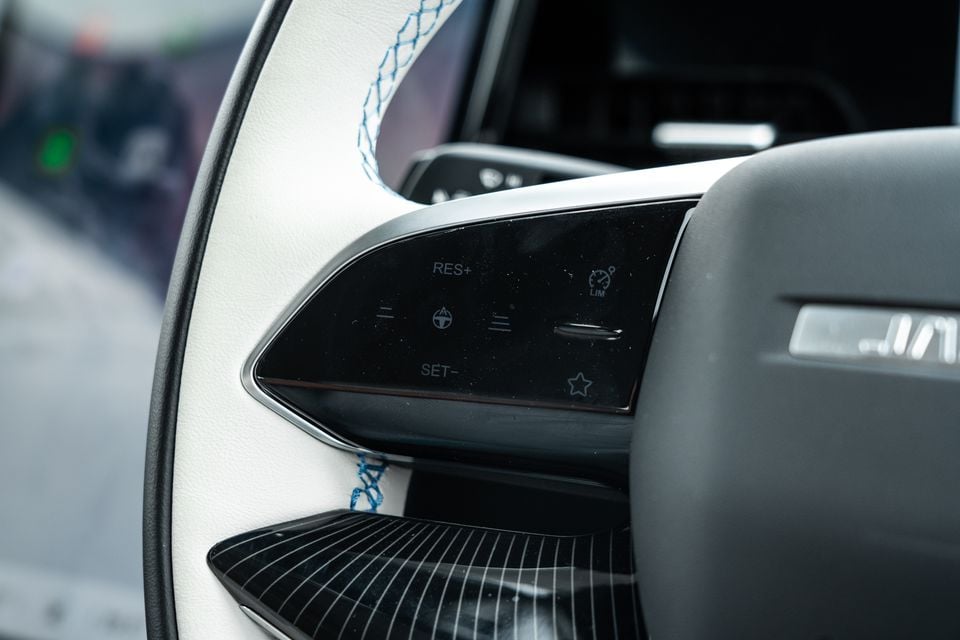
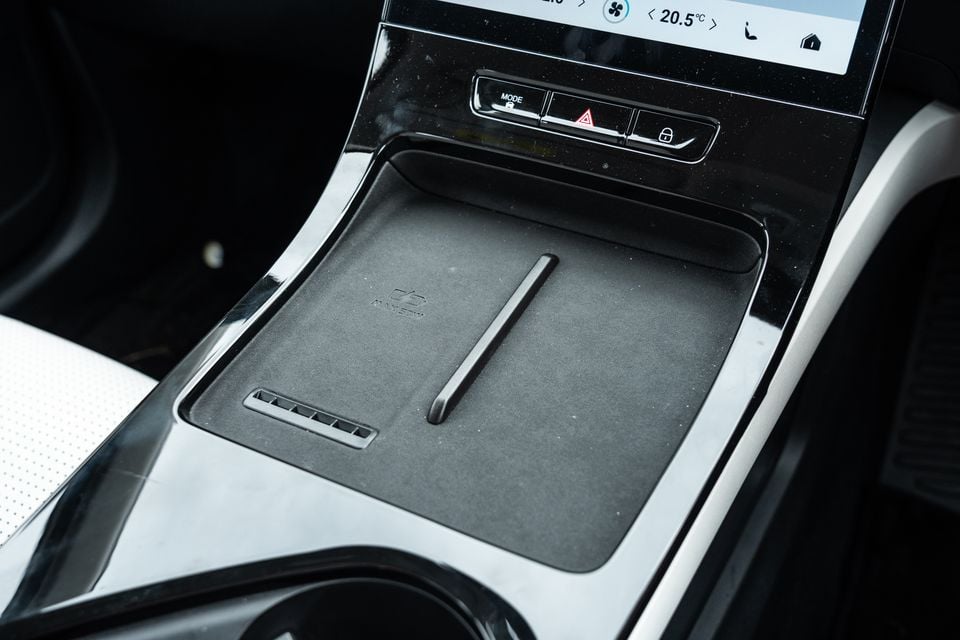
As for the few real buttons you do get, they're also glossy and easily smudgable, as are the steering wheel controls. This tiller is fairly common for Chery, but we don't love the piano-black slabs that click when pressed, as they've replaced physical buttons and feel cheap.
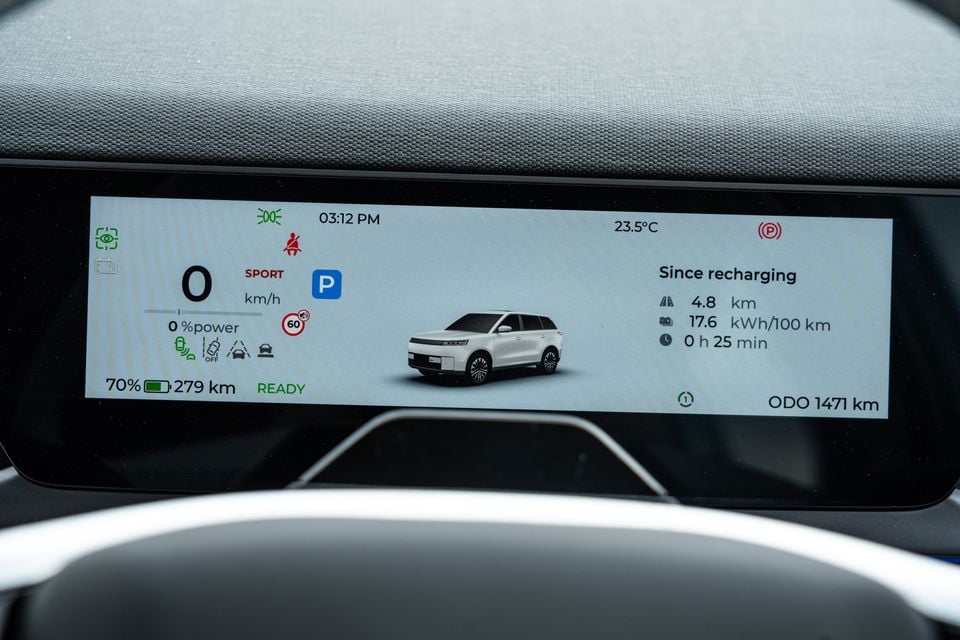
These buttons all have fairly typical functions – audio, cruise control, etc – and also allow you to flick through the instrument display. The buttons for the latter are fairly vague, and there are only a handful of information menus to peruse.
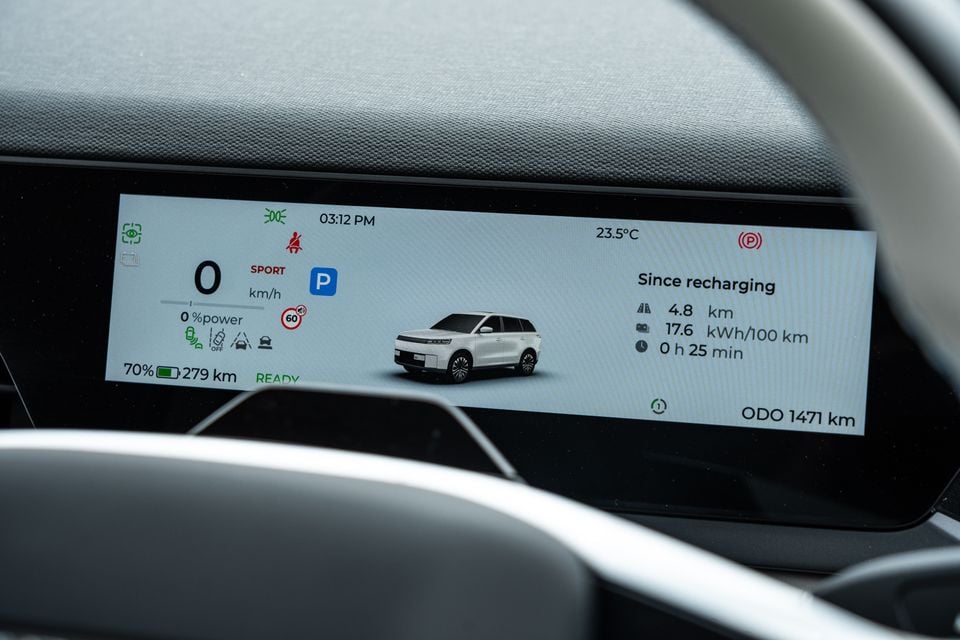
The instrument display measures 8.9 inches across, and its integration into the dashboard is neater than we've seen in many other Chinese cars. The vast quantity of icons makes the screen look somewhat cluttered, but it's as functional as it needs to be.
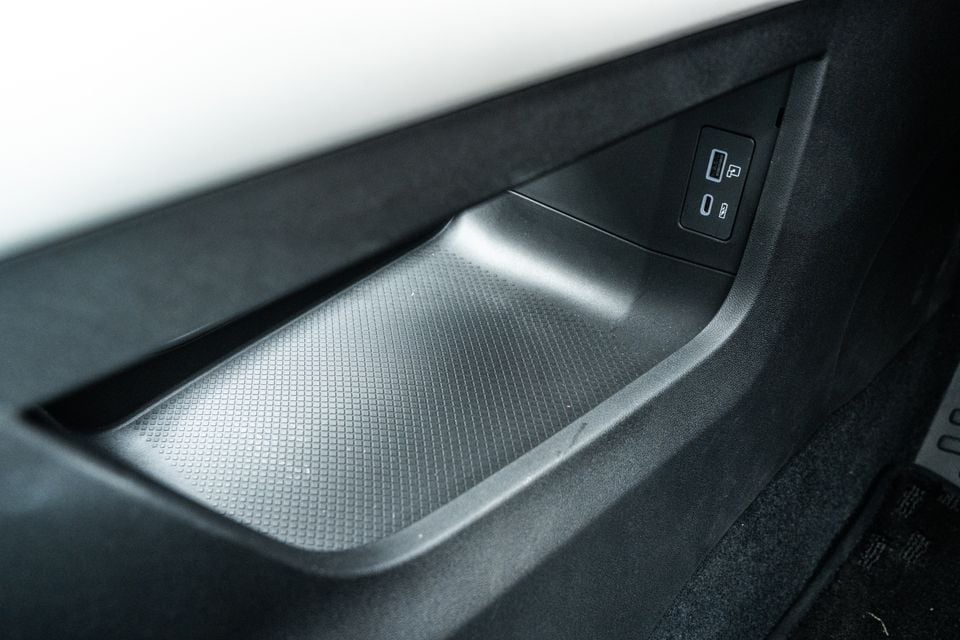
Beyond the tech, the J5's cabin is very practical. You get large cupholders, a wireless phone charger, a couple of trays (one is behind the infotainment screen), and a large storage box on the centre console. There's also more storage underneath, spacious door-card bottle holders, and a passenger-side glovebox.
Arguably the most telling evidence that this is a budget car is the sound system. Bluntly, the non-branded eight-speaker setup is one of the worst I've ever heard in a new car, with incredibly tinny sound quality and no low-end bass whatsoever. No amount of equaliser adjustment or extra volume makes it sound better.
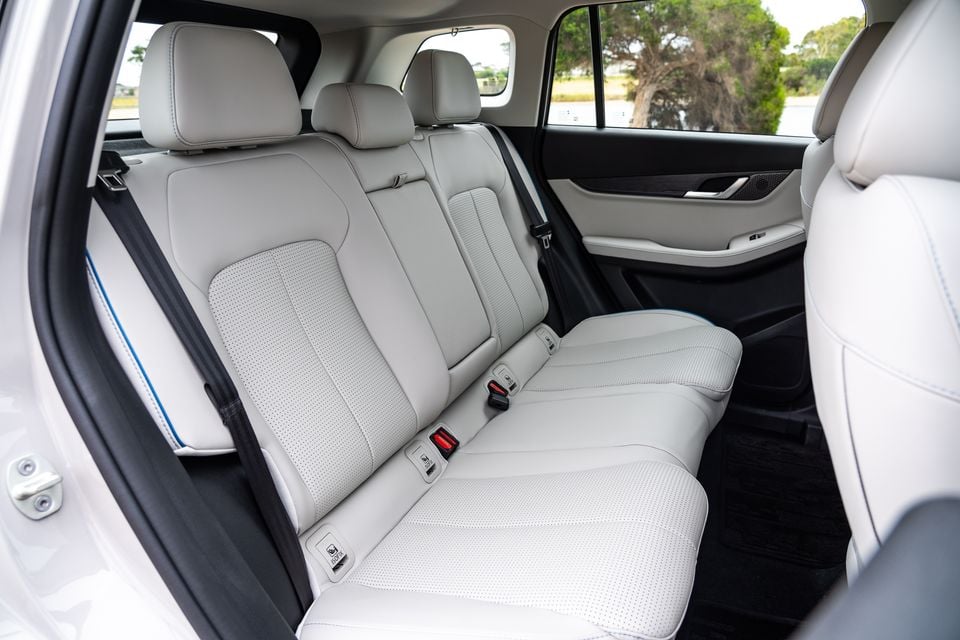
That doesn't impact the physical comfort of the second row, though, which is actually a workable space. The J5's boxy body provides plenty of headroom, while legroom is also generous and aided by the fact this car has a completely flat floor.
Unsurprisingly for the price, rear-seat amenities are somewhat limited, with just a single USB-A port, one air vent, and a fold-down armrest with cupholders. But the bench seat is comfortable enough, and the glass roof above makes it feel nice and airy back there.
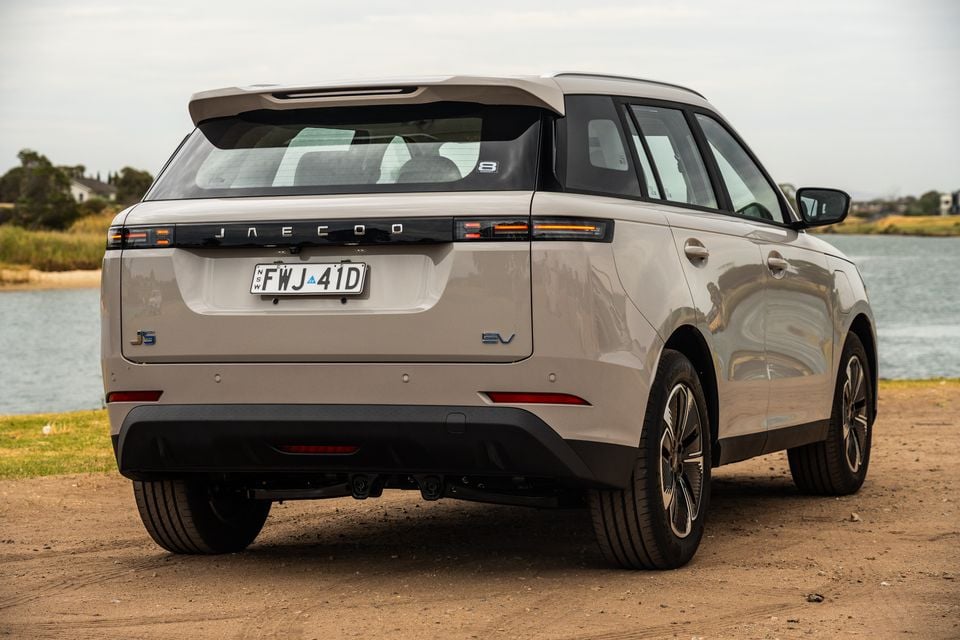
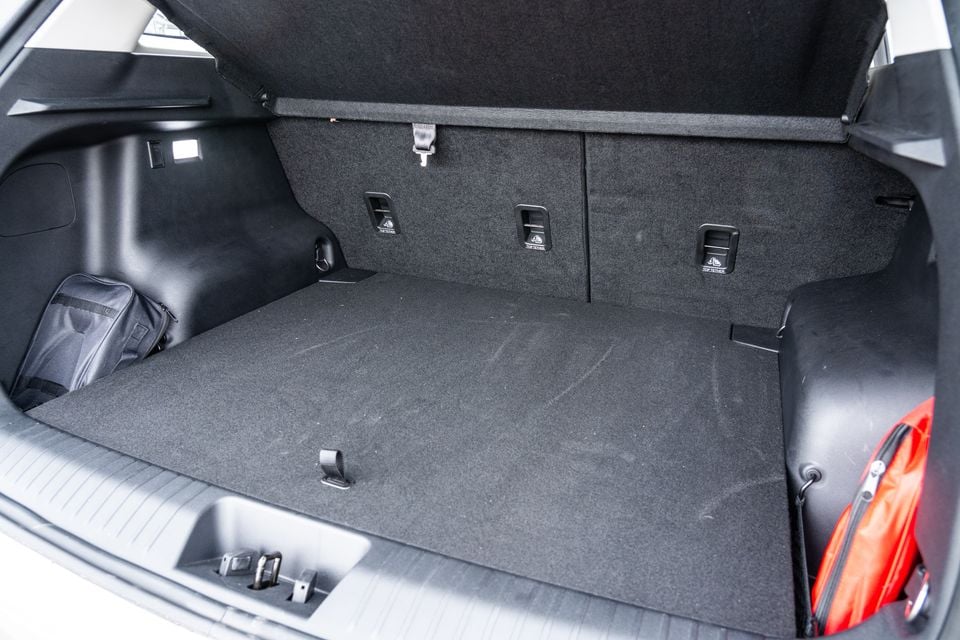
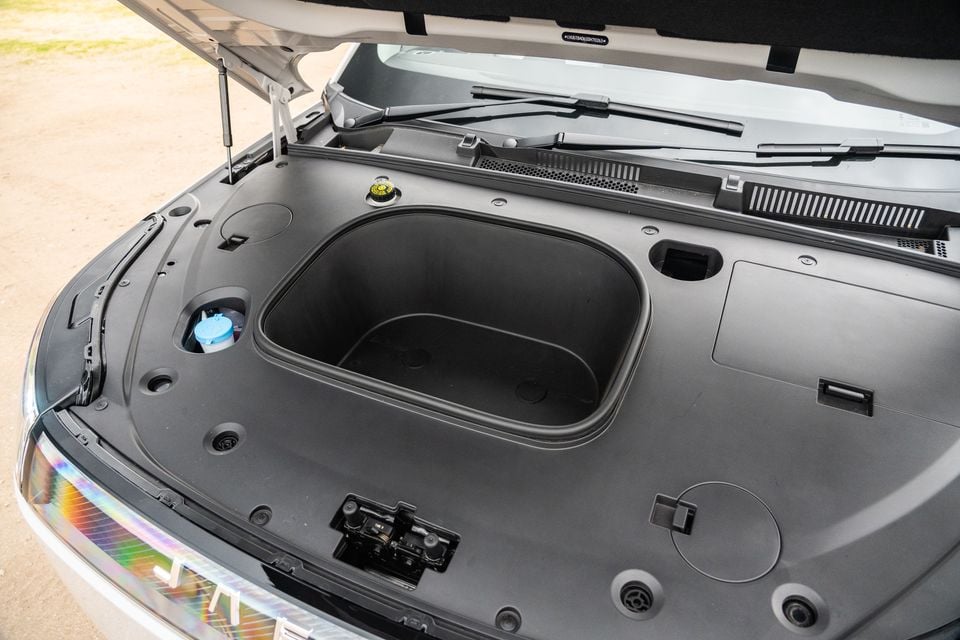
Behind that is a 384-litre boot, which is on par with rivals like the Atto 2 and Ora 5. There aren't any bells and whistles here beyond a power tailgate, nor is there a spare wheel. There is, however, a 35L storage bin under the bonnet.
| Dimensions | Jaecoo J5 EV Summit |
|---|---|
| Length | 4380mm |
| Width | 1860mm |
| Height | 1650mm |
| Wheelbase | 2620mm |
| Cargo capacity (VDA) | 384L 35L (under-bonnet storage) |
To see how the Jaecoo J5 stacks up against the competition, check out our comparison tool
Powering the Jaecoo J5 EV is a front-mounted electric motor producing up to 155kW of power and 288Nm of torque. Energy comes from a 58.9kWh lithium iron phosphate battery pack.
| Specifications | Jaecoo J5 EV Summit |
|---|---|
| Drivetrain | Single-motor electric |
| Battery | 58.9kWh LFP |
| Peak power | 155kW |
| Peak torque | 288Nm |
| Drive type | Front-wheel drive |
| Tare mass | 1710kg |
| 0-100km/h (claimed) | 7.7 seconds |
| Energy consumption (claimed) | 14.3kWh/100km |
| Energy consumption (as tested) | 16.6kWh/100km |
| Claimed range (WLTP) | 402km |
| Max AC charge rate | 10.3kW |
| Max DC charge rate | 130kW (30-80 per cent in 28mins) |
The J5 EV's claimed WLTP range of 402km is roughly on par with segment standards. It's considerably more than the Atto 2's 345km, though the Ora 5 beats it with a claimed 435km – albeit based on the more lenient WLTC test.
The MG S5 EV (fitted with a 62kWh battery) should offer the greatest range of the lot with a 425km WLTP claim. It can also charge faster at up to 150kW.
Our week with the J5 EV was skewed towards highway commuting, contributing to its higher-than-claimed energy consumption figure.
To see how the Jaecoo J5 stacks up against the competition, check out our comparison tool
Before jumping into the J5 EV's driving experience, it's important to remember that this is a very affordable little SUV.
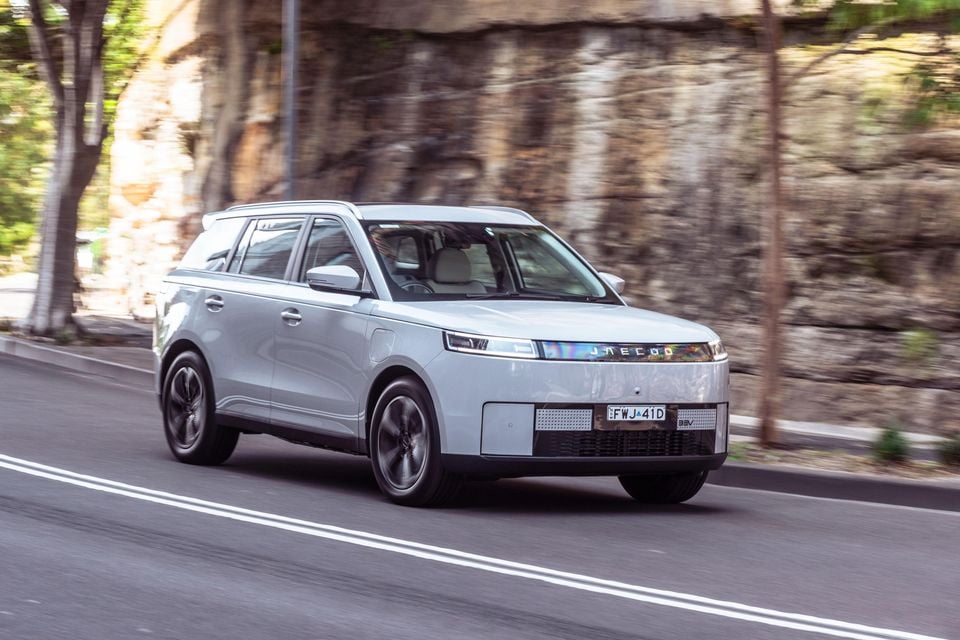
And so, while there are flaws, they become easier to forgive. You could argue the J5 EV isn't as cheap as some of its rivals, but we'd counter that by suggesting its driving behaviour is among the best in the small electric SUV crowd.
For one, the Jaecoo J5 EV is nothing if not convenient. This is because, like several other Chery products, this SUV has no start button, which means you simply jump in, press the brake, select Drive on the column-mounted shifter, and go.
Of course, like many Chery products, you need to have your seatbelt on to disengage the parking brake, which can be a pain in some circumstances, but in general the J5 EV is great for running errands. There’s no warm-up time and no messing about with keys – you just get in and go. Turning it off is as easy as hopping out and locking the car.
Indeed, the J5 EV is best suited to short urban trips. But it does offer a generally inoffensive driving experience, headlined by good power delivery with no major delay in responding to driver inputs.
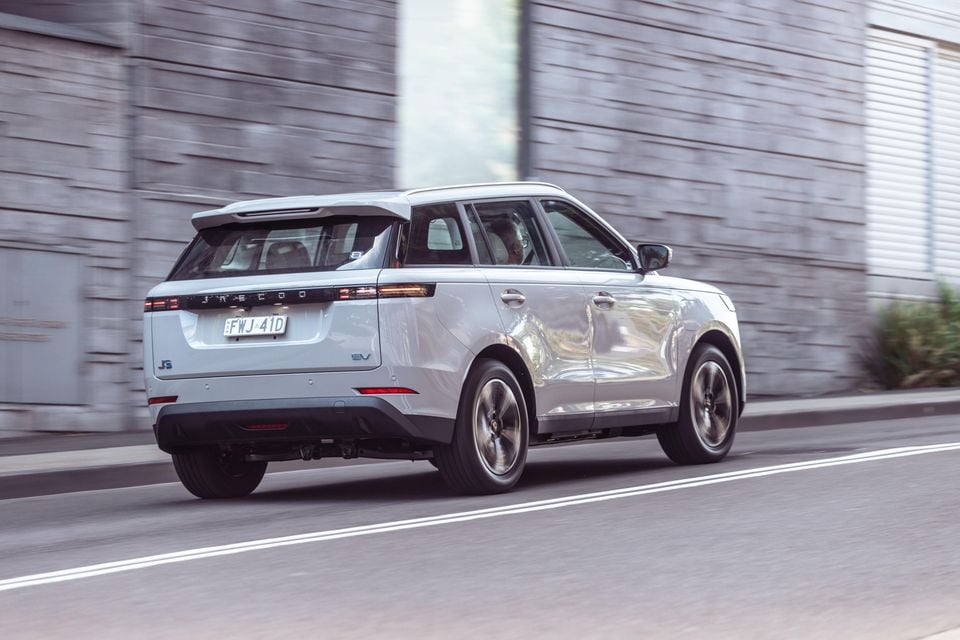
The instant EV torque makes it feel quicker than it is, but does give you the initial edge in a traffic-light drag race. It does well to maintain that power as speed picks up too, and its quoted 7.7-second 0-100km/h time is perfectly appropriate for the segment.
Ride quality is also fine without being extraordinary. It's comfortable enough over bumps and Melbourne's typical road surface imperfections, which is partly due to it being relatively heavy for its physical size. This weighs down the suspension and keeps things from bobbling about too much.
Unfortunately, there are two sides to everything. While body control is generally acceptable in a straight line and around turns, the steering is light and lacks feel, which can make the J5 EV feel excessively darty.
There's also excessive torque-steer, which comes on strong if you're particularly aggressive with the throttle while turning at lower speeds. At the same time, the J5's traction control system is primitive, and will simply cut power rather than attempting to manage wheel slip and keep things moving more predictably.
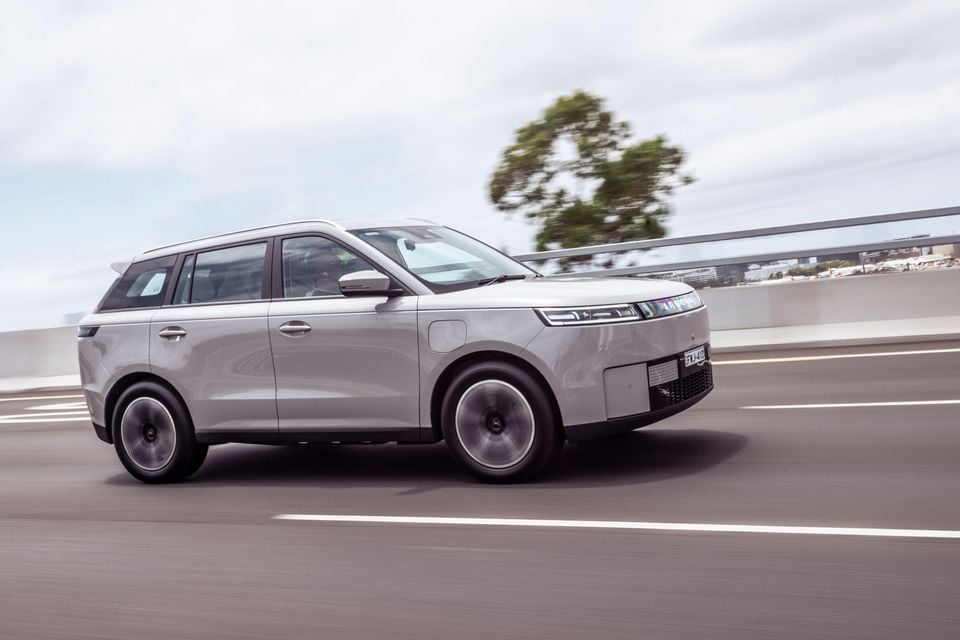
It's a similar story with the brakes, specifically the regenerative braking system. Not only is there a considerable delay between jumping off the throttle and the regen system slowing the car down, but it also engages and disengages like an on/off switch if you're feathering the throttle.
This is true even in the lightest of the car's three regen levels, making it almost impossible to drive smoothly at low speed. At least the physical brake pedal feels alright by economy-car standards, and it's much easier to live with when you drive more manually – I'm not one for strong regen anyway.
Again, the fact the car is cheap means none of those factors are real dealbreakers, and they're easy enough to manage or avoid. But naturally, if you want to make any adjustments to things like regen braking, you'll have to do it through the touchscreen.
The J5 EV's on-road behaviour is otherwise fine. Its economy roots are most obvious at high speed, where road noise is very loud, suggesting the body could do with improved sound insulation. This isn't at all masked by the sound system mentioned earlier, either.
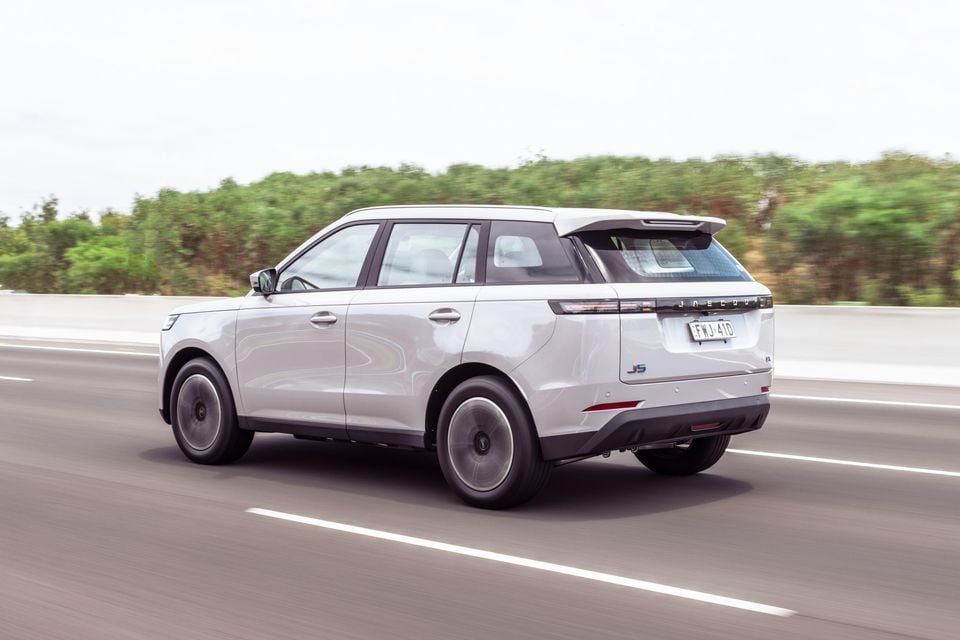
Perhaps unsurprisingly, this SUV's safety tech could do with a bit of polish. We weren't concerned with anything popping up unexpectedly, with the most significant background annoyance being that the blind-spot monitoring warning lights would sometimes illuminate despite nothing being around.
There was also the odd warning from the driver attention monitoring system, but the most pressing issue we noticed was that the adaptive cruise control and lane-centring functions aren't all that great.
Adaptive cruise is a little inconsistent in its traffic-matching ability, while the auto lane-centring steering can be too abrupt. That makes it difficult to trust, and we found it better to – again – just drive the car ourselves.
Still, outward visibility is plentiful, and the inclusion of a surround-view camera is always appreciated. Overall, the J5 EV is competent, but it's certainly not perfect.
To see how the Jaecoo J5 stacks up against the competition, check out our comparison tool
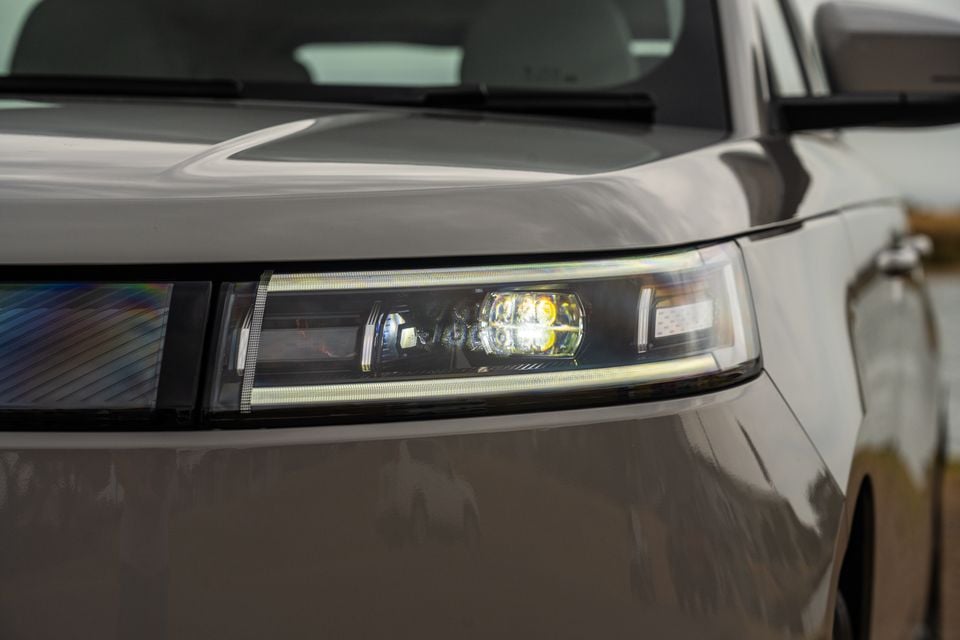
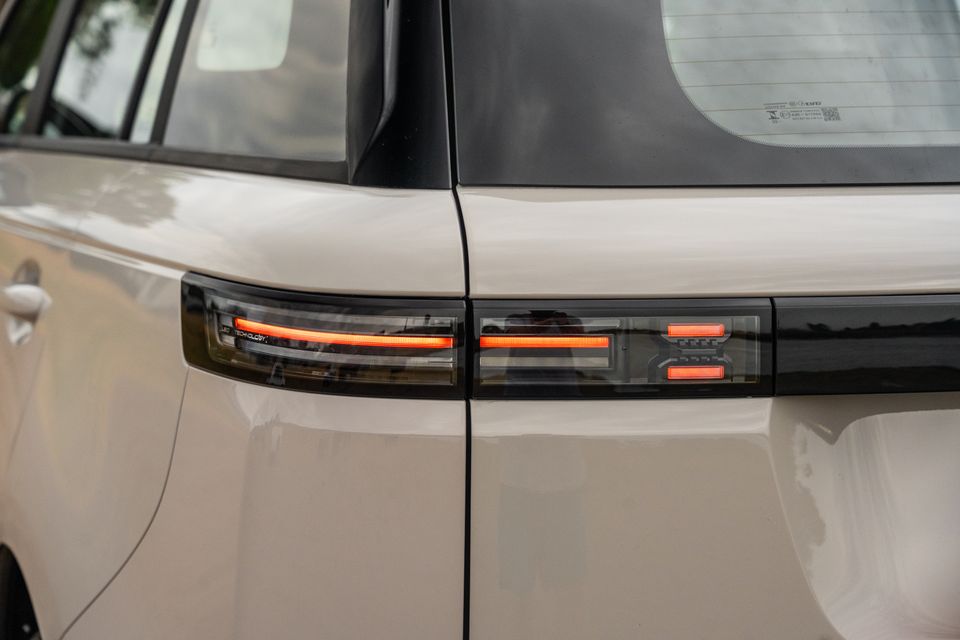
The 2026 Jaecoo J5 EV is only available in Australia in top-spec Summit trim.
If this is the car for you, we’ll compare offers from trusted dealers, handle the back and forth and manage your purchase from enquiry to delivery.
2026 Jaecoo J5 EV Summit equipment highlights:
To see how the Jaecoo J5 stacks up against the competition, check out our comparison tool
The Jaecoo J5 has yet to be crash-tested by ANCAP and is therefore unrated by the independent auto safety organisation.
Standard safety equipment highlights:
To see how the Jaecoo J5 stacks up against the competition, check out our comparison tool
Omoda Jaecoo Australia backs its model range with an eight-year, unlimited-kilometre warranty, which applies to both its vehicles and its high-voltage EV batteries. Servicing for the J5 EV is required every 12 months or 20,000km, whichever comes first.
| Servicing and Warranty | Jaecoo J5 EV Summit |
|---|---|
| Warranty | 8 years, unlimited kilometres |
| Roadside assistance | Up to 8 years (service-activated) |
| Service intervals | 12 months or 20,000km |
| Capped-price servicing | 8 years |
| Average annual service cost | $190 |
| Total capped-price service cost | $1520 |
Omoda Jaecoo's individual service pricing is detailed below:
| Service | Price |
|---|---|
| 12 months or 20,000km | $155 |
| 24 months or 40,000km | $225 |
| 36 months or 60,000km | $155 |
| 48 months or 80,000km | $225 |
| 60 months or 100,000km | $155 |
| 72 months or 120,000km | $225 |
| 84 months or 140,000km | $155 |
| 96 months or 160,000km | $225 |
For comparison's sake, the first five services for the J5 EV total $915. That's competitive against the Atto 2, for which five years of maintenance will cost $1232, while seven years of servicing for the Ora 5 costs $1365.
To see how the Jaecoo J5 stacks up against the competition, check out our comparison tool
The small electric SUV segment is incredibly competitive. That leaves the J5 EV in a tough spot, because while it's generally a solid choice, it's lacking in a few areas and that could make some rivals more appealing, especially given the negligible price differences in this segment.
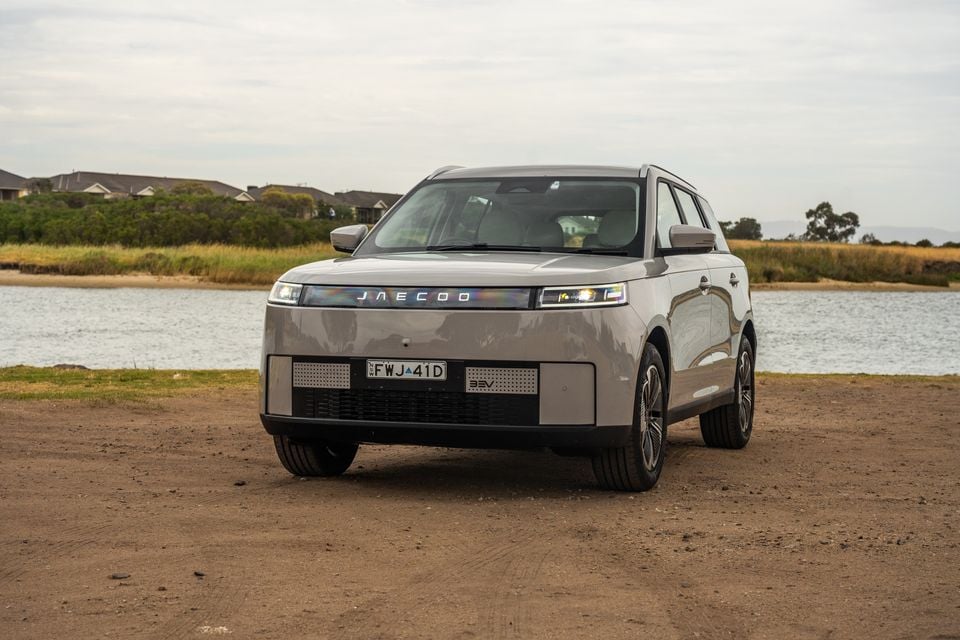
Its driving dynamics – particularly the steering – leave a bit to be desired, which is where others like the Atto 2 and Ora 5 tend to perform better. The unfriendly regenerative braking calibration is a similar story.
Then there's the interior, which is far too screen-heavy and let down overall by its sub-par speakers. It's not uncommon for Chinese manufacturers to forego physical buttons, but the Atto 2 and even the MG S5 EV are a tad more user-friendly.
Plus, the J5 EV is among the more expensive models of its size, which is a key consideration at this end of the market regardless of how nice its interior is. At the end of the day, the best option for you will come down to what you value most in a cheap EV.
If you want a reasonably upmarket interior with a generally liveable driving experience, the J5 EV is a fine option. If you want better on-road behaviour and you're willing to sacrifice some interior luxuries, the Atto 2 will probably be more suitable.
However, if you're willing to spend a little more, the MG S5 EV builds on the strengths of the Atto 2 by offering greater EV capability and a larger body, which means more practicality inside. It also feels a bit more sophisticated on the road.
All said, however, the J5 EV is probably the model that best represents Jaecoo's remit as a budget-friendly, semi-premium marque, and it does enough things well to justify its price tag.
CarExpert can save you thousands on a new Jaecoo J5. Click here to get a great deal.
Click the images for the full gallery
If this is the car for you, we’ll compare offers from trusted dealers, handle the back and forth and manage your purchase from enquiry to delivery.
Quickly see how this car stacks up against its competition. Select any benchmark to see more details.
2026
$27,531
2026
$31,651
Max Davies is a CarExpert journalist with a background in regional media, with a passion for Japanese brands and motorsport.
Add CarExpert as a Preferred Source on Google so your search results prioritise writing by actual experts, not AI.
Damion Smy
7 Hours Ago
Damion Smy
13 Hours Ago

James Wong
14 Hours Ago

William Stopford
3 Days Ago
Damion Smy
4 Days Ago

Marton Pettendy
4 Days Ago
Add CarExpert as a Preferred Source on Google so your search results prioritise writing by actual experts, not AI.
# Based on VFACTS and EVC data
† Displayed prices are based on the drive-away price of the vehicle, which includes delivery charges, registration fees, number plates, and applicable road taxes, based on a Sydney location. However, prices may vary between states and territories, and additional costs such as compulsory third party (CTP) insurance, dealer delivery fees, and optional extras are not included. These prices are subject to change without notice and may not reflect current market pricing or dealer offers.
 Automotive Vehicle Spec Data & 4K images Powered by JATO Dynamics Ltd