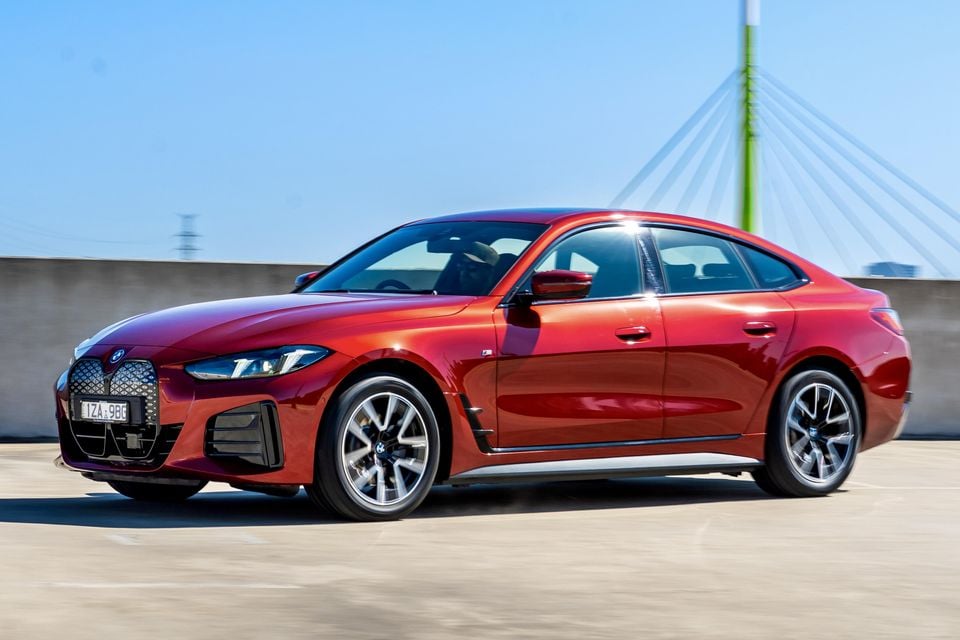
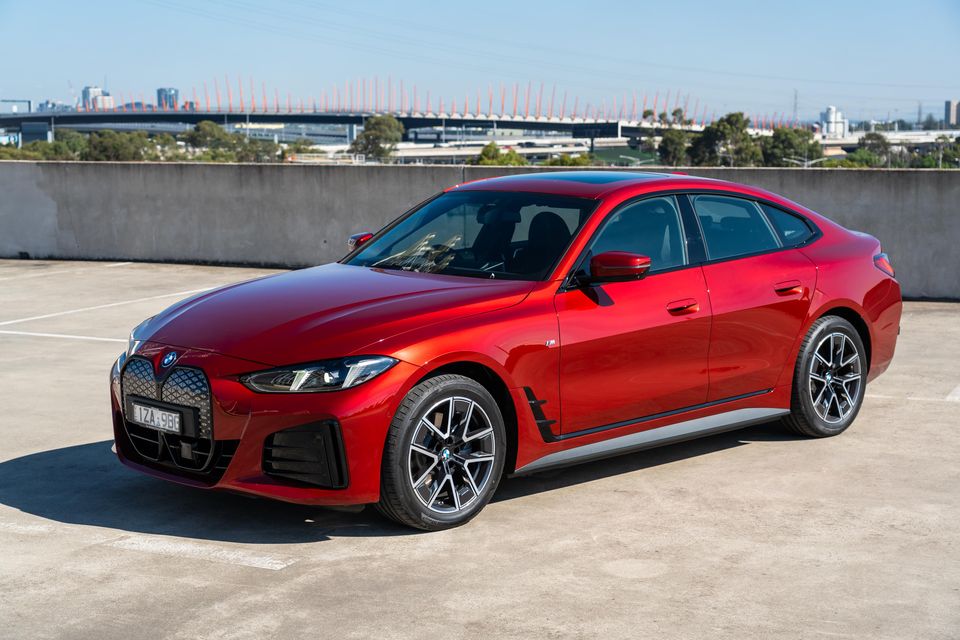
BMW is about to roll out its take on the future of electric vehicles (EVs), but cars like the i4 Gran Coupe still exist to remind us how far it’s already come.
Touted as BMW’s answer to the ever-popular Tesla Model 3, the i4 arrived in Australia in 2021 and has since been a relatively strong seller in the local premium sedan segment. It’s performed particularly well against other similarly priced EVs, but the model range has been pruned for 2026.
Gone are all variants bar the entry-level model variant on test here: the 2026 BMW i4 eDrive35. The reasoning was that the base trim accounted for the vast majority (75 per cent) of all i4 sales since it joined the range in 2023, leaving it to fly the flag alone as BMW Australia awaits fresh stock of the updated mid-size electric liftback.
Those updates include minor exterior design tweaks, the addition of the previously unavailable M Sport Package, interior tweaks, and an 18km increase in driving range to a total of (drum roll, please) 448km. It’s still rear-wheel drive as standard, but the upgrades come with a slight price hike.
What does all that mean for the i4, and has it done enough to keep it relevant amid BMW’s imminent ‘Neue Klasse’ EV onslaught?
How much does the BMW i4 cost?
The sole remaining i4 variant available in Australia is the base eDrive35, priced at $88,900 before on-roads – $3000 more than its price tag in January 2025. It’s still below the Luxury Car Tax (LCT) threshold and exempt from Fringe Benefits Tax (FBT).
| Model | Price before on-road costs |
|---|
| 2026 BMW i4 eDrive35 | $88,900 |
Rivals for the i4 are an odd bunch, but one thing is clear: they’re either much cheaper or have a greater driving range. On price, the closest match is the Volvo ES90 Plus Single Motor, a rear-drive liftback sedan with more than 550km of range, priced at $88,880 before on-roads. The only caveat is that it’s noticeably larger.
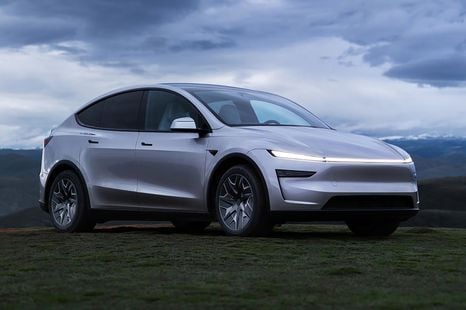
At the cheaper end are the MG IM5 Platinum RWD ($69,990 drive-away) and the Tesla Model 3 Premium Long Range RWD ($61,900 before on-roads) sedans, but they have driving range claims of 655km and 750km respectively.
Though it’s technically an SUV, you might also consider the Polestar 4 Long range Single motor Plus for $86,500 before on-roads, which has a claimed range of 620km.
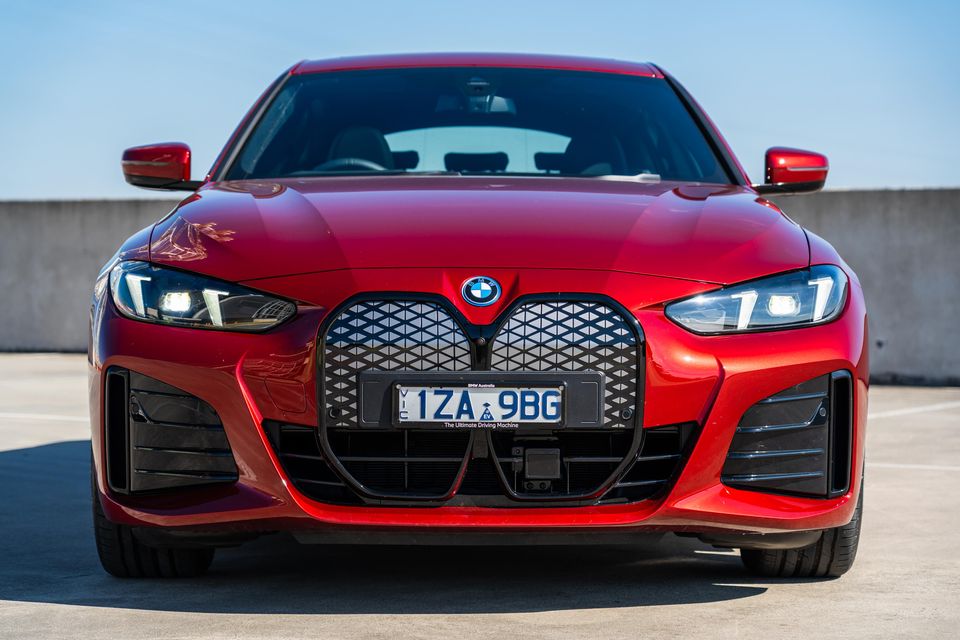
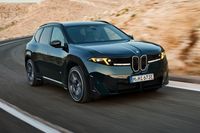
It’s also worth noting that the Neue Klasse BMW i3, expected to offer more than 800km of range, could be priced very competitively compared with the older i4, judging by the $109,900 (plus ORCs) price of the Neue Klasse iX3.
What is the BMW i4 like on the inside?
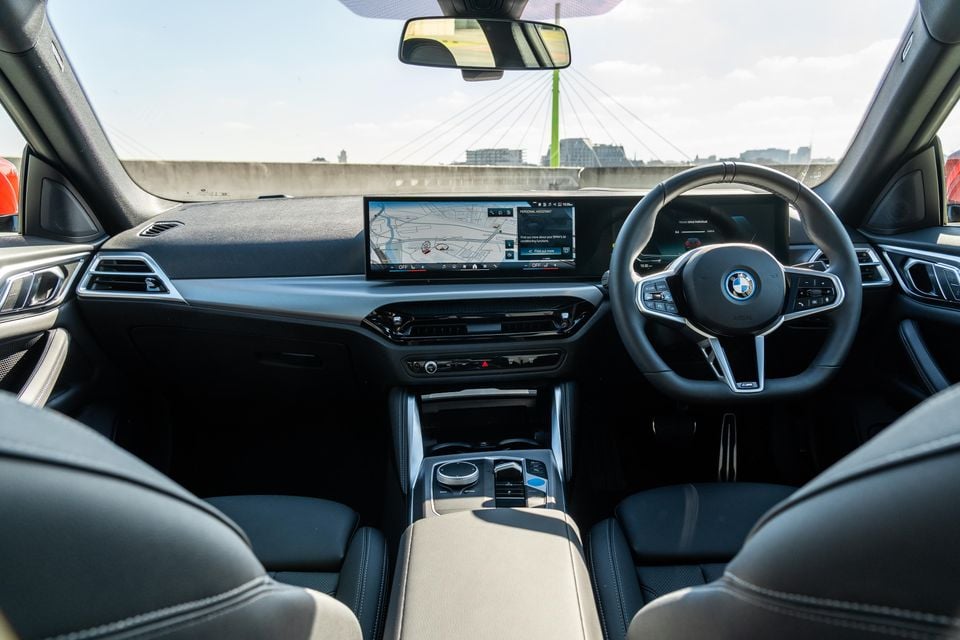
While we understand it’s an entry-level variant, the i4 eDrive35’s cabin lacks some of the sparkle that has historically set BMW interiors apart.
Most of that comes down to material choice. Even though most surfaces are soft to the touch, they look like cheap, scratchy black plastic – see the dashboard and door cards.
Find your perfect new car with CarExpert
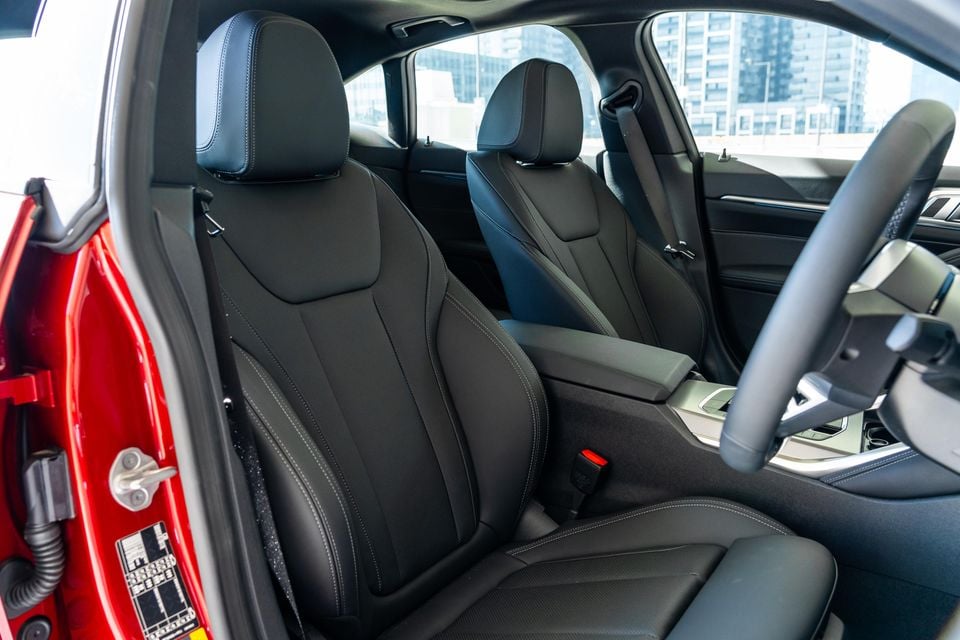
It takes away from the otherwise premium vibe we expect from BMW, even if there’s nothing inherently wrong with it. The black/aluminium palette of our tester doesn’t make for a visually interesting space either, even if it’s true to older BMWs in recent memory.
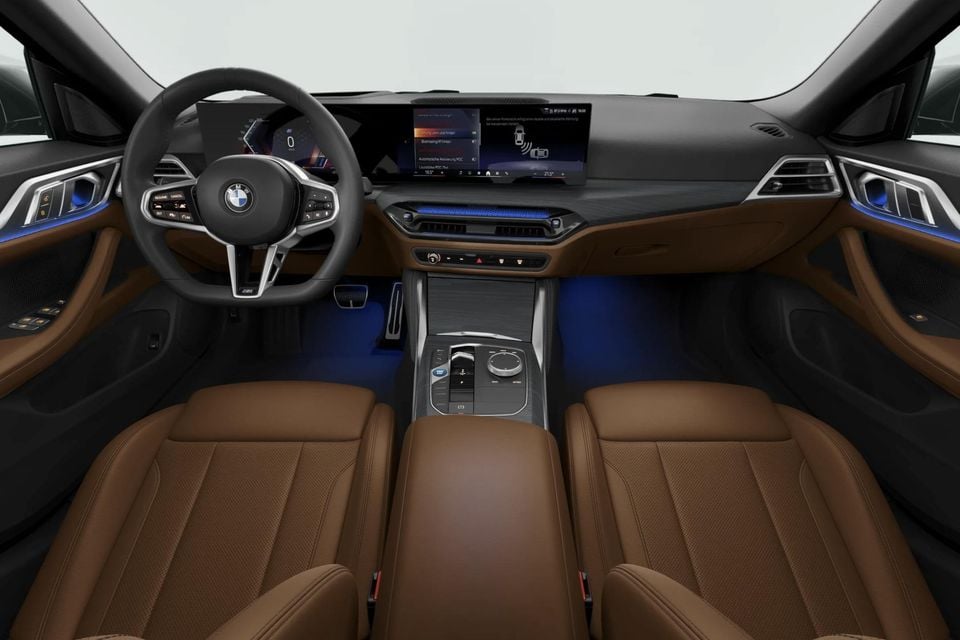
The optional cognac/dark wood alternative seems much more appealing to me. Beyond aesthetics, we were also somewhat disappointed to find that many of the cabin’s fittings feel quite hollow.
This is observable in the plastic on the dashboard, the openable cover on the centre console, and the ‘skeleton’ of the steering wheel. It all lacks a touch of polish, and BMW fans may well be put off by the plasticky feel in general.
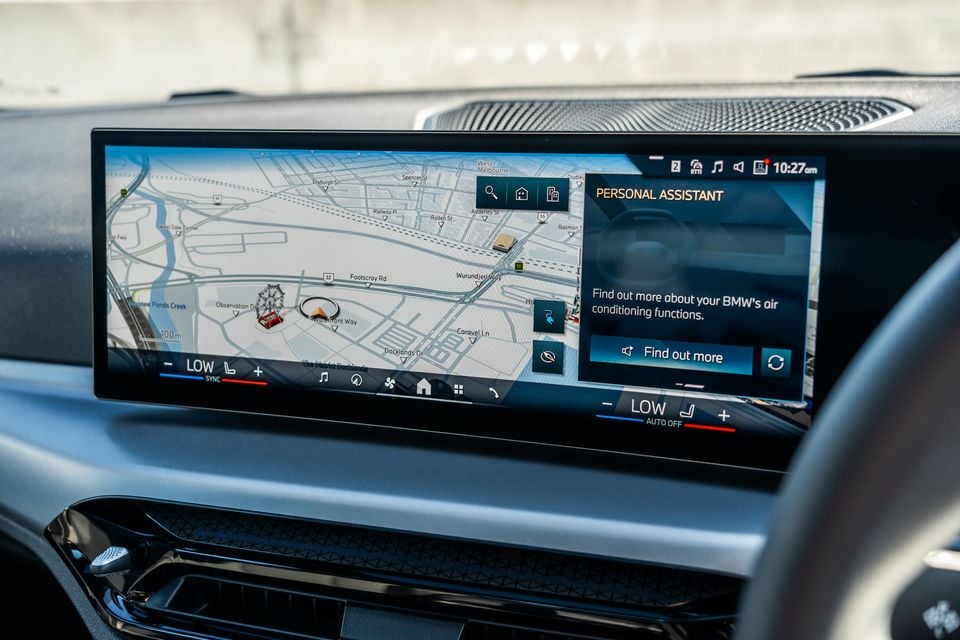
In keeping with every other modern BMW, the i4’s cabin is very screen-heavy. A massive two-screen panel dominates the dashboard, and nearly every vehicle function is locked away in the 14.9-inch touchscreen infotainment system to the left.
There’s a huge menu full of app shortcuts to sift through, which can be tiresome if you just need to adjust basic settings like the head-up display position. It’s also unfortunate that the climate system is located here, accessed either via the always-on ribbon at the bottom of the screen or the dedicated climate menu.
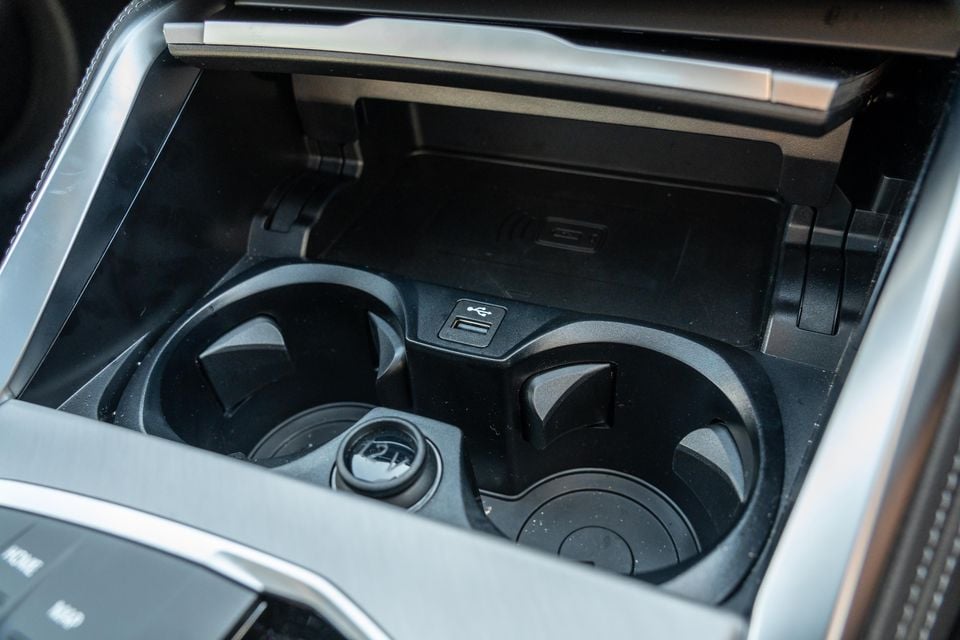
Wireless phone connectivity is also standard, and we had no issues with Apple CarPlay in our week with the car. Other connectivity options include two USB ports (one USB-A and one USB-C), and you can charge your device using either the 12V outlet or the wireless charger – the latter gets quite hot, given it’s in a confined space with no airflow.
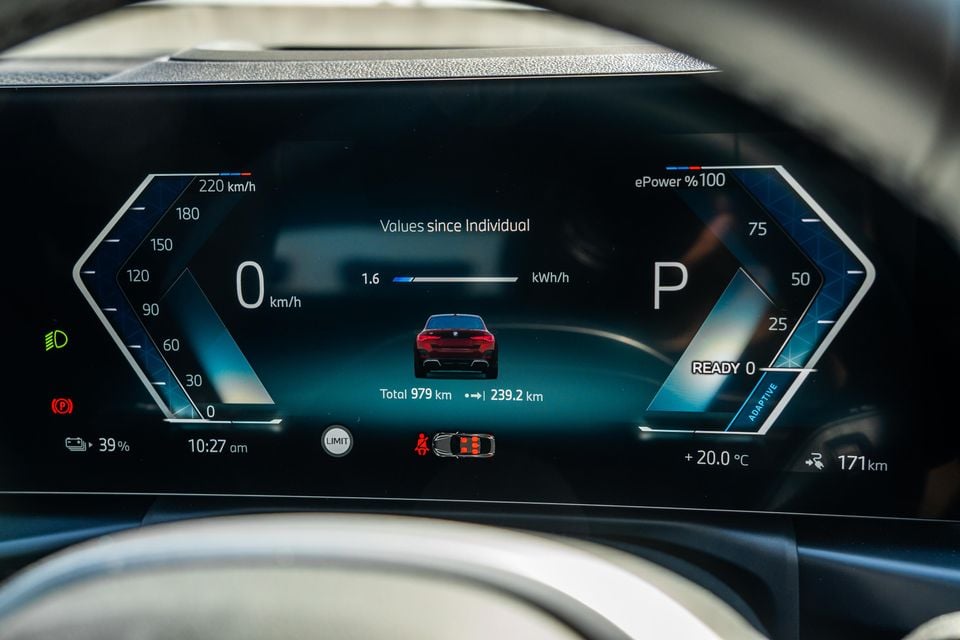
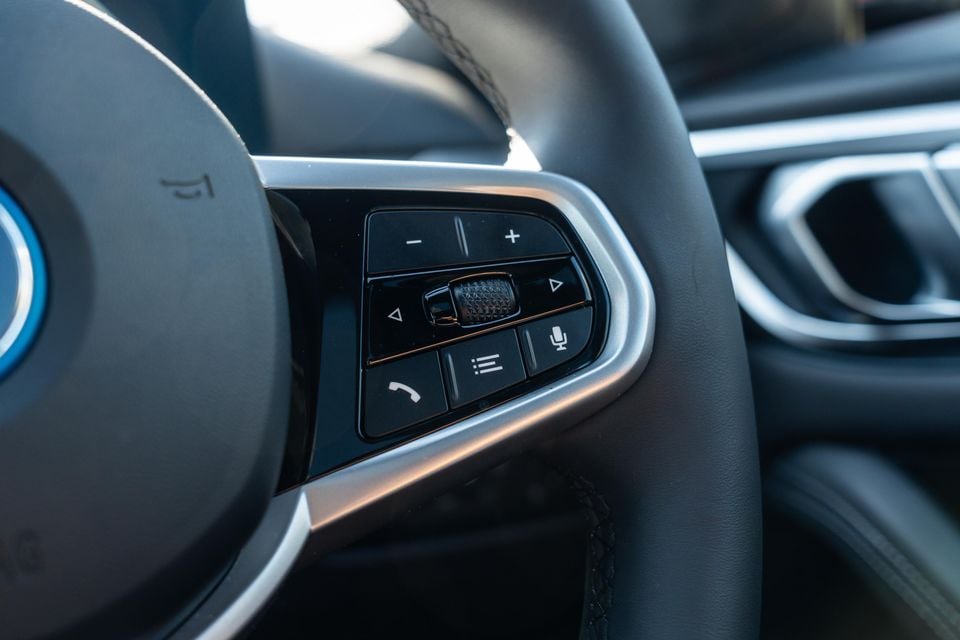
In front of the steering wheel is a 12.3-inch digital instrument display with BMW’s slick graphic identity. There are a few different styles to scroll through, but all look the part and present plenty of driving info once you figure out how to access them via the buttons on the wheel.
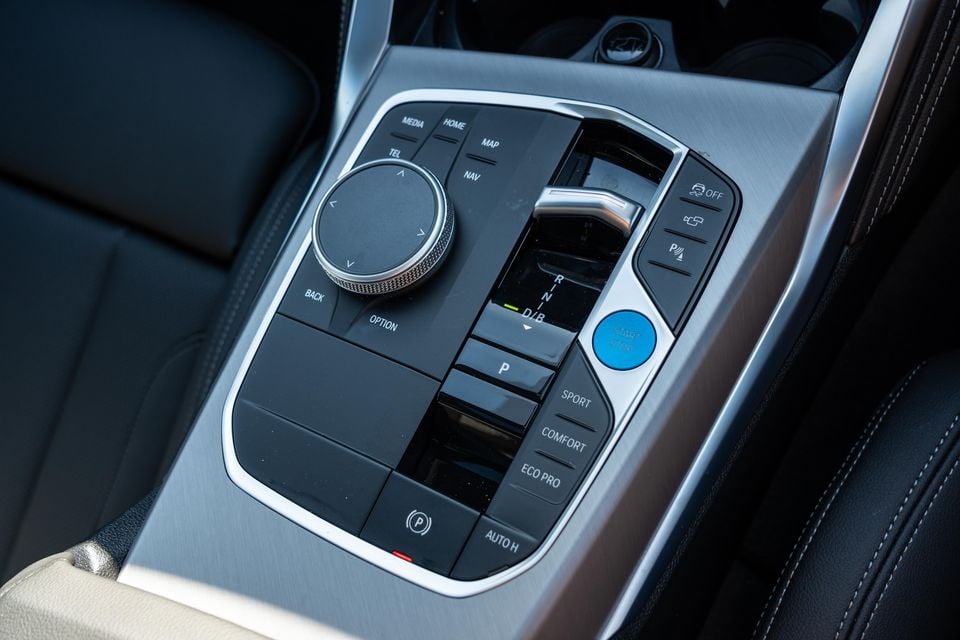
These buttons are very clicky and finished in a mix of dull and glossy plastic, but they’re large enough and labelled clearly. This complements the small selection of buttons to the right of the wheel for headlight controls, as well as the central panel with various driving controls, BMW’s iDrive infotainment controller, and some unnecessary piano-black elements.
Ergonomically, the i4 is indistinguishable from other modern BMWs. The steering wheel is the best display of this, as it’s wrapped in leather and massive in both diameter and thickness. It gives the car physical substance, but that doesn’t necessarily translate to the driving experience – we’ll explain why later.
The seats, meanwhile, have a sporty intent but lack the strong bolstering to match. They’re still supportive, if a little firm, but there’s a wide range of powered adjustment (alongside manual thigh support adjustment) and they’re heated as standard. The base i4 doesn’t have massage and ventilation functions, though.
Storage up front is alright, but not extraordinary. In front of the wireless charging pad are two cupholders, all of which can be covered by a lid, while there’s also a reasonably sized storage box under the high central armrest, a modest passenger-side glovebox, and bottle holders in the door cards.
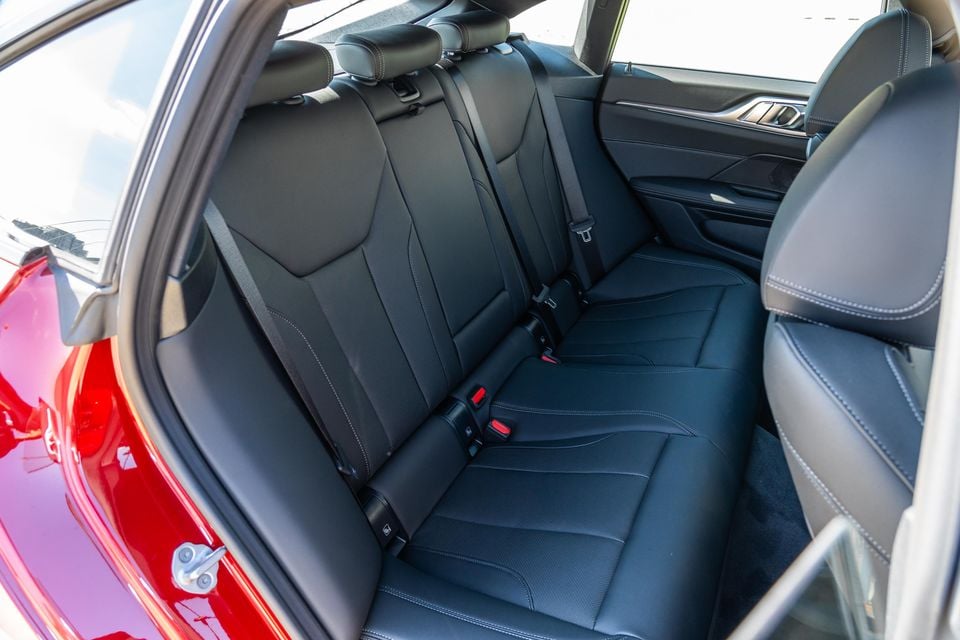
The second row feels somewhat tight, as the i4’s ‘Gran Coupe’ proportions don’t leave a lot of extra headroom compared to a conventional sedan, and the rear doors are fairly short, impacting ingress and egress. Legroom isn’t terrible though, and there’s still plenty of space for adults sitting behind adults.
The bench seat itself is fairly comfortable in the outboard positions, but the middle is raised, narrow, and only workable for short drives. Footroom is also severely compromised by a tall driveline hump.
The plasticky vibe of the front continues here, where it seems even more pronounced. As plush as the synthetic leather upholstery is, the door cards, centre console, and front seatbacks are decidedly less so.
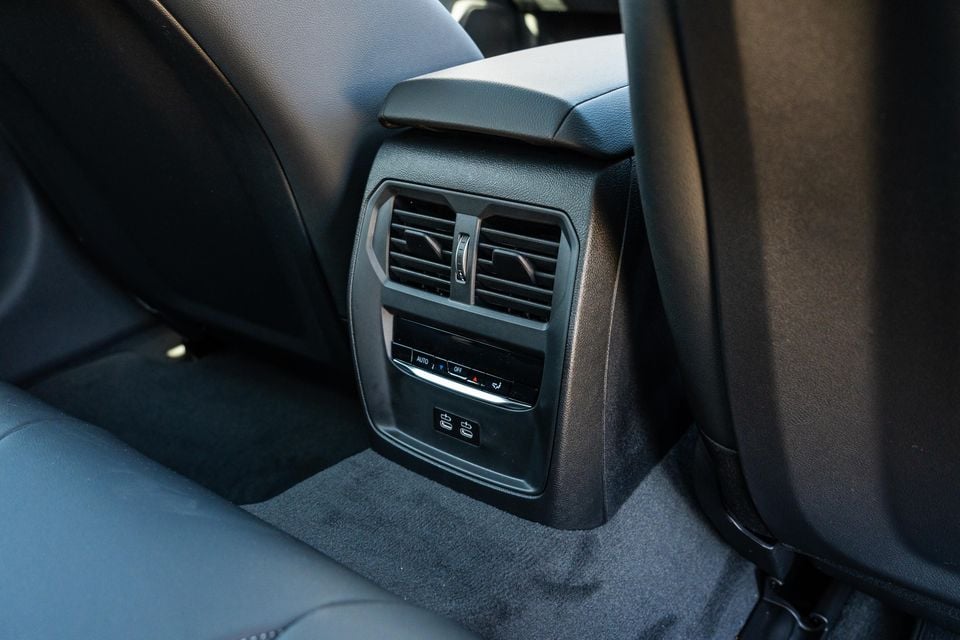
There’s at least a dedicated climate zone back here, operated via a panel on the back of the centre console. This is a big plus, even if its buttons are finished in glossy plastic. Two USB-C ports are also provided below.
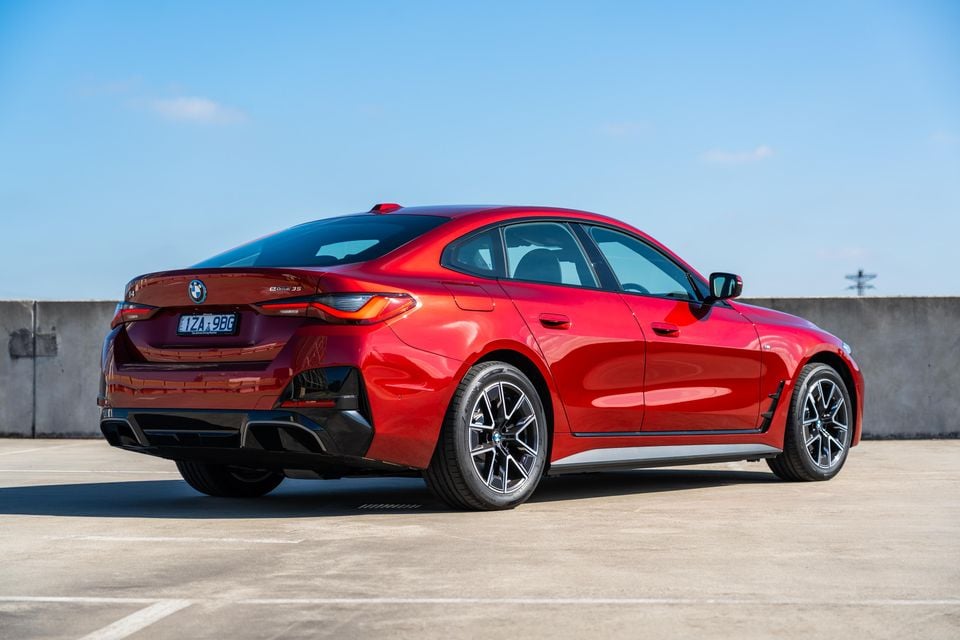
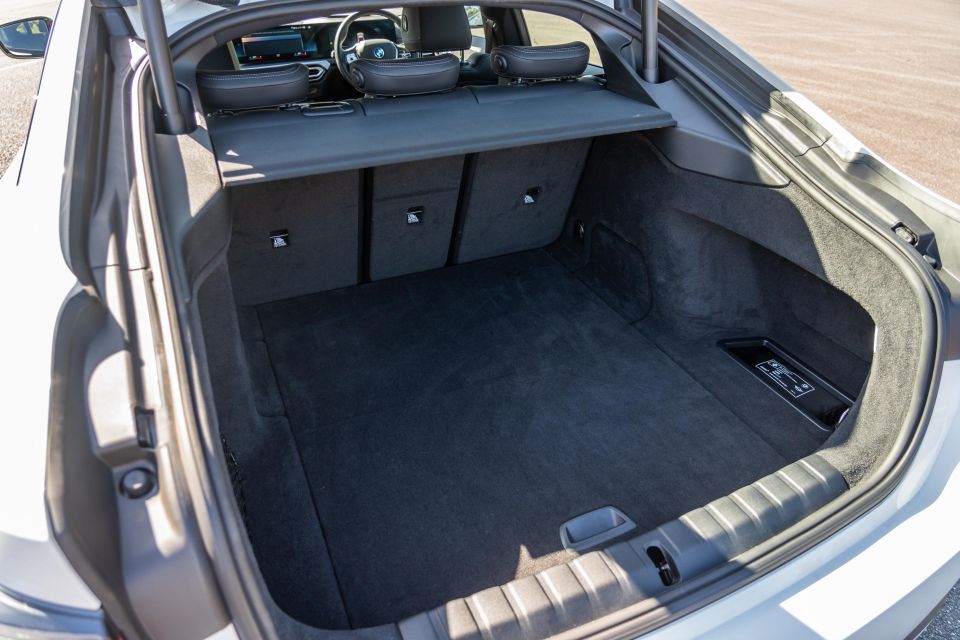
The advantages of a liftback sedan are made clear once you get to the boot. It’s simply huge, and the expansive floor and uncompromised opening make loading and unloading cargo easy.
For context, the i4’s 470-litre capacity is smaller on paper compared to the 524L space in the Toyota Camry, for example, but the BMW’s huge opening makes all the difference. The Camry is also physically larger, but otherwise a logical mid-size sedan benchmark.
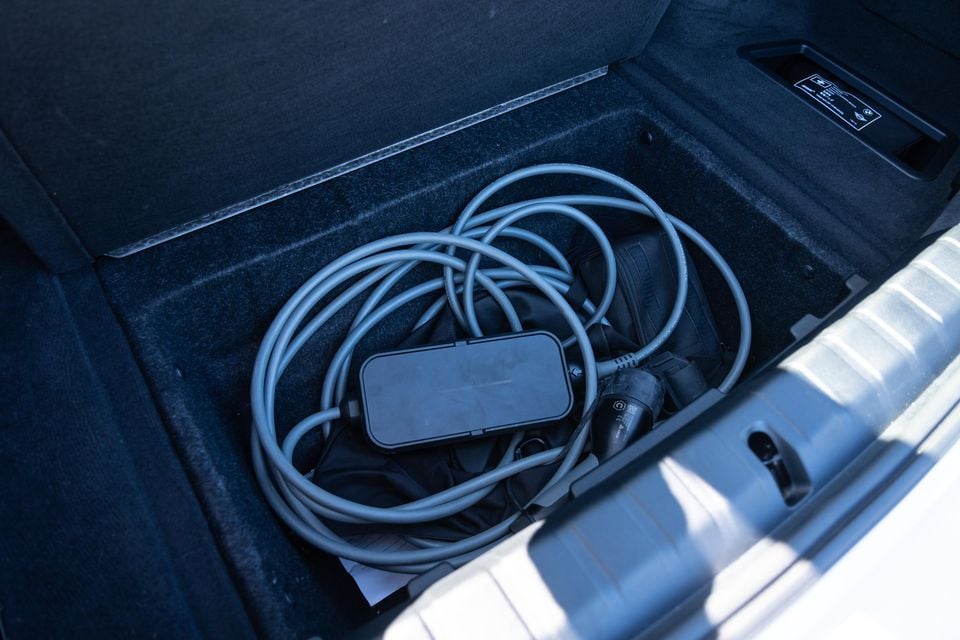
A power tailgate is standard, a must-have with such a large hatch. It’s a case of what you see is what you get inside the boot, where there’s just a net and a small nook on either side to offset an undeniably bare space. There’s an additional storage area under the floor, and the rear seats split and fold in a 40:20:40 arrangement for extra configurability.
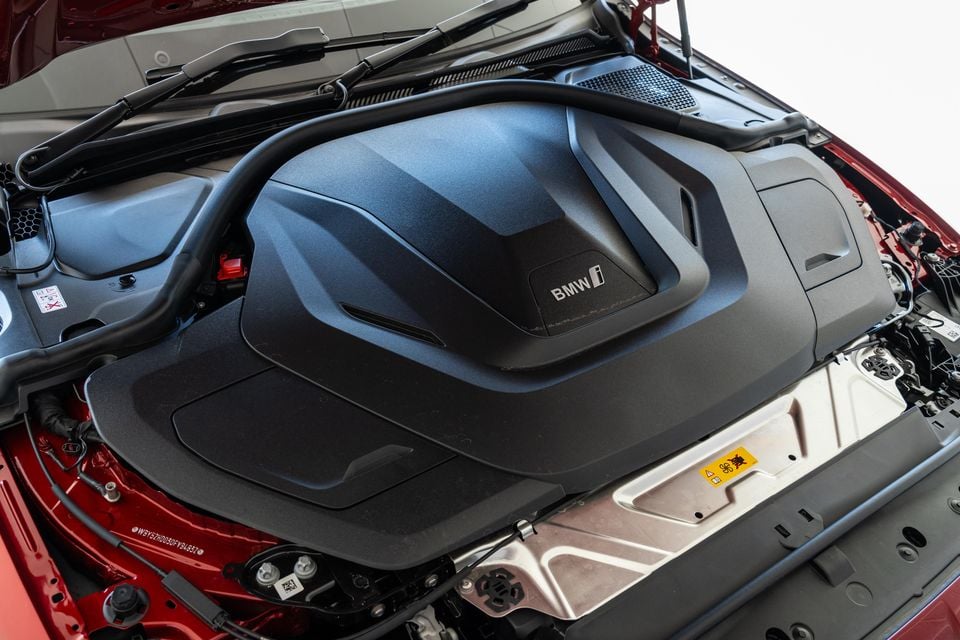
Unlike many other EVs, there’s unfortunately no under-bonnet storage. That’s despite the space under the colossal plastic cover looking almost completely empty.
| Dimensions | BMW i4 |
|---|
| Length | 4783mm |
| Width | 1852mm |
| Height | 1448mm |
| Wheelbase | 2856mm |
| Cargo capacity | 470L (rear seats up)
1290L (rear seats folded) |
What’s under the bonnet?
Driving the i4 eDrive35 is a single rear-mounted electric motor that produces up to 210kW of power and 400Nm of torque. That means it’s rear-wheel drive, and energy comes from a 66.4kWh lithium-ion battery.
| Specifications | BMW i4 eDrive35 |
|---|
| Drivetrain | Single-motor electric |
| Battery | 66.4kWh li-ion |
| Peak power | 210kW |
| Peak torque | 400Nm |
| Drive type | Rear-wheel drive |
| Kerb weight | 1990kg |
| 0-100km/h (claimed) | 6.0 seconds |
| Energy consumption (claimed) | 16.3kWh/100km |
| Energy consumption (as tested) | 15.5kWh/100km |
| Claimed range (NEDC) | 448km |
| Max AC charge rate | 11kW |
| Max DC charge rate | 180kW (32 minutes 10-80%) |
BMW’s official driving range claim is 448km, though because that’s based on the more lenient NEDC test standard, it should be taken with a grain of salt. In practice, we observed a driving range of around 370km.
That’s well down on practically all rivals, with Tesla claiming 520km for even the base Model 3. There are bigger battery options available in other markets that claim to give the i4 up to 590km, but Australians have to make do with this.
Our week with the i4 involved commuting in fairly heavy traffic, along with a couple of lengthier, faster drives on open country roads.
How does the BMW i4 drive?
Let’s get one thing straight: the i4 isn’t a sports sedan – regardless of what the mildly inappropriate M badges scattered around it might suggest.
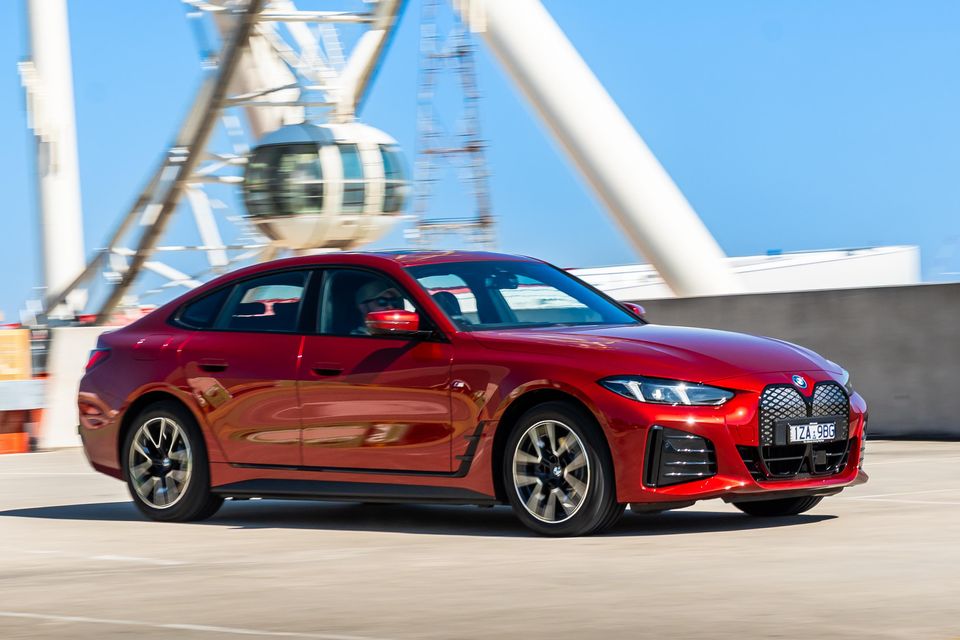
But once you’re past the deceptive branding, you’ll find the i4 – at least in eDrive35 form – is better for the fact it isn’t trying too hard to be something it isn’t. Just think of the M bits as extra treats for an already solid car.
Once you find the start/stop button and figure out BMW’s switch-like gear selector, you’ll quickly find there’s a no-fuss quality to the i4. It’s quiet, comfortable, and quick enough to be fun without putting you in danger.
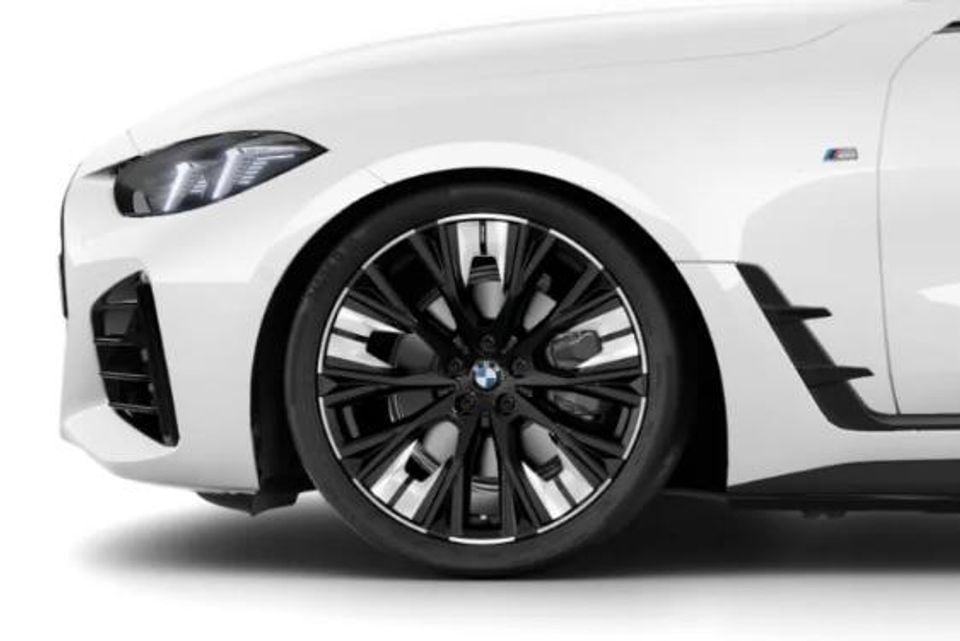
In fact, the smaller alloys and thicker sidewalls are big contributors to cabin refinement, as there’s more rubber to insulate its occupants from the roar of the road below. In a car with no burly engine to mask some of the outside noise, that’s important.
There’s also no M-fettled suspension or anything particularly fancy going on under the skin, which has a positive effect on ride comfort. I still found it a little firmer than expected, but it manages to soak up small imperfections and speed bumps without too much trouble.
You’ll also notice that body control is quite good in all environments. It doesn’t feel floaty at high speed, and it’ll happily take corners at pace without keeling over – there’s naturally a limit to the unsporty wheel/tyre combination, but there’s still somewhat of a BMW quality to the handling here.
That means you can have some fun in the i4, as it’s more confident through the turns than many other sedans. One observation is that the steering is light by BMW standards, which is good for everyday friendliness but contributes to a slightly insubstantial feel behind the wheel. This may be partly due to the lack of heavy materials (like metal) on the steering wheel itself.
You’ll probably also want to fiddle with the powertrain, as it’ll leave you underwhelmed if you don’t have a play with the drive modes on offer.
There’s plenty of power and torque on hand at all times, which makes for a compelling prospect when combined with the i4’s classic rear-drive configuration. This is where some BMW fans may have an issue, though, as it isn’t as playful as that might suggest.
In Comfort and Eco Pro drive modes, traction control is very limiting and does a fantastic job of arresting any slip before it happens. You may notice a tiny bit more looseness in the wet, but it’s consistently approachable and unintimidating – which is great, given the i4 isn’t a sports car.
That said, it is possible to wake it up. Sport mode loosens the traction control’s reins just a smidge, which translates to some rear-end movement if you lay into the throttle while turning. It won’t break away from you entirely, but it’s just enough to remind you that BMW still knows how to bolt a car together.
The steering also weighs up nicely, and the car just feels more like a proper BMW. You’ll still notice some front-end grip limitations, but it won’t stop you from having a good time.
Backing that up is a good brake feel. Even with its bias towards regenerative braking, the pedal still feels normal in its stroke and easy to adjust to – you can also flick through a few different strengths of off-throttle regen, including a clever ‘Adaptive’ mode.
This uses the car’s front radar to gauge the distance to the car ahead and adjusts regen braking to maintain a consistent gap. It works quite well, but it’ll take a moment to get used to the ‘engine braking’ effect changing depending on the traffic around you.
The i4’s safety gear is also well-calibrated, though it is unfortunate there’s no lane-centring function to go with the adaptive cruise control.
And now to the elephant in the room: the i4’s piddly driving range. Despite being relatively efficient, circa-370km isn’t very much by today’s EV standards, and the battery quickly depletes if you’re regularly driving long distances. That’s no big deal if you commute into the city and can charge at home, of course.
But it’s well down on its nearest rivals, and the stiffest competition could come from within BMW itself. We’re expecting at least 800km of range from the new i3, which could render the i4 obsolete if the all-new mid-size electric sedan arrives with a very competitive price, as we expect it to.
What do you get?
There’s only one i4 variant currently on sale in Australia, and the eDrive35 includes the M Sport Package as standard.
Ready to buy? We’ll help you get a great deal.
If this is the car for you, we’ll compare offers from trusted dealers, handle the back and forth and manage your purchase from enquiry to delivery.
2026 BMW i4 eDrive35 standard equipment highlights:
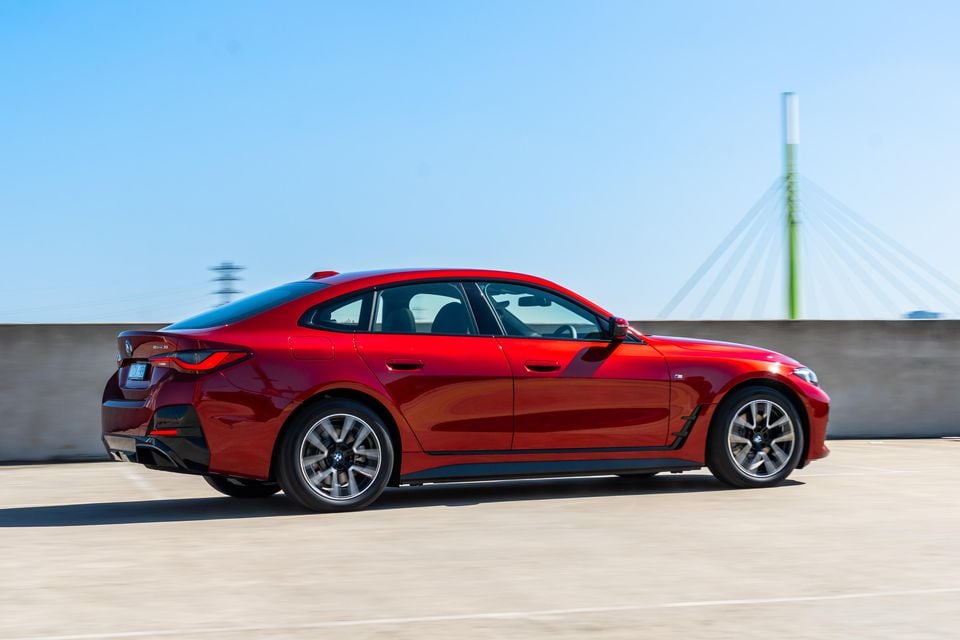
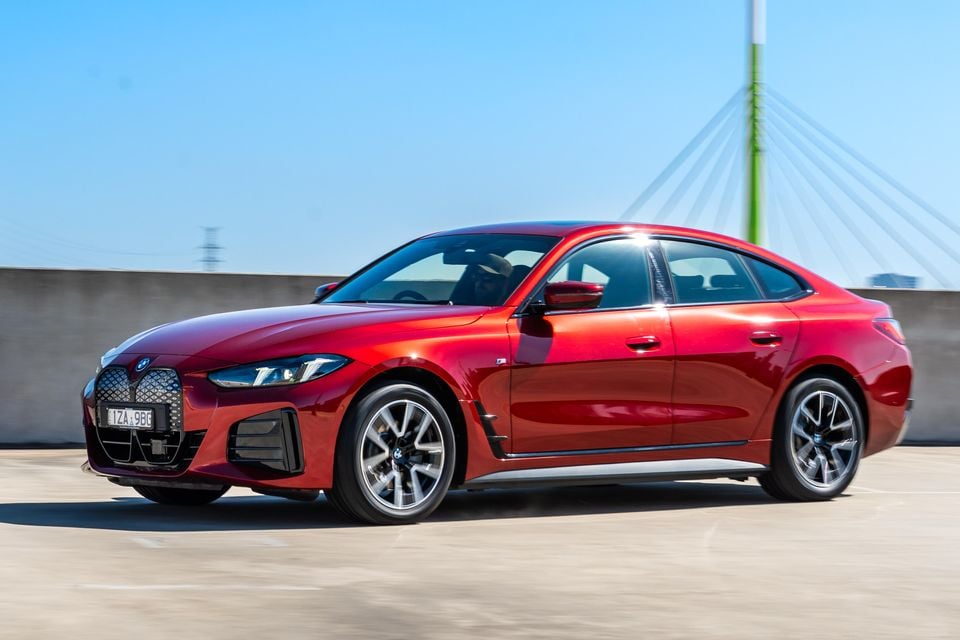
- 18-inch ‘M light’ alloy wheels
- Tyre repair kit
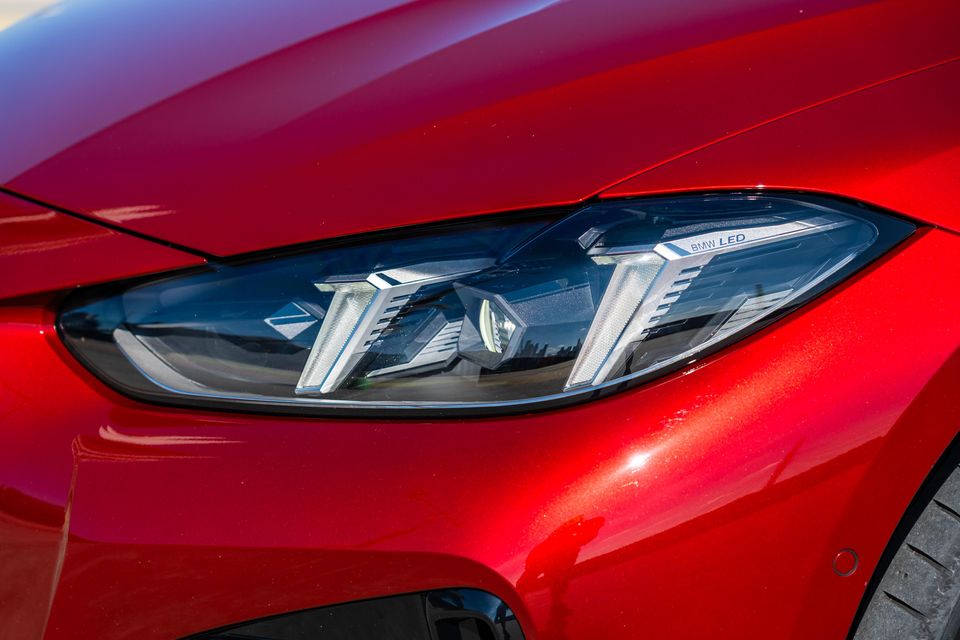
- Auto LED headlights
- Rain-sensing wipers
- M high-gloss exterior highlights – Shadowline
- M headliner – Anthracite
- M interior accents – Brushed Aluminium
- Heated front sports seats
- ‘Sensatec’ synthetic leather upholstery – Black
- Power front seat adjustment with lumbar
- Driver’s seat position memory
- Head-up display
- 12.3-inch digital instrument display
- 14.9-inch touchscreen infotainment system
- Wireless Apple CarPlay and Android Auto
- DAB+ digital radio
- Satellite navigation
- Wireless phone charger
- 1 x front USB-A port
- 1 x front USB-C port
- 2 x rear USB-C ports
- 10-speaker sound system
- Interior ambient lighting
- Tri-zone climate control
- Power tailgate
- Electric sunroof
- ‘BMW Iconic Sounds Electric’
- BMW ConnectedDrive (3-year subscription)
- 3 drive modes:
Options
Several options are available for the i4 eDrive35.
2026 BMW i4 eDrive35 options:
- 19-inch M light alloy wheels ($1616)
- 19-inch M aerodynamic alloy wheels ($1616)
- 20-inch BMW Individual aerodynamic alloy wheels ($3847)
- Sensatec synthetic leather upholstery – Cognac ($NCO)
- Open-pore, fine-wood interior trim – Ash Grey Blue ($NCO)
Is the BMW i4 safe?
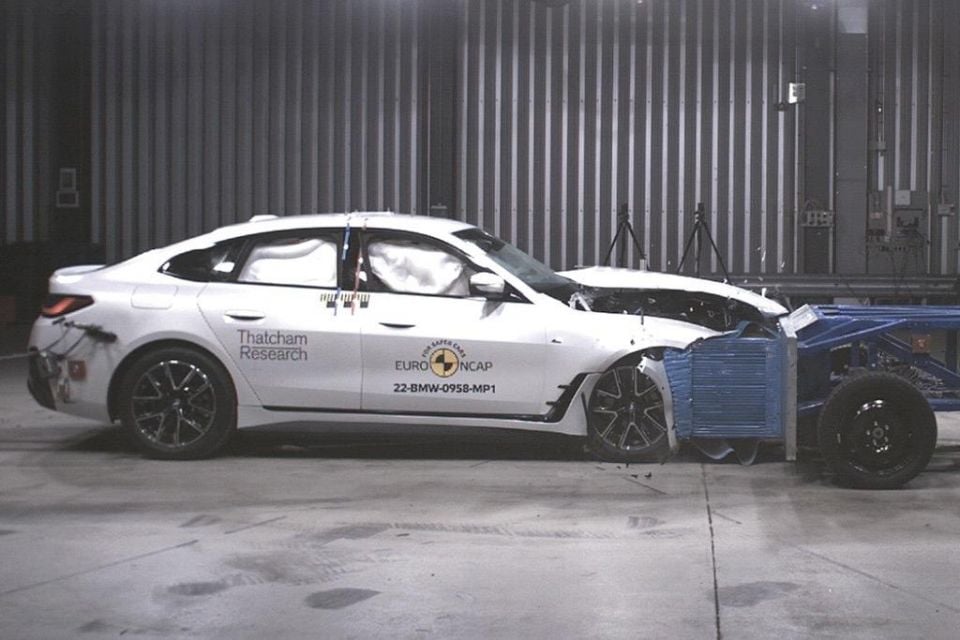
The BMW i4 has a four-star ANCAP safety rating, based on testing conducted by sister organisation Euro NCAP in 2022.
| Category | BMW i4 |
|---|
| Adult occupant protection | 87 per cent |
| Child occupant protection | 89 per cent |
| Vulnerable road user protection | 71 per cent |
| Safety assist | 62 per cent |
Standard safety equipment highlights:
- 6 airbags, incl:
- Adaptive cruise control with stop/go
- Front and rear parking sensors
- Lane-change warning
- Lane departure warning
- Park assist
- Speed limiter
- Surround-view camera
- Rear cross-traffic alert
- Traffic sign recognition
- Tyre pressure monitoring
How much does the BMW i4 cost to run?
BMW Australia backs its model range with a five-year, unlimited-kilometre warranty. A separate eight-year, 160,000km warranty applies to the i4’s high-voltage battery.
| Servicing and Warranty | BMW i4 |
|---|
| Warranty | 5 years, unlimited kilometres |
| High-voltage battery warranty | 8 years, 160,000km |
| Roadside assistance | 8 years |
| Service intervals | N/A |
| Capped-price servicing | 6-year, unlimited-kilometre prepaid plan |
| Total capped-price service cost | $2420 |
The German brand doesn’t have set service intervals for its models; instead, its condition-based servicing policy means the car will tell you when it’s time for a service, and even alert your dealer via connected services.
The six-year, unlimited-kilometre prepaid service plan means you won’t have to worry about paying each time you take your i4 in.
In terms of rivals, Volvo has yet to confirm service pricing for the ES90, servicing is free for the first five years of Polestar 4 ownership, and Tesla doesn’t have traditional servicing programs.
We can at least compare MG’s premium electric sedan, the IM5 Platinum, which costs $1802 to service over five years. There’s also BMW’s own internal-combustion 3 Series and 4 Series, servicing for both of which is covered by a $2575 five-year prepaid plan.
CarExpert’s Take on the BMW i4 eDrive35
The i4 remains a solid EV, strengthened by sensible pricing that could bring decent savings for eligible buyers. But it hasn’t taken long for the competition to make it look a bit outdated.
As much as we don’t mind the Australian i4 range being stripped back to a single entry-level variant (which is logical given BMW’s EV ambitions), its limited driving range remains an issue. Even if it’s fairly efficient, every other EV at this price can drive considerably further.
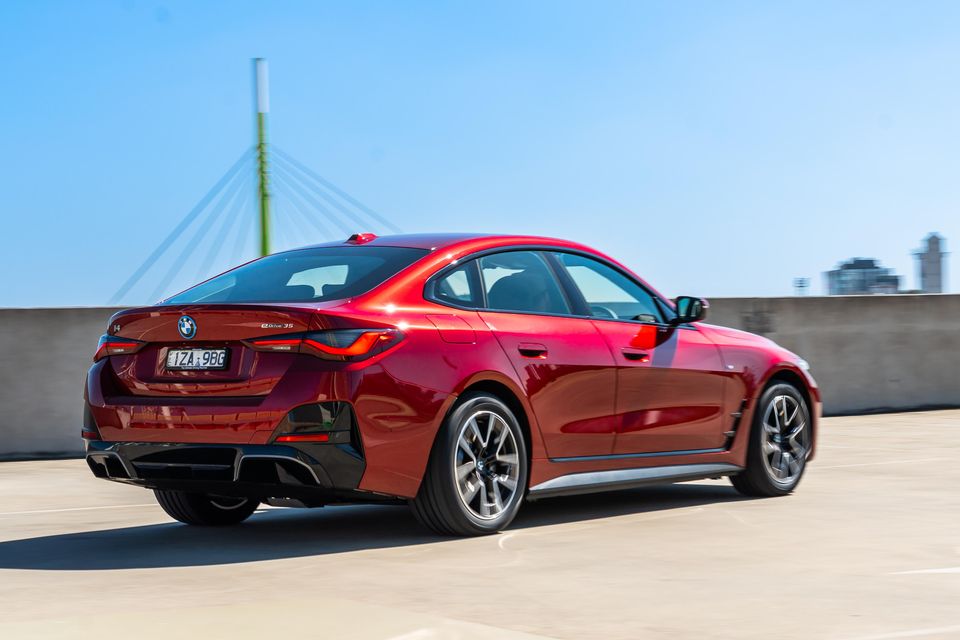
The interior is also a bit too basic by BMW standards, and it generally feels like the final surviving member of an EV generation that’s now been left behind. That said, the i4 still looks great, is a pleasant car to drive, and remains a decent option for a relatively affordable, premium EV.
Plus, we love sedans and it’s incredibly refreshing to drive a new car that isn’t an SUV. Even if its electric chops are lacking and it doesn’t instil quite the same driving engagement as other BMWs, it’s still far more enjoyable to drive than most other EVs on sale right now.
We’ll have to see what BMW rolls out with the Neue Klasse i3, but chances are it’ll blow this i4 completely out of the water. That’s if the new iX3 is anything to go by.
CarExpert can save you thousands on a new BMW i4. Click here to get a great deal.
Click the images for the full gallery
MORE: Explore the BMW i4 showroom









 Automotive Vehicle Spec Data & 4K images Powered by JATO Dynamics Ltd