




Damion Smy
2027 Honda Civic Type R: Facelifted hot hatch revealed
Styling and interior tweaks as well as a new colour come ahead of the Civic Type R’s 30th anniversary in 2027.
6 Hours Ago
Volkswagen's local execs won't confirm or rule out the all-electric ID. Polo and ID.3 Neo hatches yet, but are wary of the ultra-competitive EV market.

Senior Editor – Reviews
Senior Editor – Reviews
Volkswagen Australia executives have stayed vague about the introduction of the brand's smaller electric vehicles (EVs) Down Under.
Speaking with CarExpert, VW's local brand director Piergiorgio Minto said Australia's heavy lean to SUVs makes the business case a little harder for the German brand's newest compact EV models: the ID. Polo and ID.3 Neo hatchbacks.
"It's a question of the segment size and the market potential. In this case it's quite different [to other models] because you know better than me that Australia has a stronger SUV segment... so it's a completely different structure of the market [to Europe] with different pricing," Mr Minto said.
"We are having a look into every model that we have [globally], and we will decide case by case whether it makes sense or not to add it [to the Australian lineup]. Generally, everything that is electrified will always get priority."
Head of product for VW Passenger Vehicles Australia, Arjun Nidigallu, added: "For us it's a slightly different market because the expectation of a price point and a certain range has already been well established".
"For us to be successful from a volume perspective and make sure our dealers get to sell as many cars as they can, we need to fall on that curve at some point. The segment size also makes a difference.
"We're not against non-SUVs – I think because how much of a focus there is on SUVs at the moment, that could be a misapprehension – but certainly we're on the lookout, it just has to make market sense from a range, pricing and packaging perspective," Mr Nidigallu added.
Mr Minto and Mr Nidigallu's comments around segment size likely refer to the dwindling sales of Australia's passenger vehicle segments, with price-sensitive compact vehicles fighting for an ever-shrinking piece of a small pie.
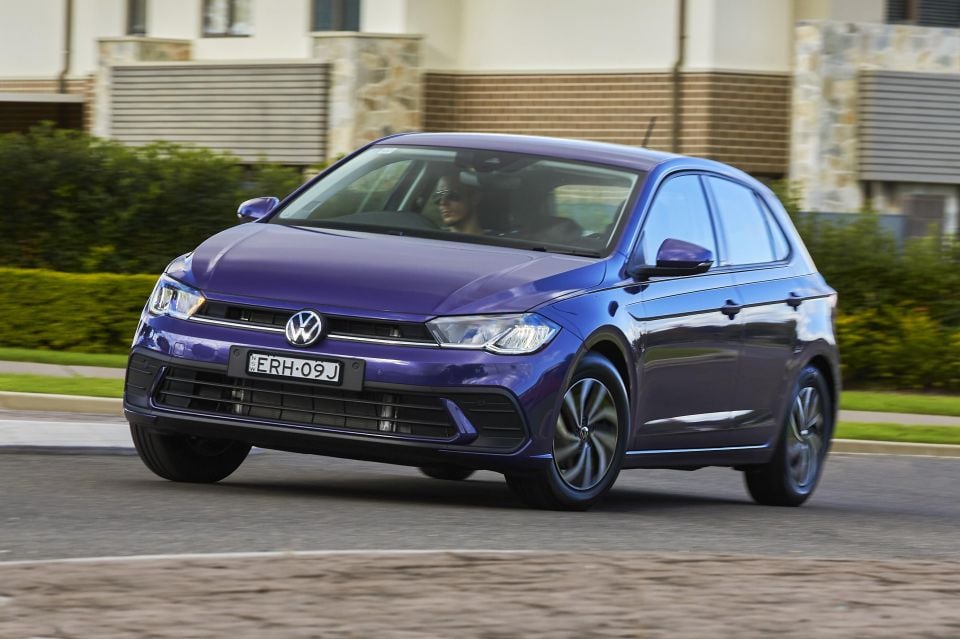
For example, the petrol-powered Volkswagen Polo plays in the premium light passenger vehicle segment (>$30,000), which was down 18.4 per cent in 2025 to 5795 units.
Last month, the wider light car segment only accounted for 2083 sales (down 9.0 per cent), while the light SUV segment managed 3252 sales (down 17.1 per cent).
The light car segment in general is becoming a tougher market for legacy brands to play in, given pressures to stay within a certain price bracket while equipping full suites of safety systems to meet ANCAP safety regulations.
Ford, Hyundai and Kia have all left the space in recent years despite once dominating the class, while remaining players from Mazda, Suzuki, Toyota and Volkswagen have been forced to up prices dangerously close to larger segments in order to bring specification levels that align with local buyer tastes.
The Toyota Yaris, for example, was once a $15,000 player in the market, but now won't give you much change from $30,000. Volkswagen's own Polo has suffered a similar fate, with SUV-hungry buyers often opting for even more expensive SUV stablemates, despite shared technologies.
In Australia, the sub-$30,000 bracket of the passenger vehicle market is dominated by the MG 3 and Kia Picanto, which retain strong sales and a budget-friendly price point across their respective lineups.
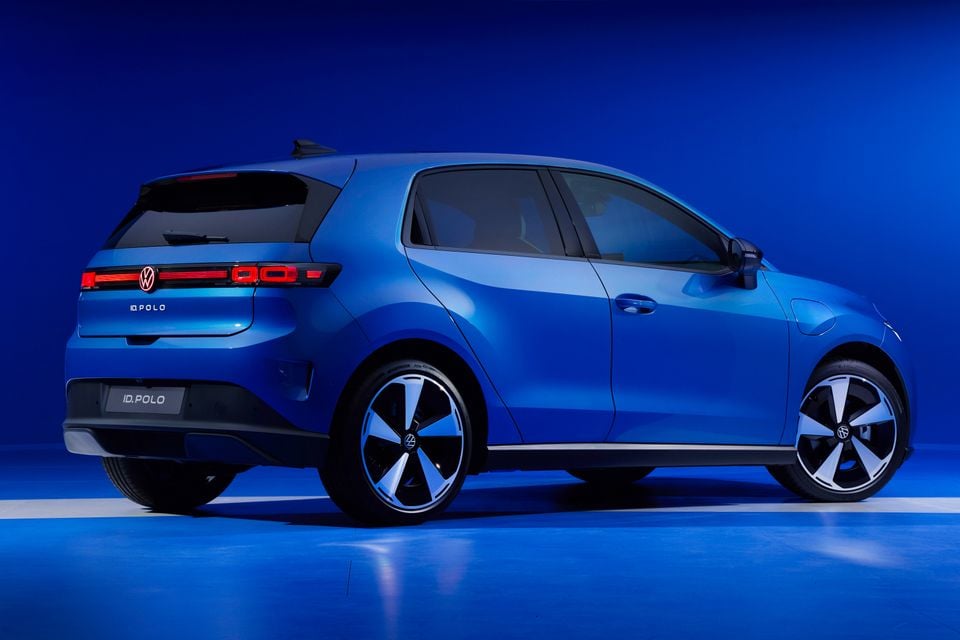
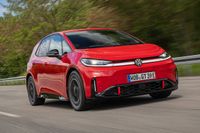
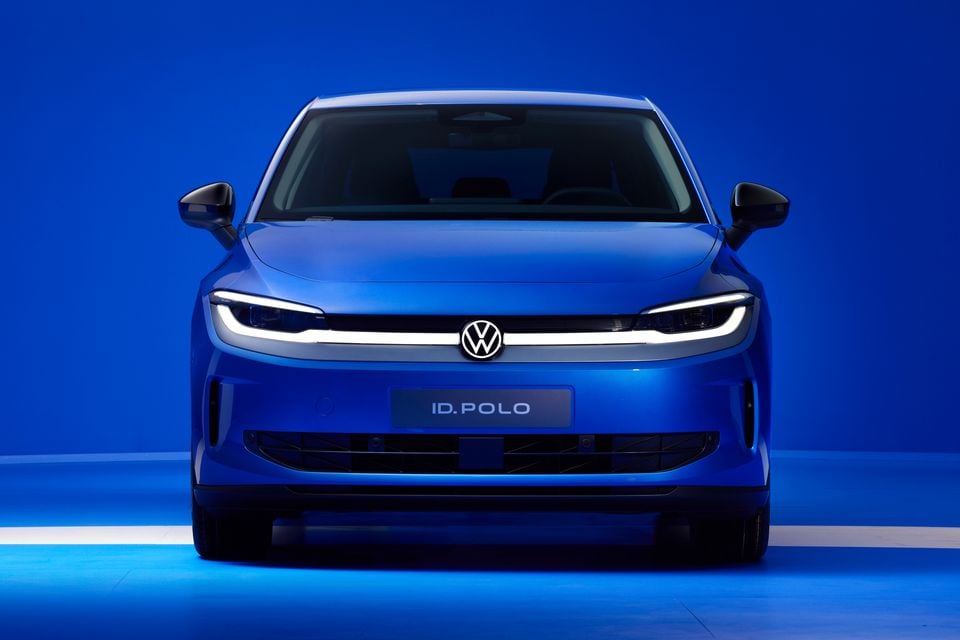
The Volkswagen ID. Polo was revealed last month as the first of the brand's new affordable range of EVs, though the sub-€25,000 (A$40,768) price leader won't be available to order in Europe until July.
While direct price conversions don't always tell the full story, the cheapest ID. Polo will be priced in line with the Polo-based T-Cross SUV in Germany, which in Australia starts from $34,990 plus on-road costs.
At launch, the ID. Polo is available in higher-spec Life and Style grades with a 52kWh nickel manganese cobalt (NMC) battery and 155kW front electric motor as standard, quoting 452-454km of WLTP range. Pricing for the cheaper Life starts from €33,795 (A$55,111), which is about the same as the cheapest ID.3 Neo.
Meanwhile, more affordable versions of the Polo will get a smaller 37kWh lithium iron phosphate (LFP) battery with 85kW or 99kW electric motors. Maximum range with the smallest battery is up to 329km on the WLTP test cycle.
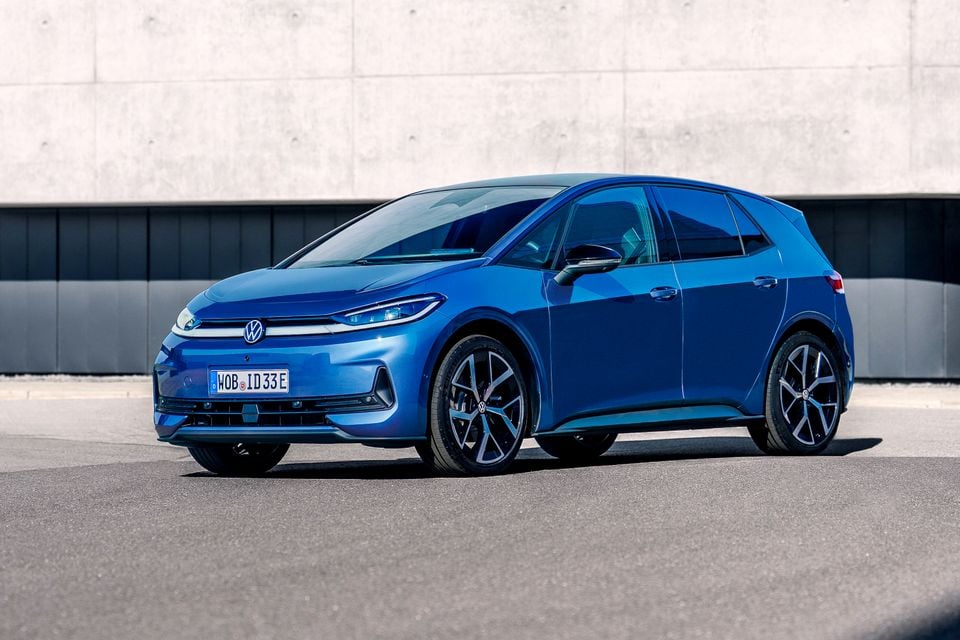
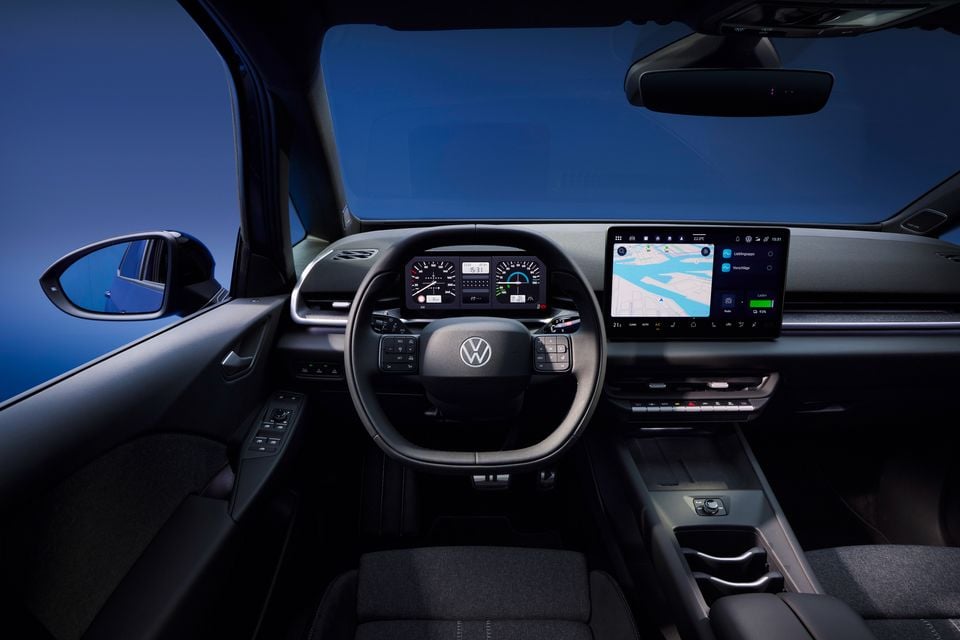
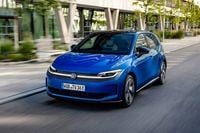
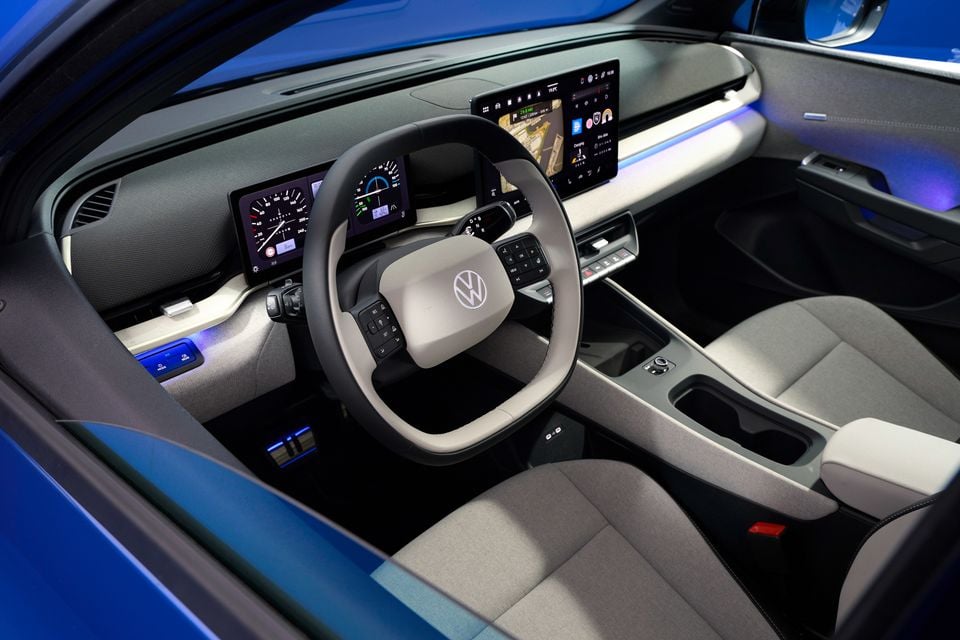
Speaking of, the larger ID.3 Neo sees some wholesale changes to VW's first dedicated ID. EV model to bring it in line with the ID. Polo and other upcoming electric vehicles from the VW brand, with a fresh face and an overhauled interior.
The base Trend, which is priced in line with the new ID. Polo Life in Germany, features a 50kWh battery teamed with a 125kW electric motor driving the rear wheels, good for a WLTP claimed driving range of 416km. Larger 58kWh and 79kWh batteries are available further up the range, with up to 629km range quoted for the latter.
Rivals for the ID. Polo in Australia would include the BYD Dolphin and MG 4 EV Urban, which currently start from $29,990 plus on-roads and $31,990 drive-away, respectively. The larger ID.3 Neo lines up against the other MG 4, which is now priced from $39,990 D/A.
Volkswagen's existing combustion-powered Polo starts from $30,990 plus on-road costs in Australia, while the cheapest Golf (even with an older powertrain compared to Europe) starts from $39,290 plus on-road costs – though it's currently advertised from $37,990 D/A.
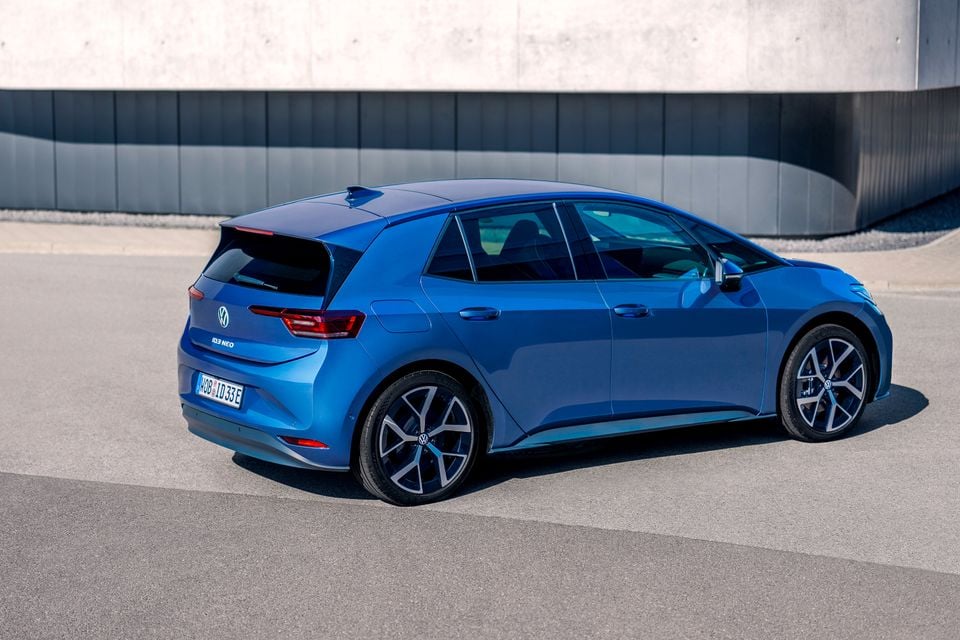
Do the ID. Polo and ID.3 Neo have a fair shot if they come to Australia? Let us know your thoughts!
MORE: 2026 Volkswagen ID. Polo revealed
MORE: 2027 Volkswagen ID.3 Neo revealed with actual buttons and switches
MORE: Explore the Volkswagen showroom
Research cars in our Showroom, compare your options or let our New Car Specialists do the running around to find you a great deal.
James Wong is an automotive journalist and former PR consultant, recognised among Australia’s most prolific motoring writers.
Damion Smy
6 Hours Ago

William Stopford
6 Hours Ago
Damion Smy
8 Hours Ago
William Stopford
8 Hours Ago
Damion Smy
9 Hours Ago

Josh Nevett
11 Hours Ago
Add CarExpert as a Preferred Source on Google so your search results prioritise writing by actual experts, not AI.