





Damion Smy
2027 Honda Civic Type R: Facelifted hot hatch revealed
Styling and interior tweaks as well as a new colour come ahead of the Civic Type R’s 30th anniversary in 2027.
7 Hours Ago
A new platform, 60 new models, and production of Chinese cars in Europe are all part of the new Stellantis turnaround plan.

Journalist
Journalist
Stellantis has revealed a turnaround plan dubbed FaSTLane 2030 that will see the sprawling automaker launch a new platform for most passenger car categories, roll out 60 new models by 2030, and focus development on four core brands.
Announced overnight, FaSTLane 2030 is the automaker’s first strategic plan drawn up by Antonio Filosa, who started as CEO in June 2025.
It will see the automaker spend €60 billion (A$97.6bn) to launch 60 new models, and 50 significant product updates, across all brands by 2030. Among this number there will be 29 EVs, 15 plug-in hybrid or range extender EVs, 24 hybrids, and 39 pure combustion or mild hybrid vehicles.
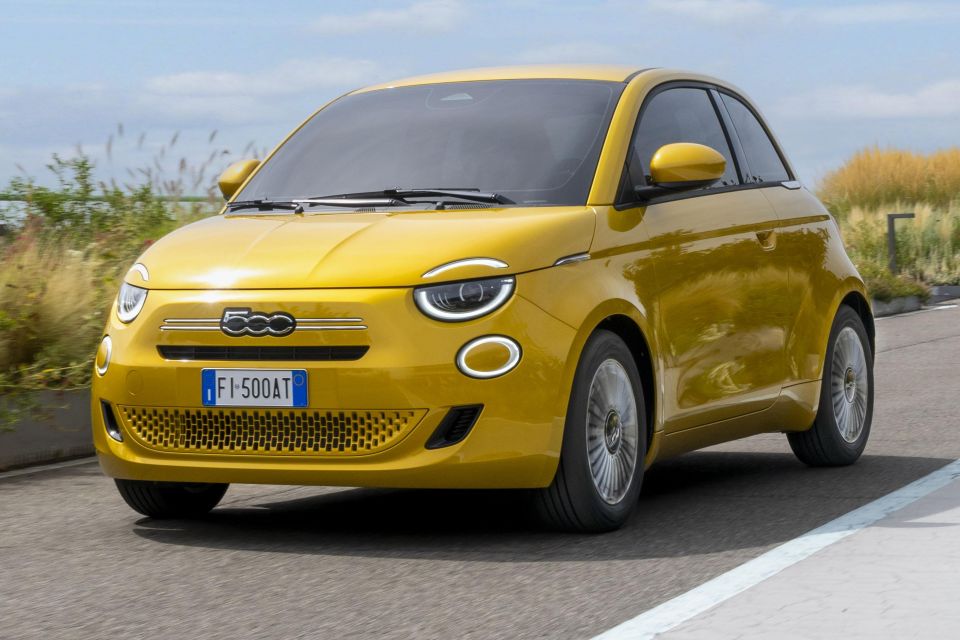
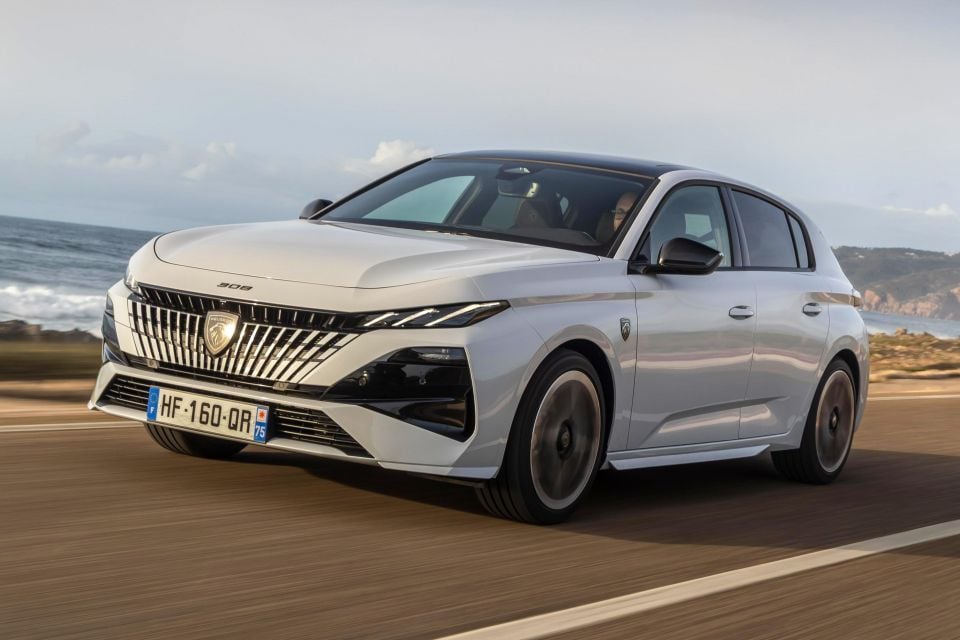
As reported earlier this month, the company will keep all of its marques, but focus most of its energies on four key global brands: Jeep, Ram, Peugeot and Fiat.
Stellantis will direct 70 per cent of its product development budget to these four brands and the Pro One commercial vehicle unit. The four core brands will be the first to make use of new platforms and technologies.
In the second tier are five regional brands: Chrysler, Dodge, Citroen, Opel/Vauxhall, and Alfa Romeo. Described as “very strong in their respective markets”, these marques will aim to “increase brand distinctiveness to delight their customers”.
One rung down are the “historic brands” DS and Lancia, which will be managed by Citroen and Fiat, respectively.
Maserati continues to stand alone, and is planning to launch two large vehicles, but details about these cars and its product roadmap won’t be revealed until the end of the year.
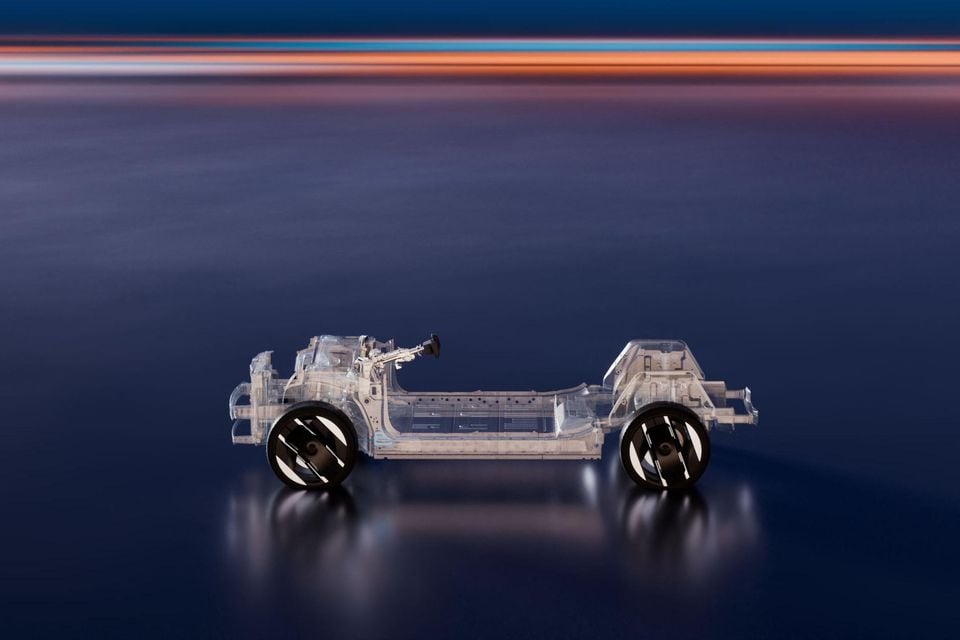
In 2027 the company will debut the new STLA One modular architecture that can be used for B-, C- and D-segment vehicles, which basically spans the gamut from the Peugeot 208 and 308 through to the 5008.
At present Stellantis uses at least five platforms to cover these segments, with EMP1, EMP2 and the Small Car architectures hailing from the old PSA Group, while the Compact and Small Wide platforms come from Fiat Chrysler.
All of these will replaced in time by STLA One, with the company envisioning it will spawn at least 30 models by 2035.
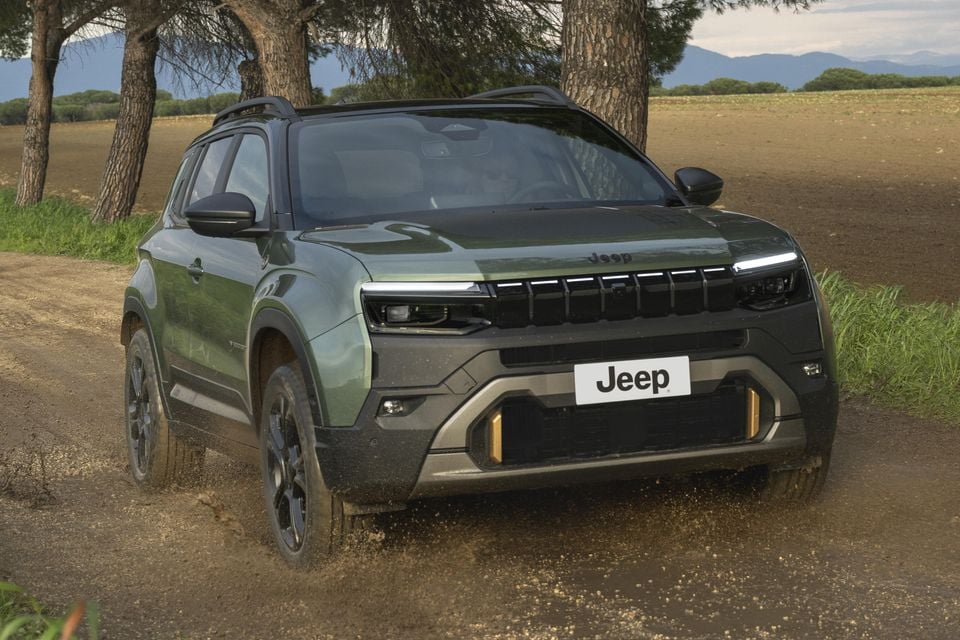
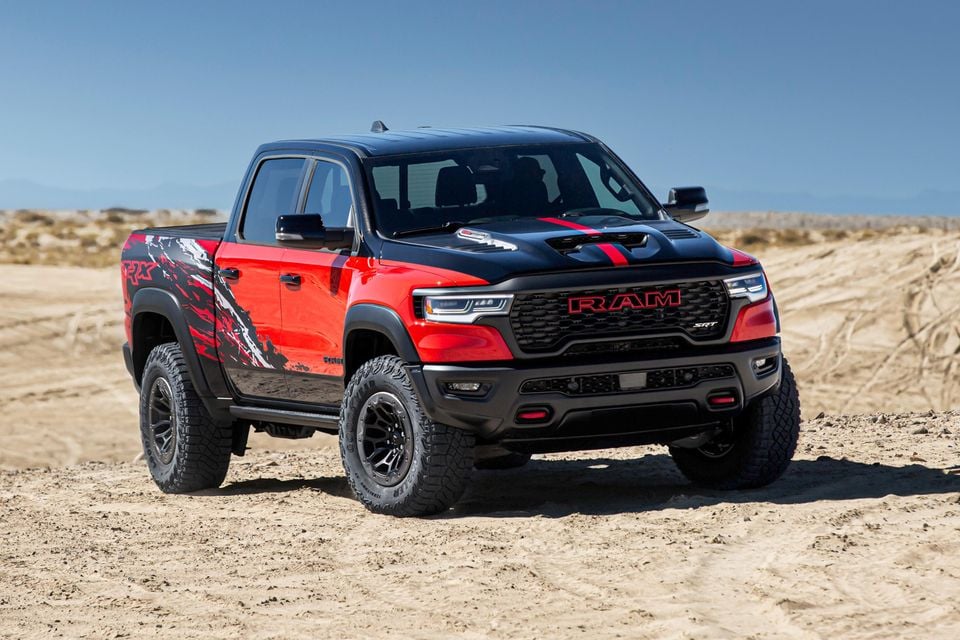
Designed from the start to be “multi-energy”, STLA One can accommodate combustion engines, hybrid drivetrains, and pure electric setups.
EV variants can support an 800V electrical architecture and will have cell-to-body integration, where the battery is part of the body structure in order to reduce weight and complexity while increasing rigidity.
The new platform will also include the STLA Brain processing unit and software stack, the STLA SmartCockpit user interface, and STLA AutoDrive autonomous driving technology.
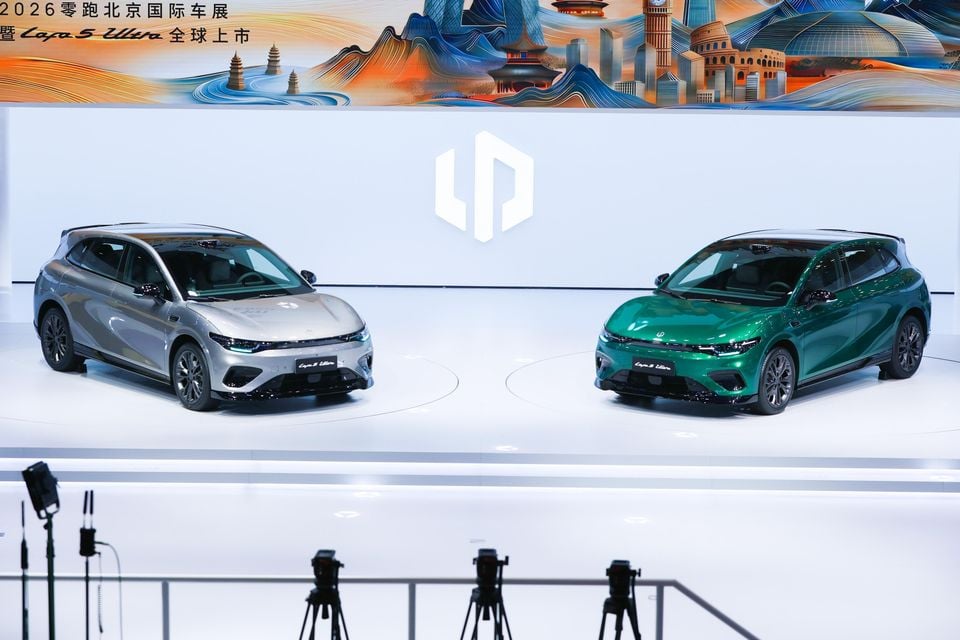
To help use up excess capacity at its European factories, Stellantis will manufacture Leapmotor vehicles at its Madrid and Zaragoza plants.
Dongfeng and Stellantis will build two new Jeep and two new Peugeot models at its Chinese joint venture factory for both the domestic market and export. In addition to this, an EV from Dongfeng’s Voyah brand will be built at the Stellantis factory in Rennes, France.
As announced earlier this week, Stellantis has signed an agreement with Jaguar Land Rover, where the two automakers will investigate joint development work for the American market.
Derek Fung would love to tell you about his multiple degrees, but he's too busy writing up some news right now. In his spare time Derek loves chasing automotive rabbits down the hole. Based in New York, New York, Derek loves to travel and is very much a window not an aisle person.
Damion Smy
7 Hours Ago

William Stopford
7 Hours Ago
Damion Smy
9 Hours Ago

William Stopford
9 Hours Ago
Damion Smy
10 Hours Ago


Josh Nevett
12 Hours Ago
Add CarExpert as a Preferred Source on Google so your search results prioritise writing by actual experts, not AI.