




William Stopford
2027 Chery Stockman: More specifications detailed for diesel PHEV ute
Chery will beat key ute rivals on electric range and payload, and come very close on braked towing capacity.
3 Days Ago

Deputy Road Test Editor
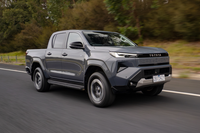
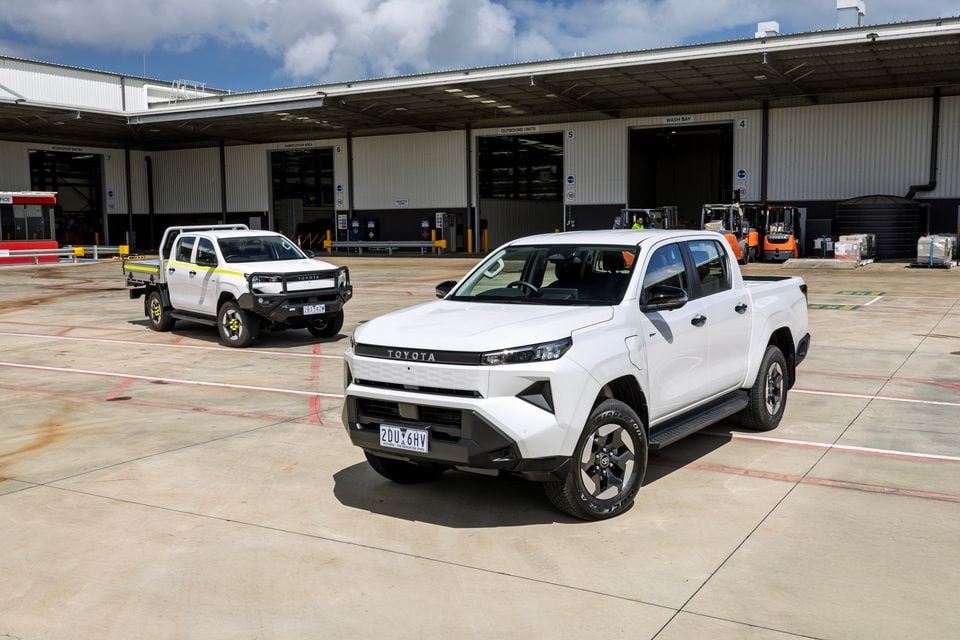
Toyota Australia has offered insights into the early demand for its HiLux BEV, with fleet purchases accounting for nearly all sales so far.
Around 300 examples of Toyota's first electric ute have been sold since the model went on sale in May, many of which were delivered to major mining, energy and infrastructure operators including BHP, Newcastle Coal, Acciona, and Essential Energy.
Meanwhile, 'less than 10' – or under three per cent – were bought by private individuals.
Private buyer demand for the HiLux BEV has been modest so far, although Toyota says the vehicle still has relevance beyond commercial fleets.
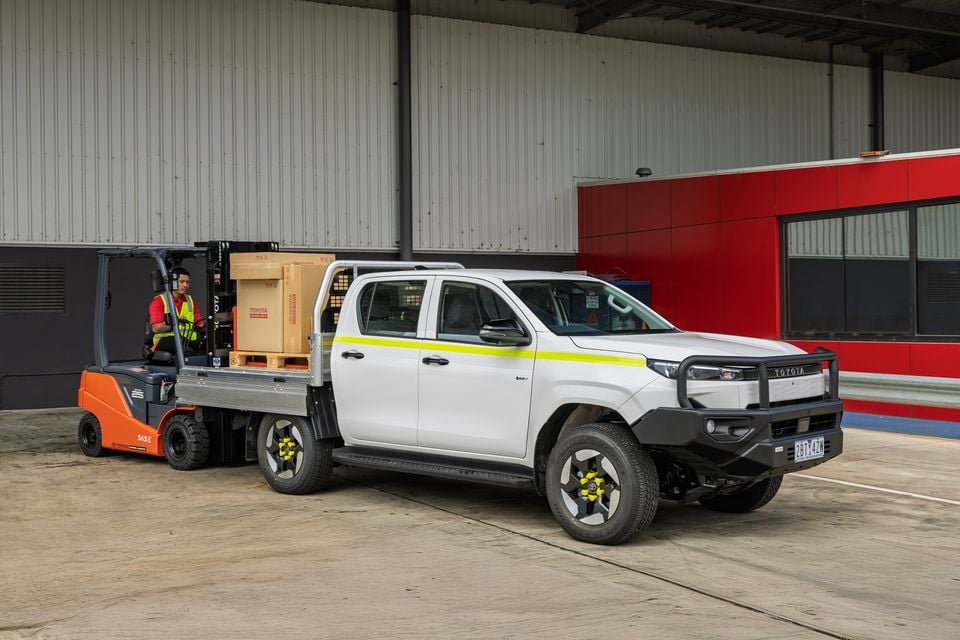
"It's a small number, but we have still sold some to private buyers, and there are tradies that don't carry a lot, that just drive mainly around the city," Toyota Australia vice president of sales, marketing and franchise operations, John Pappas, told CarExpert.
"Lower intensity usage, where you're using it as a pickup to carry stuff, and for some lighter towing, it's got some good uses there," added senior manager of product planning and pricing, Ray Munday.
"But what diesel does is give you [the confidence that it] doesn't matter what you do, it can do it. The HiLux BEV has a reduced amount of versatility, but for the right customer, it's a really nice product to drive."
The HiLux BEV is one of just two electric utes currently available in Australia, alongside the KGM Musso EV.
However, a third option – the MG U9 EV – is due in showrooms later this year. Isuzu is also expected to launch an electric D-Max in Australia, though timing has yet to be confirmed.
For business fleets, the appeal is clear: battery-powered utes promise cleaner credentials, lower running costs, potential tax benefits, and the same practicality that makes diesel dual-cabs so popular.
The trade-off, at least in the case of the HiLux, is a decrease in outright capability. BEV variants are only rated to tow 2000kg with a braked trailer – down from 3500kg – and driving range is capped at 245km in cab/chassis variants on the NEDC cycle and 315km in pickup variants.
Payload is also reduced, with HiLux BEV variants rated to carry up to 855kg, compared with more than one tonne for some diesel dual-cab models.
That said, power and torque outputs for the HiLux BEV (144kW/468Nm) aren’t far off the diesel-powered HiLux (150kW and between 420Nm and 500Nm of torque depending on the transmission).
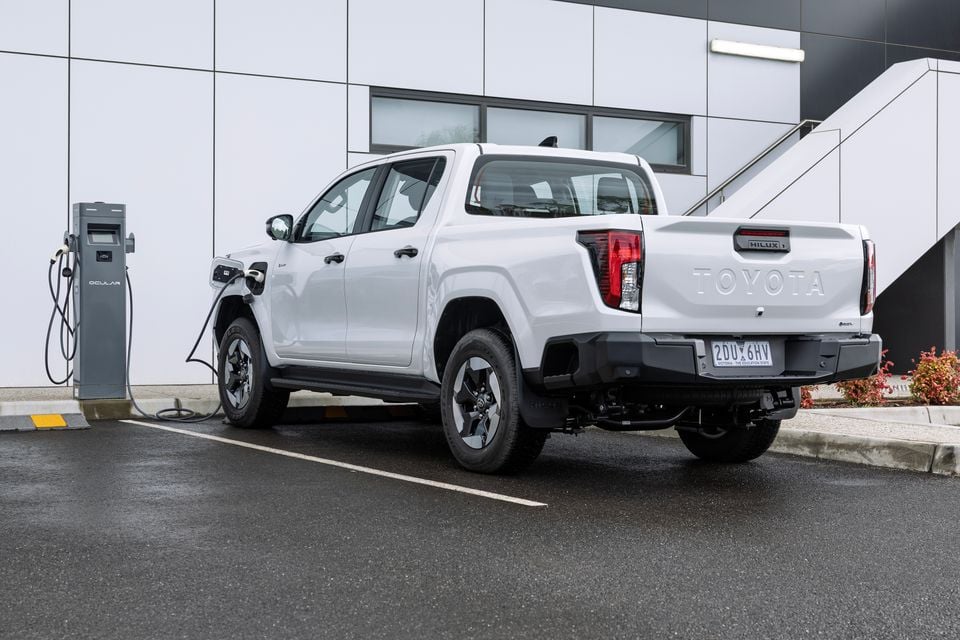
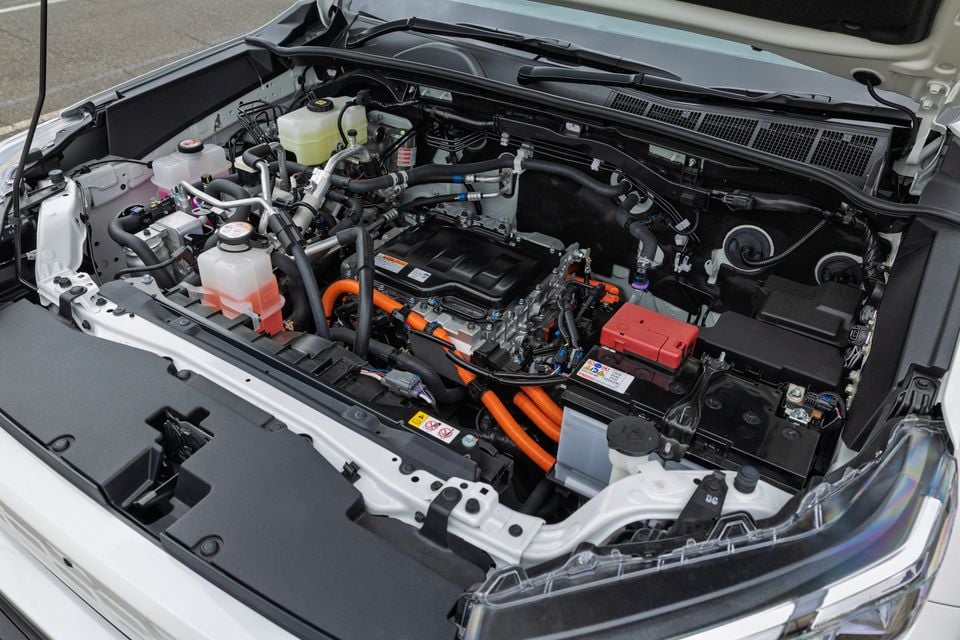
The HiLux BEV has a 59.2kWh lithium-ion battery that can be fast-charged at up to 150kW on DC power, via which a 10 to 80 per cent charge is claimed to take “as little as 30 minutes”.
It also supports 10kW three-phase AC charging, on which a 10 to 100 per cent charge is claimed to take approximately 6.5 hours.
Pricing starts from $74,990 before on-road costs for the base HiLux BEV SR dual-cab/chassis and extends to $82,990 excluding ORCs for the SR5 dual-cab pickup.
The electric utes are therefore the most expensive members of the HiLux lineup, given diesel variants top out at $71,990 before ORCs in Rogue or Rugged X trim.
Toyota has previously indicated it expects to sell 500 HiLux BEVs this year. For context, 4005 HiLux deliveries were recorded across all variants – electric and diesel – in May alone, meaning the BEV still represents only a small fraction of overall demand.
Research cars in our Showroom, compare your options or let our New Car Specialists do the running around to find you a great deal.
Josh Nevett is an automotive journalist covering news and reviews, with a background in motorsport journalism.
William Stopford
3 Days Ago

Damion Smy
4 Days Ago
William Stopford
4 Days Ago
Damion Smy
4 Days Ago
William Stopford
5 Days Ago

Marton Pettendy
5 Days Ago
Add CarExpert as a Preferred Source on Google so your search results prioritise writing by actual experts, not AI.