The long-awaited return of the Toyota Celica is edging closer, with the iconic nameplate confirmed for a comeback in the World Rally Championship (WRC) next year.
Toyota Gazoo Racing has confirmed it will field two different cars in the 2027 WRC season, including a new GR Celica Rally1 alongside its existing GR Yaris Rally1, marking the first official confirmation of the Celica name's return.
While the announcement relates to a competition car rather than a production model, it adds further weight to speculation Toyota is preparing to revive the Celica as a road-going performance car.
The decision also appears to settle years of speculation surrounding which of Toyota's iconic sports car nameplates would return, with rumours previously pointing towards either a new MR2 or Celica.
However, the new Celica could be considerably different from its predecessors, potentially adopting a mid-engined layout rather than the front-engined configuration used by every previous road-going generation.
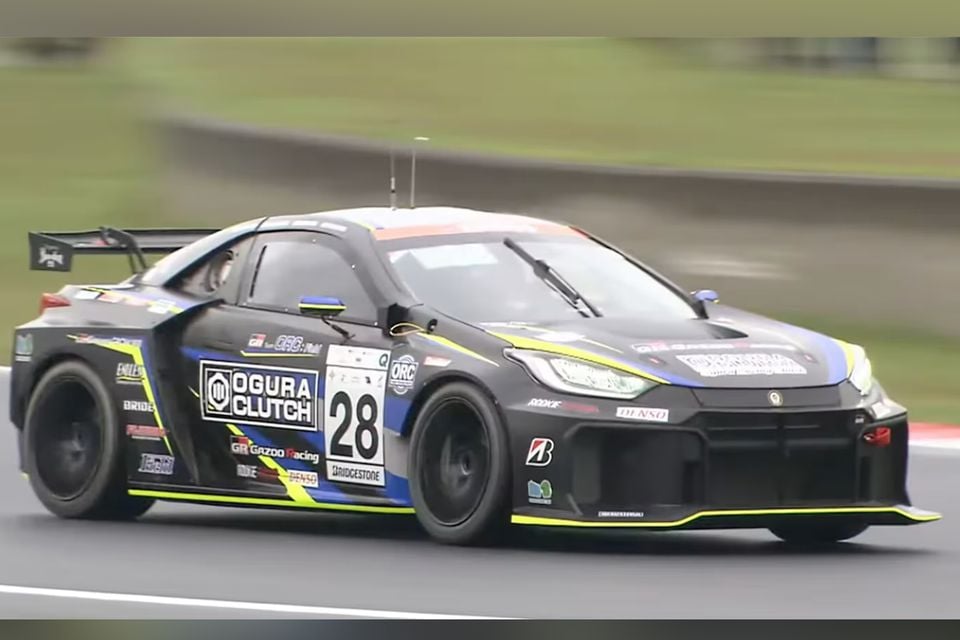
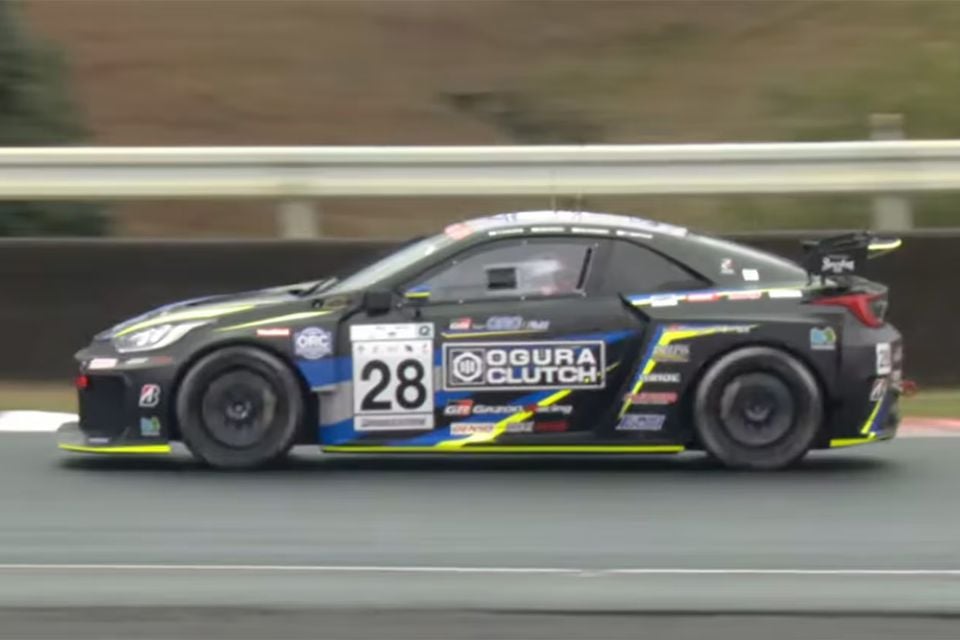
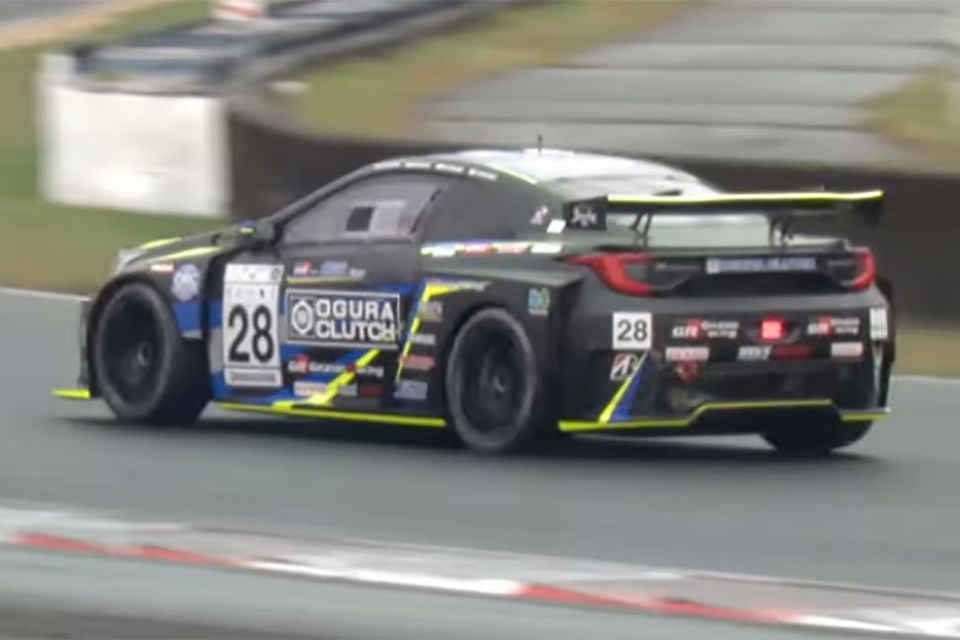
Toyota has been developing a mid-engined sports car for several years, initially previewed by the GR Yaris M Concept at the 2025 Tokyo Auto Salon.
More recently, a heavily disguised prototype was spotted testing around Fuji Speedway in Japan, featuring a low-slung coupe body, large air intakes behind the doors, and proportions consistent with a mid-engine layout.
At the time, it was unclear whether the prototype would become a new MR2 or Celica, with both nameplates previously linked to Toyota's expanding Gazoo Racing performance lineup.
The latest confirmation suggests Toyota has settled on the Celica name, although it remains unclear whether the production car will share its name and styling with the new rally contender.
As previously reported, the road-going Celica is expected to use Toyota's new G20E 2.0-litre turbocharged four-cylinder engine, potentially paired with a hybrid system and all-wheel drive.
The engine is currently being developed as a successor to the 1.6-litre turbocharged three-cylinder used in the GR Yaris and GR Corolla, with Toyota previously suggesting the new powerplant could produce around 300kW to 340kW in performance applications.
A mid-engined layout would also represent a significant departure from the Celica's history, which spans seven generations of front-engined coupes – albeit varyingly offered with front-, rear- or all-wheel drive. The final, seventh generation of Celica was discontinued in 2006.
The most performance-focused versions of the fourth-, fifth- and sixth-generation models, including the GT-Four, established the nameplate's rally credentials in the 1980s and 1990s.
Toyota's new rally programme doesn't necessarily mean the road car will share the same mechanical package.
The 2027 WRC contender is being developed to new competition regulations, with its chassis and mechanical components expected to differ substantially from a production vehicle.
It's also unclear whether the new road-going Celica will be a strict two-seater or offer a 2+2 seating configuration, with Toyota chairman Akio Toyoda previously indicating several key decisions about the sports car were yet to be finalised.
The Celica's return would add another model to Toyota's growing Gazoo Racing lineup, which already includes the GR Yaris, GR Corolla, and GR86, alongside the upcoming GR GT supercar and a next-generation Supra.
With the rally car scheduled to make its competition debut in 2027, more details about the road-going model are expected to emerge as development progresses.