





Paul Maric
2027 Jeep Wrangler 392 review: Taking on the Rubicon Trail
Every Jeep fan knows the name. We spent three days crawling across California's Rubicon Trail in a V8 Wrangler to see if it lives up to the legend.
4 Hours Ago
Chinese brands have given the small car segment some fresh blood, but it continues on a downward sales trajectory.

Senior Editor – News
Senior Editor – News
Small car sales have continued on their downward trajectory in Australia, even as more Chinese brands leap into the fray.
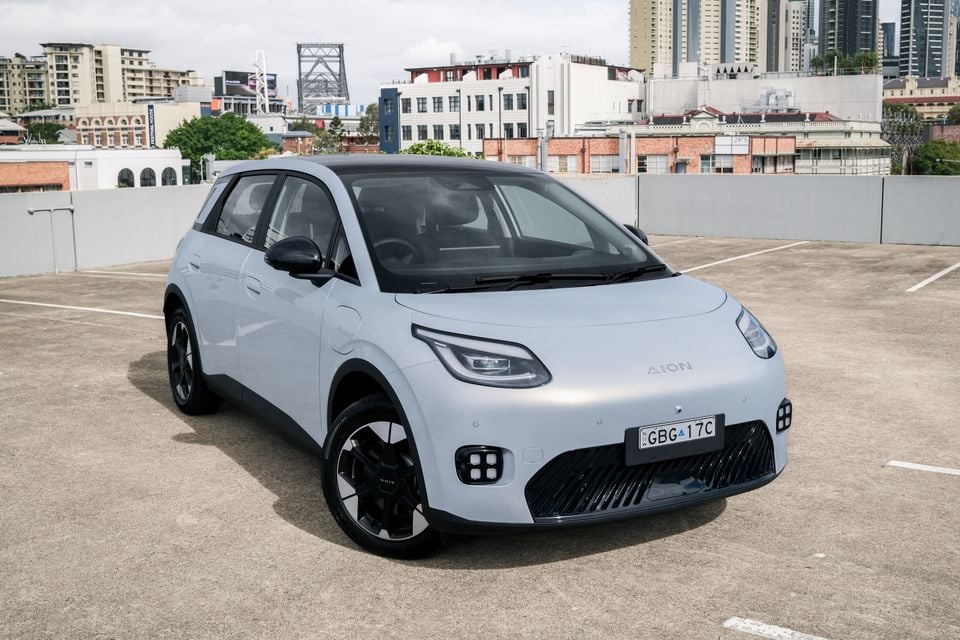
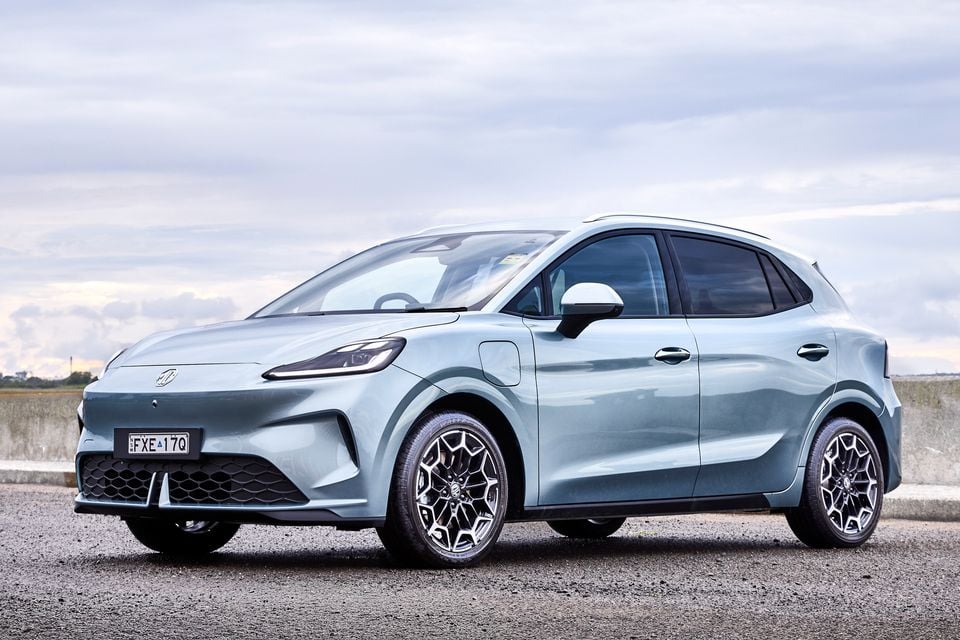
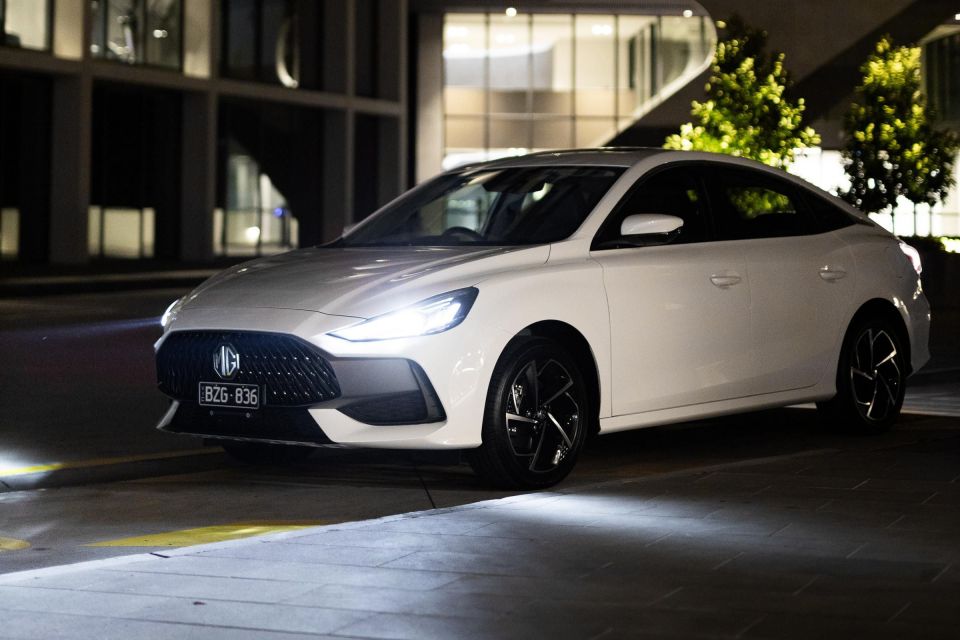
This year, the electric GAC Aion UT was launched on the Australian market, along with the new MG 4 EV Urban which appears in the mainstream (ie: under $45,000) small car category in the Federal Chamber of Automotive Industries’ monthly VFACTS reports; the existing MG 4 EV sits in the $45,000-plus small-car segment.
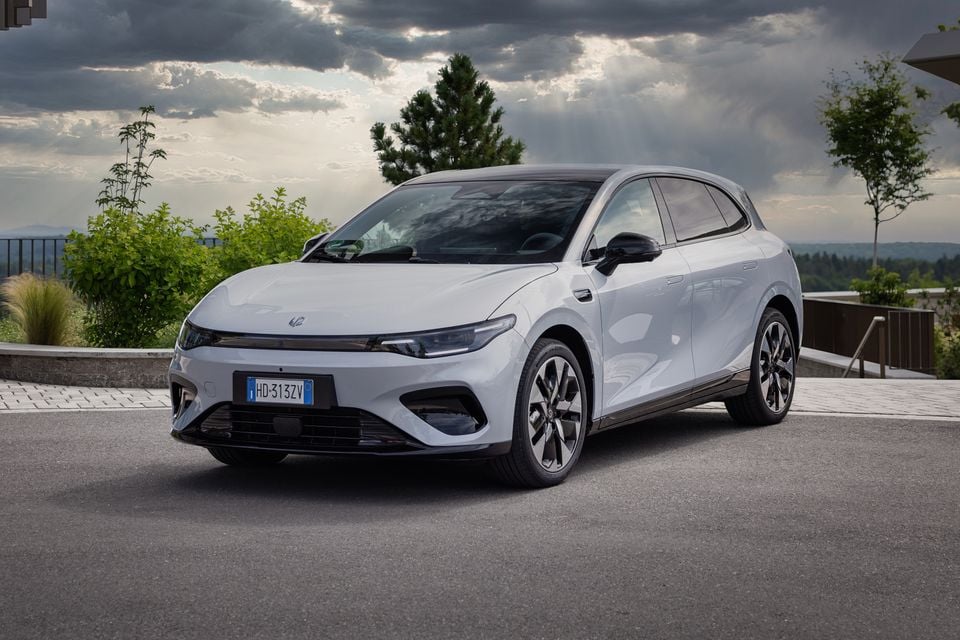
July’s VFACTS report also marked the first two deliveries of the electric Leapmotor B05, although stock of another Chinese hatchback – the electric GWM Ora – has dried up. Its Ora 5 small SUV replacement, however, is set to gain a lower-riding, more hatch-style sibling that could return GWM to this VFACTS segment.
To the end of July, the sub-$45,000 small-car segment has declined by 10.5 per cent on the same period last year, to 29,733 units, while the $45,000-plus small-car segment is down by 21.1 per cent to 8241 units.
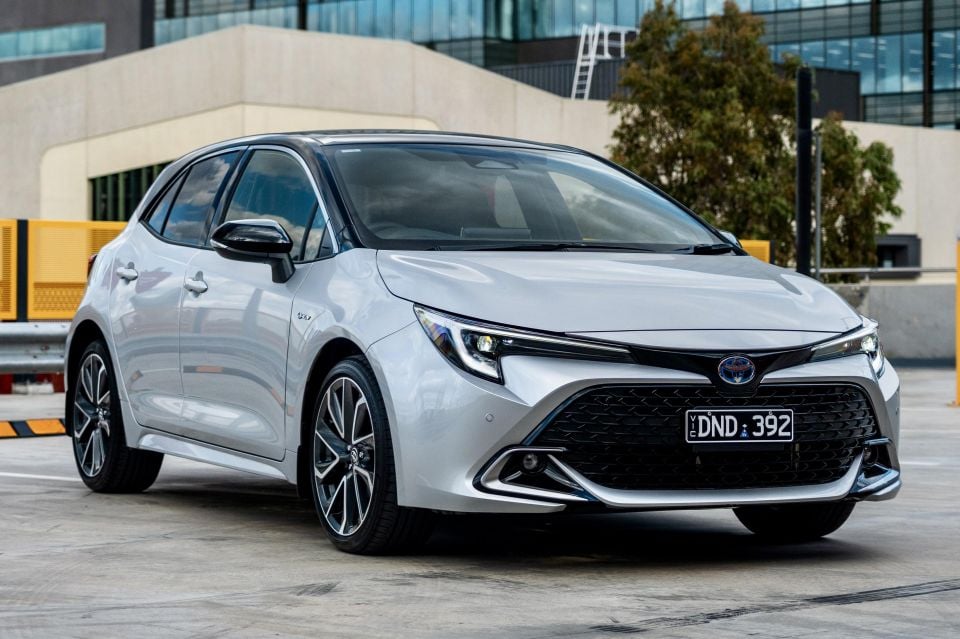
Overall, that means small car sales are down 13.1 per cent year-to-date, with significant drops for stalwarts like the Hyundai i30 (down 33.8 per cent to 4283 units), Mazda 3 (4578, down 28.9 per cent), and Toyota Corolla (8505, down 24.9 per cent).
In 2015, Australians bought 233,122 small cars across around 30 different nameplates, and the segment accounted for 20 per cent of the total market. However, small car sales have declined every year since then, apart from a bump in 2024.
In 2020, a total of 121,118 small cars were delivered from an array of approximately 25 nameplates for a total market share of 13.2 per cent, while in 2025 just 72,222 reached Australian buyers from around 20 nameplates, with market share skidding to just 5.8 per cent.
It’s clear where buyers have moved. Per VFACTS reports, small SUV sales have risen from 111,275 units in 2015 to 115,761 in 2020, plus 28,780 vehicles in the light SUV category which was formally established after 2015.
By 2025, small SUV sales had reached 202,643 units, along with 53,292 light SUVs.
Gone are the days when an SUV meant standard four-wheel drive or even all-wheel drive. Gone, even, are the days when an SUV designation implied any sort of ruggedness, as evidenced by models like the GAC Emzoom which is front-wheel drive-only and blurs the lines between SUV and hatchback.
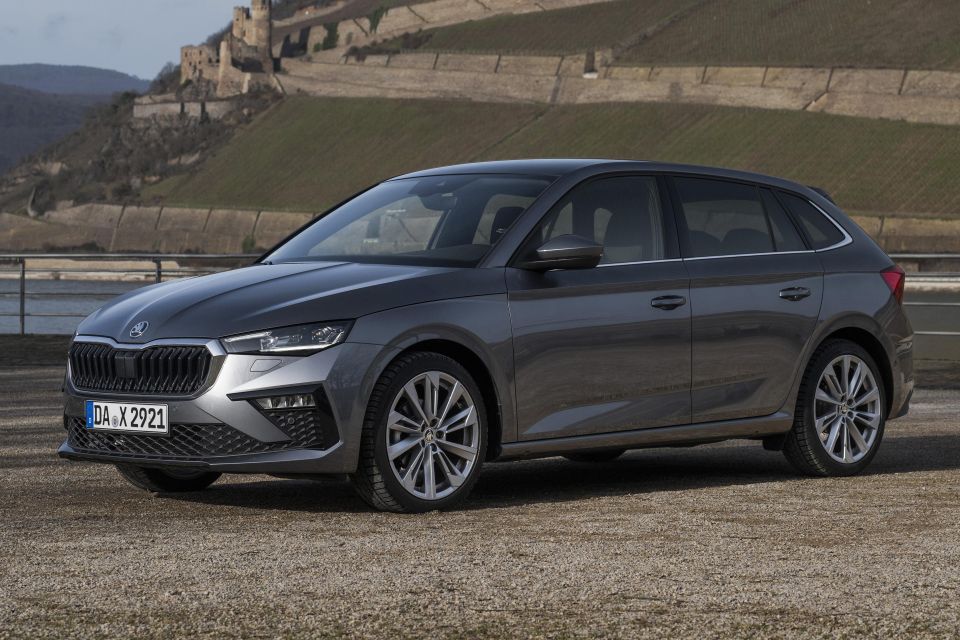
Skoda this year pulled the plug on its slow-selling Scala small hatch in Australia, given buyers vastly preferred the closely related, higher-riding Kamiq small SUV.
The Cupra Born and Nissan Leaf electric hatchbacks were also axed in Australia last year.
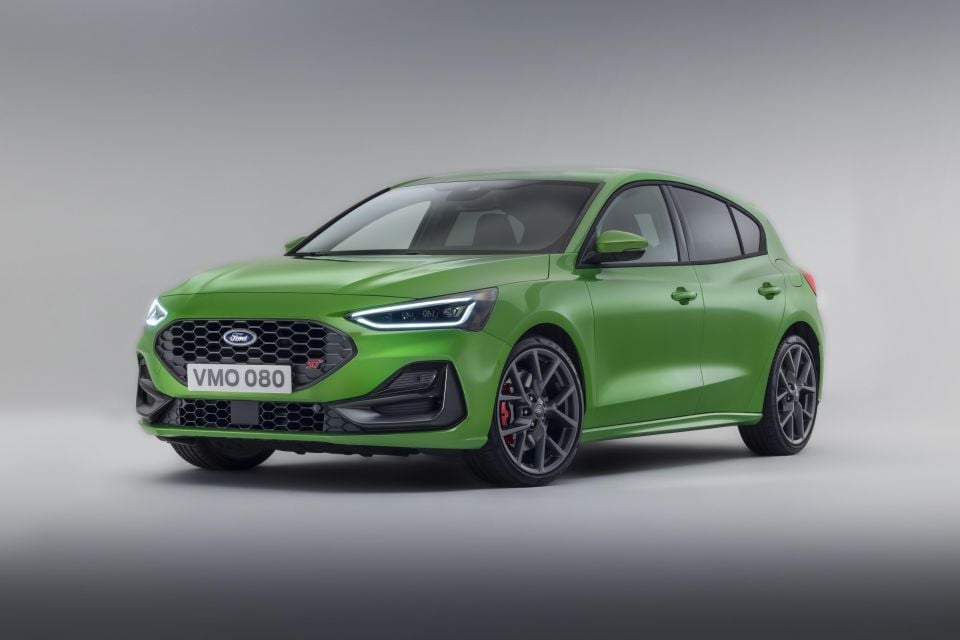
These have been the latest departures from the small car segment, following the Holden Astra (2019); Alfa Romeo Giulietta (2020); BMW i3 and Lexus CT (2021); Ford Focus, Hyundai Ioniq and Toyota Prius (2022); and the Citroen C3 and Renault Megane (2024).
But over the past five years, new arrivals to the segment have included the BYD Dolphin, GWM Ora, MG 4 and MG 5, all from China, along with a pair of Euros (the Cupra Leon and the now-defunct Cupra Born).
More are on their way. In addition to the aforementioned Leapmotor B05, Chery’s Lepas brand is set to launch a small hatchback in 2027 (and Chery’s upcoming Q could also be classified as a ‘small’ car).
MORE: VFACTS July 2026: Record new-vehicle sales in July as Toyota RAV4, HiLux lead the market
William Stopford is an automotive journalist with a passion for mainstream cars, automotive history and overseas auto markets.
Paul Maric
4 Hours Ago
William Stopford
19 Hours Ago
William Stopford
20 Hours Ago

Damion Smy
20 Hours Ago

Ben Zachariah
1 Day Ago

Dave Humphreys
1 Day Ago
Add CarExpert as a Preferred Source on Google so your search results prioritise writing by actual experts, not AI.