




William Stopford
Honda to follow Nissan in rebadging Mitsubishi Triton – report
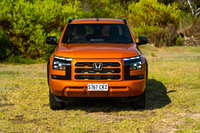
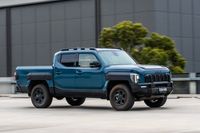
Mitsubishi has found yet another brand to rebadge its Triton, with Honda set to sell a version of the ute in Asia, and other markets may follow.
6 Hours Ago
The Volkswagen ID.4 electric SUV has been so comprehensively overhauled, the German brand has even given it a new name.

Contributor
Contributor
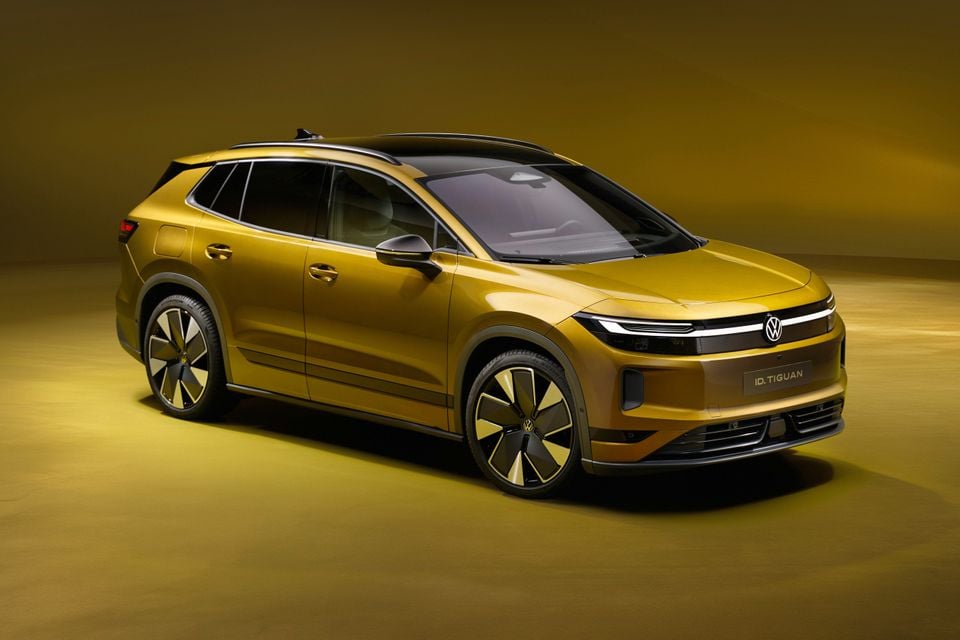
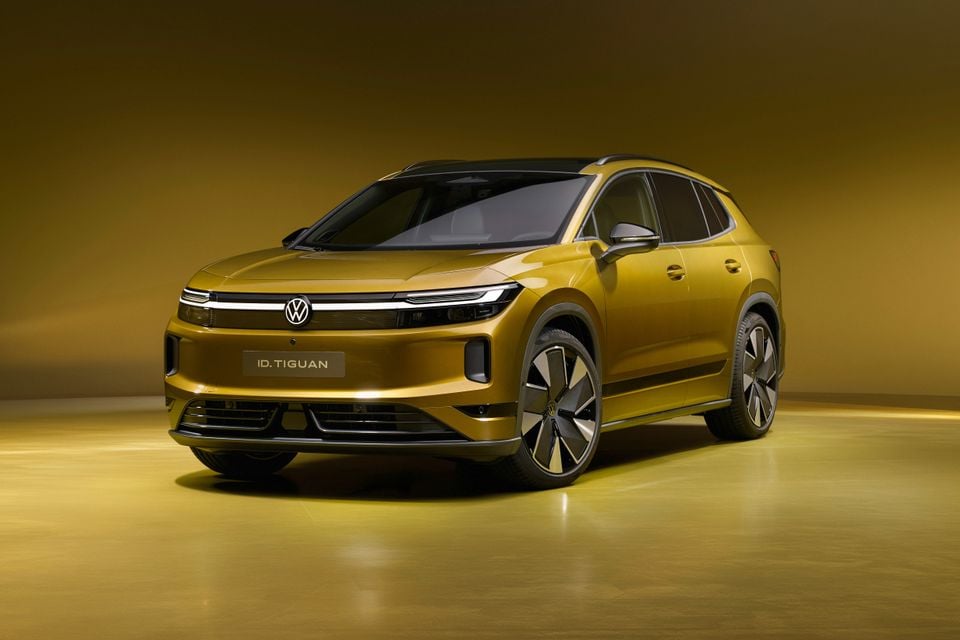
The Volkswagen ID. Tiguan is the German brand’s new fully electric SUV that replaces the ID.4 and ID.5 models. It’s more than merely a facelifted car, as it transitions to Volkswagen’s MEB+ platform to provide more technology inside, an improved driving experience and the latest battery hardware.
It's due in Australia during the first half of 2027.
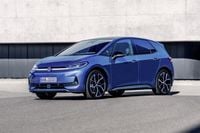
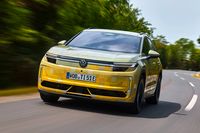
Every exterior panel on the ID. Tiguan is new, resulting in a car that looks quite different to the ID.4 it replaces. That car’s rounded appearance with a soft and ‘friendly’ face has evolved into a more SUV-like stance.
There's a noticeably more upright look to the front end, with much slimmer-looking headlights that can be had with matrix LED technology. An illuminated light bar spans the nose just below the bonnet’s leading edge, and the VW logo also lights up.
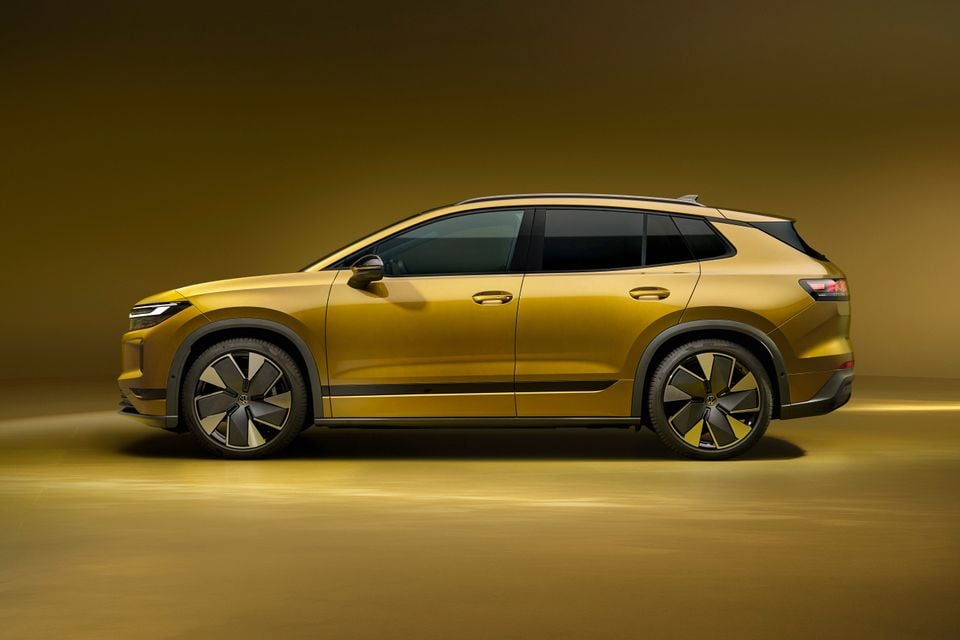
Volkswagen’s designers have also taken a more sensible approach to its features, including pull-type door handles that are easier to use and, towards the rear, the C-pillar looks quite different, kicking upwards towards the roof.
There’s still a large rear spoiler, and the rear wiper remains in the same position rather than being tucked up underneath it, suggesting Volkswagen’s accountants didn’t want to stretch to a wiring loom change for the ID. Tiguan.
Keeping a familial appearance to the ID. Polo, the rear lights sit in a black panel that spans the tailgate and wraps slightly around the sides. Two light elements carry a three-dimensional oblong shape, and a band of thin light strips form the illuminated bar that incorporates the VW logo.
Volkswagen will introduce a number of new colours, including Olive Bronze. Other colours include Marble Grey, Jeans Blue, Glacier White, Pomegranate Red, Scale Silver and Grenadille Black.
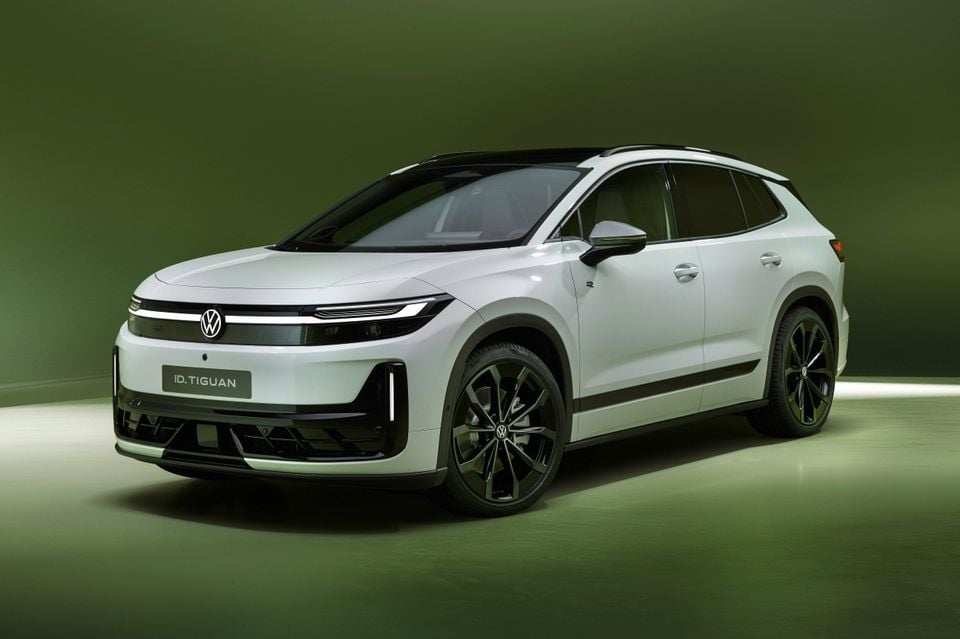
A sportier R-Line version will also be available. Details include a bespoke front bumper design, featuring a larger air intake and high-gloss black inserts. That intake features a V-shaped design that is a nod to the front axle’s negative camber. On either side of the front bumper, vertical air curtains include LED daytime running lights to further distinguish the R-Line specification.
The designers have also created bespoke 21-inch R-Line wheel designs, featuring a more open appearance compared to the other wheels on the ID. Tiguan. A gloss black band runs almost the entire way through the lower side of the car, while the rear bumper also carries a bespoke design.
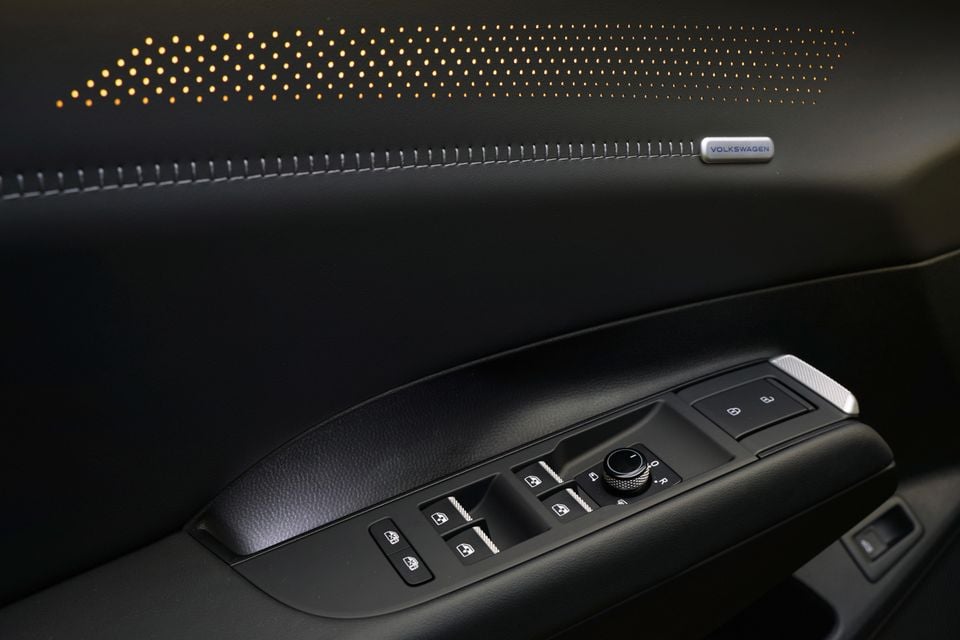
Inside, there’s a significant revamp with improved materials, increased practicality and more screen real estate than ever before.
Ingress is easy, and the driver's seat offers plenty of electrical adjustment. The new steering wheel is a little on the large side, with a two-spoke design and easy-to-use physical buttons.
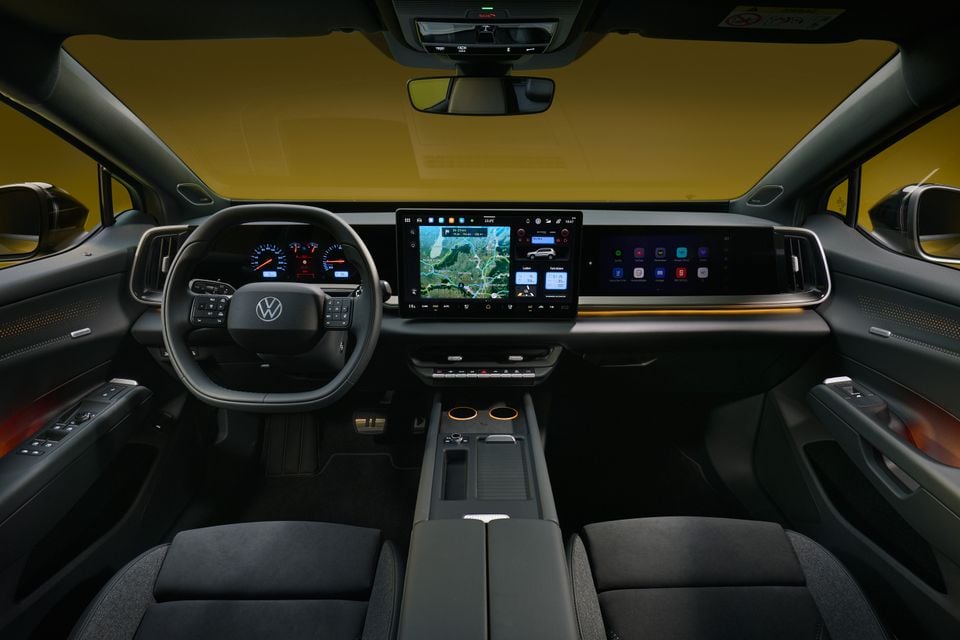
The ID. Tiguan uses the same twist-style drive selector as found in other VWs on the right side, while a single stalk on the left controls lights, indicators and wiper functions.
A 10-inch digital instrument display is standard, as is a new 15-inch touchscreen. The native infotainment system uses an app-like interface that makes it quite easy to navigate, and of course Android Auto and Apple CarPlay are standard. Also new is a bank of physical buttons beneath the touchscreen for easier use of the primary climate settings.
We like the improved centre console unit that includes two Qi2 magnetic wireless chargers, and these are illuminated to match the ambient lighting, making them easier to spot and get your phone onto at night.
You still get a physical volume knob, and there’s a place for small items next to the cupholders that are below a sliding cover. Further stowage is available underneath, as are two USB-C ports. More room under the centre armrest and in the door bins make it quite a practical cabin overall.
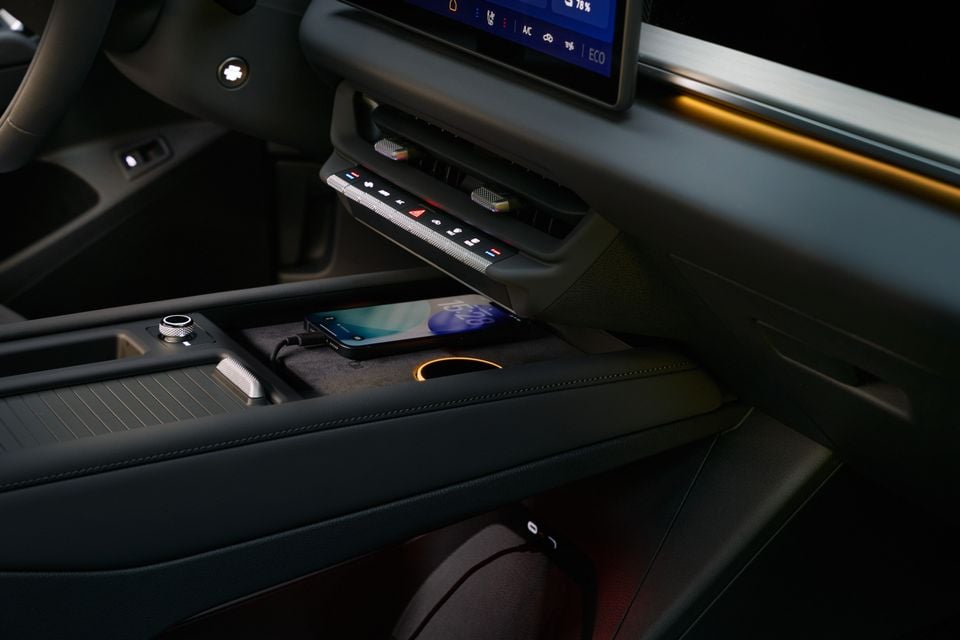
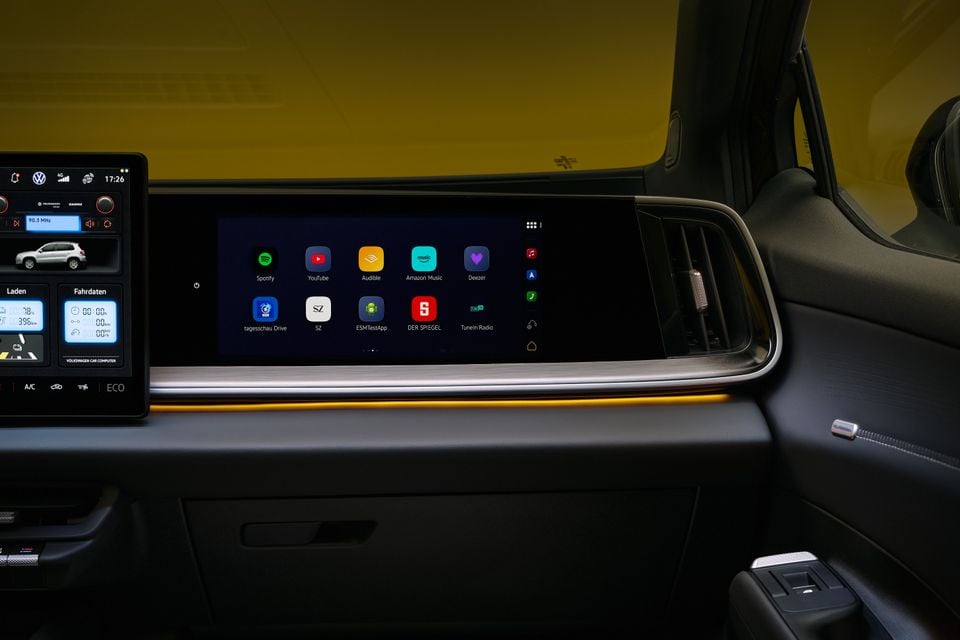
A new feature is the option of a 12-inch co-driver display. This touchscreen is in front of the passenger seat and provides access to most of the same infotainment controls as the main screen. Passengers can also stream media during a journey, while the display uses technology similar to laptop privacy screens, preventing the driver from seeing it and therefore mitigating distraction.
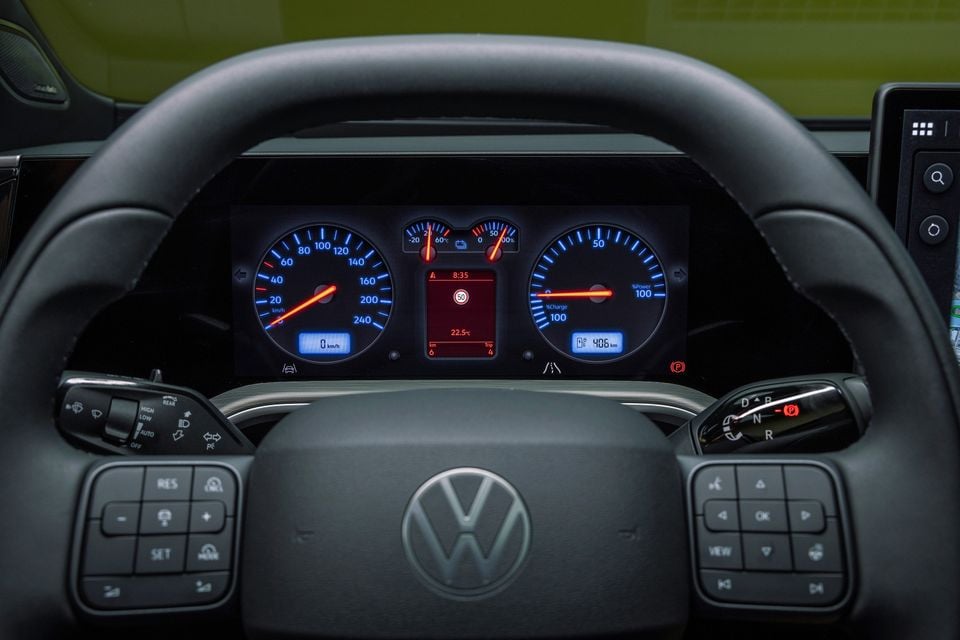
After introducing retro-themed instrument dials in the ID. Polo that mimicked the clocks from the Mk1 Golf, Volkswagen is continuing that in the ID. Tiguan. Drivers will have the option to choose instruments that recreate the appearance of the Mk IV Golf, with its deep blue glow.
The infotainment display can also adopt a retro skin, and it includes a virtual garage that shows a miniature version of Volkswagen’s icons, including the MkI Golf, MkII Golf, MkIV Golf, the original Tiguan, Race Touareg and the Beetle.
Rear passenger space is largely unchanged and provides good amounts of headroom and legroom, with ISOFIX anchor points for the outer seats. A new rear centre console does take away some of the foot space for the middle-seat passenger, however.
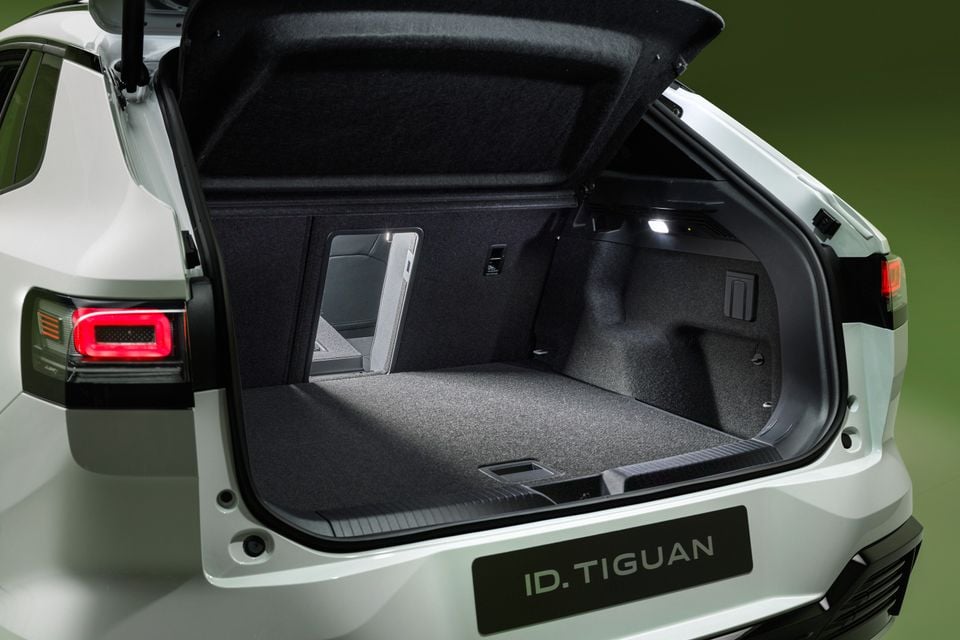
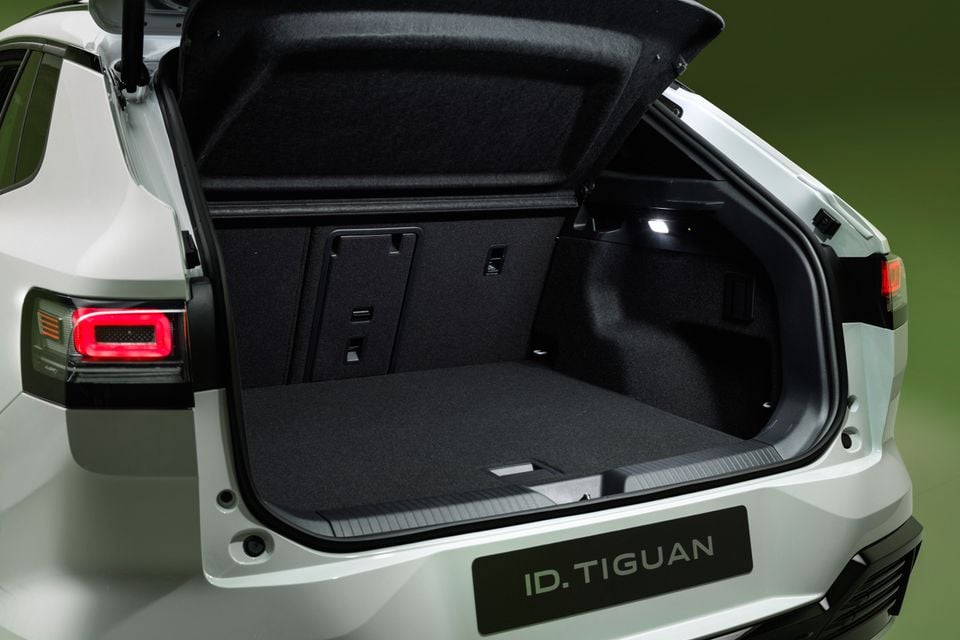
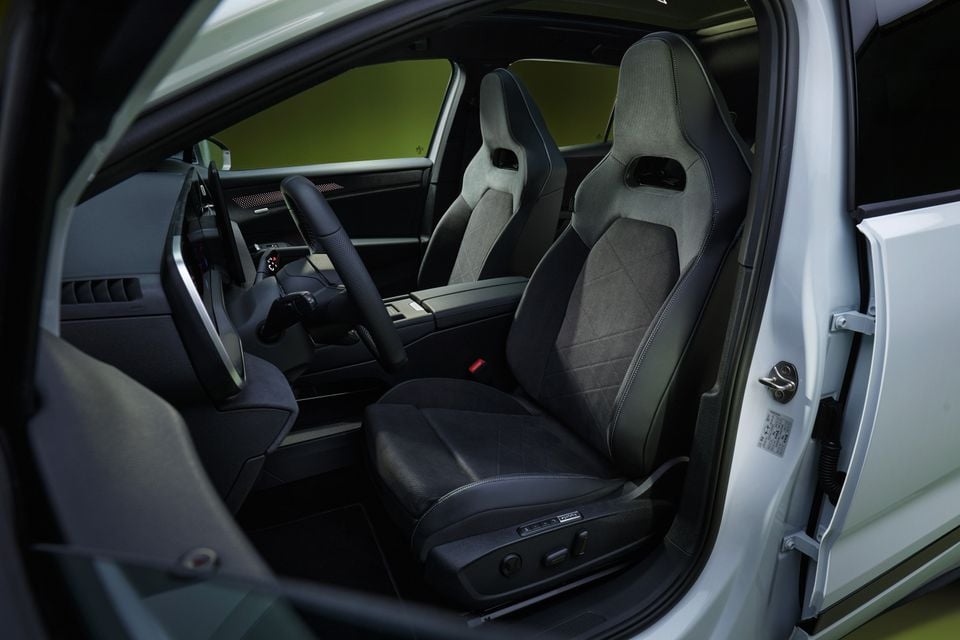
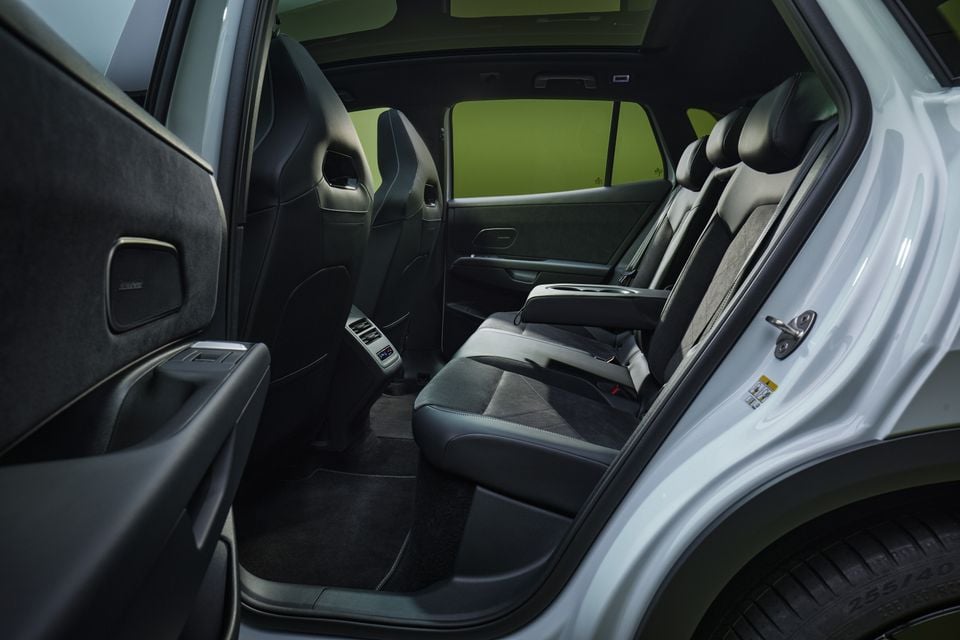
You get 534 litres of boot space in the ID. Tiguan, and that cargo volume can be increased to 1577 litres when the rear seats are folded.
There will be three powertrains available from launch with a combination of battery and motors. For the first time in VW’s SUV lineup, there's a lithium iron phosphate (LFP) option. This 58kWh battery provides energy for a WLTP driving range of up to 450 kilometres and is paired with a 140kW motor driving the rear wheels.
The introduction of an LFP battery is a positive for the ID. Tiguan, as it should help to keep its entry price down to a reasonable level while providing owners with a more robust and durable battery pack.
This variant gets an 11kW AC charging rate and up to 105kW on DC, which, by way of its smaller capacity, makes it the ‘fastest’ charging ID. Tiguan taking around 26 minutes to go from 10 to 80 per cent.
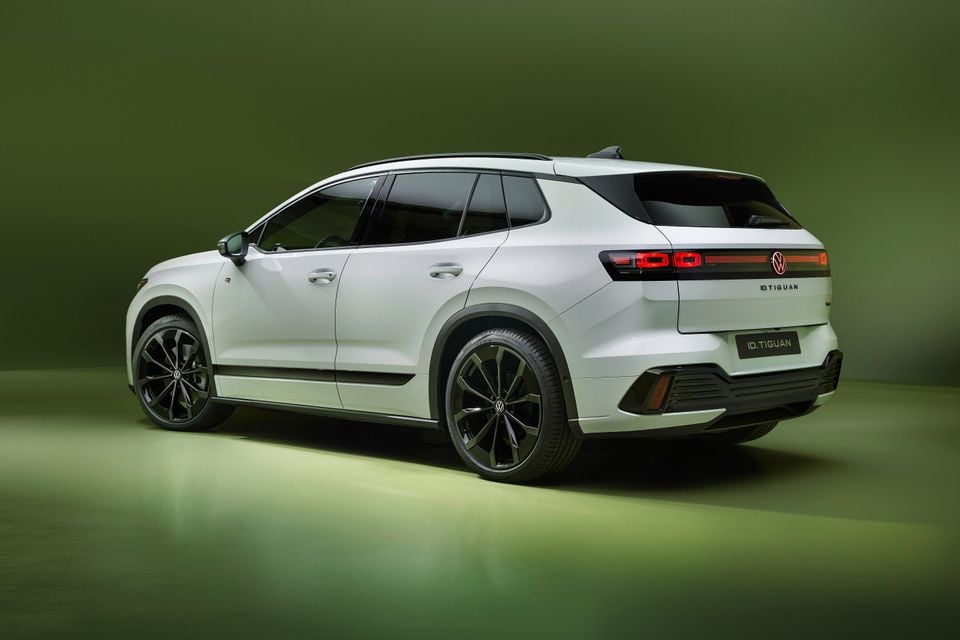
The 0-100km/h sprint takes 8.5 seconds, with the base variant having a 160km/h top speed.
From there the Volkswagen gains a 77kWh nickel manganese cobalt (NMC) battery that is offered with single- and dual-motor setups. A 210kW rear-wheel-drive version will be the range champion with Volkswagen quoting an expected WLTP figure of 600 kilometres.
Topping the ID. Tiguan range is the dual-motor 220kW all-wheel-drive model that can cover up to 560 kilometres on a single charge. It will also be the fastest version at launch, accelerating from 0-100km/h at 6.3 seconds.
Both versions of the 77kWh battery get 11kW AC and 165kW DC charging rates, completing a 10 to 80 per cent charge in as little as 29 minutes.
When it comes to towing, the 140kW ID. Tiguan can pull a braked trailer of up to 1800kg at an eight per cent gradient. Both the 210kW and 220kW models can pull up to 2,000kg. All versions have a maximum roof load of 75kg.
Prior to the ID. Tiguan's local arrival, the ID.4 has received an update bringing, among other changes, a larger battery for the base Pro and a $1000 price increase. It's now arriving in local showrooms.
While it didn't arrive in Australia until 2025, the outgoing ID.4 first entered production back in 2020.
Research cars in our Showroom, compare your options or let our New Car Specialists do the running around to find you a great deal.
William Stopford
6 Hours Ago

Alborz Fallah
6 Hours Ago

James Wong
10 Hours Ago

Damion Smy
12 Hours Ago
Damion Smy
12 Hours Ago

Ben Zachariah
23 Hours Ago
Add CarExpert as a Preferred Source on Google so your search results prioritise writing by actual experts, not AI.