




William Stopford
Australia's cheapest seven-seat diesel SUV just got cheaper
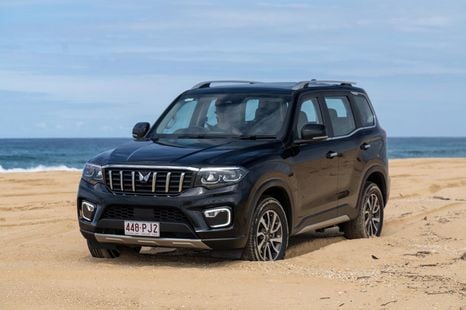
Mahindra is offering up to $4000 off the drive-away price of the Scorpio, which was already Australia's cheapest seven-seat diesel SUV.
2 Days Ago
"Lithium iron phosphate" are three magic words for Polestar's next step towards carbon neutrality, with the company's head of sustainability indicating LFP batteries are in the pipeline.

Senior Editor – Reviews
Senior Editor – Reviews
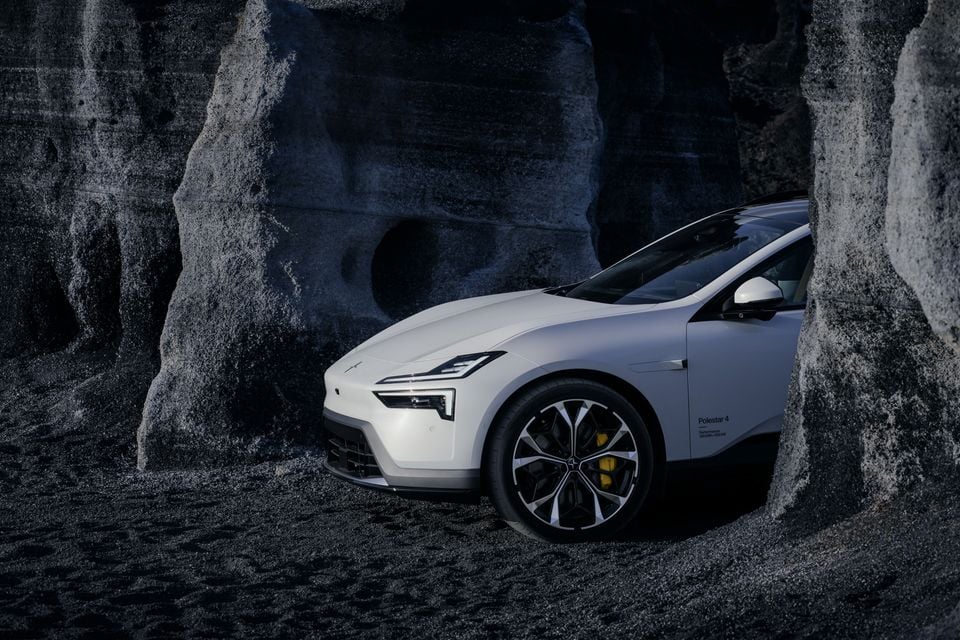
Polestar's head of sustainability says lithium iron phosphate (LFP) batteries are one of the next steps the brand is taking to fast-track its goal of a carbon-neutral car by 2035.
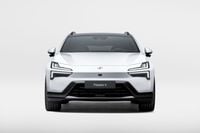
Speaking with CarExpert at the launch of the new Polestar 4 SUV, Fredrika Klarén – chief sustainability officer at Polestar Cars – said one of three main measures to fast-track the company's progress towards its "moonshot goal" of "a truly climate-neutral car" is LFP batteries.
"As you know, we have NMC [nickel manganese cobalt] chemistry in our cars still, but we are also exploring going forward to create a climate-neutral car, what kind of battery chemistry is the best one for that car?" Ms Klarén said.
"We see that LFP will be much easier to create with a climate-neutral way, and we can get there quicker because, for example, phosphor you can extract from wastewater instead of mining it from Morocco as it is today, and and iron you can get from recycled metal."
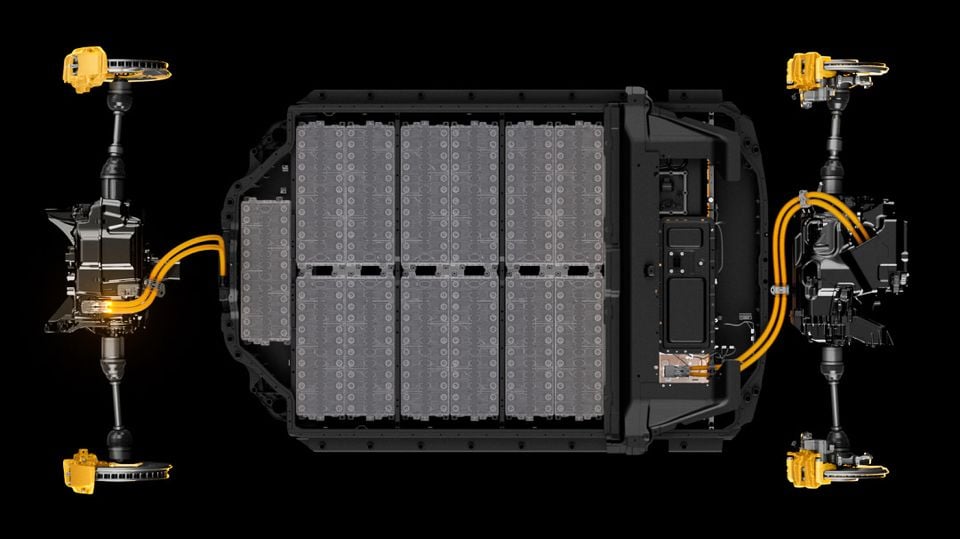
LFP battery technology is one of three main paths to carbon-neutral vehicle production, according to Ms Klarén, the other two being a return to real metal interior trims due to their increased recyclability and reduced chemicals compared to plastic; and bio-based materials.
"We need to get back to using metals more in the cars. We need to do a U-turn. We use metals much more in the past, but we replaced a lot of metal components with plastic, and metals are much easier to achieve climate neutrality on actually, than plastics," Ms Klarén said.
"You can recycle them over and over again, and this is because you can really separate grades and so on in a good way, and they don't they don't degrade during recycling exactly, and they they don't you know they don't come with all of the chemicals that plastics do.
"The [other] one is bio-based materials. So, for example, in interiors, but also other components throughout the car, to achieve materials that are solely based on bio-based sources, not mixed like they tend to be today with fossil fuel sources, but completely bio-based.
"That means that they not only are you know have the problems of being climate neutral; they could even capture carbon emissions," Ms Klarén added.
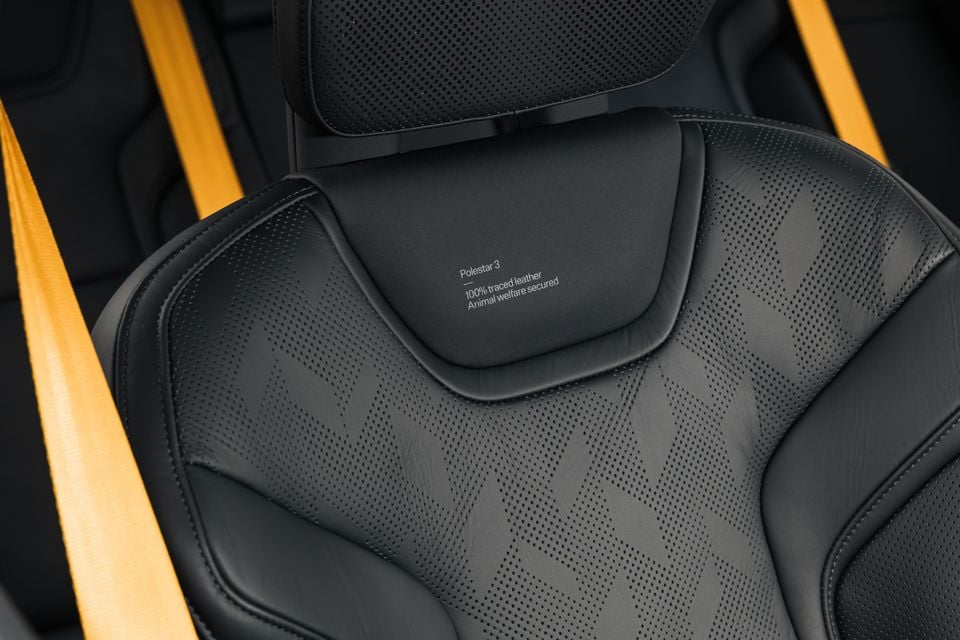
Since its inception as a standalone brand, Polestar has been very upfront about its sustainability and circularity goals, and is one of few brands that is fully transparent around the carbon footprint of its vehicles, including supply chain and manufacturing processes.
Each Polestar comes with a Life Cycle Assessment, which calculates each vehicle's full climate impact during its lifespan. It's also committed to the responsible sourcing of materials, using blockchain technology and supplier audits, while innovation in materials helps the company reduce climate impact, pollution, resource depletion and waste.
Polestar has clearly outlined four key strategic focus areas – climate neutrality, circularity, transparency, and inclusion – on its mission to reduce fossil fuel reliance, and the aforementioned Polestar 0 climate-neutral car project is one of several manifestations of the brand's strategy.
Ms Klarén wouldn't confirm when we might see an LFP battery deployed in a Polestar, though we'd wager it will be sooner rather than later.
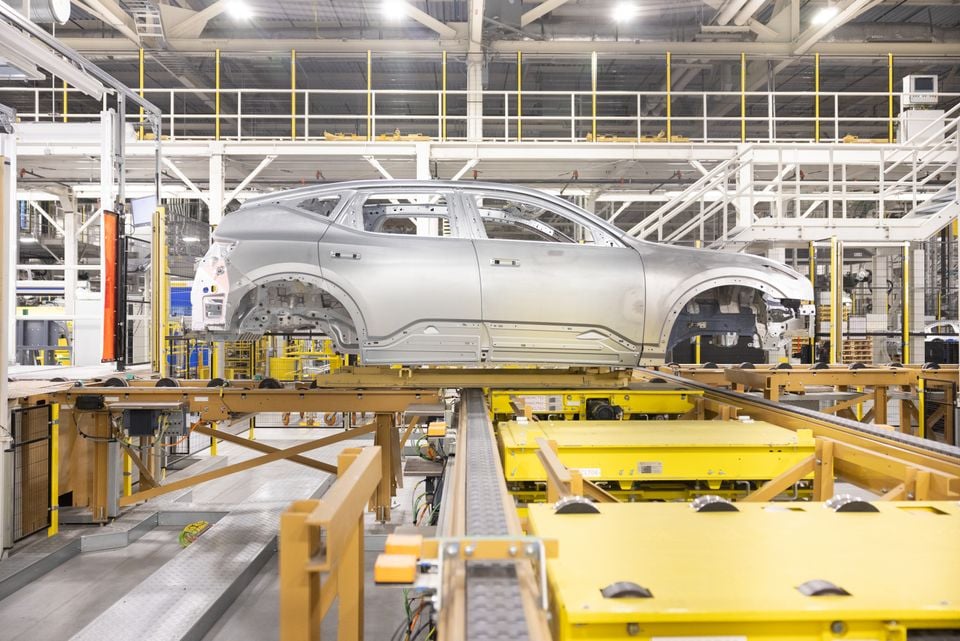
While headquartered in Gothenburg, Sweden, Polestar – like Volvo – is majority owned by China's Geely Holding Group. Stablemate brands include the likes of Geely, Zeekr, Lynk & Co, Lotus, Smart and more.
Polestar and Volvo have been slow to move to lithium iron phosphate (LFP) batteries, regarded for their reduced reliance on rare earths and greater longevity with regular fast-charging, though the broader Geely brand portfolio has embraced the battery tech.
Zeekr is already offering its in-house 'Golden Brick' LFP battery tech in China and other markets, which reportedly has a lifespan of 1 million kilometres and 3500 charging cycles. Depending on the iteration, the battery runs on an 800V or 900V electrical architecture, the latter compatible with megawatt ultra-fast charging stations.
Polestar has two major model launches coming in the short term, with the second-generation Polestar 2 launching next year (2027), while the first Polestar 7 – a compact all-electric crossover likely to serve as the brand's new entry point – is due to hit the market in 2028.
Stay tuned to CarExpert for our international first drive review of the new Polestar 4 SUV on 27 October.
Research cars in our Showroom, compare your options or let our New Car Specialists do the running around to find you a great deal.
James Wong is an automotive journalist and former PR consultant, recognised among Australia’s most prolific motoring writers.
William Stopford
2 Days Ago

Alborz Fallah
3 Days Ago
James Wong
3 Days Ago

Damion Smy
4 Days Ago
William Stopford
4 Days Ago

Tace Clifford
5 Days Ago
Add CarExpert as a Preferred Source on Google so your search results prioritise writing by actual experts, not AI.