




Josh Nevett
Hyundai Palisade XRT Pro takes aim at traditional 4x4 SUVs
Hyundai hopes its tougher Palisade XRT Pro can tempt buyers away from the Toyota Prado and Ford Everest.
20 Hours Ago
Polestar is growing slowly in Australia, and its updated large electric SUV is a good demonstration of its continued efforts to gain popularity here.

Marketplace Journalist
Marketplace Journalist
Marketplace Journalist
Marketplace Journalist
If this is the car for you, we’ll compare offers from trusted dealers, handle the back and forth and manage your purchase from enquiry to delivery.
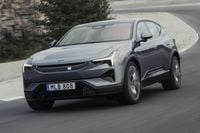
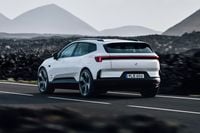
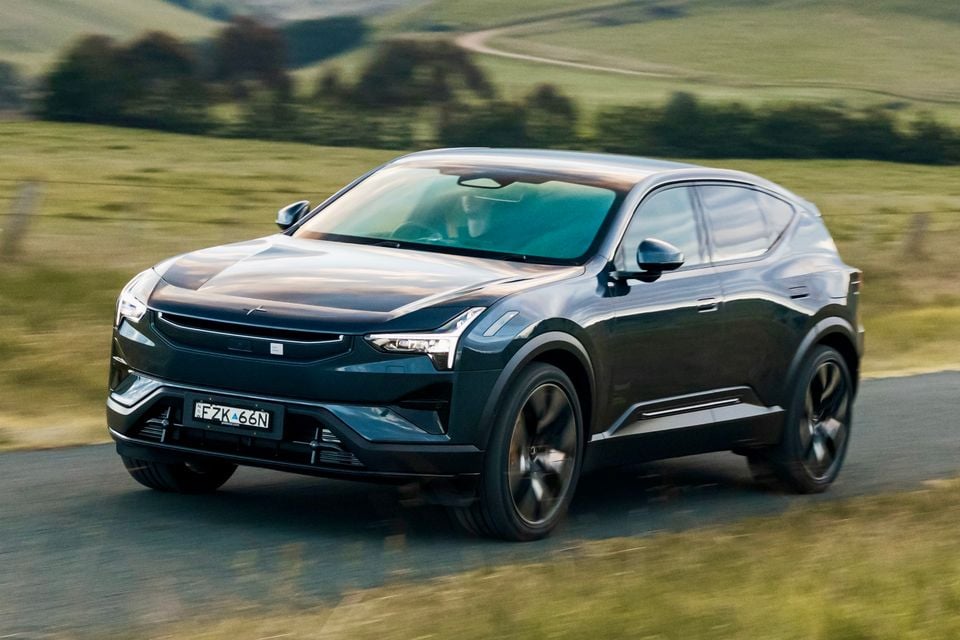
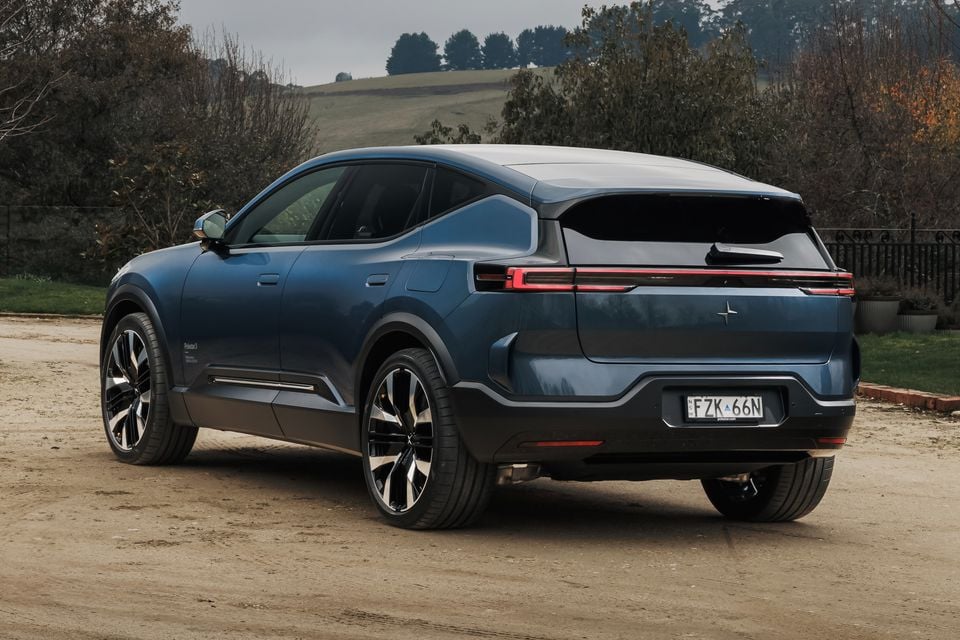
Polestar appears to be slowly finding its footing in Australia, and it hopes to maintain that positive trend with the introduction of the refreshed Polestar 3 large electric SUV.
The electric vehicle (EV) maker's sales in Australia are up 2.5 per cent year-to-date, with 1202 deliveries in the first six months of 2026. That may not sound like much alongside the country's best-sellers, but it's something the undeniably niche brand is quite proud of.
It also continues to grow its Australian network presence, with the recent openings of showrooms in Cairns, the Gold Coast and Newcastle bringing its total retail footprint to 14 dealers and 21 service centres.
Of course, Polestar continues to pride itself on its sustainable focus, and that's important for those conscious of their environmental footprint.
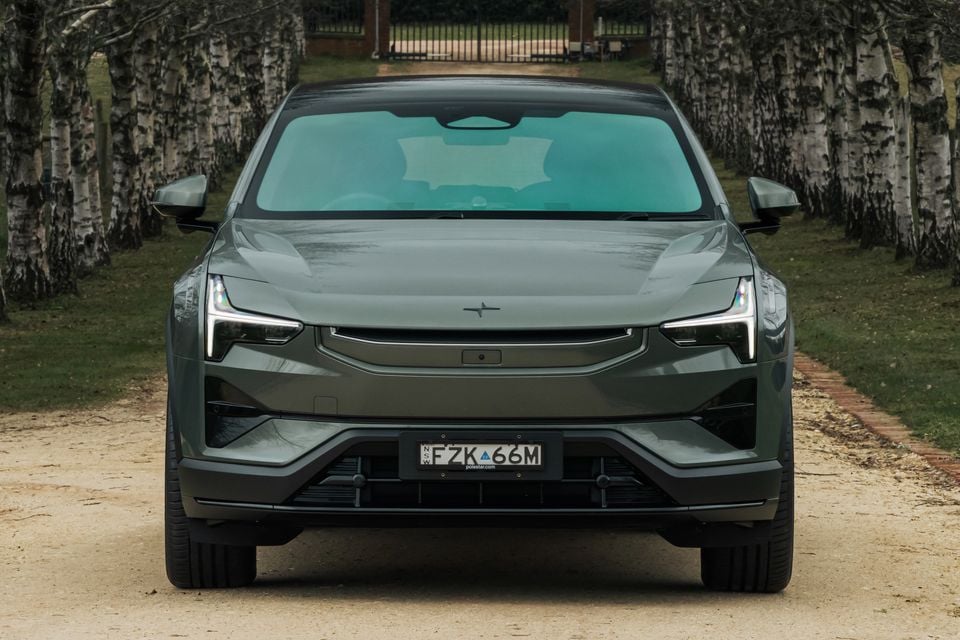
As for the Polestar 3, its updates are largely consistent with the brand's slow but steady progress. Unchanged exterior aesthetics hide relatively significant changes under the skin, the most notable being its new 800-volt electrical architecture and new battery packs, enabling charging at up to 350kW.
All variants get a new rear electric motor, while dual-motor variants feature automatic front-motor disconnect for improved efficiency. Power outputs are also up across the range, with the flagship Performance variant now boasting a whopping 500kW of power and a 3.9-second claimed 0-100km/h time.
There have been ride and handling tweaks, while standard equipment lists have changed. The optional $9000 Plus pack has now been made standard, bringing a head-up display, 25-speaker Bowers and Wilkins sound system, and soft-close doors, plus a foldable boot floor.
Air suspension is available as an option for the Dual motor and standard for the Performance, along with several other extra-cost add-ons. Oh, and the lineup has been simplified to just 'Rear motor', 'Dual motor', and 'Performance' variants.
To sample the updated car, Polestar invited media on a day's drive throughout regional Victoria. Have the changes been worth it?
Prices have changed for the updated Polestar 3, which now starts at $116,700 before on-road costs.
| Model | Price before on-road costs |
|---|---|
| 2026 Polestar 3 Rear motor | $116,700 |
| 2026 Polestar 3 Dual motor | $131,100 |
| 2026 Polestar 3 Performance | $146,700 |
That's $1720 down on the previous Long range Single motor, while the Dual motor is $1620 down on its predecessor. The Performance, however, now costs $2280 more than before, though all grades now get the Plus pack as standard. This was previously a $9000 option.
Rivals include the BMW iX, available in a single variant priced at $142,900 plus on-roads, and the smaller Porsche Macan Electric, which ranges in price from $129,700 to $187,500 before ORCs.
There's also the Audi Q6 e-tron, which is also smaller and has considerably less power than the Polestar 3 across the board. It starts at $99,818 plus ORCs in base Q6 e-tron trim, while the sportier SQ6 e-tron starts at $151,318 plus ORCs.
To see how the Polestar 3 stacks up against the competition, check out our comparison tool
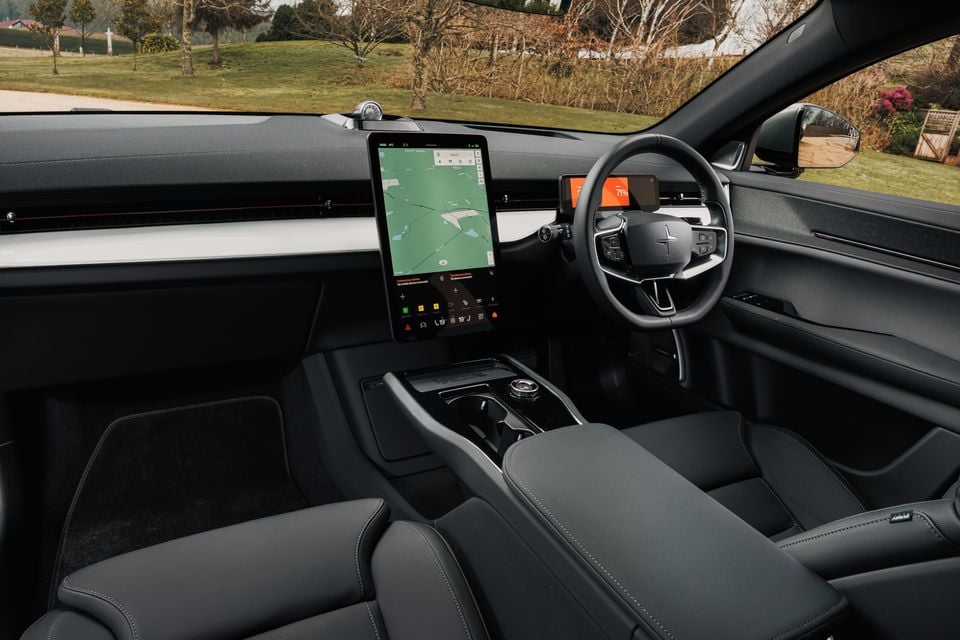
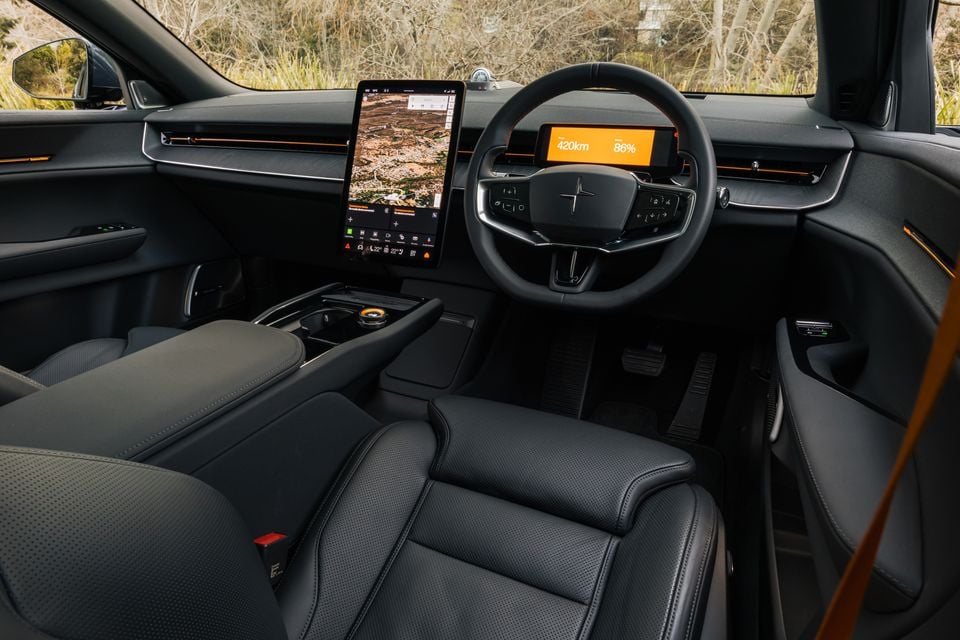
There have been no major changes inside the Polestar 3, but that isn't a bad thing because it's as tidy and as premium-feeling as before.
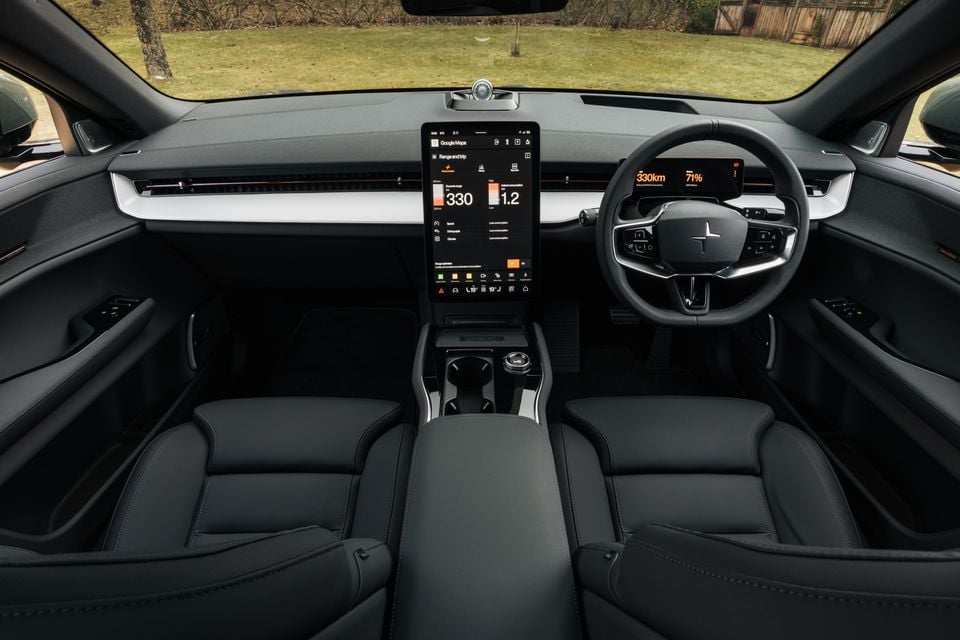
Being a Polestar, minimalism is still the name of the game. The vast majority of cabin controls are still locked within the portrait-style touchscreen, which means there will be a considerable learning curve for those who are new to the brand.
The most significant examples of this are some of the cabin's most basic controls, namely adjustments to the steering column and mirrors. To adjust either, you must first open a dedicated touchscreen menu, which will then allow you to use the ambiguous steering wheel buttons.
Realistically, this isn't the end of the world, and we can at least appreciate that there's a dedicated 'Adjustments' shortcut at the bottom of the screen. It's still more cumbersome than it ought to be.
That's our only real criticism of the Polestar 3's interior. Every other touchscreen function appears well-considered, and it's clear the automaker has given some thought to what its screens are actually like to use, rather than just following industry trends.
Legibility is another strength. Polestar's graphical identity leans heavily into simplicity and clarity, which means every icon is large and easy to read on the fly, taking away much of the guesswork involved in finding a specific setting or function.
This is true of even the more detailed app menu, where there are far more individual icons to mess with. Of course, there's still more here to wrap your head around than there is in the average Toyota, but it doesn't seem nearly as alien as a Tesla can.
More familiarity is preserved by Polestar's inclusion of wireless Apple CarPlay and Android Auto, which seemed reliable during our quick drive. However, users of the latter will likely feel more at home, given the native infotainment system is built on Android software.
An omnipresent gripe is still the climate control system, as it's still entirely digital. It remains clearly labelled and always on at the bottom of the screen, but a regular old button-based interface will always win in terms of practicality.
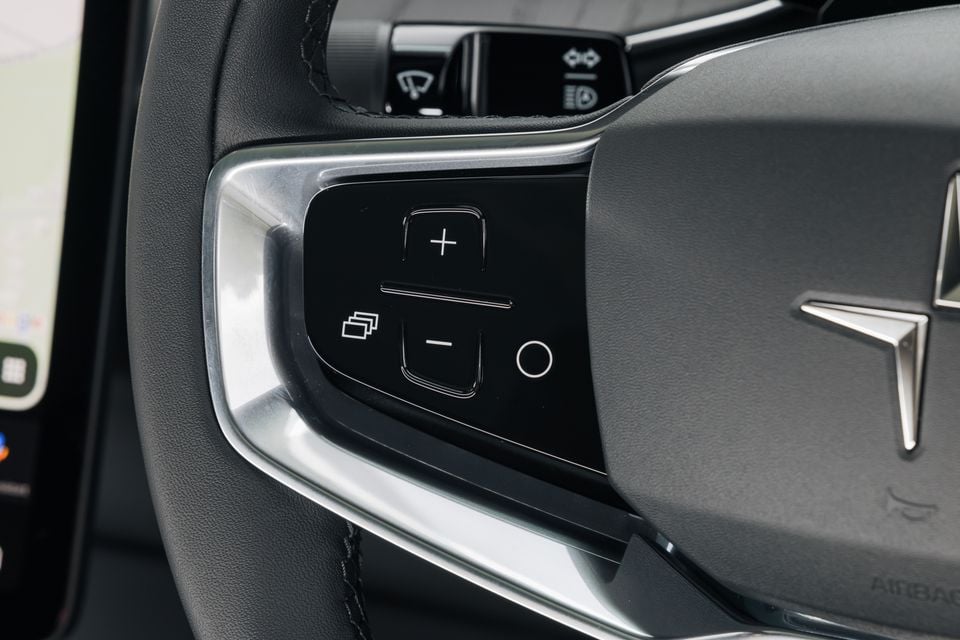
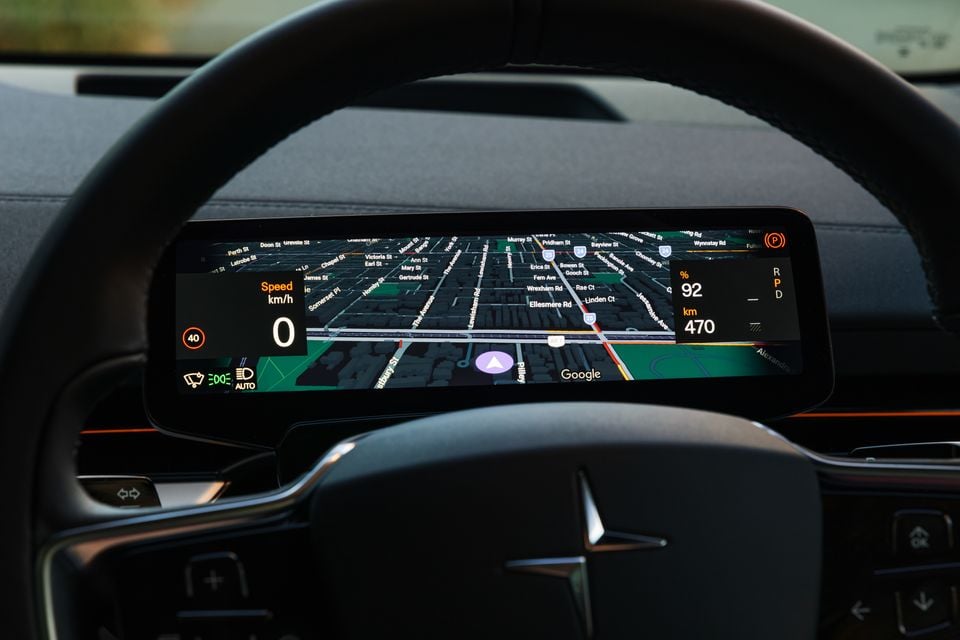
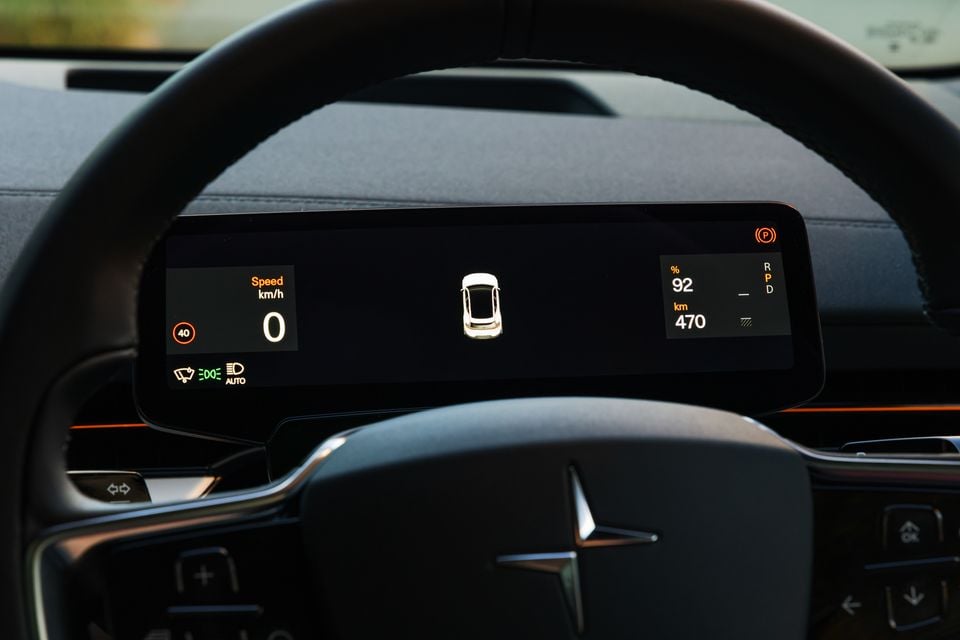
The smaller digital instrument display ahead of the steering wheel is even simpler. Its standard layout has just a few widgets displaying essential driving information, and there are a handful of other configurations to flick through using a button on the steering wheel.
Aside from the neat map display, this unit isn't particularly flashy. It's built to serve a purpose, and it serves that purpose very well – there's certainly merit to the function-over-form approach here.
Naturally, all that tech is wasted if the physical bones of the car it's installed in are lacklustre. Fortunately, the Polestar 3 feels like it has been bolted and glued together remarkably well, creating a real feeling of substance from behind the wheel.
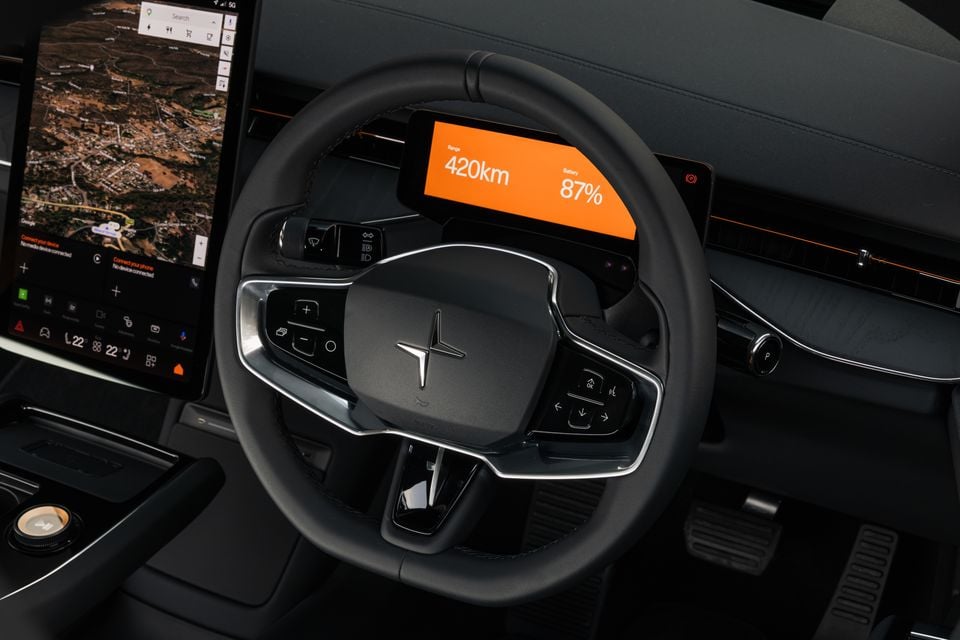
Let's start with the wheel itself. Wrapped in a material that resembles leather – it isn't actually leather, because this is Polestar – it's nice and large, though its relatively thin rim and aggressive sculpting make it feel like something out of a far sportier car than a large electric SUV.
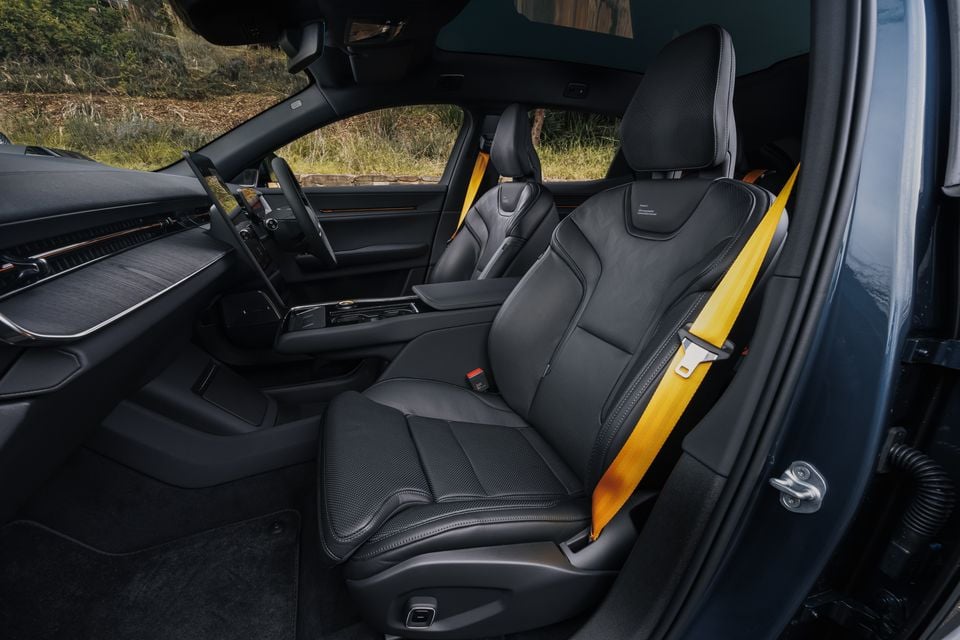
The same can be said about the seats, which feel compact but prove to be comfortable and supportive. As part of the optional 'Nappa upgrade', you not only get a choice of unique colourways but also the ability to adjust the strength with which the side bolsters squeeze you.
This creates a proper performance feel, and it's a real bonus that you can option the base variant with these higher-spec items. The same is true for the rest of Polestar's accessory catalogue for this vehicle.
On that note, the upgrade also adds front-seat massage and ventilation, combining with the standard seat heating to provide the full suite of seat comfort. It's also worth mentioning there's a good range of seat adjustment in general, including a handy thigh-support extension.
The materials elsewhere also feel decent, though there is some piano-black plastic on top of the floating centre console. At least it's not in a high-traffic area, as the only things of interest here are the audio controller, cupholders, and wireless phone charger.
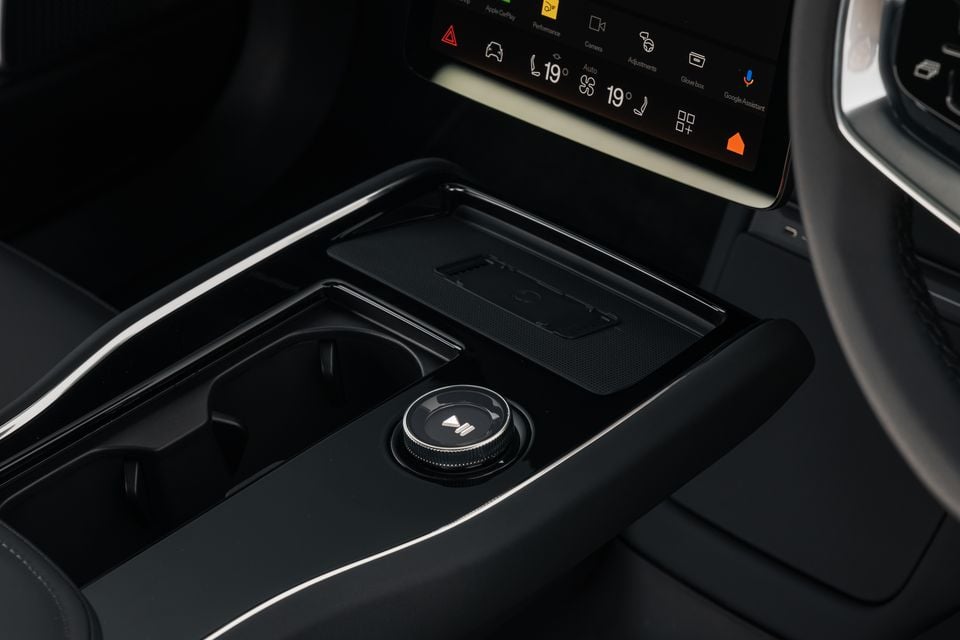
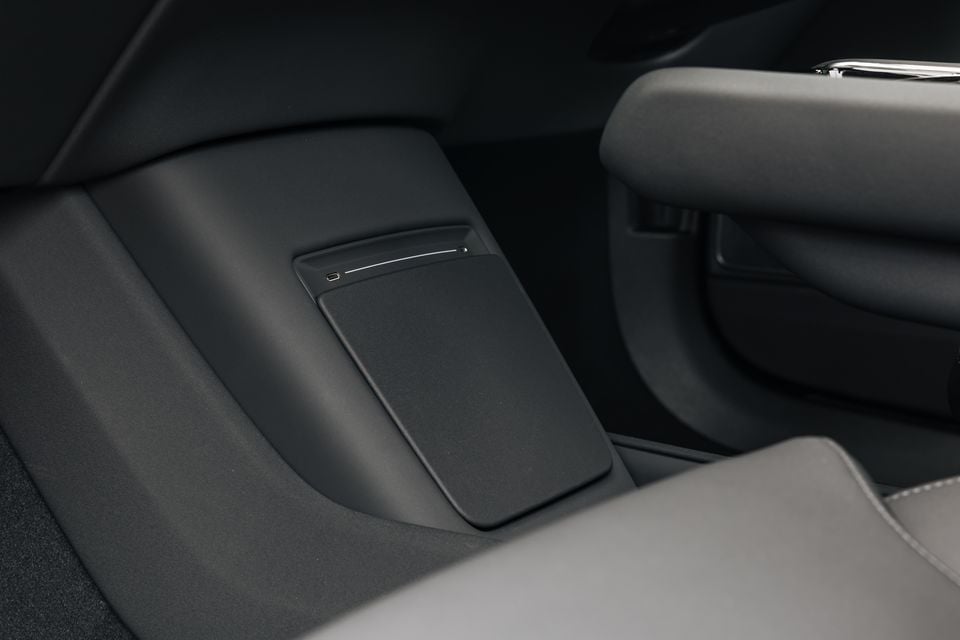
Storage space is acceptable in the front of the Polestar 3. Underneath a padded armrest in the middle is a relatively small storage box, which is offset by a huge tray below the centre console.
There's also a passenger-side glovebox that can only be opened through the touchscreen, large storage pockets in the door cards, and a handy elastic flap to hold smaller items, like your phone if it's charging while plugged into either of the USB-C ports above.
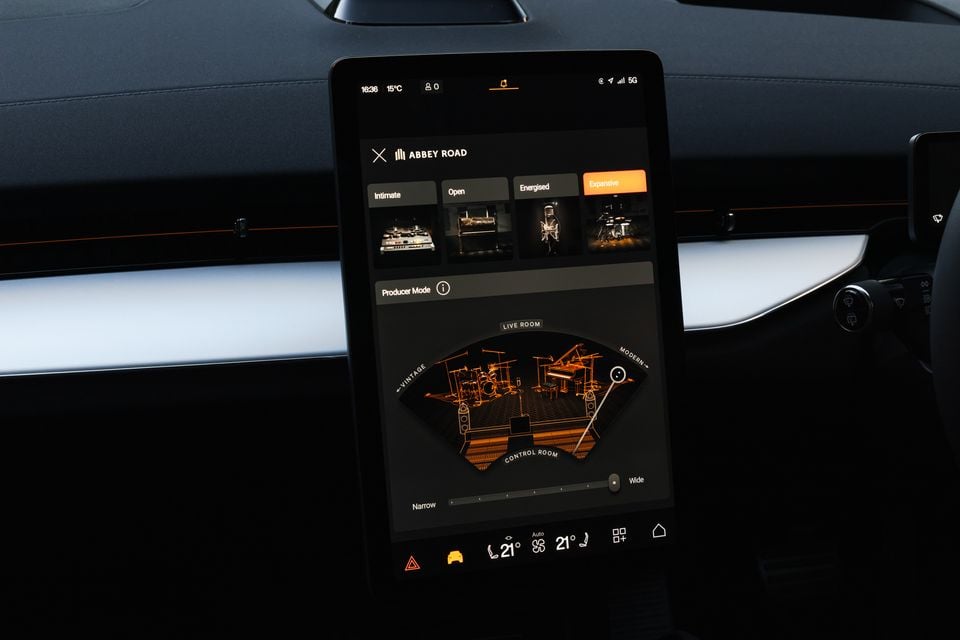
It'd be remiss of us not to mention the 25-speaker sound system, which is among the best we've ever experienced in a production car. A highlight is the Abbey Road Studios mode, which lets you adjust the sound to mimic different settings or environments. This is super-convincing, and gives new character to songs you've heard a million times before.
The second row is properly palatial. The front of the cabin doesn't necessarily feel small, but rear-seat occupants are treated to so much more space that headroom and legroom will likely never be an issue.
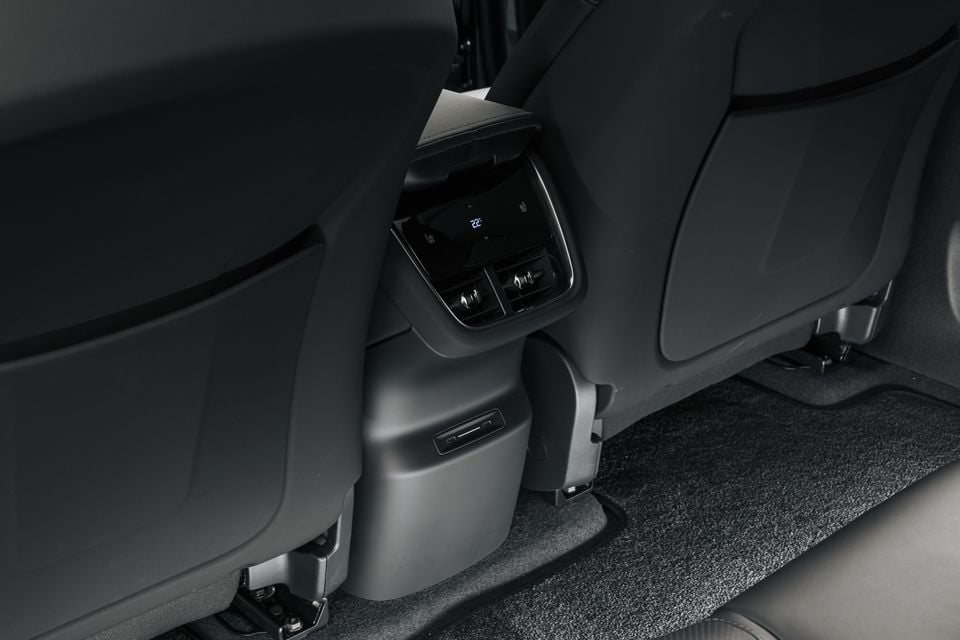
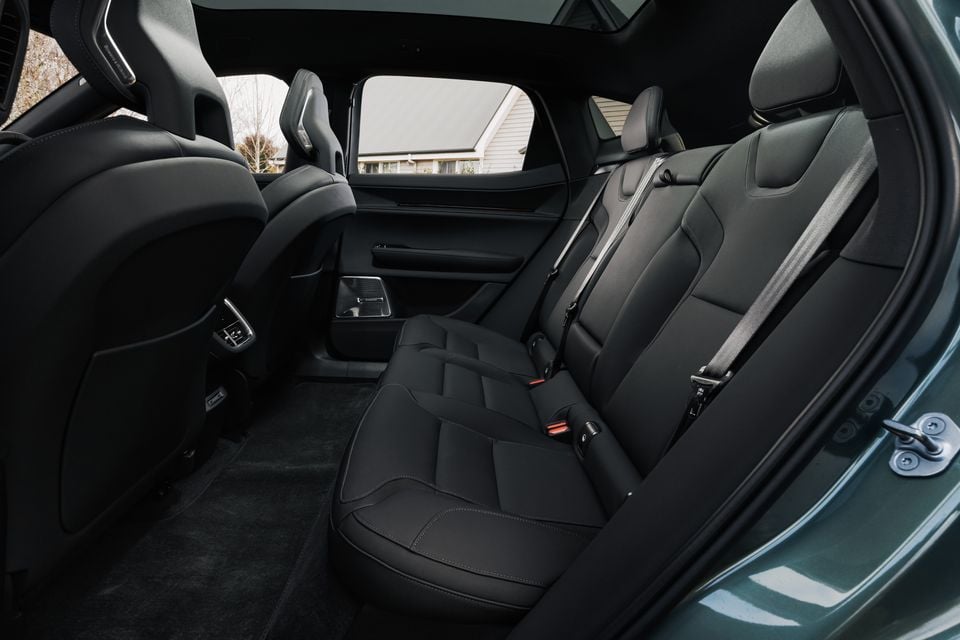
It's also a positive that the bench seat is quite plush, and the glass roof makes it feel airy and open. Amenities are minimal, featuring a soft fold-down armrest with pop-out cupholders, map pockets, and rear-facing air vents with a temperature controller in the middle. Rear seat heating is available as part of the Climate pack.
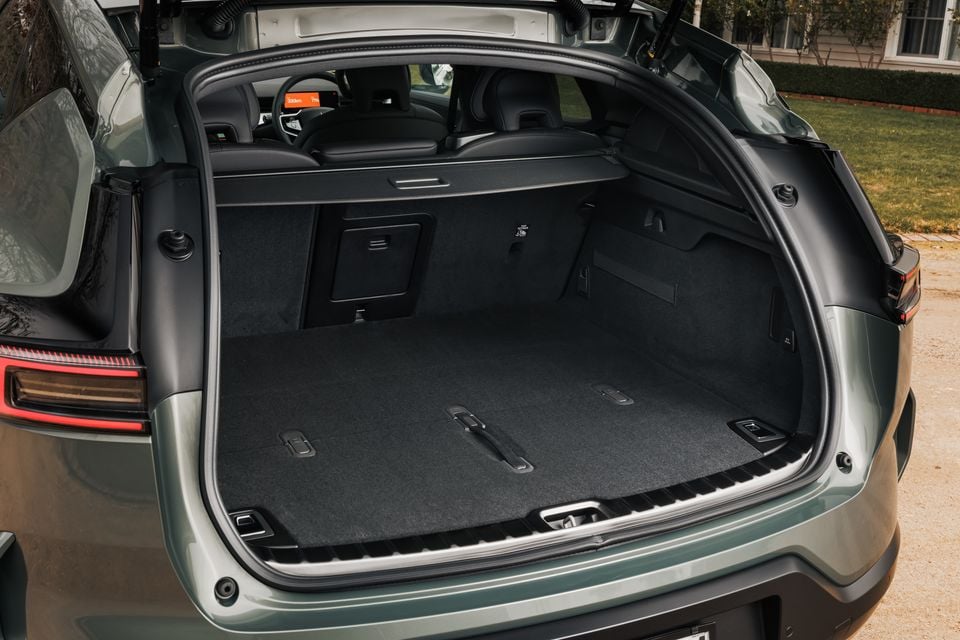
The boot isn't quite as impressive as the second row, but there's still plenty of cargo space. Its capacity is roughly on par with that of a BMW iX and a Porsche Macan Electric, with access made easier by a hands-free power tailgate.
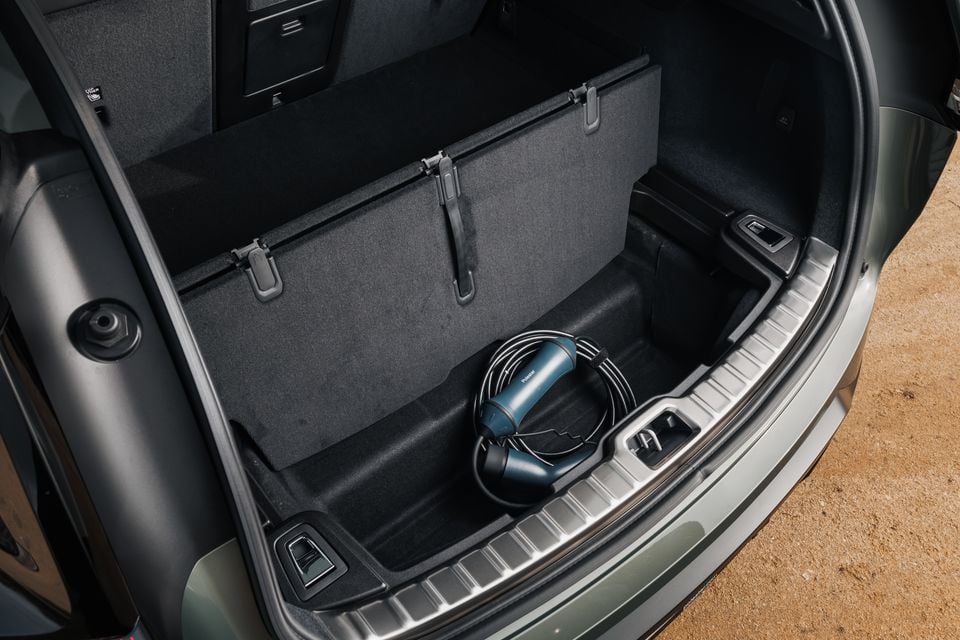
There's no spare wheel, though Polestar has incorporated a neat storage solution. You can create something of a divider across the boot by lifting the floor and locking it in place, helping to keep things from sliding around too much. It isn't quite Skoda levels of clever, but it's functional.
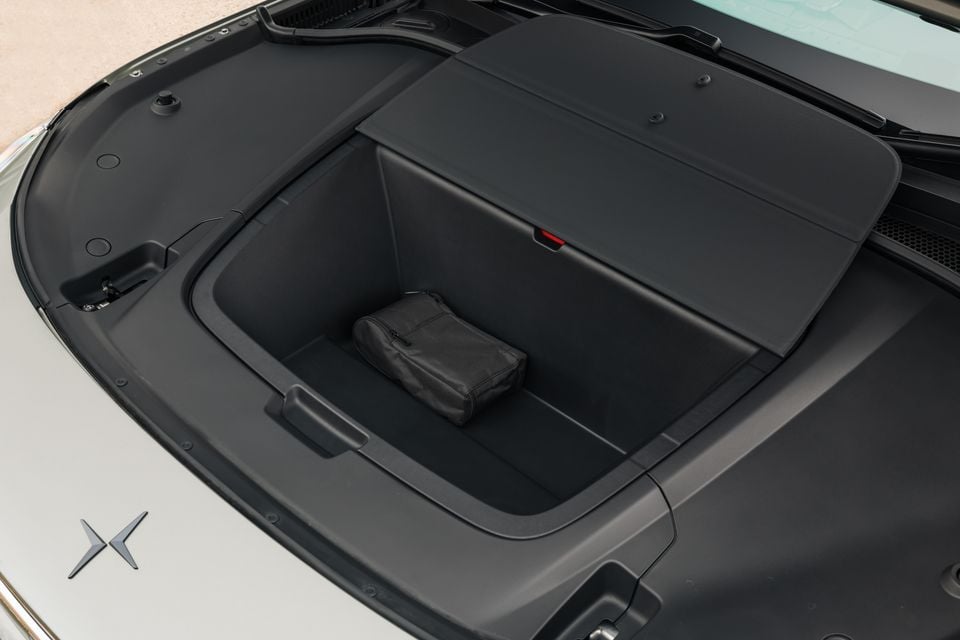
There is also a storage cubby under the floor for things like charging cables, along with a small compartment under the bonnet up front.
| Dimensions | Polestar 3 |
|---|---|
| Length | 4900mm |
| Width | 1968mm |
| Height | 1622mm (Rear motor, Dual motor with passive suspension) 1614mm (Performance, Dual motor with active air suspension) |
| Wheelbase | 2985mm |
| Cargo capacity (to roof) | 597L (rear seats up, incl. 90L under-floor) 1411L (rear seats folded) 23.8L under-bonnet storage |
To see how the Polestar 3 stacks up against the competition, check out our comparison tool
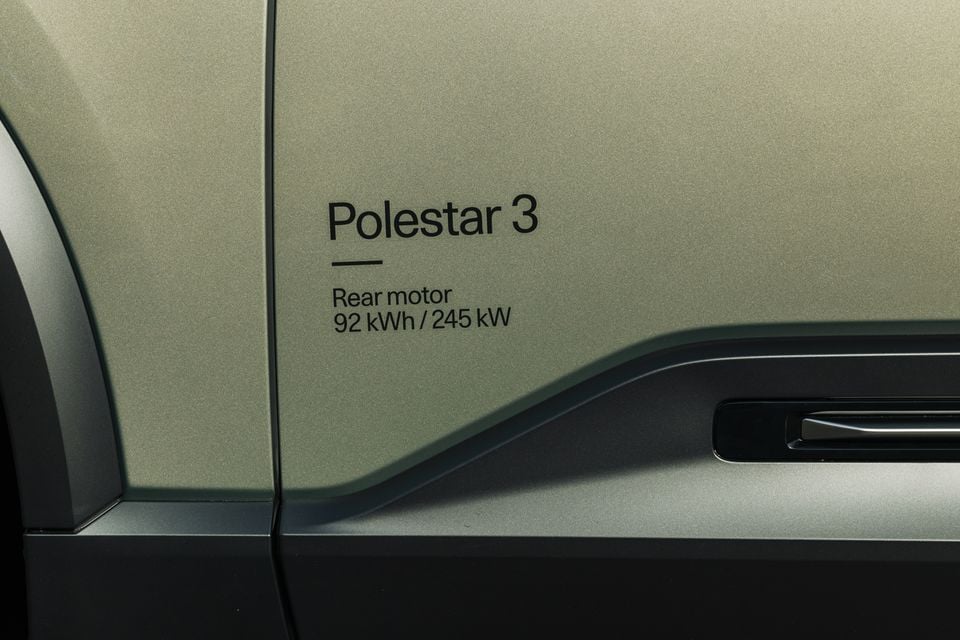
The 2026 Polestar 3 is available in three powertrain configurations, including both rear- and all-wheel drive setups. Peak outputs now reach 500kW and 870Nm in the flagship Performance, with power increasing by 120kW over the previous model.
| Specifications | Polestar 3 Rear motor | Polestar 3 Dual motor | Polestar 3 Performance |
|---|---|---|---|
| Drivetrain | Single-motor electric | Dual-motor electric | Dual-motor electric |
| Battery | 92kWh li-ion | 106kWh NMC | 106kWh NMC |
| Peak power | 245kW | 400kW | 500kW |
| Peak torque | 480Nm | 740Nm | 870Nm |
| Drive type | Rear-wheel drive | All-wheel drive | All-wheel drive |
| Kerb weight | 2315-2400kg | 2490-2600kg | 2525-2605kg |
| 0-100km/h (claimed) | 6.5 seconds | 4.7 seconds | 3.9 seconds |
| Energy consumption (claimed) | 17.6-21.6kWh/100km | 19.1-23.4kWh/100km | 20.6-23.4kWh/100km |
| Claimed range (WLTP) | 604km | 635km | 593km |
| Max AC charge rate | 11kW | 11kW | 11kW |
| Max DC charge rate | 310kW (22min 10-80 per cent) | 350kW (22min 10-80 per cent) | 350kW (22min 10-80 per cent) |
The 106kWh battery in the Dual motor and Performance variants is new and sourced from Chinese battery manufacturer CATL. All variants get a new rear motor developed in-house, while all-wheel drive models add an automatic front motor disconnect function for improved efficiency.
Most significantly, the Polestar 3's new 800V architecture allows for DC fast-charging at up to 350kW in dual-motor variants, up from 250kW with the old 400V architecture. The brand says this results in a 10-80 per cent charge time that's more than 25 per cent faster than before.
Power outputs are also up for the two non-Performance variants. The Rear motor is up from 220kW to 245kW, and the Dual motor is up from 360kW to 400kW.
We didn't get enough time in any one Polestar 3 during the launch drive to record a representative energy consumption figure, but we saw the trip computers in various cars hovering around the 19kWh/100km mark.
To see how the Polestar 3 stacks up against the competition, check out our comparison tool
The Polestar 3 was already a solid vehicle on the road, so the upgrades feel more evolutionary than revolutionary.
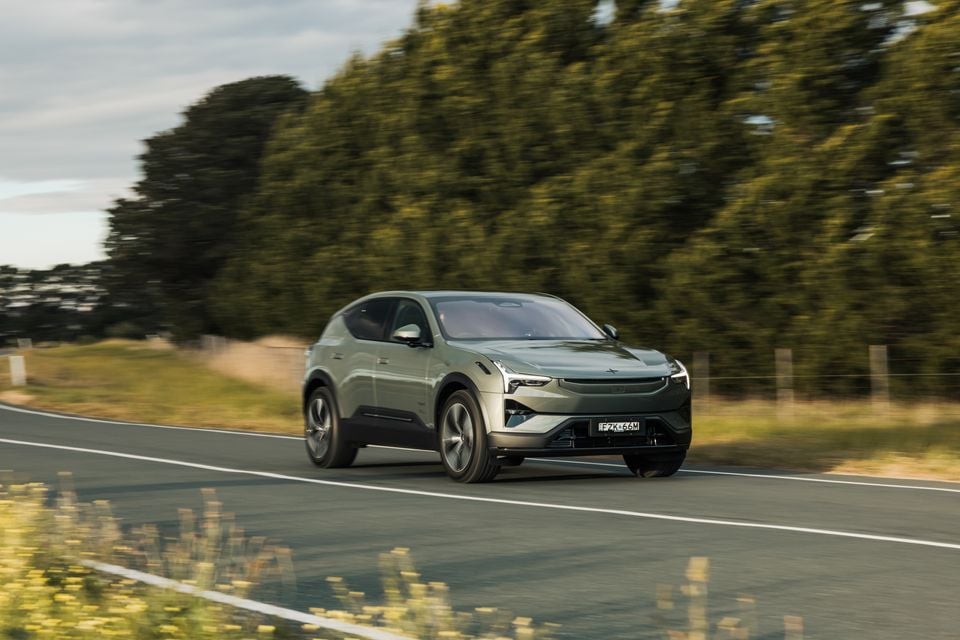
The result is a comfortable, sophisticated electric SUV. There are no glaring faults in its driving experience, and it behaves in a consistently predictable manner that is easy to understand and learn.
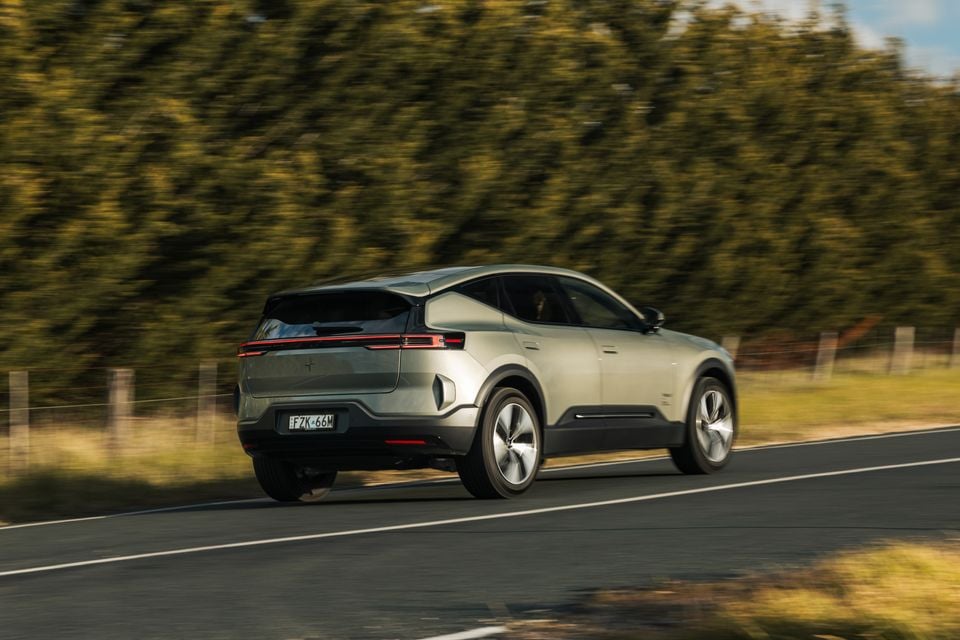
That's true regardless of the variant, but we'll start by talking about the range-opening Rear motor. This is as basic as the Polestar 3 gets mechanically, with only one electric motor at the back and a comparatively simple passive suspension setup.
While that means it feels vaguely like the final one per cent is missing, the package is still commendable. The non-adaptive damping is surprisingly good at keeping the body in check, and while the suspension is certainly on the firmer side, it's impossible to argue that it's uncomfortable.
Stability shines through too, which is important in an electric SUV as big and heavy as the Polestar 3. It means the weight isn't immediately obvious from behind the wheel, which has the positive effect of making it feel more nimble than you'd expect.
If this is the car for you, we’ll compare offers from trusted dealers, handle the back and forth and manage your purchase from enquiry to delivery.
That feeling is aided by the steering, which offers decent weighting and an appropriate ratio for the vehicle's size. Road feel is understandably subdued, but at least the overall package is comfortable and easy to drive.
The Rear motor doesn't miss out on many software-driven driving goodies either, as you can make the steering heavier, slacken the traction control, and sharpen the throttle response. As a result, it can feel as lively as you want it to be, and there's no shortage of power on tap.
Its 245kW peak is hardly ground-breaking in the context of sporty-ish EVs, but it's more than enough to get the Polestar 3 hustling. That power is delivered in a typically sensible Polestar way too, as you'll notice it 'rolls on' when you plant the throttle – helpful in keeping the rear wheels hooked up.
It certainly gives the impression of a well-engineered vehicle. There's no lag or hesitation, and nothing is jarring or surprising on the move.
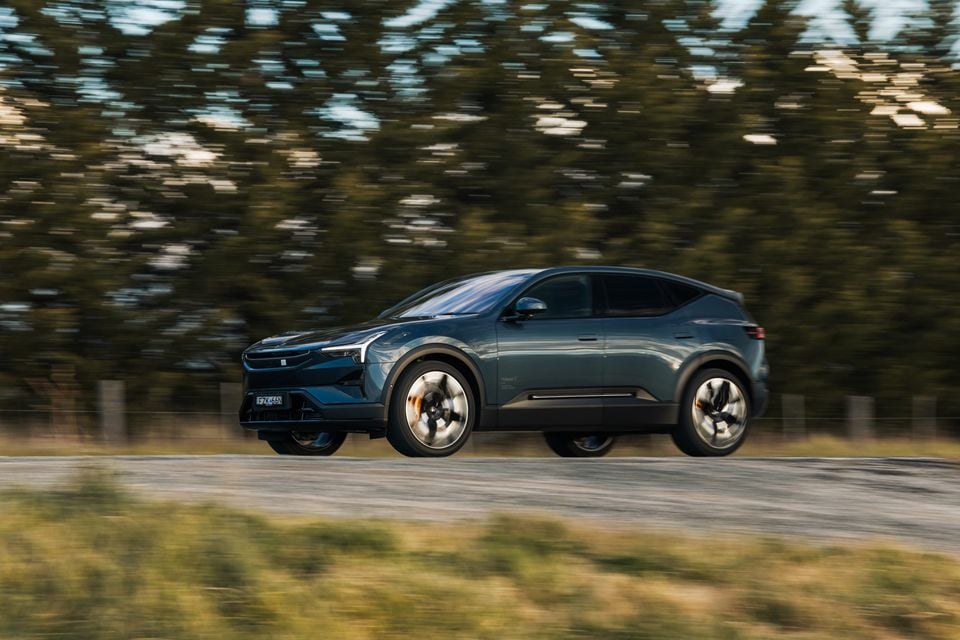
That said, the Rear motor's most significant downside is that it can't be optioned with Polestar's advanced air suspension. Given everything else can be optioned – be it flashy upholstery or larger alloy wheels – this is a real downside.
We understand it would diminish the exclusivity of variants further up the model range, but it'd still be nice to have the option. Why? Well, as good as the passive suspension is, the air suspension is very impressive indeed.
Body control is noticeably improved, as the Polestar 3 Performance we drove exhibited far less overall body movement on rough rural roads. This was in its softest setting too, which is no mean feat when you consider the weight penalty that comes with the Performance.
Switch to the firmest suspension setting and the difference is immediately clear. It becomes far sharper and helps the car hunker down through turns, signaling that this particular Polestar 3 is a performance-oriented vehicle beyond its name alone.
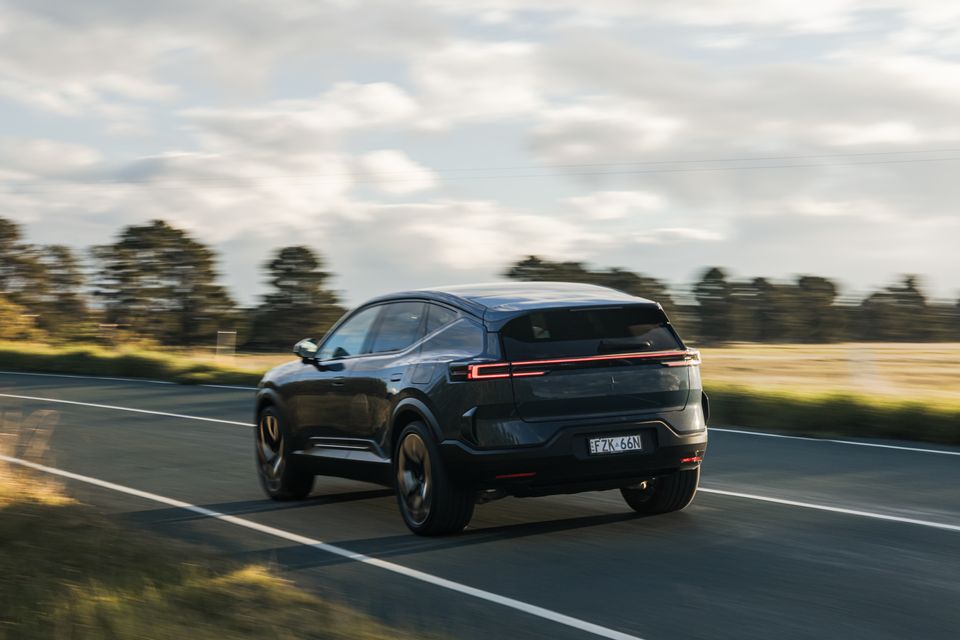
Body roll is kept to a minimum, and the steering and brakes combine to create a relatively engaging experience. You'll still notice the car's size, but it helps to have adjustable seat bolstering to keep you firmly situated.
Then comes the Performance's... well, performance. It is mind-bogglingly fast, perhaps even too fast for its heft. That isn't to say it feels unwieldy, but it's always worth questioning whether a car like the Polestar 3 truly needs to accelerate to 100km/h in under four seconds.
Still, it's difficult to get bored when a car pins you into your seat as aggressively as this car does. Being all-wheel drive, it has no issue getting its power to the ground, though you'll notice the same power roll-on as in the Rear motor – it isn't quite as brutal as the snappy Tesla Model Y Performance.
Polestar also made the point that the dual-motor Performance has a rear-biased setup, achieved simply by fitting a more powerful motor at the rear. The brand says this allows the car to be more playful and pivot in tight curves, something we unfortunately didn't get to test on the launch drive. Next time, perhaps.
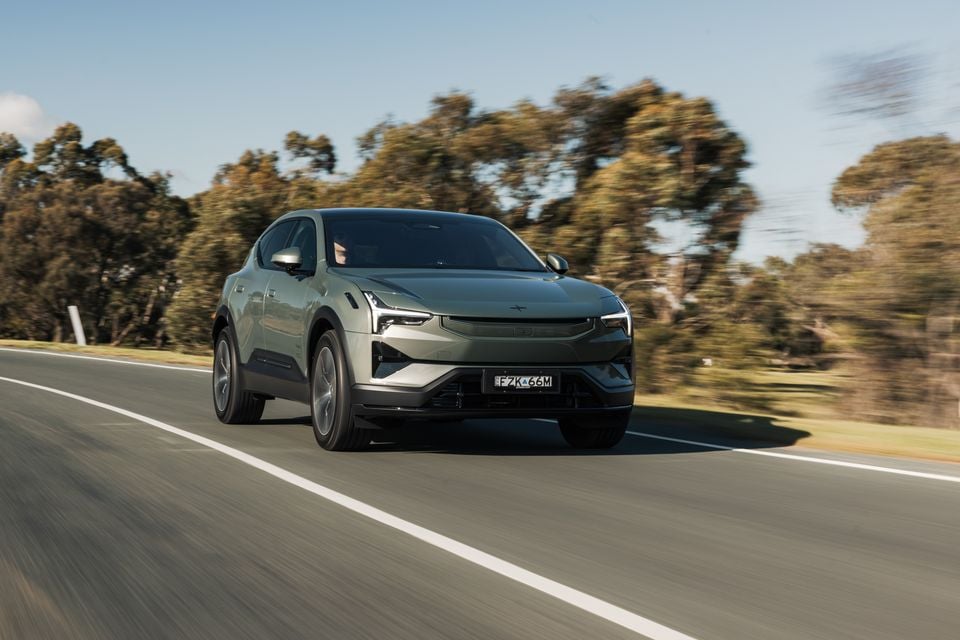
Standard across all Polestar 3 variants are three regenerative braking settings, including a one-pedal mode. As with other Polestars I've driven previously, I find it slightly too strong, even in its lightest setting – driving with it off is more comfortable. It'd also be nice to have steering wheel paddles for these adjustments alongside the touchscreen buttons.
There's also a fair bit of road noise on the thinner rubber of the Performance, something that isn't quite as prevalent on the smaller alloys of the Rear motor. But the cabin remains nicely insulated from wind noise, and it's a comfortable car to cruise around in.
Rounding it all out is an impressive suite of safety gear. Every Polestar 3 comes with a comprehensive suite of safety and driver-assistance equipment, which means buyers of base-spec vehicles can enjoy advanced adaptive cruise features just like those with flagship models.
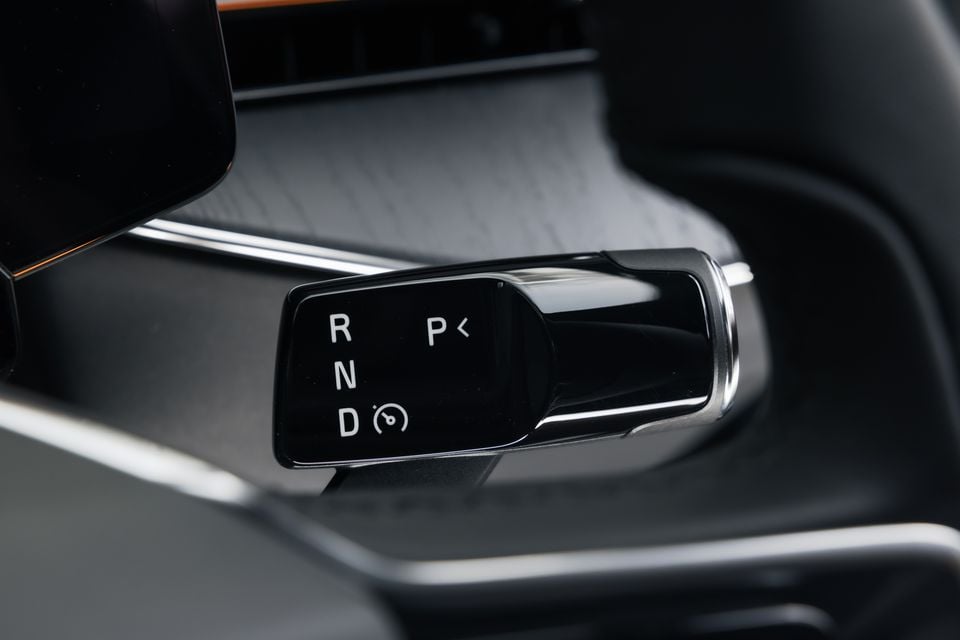
We still don't love the fact the cruise control is operated using the gear selector stalk, but that's a product of button-less minimalism. It's also odd that a single press of the steering wheel button for cruise speed adjusts by 5km/h, while holding it adjusts by 1km/h, and the following distance is adjusted via a touchscreen shortcut.
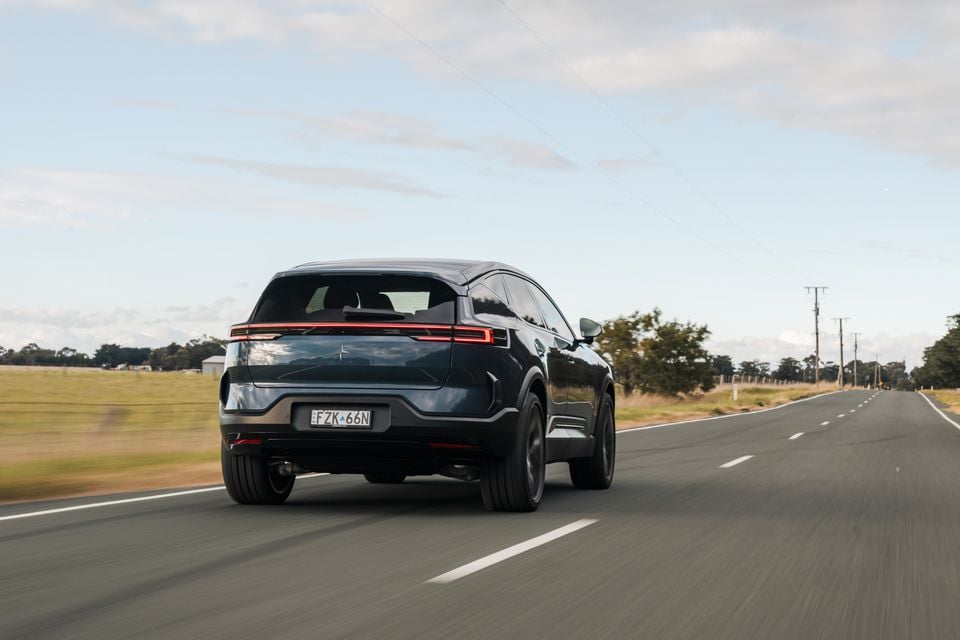
However, highlights include the car's ability to maintain a set speed while steering itself around tight-ish bends, and the autonomous lane-change function, which works reliably.
Better yet, there are minimal beeps and bongs to annoy you, though the driver-monitoring camera may struggle to detect your eyes if you're wearing sunnies.
There's a helpful array of cameras and sensors around the vehicle, which make parking a breeze. It's also worth mentioning outward visibility is decent, though the rear windshield is certainly on the smaller side – but better than no window at all.
To see how the Polestar 3 stacks up against the competition, check out our comparison tool
The updated Polestar 3 is available in three variants.
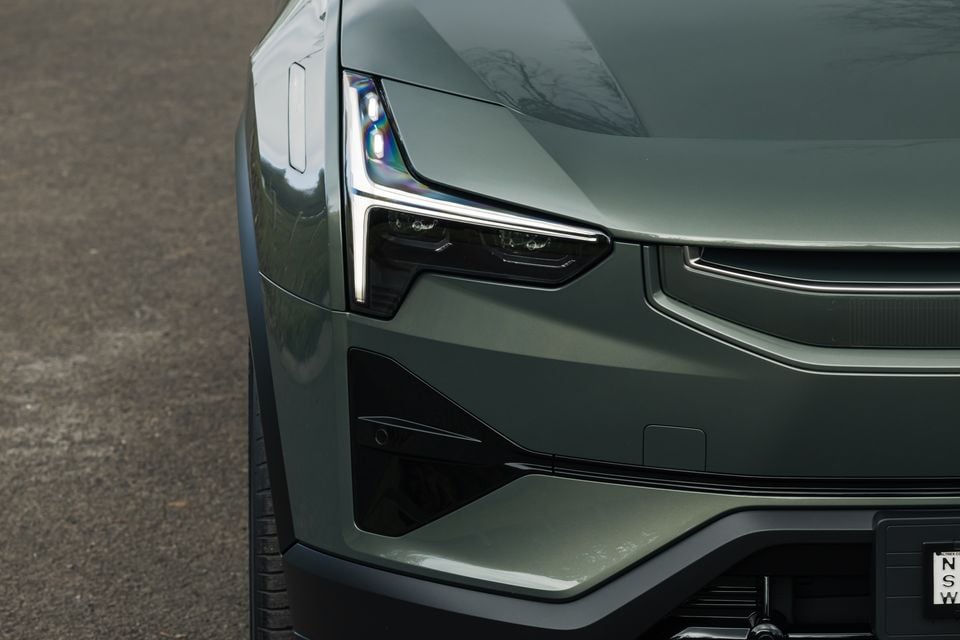
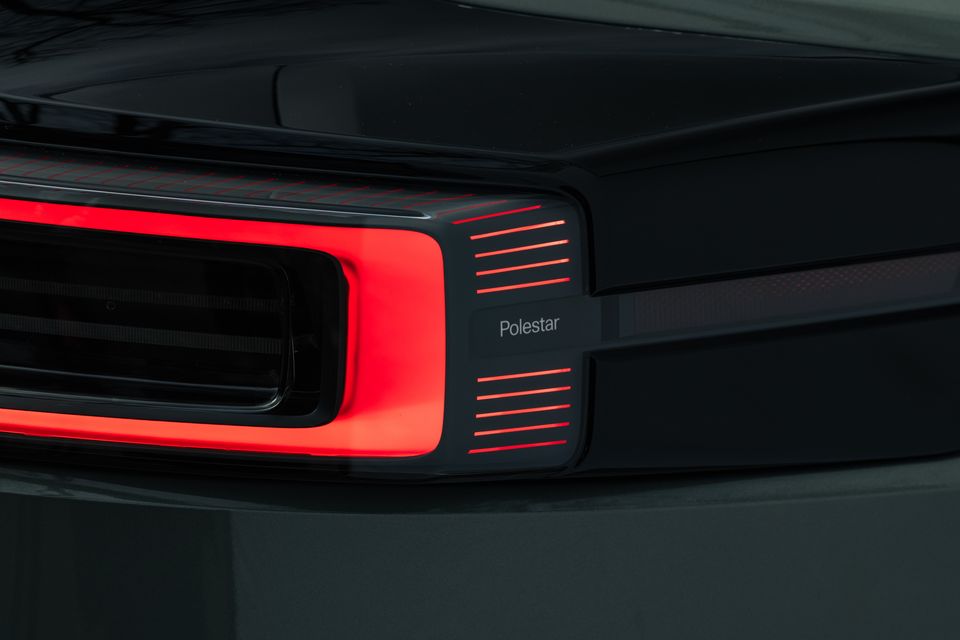
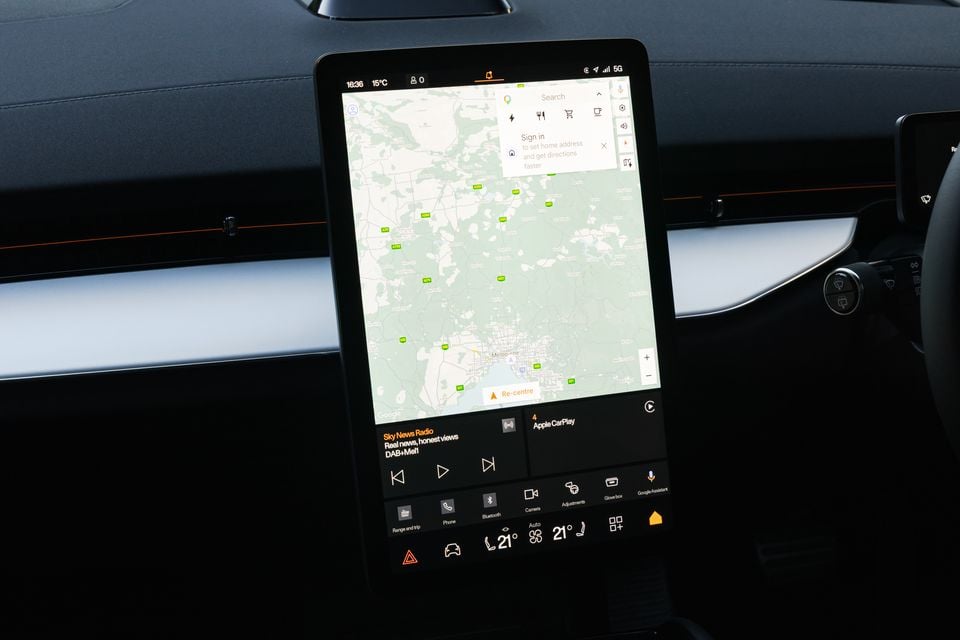
2026 Polestar 3 Rear motor equipment highlights:
Polestar 3 Dual motor adds:
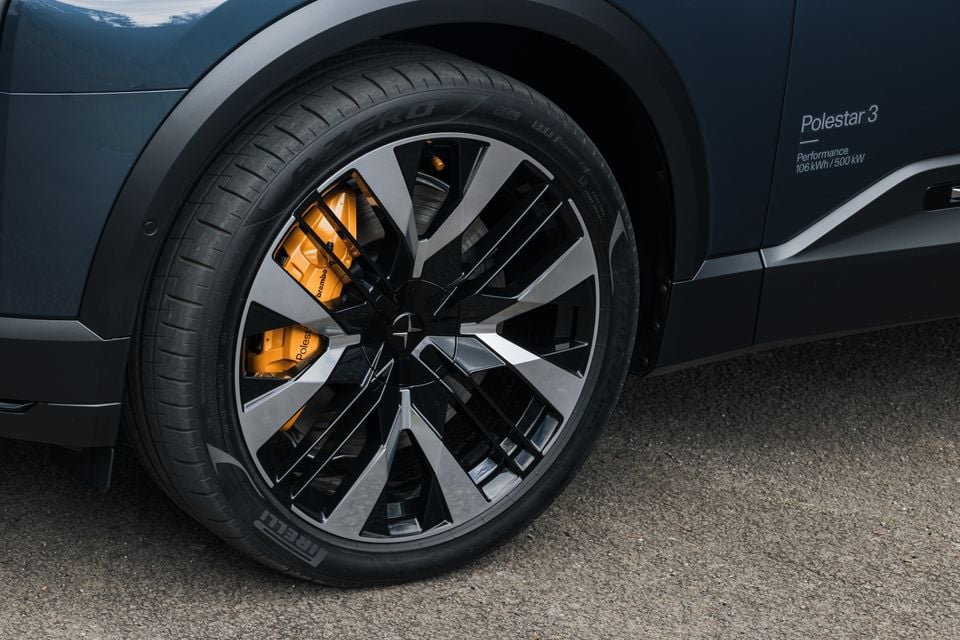
Polestar 3 Performance adds:
Several optional packs and individual items are available for the Polestar 3.
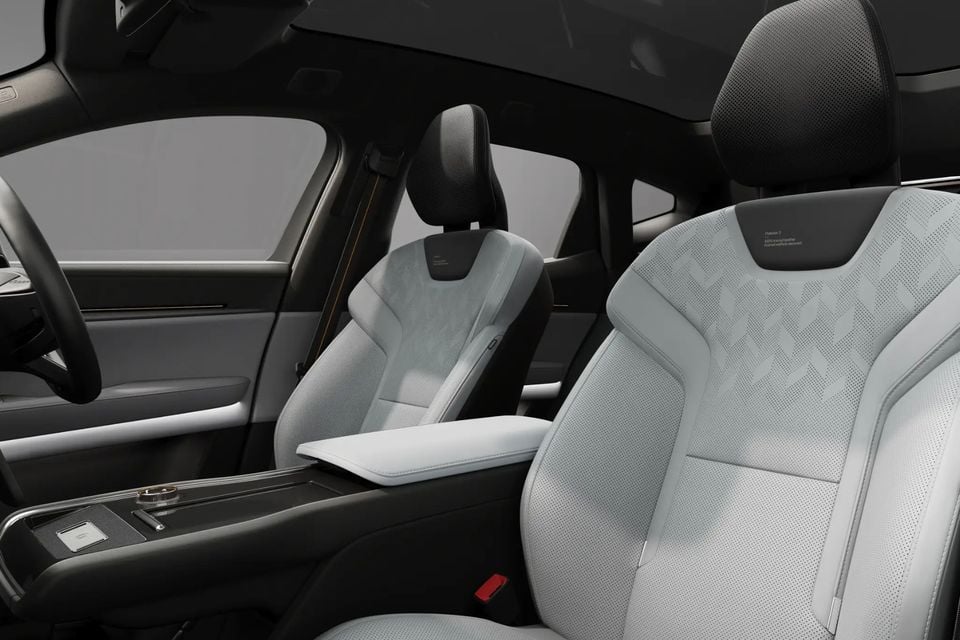
Climate pack ($1200) adds:
Nappa upgrade adds:
Single options:
To see how the Polestar 3 stacks up against the competition, check out our comparison tool
The Polestar 3 has a five-star ANCAP safety rating based on testing conducted by Euro NCAP in 2025.
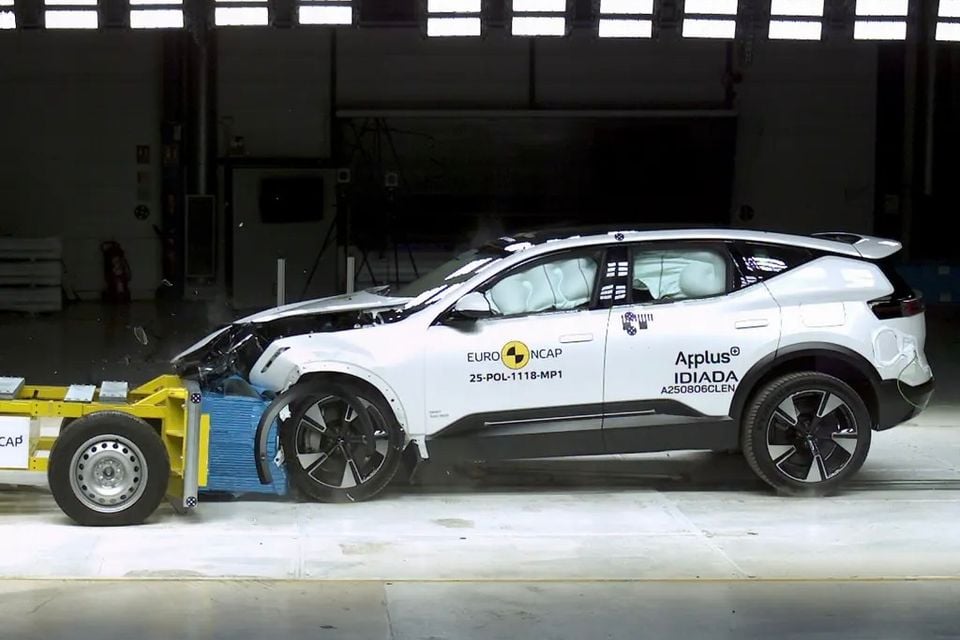
| Category | Polestar 3 |
|---|---|
| Adult occupant protection | 90 per cent |
| Child occupant protection | 94 per cent |
| Vulnerable road user protection | 79 per cent |
| Safety assist | 79 per cent |
Standard safety equipment highlights:
To see how the Polestar 3 stacks up against the competition, check out our comparison tool
Polestar Australia backs its range with a five-year, unlimited-kilometre vehicle warranty. The brand says the Polestar 3 generally “doesn’t need to be serviced for up to two years or 30,000km”, though the car’s onboard diagnostics will alert its owner if servicing is required sooner.
| Servicing and Warranty | Polestar 3 |
|---|---|
| Vehicle warranty | 5 years, unlimited kilometres |
| High-voltage battery warranty | 8 years, 160,000km |
| Roadside assistance | 5 years |
| Service intervals | 24 months or 30,000km |
| Capped-price servicing | 6 years |
| Average service cost | $750.33 |
| Total capped-price service cost | $2251 |
Polestar Australia's individual service costs are detailed below:
| Service | Price |
|---|---|
| 24 months, 30,000km | $765 |
| 48 months, 60,000km | $765 |
| 72 months, 90,000km | $721 |
As for rivals, BMW covers iX servicing with a six-year service pack, which costs $3610. It's a similar story for Porsche, which offers a five-year service plan for $3995.
A six-year service plan for the Audi Q6 e-tron and SQ6 e-tron, however, is cheaper at $2080.
To see how the Polestar 3 stacks up against the competition, check out our comparison tool
The Polestar 3 remains a solid large electric SUV, now improved with greater charging capability, increased performance, and logical equipment tweaks.
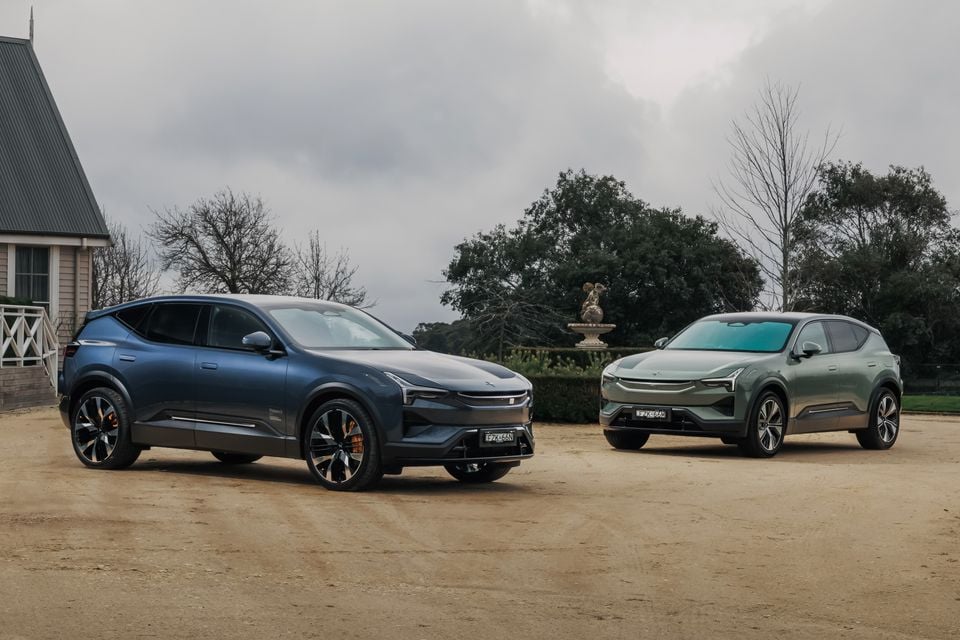
The new 800V architecture keeps this SUV up to date, and while Australia's EV charging infrastructure is still limited compared to much of the rest of the world, switched-on buyers will no doubt enjoy the higher top-up speeds their Polestar is capable of achieving.
The chassis and handling tweaks are also worthwhile improvements, as is the increased power across the range. We also like the fact that most standard equipment is shared across the Polestar 3 range, which means you aren't necessarily missing out on anything by going for the base model.
Just as importantly, the ability to option your Polestar 3 whichever way you want means the entry-level variant doesn't have to look like a base model, which matters at this end of the market.
That said, it's disappointing you can't have a rear-drive Polestar 3 with air suspension, as the Rear motor still commands a hefty price tag. Yes, there's a price to pay for the engineering under the skin, but being able to add such niceties – even at a higher individual cost – wouldn't go amiss.
Still, the Rear motor is a sensible choice in the Polestar 3 range, and it isn't compromised by its passive suspension. It offers good performance, a comfortable ride, and the same high-spec interior as the rest of the range, but costs the least.
If you can spring for it, the Dual motor is the next-best choice, primarily because it can be had with air suspension – the Performance is arguably excessive in terms of both power and price.
All told, the updates for Polestar's flagship SUV have been worthwhile, and it'll be interesting to see how much the brand continues to grow as it introduces new nameplates in the coming months.
CarExpert can save you thousands on a new Polestar 3. Click here to get a great deal.
Click the images for the full gallery
If this is the car for you, we’ll compare offers from trusted dealers, handle the back and forth and manage your purchase from enquiry to delivery.
Polestar 3
Polestar 3 Sales rolling 12-months#
*Based on VFACTS and EVC data
Looking for complete Polestar 3 price history?
Our Polestar 3 Pricing Page shows exactly how prices have changed over time.
2025
$124,594
2027
$124,653
2025
$152,136
2027
$156,405
Max Davies is a CarExpert journalist with a background in regional media, with a passion for Japanese brands and motorsport.
Add CarExpert as a Preferred Source on Google so your search results prioritise writing by actual experts, not AI.
Josh Nevett
20 Hours Ago

Damion Smy
1 Day Ago
Damion Smy
5 Days Ago

William Stopford
6 Days Ago
William Stopford
10 Days Ago
Damion Smy
10 Days Ago
Add CarExpert as a Preferred Source on Google so your search results prioritise writing by actual experts, not AI.
# Based on VFACTS and EVC data
† Displayed prices are based on the drive-away price of the vehicle, which includes delivery charges, registration fees, number plates, and applicable road taxes, based on a Sydney location. However, prices may vary between states and territories, and additional costs such as compulsory third party (CTP) insurance, dealer delivery fees, and optional extras are not included. These prices are subject to change without notice and may not reflect current market pricing or dealer offers.
 Automotive Vehicle Spec Data & 4K images Powered by JATO Dynamics Ltd