





Max Davies
2027 Mitsubishi Pajero vs Toyota Prado vs Ford Everest vs Isuzu MU-X: Spec battle
We break down the spec sheets of Australia's most popular large off-road SUVs before one of the segment's newest entrants arrives.
10 Hours Ago
McLaren will realise Bruce McLaren’s road-car project with a V8-powered supercar that revives the manual gearbox and is set for production.

Journalist
Journalist
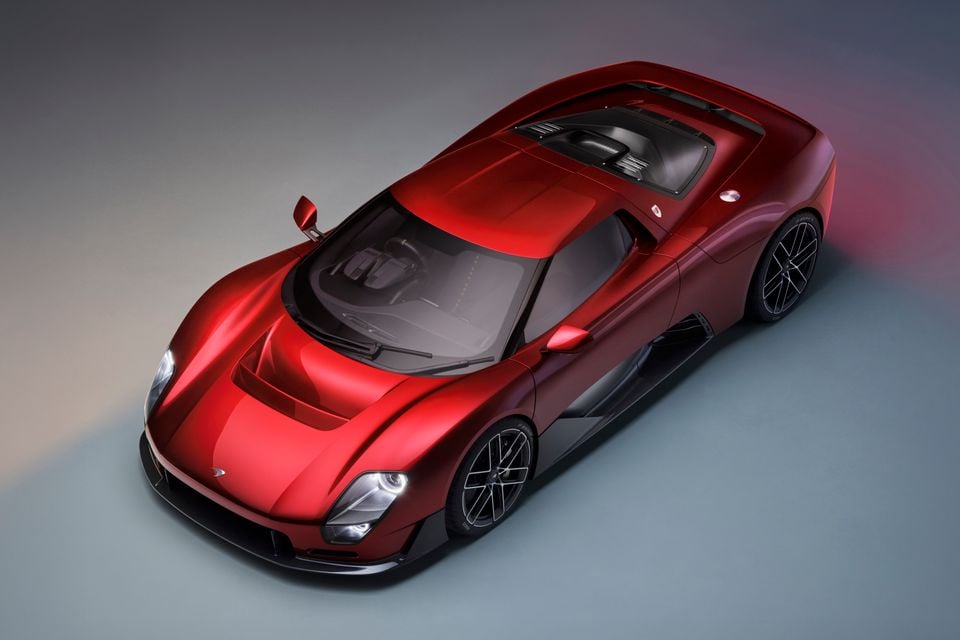
McLaren has revealed the McL 6GT at Monterey Car Week, previewing an ultra-exclusive production supercar due to go into production in 2028.
It’s a significant car for the British marque, not only because it brings back a manual gearbox, but because its roots stretch directly back to New Zealand-born founder Bruce McLaren and his unrealised road-car project from the 1960s.
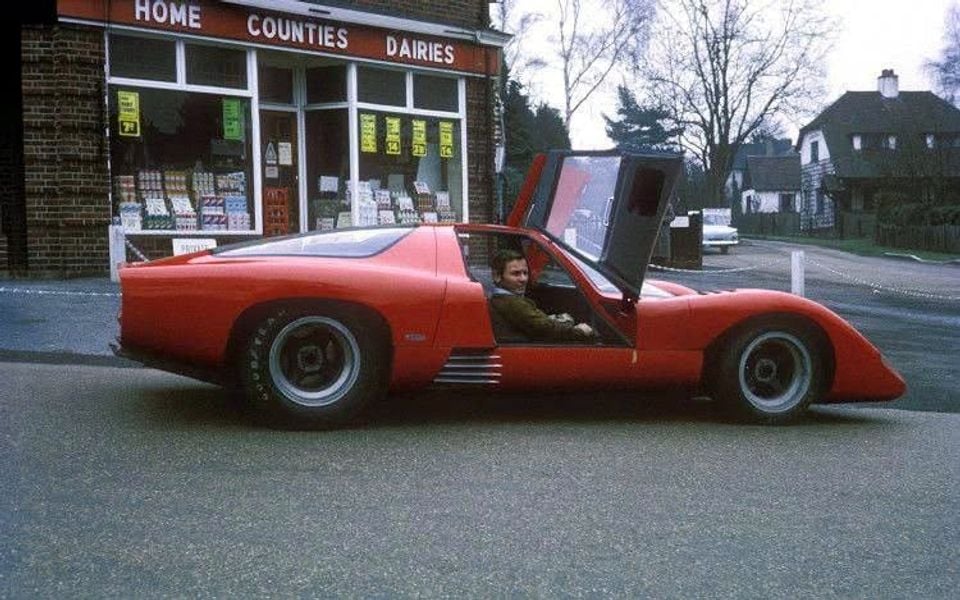
The McL 6GT is a modern interpretation of the M6GT, the road car Bruce McLaren began developing in the late 1960s.
Just like Bruce McLaren’s M6GT, the modern McL 6GT is powered by a V8 engine driving the rear wheels through a six-speed manual transmission, making it the first manual McLaren road car since the legendary McLaren F1 debuted in 1992.

The McL 6GT will sit outside the company's core production portfolio as a new, highly exclusive supercar when it eventually reaches production. It also represents a new type of supercar for the brand with a different approach.
Rather than chasing outright performance through ever-more sophisticated technology, McLaren says the McL 6GT brief is focused on the relationship between driver and machine.
“The McLaren McL 6GT imagines what our inspirational founder had wished to complete but with six additional decades of innovation and passion woven through every element, creating a modern icon of driver connection,” said McLaren Automotive CEO Nick Collins.
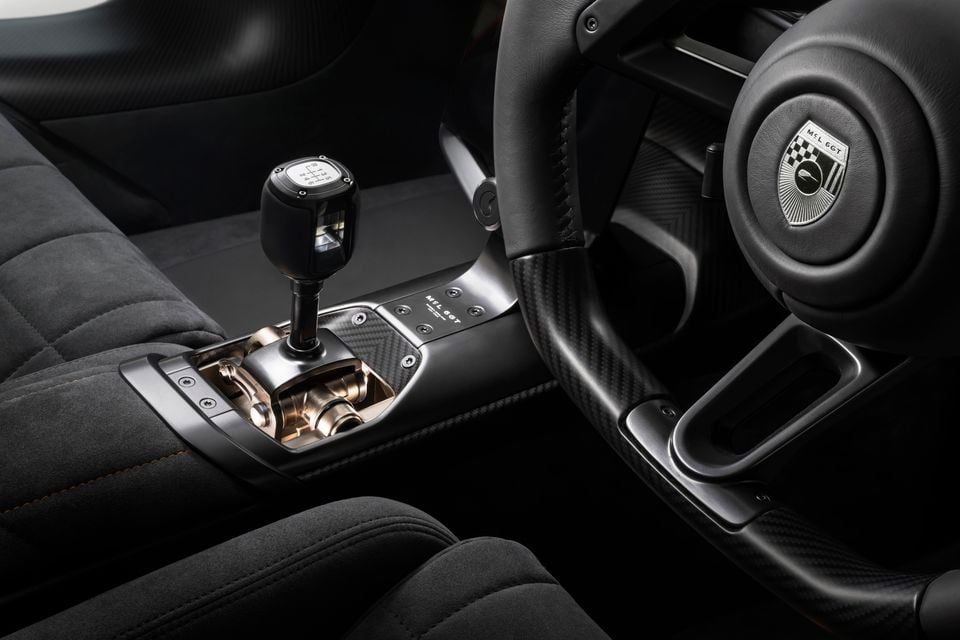
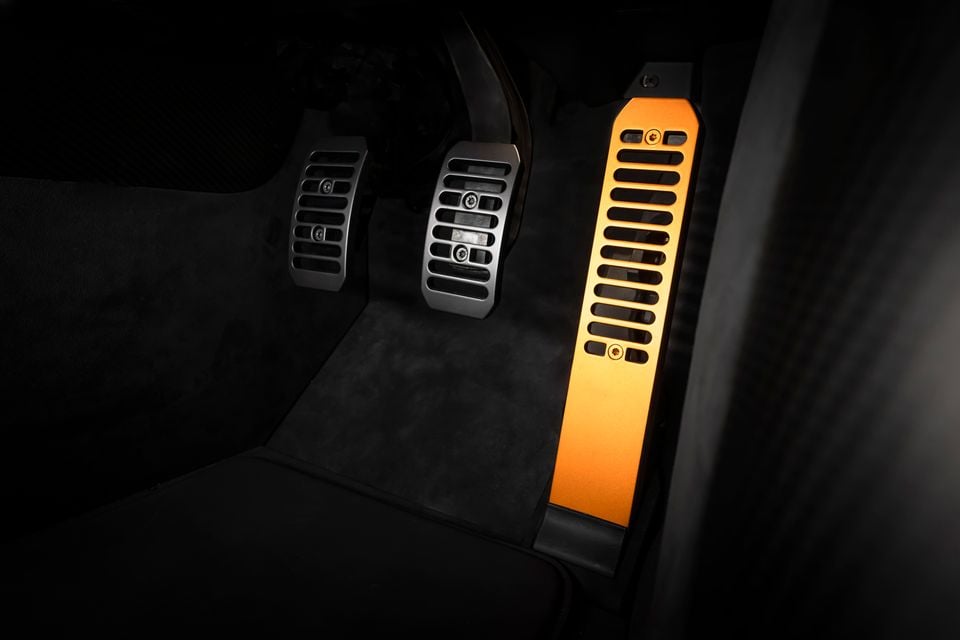
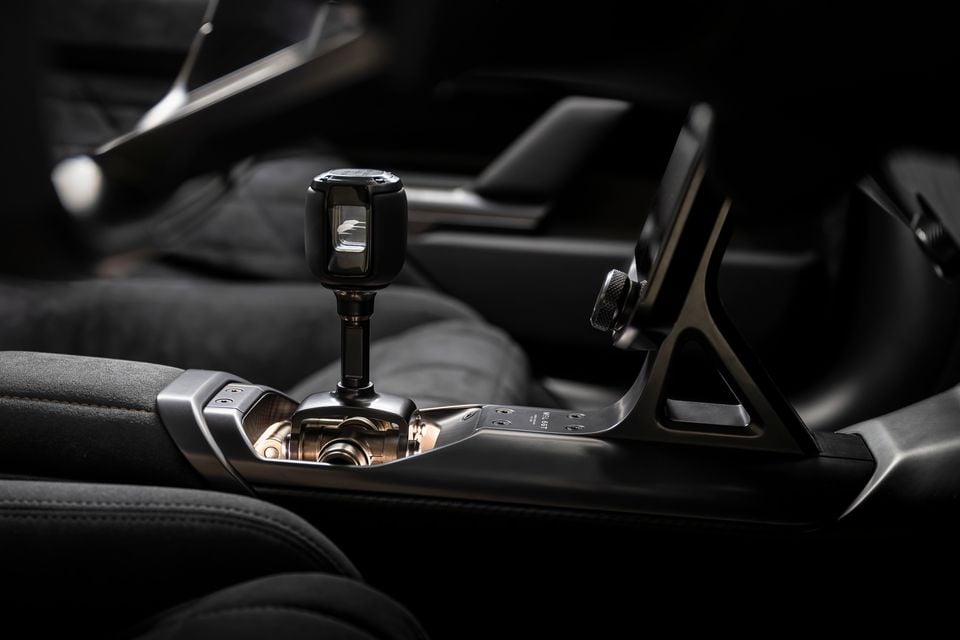
The gearbox is the headline act.
McLaren has spent decades developing supercars around automated transmissions, but the McL 6GT instead gets an ‘authentic’ six-speed manual designed to maximise driver involvement.
The company says every gearshift, throttle movement and steering input is intended to feel deliberate and mechanical.
Even the gearstick has a special connection to McLaren’s history, with a three-dimensional ‘Speedy Kiwi’ – one of the company’s earliest logos – incorporated into the gear lever.
McLaren is yet to reveal detailed power, torque, weight or performance figures, but the key mechanical recipe has been confirmed. The McL 6GT will mirror the same basic layout of the M6GT from the 1960s – while using six decades of technology to finally bring it to life.
A mid-mounted V8 will send its power through a six-speed gearbox exclusively to the rear wheels, though instead of a tube-frame chassis, the new McLaren will be built around the company's carbon-fibre monocoque and wrapped in carbon-fibre bodywork.
McLaren says the design deliberately avoids being a simple retro exercise. The low, wide proportions, long body and distinctive Kammback rear reference the original M6GT, while the ‘Racing Loop’ tail-light motif draws inspiration from its predecessor.
Typical for McLaren, the steering uses hydraulic assistance rather than an electronically controlled setup, while the cabin features tactile switchgear and knurled machined-aluminium controls.

McLaren says the cabin appears embedded within the monocoque chassis, rather than sitting on top of it, giving the car a low-slung profile influenced by 1960s racing prototypes.
The concept also uses extensive exposed carbon fibre inside the cabin, while modern interpretations of the original M6GT’s boxed quilting feature throughout the interior.
Bruce McLaren’s signature appears in the engine bay, his original M6GT number plate has been reinterpreted as a graphic, and another ‘Speedy Kiwi’ logo appears on the fuel filler cap.
The timing is particularly significant, with McLaren Special Operations having recently completed a restoration of Bruce McLaren’s original M6GT using archive drawings, original body moulds, period photographs and authentic components.
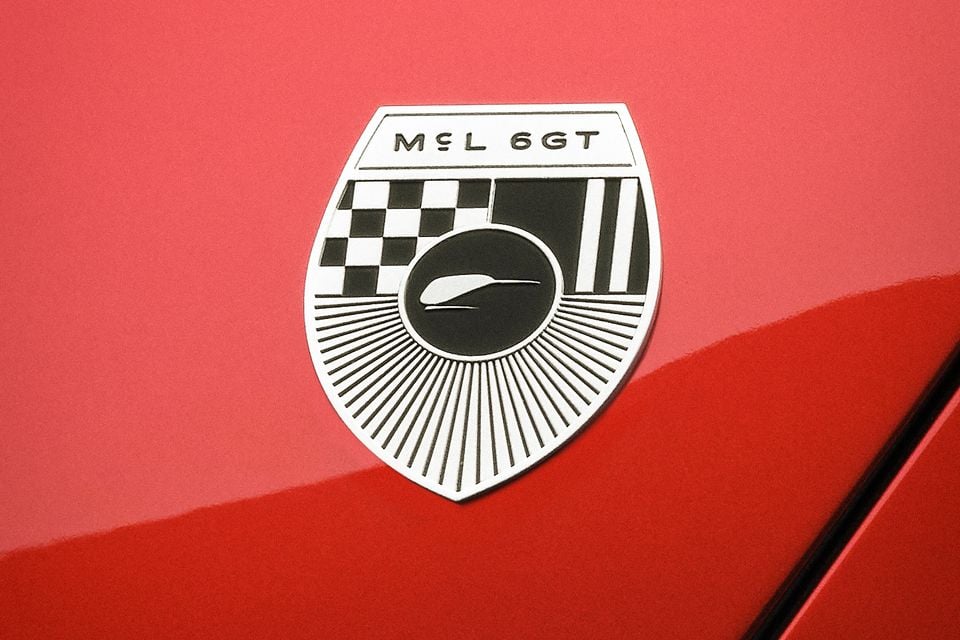
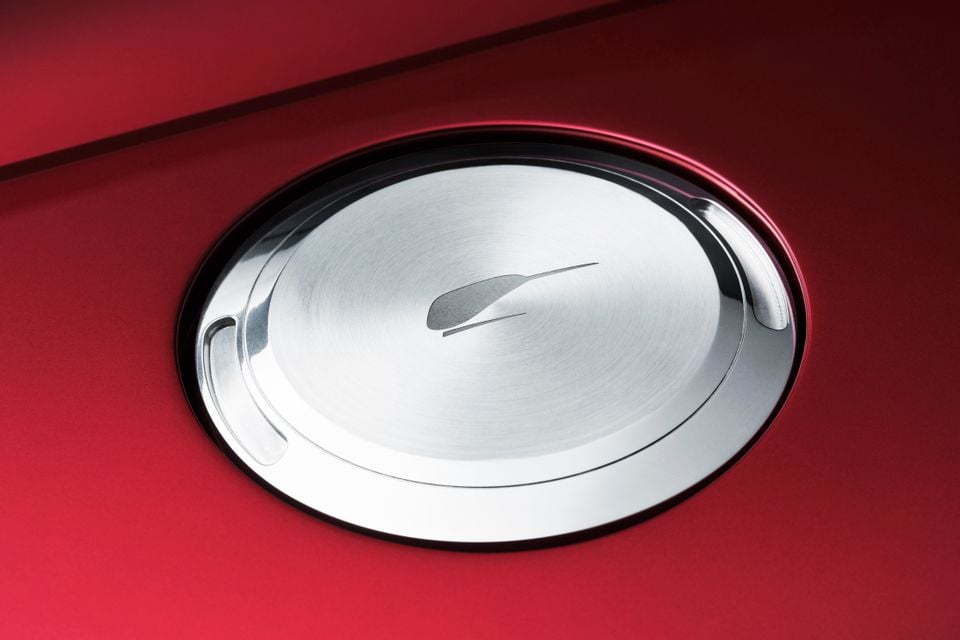
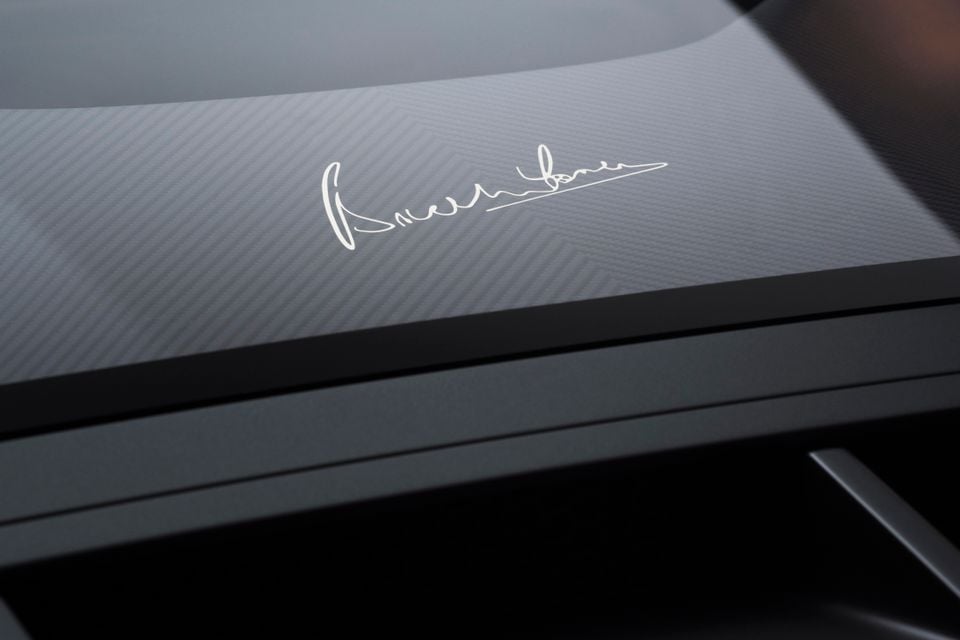
McLaren hasn’t announced pricing or production numbers. But the McL 6GT already stands apart from the increasingly electrified and automated supercar market.
And, for the first time in more than three decades, there's a new McLaren supercar that will let the driver change gear themselves.
The M6GT was Bruce McLaren’s first attempt to create a genuine McLaren road car and Le Mans race car.
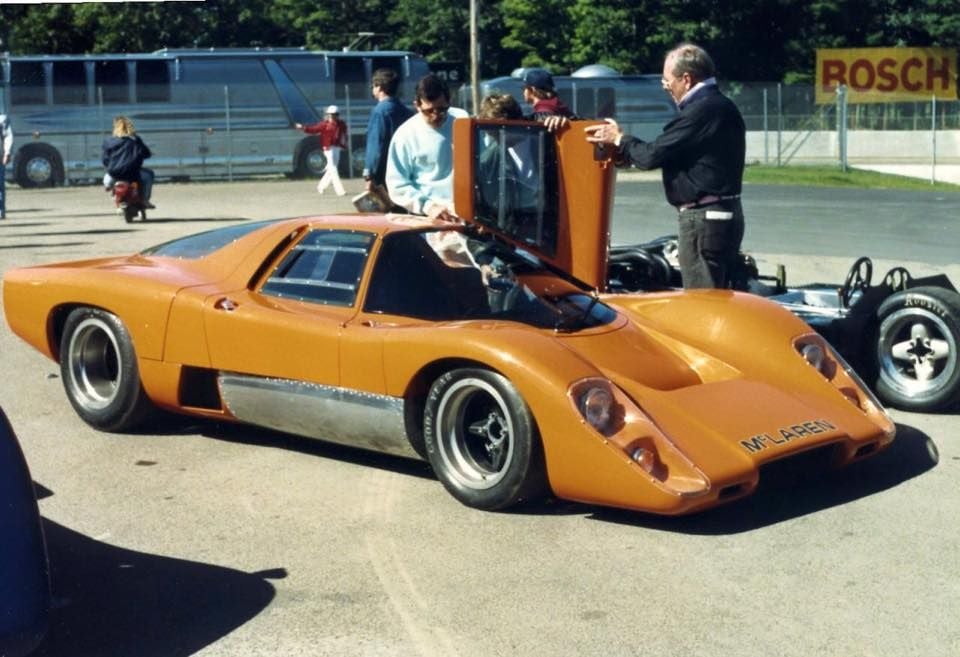
Based on the M6A Can-Am racer – which won 29 of the 33 races it contested between 1967 and 1970 – the M6GT was intended to become a road-going supercar and potentially form the basis of a Group 4 racing programme at Le Mans.
Bruce also used the prototype as his personal transport, driving it to race meetings and business appointments.
His death in 1970 ended the project, with just two M6GTs completed.
Now, more than five decades later, McLaren is effectively finishing what its founder started.
Dave is a Kiwi motoring journalist with experience in motorcycle racing, new car sales, radio and communications.
Max Davies
10 Hours Ago

Max Davies
14 Hours Ago
Max Davies
15 Hours Ago


William Stopford
2 Days Ago

Josh Nevett
2 Days Ago

Derek Fung
2 Days Ago
Add CarExpert as a Preferred Source on Google so your search results prioritise writing by actual experts, not AI.