
Ben Zachariah
2027 Subaru Uncharted review: Rally shakedown
As the saying goes, never trust a chart – unless you’re in a rally. So what happens when you take the Subaru Uncharted electric SUV to Targa Tasmania?
2 Hours Ago

Senior Editor – Reviews
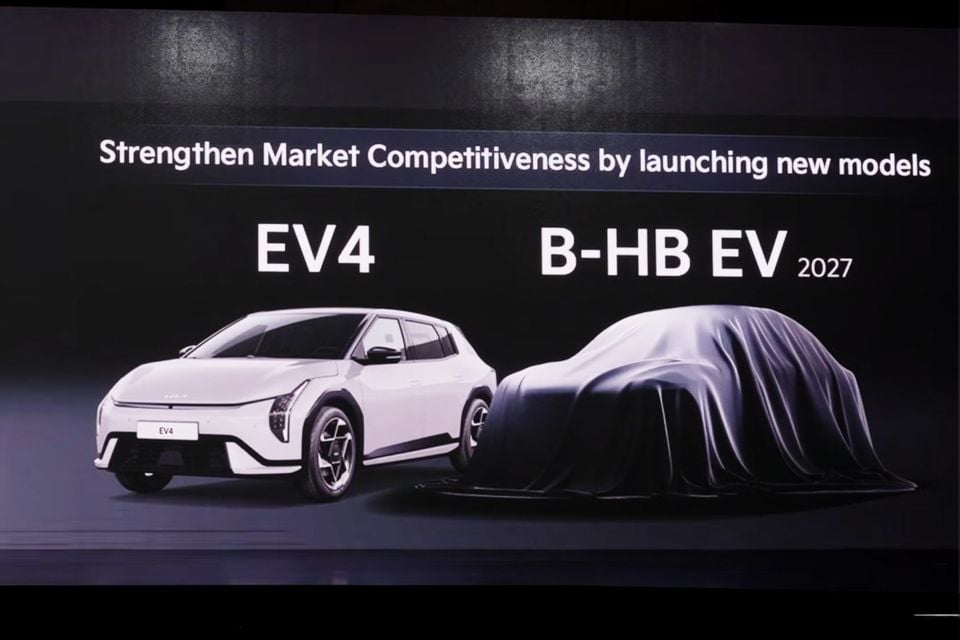
Kia has promised a new light-segment electric hatchback "by the end of 2027", confirming a battery-powered successor to the popular Rio could be on the way.
In a UK media release commemorating 40 years since the Korean brand's first electric vehicle (EV) – the 1986 Besta EV van – Kia mentions it's developing its first software-defined vehicle and an "all-new B-segment EV hatchback" for release by the end of next year.
It's understood this new model will have a strong focus on markets like Europe, where the popularity of affordable electric city cars continues to boom. In theory, Kia's new EV hatch will sit alongside the pint-size EV2 electric SUV in the same way the now-defunct Rio hatch was the passenger car companion to the existing Stonic crossover.
A European market launch is expected to follow in 2028 after a late-2027 debut, though it's unclear where else this new model may be released – though the "mass-produced" tag indicates South Korea and potentially Australia could be in the running if it is produced in Kia's homeland, rather than Slovakia like the EV2.
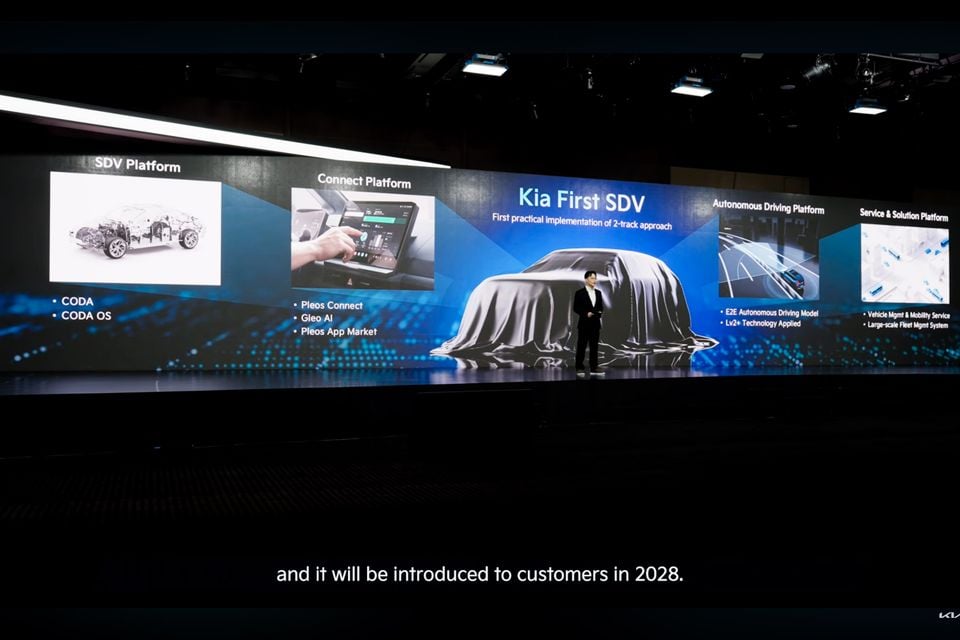
Earlier this year at the brand's 2026 CEO Investor Day, head of Kia's AVP division and CEO of 42dot, Min Woo Park, confirmed the Korean brand's plans to complete development of its first software-defined vehicle (SDV) platform by the end of 2027.
Kia's first SDV will mark a significant advance in the brand's autonomous driving technology, with increased data acquisition via what Mr Park described as the '[Hyundai Motor] Group's data flywheel', as well as enhanced machine learning efficiencies for quicker deployment of updates and performance improvements.
The platform will leverage what Kia has described as the '2-track approach', combining its latest generation connected and autonomous driving technology platforms – which will serve as the basis of this new SDV.
Headline features include the new CODA OS vehicle platform, Pleos Connect powered by Gleo AI, the end-to-end (E2E) autonomous driving model with Level 2+ driver-assistance capability, in addition to large-scale fleet management systems.
The vehicle's enhanced autonomous driving technologies are being developed as part of parent Hyundai Motor Group's strategic partnership with NVIDIA.
According to Hyundai Motor Group, the new software-defined platform will offer a "more intuitive and safer AI-based driving and vehicle control experience".
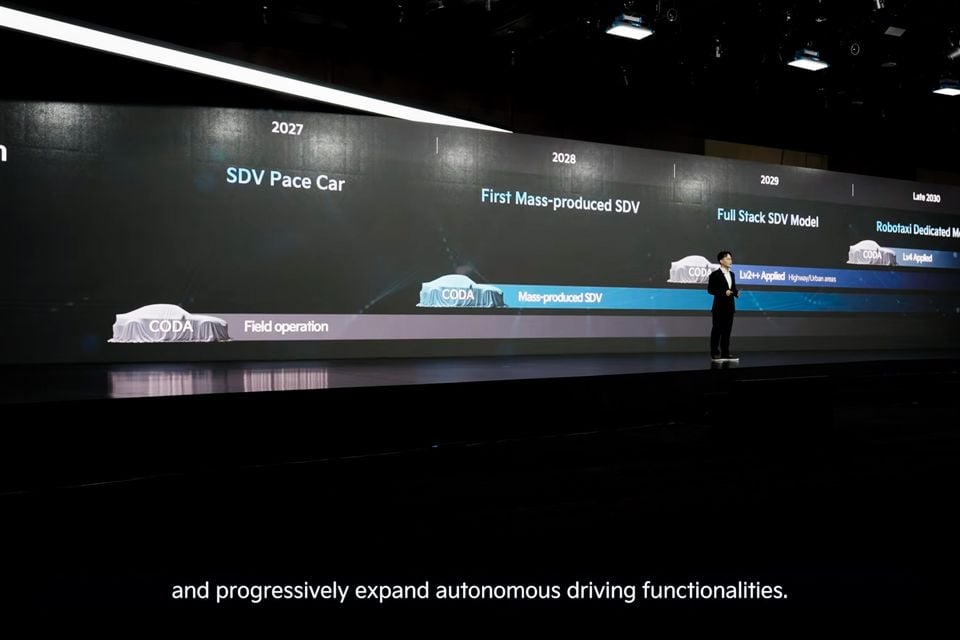
Ahead of the new compact SDV's market introduction in 2028, Hyundai Motor Group will deploy an 'SDV Pace Car' which will serve as a test bed for the platform's various technologies. It's scheduled to hit the roads of Gwangju, South Korea, during 2027 as part of a government-led autonomous driving pilot program.
Kia has committed to launching its first 'Full Stack SDV' in 2029, complete with Level 2++ autonomous driving capability "suitable for urban driving environments", with a dedicated Robotaxi model due for a late-2030 introduction with Level 4 autonomy.
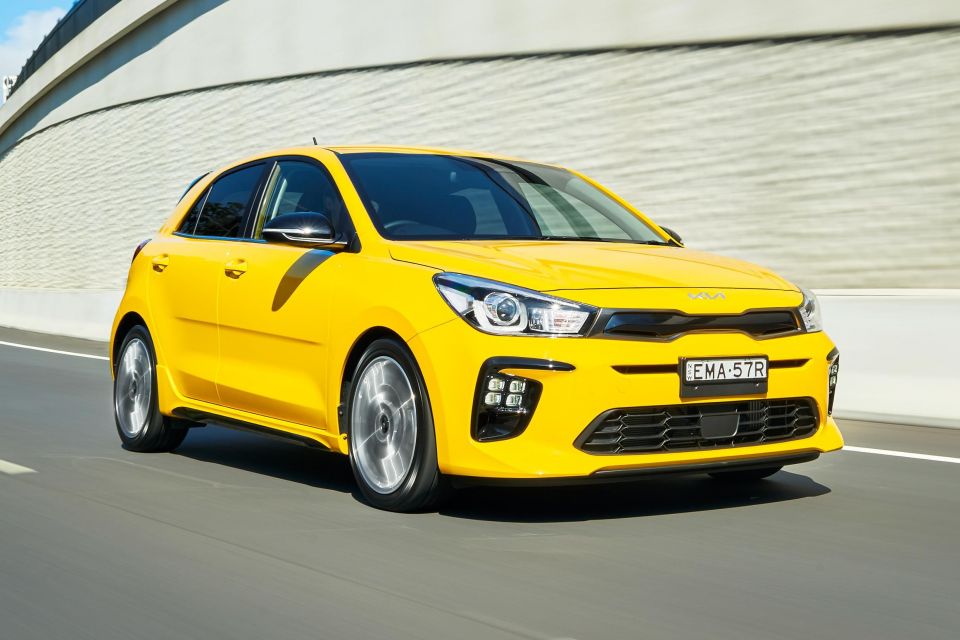
Kia's previous B-segment (or light passenger car) entry, the Rio, was discontinued in 2023 for markets including Australia, Europe and the UK following a two-decade run.
The Rio was technically succeeded by the K3 sedan revealed later in 2023, but it's only produced in left-hand drive for markets like Mexico (where it's made), Latin America and the Middle East.
Some 162,000 units were sold in Australia alone since the nameplate debuted in mid-2000.
MORE: Hyundai to launch 100 models by 2030 amid company-wide AI transition
MORE: Explore the Kia Rio showroom
James Wong is an automotive journalist and former PR consultant, recognised among Australia’s most prolific motoring writers.
Ben Zachariah
2 Hours Ago

William Stopford
3 Hours Ago

Derek Fung
5 Hours Ago

Ben Zachariah
6 Hours Ago

Max Davies
17 Hours Ago
William Stopford
21 Hours Ago
Add CarExpert as a Preferred Source on Google so your search results prioritise writing by actual experts, not AI.