
Ben Zachariah
Case closed: Toyota’s landmark $750 million class action settlement approved
It’s the largest class-action settlement in Australian legal history, with Toyota owners set to receive $750 million from the Japanese car giant.
3 Hours Ago

Senior Editor – News
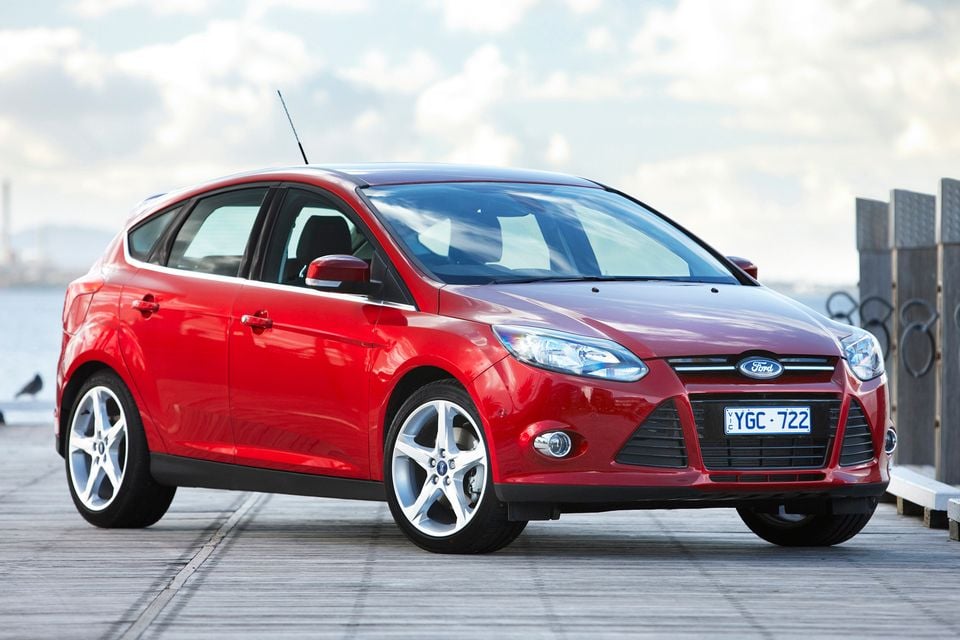
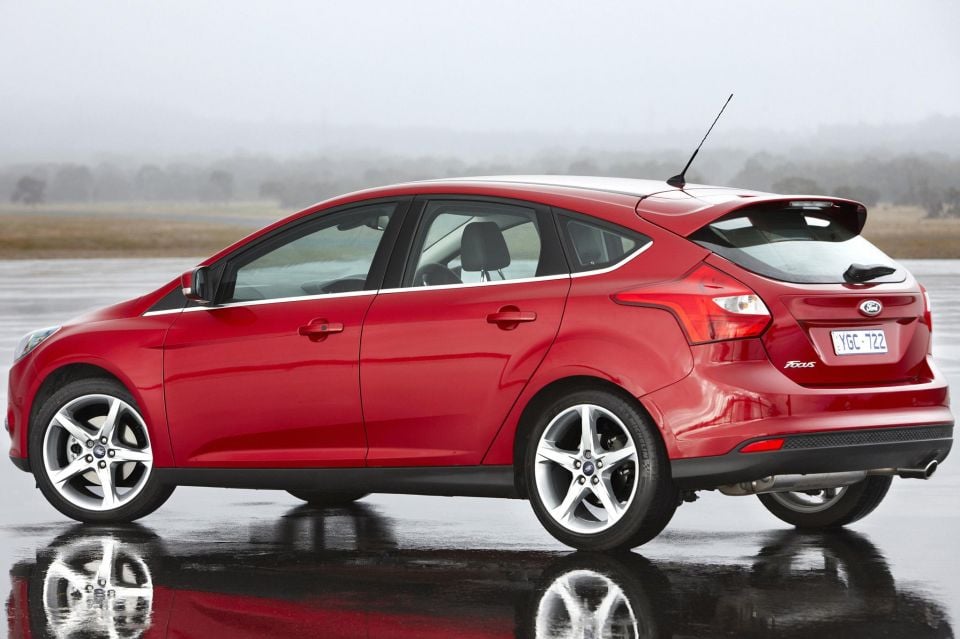
A class action started against Ford back in 2016 is now drawing to an end, with the automotive giant agreeing today to pay a $390.5 million settlement concerning Focus, Fiesta and EcoSport models fitted with defective PowerShift transmissions.
Lawyerly reports the law firm that led the class action, Corrs Chambers Westgarth, and litigation funder Martin Place Litigation Services have also sought approval for a $27 million reimbursement for costs, plus a litigation funding commission.
A total of 73,451 of these vehicles were delivered in Australia with the PowerShift six-speed dry dual-clutch automatic transmission between 2010 and 2017.
Shortly after the vehicles entered production it was discovered they suffered from issues ranging from hesitation or shuddering upon shifting gears to clutch odour, inadequate vibration damping and heat management, grinding noises, unexpected deceleration and sometimes a complete loss of drive.
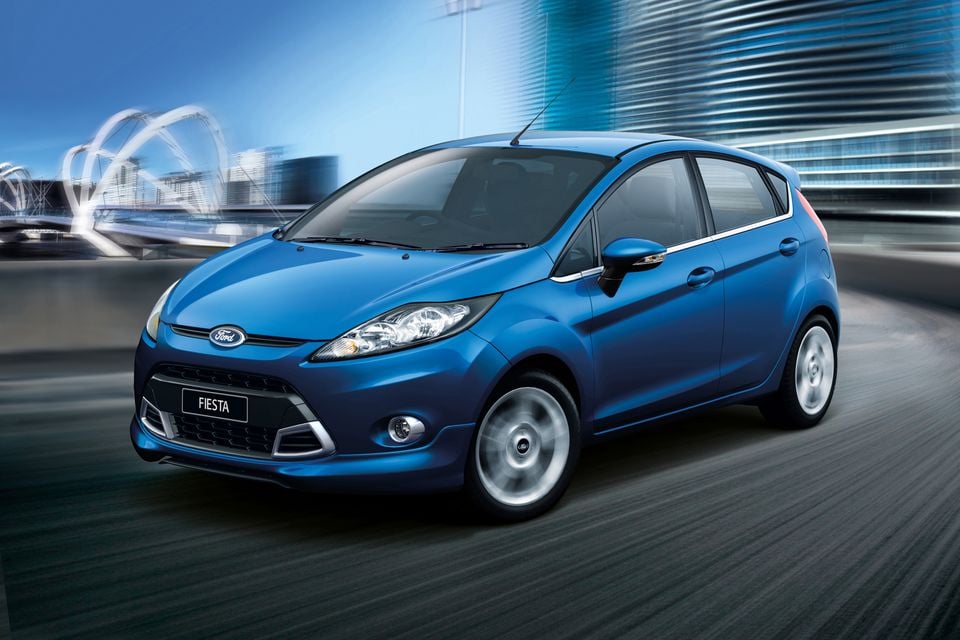
“Ford Australia has reached an agreement to settle the class action commenced in 2016 concerning certain Fiesta, Focus and EcoSport vehicles fitted with a DPS6 PowerShift transmission,” the company said in a statement.
“The settlement is subject to approval by the Federal Court.
“Customer trust is important to Ford Australia and we take our responsibilities seriously. When concerns arise with a vehicle, we are committed to working to address them and to providing the quality, safety and support our customers expect.
“Customers with concerns about their vehicle should contact Ford’s Customer Relationship Centre on 13 36 73. Information about the class action is available at the Federal Court website.”
Should the settlement be approved by the Federal Court, it’ll bring to an end legal action that has been ongoing for over a decade.
Despite Ford Australia extending the warranty period of approximately 47,000 examples of the affected vehicles in 2014, the automaker drew the ire of the Australian Competition and Consumer Commission (ACCC), which took Ford to the Federal Court.
The automaker was in turn ordered to pay a $10 million fine for failing to correctly handle PowerShift-related complaints between May 2015 and February 2016.
The owner of a 2012 Ford Focus, Biljana Capic, filed a class action against Ford Australia in the Federal Court back in May 2016.
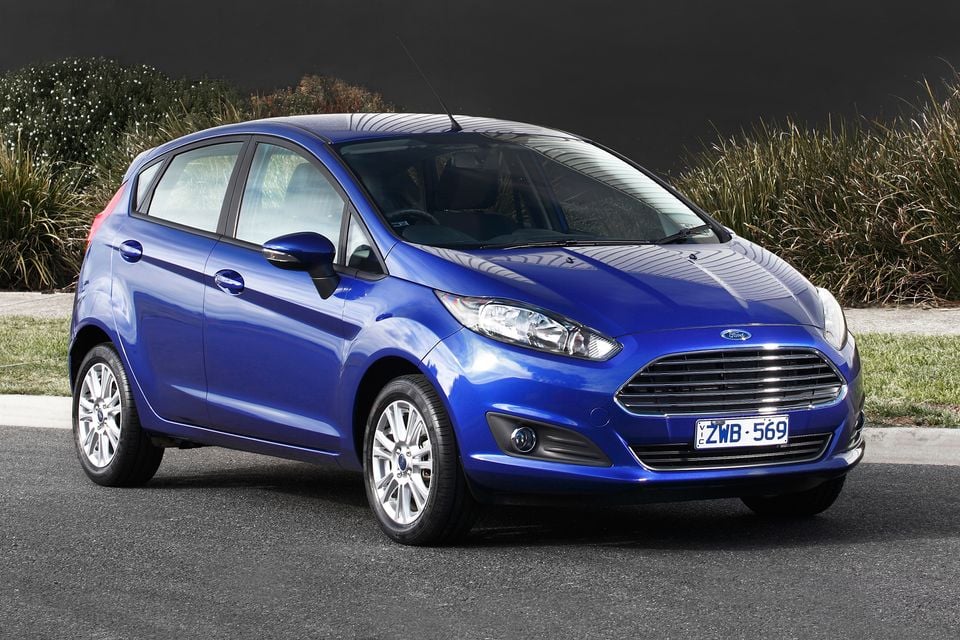
The lawsuit alleged Ford had failed “to comply with the statutory guarantee as set out by Australian Consumer Law” by providing a vehicle with component and design deficiencies.
The Federal Court agreed with this assessment in June 2021, ordering Ford to pay Ms Capic a total of $17,248.19 in damages.
In 2022, Ford appealed the judgments for Ms Capic and other class action group members to be awarded damages. The judgment was subsequently upheld in November 2023 when the Full Court (a panel of three or more Federal Court judges) found the affected cars were not of acceptable quality.
The Full Court found just over 64 per cent of the relevant vehicles suffered from leaking input shaft seals, 87.9 per cent had a risk of solder cracking in separate integrated circuits within the transmission control module, and 93.7 per cent had inadequate materials used for the clutch lining.
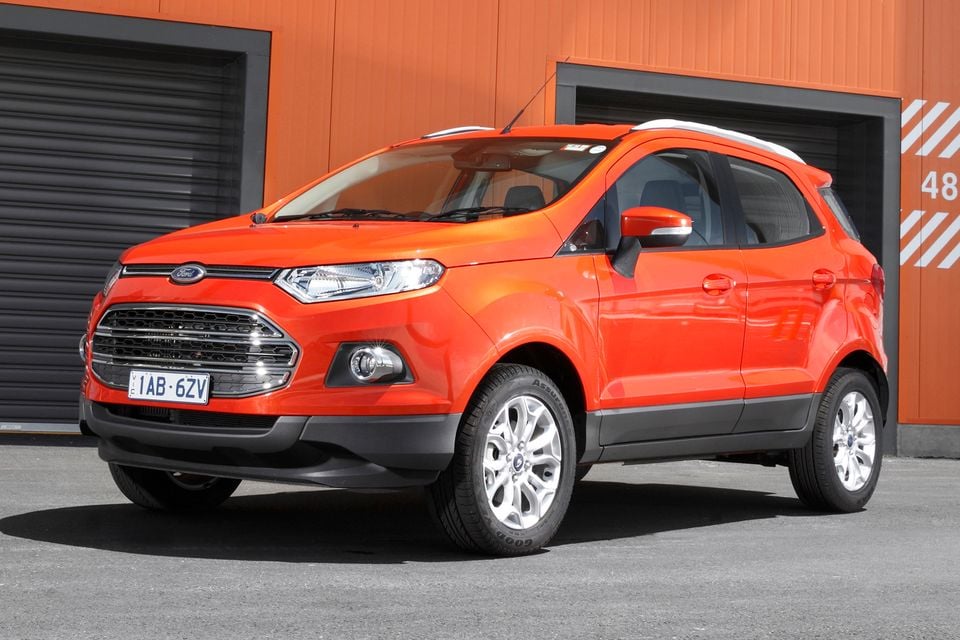
Overall, the Court found there were five key defects across the relevant vehicles, and Ms Capic’s vehicle suffered from all five.
Though the Full Court said the affected cars had a “superadded propensity to experience troubling vehicle behaviours”, it also found certain factors were not considered when determining the damages Ford would have to pay to Ms Capic and ordered a reassessment of damages.
In 2024, the High Court heard an appeal concerning the calculation of compensation, and the matter was returned to the Federal Court which expanded the class action to include customers who acquired affected vehicles as recently as December 20, 2024.
The court battle continued until this week, with Ford agreeing to a settlement amount.
Research cars in our Showroom, compare your options or let our New Car Specialists do the running around to find you a great deal.
William Stopford is an automotive journalist with a passion for mainstream cars, automotive history and overseas auto markets.
Ben Zachariah
3 Hours Ago
William Stopford
7 Hours Ago


Paul Maric
8 Hours Ago

James Wong
10 Hours Ago

Dave Kavermann
10 Hours Ago
Dave Kavermann
12 Hours Ago
Add CarExpert as a Preferred Source on Google so your search results prioritise writing by actual experts, not AI.