
James Wong
2027 Skoda Kodiaq, Octavia updates detailed for Australia
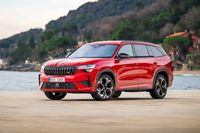
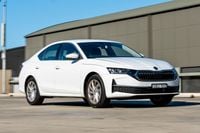
The Skoda Kodiaq and Octavia are receiving minor MY27 running updates, including enhanced driver assist tech and MagSafe phone chargers inside.
6 Days Ago

Journalist
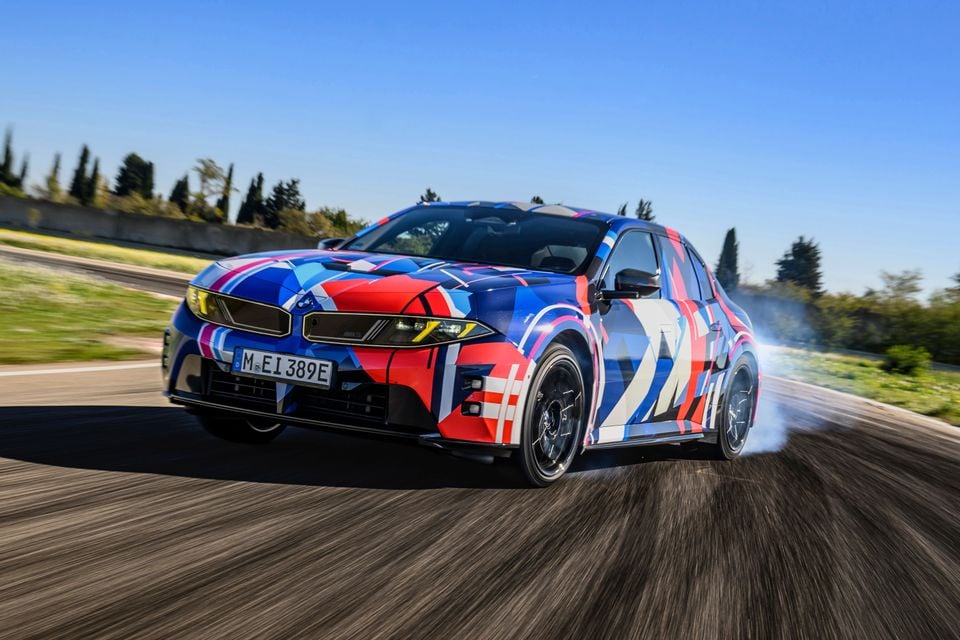
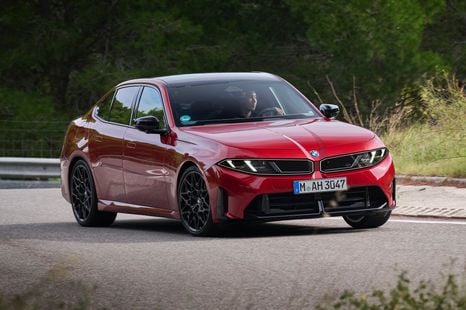
BMW has revealed the first technical details of its first M3 electric vehicle (EV), with the German automaker claiming its upcoming electric sports sedan will be the fastest and most powerful version of the iconic model to date.
While the electric M3 will draw heavily on technology introduced with the Neue Klasse iX3 mid-size electric SUV and the upcoming i3 electric sedan, it will feature a bespoke M eDrive drivetrain developed specifically by BMW M.
BMW says the production M3 EV is targeting estimated outputs of 625kW of power and no less than 1200Nm of torque, a significant increase over the 390kW and 650Nm figured produces by the existing M3 Competition.
What's perhaps more surprising is how BMW plans to deploy all that power and torque. Rather than relying on the conventional dual-motor all-wheel drive setup used by many high-performance EVs, BMW has developed a four-motor arrangement, with one motor driving each wheel independently.
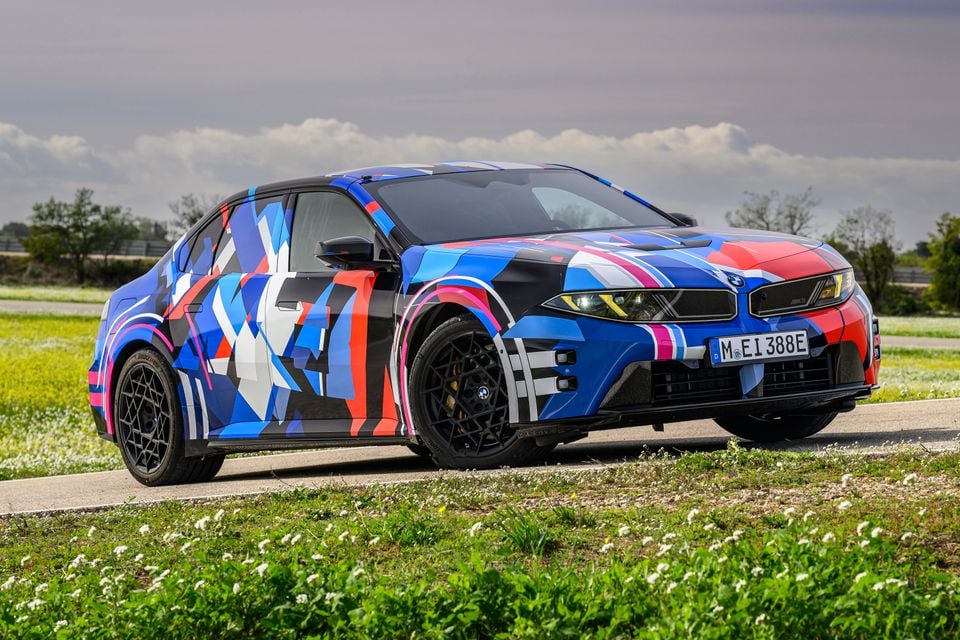
The system, called M eDrive, is an evolution of BMW's M xDrive all-wheel drive system, designed to improve traction, handling and overall driving dynamics.
At its core is M Dynamic Performance Control, which is integrated into BMW's 'Heart of Joy' central control unit.
The system independently controls each electric motor, allowing it to adjust power delivery to individual wheels for improved control and performance, while the Heart of Joy unit coordinates the drivetrain settings and vehicle dynamics.
BMW says the setup is rear-biased, preserving the traditional rear-wheel drive characteristics associated with the M3, including its drifting capabilities.
The front axle can also be decoupled when it isn't required, a move BMW says will help improve efficiency and driving range.
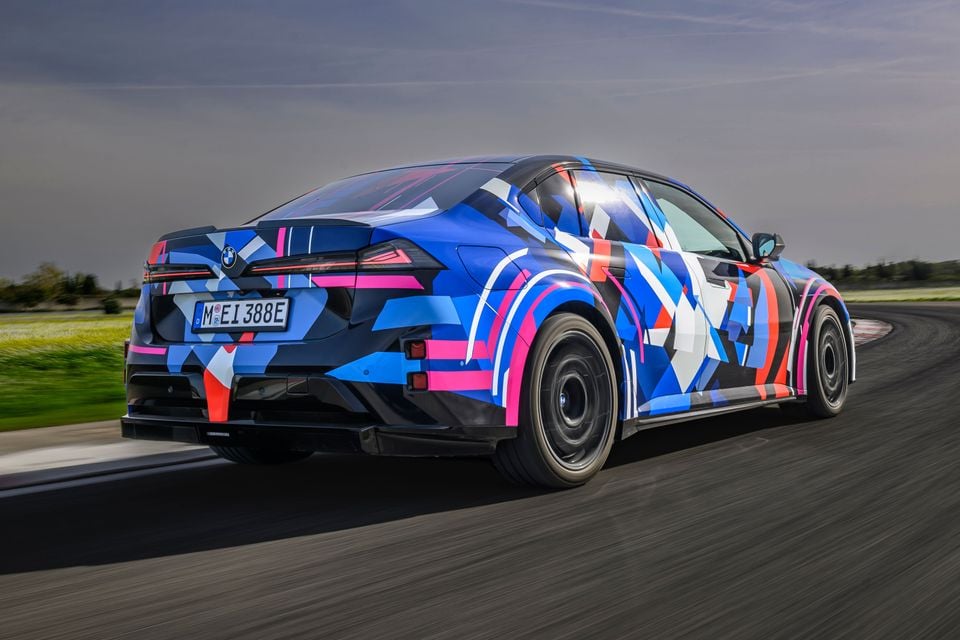
Powering the electric M3 will be a sixth-generation BMW high-voltage battery with a capacity of more than 100kWh.
Operating on an 800-volt electrical architecture, the battery will support charging at more than 400kW, with BMW targeting an additional 350km of driving range from just 10 minutes of fast-charging.
The automaker is targeting a total driving range of approximately 650km, although all battery, charging and range figures remain provisional.
The electric M3 will offer four driving configurations to change the car's character depending on the situation: Auto, Paddle, Off and Preset Track.
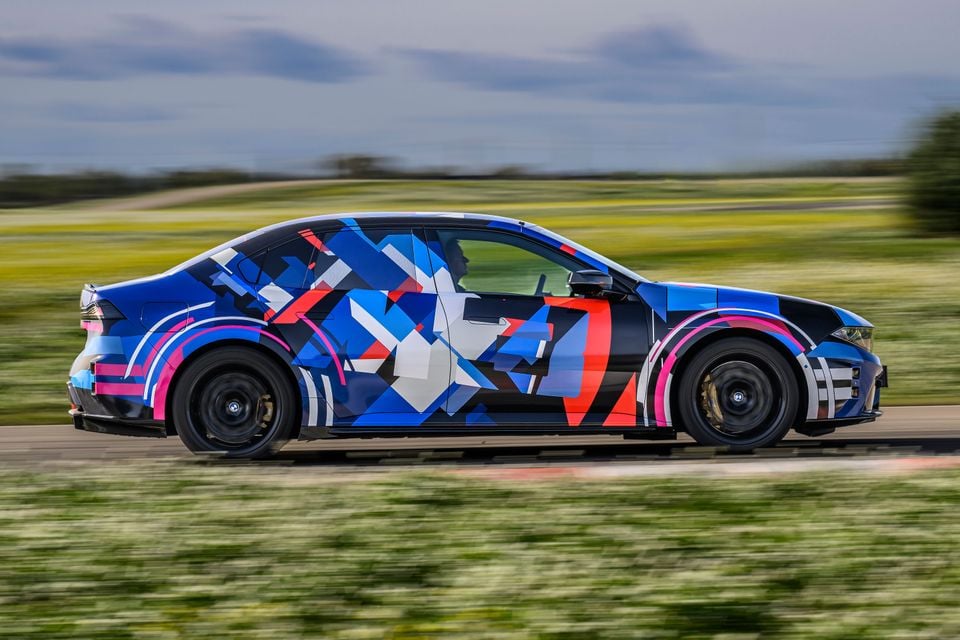
Auto mode automatically adjusts between six driving stages depending on the driver's preferences and road conditions, while Paddle mode allows drivers to manually select 'stages' using steering wheel paddles.
The system is designed to simulate the experience of changing gears in a conventional performance car, incorporating shift lights and a limiter.
Off mode provides conventional single-stage EV driving characteristics, while Preset Track is designed to maintain consistent performance under sustained high loads.
The car will also feature BMW's M eSound system, which changes the artificial soundtrack, accelerator pedal response, shift strategy and regenerative braking characteristics according to the selected drive mode.
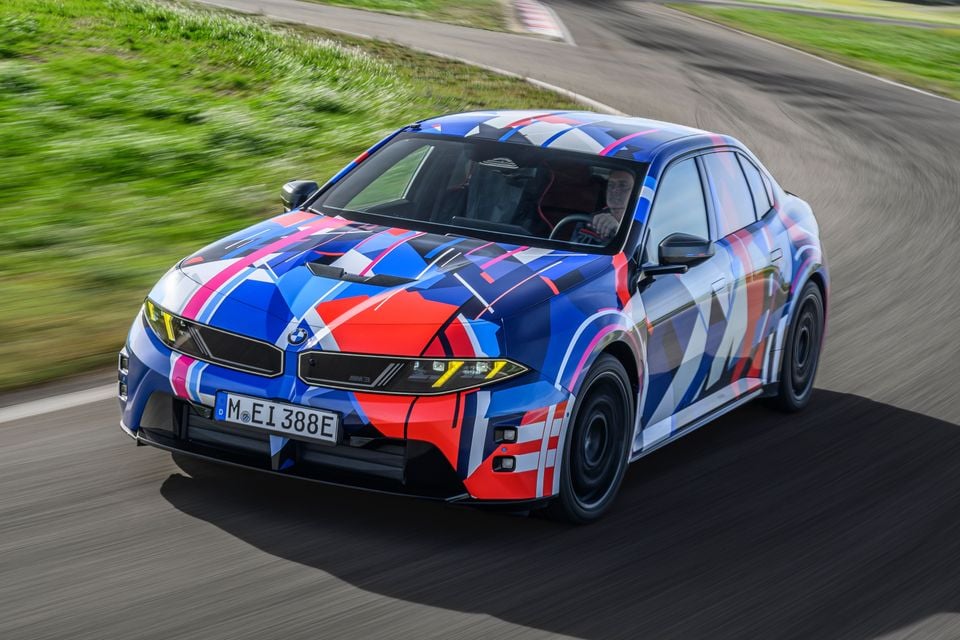
BMW says the electric M3 will also feature an advanced regenerative braking system, with braking torque continuously distributed between the electric motors and conventional hydraulic brakes.
This is designed to maximise energy recovery without compromising the car's driving dynamics.
Another significant development concerns the materials used in the electric M3.
BMW plans to introduce natural-fibre composites in a range of exterior and interior components, replacing some of the carbon-fibre reinforced plastic (CFRP) traditionally used in its performance cars.
The technology has already been developed through motorsport, with BMW replacing almost all CFRP components in its M4 GT4 race car with natural-fibre alternatives.
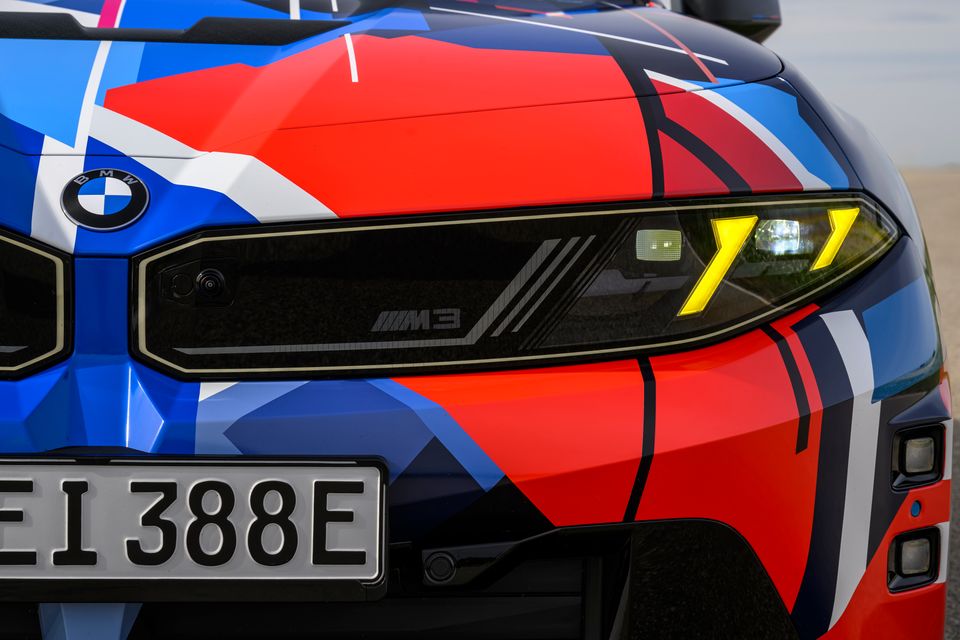
BMW says the materials can deliver comparable performance characteristics while reducing manufacturing-related CO2e emissions by around 40 per cent.
Importantly, the electric M3 won't spell the end of its combustion-powered counterpart.
BMW is continuing to develop a petrol-powered M3 alongside the battery-electric model, giving buyers two distinct options as the M performance division transitions towards electrification. Earlier this year, BMW M sales boss Sylvia Neubauer said petrol and electric versions of the new M3 would priced “in the same ballpark”.
The electric BMW M3 is expected to make its world premiere in January 2027, ahead of its arrival in Australia later next year. BMW has yet to confirm a reveal date for the next-generation petrol-powered M3.
Research cars in our Showroom, compare your options or let our New Car Specialists do the running around to find you a great deal.
Dave is a Kiwi motoring journalist with experience in motorcycle racing, new car sales, radio and communications.
James Wong
6 Days Ago

Max Davies
9 Days Ago

William Stopford
13 Days Ago

Tace Clifford
17 Days Ago

Matt Robinson
25 Days Ago

Max Davies
1 Month Ago
Add CarExpert as a Preferred Source on Google so your search results prioritise writing by actual experts, not AI.