William Stopford
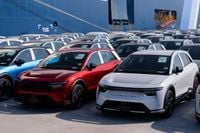
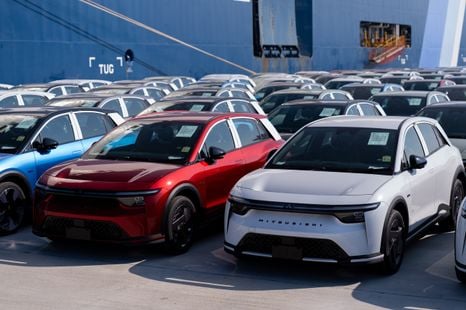
Mitsubishi’s long-awaited second EV in Australia touches down
Mitsubishi has been without an EV in Australia for over a decade, but it's now welcoming a new SUV developed with Taiwan's Foxtron.
27 Minutes Ago
With a supermoon set to light up the sky tonight, new research suggests full moons have more influence over how Aussies drive than many may expect.

Founder
Founder
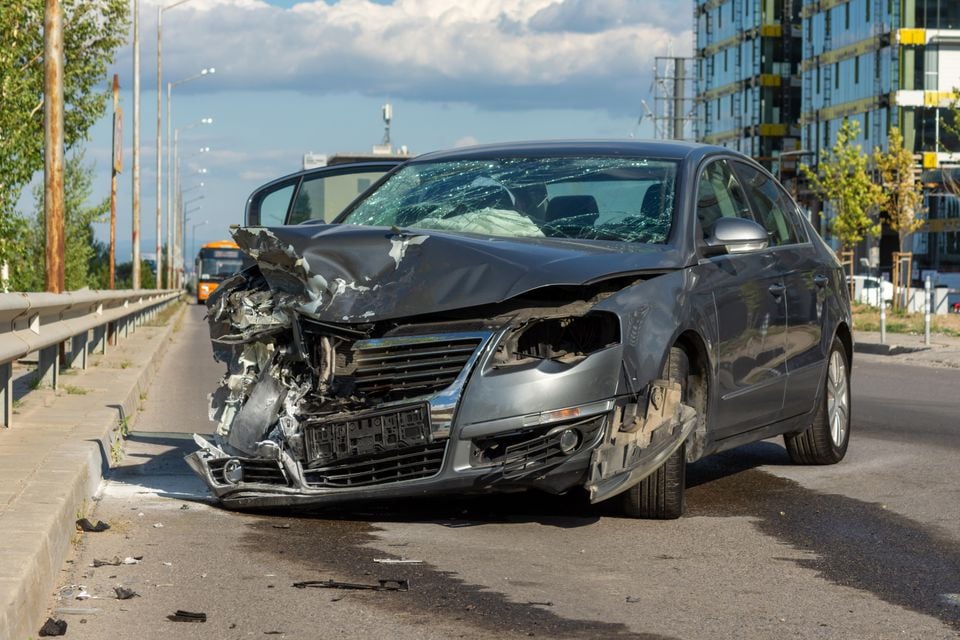
Half of Australian drivers say they've been distracted by a full moon while driving, according to new research from insurer Youi.
The survey of 1520 Australian drivers found 50 per cent had looked at or been distracted by a full moon behind the wheel, while 28 per cent said they'd changed the way they drive when they knew there was a full moon.
Despite that, only 22 per cent believe roads are actually more dangerous during a full moon.
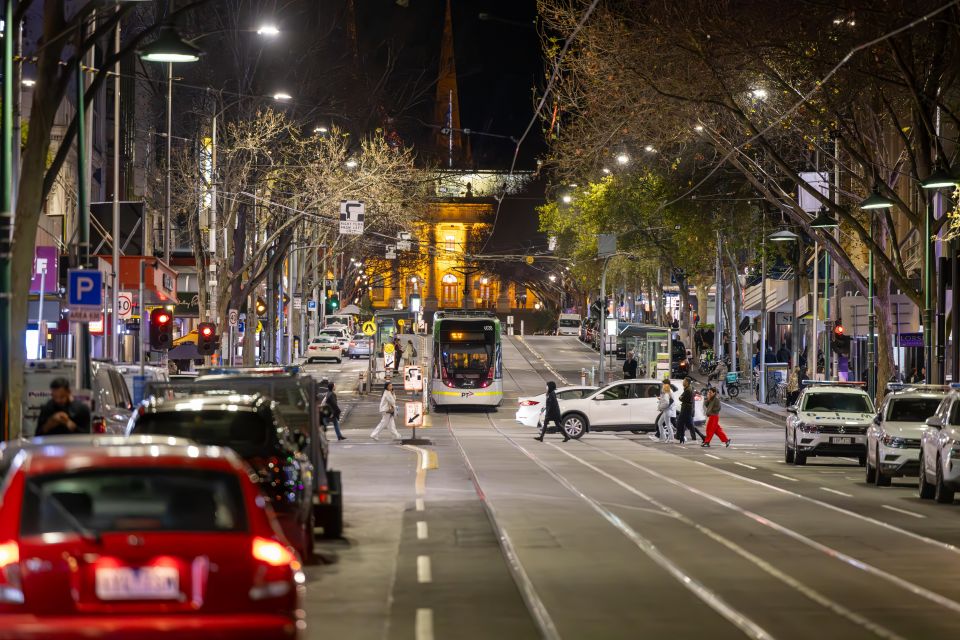
The timing is no accident. This month's full moon – the Beaver Moon – peaks in the early hours of tomorrow (Wednesday, November 25) and will be a supermoon, meaning it'll appear bigger and brighter than usual.
There's no scientific evidence that a full moon directly changes human behaviour. But there is some data linking it to road incidents.
A 2017 study published in The BMJ by researchers from the University of Toronto and Princeton University analysed 40 years of US data. It found fatal motorcycle crashes were five per cent more common on full moon nights. On supermoon nights, that increase jumped to 32 per cent. The researchers repeated the analysis using data from Australia, the UK, and Canada.
Youi also says its own claims data from January 2021 to October 2026 shows increases in certain incident types during full moon periods. The insurer has turned that data into a Lunar Incident Index, an online tool that tracks claim types across lunar phases and regions.
Even when respondents were shown the evidence, 56 per cent said they still didn't believe there was a link between full moons and road safety.
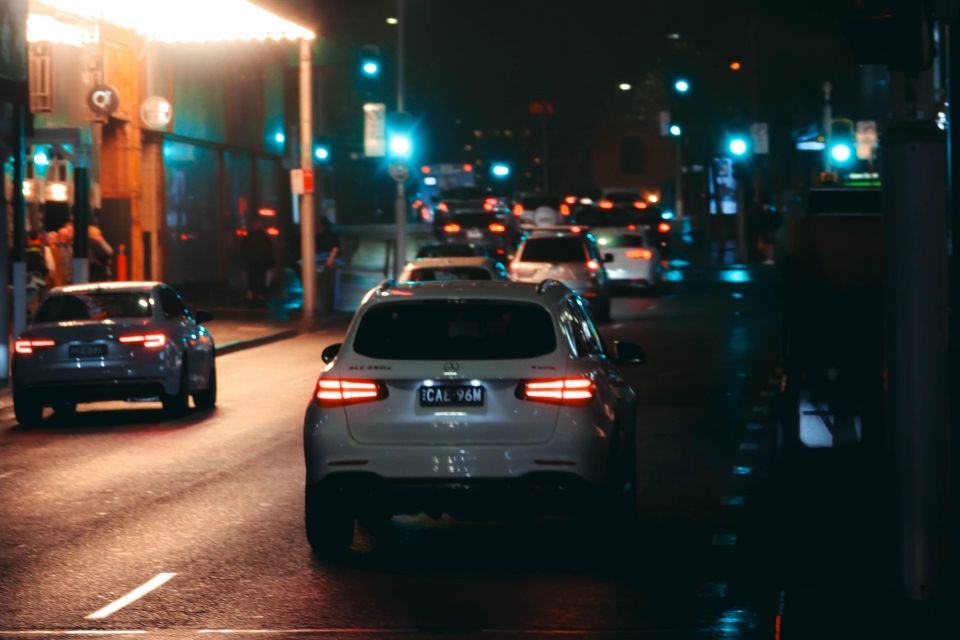
Youi executive general manager of claims Chris Jarrett said the biggest takeaway was how many drivers admitted to being distracted.
"Regardless of whether people believe in a full moon effect, it's a reminder that anything drawing our attention away from the road can increase risk, particularly when driving at night," Mr Jarrett said.
"Reduced visibility, fatigue, and wildlife remain very real hazards after dark, so the best approach is always to stay alert, minimise distractions, and drive to the conditions."
That's a fair point. Whether or not the moon is to blame, poor visibility (47 per cent), drunk drivers (33 per cent), weather (32 per cent), and hitting an animal (28 per cent) were the biggest concerns for respondents driving at night.
So if you're heading out tonight, by all means enjoy the view – just pull over to do it.
The survey was conducted by Ideally for Youi over October 28-2026, and polled 1520 Australian drivers aged 18 and over.
Paul Maric is a CarExpert co-founder and YouTube host, combining engineering expertise with two decades in automotive journalism.
William Stopford
27 Minutes Ago

James Wong
3 Hours Ago

Dave Kavermann
3 Hours Ago
Dave Kavermann
5 Hours Ago

Derek Fung
6 Hours Ago
Max Davies
6 Hours Ago
Add CarExpert as a Preferred Source on Google so your search results prioritise writing by actual experts, not AI.