




Derek Fung
Leapmotor B03: Bargain EV approved for sale in Australia
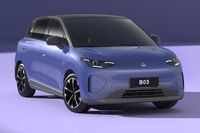
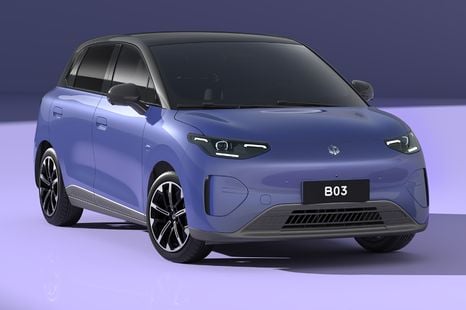
Those looking to get into an EV for the least money possible could soon have another option with the Leapmotor B03 receiving local certification.
12 Hours Ago

Senior Editor – News
Jeep may be the most globally recognised SUV brand, but in Australia its sales have slid alarmingly.
It has been a combination of factors: soaring prices for staple models like the Wrangler; a lack of models suitable for our market; and a reputation haunted by the ghosts of the brand’s over-expansion in the early 2010s and the poor customer service it offered following well-publicised issues with the previous-generation WK Grand Cherokee.
After reaching a height of 30,408 sales in 2014, Jeep sales have declined every year apart from a modest bump in 2020 and a larger rise in 2021.
Subsequent to this, sales have resumed their downward slide, slumping to 1682 units in 2025 – the brand’s worst year in Australia, at least as far back as VFACTS records go to 1997.
CarExpert can save you thousands on a new car. Click here to get a great deal.
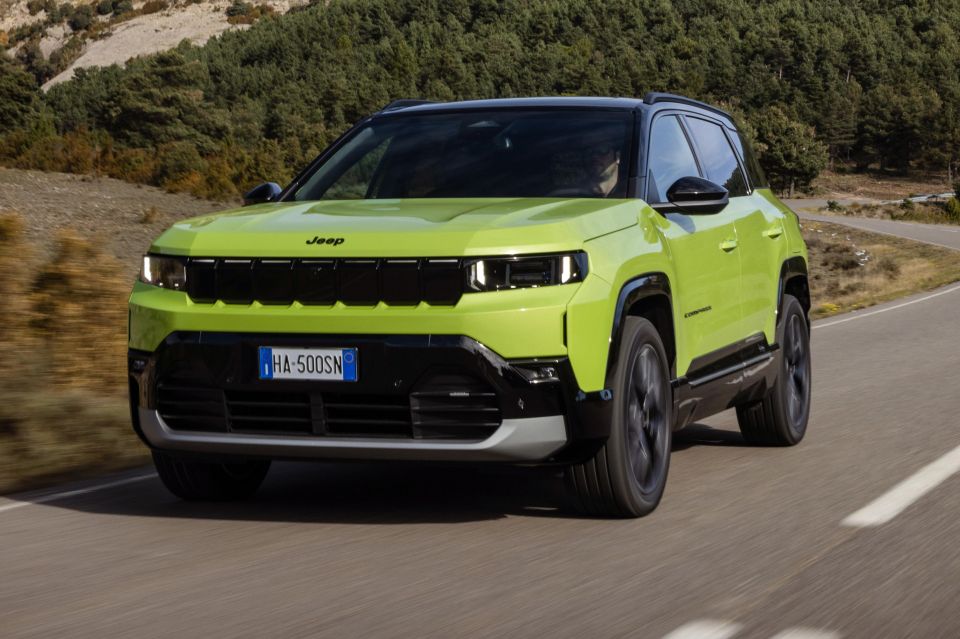
Jeep’s dealer network has continued to shrink. In 2021 it had 65 nationwide; by early 2025 it had shrunk to 44. The only confirmed new model launch for Jeep this year is the third-generation Compass, but the brand has yet to confirm more specific launch timing.
All of this has fuelled speculation Jeep could be withdrawn from the Australian market.
It’s hard to ignore the dire straits the brand appears to be in Down Under, however, let’s not forget that three other Stellantis-owned brands distributed by the automaker – Abarth, Alfa Romeo and Fiat – have long been low-volume players.
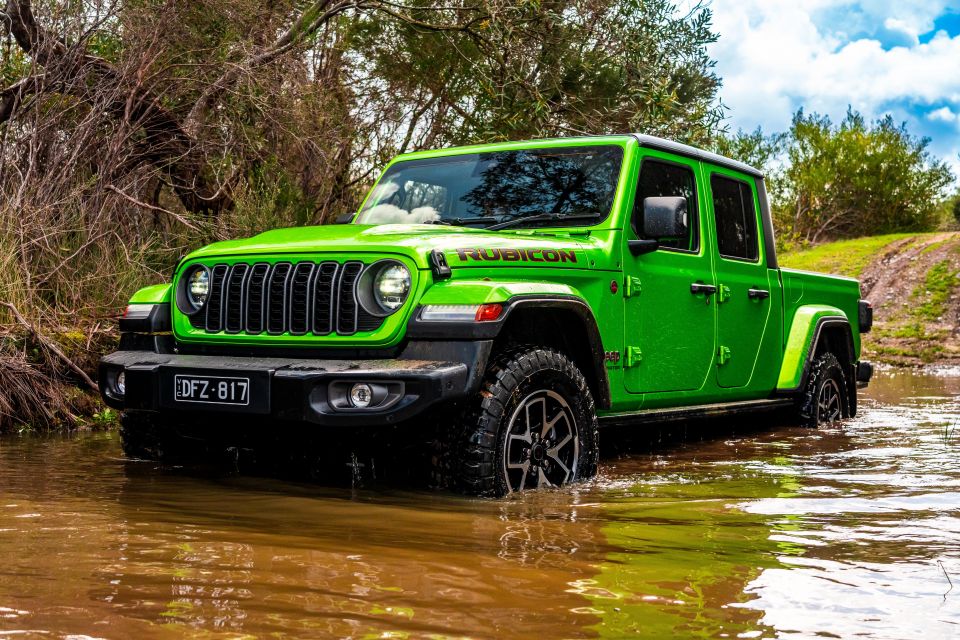
Is Jeep simply being shrunk down from a full-line, widely available brand to more of a boutique player?
After all, it would be embarrassing for Stellantis to concede in SUV-loving Australia that it can’t sell one of the world’s best-known SUV brands.
Jeep may have baggage, but there are products in its global portfolio that could give it a sales boost. And no, we aren’t talking about the brand’s electric vehicles (EVs).
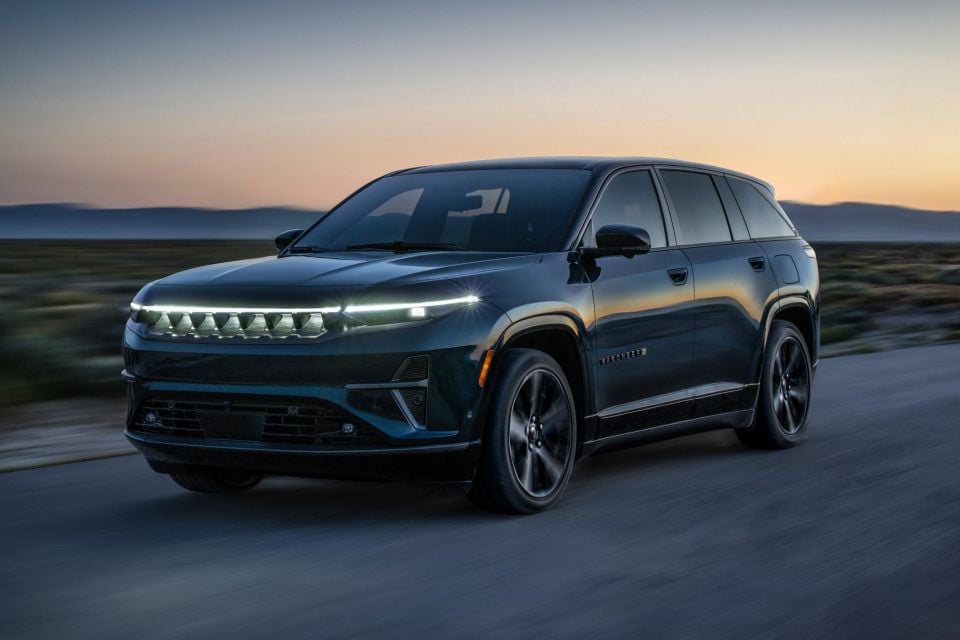
The electric Wagoneer S, which starts at US$65,200 and therefore could be a circa-$100,000 proposition in Australia, doesn’t seem like the answer even if it does have handsome styling and strong performance.
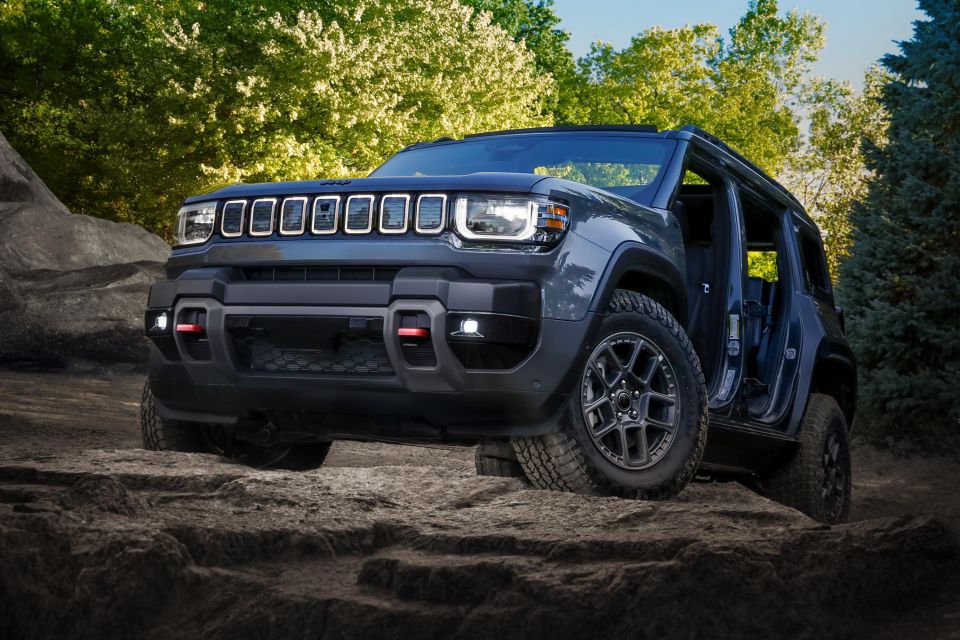
The electric Recon has an almost identical price tag in the US. While its off-road ability and Wrangler-style removable doors would give it a unique selling proposition in Australia, it appears unlikely to add much sales volume.
Here are the five vehicles we think would do better to change Jeep’s fading fortunes.
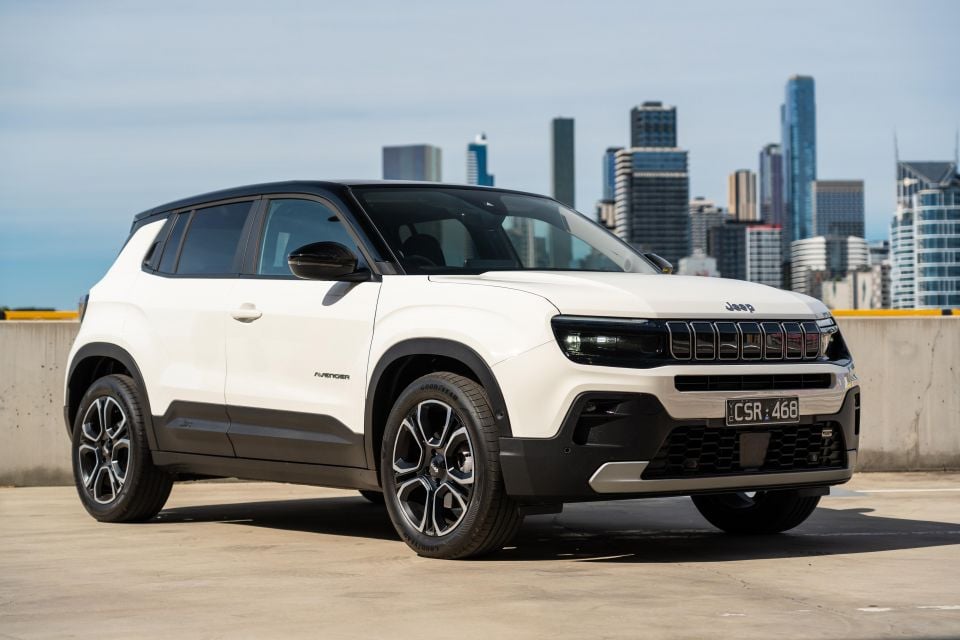
Jeep Australia’s cheapest model is presently the electric Avenger Longitude, which starts at $49,990 before on-road costs, and measures just over four metres long.
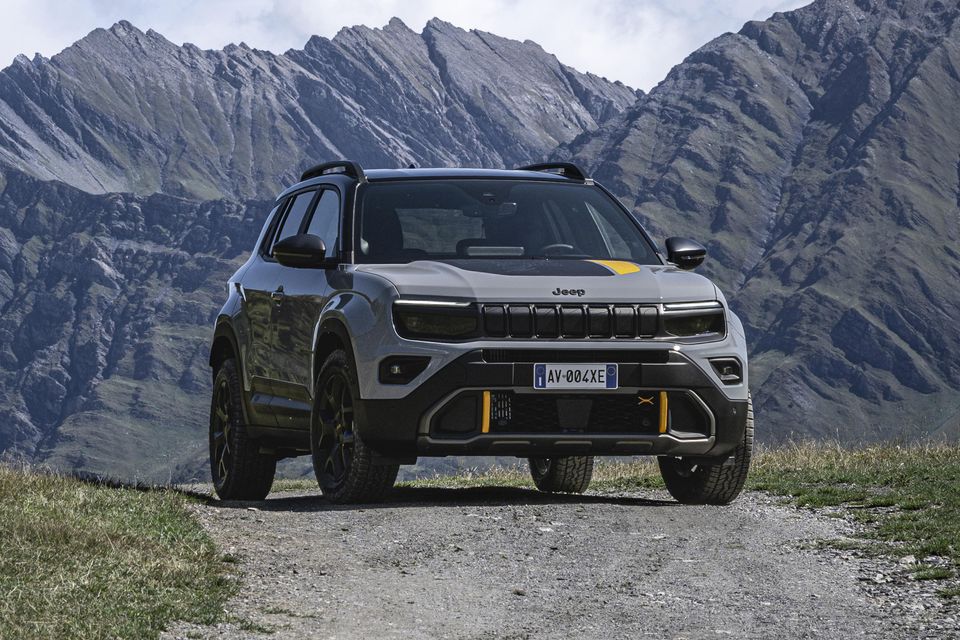
While for several months it has been offered for $40,000 drive-away, it’s still a far cry from when Jeep was offering sub-$40k Compasses as recently as 2022 and sub-$30k Renegades in the mid-2010s.
The Avenger has proved a strong seller in Europe but has been a fizzer in Australia – Jeep delivered just 79 examples in 2024, 97 in 2025, and 13 so far this year.
It’s a small front-wheel drive electric SUV in a market brimming with Chinese rivals that are more affordable and better-equipped. Swap the electric powertrain for a petrol one and change the price to one starting with a ‘3’ and the Avenger could do better.
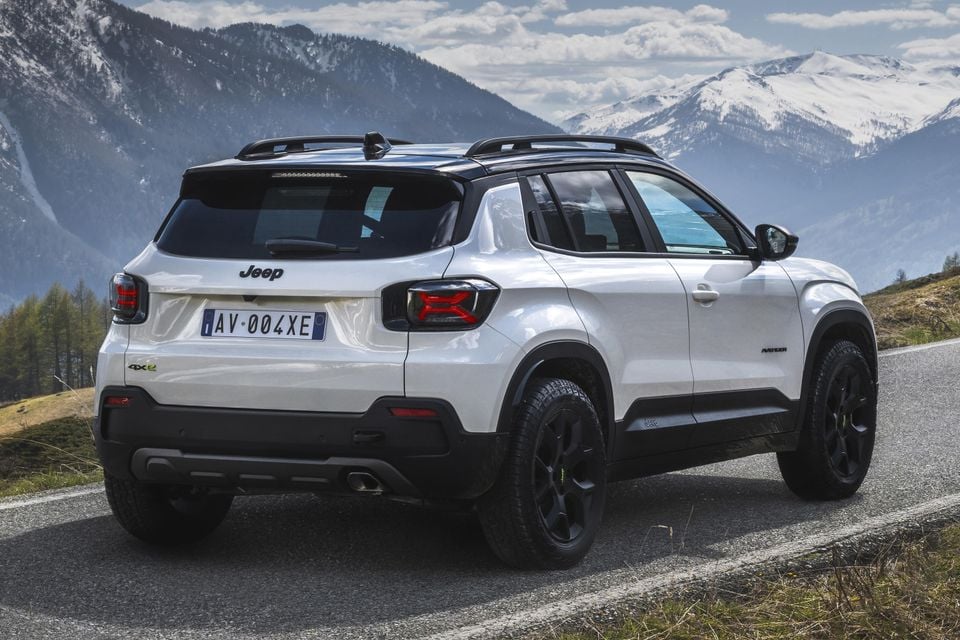
In Europe, the Avenger is offered with just that: a turbocharged 1.2-litre three-pot, mated with either a six-speed manual transmission, or a six-speed e-dual-clutch auto and a 48V mild-hybrid system.
There’s even a 4xe mild-hybrid version, which is the only way to get an Avenger with all-wheel drive. With total a system output of 107kW, it’s not a fire-breather, but then the Avenger is only 4m long and even with the all-wheel drive system it weighs less than the electric version at 1475kg.
The Avenger e-Hybrid would still be sourced out of Poland, and therefore subject to a five per cent import duty that impacts how affordably it could be priced here. But it could give Jeep a more affordable entry-level option, something the brand badly needs, given its claims of being a premium brand simply don’t seem to resonate with Australian buyers.
Crucially, this extended Avenger lineup is available in right-hand drive and Jeep Australia has previously indicated it’s looking at the options.
MORE: Explore the Jeep Avenger showroom
Value-priced vehicles from the likes of GWM and BYD are muscling into Jeep’s established off-road turf, but there’s one thing they don’t have yet (and in the case of BYD, never will): a V8 engine.
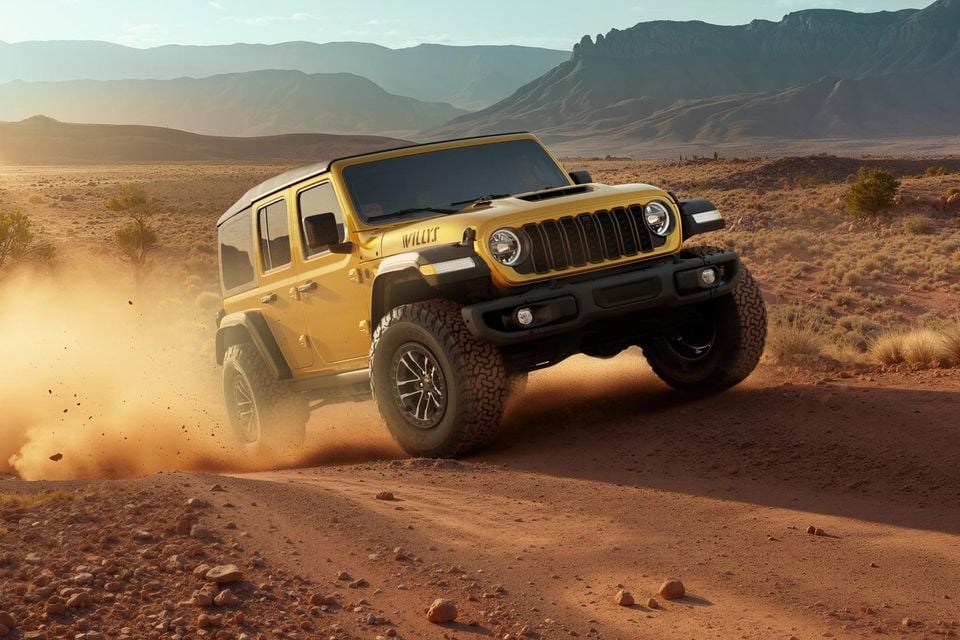
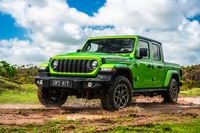
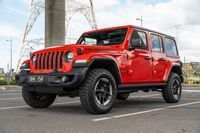
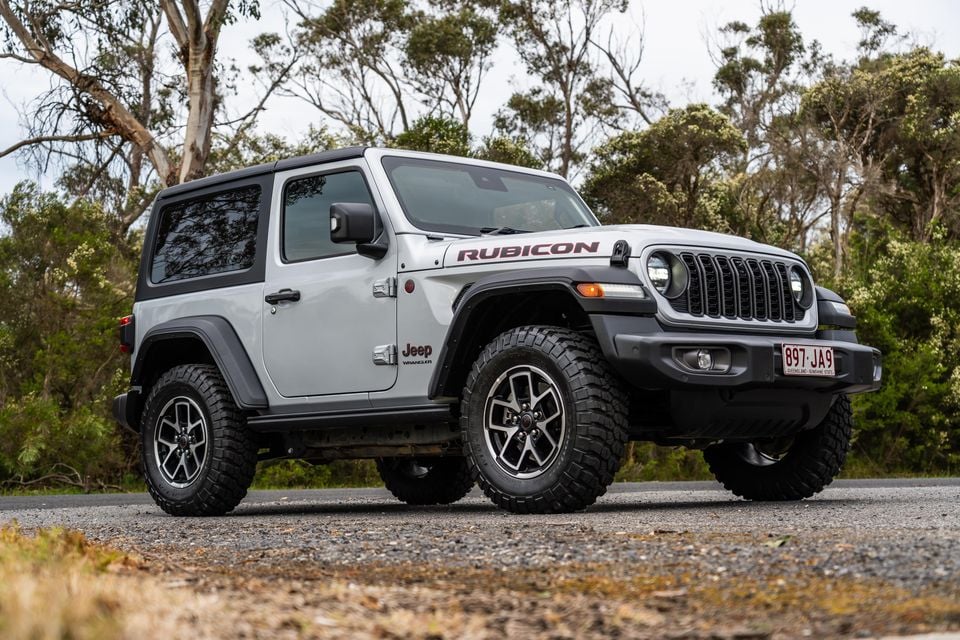
That’s where the currently left-hand drive-only Wrangler has an ace up its sleeve. Powering the Wrangler Moab 392 is a naturally aspirated 6.4-litre petrol V8 pumping out 350kW of power and 637Nm of torque.
It’s mated with an eight-speed automatic transmission and four-wheel drive, and gives the Wrangler a claimed 0-60mph (0-96km/h) time of 4.5 seconds.
Is that far too much power for a Wrangler? Probably. But this would give Jeep a thoroughly unique halo model, and its first V8-powered model in Australia since the last examples of the WK2 Grand Cherokee.
Unfortunately, it’s only available in left-hand drive. That makes it yet another intriguing Wrangler powertrain we’ve missed out on due to the lack of a right-hook version, following the now-defunct 3.0-litre turbo-diesel V6 and 2.0-litre turbo-petrol four-cylinder plug-in hybrid versions.
MORE: Explore the Jeep Wrangler showroom
Astonishingly, Jeep – arguably one of the world’s two best-known SUV brands – doesn’t have an entrant in Australia’s largest SUV segment by volume.
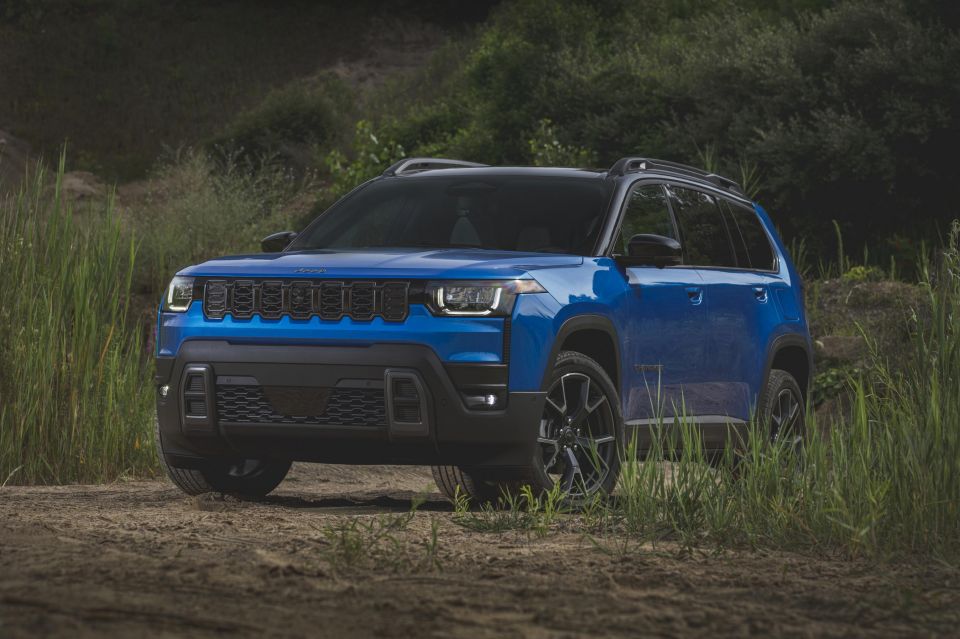
The last (KL) Cherokee had been left to wither on the vine, with Jeep axing it Down Under in 2022 and pulling the plug on production globally in 2023.
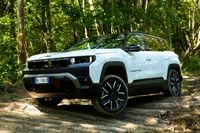
After an uncomfortably long hiatus, Jeep in the US re-entered the mid-size (compact over there) SUV segment for 2026 with the new KM-series Cherokee. Not only does Jeep finally have a mid-size SUV again, but this is the first Cherokee with a hybrid powertrain.
Great news for Australia right? Given our love of mid-size SUVs and hybrid powertrains – particularly when the two are combined – the new Cherokee seemed like a sure thing. Alas, Jeep confirmed it is another LHD-only model.
Riding the same STLA Large platform as the Jeep Wagoneer S and Recon, and the Dodge Charger, the Cherokee features a very different powertrain to any of those: a turbocharged 1.6-litre four-cylinder hybrid with total system outputs of 154kW and 312Nm.
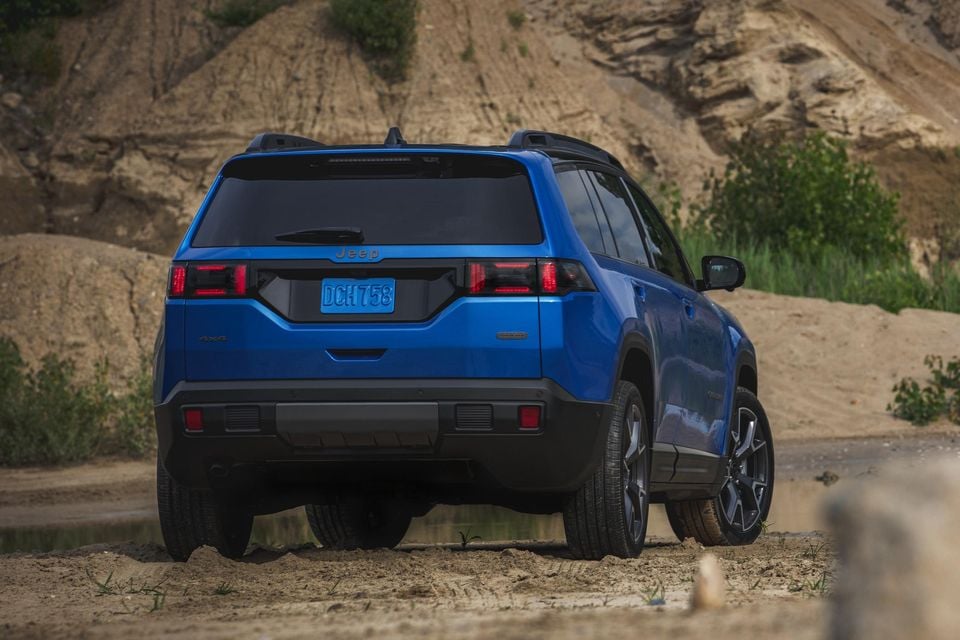
It’s mated with a CVT auto, and Jeep claims combined fuel consumption of 6.4L/100km.
That’s not quite Toyota RAV4 thrifty, and the Cherokee doesn’t offer quite the level of off-road ability of Jeep’s more rugged SUVs – though Jeep could potentially have a more capable Trailhawk variant in the works.
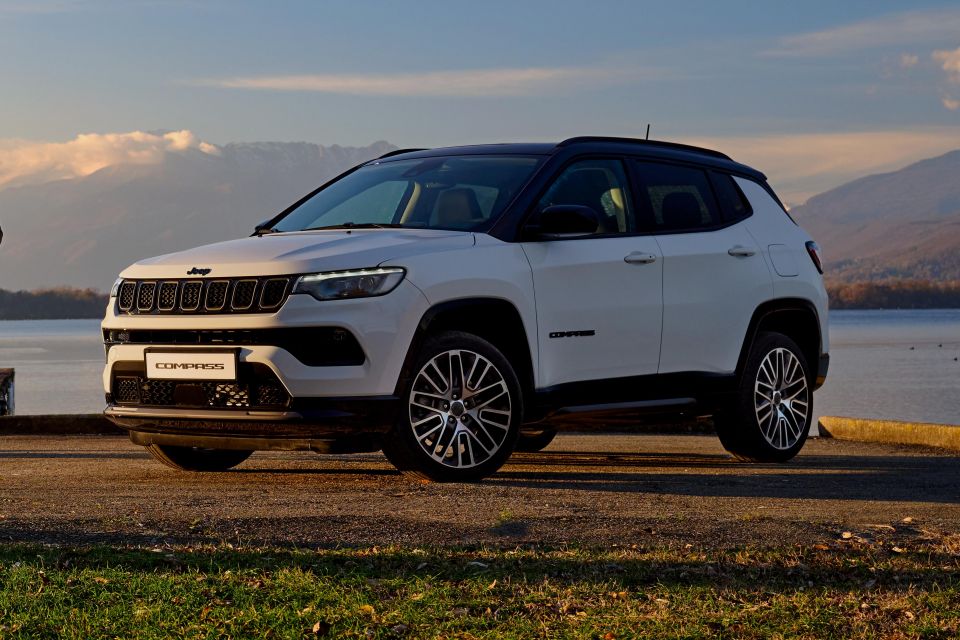
Measuring 4778mm long, it’s over 200mm longer than the new Compass, which is effectively a small mid-size SUV. That puts the Cherokee on the larger end of the mid-size SUV segment and, indeed, it’s almost as long as a Kia Sorento. It would therefore give the new Compass some breathing room.
If only the steering wheel was on the right side…
Jeep never introduced a turbo-diesel version of its current WL-series Grand Cherokee, and even the petrol V8 offered in the US never came here.
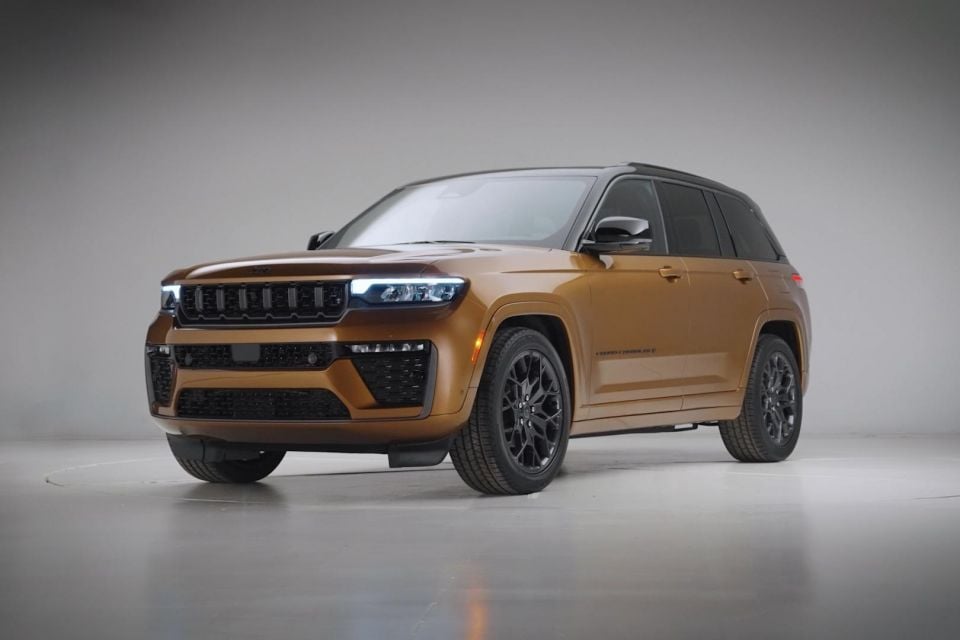
The 5.7-litre Hemi V8 was phased out in the US market a few years ago, leaving a naturally aspirated 3.6-litre petrol V6 and the recently discontinued turbocharged 2.0-litre four-cylinder plug-in hybrid. The V6 was replaced for 2026 with a new turbocharged 2.0-litre petrol four, sans a plug-in hybrid system.
The WL was retired last year from our market, ostensibly due to the end of right-hand drive production. Australian buyers didn’t take to the WL with its choice of petrol V6 or expensive turbocharged four-cylinder plug-in hybrid powertrains. So why would a turbo four change things?
Well, it’s entirely possible it wouldn’t… at least not without much sharper pricing. Still, the turbo four looks to be a worthy replacement for the ageing Pentastar V6, if not capable of addressing latent demand for a turbo-diesel Grand Cherokee.
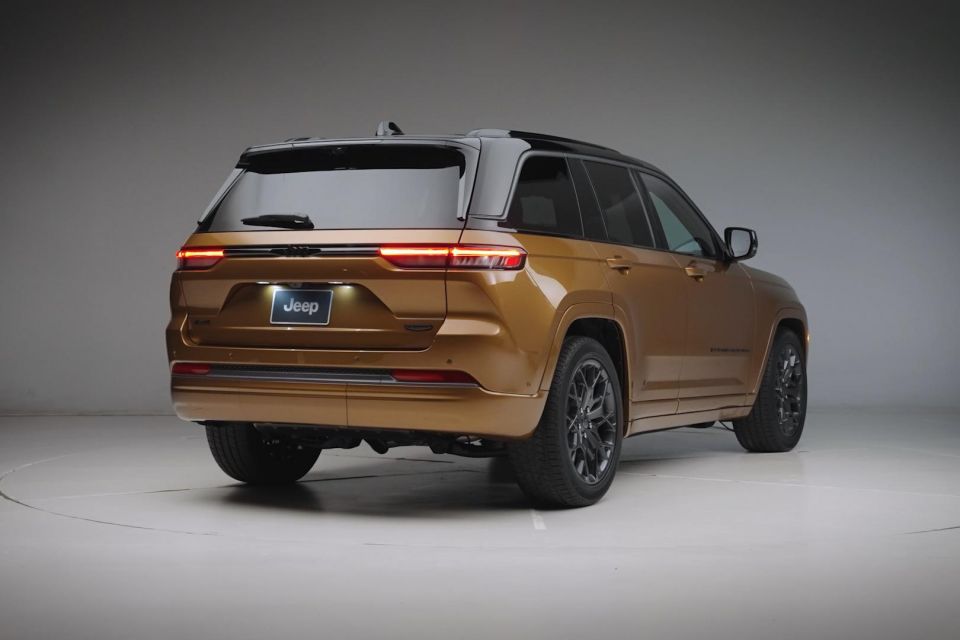
Put aside any four-cylinder prejudice, and the turbocharged 2.0-litre Hurricane four from the Grand Cherokee has some impressive outputs.
It pumps out 238kW/450Nm, which is 28kW more power and 106Nm more torque than the old Pentastar V6 that lives on in entry-level versions of the large SUV. That keeps it competitive with the likes of the upcoming 2.5-litre turbo-petrol Hyundai Palisade, as well as the Mazda CX-90.
The facelifted 2026 Grand Cherokee has also received a larger touchscreen and some minor cosmetic tweaks to help keep it fresh.
Jeep also recently hinted at the return of a V8 to the Grand Cherokee. Again, the petrol V8 wasn’t as popular as the turbo-diesel V6 in the old WK2 Grand Cherokee, but it would help the Jeep stand out in its segment – a segment it even led in sales at one point, and which it has now shockingly withdrawn from.
Toyota and to a lesser extent Nissan dominate the mainstream ‘upper large’ SUV segment, and few non-luxury brands have tried to take on the Patrol and LandCruiser 300 Series. The GMC Yukon launched here last year only in fancy Denali guise, with its sights set on luxury-brand models.
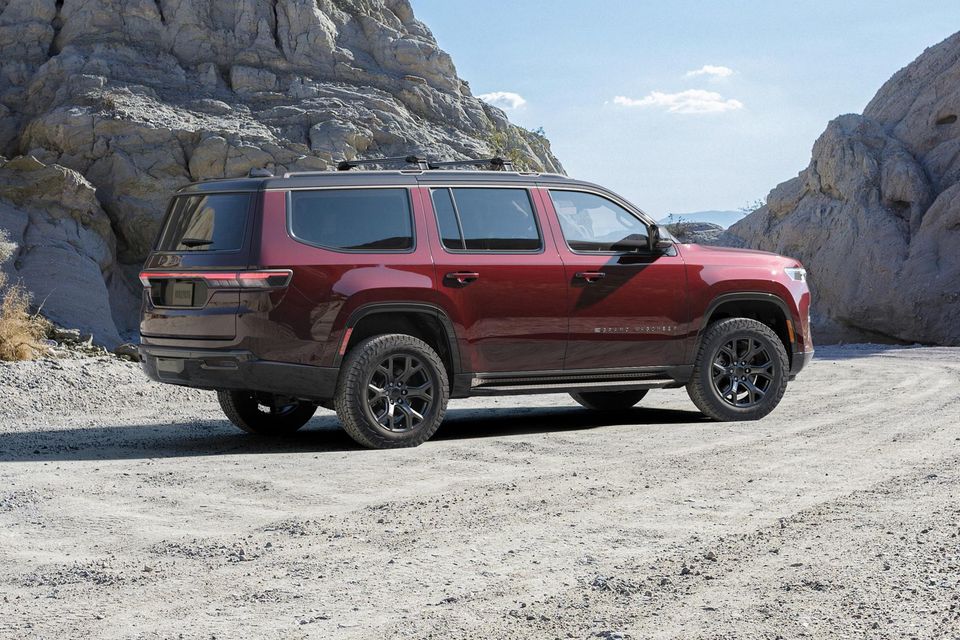
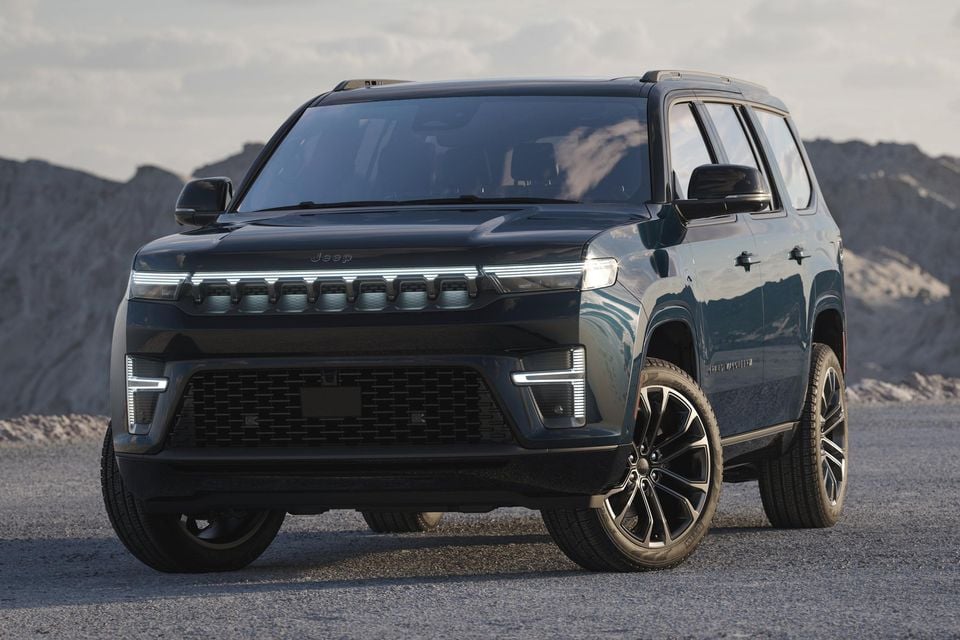
But a Jeep Grand Wagoneer could give Nissan and Toyota a compelling American-brand rival… or at the very least take on the Yukon.
Like the Yukon, it’s related to a pickup truck – in this case, the Grand Wagoneer is mechanically related to the Ram 1500. And like the Yukon and 1500, it’s built only in left-hand drive, which would necessitate a local right-hand drive remanufacturing program like those two have.
Jeep’s full-size SUV range was launched in the US for 2022, with extended-length models lobbing the following year.
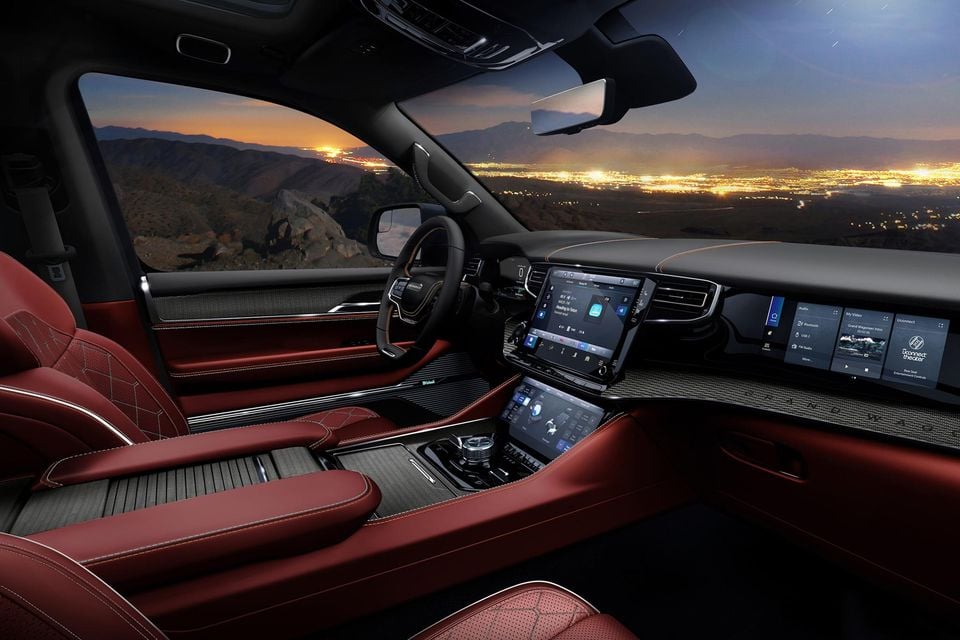
Since launch, the available 5.7-litre and 6.4-litre V8 engines have been axed, leaving only six-cylinder power.
For 2026, the Wagoneer nameplate is being retired along with all models bearing the Grand Wagoneer name previously reserved for the fanciest variants. There are also cosmetic tweaks, including new ‘Jeep’ badging as the brand has moved away from its aspirations of making Wagoneer a sub-brand.
The standard engine is a 313kW/635Nm tune of the 3.0-litre twin-turbo Hurricane inline six. The high-output 403kW/706Nm version of this has been retired for 2026.
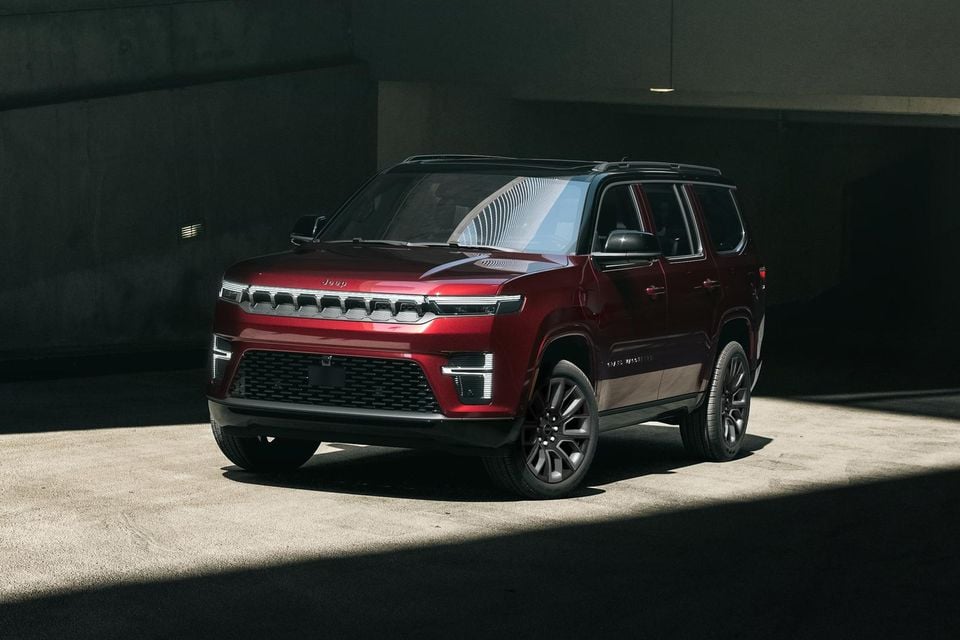
But the big news is the launch of an extended-range electric vehicle (EREV) version, sharing its powertrain with the Ram 1500 REV. It features a 3.6-litre petrol V6, with mechanical power converted to electrical power via a 130kW generator.
This electrical power can in turn be used to charge the 92kWh battery pack, while two electric motors send drive to the wheels. Total system outputs are 482kW and 841Nm, with a claimed 0-60mph (0-96km/h) time of five seconds.
The Grand Wagoneer is a big ‘un – even the standard-length version measures 5489mm long and 2123mm wide on a 3124mm wheelbase, making it larger than the Yukon and positively dwarfing the LandCruiser. L versions are even more gargantuan at 5794mm long on a 3302mm wheelbase.
It would certainly grab attention here, but don’t count on an Australian launch any time soon.
Research cars in our Showroom, compare your options or let our New Car Specialists do the running around to find you a great deal.
William Stopford is an automotive journalist with a passion for mainstream cars, automotive history and overseas auto markets.
Derek Fung
12 Hours Ago

Ben Zachariah
13 Hours Ago

Josh Nevett
13 Hours Ago

Tace Clifford
14 Hours Ago

Max Davies
21 Hours Ago

James Wong
2 Days Ago
Add CarExpert as a Preferred Source on Google so your search results prioritise writing by actual experts, not AI.