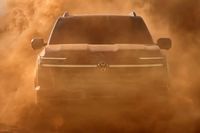





Ben Zachariah
Hyundai's new performance line to sit below its hot N models
Hyundai appears to be going after younger driving enthusiasts, announcing a new ‘high-volume’ range with N powertrains.
7 Hours Ago
The new-car landscape in Australia is evolving, but Volkswagen says there’s still a strong demand – and requirement – for diesel commercial vehicles.
Road Test Editor
Road Test Editor
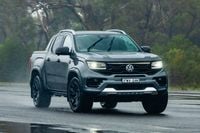
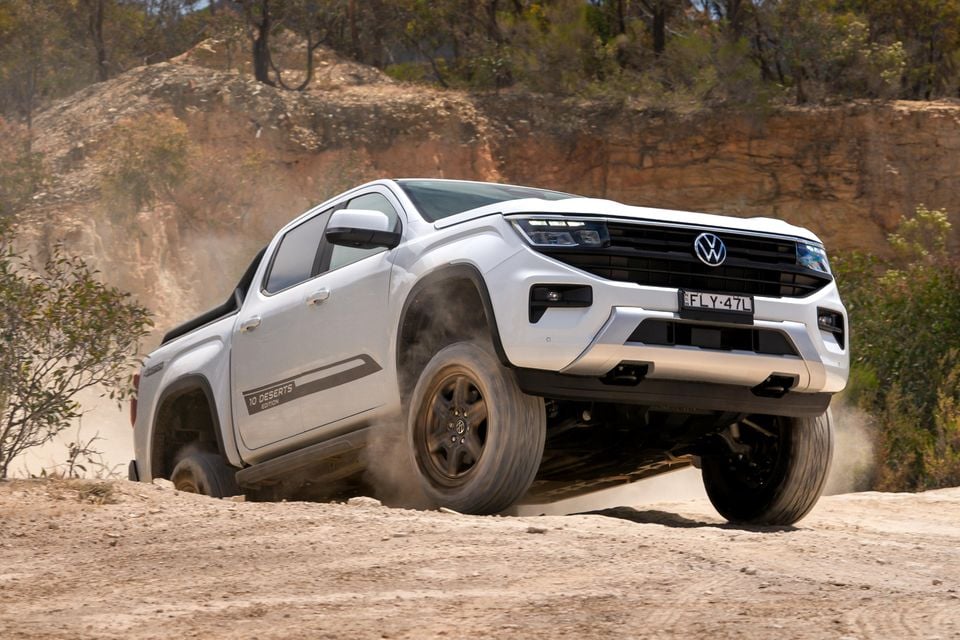
The future of diesel-powered commercial vehicles remains strong in Australia, according to Volkswagen, despite changing tides.
Even with ever-tightening emissions regulations being introduced in many major countries, the German automaker believes local buyers will demand diesel powertrains for the foreseeable future.
“I definitely think diesel will be here [going forward],” said Nathan Johnson, brand director for Volkswagen Commercial Vehicles Australia.
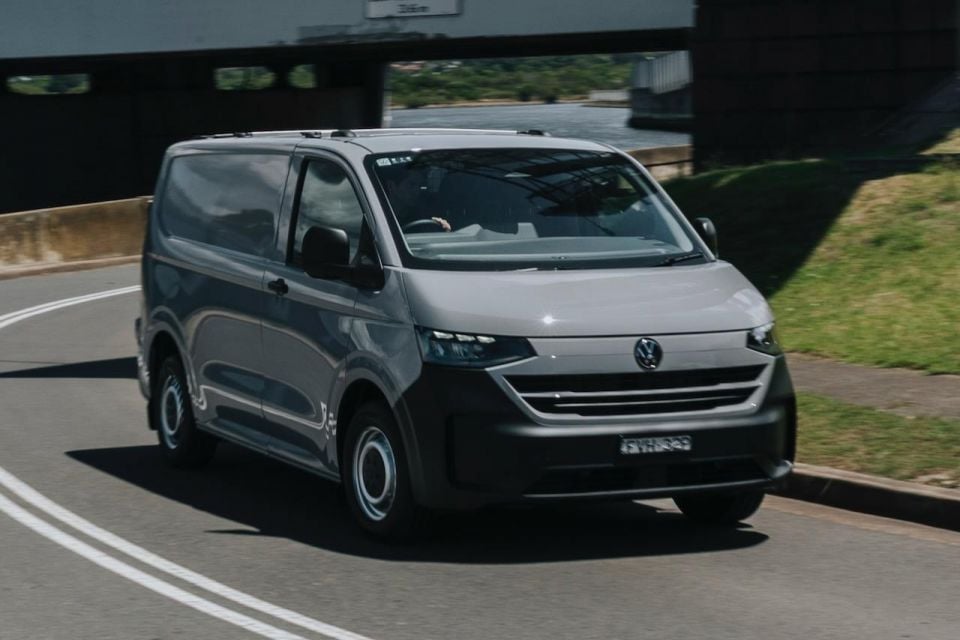
“Is it at the level it is now? No, it’s definitely not going to remain at those levels because of not only our [New Vehicle Efficiency Standard], but the markets dictating a slight shift. But is diesel going to be in Australia for a period of time? I believe so,” he told CarExpert.
Prior to the introduction of the NVES, a former spokesperson for Volkswagen Group Australia had been quoted as saying Australia risked becoming a dumping ground for older, dirty engines, given manufacturers weren't incentivised to bring their latest engine technology here at that point.
The company now believes the NVES has helped reshape the new-car market in Australia, but there’s still strong demand for diesels for those who use commercial vehicles for work and recreation, as well as those who live in regional areas.
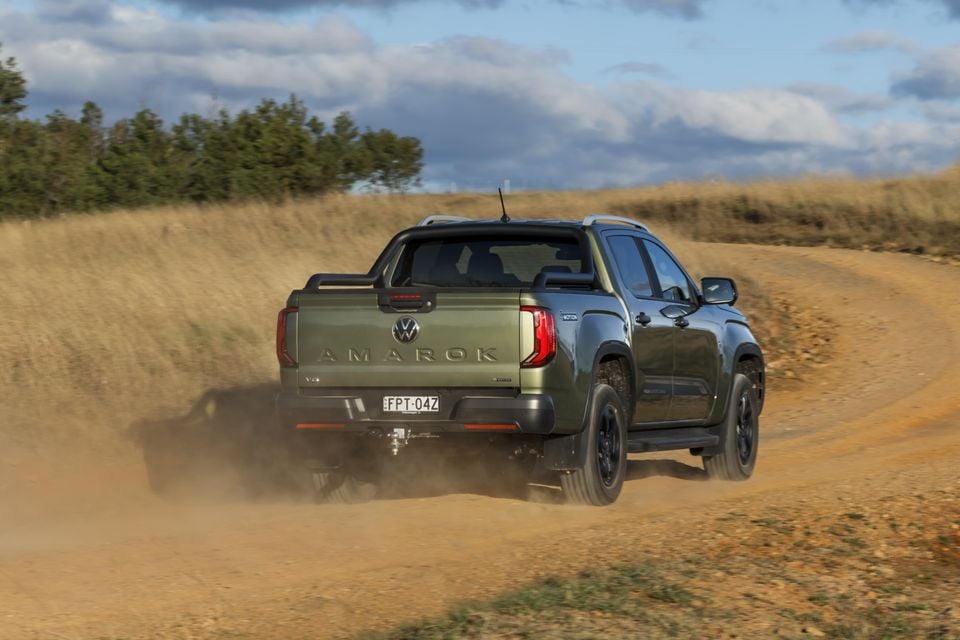
“[Diesel is] still trusted by many industries, it’s still required by quite a few customers as well in the current landscape of Australia – or, the geography of Australia, and the requirements of Australia," said Mr Johnson.
“Will it change? Of course. The whole market is changing at the moment,” he said, adding that buyers are driving change every six months.
“So our goal is to offer the customers what they need right now.
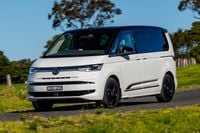
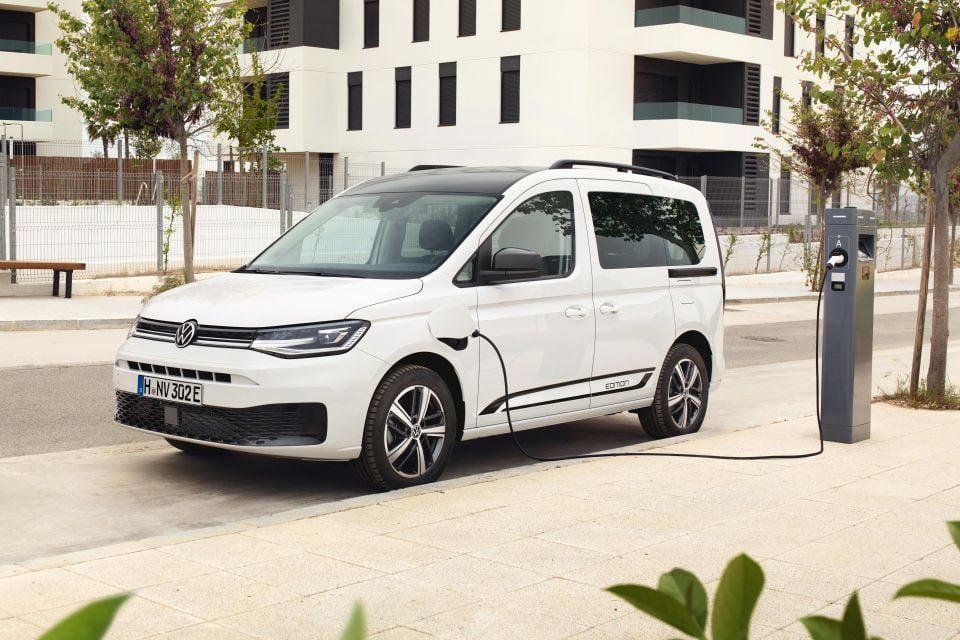
“Our product lineup is evolving to support that with the addition of [plug-in hybrids, with] Caddy and Multivan coming later this year or the start of next year,” Mr Johnson explained.
Volkswagen became the central focus of the so-called ‘Dieselgate’ saga, after engines in its passenger models were found to sidestep laboratory emissions testing back in late 2015.
While not the only brand to be found guilty of the practice, it was estimated Volkswagen spent approximately A$57 billion in fines, compensation, and vehicle buy-back schemes globally in the years following.
Along with A$125 million paid to the Australian Government, Volkswagen began phasing out its diesel-powered passenger cars, while continuing to offer diesel in a new generation of commercial vehicles.
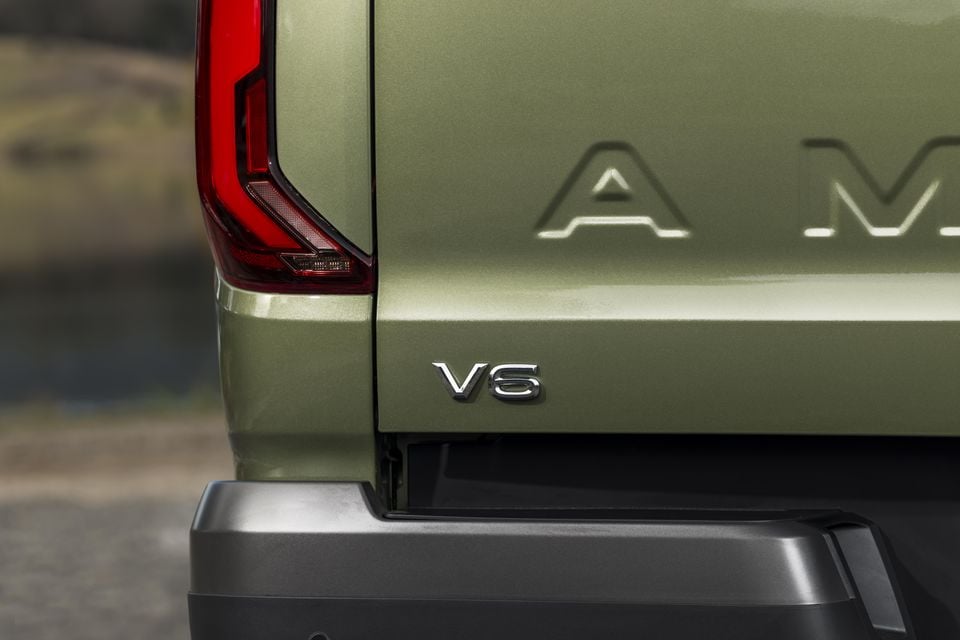
“Our colleagues and brothers and sisters in [Volkswagen] passenger vehicles bringing in the Tayron [and] Tiguan PHEV – obviously they’ve made the shift away from diesel – but in the commercial space, it still makes a lot of sense and there’s a requirement for it," said Mr Johnson.
“So, we’ll continue to support that ... with more efficient engines, as those products become available to us.”
Research cars in our Showroom, compare your options or let our New Car Specialists do the running around to find you a great deal.
Ben Zachariah has 20-plus years in automotive media, writing for The Age, Drive, and Wheels, and is an expert in classic car investment.
Ben Zachariah
7 Hours Ago

Marton Pettendy
7 Hours Ago

Damion Smy
7 Hours Ago
Ben Zachariah
8 Hours Ago

William Stopford
8 Hours Ago

Damion Smy
9 Hours Ago
Add CarExpert as a Preferred Source on Google so your search results prioritise writing by actual experts, not AI.