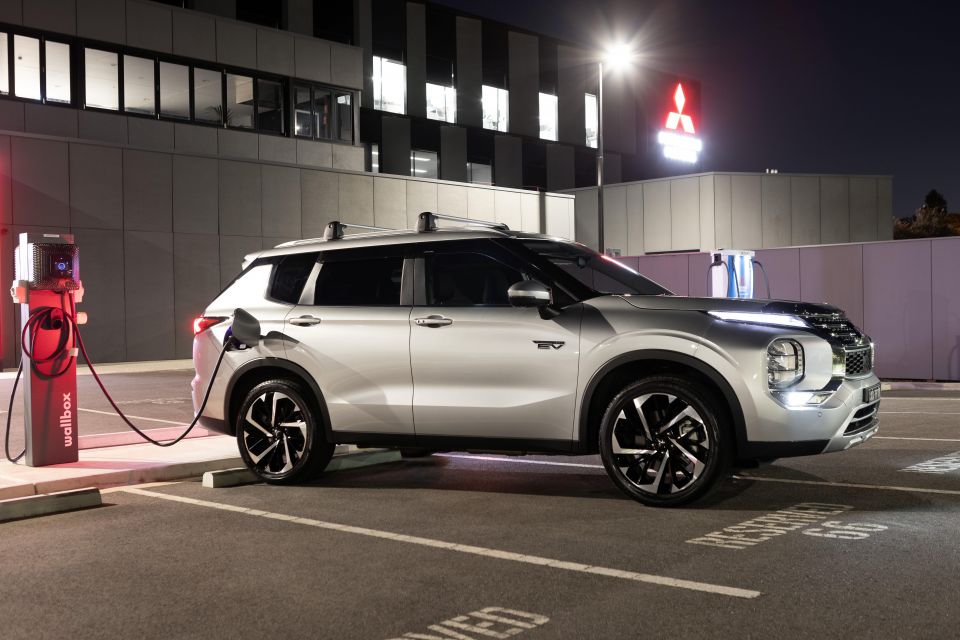
The Australian Government has officially announced the national Vehicle-Grid Network (VGN) to encourage plug-in hybrid and electric vehicle owners to feed electricity back into the national grid.
Launched by Federal Climate Change and Energy Minister Chris Bowen, and led by Climate-KIC Australia and the University of Technology Sydney’s Institute for Sustainable Futures (ISF), the VGN aims to accelerate large-scale adoption of vehicle-to-grid (V2G) bidirectional charging across the country.
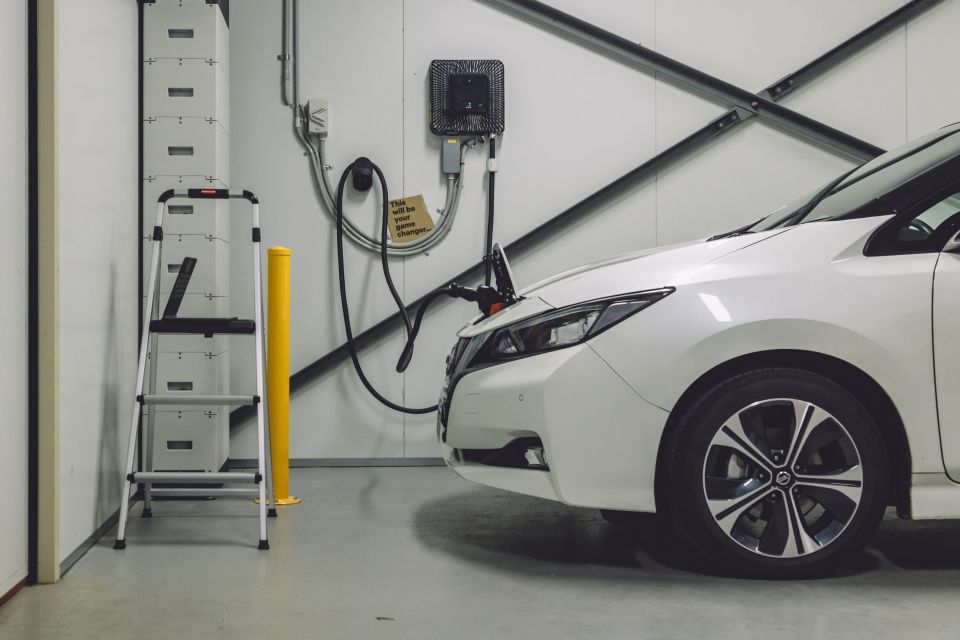
It builds on a national roadmap for V2G bidirectional charging, which enables plug-in hybrid (PHEV) and electric vehicle (EV) users to both charge their vehicles and send power back into the electricity grid.
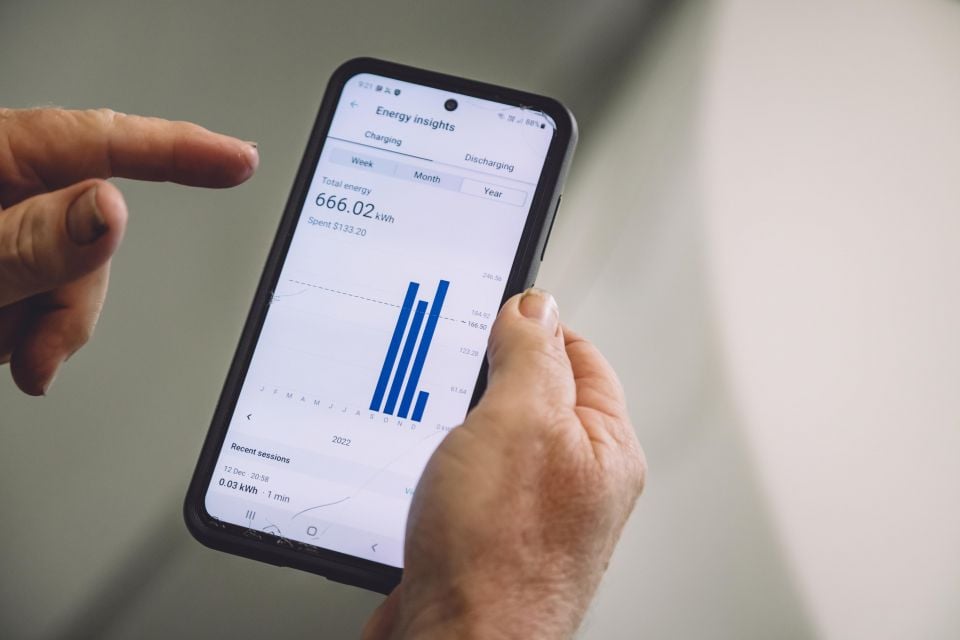
This could in turn see customers be paid for their energy contribution back to the grid.
CarExpert can save you thousands on a new car. Click here to get a great deal.
The VGN aims to enable large-scale adoption of V2G through greater industry collaboration and uniform standards for equipment compatibility.
In an announcement from UTS, it also said the network will work on “building sector and consumer capability through trusted information, educational resources, events and practical tools”.
Funding will come from the Australian Renewable Energy Agency (ARENA) and RACE for 2030 CRC, an industry-led Cooperative Research Centre established in 2020 with $68.5 million in government funding.
Industry bodies will also help fund the network, with current partners including the Electric Vehicle Council and infrastructure provider JET Charge.
It will be led by Sydney-based Climate-KIC – a climate-innovation initiative – and the UTS Institute for Sustainable Futures (ISF), with $1 million in federal government funding.
“We’re creating the space for industry, government and researchers to share what’s working, make sense of emerging technologies together, and identify opportunities to accelerate bidirectional charging at scale and make EVs a win for people, businesses and the grid,” said Climate-KIC Australia CEO and UTS ISF Industry Professor Chris Lee in a statement.
South Australia became the first jurisdiction in Australia to allow V2G transfer.
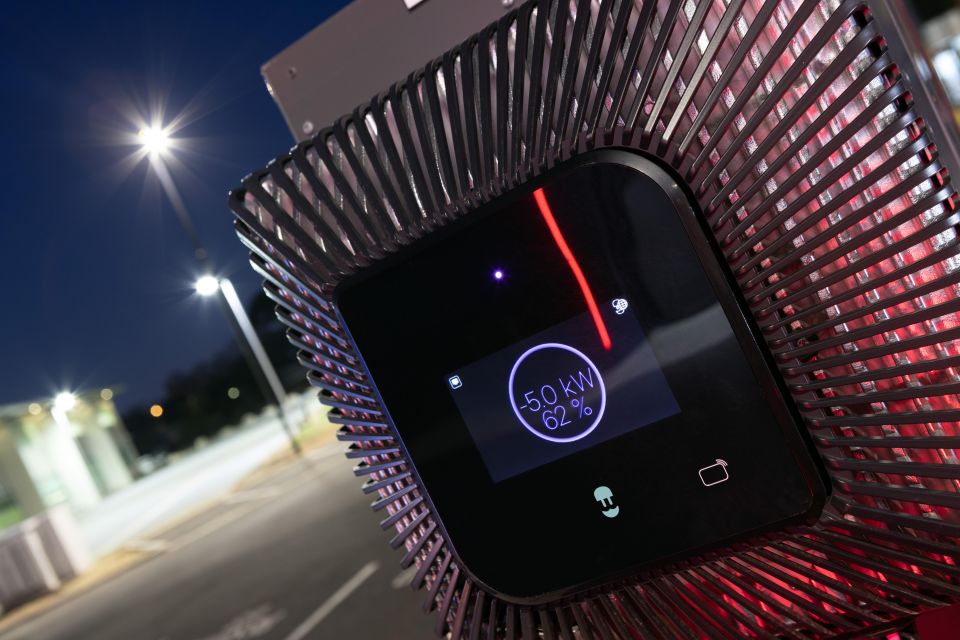
Bidirectional chargers convert alternating current (AC) electricity from the grid to the direct current (DC) electricity required by EV batteries, but can also convert DC back to AC, allowing power to be drawn from the battery and distributed elsewhere.
Power taken from a battery enables energy-sharing applications such as V2G (vehicle-to-grid) and V2H (vehicle-to-home).
The Australian Government created the National Electric Vehicle Strategy in 2023 with a goal of increasing the supply of affordable and accessible EVs, and developing EV infrastructure to foster higher demand.
It included the introduction of the New Vehicle Efficiency Standard (NVES), which came into effect on 1 January 2025, with fines for automakers who breach set carbon-dioxide emissions limits.
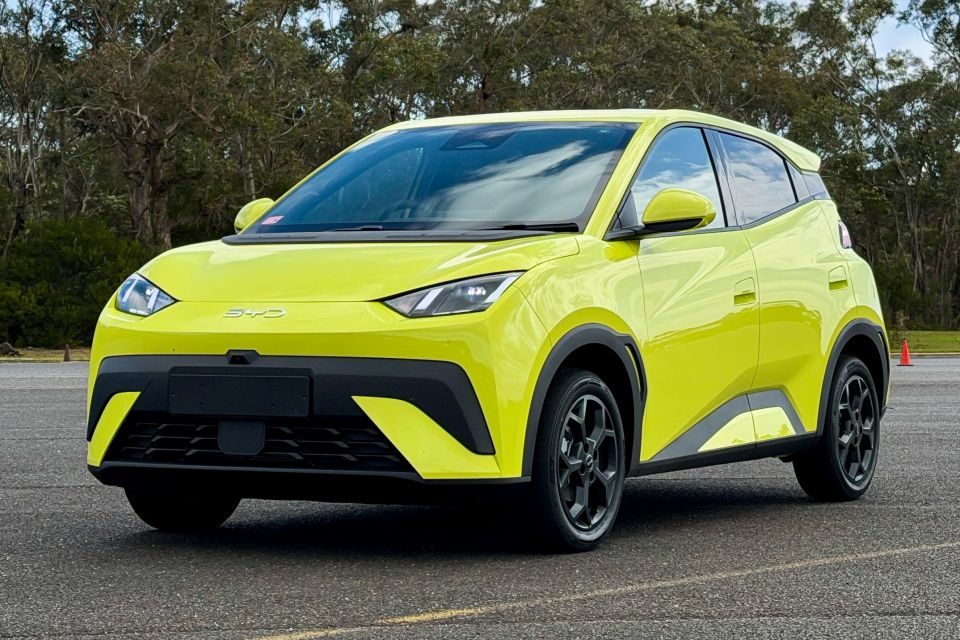
The price of EVs continues to fall in Australia, with the BYD Atto 1 hatch launched in November priced from $23,990 before on-road costs – the cheapest EV in local showrooms to date.
By the end of November 2025, electric, hybrid and plug-in hybrid vehicles made up nearly 30 per cent of new light-car sales in Australia.
Electric vehicle market share has grown to 8.5 per cent of all new-vehicle sales, its highest level to date.
Damion Smy
Deputy News Editor
Damion Smy
Deputy News Editor
Damion Smy is an award-winning motoring journalist with global editorial experience at Car, Auto Express, and Wheels.