





Alborz Fallah
Omoda X revealed with night vision and a tougher SUV look
The Omoda X has been revealed as a tougher-looking crossover SUV from Omoda Jaecoo, though it has yet to be confirmed for an Australian launch.
5 Hours Ago
Plans for this country's first new oil refinery for more than six decades have been announced by the prime minister to shore up local fuel security.

Deputy News Editor
Deputy News Editor
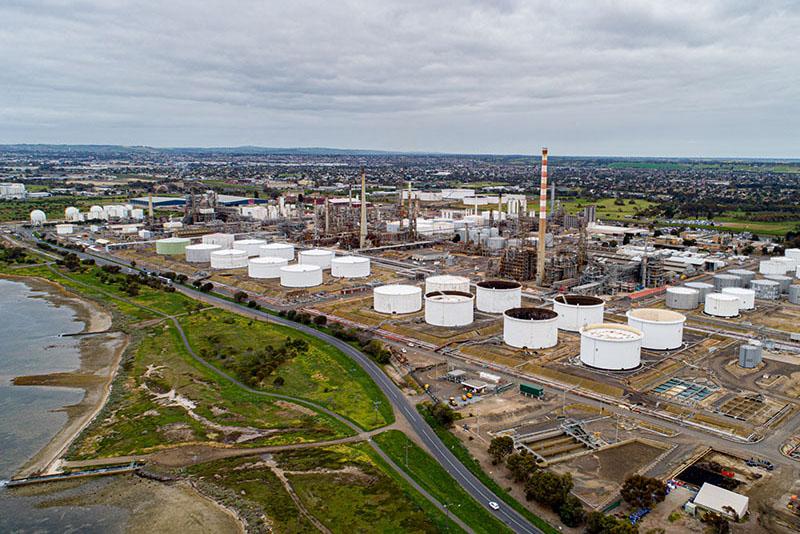
Australian Prime Minister Anthony Albanese has announced plans for the nation's first new oil refinery since the 1960s, with the federal government committing $4 million towards a pre-feasibility study for the project.
Mr Albanese made the announcement yesterday during a visit to Karratha, Western Australia, where he confirmed the large-scale refinery would be developed by Australian industrial chemicals company Perdaman.
The refinery's precise location and construction timeline are yet to be confirmed, though the government said it would be located in Western Australia.
If it proceeds, it would become Australia's third operating oil refinery, joining Ampol's Lytton refinery near Brisbane and Viva Energy's Geelong refinery in Victoria.
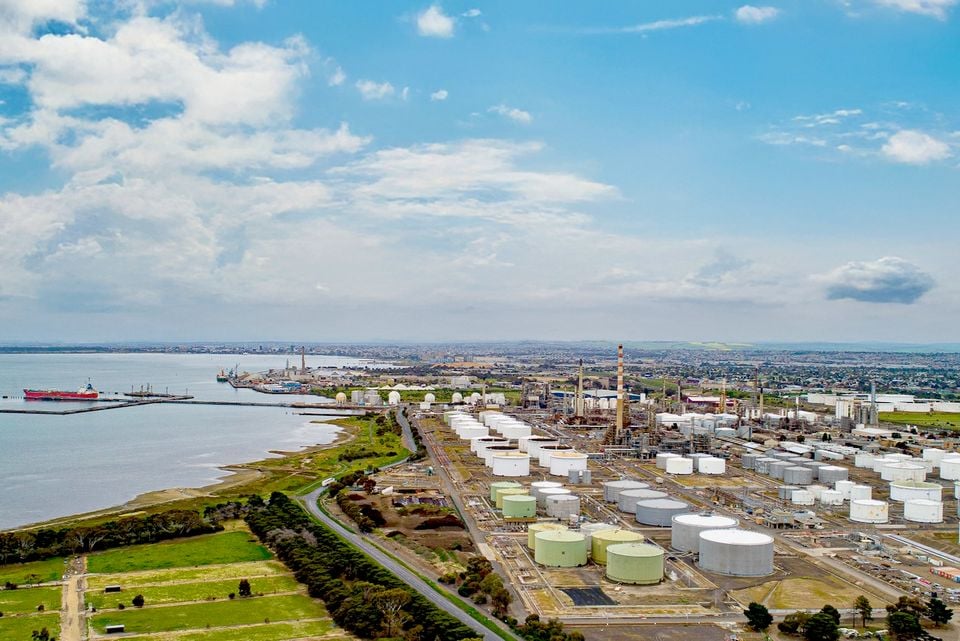
It would be the first new oil refinery since the Lytton refinery opened in 1965.
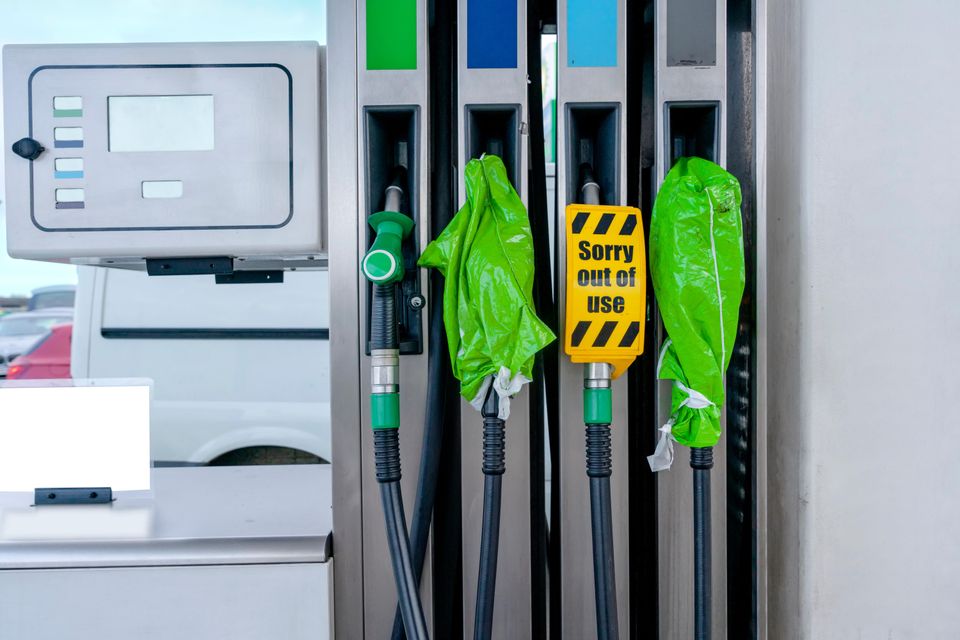
The announcement comes after volatile crude oil prices forced Australians to pay record prices for petrol and diesel following conflict in the Middle East since late February, prompting the government to reduce its fuel excise to help ease costs for motorists.
Fuel security has become a major issue, with the latest federal government data, released on July 21, 2026, showing Australia had 42 days of petrol, 38 days of diesel, and 32 days of jet fuel stocks remaining.
The International Energy Agency requires member countries to hold oil stocks equivalent to 90 days of the previous year's net imports.
Australia also has a separate Minimum Stockholding Obligation (MSO), which requires refiners and importers to hold minimum volumes of petrol, diesel and jet fuel.
Current stocks exceed the mandated minimums, with petrol holdings standing around 110 per cent above the requirement, diesel about 59 per cent above, and jet fuel approximately 35 per cent above.
Regardless, the Albanese Government said it will increase the MSO by the equivalent of a further 10 days of fuel stocks.
Additionally, Deputy Prime Minister Richard Marles and Foreign Minister Penny Wong this week also signed a new arrangement with Singapore, Australia's largest supplier of refined petroleum, to strengthen cooperation on critical fuel supplies.
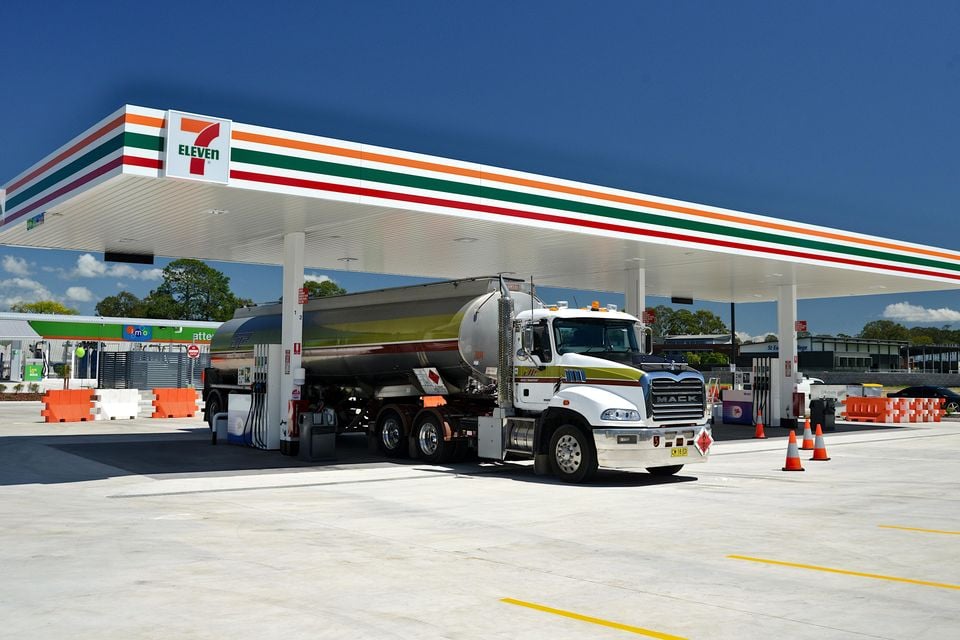
Continuing conflict in the Middle East has again pushed oil prices higher, fueling speculation over fuel rationing and whether the fuel excise discount – which was extended to July 31, albeit at a reduced rate – will be extended once again.
“The longer war in the Middle East goes on the greater the impact on Australia will be, and my government will continue to do everything we can to shield Australia from the worst effects – and set us up for the future,” Mr Albanese said in a statement.
“My government’s working to advance Australia’s interests – not just in this crisis but going forward as well to ensure we can meet future challenges.”
Australia had nine refineries at the turn of this century that met the nation's domestic fuel demand, according to a 2020 parliamentary paper entitled Australian oil refineries and fuel security by Dr Hunter Laidlaw.
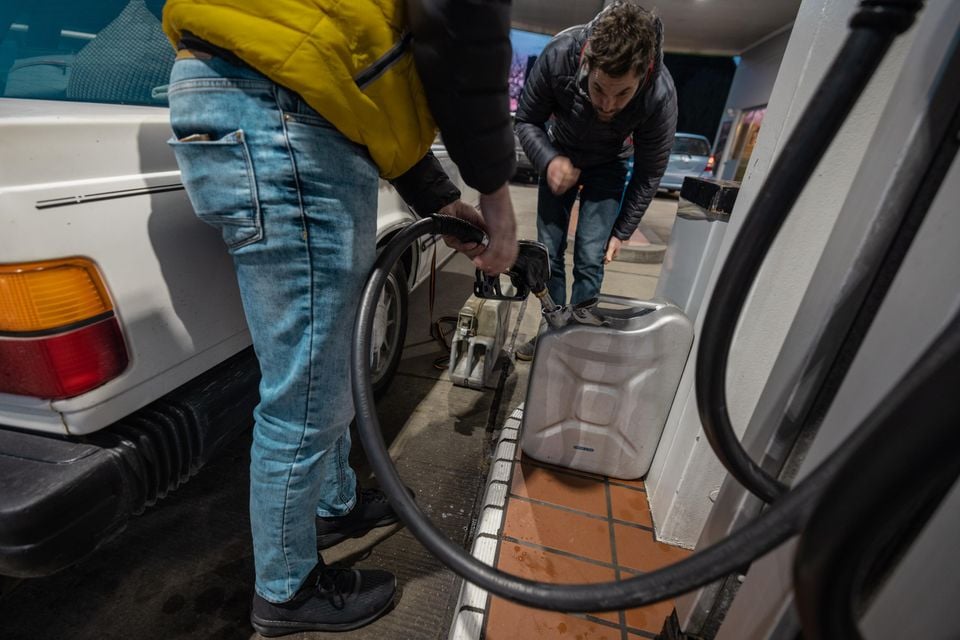
The closure of Port Stanvac in South Australia in 2003 kicked off a series of refinery closures, with the report stating domestic refining capacity had become insufficient to meet Australia's fuel needs.
Two refineries in Sydney, at Clyde and Kurnell, closed in 2012 and 2014 respectively, while the Bulwer Island refinery in Brisbane closed in 2015.
The BP Kwinana refinery in Western Australia and the Mobil Altona refinery in Victoria both closed in 2021 and now operate as fuel import and storage terminals.
The Australian Government said it is spending $10 million on feasibility studies into "new or expanded fuel refining capabilities", including measures to ensure Australia's two remaining refineries remain viable.
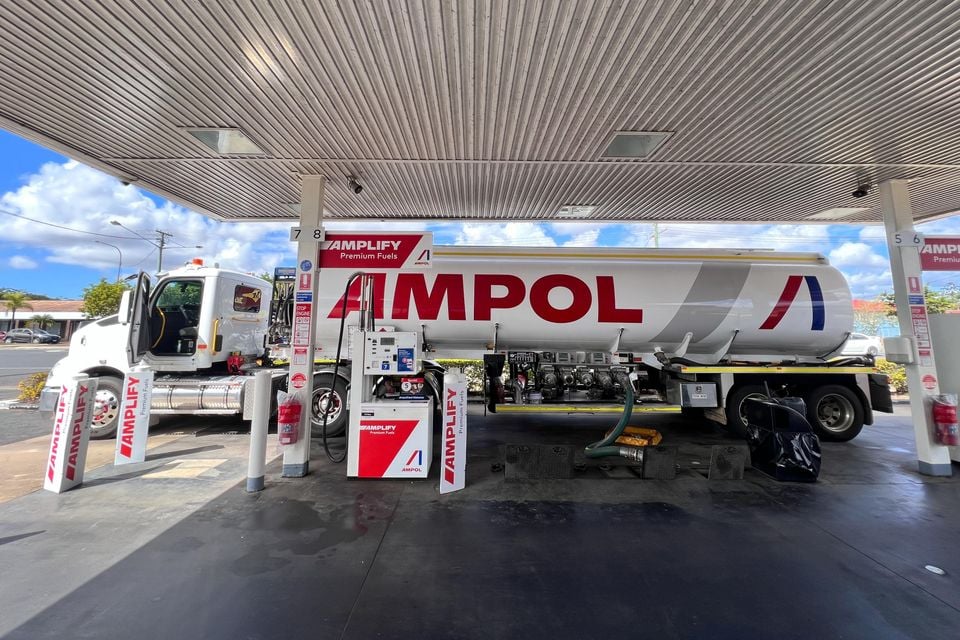
This includes the $3.3 billion set aside to fund the fuel excise discount, as well as $3.2 billion to establish a state-owned Australia Fuel Security Reserve to hold around one billion litres of fuel.
High fuel prices have coincided with growing demand for electric vehicles (EVs), which achieved record market share in May and again in June 2026, when they accounted for 23.3 per cent of new-vehicle sales.
The Tesla Model Y also became the first EV to top overall passenger vehicle sales in Australia, while the market share of EVs has more than doubled so far this year to 16.4 per cent.
MORE: Australian fuel giant suggests it may eventually phase out petrol
Damion Smy is an award-winning motoring journalist with global editorial experience at Car, Auto Express, and Wheels.
Alborz Fallah
5 Hours Ago


James Wong
7 Hours Ago

Alborz Fallah
10 Hours Ago

Alborz Fallah
11 Hours Ago

Alborz Fallah
11 Hours Ago

Alborz Fallah
12 Hours Ago
Add CarExpert as a Preferred Source on Google so your search results prioritise writing by actual experts, not AI.