




Damion Smy
2027 Hyundai Inster price cut, lineup trimmed in Australia – UPDATE
The electric Hyundai Inster has a narrower lineup but is now more affordable, with prices cut by $1500 on the remaining models.
1 Hour Ago

Journalist
After being spotted testing by our team locally, and then teased earlier this week, the worst-kept secret in the ute market has officially been revealed.
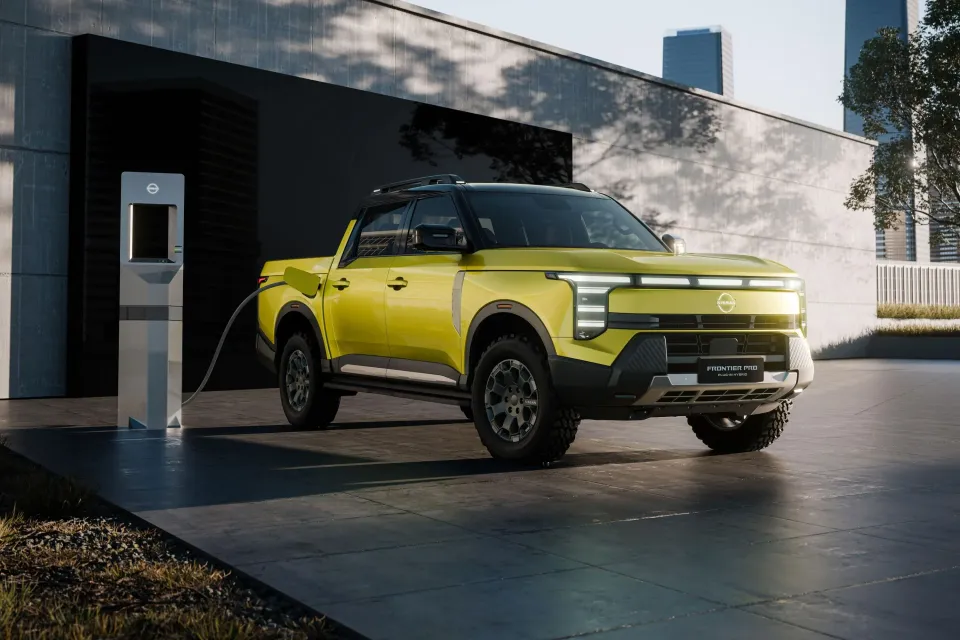
The Nissan Navara Pro PHEV is due in Australia in 2027, becoming the brand's first electrified ute and first plug-in hybrid (PHEV) in Australia.
While it shares the Navara name with the brand's existing diesel ute, the Navara Pro PHEV is an entirely different vehicle.
The Navara Pro PHEV has been co-developed with the brand’s long-term Chinese partner, Dongfeng.
However, Nissan Australia says development and tuning of the version sold locally has been driven by input from its local operations, rather than simply being an existing global model adapted for local sale.
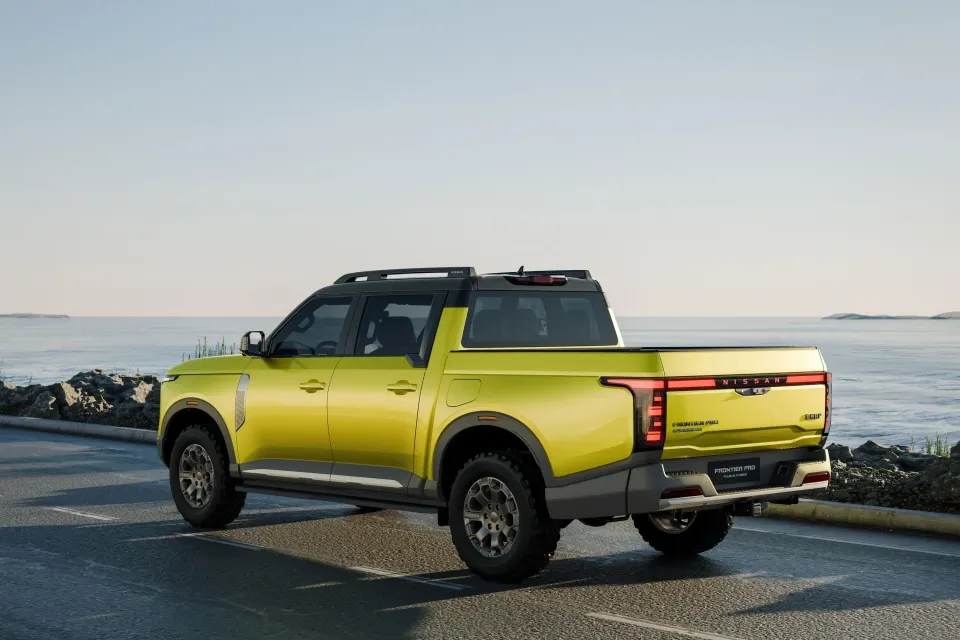
Australia and New Zealand will be among the first right-hand drive markets globally to receive the new model, which has already been launched in China as the Frontier Pro.
However, there are significant differences between the models sold in China and those heading Down Under, with Nissan saying our local version has been specifically developed and tested for Oceania.
The Navara Pro PHEV will join a growing number of electrified utes available or coming to Australia, including the BYD Shark 6, Ford Ranger Hybrid, GWM Cannon Alpha and JAC Hunter.
GWM is also launching a smaller Cannon PHEV, while the highly anticipated Chery Stockman will arrive in early 2027 as the world's first diesel plug-in hybrid ute.
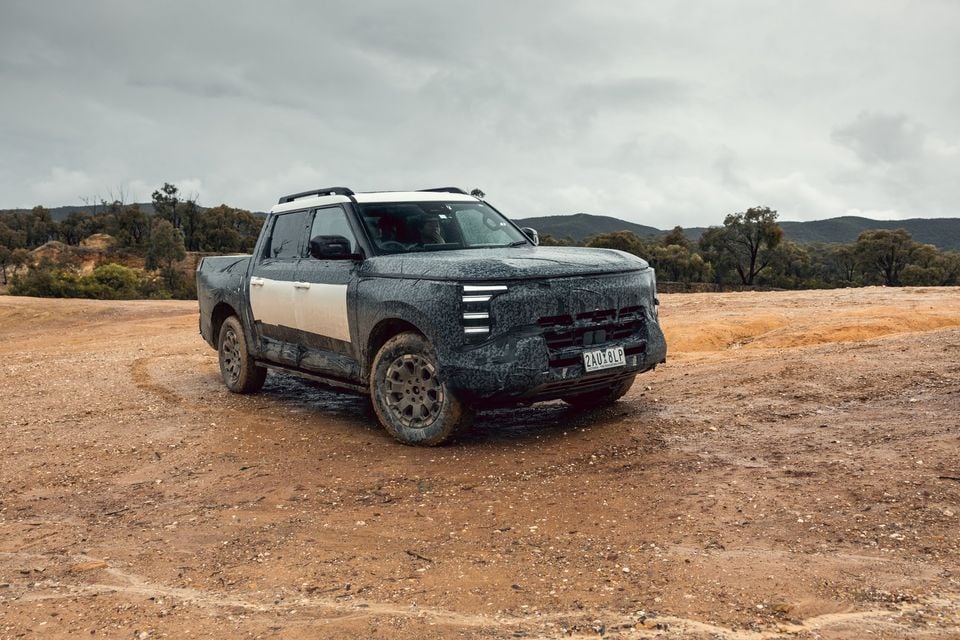
Unlike the 1.5-litre turbocharged petrol PHEV powertrain used in China, the Australian-market Navara Pro PHEV will use a 2.0-litre turbocharged petrol engine paired with a high-output electric motor integrated into an eight-speed automatic transmission.
Nissan says it evaluated both 1.5-litre and 2.0-litre turbocharged petrol PHEV drivetrains before selecting the larger engine for Oceania, with towing, payload and 'sustained performance' among the considerations.
The system produces a preliminary 300kW of power and 800Nm of torque, although both figures remain subject to final homologation.
The eight-speed transmission is designed to provide low-range crawling capability for off-road driving while also allowing low-rpm cruising at highway speeds.
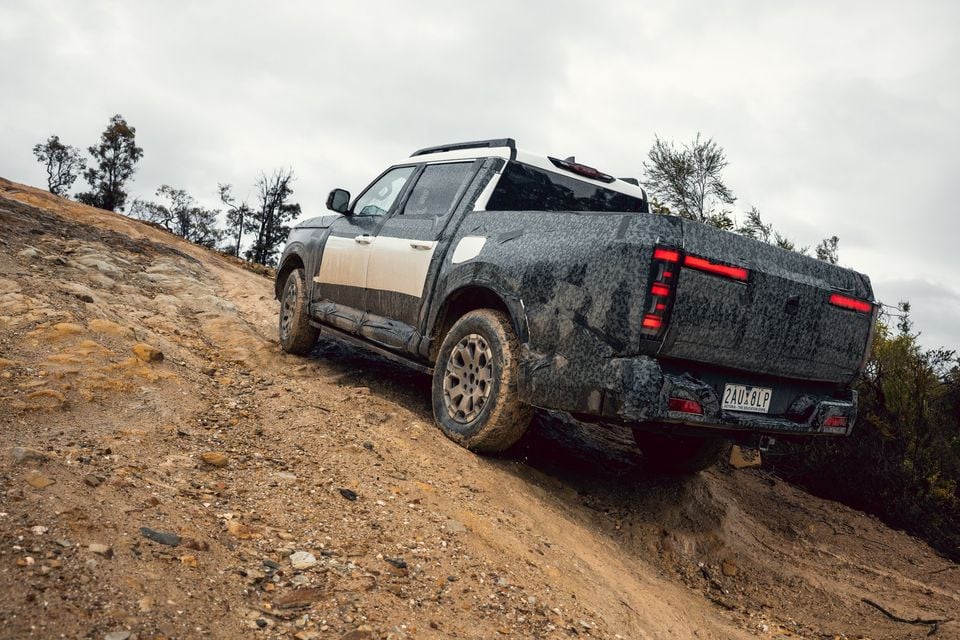
Four drive modes will be available – Eco, Standard, Sport and Slippery – alongside seven terrain modes: Standard, Deep Snow, Mud, Sand, Rock, Wading and Expert.
The Navara Pro PHEV will also offer vehicle-to-load (V2L) functionality, allowing the ute to supply electrical power for equipment, camping and other uses.
Nissan has not yet announced the battery capacity or electric-only driving range.
The Navara Pro PHEV uses a mechanical four-wheel-drive system and is being developed with the capability expected of a conventional work-focused ute.
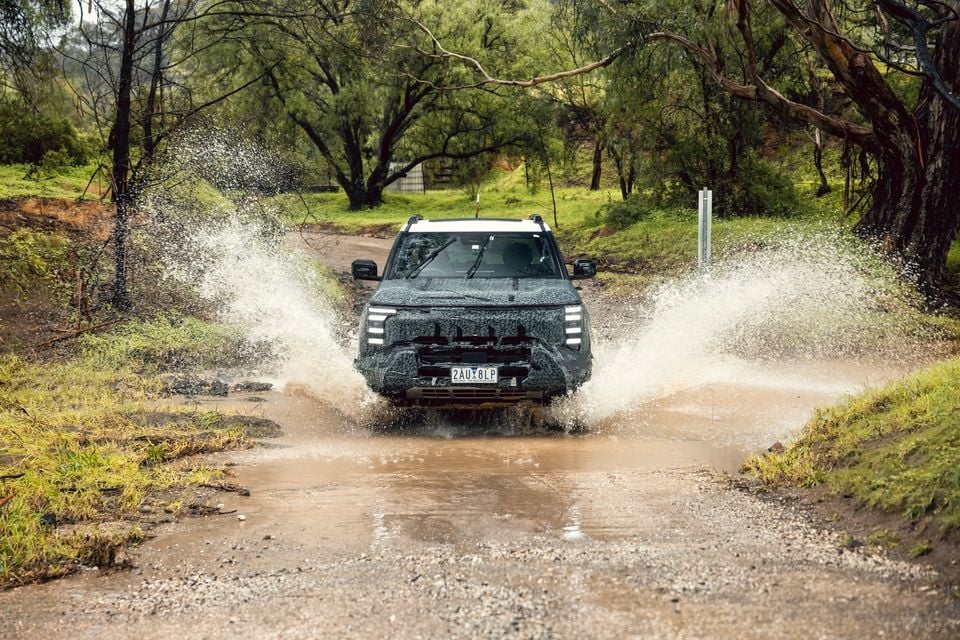
Its off-road hardware will also include mechanical differential-lock capability. Nissan has evaluated front, rear and combined differential-lock configurations during the local development program, alongside different suspension and tyre setups.
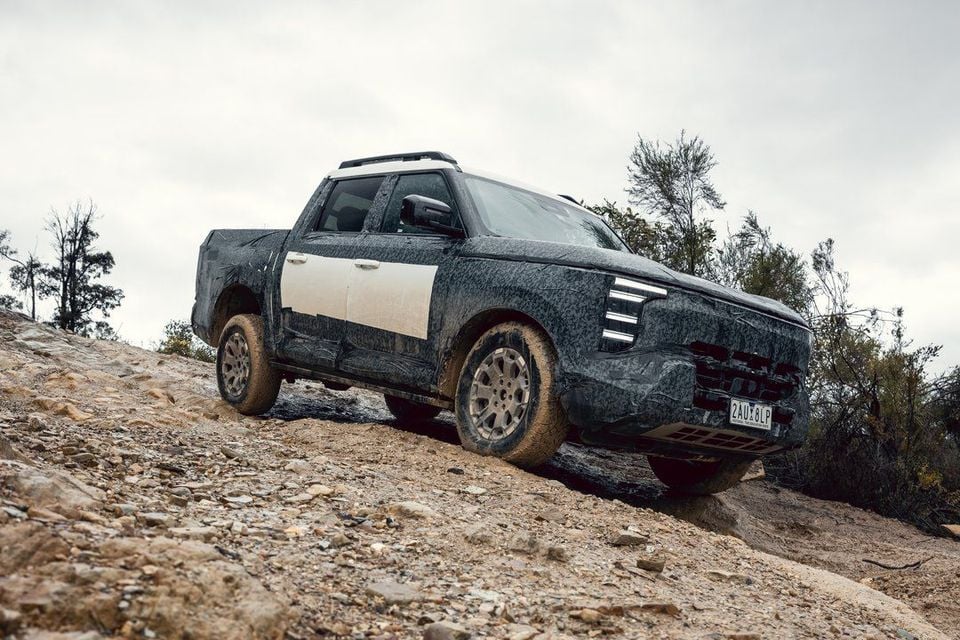
Nissan has evaluated both leaf-spring and multi-link coil-spring rear suspension for the Oceania market.
The final rear suspension configuration and the number of differential locks for Australia will be confirmed closer to the start of sales.
Nissan is targeting a payload of up to 1000kg and a 3500kg braked towing capacity, although both figures remain subject to final homologation.
Should Nissan hit its targets, the Navara Pro PHEV will offer similar towing and payload credentials to conventional diesel-powered dual-cab utes such as its own Navara, as well as the top-selling Toyota HiLux and Ford Ranger, while exceeding the payload of most of its current PHEV rivals.
The BYD Shark 6 Performance has a 725kg payload and 3500kg towing capacity, while the GWM Cannon Alpha PHEV is rated at 685kg and 3500kg respectively. The Ford Ranger Hybrid Wildtrak has an 901kg payload, while the JAC T9 PHEV is rated at 915kg and 3500kg.
The upcoming Chery Stockman, meanwhile, has a 3495kg towing capacity and a 765kg payload according to its latest detailed specifications.
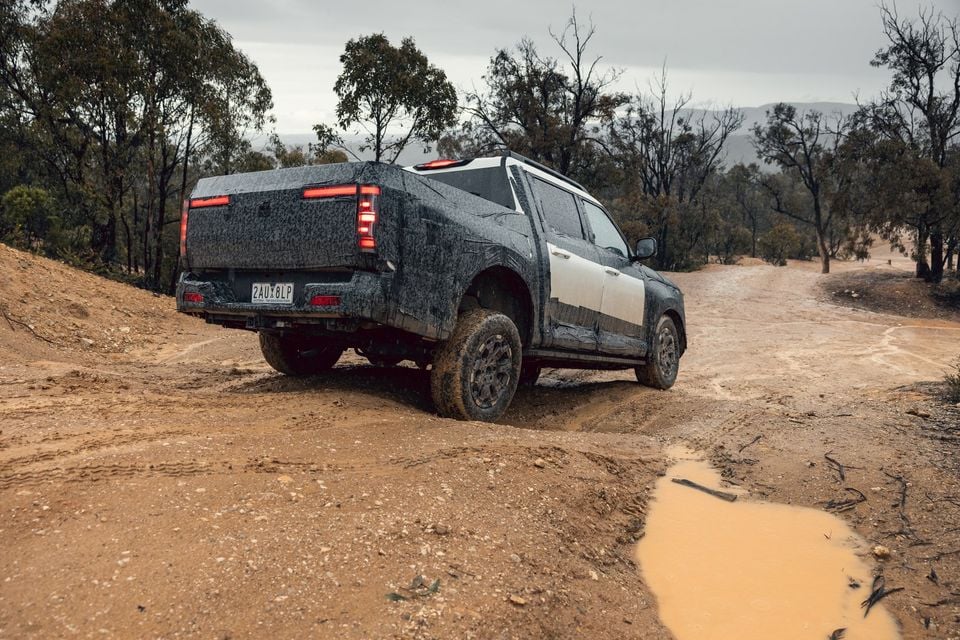
Nissan says the local development program has been much more than a validation exercise, with Australian and New Zealand customer requirements helping shape the vehicle.
The company says testing covered the powertrain, suspension, driver assistance systems, terrain and drive modes, tyres, differential-lock configurations, towing and load performance.
“Australia wasn’t simply where we tested Navara Pro PHEV. It was one of the markets helping shape it,” said Steve Milette, managing director of Nissan Oceania.
“The depth of local evaluation and the collaboration between our teams in Australia, Japan and China reflect the importance of Oceania to the development of this vehicle.”
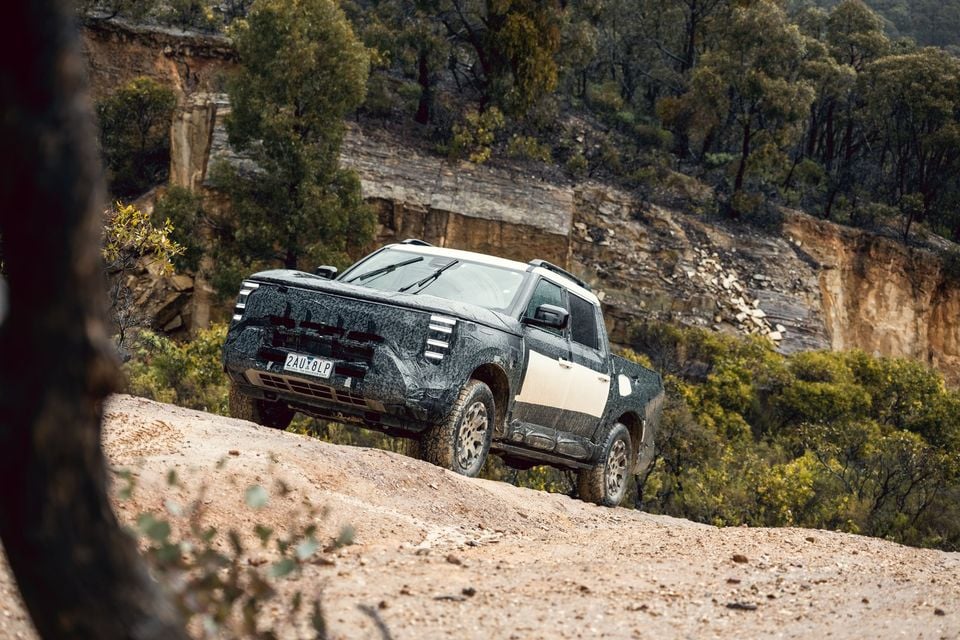
The Navara Pro PHEV will have a five-seat dual-cab ute body, with available equipment including a large central touchscreen, digital instrument cluster, panoramic sunroof, and heated and ventilated front seats, depending on grade.
Nissan says the interior has also received extensive soundproofing and more premium materials, positioning the Navara Pro PHEV as a more premium offering than a conventional work ute.
The Navara Pro PHEV will be backed by the brand's 10-year, 300,000km warranty when serviced through authorised Nissan dealers, with the additional warranty period subject to the company’s service-activation conditions.
Final Australian specifications, equipment, pricing, battery capacity and electric-only range will be announced closer to the Navara Pro PHEV’s launch in 2027.
Research cars in our Showroom, compare your options or let our New Car Specialists do the running around to find you a great deal.
Dave is a Kiwi motoring journalist with experience in motorcycle racing, new car sales, radio and communications.
Damion Smy
1 Hour Ago
Damion Smy
3 Hours Ago
Damion Smy
4 Hours Ago

Derek Fung
4 Hours Ago
Derek Fung
5 Hours Ago

William Stopford
14 Hours Ago
Add CarExpert as a Preferred Source on Google so your search results prioritise writing by actual experts, not AI.