




Ben Zachariah
2027 GWM Tank 500 3.0TD review
GWM’s Tank 500 large SUV now has an all-new 3.0-litre turbo-diesel engine. But is it any closer to the likes of the Ford Everest and Toyota Prado?
2 Hours Ago
GWM’s Tank 500 large SUV now has an all-new 3.0-litre turbo-diesel engine. But is it any closer to the likes of the Ford Everest and Toyota Prado?
Road Test Editor
Road Test Editor
Road Test Editor
Road Test Editor
If this is the car for you, we’ll compare offers from trusted dealers, handle the back and forth and manage your purchase from enquiry to delivery.
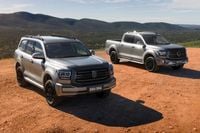
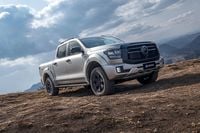
GWM is continuing its expansion in Australia, this time doubling down on the off-road SUV and ute segments with the introduction of an all-new 3.0-litre turbo-diesel engine.
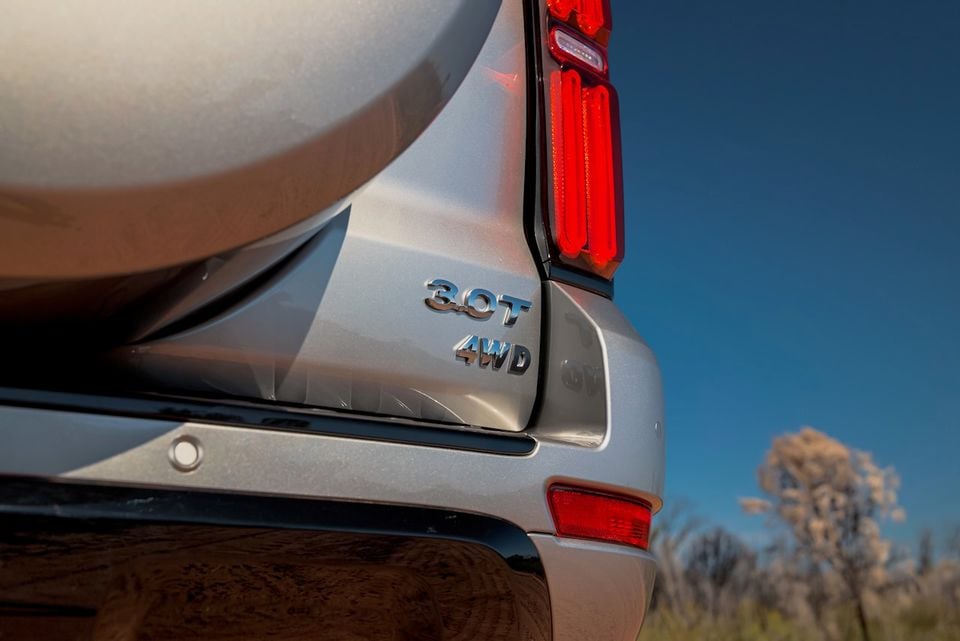
Debuting in the Tank 500 large SUV and the Cannon Alpha dual-cab ute – which you can read the review of here – the new 3.0-litre turbo-diesel four-cylinder engine is the result of customer feedback, which GWM says “highlighted an opportunity for greater power, torque and confidence”.
And while not a V6 like in the Ford Everest, the new 3.0-litre four-cylinder allows GWM to compete with the likes of the Toyota Prado, Isuzu MU-X, and the forthcoming Mitsubishi Pajero, as well as the Everest.
Despite being down 14kW compared to the Everest V6, the GWM engine actually produces 20Nm more torque, while offering the lowest claimed fuel consumption of its direct competitors – besting both the Toyota and Isuzu by 0.5L/100km – and being one of the only models of the group to not require AdBlue.
The engine may be the headline act, but it’s not the only change coming to the Tank 500.
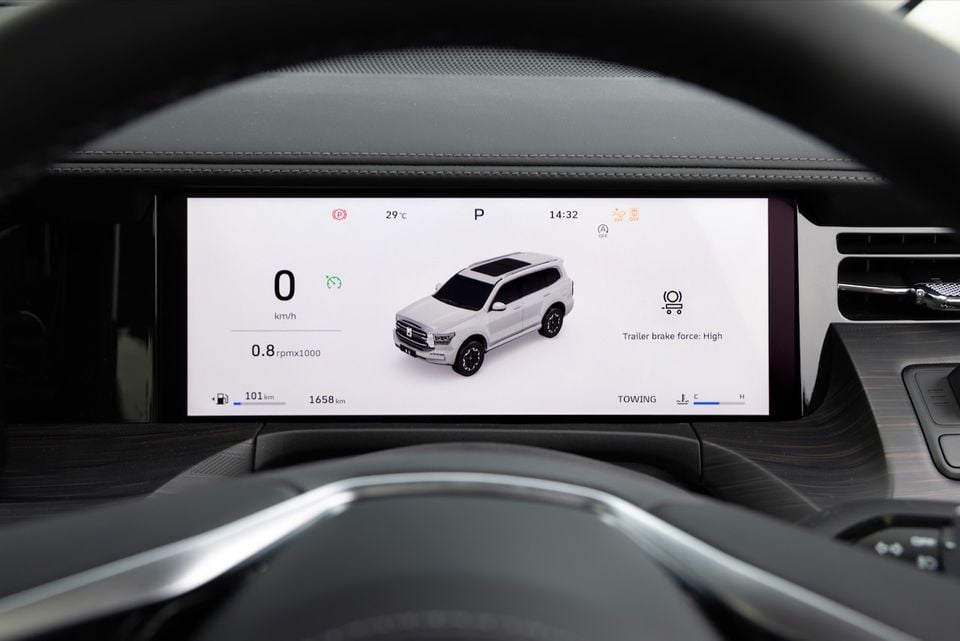
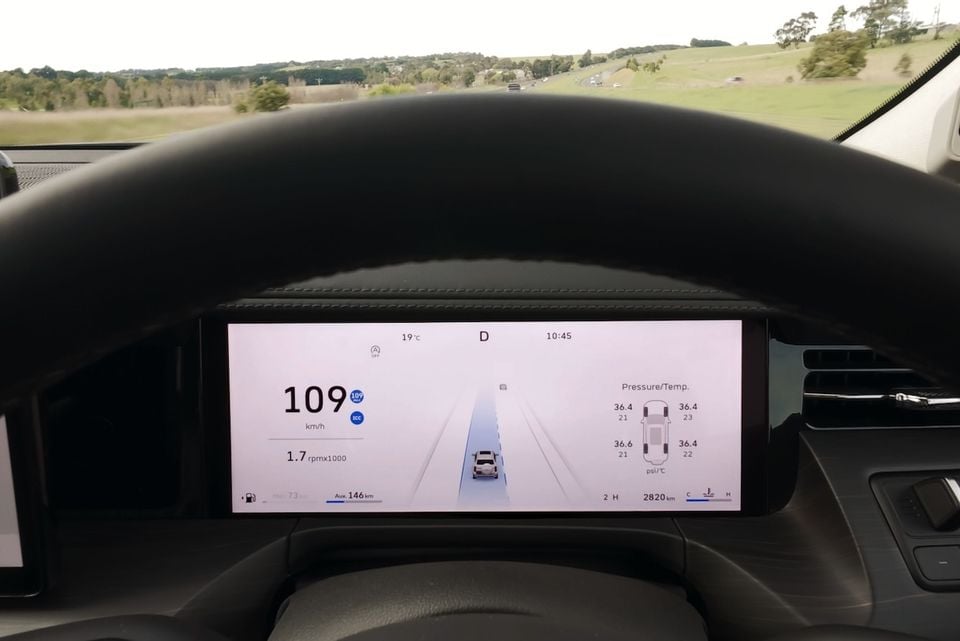
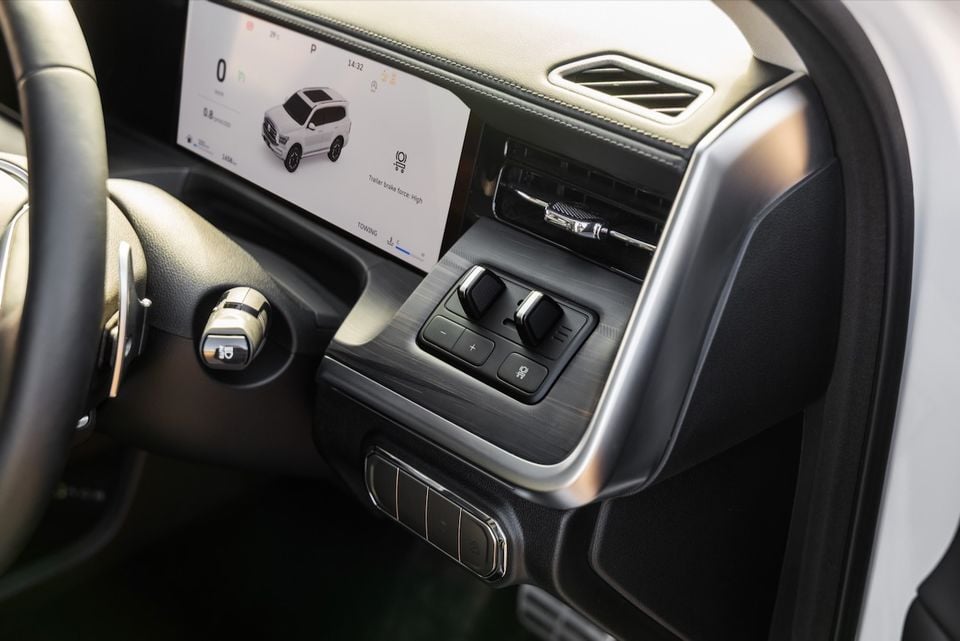
The big off-road SUV also gets new interior colourways, an integrated brake controller for towing, a new infotainment operating system and, in the Vanta flagship, an additional fuel tank – boosting capacity up to 131 litres, and providing a theoretical highway driving range of more than 2000km.
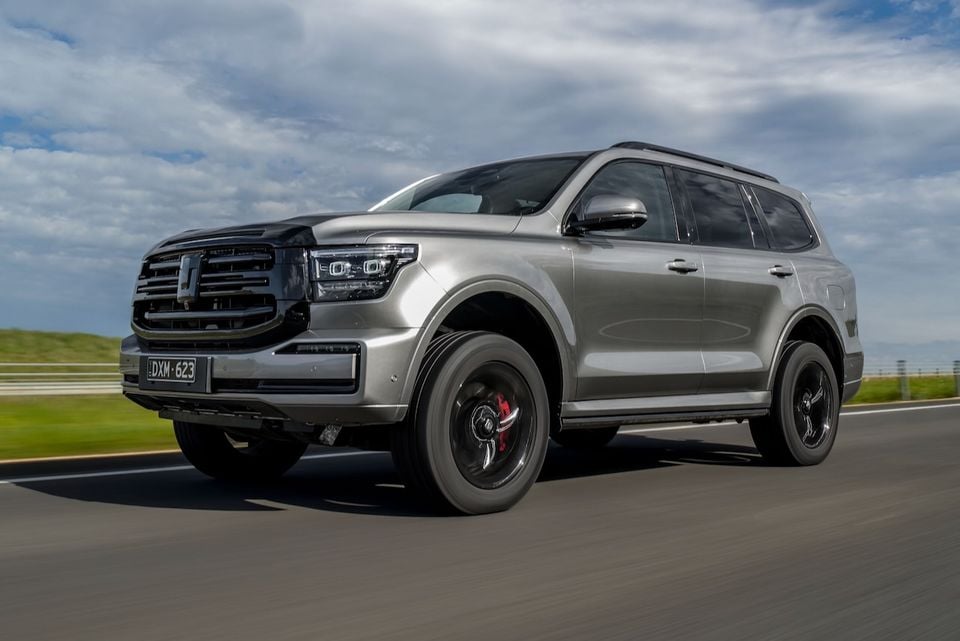
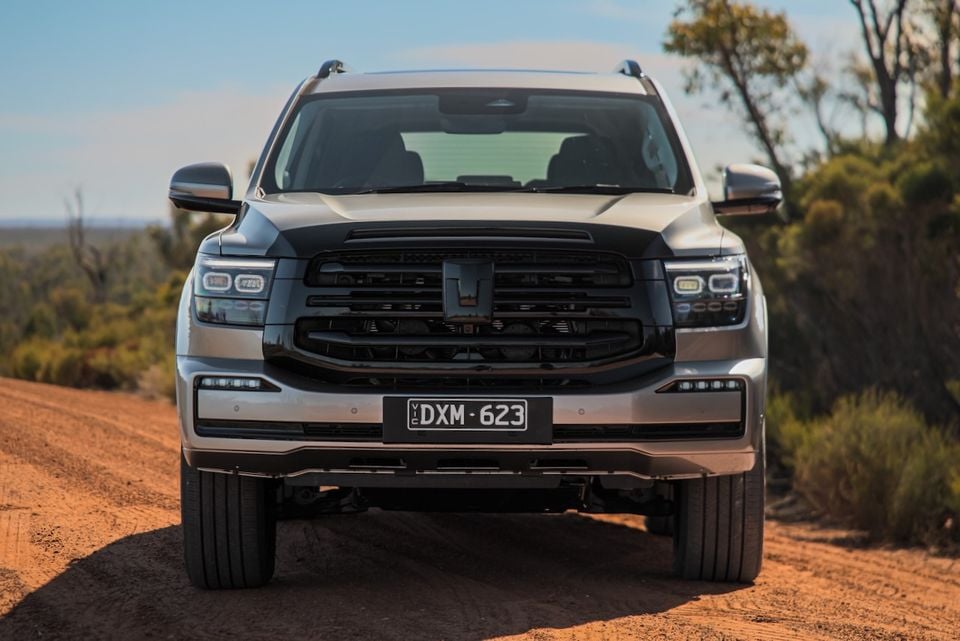
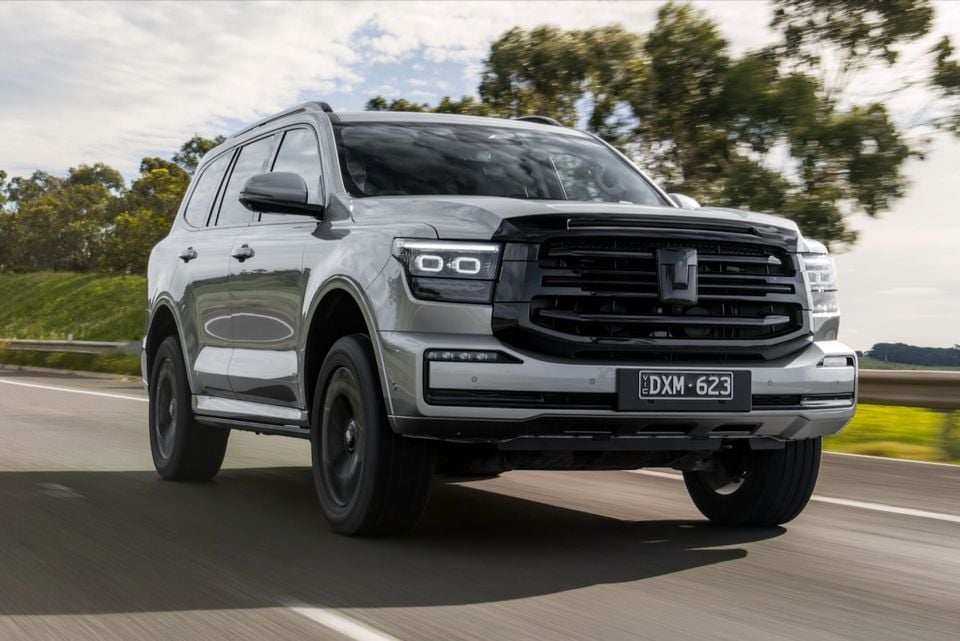
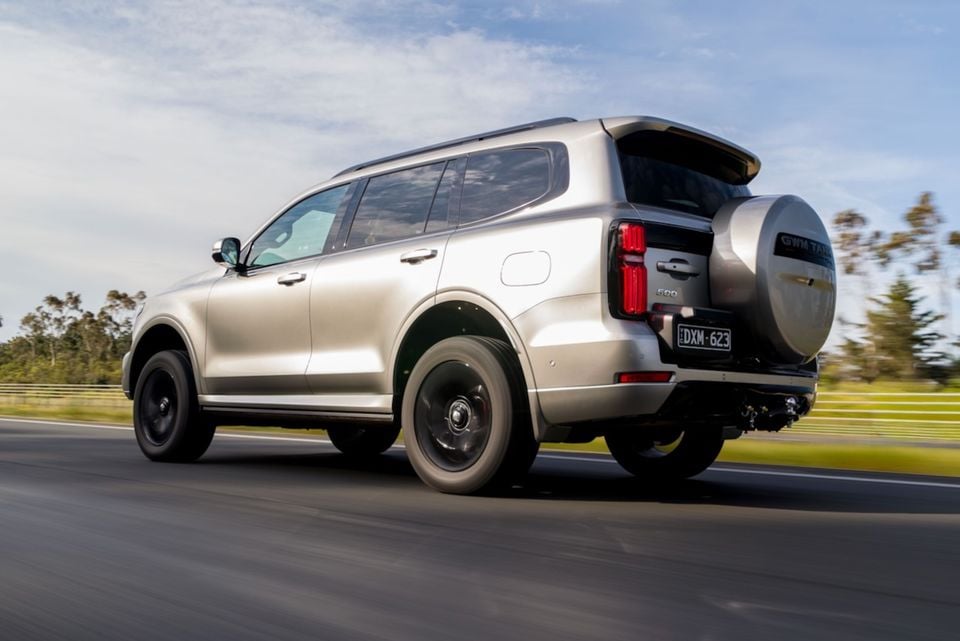
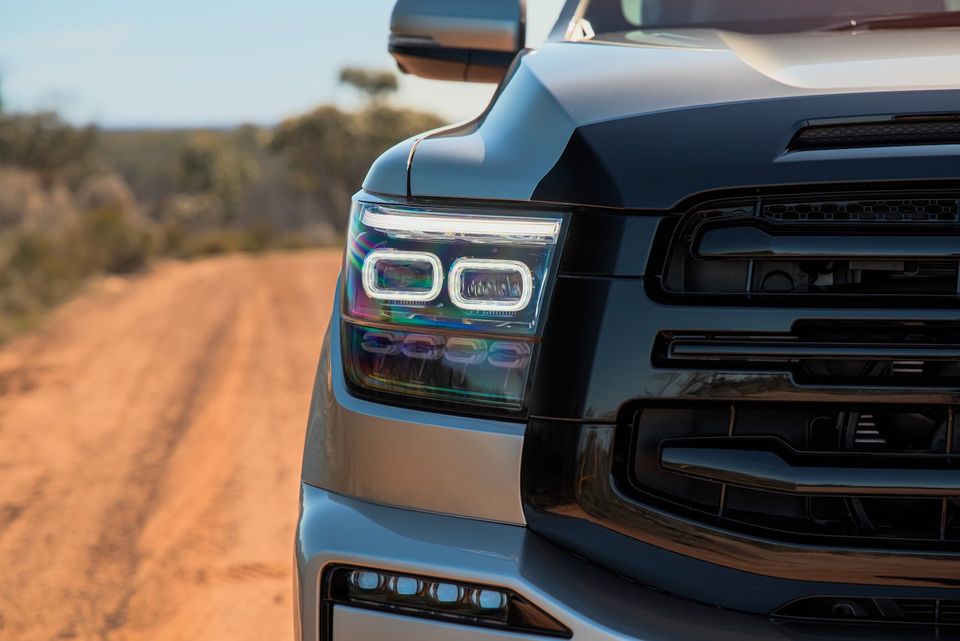
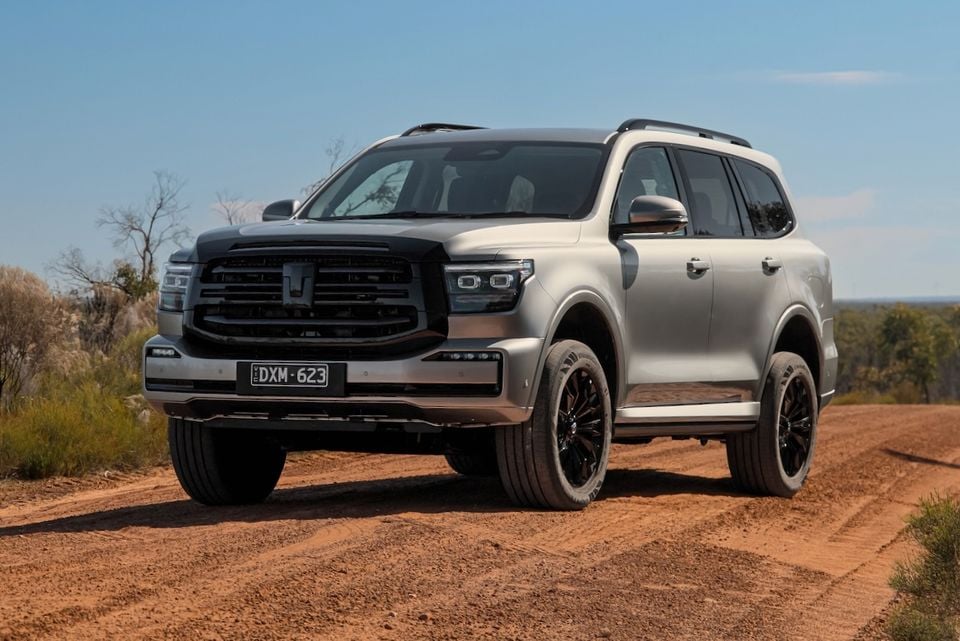
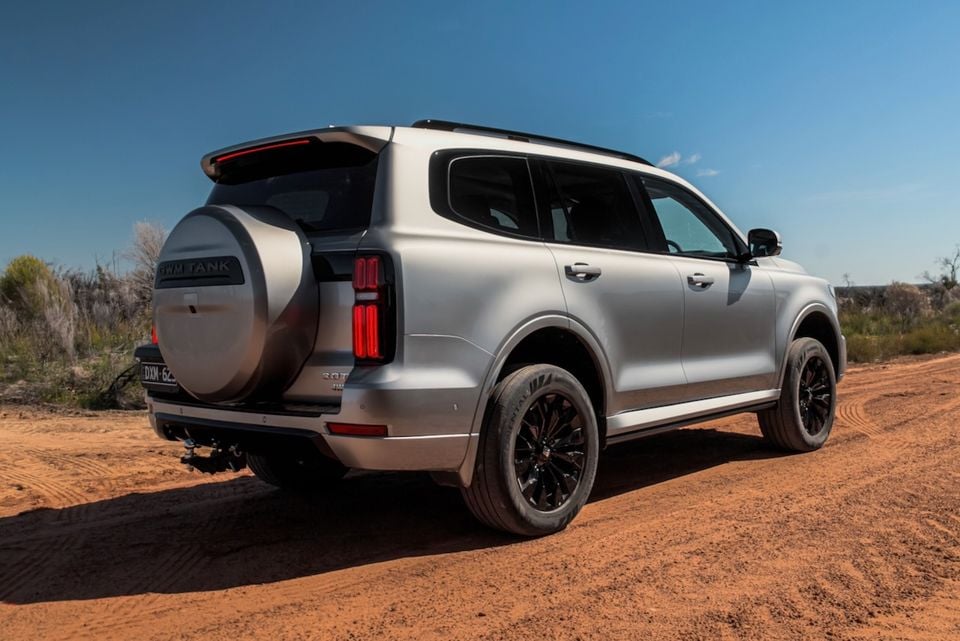
The Vanta also gets a long list of black styling highlights, like a black grille and roof rails, as well as red brake calipers sitting behind 19-inch wheels.
All of this adds to the Tank 500’s off-road credentials and impressive luxury features, which we’ll get to in a minute.
But numbers on a page are only part of the story. So, what's the GWM Tank 500 like to drive with the new 3.0-litre engine? We spent time out in the Victorian bush to see what it’s like both on and off road.
The GWM Tank 500 lineup is priced from $65,990 drive-away for the base 3.0-litre Lux variant, topping out at $79,990 drive-away for the plug-in hybrid Ultra grade.
| Model | Drive-away price |
|---|---|
| 2027 GWM Tank 500 Lux 3.0TD | $65,990 |
| 2027 GWM Tank 500 Vanta 3.0TD | $71,990 |
| 2027 GWM Tank 500 Vanta HEV | $75,990 |
| 2027 GWM Tank 500 Ultra Hi4-T PHEV | $79,990 |
We spent most of our time in the Tank 500 Vanta 3.0TD, priced from $71,990 drive-away, which, despite being the fully loaded variant still undercuts much of the competition in this segment.
While the Everest range starts from $58,990 before on-road costs, to get the 3.0-litre turbo-diesel V6 buyers will need to spend $66,990 plus on-roads.
Meanwhile, the cheapest 3.0-litre four-wheel drive Isuzu MU-X costs $57,990 plus ORCs.
To see how the GWM Tank 500 lines up against the competition, check out our comparison tool
The cabin has always been one of its strongest selling points, and though little has changed here, it’s still a lovely place to find yourself.
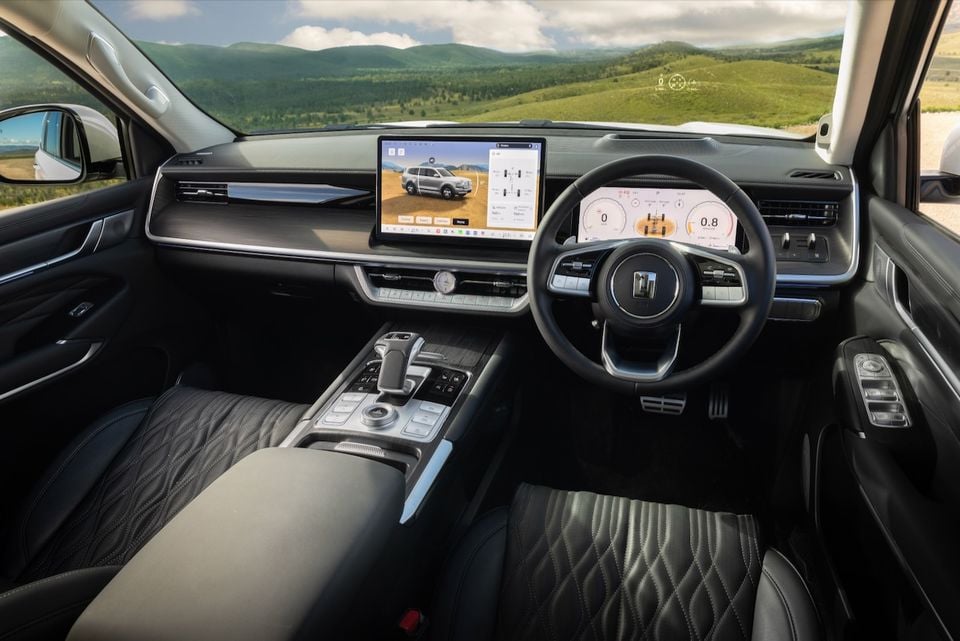
The range-topping Tank 500 Vanta gets a heated steering wheel, Nappa leather upholstery, heated and cooled front seats with massage function, ventilated second-row seats, integrated window shades for the second row, power-folding third-row seats, active noise cancelling, a head-up display, and a panoramic sunroof.
But, like the powertrain specs, the list of interior features only means so much. Thankfully, the execution is very good – particularly so when the price is taken into consideration.
My previous complaints with the interior of the Tank 500 were few and far between, but it seems like someone was listening, regardless. GWM has added a texture to the faux wood veneers, which makes the dash trim feel a touch nicer. I also had a harder time finding those sharp and unfinished edges in storage bins and out-of-sight places.
On closer inspection, the Tank does employ a mix of premium and cheap materials, but it’s done well – arguably better than some of the German brands do – with the harder trims typically kept away from touchpoints. The overall fit is also impressive, to a degree that should make Ford and Toyota sweat.
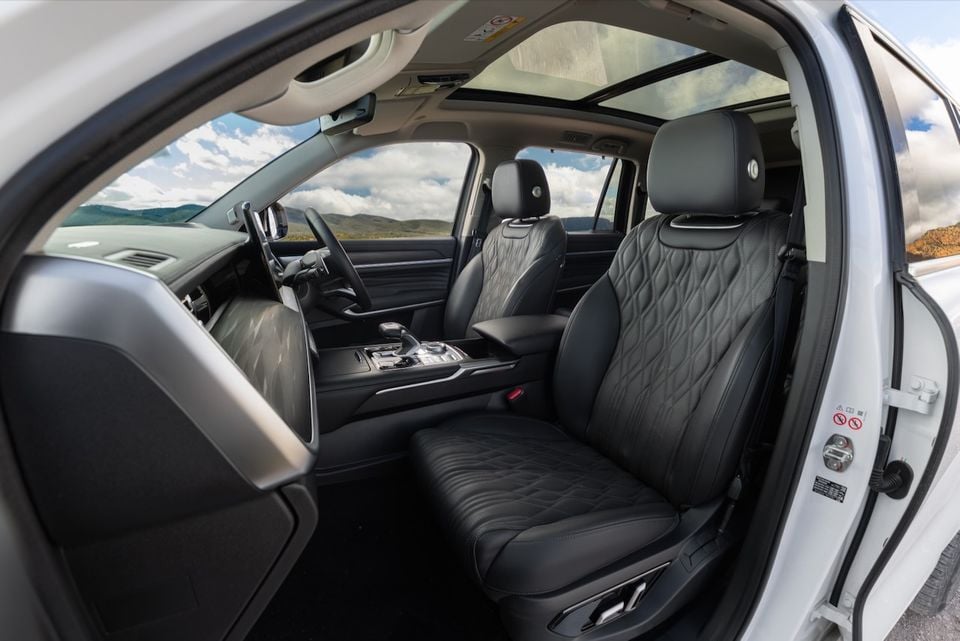
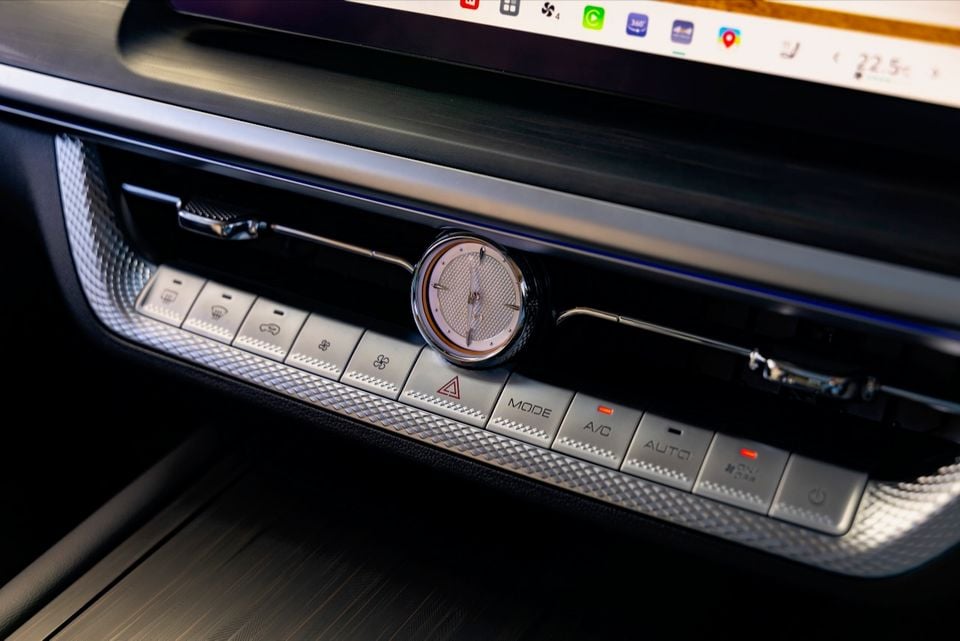
Buyers can option a new blue and cream interior, and while it wasn’t something that tickled my own fancy, the contrast stitching, quilted leather and metal highlights are excellent, and combine well with the Tank 500’s mix of modern and classic styling.
Honestly, an uneducated passenger could mistake the blue and cream coloured cabin for something from Bentley. On the surface, it’s really not that much of a stretch, despite the GWM having one less zero at the end of its price tag.
GWM also offers a black Nappa leather interior, which feels more subtle and traditional, but pairs well with the dark wood veneer and brushed aluminium.
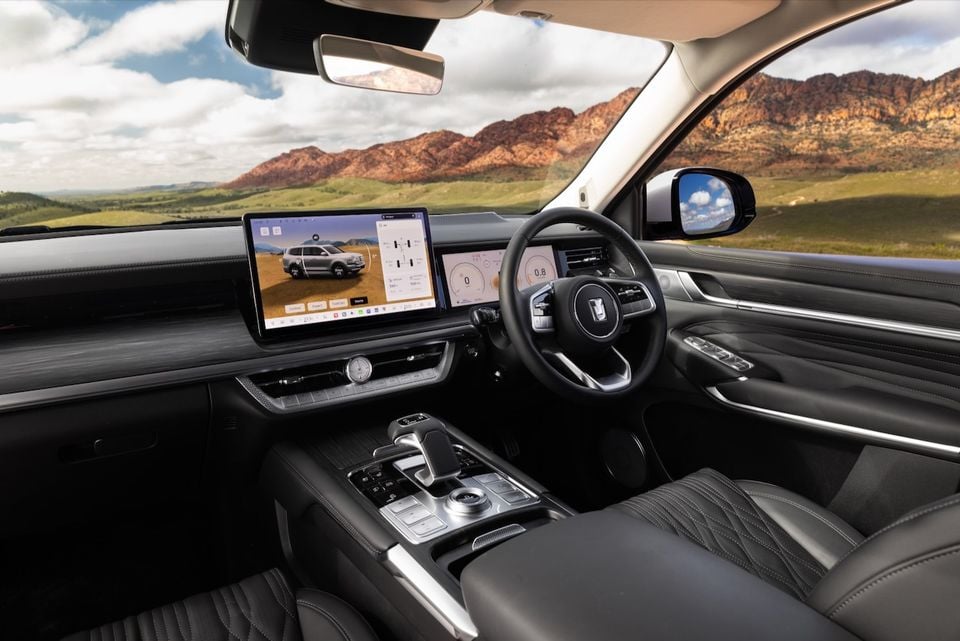
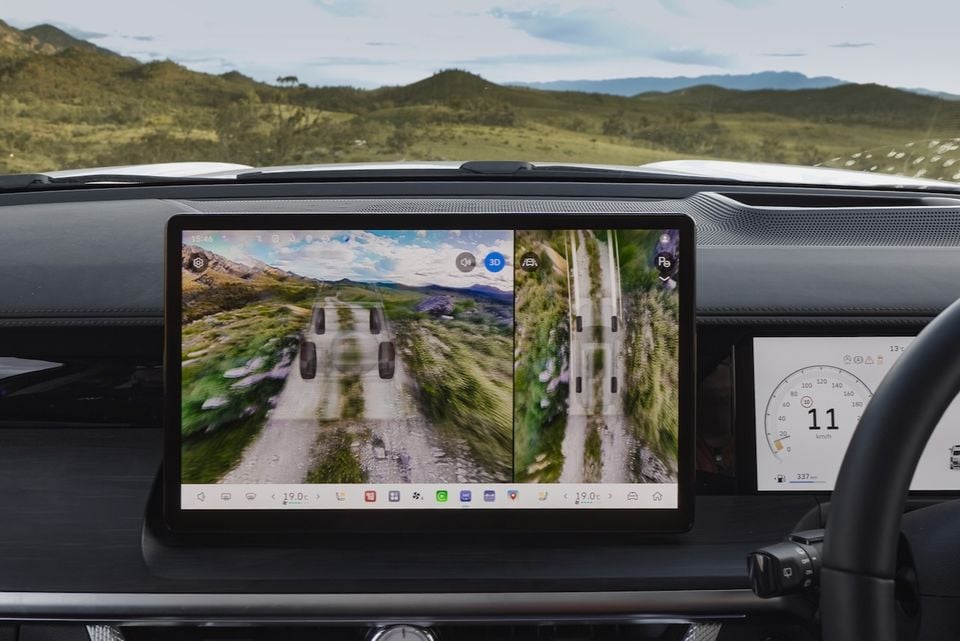
There’s a strip of shortcut buttons below the 14.6-inch touchscreen, which itself now runs GWM’s latest Coffee operating system. The infotainment system seemed quick and easy to navigate, though I didn’t walk away thinking it was anything particularly special or groundbreaking. However, it is a massive leap over the slow and clunky system GWM previously used, making for a welcome update.
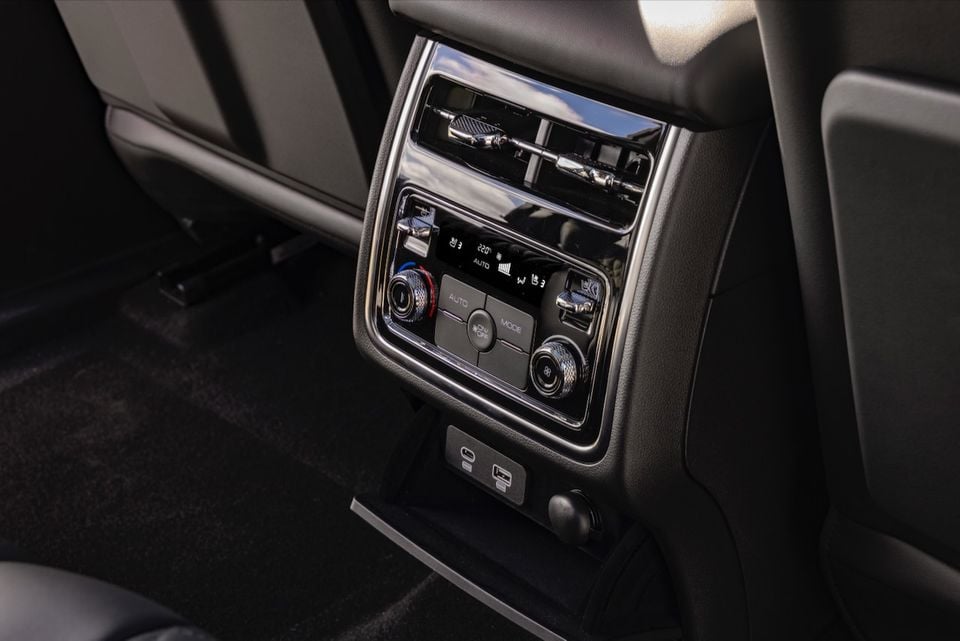
The Vanta also gets retractable side steps, which can either be programmed to deploy when the doors open, or when the vehicle is driven at a low speed.
Really, my only complaint with the Tank 500’s cabin was the ergonomics. There’s just not enough (electric) adjustment in the steering wheel column, forcing me to compromise on my seating position. I wasn’t uncomfortable, but it wasn’t my ideal setup.
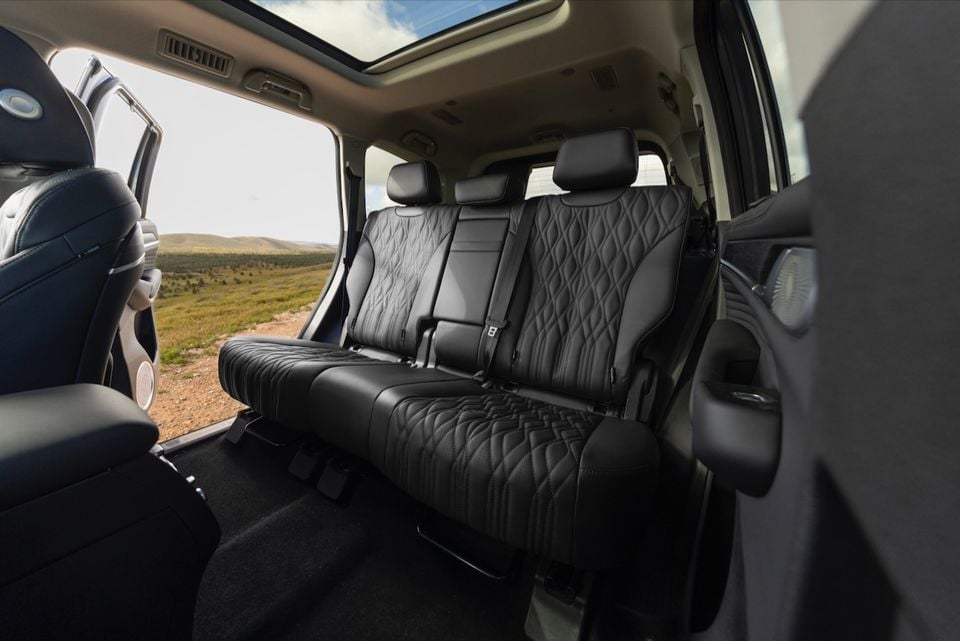
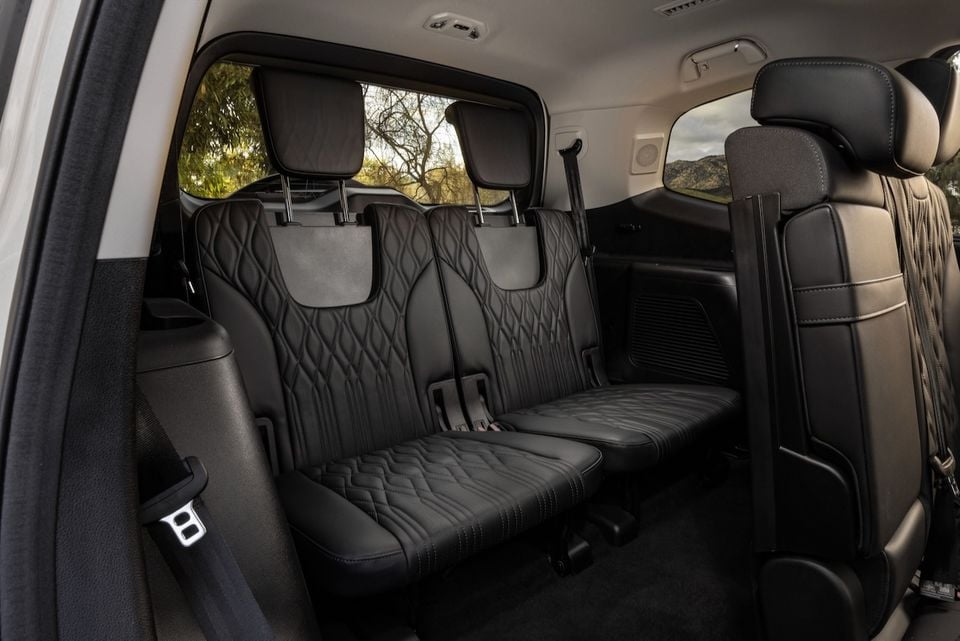
As I alluded to in my previous review, you wouldn’t complain if you had to spend any length of time in the second row. Back-seat passengers are ridiculously well catered for, with plenty of space and comfort from the ventilated seats.
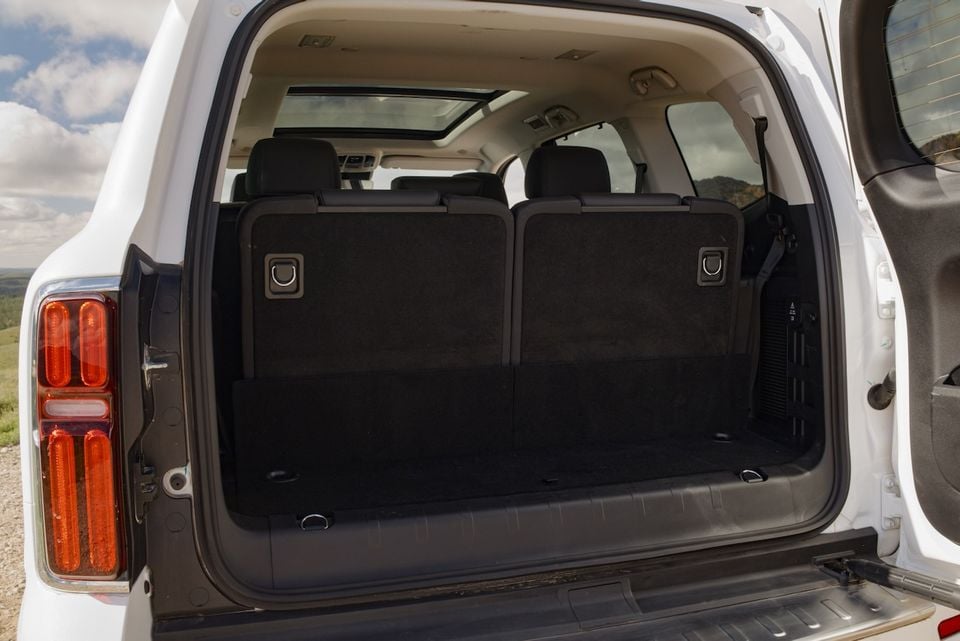
For those needing to carry extra kids, there’s a third row of power-folding seats – however, there are no top-tether anchors for the third row. With both second and third rows folded, boot space grows from 98 to 1489 litres.
| Dimensions | GWM Tank 500 3.0TD |
|---|---|
| Length | 5078mm |
| Width | 1934mm |
| Height | 1905mm |
| Wheelbase | 2850mm |
| Cargo capacity | 98L (all rows up)795L (3rd row down)1489L (2nd row down) |
To see how the GWM Tank 500 lines up against the competition, check out our comparison tool
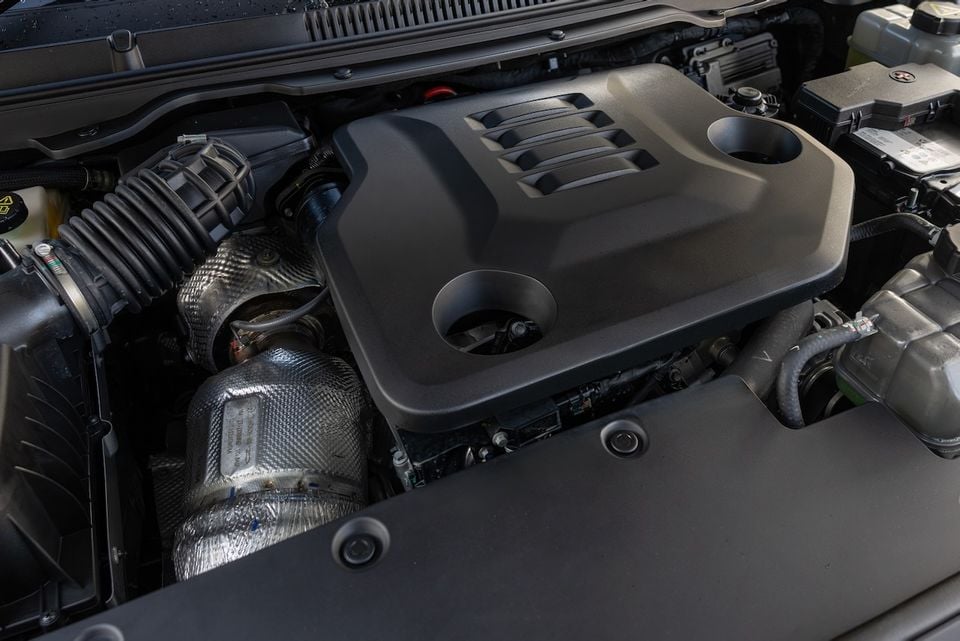
GWM says the 3.0-litre turbo-diesel is an all-new engine, offering class-leading torque and fuel economy figures – with the added benefit of not requiring AdBlue.
| Specifications | GWM Tank 500 3.0TD |
|---|---|
| Engine | 3.0L turbo-diesel 4cyl |
| Power | 170kW |
| Torque | 620Nm |
| Transmission | 9-speed automatic |
| Drive type | Part-time four-wheel drive |
| Fuel economy (claimed) | 7.1L/100km |
| Fuel tank | 78L – Lux131L (78+53L) – Vanta |
| Weight | 2635kg – Lux2705kg – Vanta |
| Payload | 760kg – Lux690kg – Vanta |
| Braked towing capacity | 3500kg |
| Gross vehicle mass (GVM) | 3395kg |
| Gross combination mass (GCM) | 6545kg |
The 3.0-litre unit is mated to a nine-speed automatic transmission, which operates on the road in rear-wheel drive, with the driver able to select high- and low-range four-wheel drive for low-traction environments.
The Tank 500 also offers front, centre, and rear differential locks, and selectable terrain modes.
To see how the GWM Tank 500 lines up against the competition, check out our comparison tool
According to GWM, this new 3.0-litre engine isn’t just a bored-out version of its 2.4-litre donk, and came about due to a specific request from the company’s Australian arm.
The company’s engineers spent time creating an all-new timing chain assembly for this engine, while also specifically working on thermal management and optimising airflow.
What does that mean? Well, it’s about making sure cold air is getting into the engine – thanks to a water-to-air intercooler – delivering greater performance, and doing so with the shortest path to reduce turbo lag. In other words: more power and better response.
On the road, there’s a definite feeling of strength to this engine, which comes from a thick band of torque. GWM says peak torque is sustained from 1400 to 2400rpm, whereas the V6 in the Ford Everest only manages peak torque between 1750 and 2250rpm.
All of which means the Tank 500 gets up to speed relatively quickly, but without any fanfare. It feels more refined than Isuzu’s long-trusted 3.0-litre turbo-diesel four, but doesn’t feel as flexible as Ford’s V6, with performance tapering off in the GWM once you get to the end of that torque band.
GWM’s new 3.0-litre turbo-diesel four-cylinder feels like full-fat cream: plenty of body, plenty of calories, but lacking some character on its own.
Though not a direct comparison, I just happened to be driving a Ford Everest V6 that same week. The 10-speed automatic in the Ford can be a little busy at times, but it allows the vehicle to make the most of that engine during acceleration.
The GWM’s nine-speed automatic, meanwhile, just isn’t as sophisticated – holding gears too long, with the occasional thumping gear shift and a final drive ratio that didn’t seem to match the engine’s torque output perfectly – particularly when trundling around the bush in low range. Is it bad? No, but it’s certainly not class-leading.
What really impressed me was the ride and handling. Former Holden chassis engineer Rob Trubiani is now heading GWM’s local tuning program, and there have clearly been major advances made in this regard, particularly since the last time I drove this model.
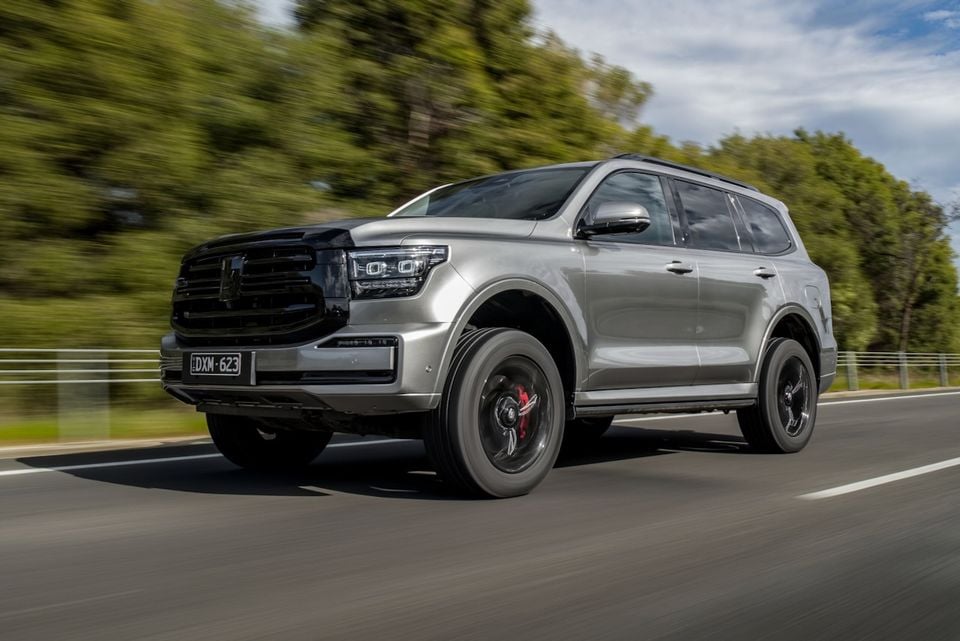
The Tank 500 feels a lot lighter and more nimble on its feet, with far less wallowing through corners than before. It now takes real advantage of the independent double wishbone front suspension, coupled with its multi-link live rear axle.
Through winding backroads, the Tank can carry a respectable amount of speed without falling over itself, helped by a set of Continental tyres on the Vanta.
My initial take was that there did seem to be a compromise in the first five per cent of the ride, which takes a bit of the initial compliance out of overall comfort on the road, with the chassis also occasionally feeling out of phase. However, that minor compromise on initial damping made a lot more sense as soon as we started hitting the bush tracks, where the greater frequency of bigger bumps were soaked up well by the suspension.
Both on- and off-road, it’s an impressive piece of kit.
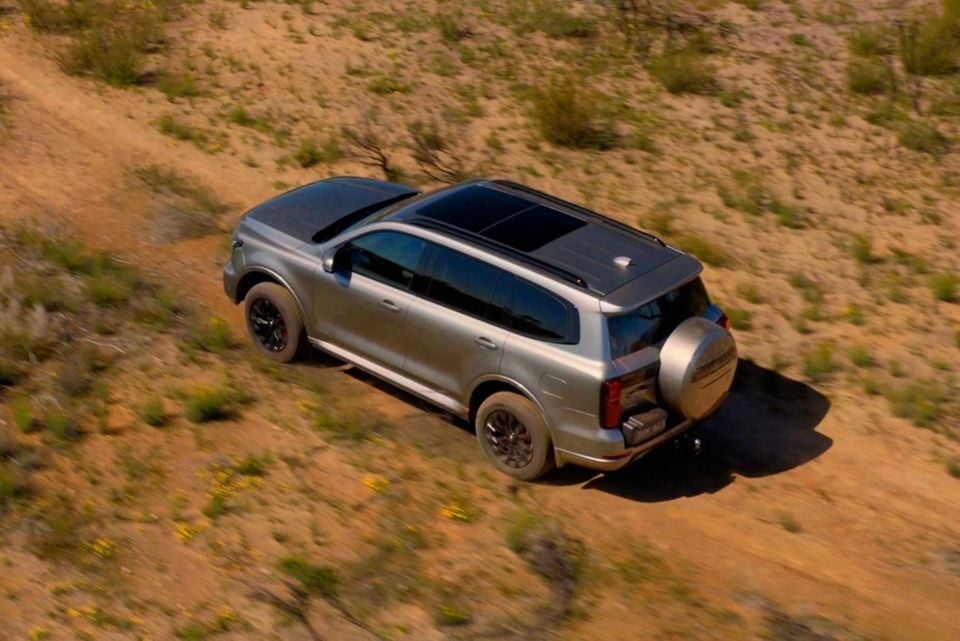
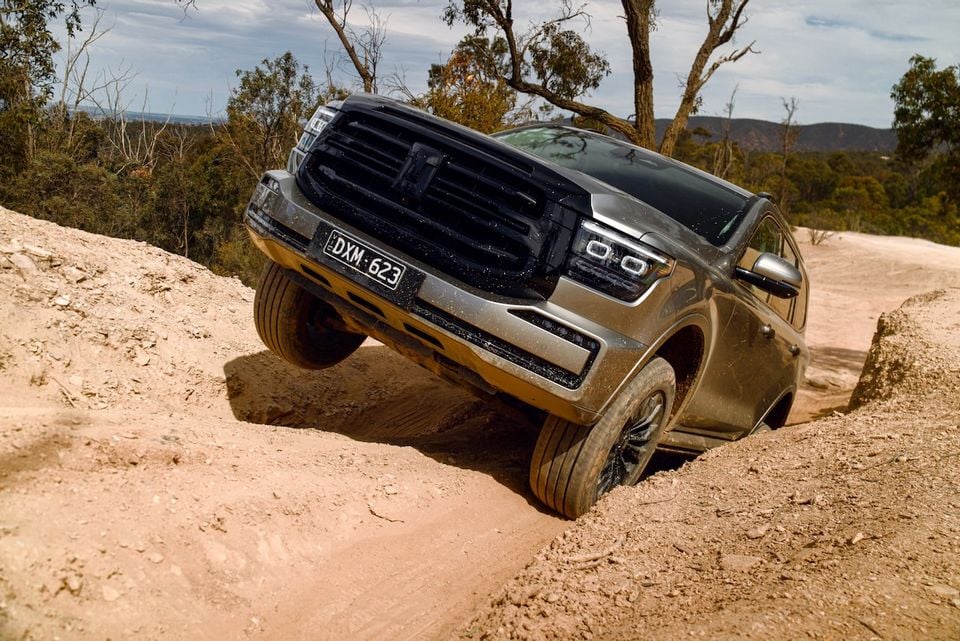
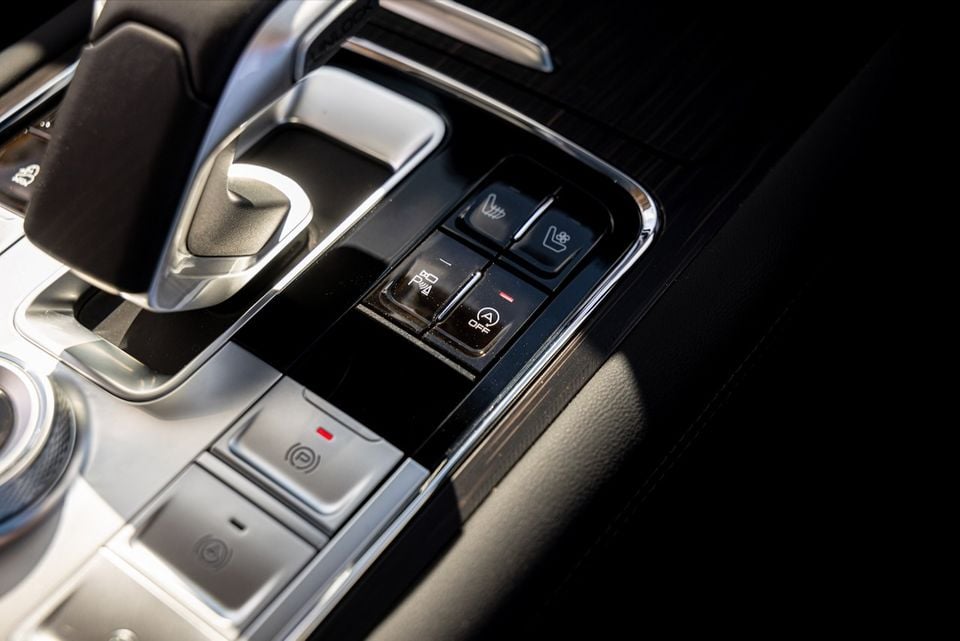
While there’s unfortunately no 4A setting, as in the Ford – which provides the confidence of automatic four-wheel drive on both sealed and unsealed surfaces – the Tank’s drive mode dial and differential lock buttons are easy to access and use, allowing us to swap between high- and low-range gears, depending on the environment. Using low-range did highlight the transmission’s lack of refinement, but this was offset by switching to manual mode and rolling through the gears using the steering wheel paddles.
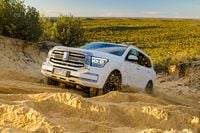
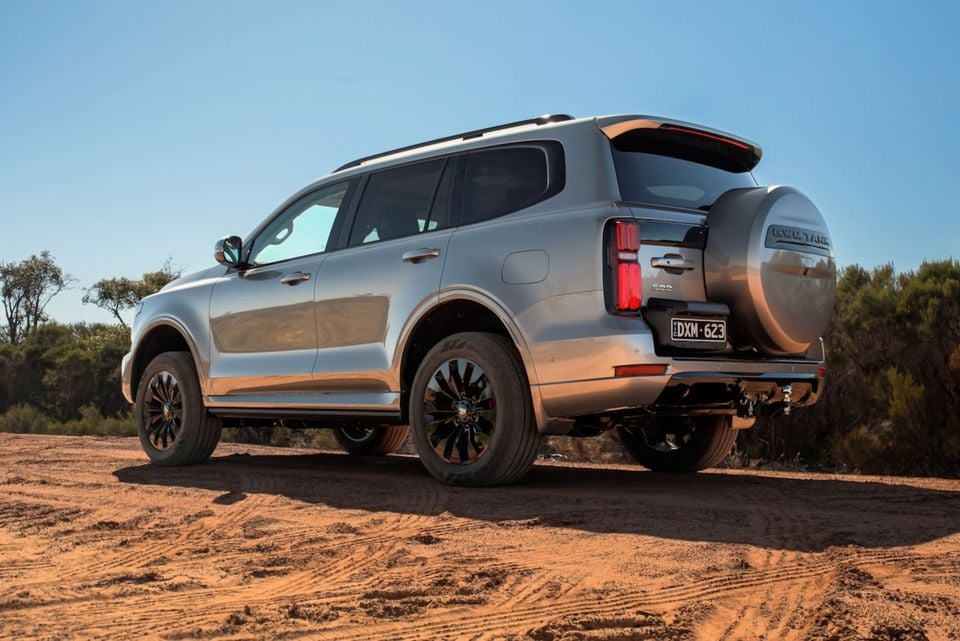
At an initial glance, the terrain wasn’t especially challenging – we weren’t lifting wheels or articulating over giant boulders – but rain over the previous days turned some of the tracks into very slick clay. The road-oriented tyres at placard pressures meant it wasn’t easy to keep the Tank straight and out of the ditches and valleys below. Staying out of trouble was only possible with the front and rear diffs locked, which greatly improved traction and capability.
However, a couple of large jolts through the rear-end had the vehicle automatically switch to towing mode, which decoupled the diff locks. Another vehicle in convoy reported the same issue, which we reported back to company representatives.
Back on the blacktop, we also occasionally found the indicators didn’t want to cancel, requiring a more forceful touch to disengage. The steering is pretty artificial too, with little in the way of feedback from the front axle, while the brake pedal is woody on initial engagement.
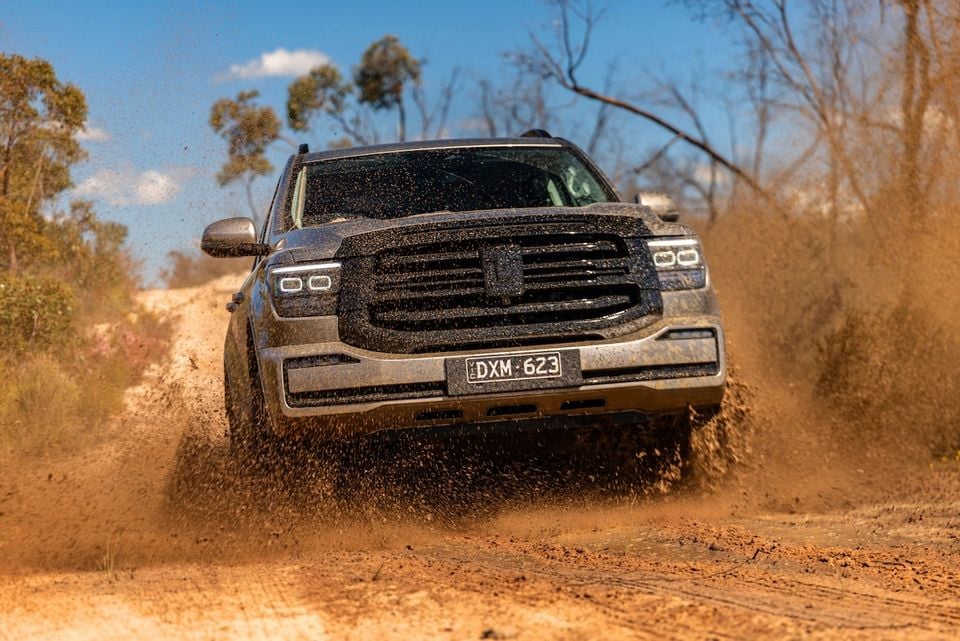
With the exception of the odd towing mode glitch, these are all relatively minor complaints. The Tank 500 was impressive in all the scenarios thrown at it, while also delivering us home feeling relaxed and refreshed.
Part of this is because the sound deadening is very good. The Vanta uses active noise cancelling, working in the same way as your expensive headphones to counteract frequencies from wind, tyres, and external din. This contributes to that Bentley-from-Temu feeling.
There’s also clearly been a bunch of work done to dial down the driver-assistance functions. The GWM still jerks on the steering wheel from time to time when it thinks it knows better, but it’s nowhere near as intrusive as it was in the past, and feels far more liveable than previous iterations.
| Off-road dimensions | GWM Tank 500 3.0TD |
|---|---|
| Ground clearance | 220mm |
| Approach angle | 28.5 degrees |
| Departure angle | 25 degrees |
| Ramp breakover angle | 22 degrees |
| Wading depth | 800mm |
To see how the GWM Tank 500 lines up against the competition, check out our comparison tool
One of the Tank 500's greatest strengths is its list of standard features, which grows even longer in Vanta specification.
If this is the car for you, we’ll compare offers from trusted dealers, handle the back and forth and manage your purchase from enquiry to delivery.
2027 GWM Tank 500 Lux 3.0TD equipment highlights:
Tank 500 Vanta 3.0TD adds:
Options / colours:
To see how the GWM Tank 500 lines up against the competition, check out our comparison tool
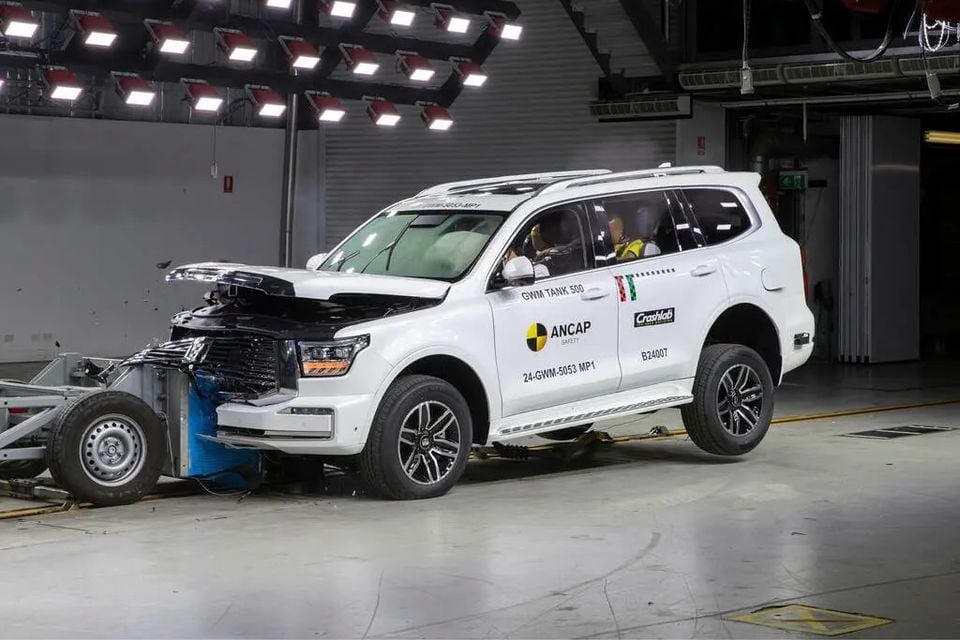
The Tank 500 has been awarded a five-star safety rating from independent Australian crash-test authority, ANCAP, which covers all models and variants.
| Category | GWM Tank 500 |
|---|---|
| Adult occupant protection | 85% |
| Child occupant protection | 93% |
| Vulnerable road user protection | 81% |
| Safety assist | 74% |
Of the four areas tested by ANCAP, the Tank 500 scored especially well on child occupant safety, with a rating of 93 per cent.
GWM has yet to confirm whether the 3.0TD is included, but it's believed the new powertrain falls under this safety rating for the Tank 500.
Standard safety equipment includes:
To see how the GWM Tank 500 lines up against the competition, check out our comparison tool
The Tank 500 comes with GWM's seven-year, unlimited-kilometre warranty, with roadside assistance offered for up to seven years – provided the vehicle is serviced on time by a GWM dealer.
| Servicing and Warranty | GWM Tank 500 3.0TD |
|---|---|
| Warranty | 7 years, unlimited kilometres |
| Roadside assistance | 7 years (conditional) |
| Service intervals | 12 months/15,000km |
| Capped-price servicing | Up to 7 years |
| Average annual service cost | $540 |
| Total capped-price service cost | $3780 |
GWM offers up to seven years of capped-price servicing, averaging $540 per year, based on intervals of 12 months or 15,000km – whichever comes first.
To see how the GWM Tank 500 lines up against the competition, check out our comparison tool
The 3.0-litre GWM Tank 500 is a highly impressive piece of kit and, if given the chance, could suit a lot of Australian families.
The new engine is particularly welcome, with a good flow of low-to-mid-range torque, decent power, and potentially excellent fuel economy. It’s not the most characterful engine we’ve ever used, but it’s still much better suited to an SUV of this size. Combined with the Vanta’s extra fuel capacity, the Tank 500 is really doing all it can to be a viable alternative to the leaders in the segment.
The changes to the interior are relatively subtle, but no less welcome. The blue and cream colours may not suit all tastes, but I dig what the company is doing regardless, and there’s no doubt the bold hues make the cabin feel a lot more expensive than it is. There’s a shedload of luxury features and technology for almost any seat, which makes it very easy to forgive minor complaints like the imperfect ergonomics.
The addition of the new 3.0-litre turbo-diesel has really expanded the Tank 500's competence, especially when it’s coupled with its off-road driving modes, low-range, and locking differentials. You may not be jumping in the Tank 500 to cross the Sahara, but there’s no doubt it has the ability to get you quite far into the bush – and even further with a proper set of all-terrain tyres.
GWM is listening to its customers and finding ways to make improvements from nose to tail – and while the engine is the most obvious change, it’s actually the ride and handling that is the headline here. There’s clearly been a lot of work done on that front, and it’s made a world of difference to the way the vehicle drives.
Though the Tank 500 isn’t perfect, a lot can be forgiven when the price is taken into account. Starting at $65,990 drive-away, and coming in at less than $72,000 for the range-topping Vanta on the road, this seven-seat all-terrain SUV offers frankly exceptional value – thanks in part to a very long list of standard features that wouldn’t look out of place in a luxury vehicle.
For those in the market for a large family SUV with some off-road cred, who are happy to save some cash by not choosing one of the segment stalwarts, the 3.0-litre GWM Tank 500 is as strong a contender as it's ever been.
CarExpert can save you thousands on a new GWM Tank 500. Click here to get a great deal.
Click the images for the full gallery
If this is the car for you, we’ll compare offers from trusted dealers, handle the back and forth and manage your purchase from enquiry to delivery.
Quickly see how this car stacks up against its competition. Select any benchmark to see more details.
GWM Tank 500
GWM Tank 500 Sales rolling 12-months#
*Based on VFACTS and EVC data
Looking for complete GWM Tank 500 price history?
Our GWM Tank 500 Pricing Page shows exactly how prices have changed over time.
2025
$70,084
2025
$73,990
2025
$75,990
2026
$79,990
Ben Zachariah has 20-plus years in automotive media, writing for The Age, Drive, and Wheels, and is an expert in classic car investment.
Add CarExpert as a Preferred Source on Google so your search results prioritise writing by actual experts, not AI.
Ben Zachariah
2 Hours Ago

James Wong
20 Hours Ago

Damion Smy
23 Hours Ago

Max Davies
1 Day Ago
James Wong
2 Days Ago

William Stopford
3 Days Ago
Add CarExpert as a Preferred Source on Google so your search results prioritise writing by actual experts, not AI.
# Based on VFACTS and EVC data
† Displayed prices are based on the drive-away price of the vehicle, which includes delivery charges, registration fees, number plates, and applicable road taxes, based on a Sydney location. However, prices may vary between states and territories, and additional costs such as compulsory third party (CTP) insurance, dealer delivery fees, and optional extras are not included. These prices are subject to change without notice and may not reflect current market pricing or dealer offers.
 Automotive Vehicle Spec Data & 4K images Powered by JATO Dynamics Ltd