







Ben Zachariah
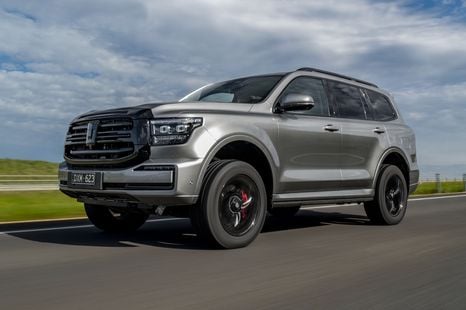
2027 GWM Tank 500 3.0TD review
GWM’s Tank 500 large SUV now has an all-new 3.0-litre turbo-diesel engine. But is it any closer to the likes of the Ford Everest and Toyota Prado?
13 Hours Ago
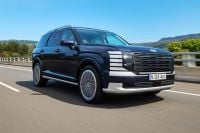
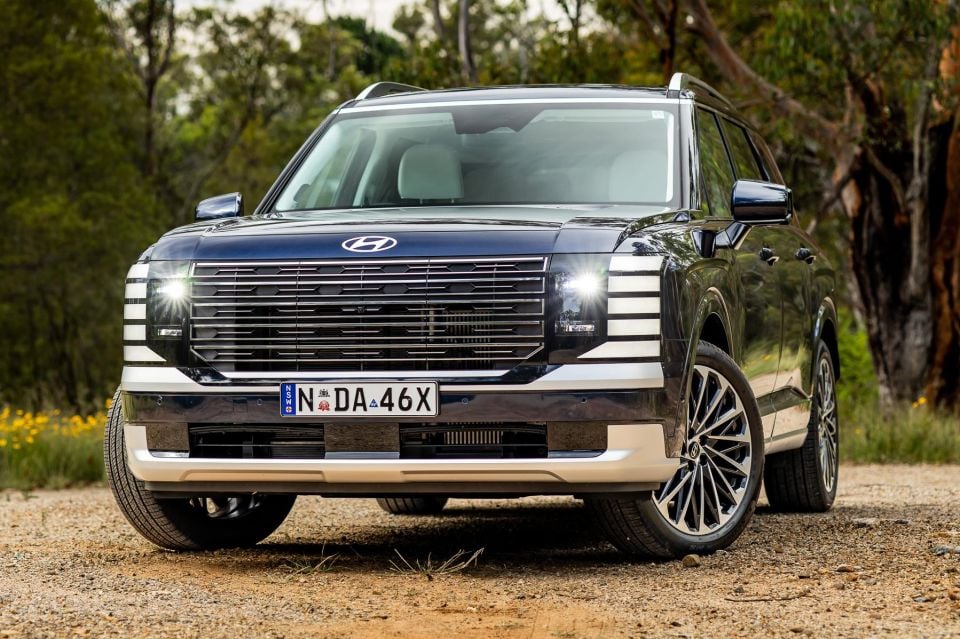
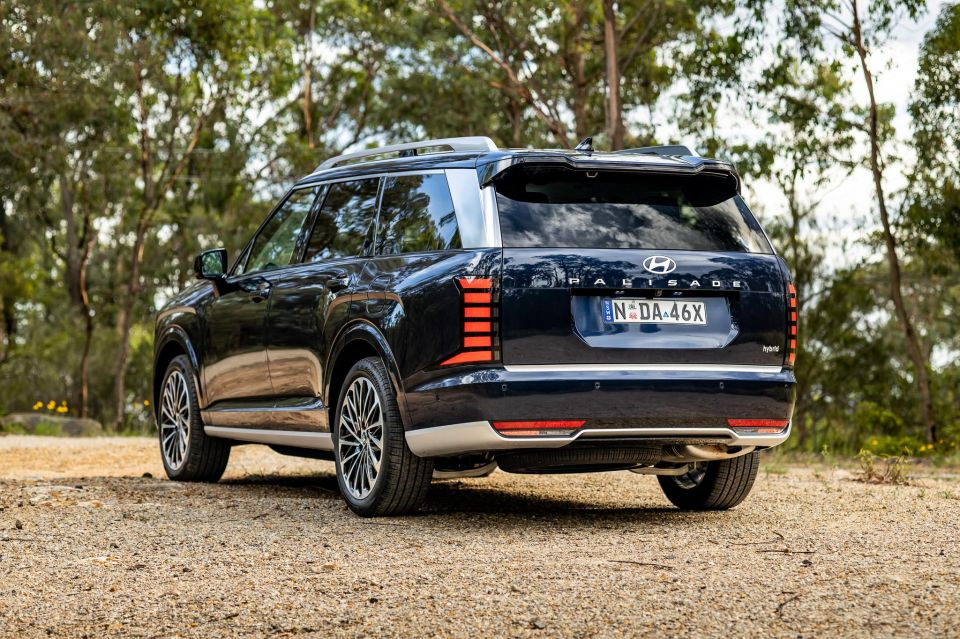
The all-new Hyundai Palisade is a very plush flagship family bus. But wow this top-shelf large SUV is pricey!

Senior Contributor
Senior Contributor
Senior Contributor
Senior Contributor
If this is the car for you, we’ll compare offers from trusted dealers, handle the back and forth and manage your purchase from enquiry to delivery.
What a huge change.
The new Hyundai Palisade large SUV has received a significant overhaul, with the old powertrains and platform gone.
It’s a bigger car, still with the choice of seven or eight seats, but there’s only one powertrain available initially, and one equipment grade too. And boy oh boy, this is an opulent bit of kit – and it’d want to be, considering the price.
I’ve struggled to come to terms with the idea of a nearly-$100,000 Hyundai that still needs petrol. I mean, it’s a really big SUV with loads of stuff, but the people I’ve spoken to all week about the car (I had a LOT of questions from mums at the preschool drop-off) were all shocked at the price.
| Model | Price before on-road costs |
|---|---|
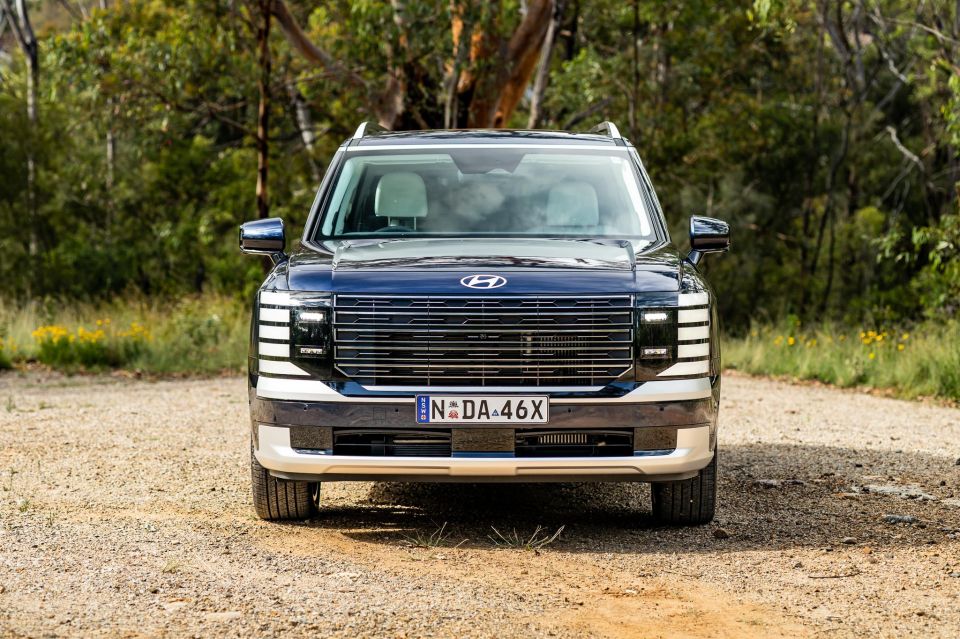
| 2026 Hyundai Palisade Calligraphy Hybrid AWD | $89,900 |
Configured as you see it, the price to put it in your driveway in NSW is $98,655. Yes. That’s just $1345 away from a six-figure Hyundai SUV.
And look, I know it has seen a huge spec uplift. And we know there might be a more affordable variant added at a later date. But this review concerns only this grade, and in my professional opinion this car is too expensive, even considering the long list of gear.
To see how the Hyundai Palisade lines up against the competition, check out our comparison tool
Technology isn’t usually an issue with Hyundai vehicles, but the finger motion detectors in the door handles for the keyless entry system were fiddly and glitchy on this car.
There were a number of times when they should have opened when I touched the little pad on the handle to unlock, but they failed. Worse? It worked sometimes. But not all the time. User error it may have been, but I prefer the buttons the last Palisade had.
Inside, there are ways that this car does feel like a $90,000-plus SUV, but there were also a few things I noticed on this test car that left me a little surprised in terms of the finish.
Firstly, there was a poorly attached plastic section down near the driver’s knee. Also, the brightwork trim piece across the dash didn’t fit properly and sat proud at the join points. And I also noted that the plastics around the A-pillars were badly fitted, with sizeable gaps where it should have been tightly aligned.
If you’re paying $50,000 for a seven- or eight-seater, you would probably be less offended by that, but the reality is this is an expensive car and those little details should have been done better.
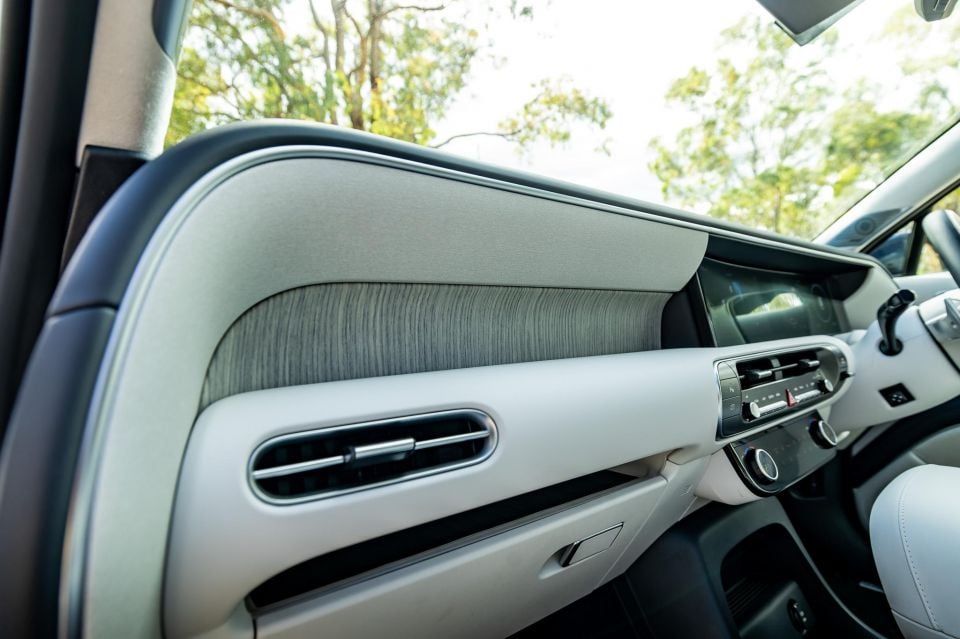
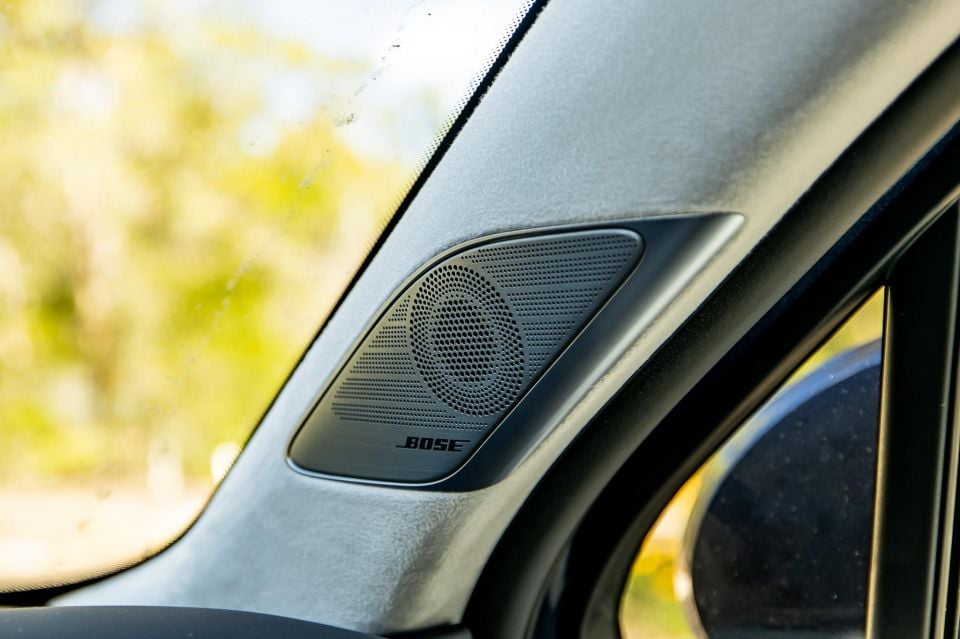
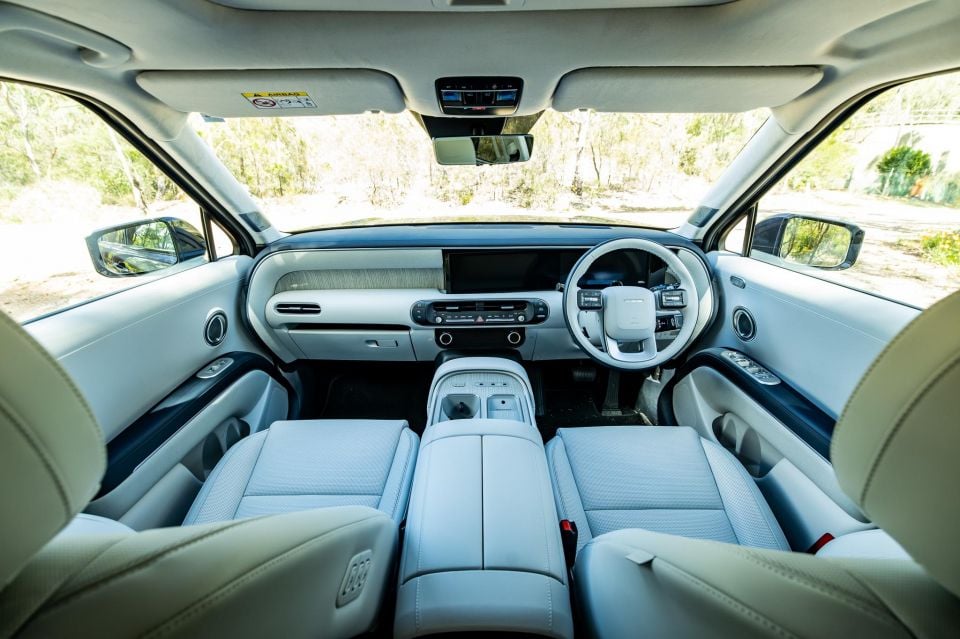
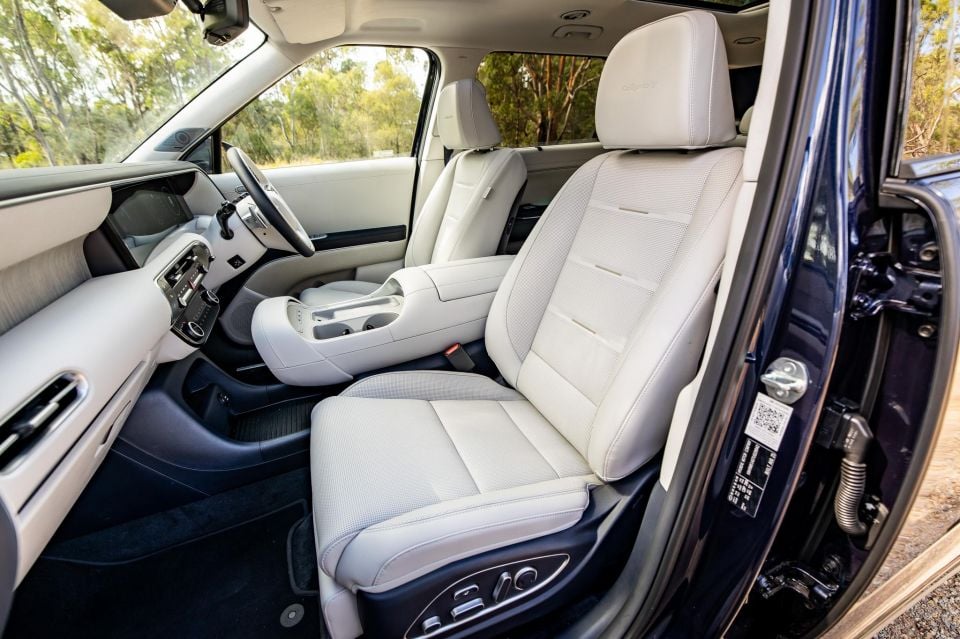
It’s a shame because otherwise the interior is an absolute delight to sit in, and there are some really beautiful decisions that have been made in terms of the design.
The dashboard with its ‘breaking wave’ style concave finish just looks amazing. And the material trimming is very decent. I love the suede headlining, the Bose speaker covers in the pillars, and the two-tone theme is sexy, too. You can get it with other finishes if you don’t like the cream and navy styling of this cabin.
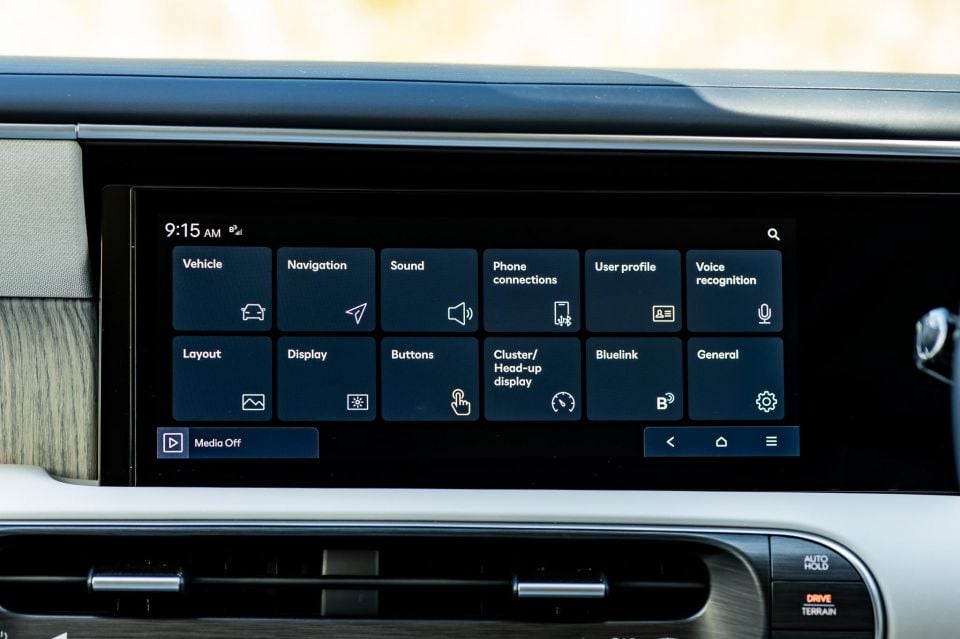
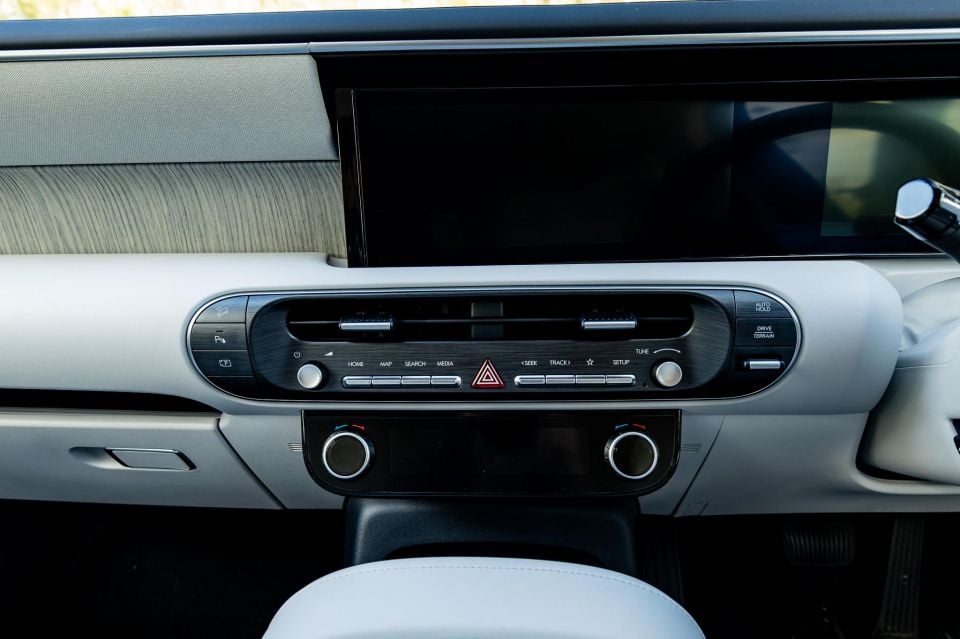
While there are twin 12.3-inch digital screens, you’re also getting a number of physical buttons and dials. Below the screen there are media controls, and further below is a touchscreen for climate settings along with dials for the climate control system.
There are also buttons for your camera view, drive and terrain mode selectors, and more.
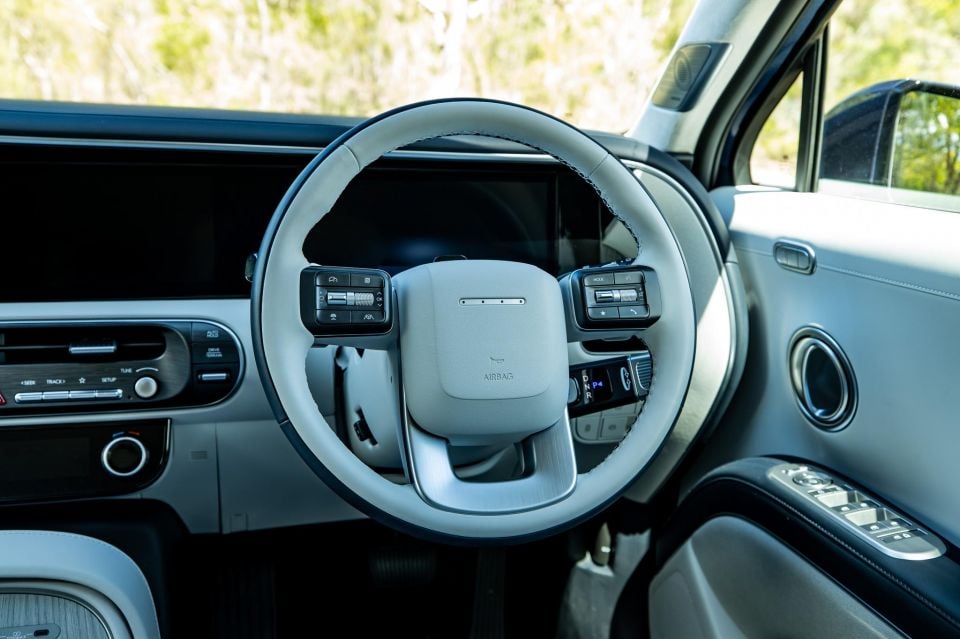
The steering wheel controls are easy to get your head around, and there are paddle shifters.
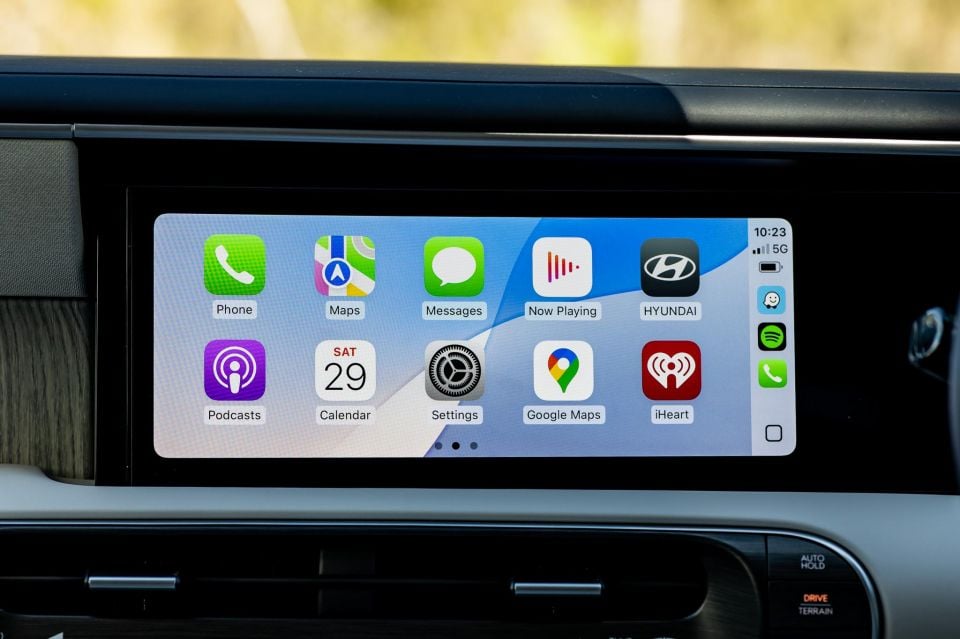
The screens have the expected functionality, with wireless Apple CarPlay and Android Auto, which worked an absolute treat during my time in this car. If you prefer, there is also sat-nav built-in, or you can just use regular old Bluetooth for audio (or USB). There are a number of easy-to-learn menu controls on the screen, and connected services too – so you can look at the weather, or use live mapping on the native GPS.
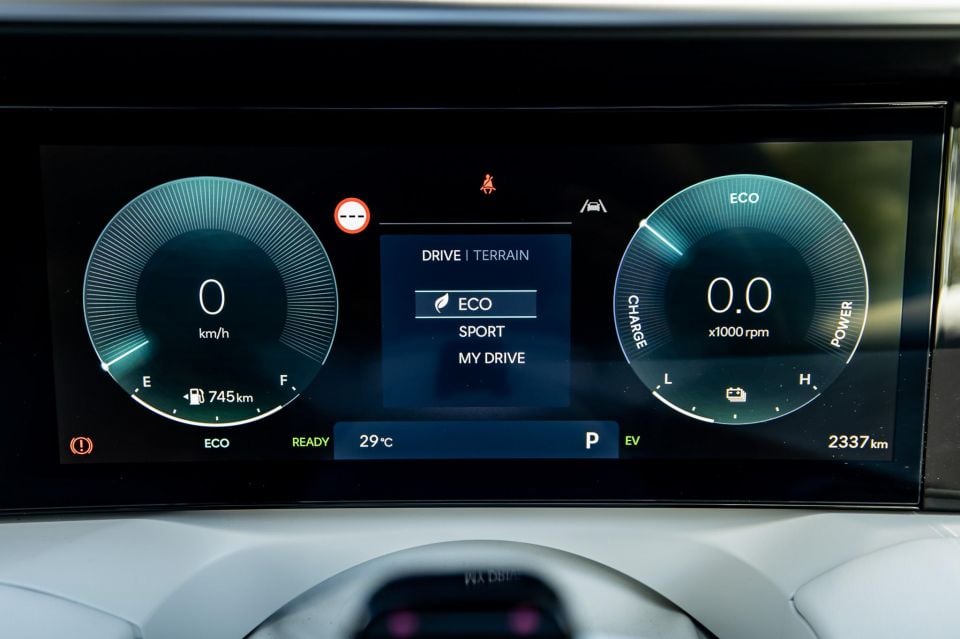
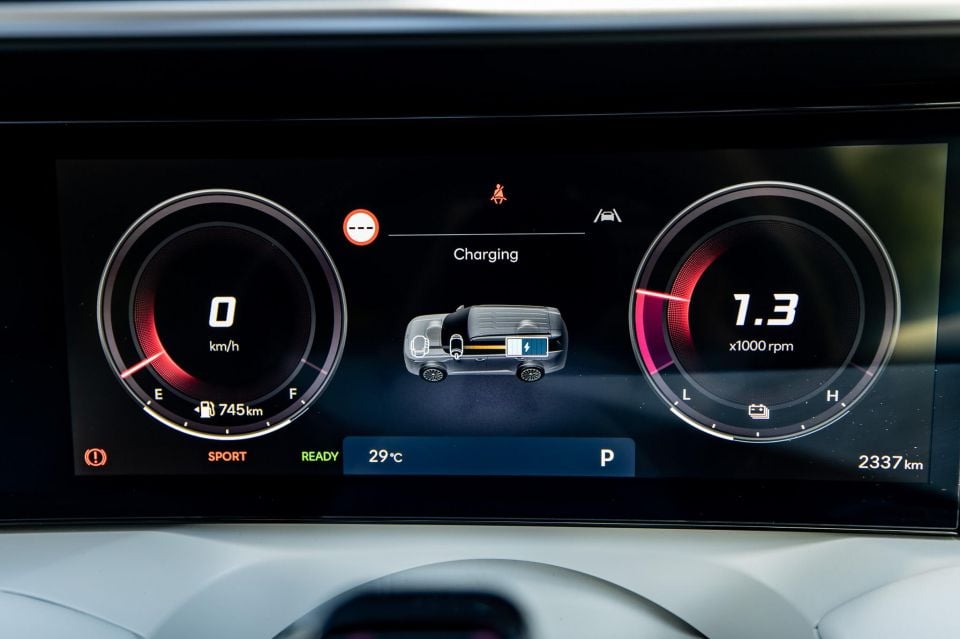
In front of the driver there is a 12.3-inch display, with a good amount of information that’s easy to get through, and it all presents well and feels high-tech but not overbearingly so. Plus there’s a head-up display with good graphic info on show.
Practicality-wise you get double bottle holders in the front door pockets, a good-sized glovebox with a shelf above, and big cupholders between the seats alongside a wireless phone charger and fingerprint reader (if you want to use that). And there is also a UV-C cleaning system, and multiple 100W USB ports – excellent!
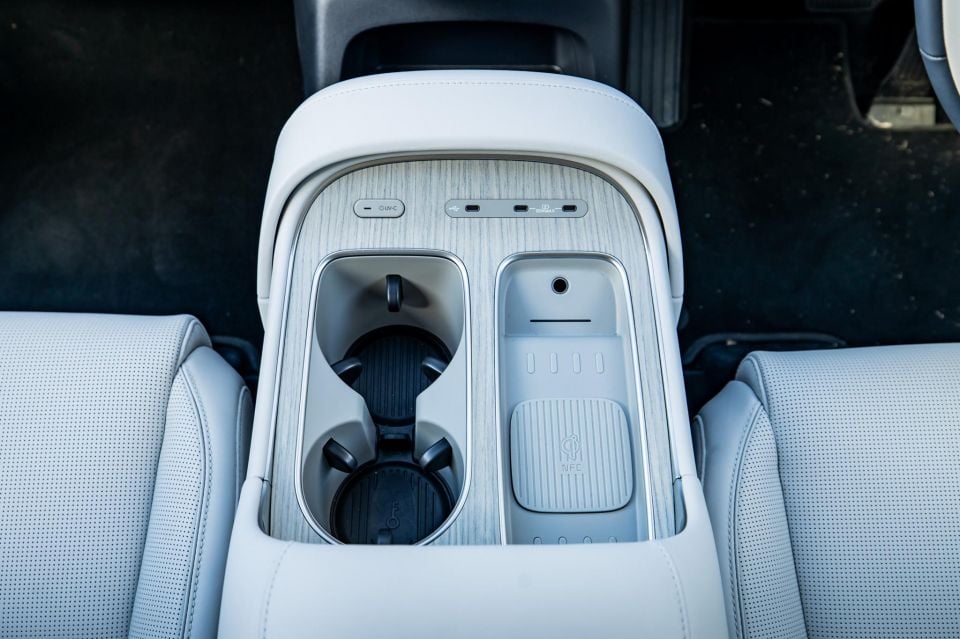
In between the driver and passenger on the floor area there’s extra storage and a small shelf, and between the front seats there is a covered centre console bin with a split lid.
Overhead you’ve got the expected illuminated vanity mirrors, extendable sliding sun-visors, and the excellent digital rear-view mirror – so if you have lots of faces looking back at you, flick that and you’ll still be able to see behind the car.
The seats are very comfortable too, with 16-way adjustment for the driver and 12-way adjustment for the passenger. I love the fact you can adjust the bolstering of the driver’s seat to be hugged how you like it, and there’s also an Ottoman-style leg rest on the driver’s side – but I wish that was an extendable under-thigh support system instead.
The middle row has a 60:40-split bench setup in the eight-seat model (you can have it with captain’s chairs for $1000 more) and the usability of the middle row is great.
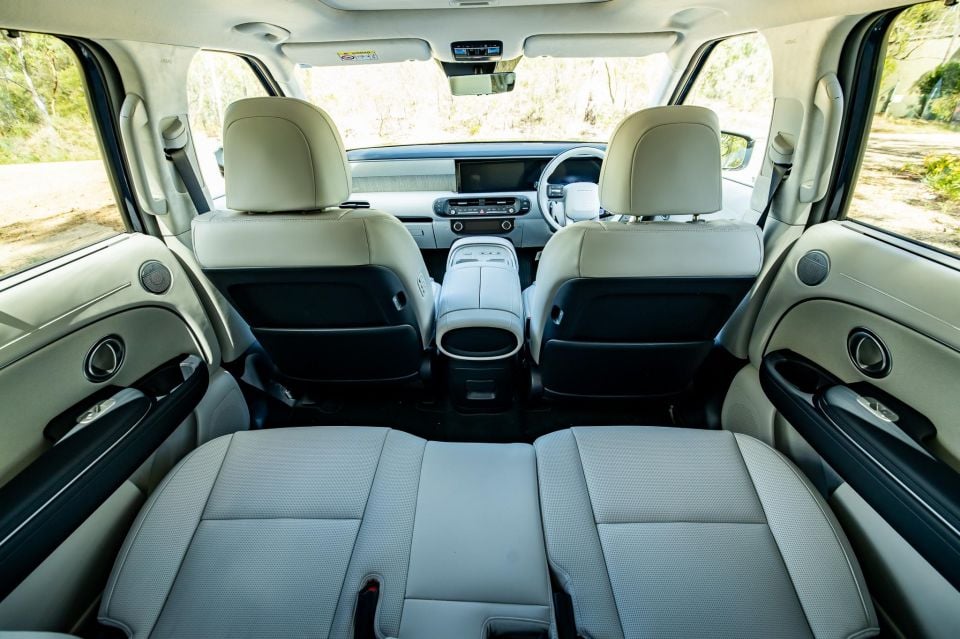
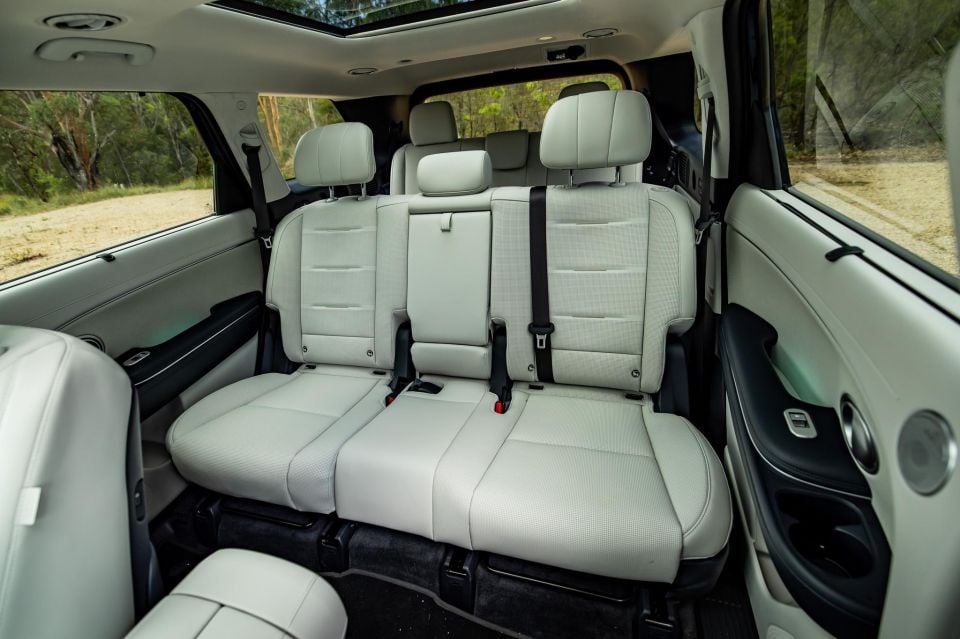
There are buttons at the tops of the seats to trigger the tilt-and-slide system for third-row access – just be mindful if you’re fitting a child-seat they can be triggered a bit too easily, meaning you might be trying to tighten a top-tether and constantly accidentally triggering the seat movement. Child-seat accommodation is otherwise well considered, with ISOFIX points in the outboard seats and three top-tethers.
There are slide and recline adjustments for the rear seats, and the window seats have heating and ventilation, too. Between them is a flip-down armrest with cupholders if required.
At 182cm/6’0”, I could fit behind my own driving position with space to spare in all directions, and I liked the overhead controls for the rear climate system – which can also be controlled by front-seat occupants via the touch panel, and the overhead vents offered great flow.
But while there is a sunroof in the back, rear riders don’t get control of it – maybe that is a decision based on potential parent-frustration metrics. If it matters, the larger portion of the seat is on the Australian kerb side, so you might want to consider third-row access when placing a booster or child capsule in the middle row.
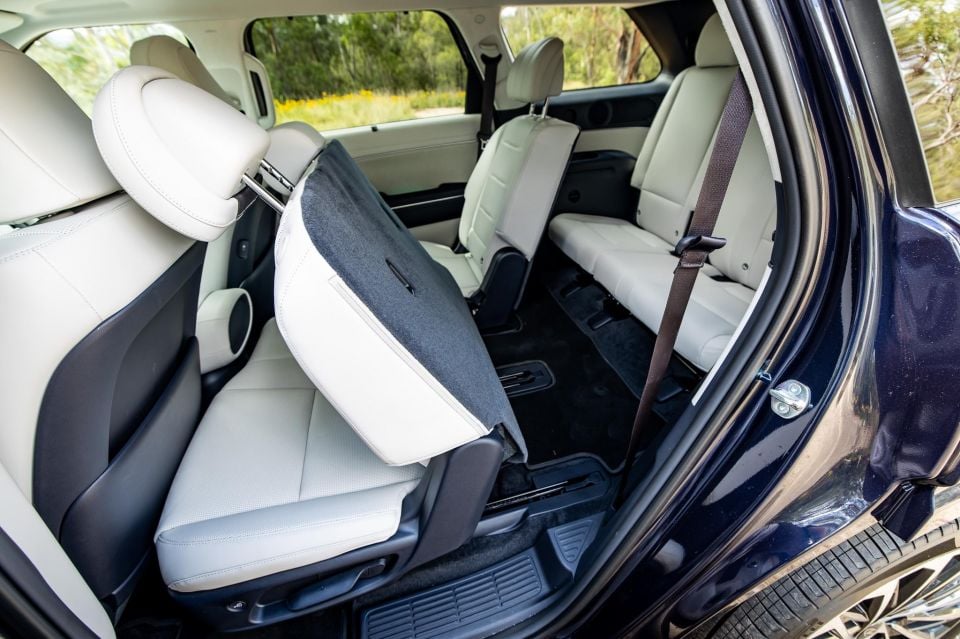
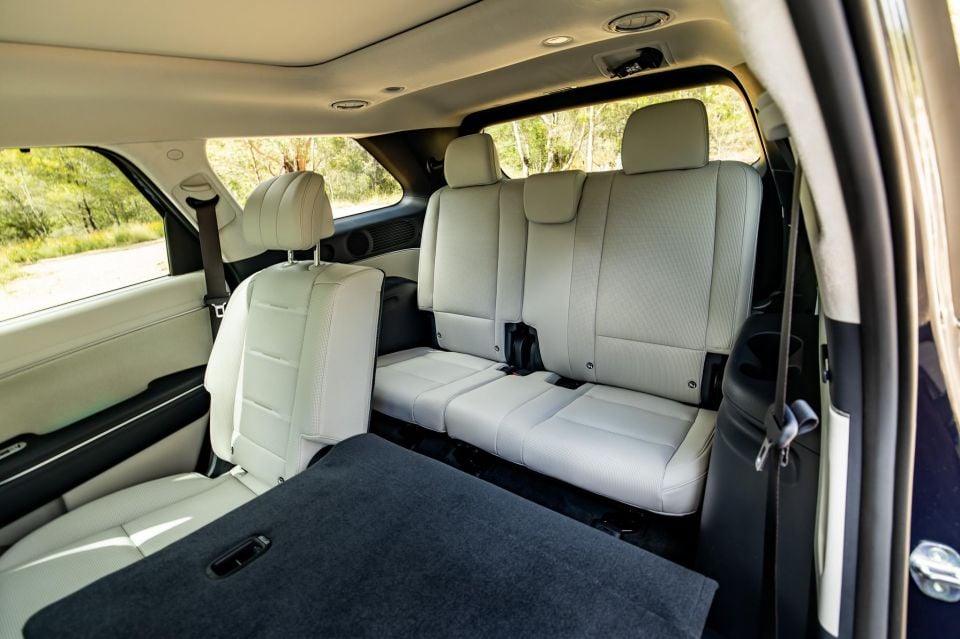
The access area into the third row isn’t overly broad (buy a Kia Carnival if you need that), but once in the back I had enough room to fit comfortably – so long as the middle row wasn’t slid all the way back.
A cool thing about the third-row seats in the Palisade Calligraphy is the inclusion of electric sliding and tilt adjustment. It is a neat thing to have on board, and kids will love it. It also means you can easily prioritise a bit more boot space if you need to also cart people across all three rows.
For adults it’s a two-only proposition, but there are apparently three seats in the back. Width is the big issue, as the wheel-arches eat into the sides of the space a bit. You’d have to be about a hands-width across the middle to be able to fit between two humans of my size in the third row. And the ceiling-mounted rear middle seatbelt will cause a ruckus among kids competing for space.
But if you’re more likely to just fit car seats back there, then you’ll be stoked to learn there are ISOFIX points and top-tethers for the side positions, and there’s seat heating in those spots too.
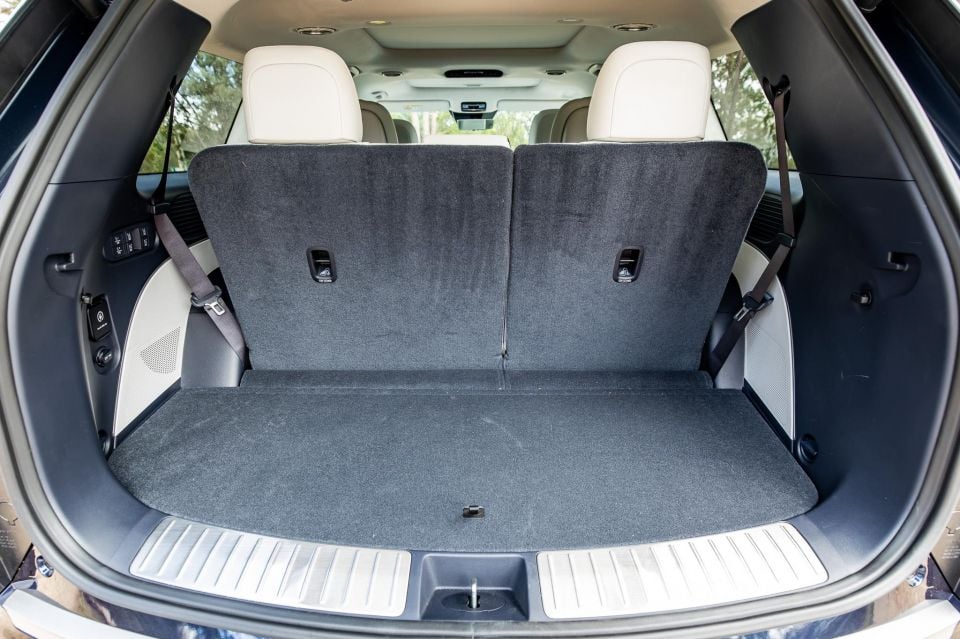
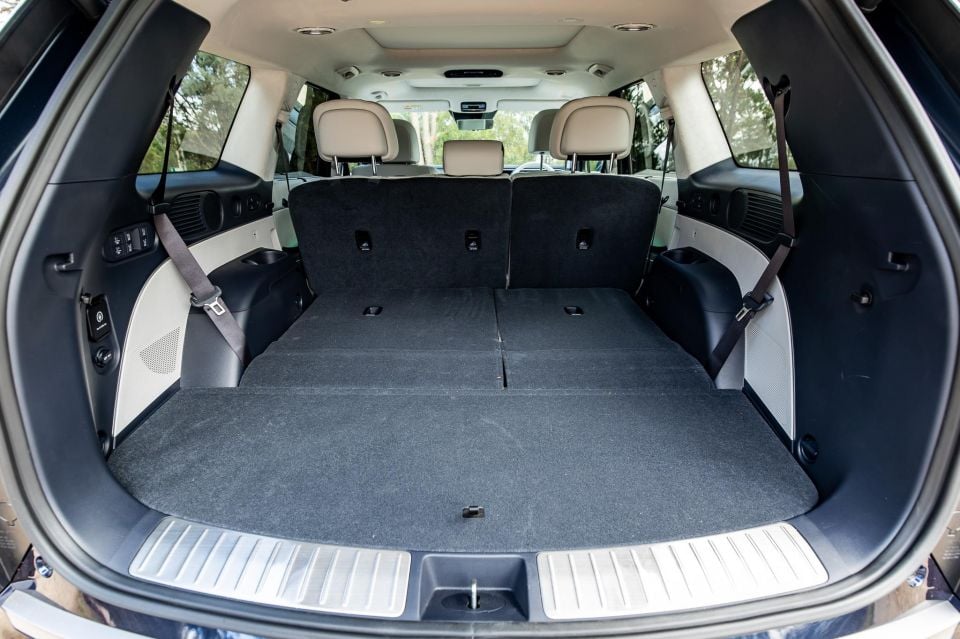
Clearly, boot space is a big factor for a car like this, and with the added usability of that sliding and folding third row, you can have either 300 litres of cargo space behind the back row, or 712L with it stowed. That’s a huge amount of space if you’re thinking of this as a ‘big five-seat SUV’ instead of a three-row option.
The amenities in the boot are excellent, including under-floor storage, multiple bag hooks, and a powerpoint to keep the kids happy on camping trips.
| Dimensions | Hyundai Palisade |
|---|---|
| Length | 5060mm |
| Width | 1980mm |
| Height | 1805mm |
| Wheelbase | 2970mm |
| Cargo capacity | 300L (behind third row) 712L (behind second row) 2081L (behind first row) |
To see how the Hyundai Palisade lines up against the competition, check out our comparison tool
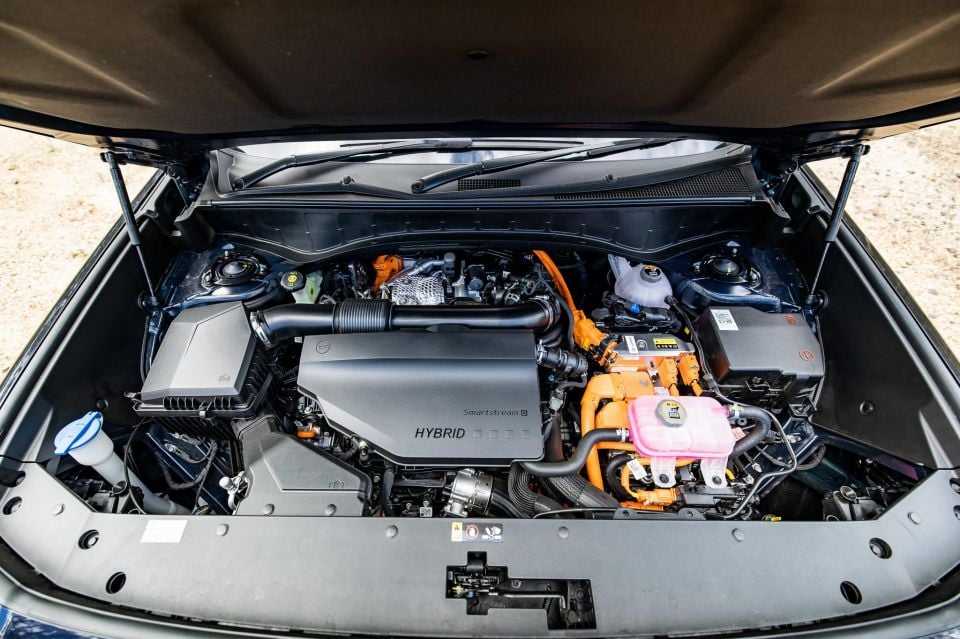
The diesel engine and the big petrol V6 will no doubt be missed by some, but in the modern era, a petrol-electric hybrid like this one is a more fitting option for families.
| Specifications | Hyundai Palisade Calligraphy Hybrid AWD |
|---|---|
| Engine | 2.5L 4cyl turbo-petrol hybrid |
| Engine outputs | 192kW 353Nm |
| Electric motor outputs | 54kW 264Nm |
| System outputs | 245kW 460Nm |
| Battery | 1.65kWh lithium-ion |
| Transmission | 6-speed automatic |
| Drive type | All-wheel drive |
| Weight | 2175-2294kg (7-seat) 2185-2304kg (8-seat) |
| 0-100km/h (claimed) | N/A |
| Fuel economy (claimed) | 6.8L/100km |
| Fuel economy (as tested) | 9.0L/100km |
| Fuel tank capacity | 72L |
| Fuel requirement | 91-octane regular unleaded |
| CO2 emissions | 145g/km |
| Emissions standard | Euro 5 |
| Braked tow capacity | 2000kg |
A turbo-petrol engine combines with a six-speed automatic transmission, which encases an electric motor that can allow the vehicle to drive in full EV mode in a mix of situations. It’s a very effective hybrid powertrain in real-world situations.
In the earlier review Josh wrote after the launch, efficiency was way better. At new model launches, car brands often allow you to drive on flowing roads with not that much stop-start traffic and commuting craziness, and that makes a better impression on you as a driver, and the fuel figures, too.
In this instance? I was actually a bit shocked to see the thirst of the Palisade in my normal driving duties. I used it as a family runner for a week, with mixed driving covering high-speed open-road and freeway driving, urban stop-start stuff in morning and afternoon peak traffic, and the occasional trip to the shops.
And after all that 9.0L/100km was what the display was telling me. That’s not great, considering a Toyota Kluger – in my experience – will do about 7.0L/100km in similar driving.
I think part of this higher fuel use comes down to the lack of adjustability to the regen braking. In other Hyundai models (like the Kona) you can adjust the way the car behaves and really try to keep the battery topped up to ensure more EV possibilities. But here? No regen adjustment, even in Eco Mode, and I confirmed with Hyundai Australia that it’s not possible through the screen, either.
To see how the Hyundai Palisade lines up against the competition, check out our comparison tool
The drive experience in this hybrid family SUV is extremely agreeable in a lot of ways.
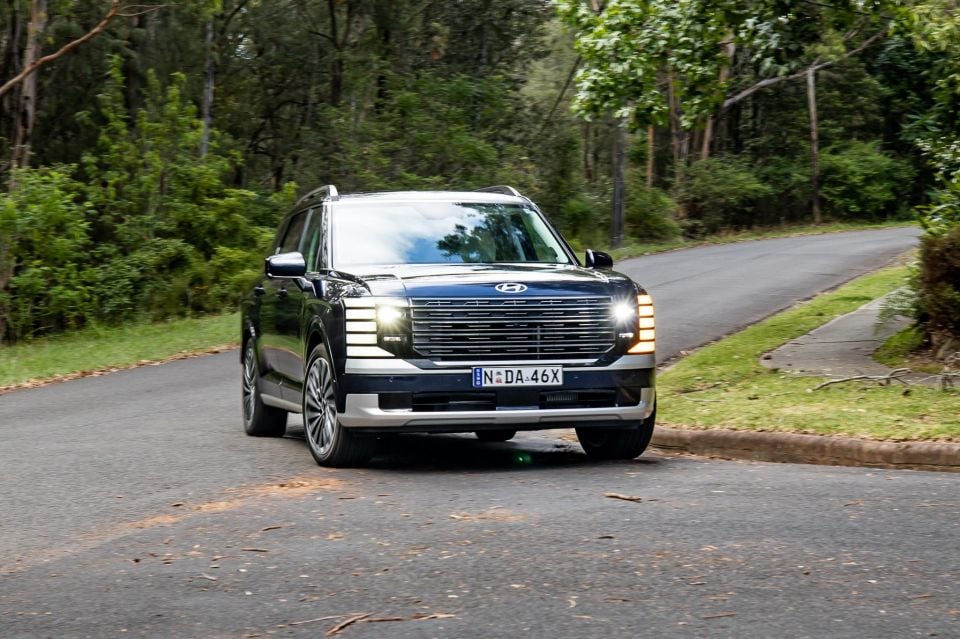
The things that most appeal to me about it include the Australian suspension tune, which makes it more comfortable in more situations than it might otherwise have been.
It has superb body control and very good ride comfort across mixed surfaces, and it never feels crunchy or clumsy over lumps and bumps. It also has predictable steering that is decently weighted, and offers good directness and adjustability for easy driving.
Especially at low speeds it is very easy to manoeuvre this big, long vehicle. For parking moves, or even for turnarounds in tight spots, the turning circle (11.94m) is surprisingly tight given the long wheelbase and sheer size of this car.
The hybrid powertrain is up to the task and feels strong when you need it to, and silent when you might want it to be.
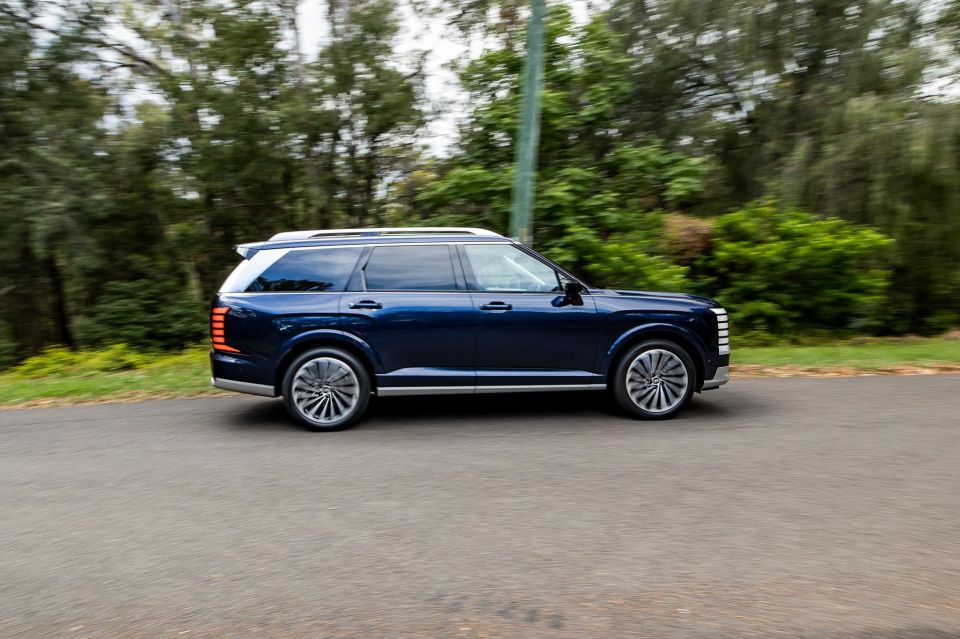
Because it does have the ability to run fully electric in a mix of scenarios depending on the load and the situation, it can be a really impressive experience as it dips in and out of electric mode.
But the engine is quite noisy, and when it switches between EV and petrol or hybrid, it makes itself heard.
The electric motor is housed in the transmission itself, and that means you can feel it shifting gears even in EV mode, which is a peculiar thing at first, but it’s also something you get used to quickly.
As for transmission logic and the way the gearbox behaves, for the most part it’s very agreeable. I only had a few instances where I thought that maybe it didn’t need to be in a particular gear, but generally it is smooth and the only real giveaway is the amount of engine noise that enters the cabin.
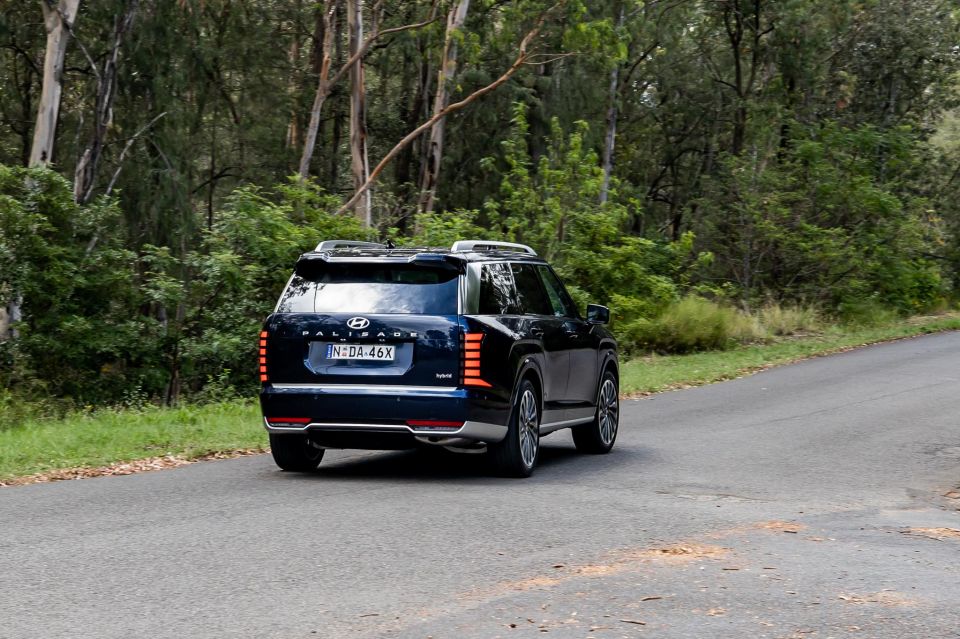
If this is the car for you, we’ll compare offers from trusted dealers, handle the back and forth and manage your purchase from enquiry to delivery.
Oddly, as mentioned, there is no adjustability to the regenerative braking system. In other Hyundais like the Kona you can adjust how responsive or aggressive the level of regen is. In this car, that’s not possible.
It’s arguably not a big deal, because the brake pedal feel is honest and tractable, but I just wish I could tailor it a little to deliver more of single-pedal driving feel, which may actually improve the efficiency, too.
Then there are some of the frustrations that have been noted across Hyundai products in recent years – and yes I’m talking about safety chimes. The driver monitoring camera has two different settings for beeping at you, and they are both frustrating. It is overbearing, and made me switch the system off every single time I drove it, because it doesn’t remember that you turned it off.
In fact, I had a bit of a routine every time I got back into this car: hold down the mute button on the steering wheel to disable the overspeed warning system (because it’s also incessant); then hit the star button (which had been set up as a favourite to go to the driver assistance menu) to turn off the driver distraction camera nonsense; then turn off the lane-keeping assist feature (another button on the steering wheel that needs a push and hold).
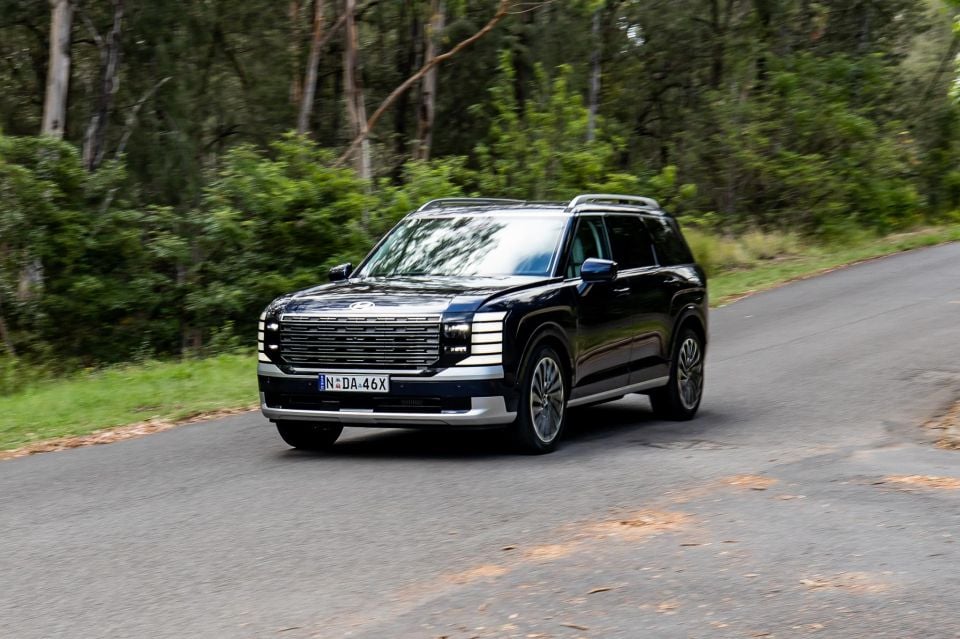
Happily though, there’s also a new thing that’s been added: you can turn off the ‘New Speed Zone Warning’ bing-bong and it will stay off. That’s in the safety systems menu.
It just seems like the next step is to allow customers and owners to be able to actually personalise how they would like the car to be and save that profile so they don’t have to go through the rigmarole every single time they get back in. Maybe that’ll happen, maybe it won’t.
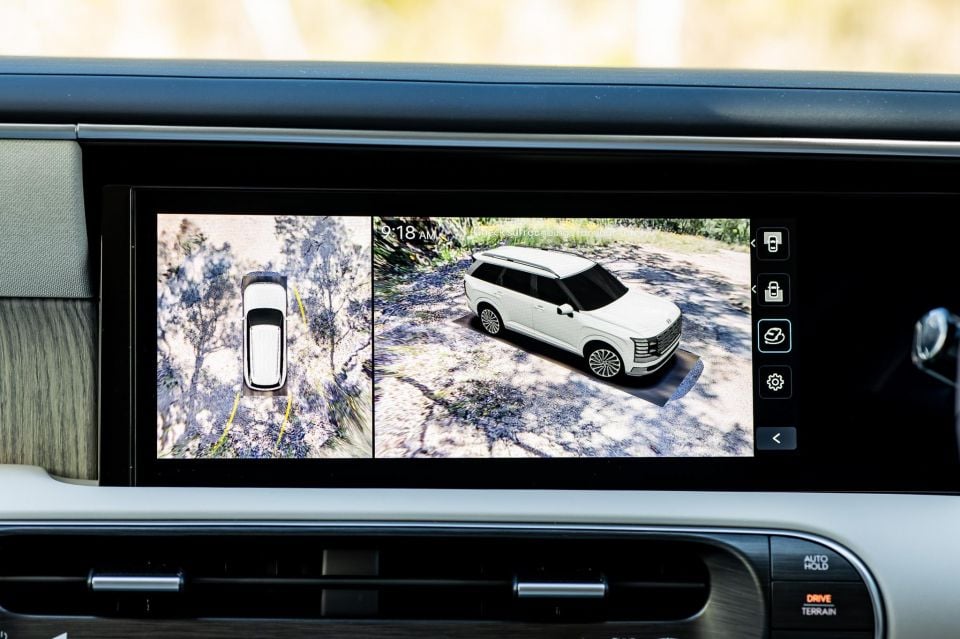
The safety tech is otherwise really impressive, with a configurable 360-degree surround camera system and the ever-useful Blind Spot View Monitor system helping out in open-road driving.
To see how the Hyundai Palisade lines up against the competition, check out our comparison tool
The Palisade is so far only available in flagship Calligraphy specification, although lesser variants will arrive in 2026.
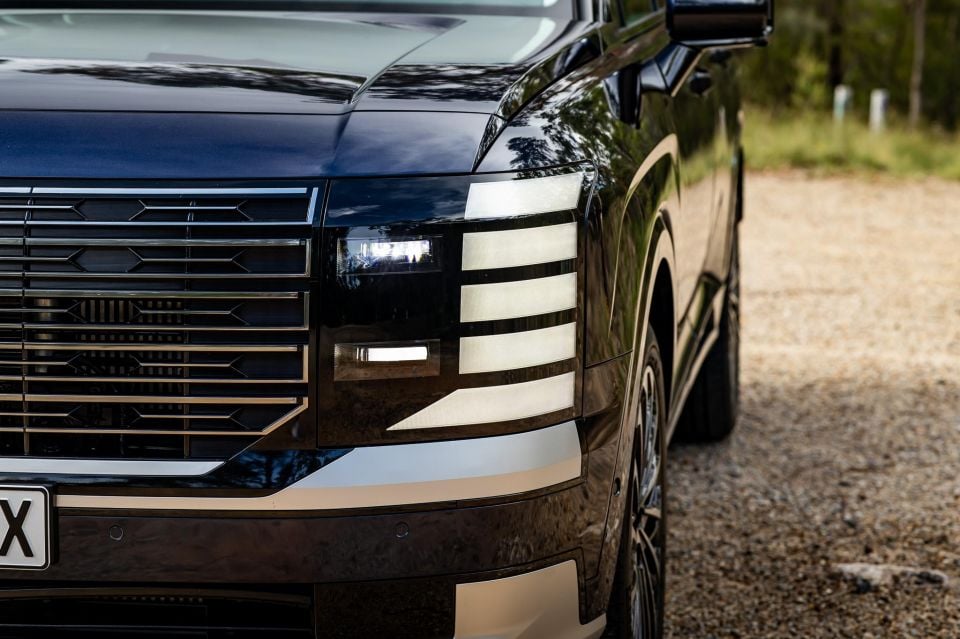
2026 Hyundai Palisade Calligraphy equipment highlights:
Choose the seven-seat model and you get middle-row relaxation bucket seats, with extra features to pamper those passenger princesses and princes.
To see how the Hyundai Palisade lines up against the competition, check out our comparison tool
The new Palisade hasn’t been crash-tested by Euro NCAP (and it won’t be, as it isn’t sold in Europe) and nor has it been put to the test by ANCAP yet. However, Hyundai has stated it is confident of a maximum five-star rating for this big bus.
Standard safety equipment includes:
The Palisade comes with eight airbags – dual front, front side, a front-centre airbag, driver’s knee coverage, and three-row curtain airbag coverage, too.
To see how the Hyundai Palisade lines up against the competition, check out our comparison tool
If you weren’t aware, you can now buy a new Hyundai with a seven-year, unlimited-kilometre warranty. It’s not standard, though – the standard level of cover remains five years or unlimited kilometres, but if you service within the brand’s dealer network, you can get an additional two years of cover.
| Servicing and Warranty | Hyundai Palisade |
|---|---|
| Warranty | 7 years, unlimited kilometres |
| Roadside assistance | Lifetime |
| Service intervals | 12 months or 10,000km |
| Capped-price servicing | 5 years |
| Average annual service cost | $520 |
| Total capped-price service cost | $2600 |
The servicing situation is a quirky one. The intervals are short – every 12 months or 10,000km, whichever occurs first.
And you have options when it comes to costs, too. There is a prepaid plan that can be chosen for three years/30,000km ($1529), four years/40,000km ($2203), or five years/50,000km ($2600).
Or you can take advantage of the brand’s lifetime capped-price servicing program, which averages out at the same amount as prepaying ($520 per visit for the first five years).
The benefit of prepaying is rolling the costs into your finance repayments. And if you service with Hyundai, they’ll top up your roadside assistance, as well.
To see how the Hyundai Palisade lines up against the competition, check out our comparison tool
This is an impressive family large SUV, with three rows of seats that are properly usable, and an abundance of tech to keep most occupants happy.
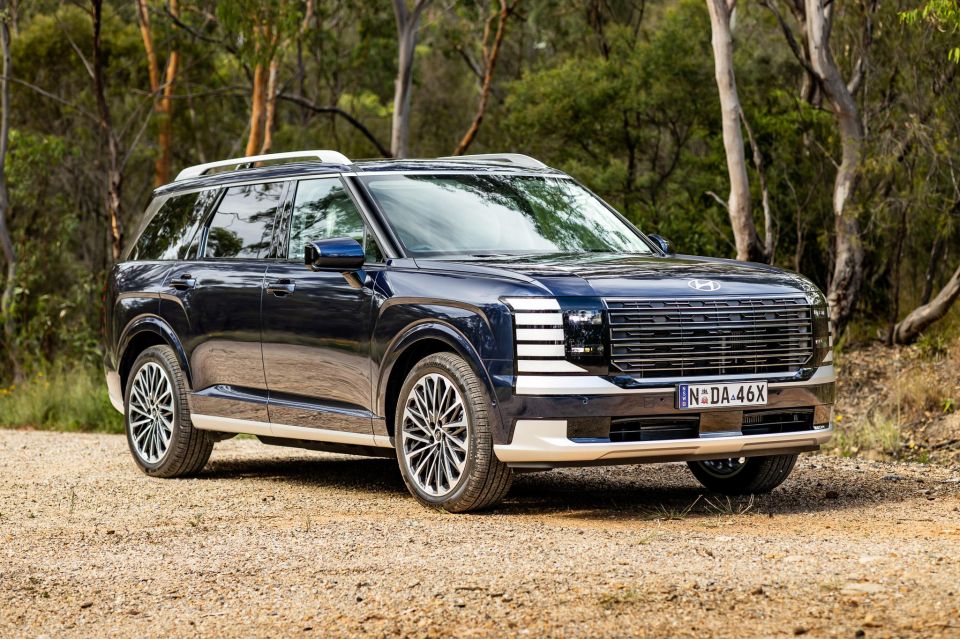
It is nice to drive (despite the bing-bongs), and the powertrain is up to the task. But I’m not really sure it’s as efficient as it should be. And although it is loaded, the price is sky-high.
Is it worth the near-$100,000 price tag? You be the judge – have your say in the comments.
CarExpert can save you thousands on a new Hyundai Palisade. Click here to get a great deal
Click the images for the full gallery
If this is the car for you, we’ll compare offers from trusted dealers, handle the back and forth and manage your purchase from enquiry to delivery.
Quickly see how this car stacks up against its competition. Select any benchmark to see more details.
Hyundai Palisade
Hyundai Palisade Sales rolling 12-months#
*Based on VFACTS and EVC data
Looking for complete Hyundai Palisade price history?
Our Hyundai Palisade Pricing Page shows exactly how prices have changed over time.
2027
$82,443
2027
$96,437
2027
$99,138
Matt has more than a decade of experience in automotive journalism, and loves exploring the pros and cons of new cars, delving into deep-dive industry stories, and going for a drive just for the fun of it.
Add CarExpert as a Preferred Source on Google so your search results prioritise writing by actual experts, not AI.
Ben Zachariah
13 Hours Ago

James Wong
1 Day Ago

Damion Smy
1 Day Ago

Max Davies
2 Days Ago
James Wong
3 Days Ago

William Stopford
4 Days Ago
Add CarExpert as a Preferred Source on Google so your search results prioritise writing by actual experts, not AI.
# Based on VFACTS and EVC data
† Displayed prices are based on the drive-away price of the vehicle, which includes delivery charges, registration fees, number plates, and applicable road taxes, based on a Sydney location. However, prices may vary between states and territories, and additional costs such as compulsory third party (CTP) insurance, dealer delivery fees, and optional extras are not included. These prices are subject to change without notice and may not reflect current market pricing or dealer offers.
 Automotive Vehicle Spec Data & 4K images Powered by JATO Dynamics Ltd