It seems like Chery and its portfolio of sub-brands is launching something new every week.
To make matters more confusing, most models sold across the Chery and Omoda Jaecoo brands in Australia are marketed under different nameplates overseas, sometimes crossing over with their sister-brand nameplates.
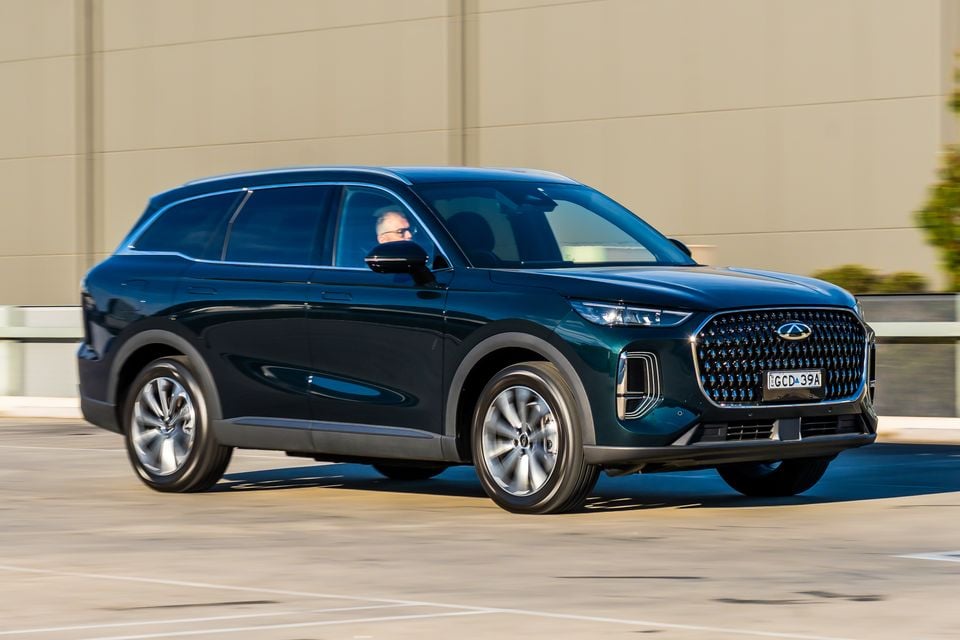
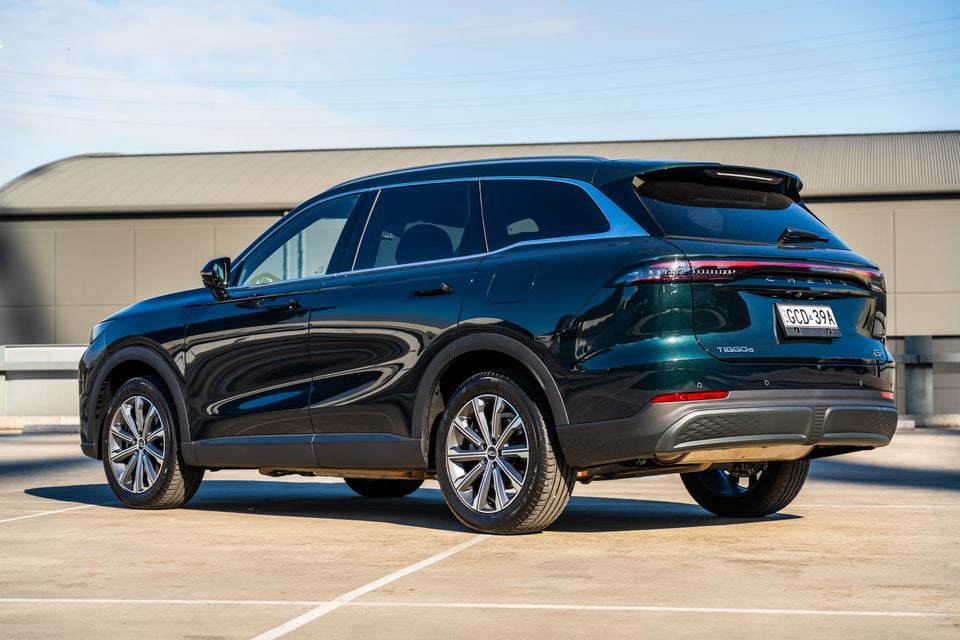
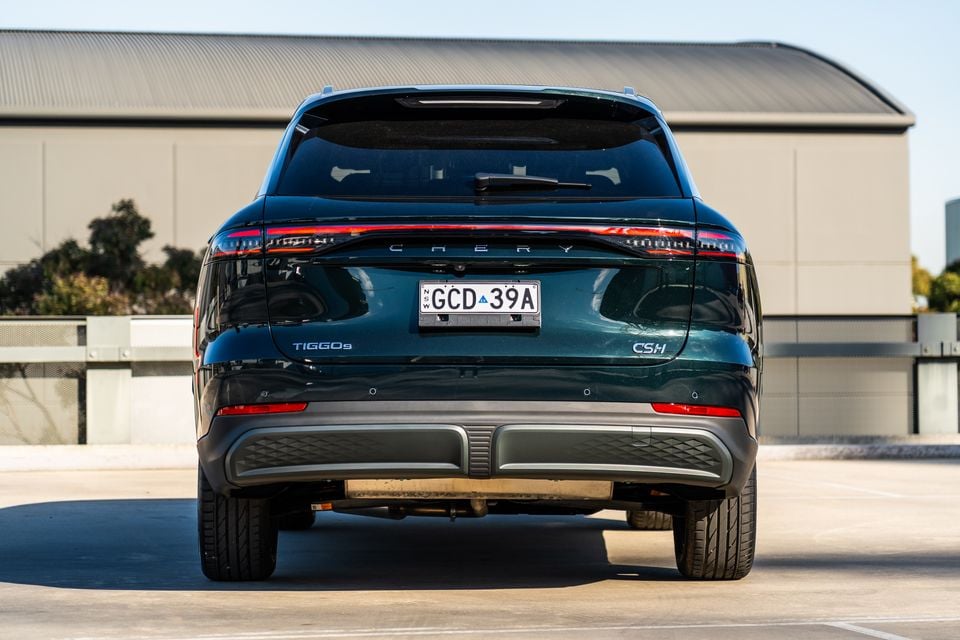
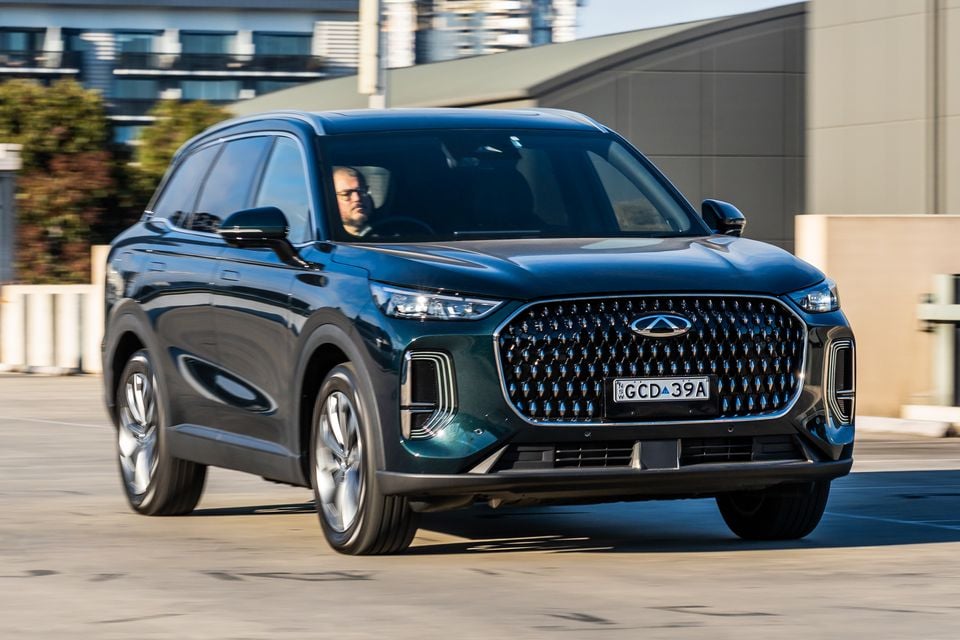
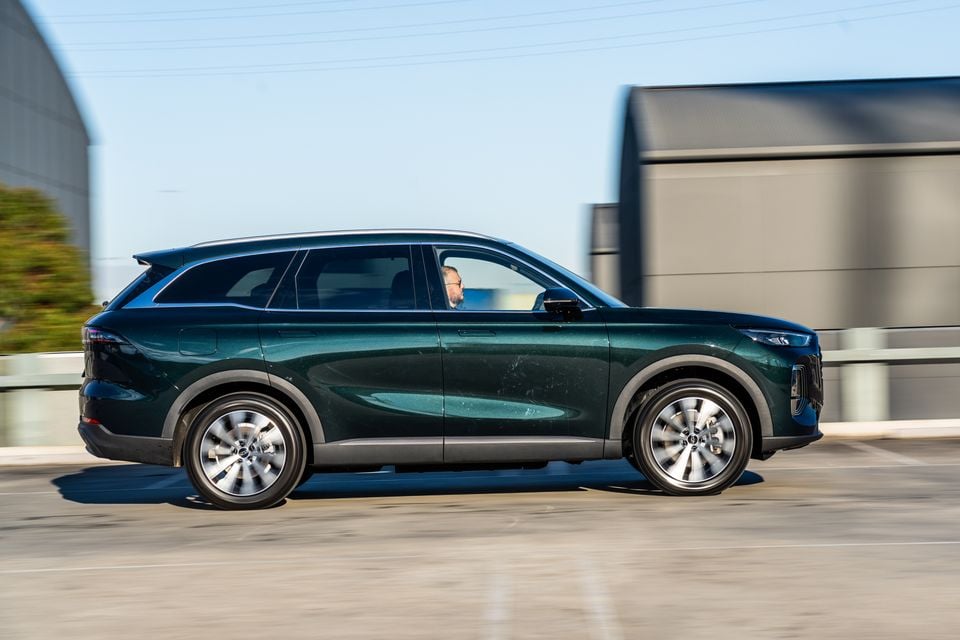
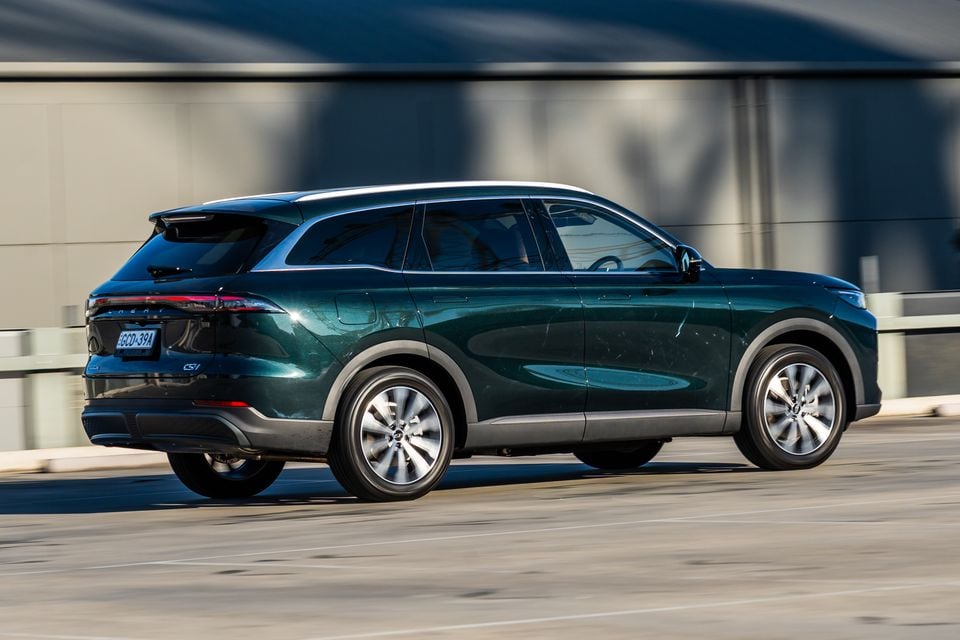
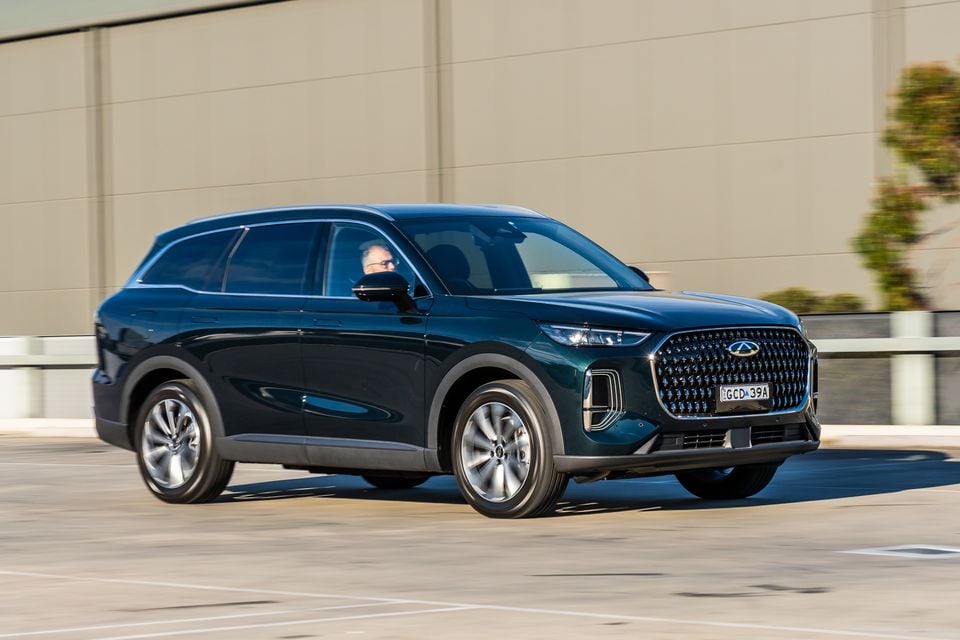
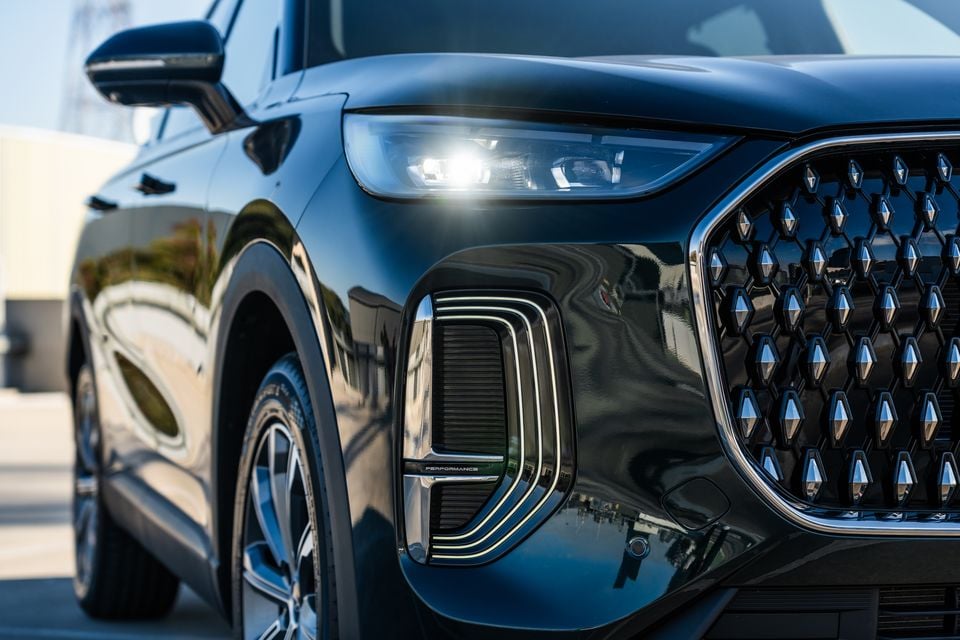
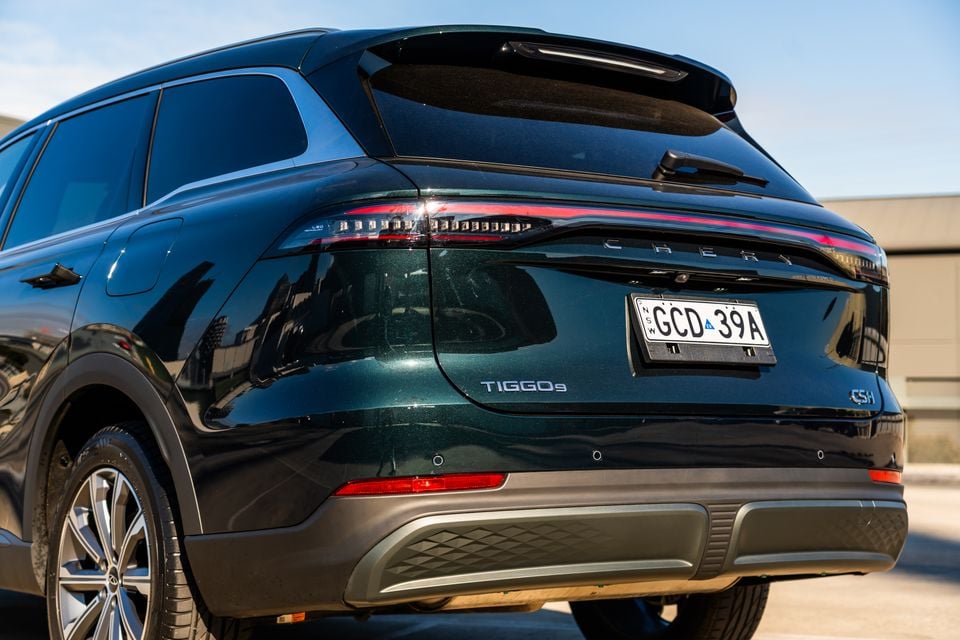
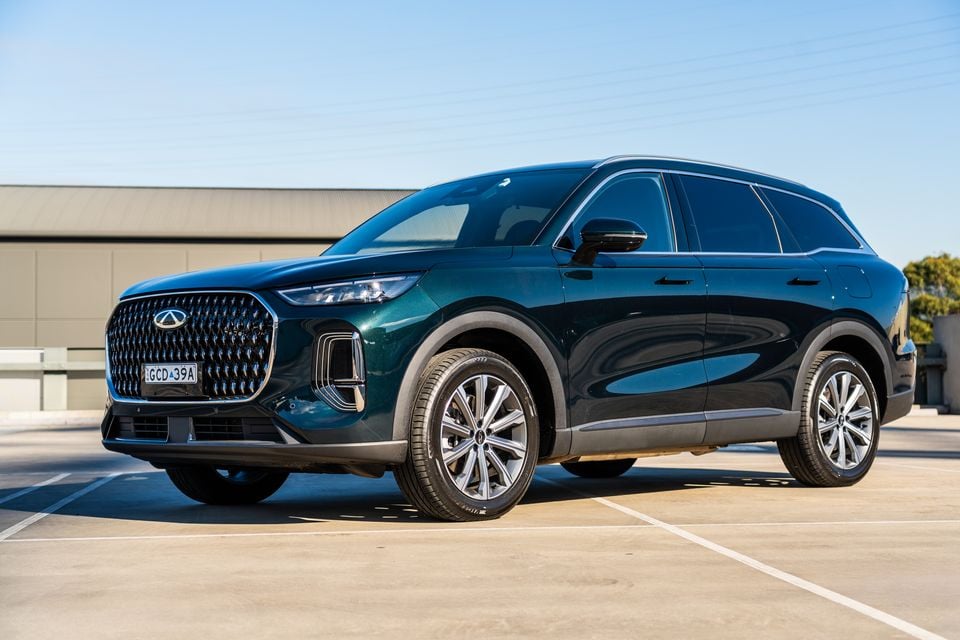
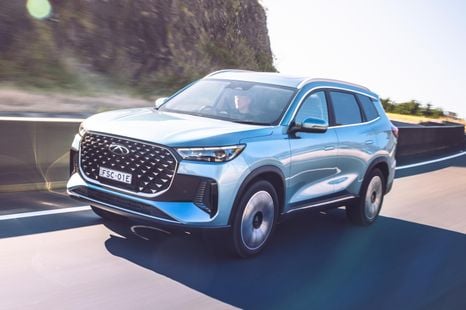
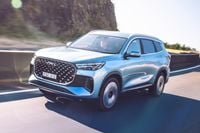
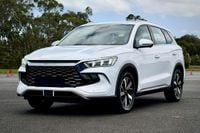
For example, the 2026 Chery Tiggo 9 you see here is different to the Chery Tiggo 9 sold in the Chinese domestic market, and while the global export strategy was to market this model as the Jaecoo J8, the same basic design is sold here by both the Chery and Omoda-Jaecoo brands in markets like Australia.
Yep, the Australian-market Tiggo 9 is a lightly restyled Jaecoo J8 with a different interior, and as of about a month ago you can have both large SUVs with a plug-in 'Super Hybrid' powertrain and up to three rows of seating.
To try and differentiate the two SUVs a little more, the Chery-badged version recently introduced a more affordable Elite variant, dropping the entry price to $52,990 before on-road costs – $7000 less than the higher-spec Ultimate as well as the Jaecoo J8 SHS.
The sharply-priced seven-seat PHEV SUV loses some performance and equipment compared to its Ultimate-badged sibling, as well as its Jaecoo-branded stablemate, but on paper it shapes up as the potential sweetspot.
To find out if it's the one to buy, or whether you should look elsewhere, read on...
How much does the Chery Tiggo 9 cost?
As noted earlier, the introduction of the Elite FWD drops the Tiggo 9's price of entry to a pretty sharp $52,990 plus on-road costs – or just over $58,000 drive-away depending on your postcode.
| Model | Price before on-road costs |
|---|
| 2026 Chery Tiggo 9 Super Hybrid Elite FWD | $52,990 |
| 2026 Chery Tiggo 9 Super Hybrid Ultimate AWD | $59,990 |
While the Tiggo 9 range is firmly the Chery brand's most expensive offering, the new entry point into the PHEV SUV range is incredibly sharp compared to similarly sized SUVs from rival brands.
The most affordable Kia Sorento, for example, starts from just under $55,000, but that's with a 2.2-litre turbo-diesel engine. If you want a plug-in hybrid, the most affordable version starts from $71,175 plus ORCs, though it's currently being offered from $69,990 drive-away.
Even the smaller Mitsubishi Outlander Plug-in Hybrid EV (PHEV) costs $58,990 plus ORCs, and for an equivalent specification to even the base Chery you'll be spending a lot more than that.
The only other three-row PHEV SUVs in the mainstream segments come from within Chery's own stable. The Jaecoo J8 SHS shares the Tiggo 9 Ultimate's more powerful AWD powertrain and is priced from $59,990, while the smaller Tiggo 8 SHS can be had for as little as $45,990 drive-away.
If you can live without a third row of seating, Volkswagen will sell you the Tayron 150TSI eHybrid with more EV range from $61,990 drive-away, while sister brand Skoda has the Kodiaq iV Plug-in Hybrid currently on offer from $59,990 drive-away.
To see how the Chery Tiggo 9 lines up against the competition, check out our comparison tool
What is the Chery Tiggo 9 like on the inside?
One of the most conspicuous differences between the Tiggo 9 and the J8 is their cabin design.
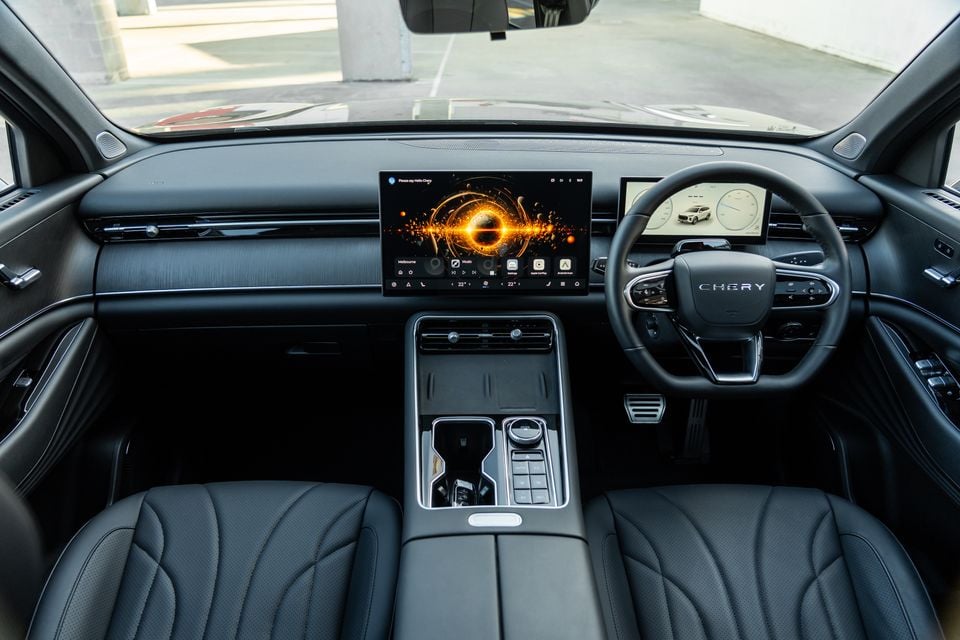
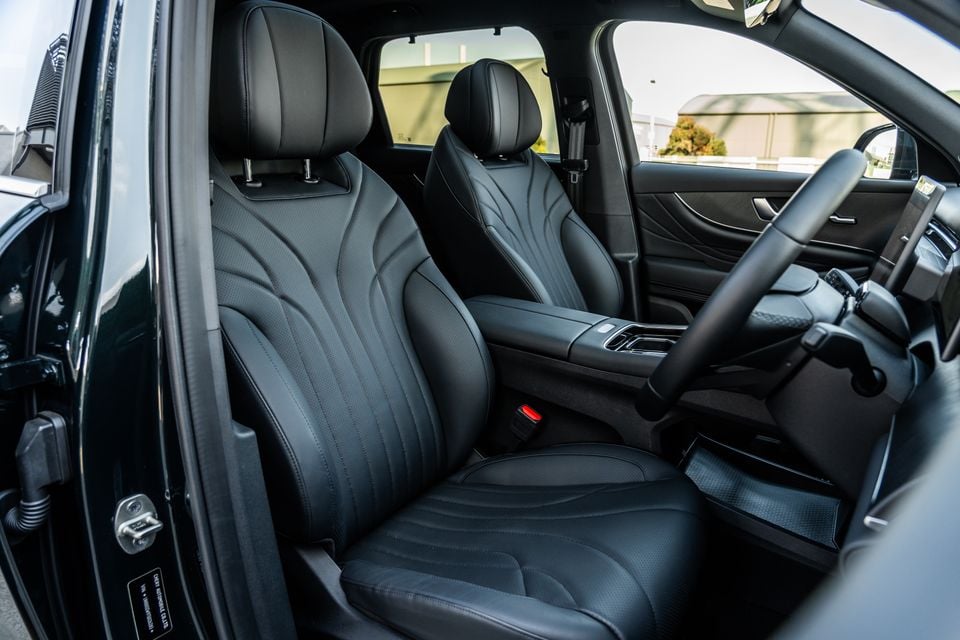
Where the Jaecoo has clearly been inspired by the previous generation of Mercedes-Benz interiors, the Chery goes for a more restrained cockpit.
Find your perfect new car with CarExpert
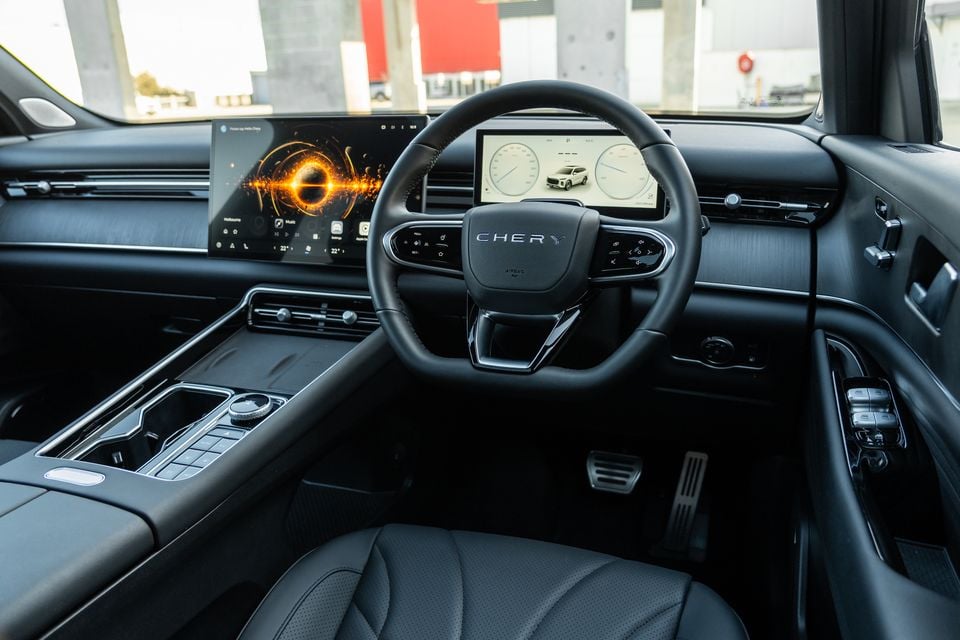
Key differences include the individual tablet-style driver's instrument cluster and central infotainment displays, a unique centre console design, and dashboard treatments. The trimmings are more mainstream, but that's also partly due to this being the lower-spec Elite.
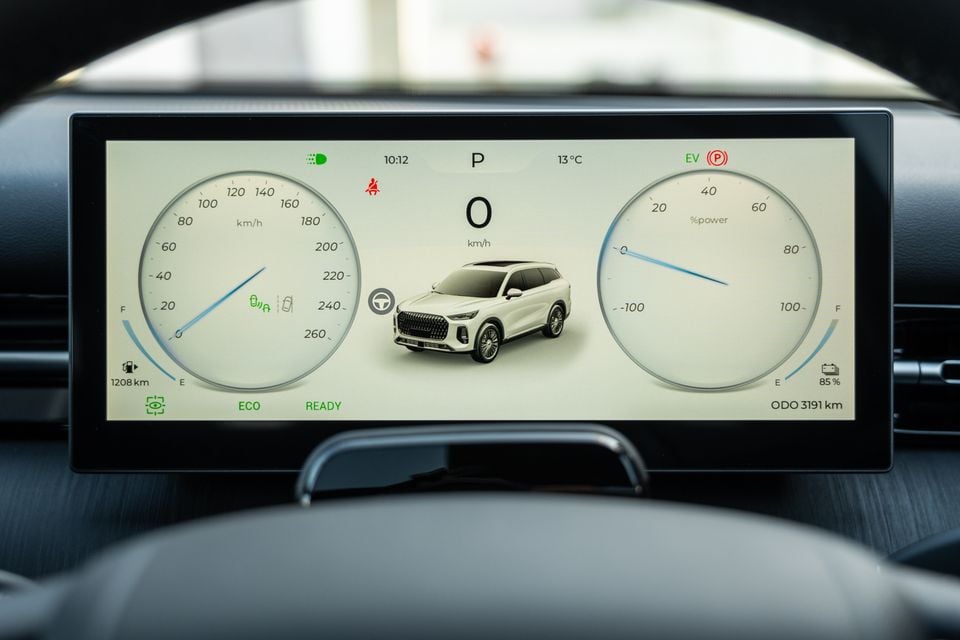
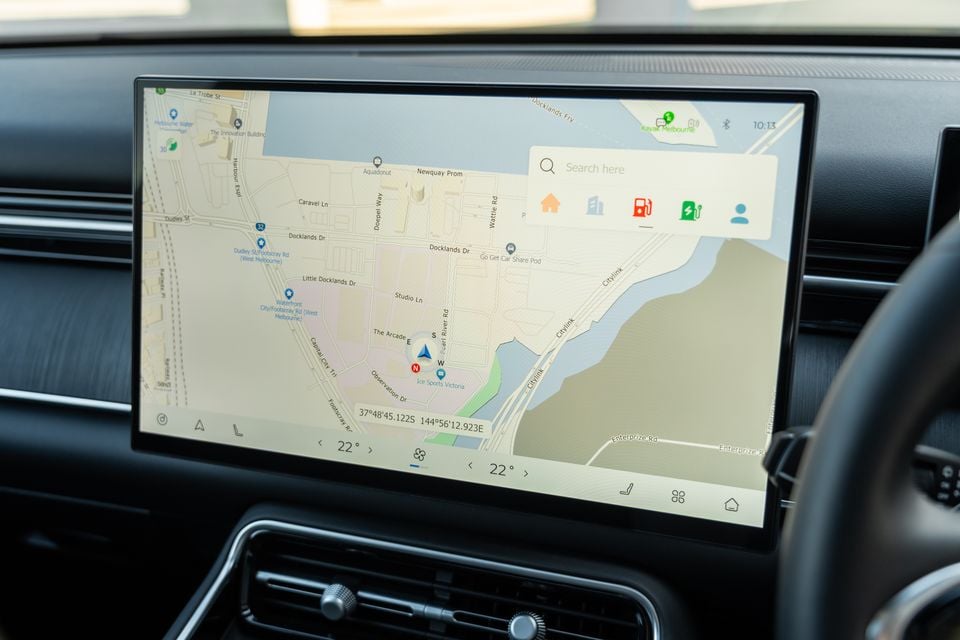
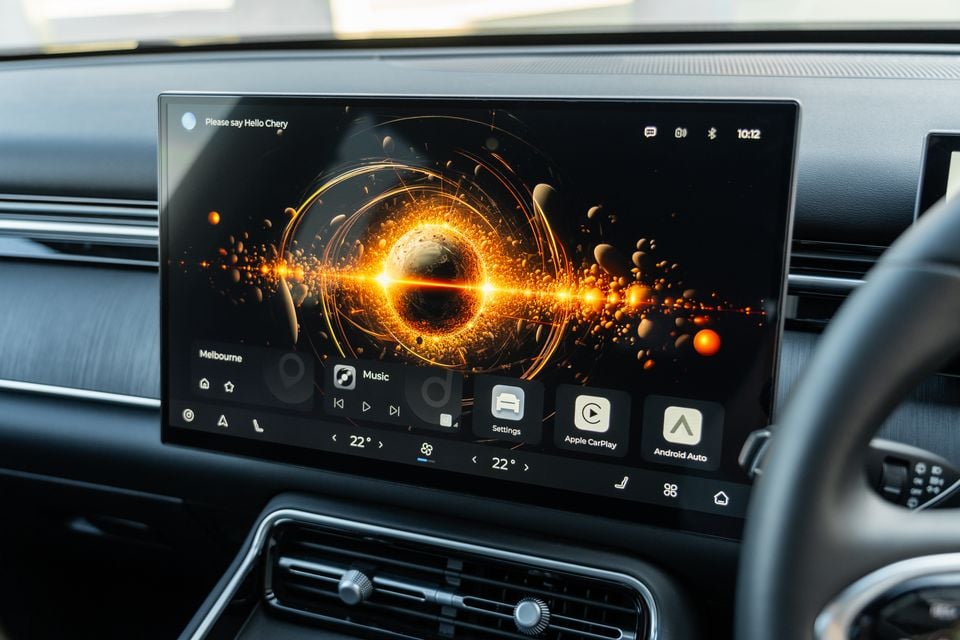
Ahead of the driver is a 10.25-inch digital instrument cluster running the same skin as the Jaecoo, and there's a massive 15.6-inch infotainment touchscreen sitting proudly in the centre of the dashboard. Both offer pretty crisp graphics and reasonably quick response times, and the native interface is basic but simple to use.
That said, my string of annoying bugs and glitches with Chinese infotainment systems continued with my iPhone 17 Pro Max's wireless connection to Apple CarPlay.
After working perfectly the first time the phone was connected, subsequent drives left me unable to properly use Siri to dictate messages and use voice prompts to request things, as the microphone would appear to listen to my phone's response and dictate on loop.
Not only was this annoying but it basically rendered me unable to reply to texts without it bulk texting "here's what I heard" multiple times in and around what I actually said. Everyone that spoke to me on the phone also said the call quality was poor – my girlfriend described it specifically as "you sound like you're underwater".
Anyway, beyond that, the display responded to touch inputs well and played music through the standard eight-speaker Sony-branded sound system (down from the Ultimate's 12-speaker system) with decent if not quite impressive quality.
The climate controls are embedded in a toolbar at the base of the screen, though this disappears when you're using smartphone mirroring. You can, however, swipe up from the base of the screen and have it reveal itself again.
But it doesn't come without its quibbles either. You can hit the recirculation button without diving through menus, and the virtual temperature controls are small and fiddly to use if you're on the move.
On occasion the female virtual assistant would quite suddenly yell at me saying the windows were at risk of fogging up and she would be turning the demisters on. A fun little Easter egg, I guess?
I was less irked by the functionality of the rest of the interior, because frankly it's one of the cleaner designs I've experienced from a mainstream Chinese brand of late, and the Tiggo 9 has plenty of thoughtful practicality and storage solutions dotted about the place.
A pair of slots for phones sit underneath the display on the centre console, with one offering wireless charging and an air vent to prevent your phone from overheating. The large, toothed cupholders are also plenty big enough to accommodate larger coffee cups and bottles, which is a nice touch.
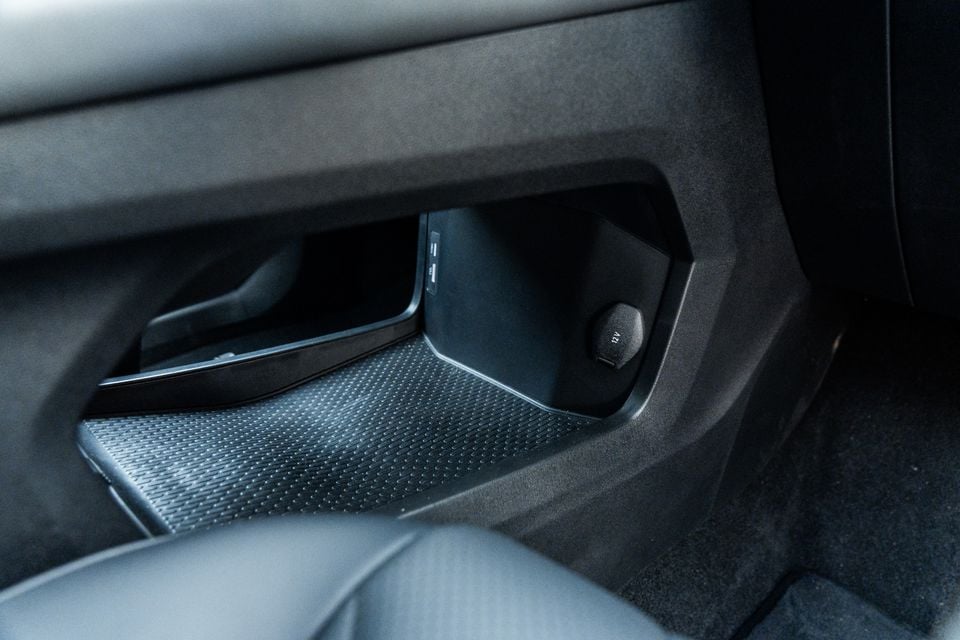
The bridge-type centre console design also offers up a decent hideaway space underneath, and it's also where the USB-A, USB-C and 12V outlets are located.
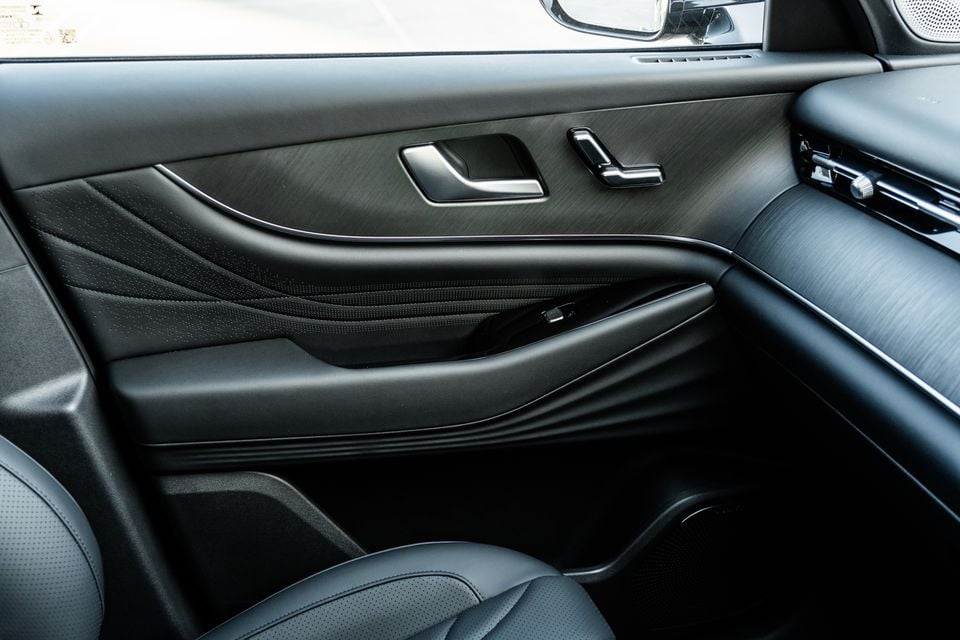
In a Mercedes-Benz-esque way, the electric seat controls are positioned on the upper door panel, while the door bins beneath can accommodate average-sized bottles and other loose items.
The double-lidded centre console bin is deep and offers good space to hide large items away, which rounds out the first-row practicality highlights.
Perceived quality as a whole is also quite good, with the Tiggo 9's more restrained approach to cabin materials and detailing coming off classier and less chintzy than the related Jaecoo J8's interior. It feels quite upmarket, actually.
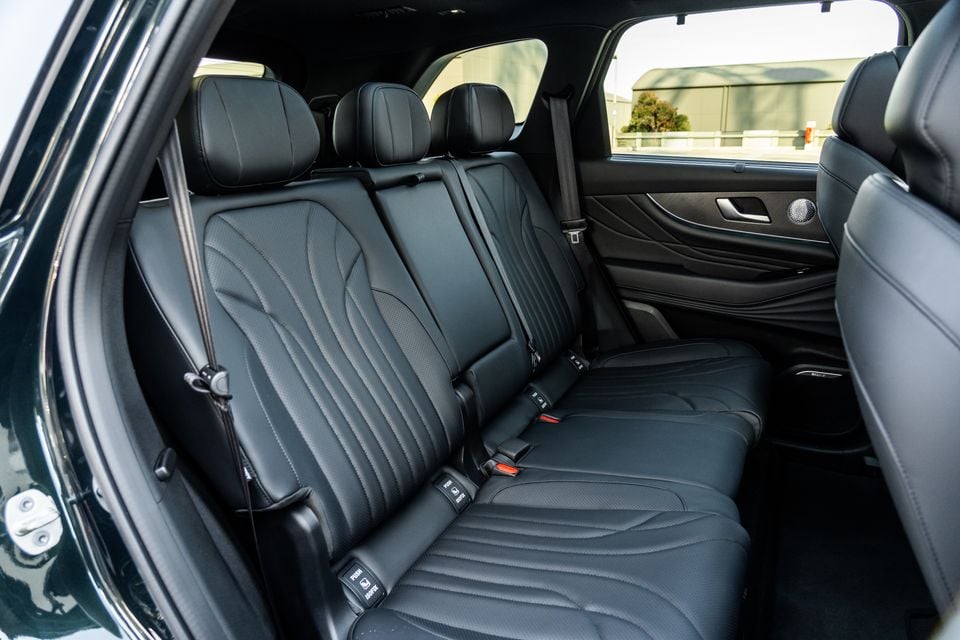
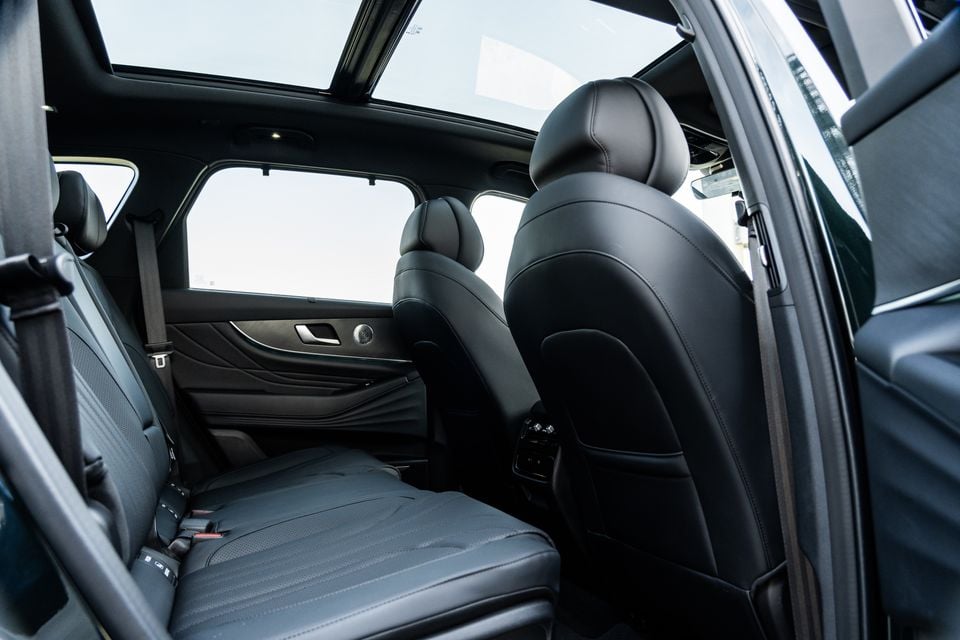
The Tiggo 9's second row is pretty good without being standout, with good room for even taller passengers (like 6'1" me) with the seats slid back to their rearmost position. The seat base and floor are quite flat, meaning you can fit three across okay but there's minimal lateral support and your kids might be at risk of sliding around – game of 'corners', anyone?
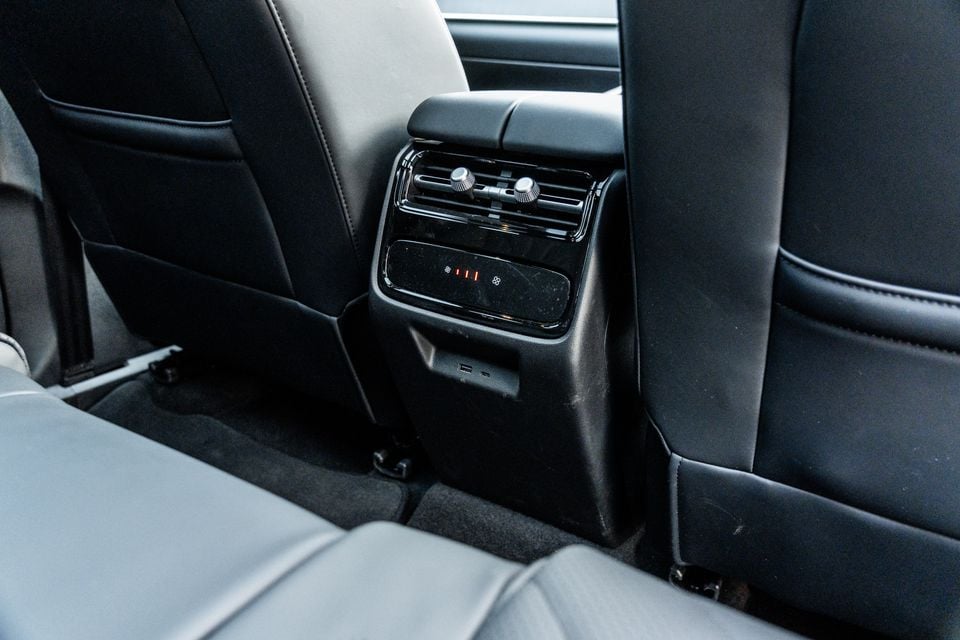
You can recline the seats fore and aft for added comfort, and there are fan controls to go with the directional air vents – but there are no additional temperature controls, sadly. A big panoramic glass sunroof is standard, and the panel stretches to just about the second-row head restraints. It lets plenty of light in and thankfully doesn't impede headroom with its powered shade.
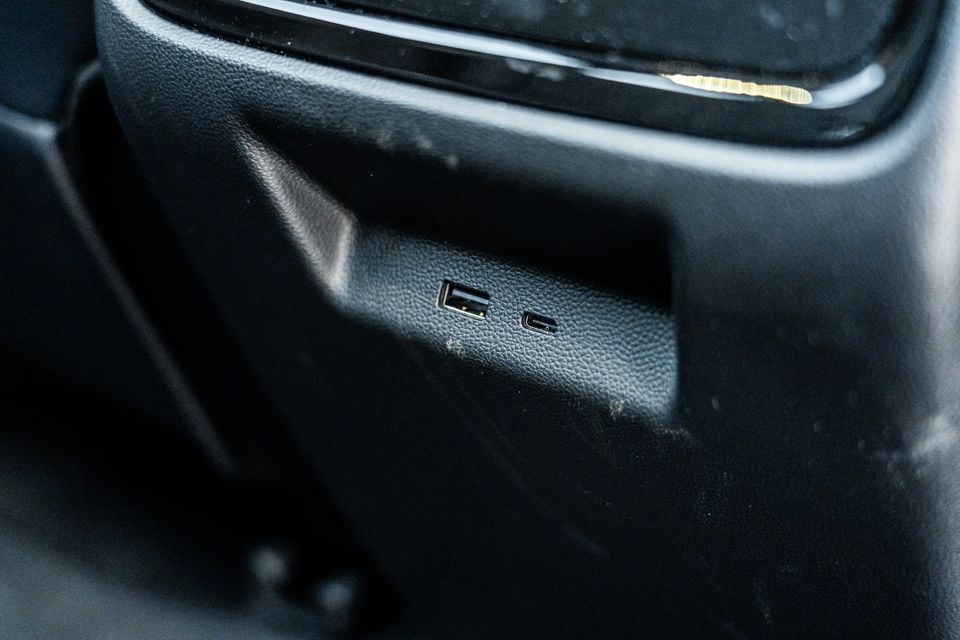
USB-A and USB-C ports are located underneath the fan controls, while map pockets behind both front seats, a fold-down centre armrest with cupholders, and door-mounted bottle holders round out the second-row amenities.
As is expected, the Chery Tiggo 9 has ISOFIX child seat mounts on the outboard second-row seats, and top-tether points behind all three.
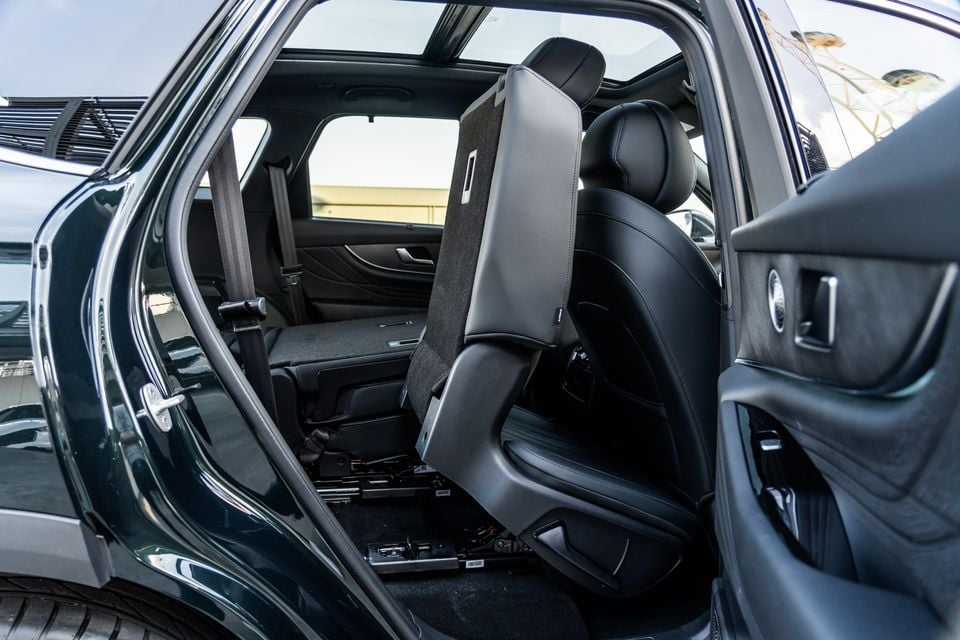
Getting into the third row is a bit of a pain, as the 'easy access' function is on the road side (not the kerb side; Chery hasn't changed this over for right-hand drive markets) and there's no similar one-touch slide function for the kerb-side portion.
Once you get the single seat on the driver's side out of the way, the entry in is wide enough for kids, but you'll want to ensure you slide the other seats forward quite a bit – otherwise they'll have no room.
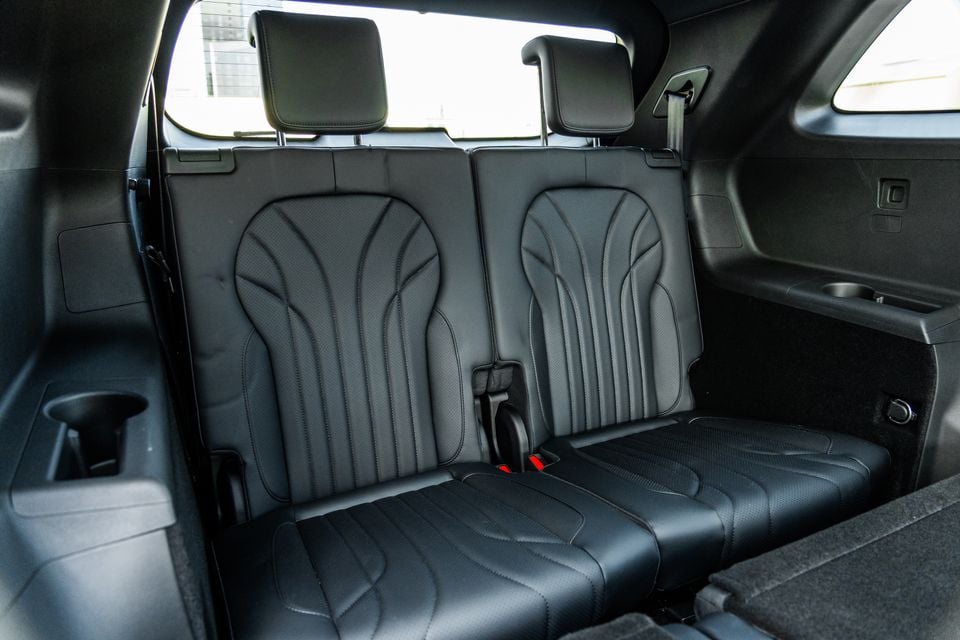
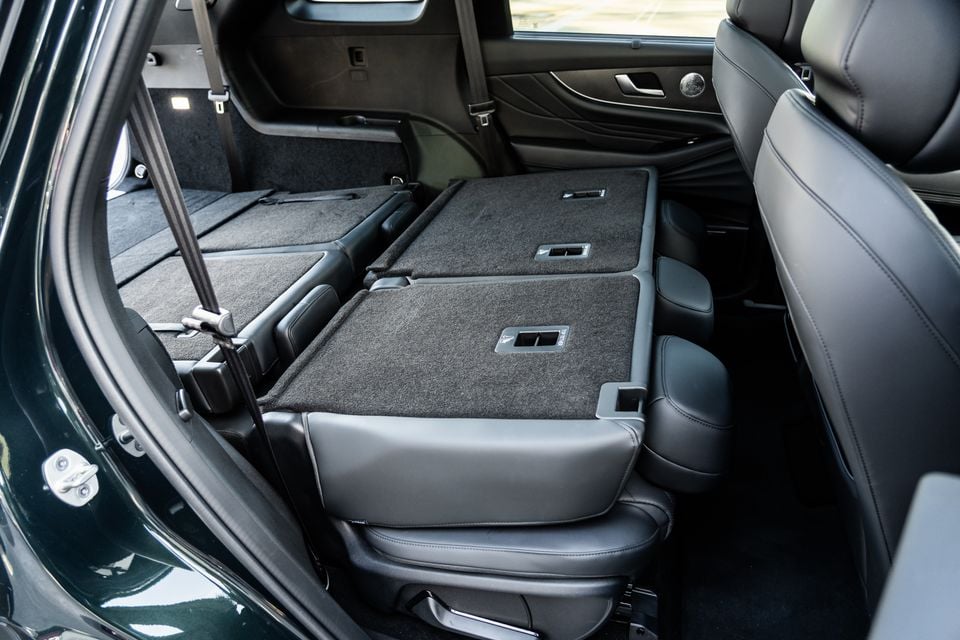
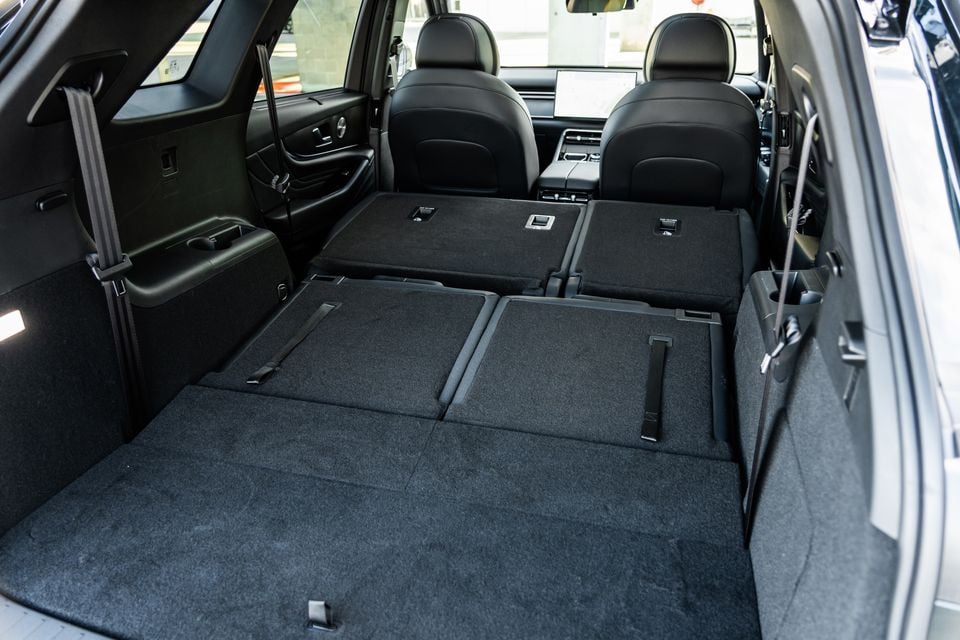
Despite being Chery's flagship seven-seat SUV, the Tiggo 9 is definitely more of a 5+2-seater, and even then it's not a standout in terms of third-row space. Luckily, you can recline the third-row pews (which split 50:50) quickly using the attached straps, and they're supple like the ones in the second row.
That said, even with the seats fully reclined, my head hits the tailgate's interior plastic trim or the headliner, and adults will have to slide the second row so far forward there's almost no room left to make rows two and three usable – so best leave them for the kids.
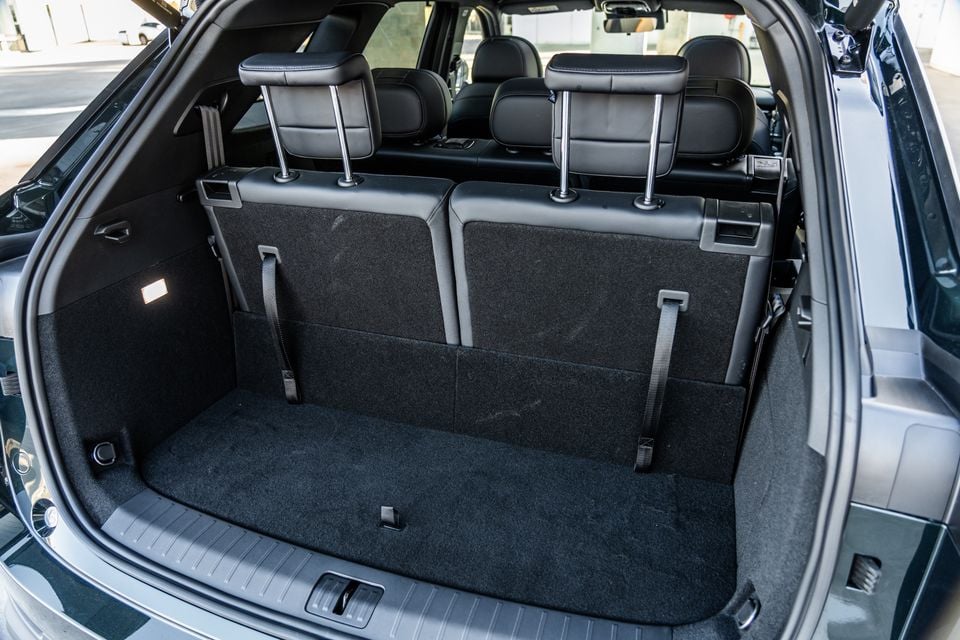
There's a limited 148 litres of cargo capacity with all seven seats in use, and that's measured to the roof. The lack of underfloor storage means your charging cable and tyre repair kit also need to be left here or left behind.
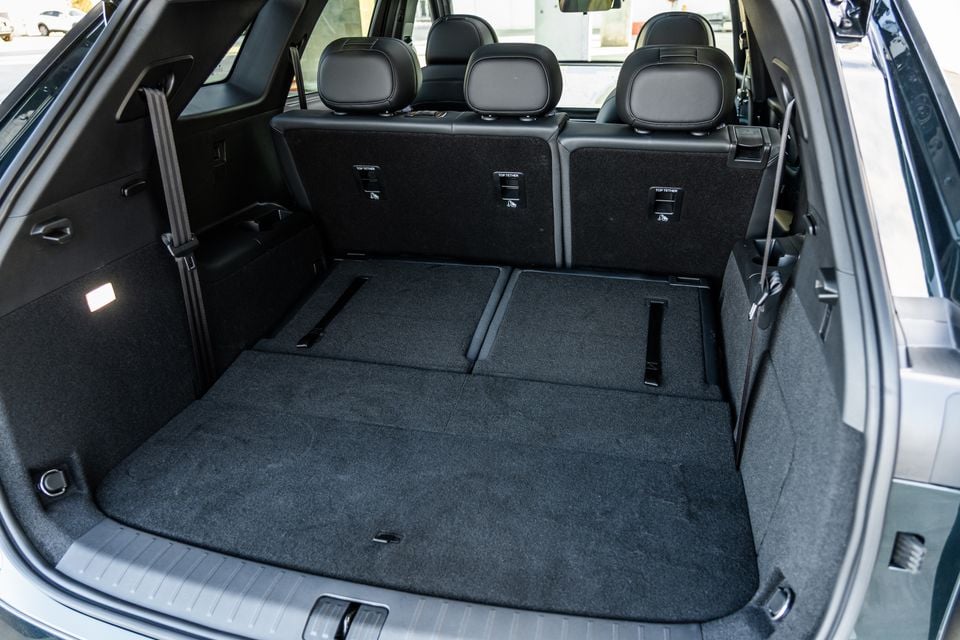
Chery quotes 448L with the third row folded, measured to the cargo cover, or 819L measured to the roof. With both the second and third rows folded, there's a quoted 2065L of capacity behind the front seats, measured to the roof.
| Dimensions | Chery Tiggo 9 CSH Elite FWD |
|---|
| Length | 4800mm |
| Width | 1930mm |
| Height | 1730mm |
| Wheelbase | 2750mm |
| Cargo capacity | 148-2065L |
To see how the Chery Tiggo 9 lines up against the competition, check out our comparison tool
What's under the bonnet?
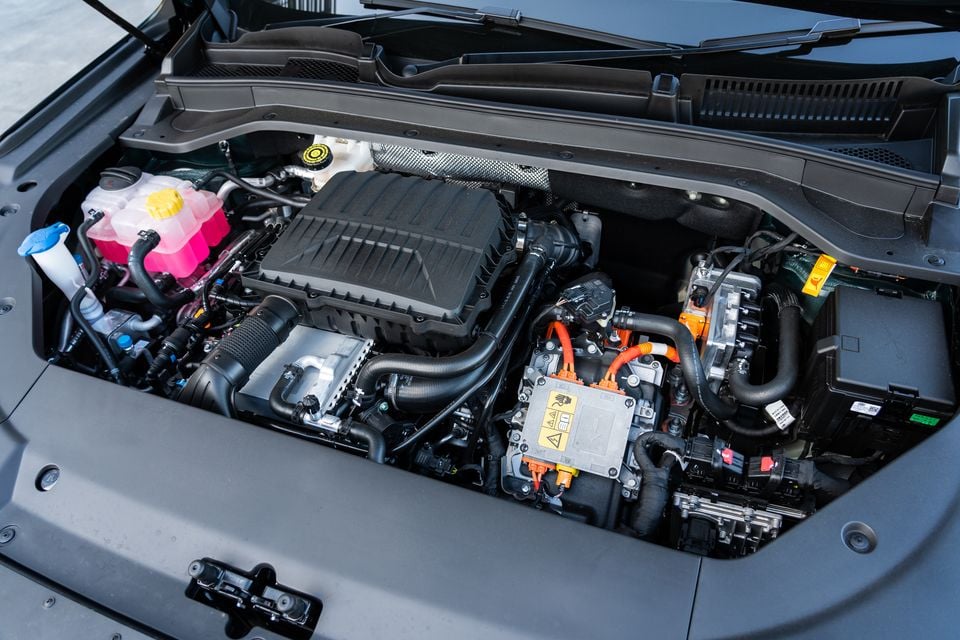
The Tiggo 9 'Super Hybrid' Elite loses the Ultimate's rear electric motor, and gets a smaller battery for less power and less electric driving range.
| Specifications | Chery Tiggo 9 SHS Elite FWD |
|---|
| Engine | 1.5L 4cyl turbo-petrol |
| Engine outputs | 105kW + 215Nm |
| Electric motor outputs | 75kW + 170Nm – Front 190kW + 220Nm – Front 2 |
| System outputs | 225kW + 450Nm |
| Battery | 19kWhLithium-ion |
| Transmission | 3DHTDedicated Hybrid Transmission |
| Drive type | FWD |
| Weight | 1985kg – Tare |
| 0-100km/h (claimed) | - |
| Fuel economy (claimed) | 1.5L/100km |
| Fuel economy (as tested) | 4.6L/100km* |
| Energy consumption (claimed) | 15.6kWh/100km |
| Energy consumption (as tested)* | - |
| Electric driving range | 90km – NEDC |
| Fuel tank capacity | 70L |
| Fuel requirement | 95 RON premium unleaded |
| CO2 emissions | 35g/km |
| Emissions standard | - |
| Braked tow capacity | 1500kg |
You'll note the asterisk around our as-tested consumption figure, and that's because the vehicle wasn't able to give me an accurate readout – at least from what I could find – and I didn't get time to measure it myself.
Chery's trip computer only gives you readouts for the last 50km, with a reset only giving you total consumption metrics.
So, the indicated 4.6L/100km readout was based on driving the vehicle with minimal charge in HEV mode for the most recent 50km, while it showed under 1.0L/100km at points during the loan when it had been charged.
I drove more than 250km in the vehicle, and in that time it consumed 16.1kWh of energy and 8.3L of fuel – roughly equating to 3.2L/100km during our time with it. Not bad.
It's also worth noting the Elite's smaller 19kWh battery (vs 34kWh) offers a quoted 90km of NEDC range, which works out closer to 75-80km in the real world when driven in Eco mode.
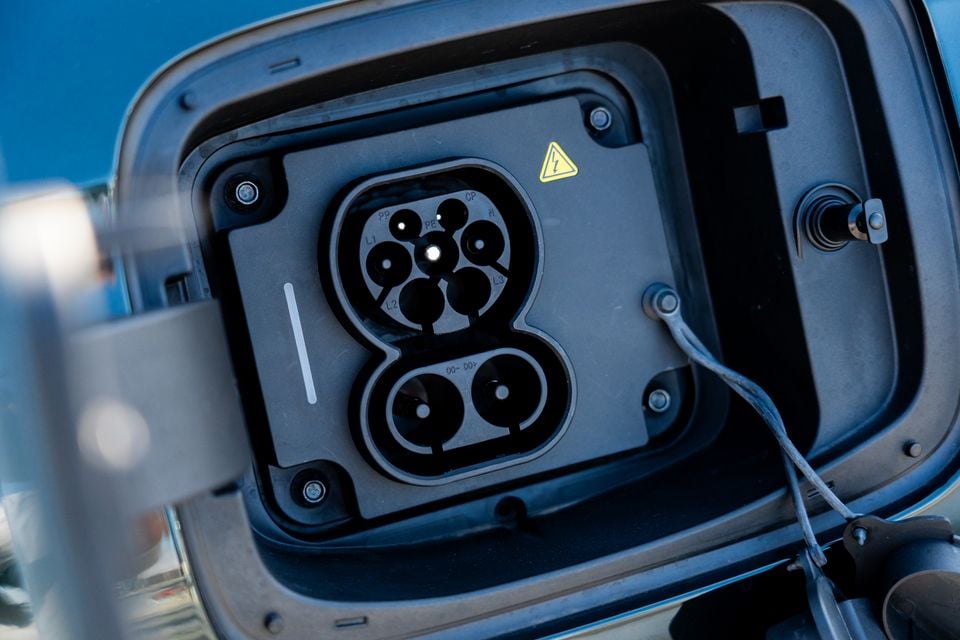
Still, the Li-ion battery can be fast-charged at a rate of up to 41kW using a DC charger, or at 6.6kW with an AC connection.
Chery likes to tout the Tiggo 9 Ultimate's 1250km combined range, which based on the 70L fuel tank would indicate a 5.6L/100km consumption figure for a full charge and full tank of fuel.
The Chinese brand doesn't quote a combined range figure for the Tiggo 9 Elite with its smaller battery, but when we collected the car it was showing a total range of ~1150km.
To see how the Chery Tiggo 9 lines up against the competition, check out our comparison tool
How does the Chery Tiggo 9 drive?
The entry-level Tiggo 9 PHEV is one of those vehicles that's just pretty good all round, not being spectacular in any regard nor awful in any others.
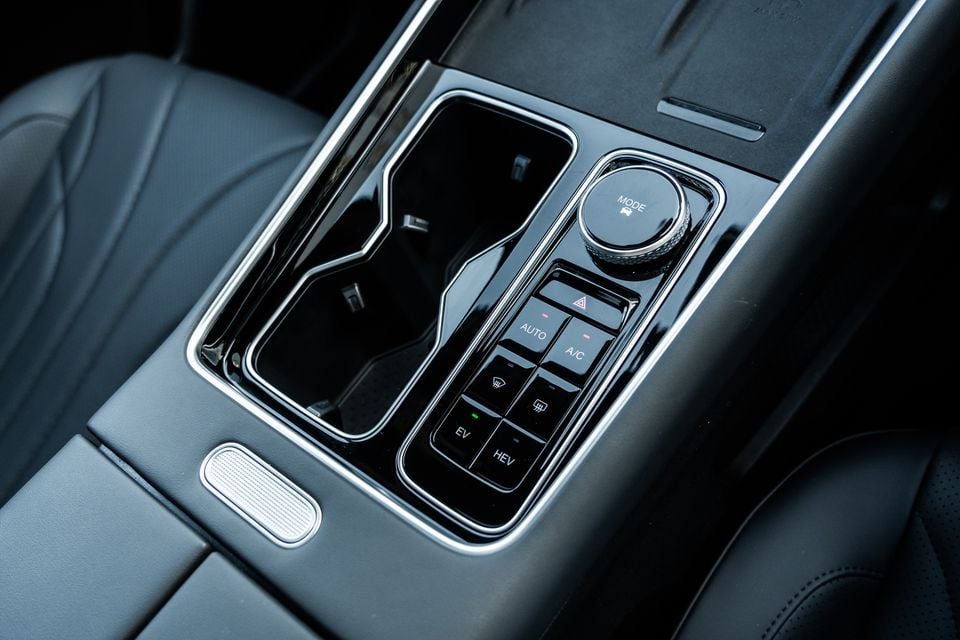
With usable charge in the battery it'll default to EV mode on start-up, though you can use the 'EV' and 'HEV' buttons on the centre console to switch modes as you wish.
Driven as an EV, the Tiggo 9's immediate torque delivery gets this near-2.0t SUV moving at decent pace and in relative silence. In the default Eco mode, the three-speed hybrid transmission can at times feel a touch laggy and elastic off the line, but once you're moving it's pretty effortless.
You occasionally feel the transmission 'step' as the speed climbs, but unlike the Omoda 9 I drove recently – which we confirmed with Chery suffered a power loss issue affecting a handful of units – I didn't experience any major moments of inaction when attempting to accelerate on the boil.
If you stomp on it the Tiggo 9 will fire up its small turbo-petrol engine to give you the full whack of power it has to offer, but despite all 225kW and 450Nm being sent to the front wheels it doesn't just light up the front-end when you need to ask more of it – it's actually nicely linear in this respect.
And when you do awaken the full 105kW/215Nm outputs, there's a pretty seamless shift from EV to HEV mode, with only some faint engine noise and vibration telling you the engine is running.
Ready to buy? We’ll help you get a great deal.
If this is the car for you, we’ll compare offers from trusted dealers, handle the back and forth and manage your purchase from enquiry to delivery.
Many Chinese SUVs – particularly the big ones – are a touch too soft in terms of their suspension setup, which is usually in line with domestic-market tastes. However, while the Chery Tiggo 9 is far from crashy, it's a touch firmer than I'd like around town, despite this variant wearing smaller wheels than the Ultimate flagship.
Driving from Melbourne's eastern suburbs into the Docklands brings many a pockmarked inner-city street as well as surface joins, potholes, tram tracks and the like. The Tiggo 9 feels somewhat terse on initial hits, yet at times can feel a bit unsettled over consecutive or high frequency imperfections and corrugations.
As I noted earlier, it's far from brittle or uncomfortable, but it's a slight blight on the Tiggo 9's overall on-road refinement, and a bit of finessing could make it properly good in this respect.
The Tiggo 9 feels pretty happy and settled at freeway speeds, and left to its own devices can silently and seamlessly transition between power sources.
On the topic of refinement, while the ride could use a little more polish, general insulation from road and wind noise is pretty good, noting the general lack of powertrain noise which can sometimes amplify background noise.
Another not-so-great element of the Tiggo 9's driving experience is the light and numb steering, which is at odds with the more taut chassis setup.
It's relatively quick but feel and feedback can be inconsistent at times, and the lack of communication from the front wheels just doesn't help the drive experience.
Further to that, it can require the odd mid-corner correction, which is frustrating in tight city streets with heavy traffic, and it lacks much genuine engagement or enjoyment.
Many people may not notice, but a bit more steering accuracy would inspire more confidence and reduce the need for mini-corrections as you drive, because even in a straight line its about-centre feel is quite vague and makes the Tiggo 9 feel almost... boaty.
It's a shame, because I reckon some fine-tuning could make this a nice thing to steer.
Finally, driver-assistance systems have long been a sticking point for me with Chery products, but the Tiggo 9 is a notable step forward.
The Integrated Cruise Assist function, which combines adaptive cruise control and active lane-centring functions, is now actually usable for highways with clearly painted lane markings.
My commute to and from the CarExpert Melbourne office takes me on the M3 Eastern Freeway, which is currently littered with faded markings as the North East Link is constructed. It still confuses the system a bit, so I ended up turning it off again.
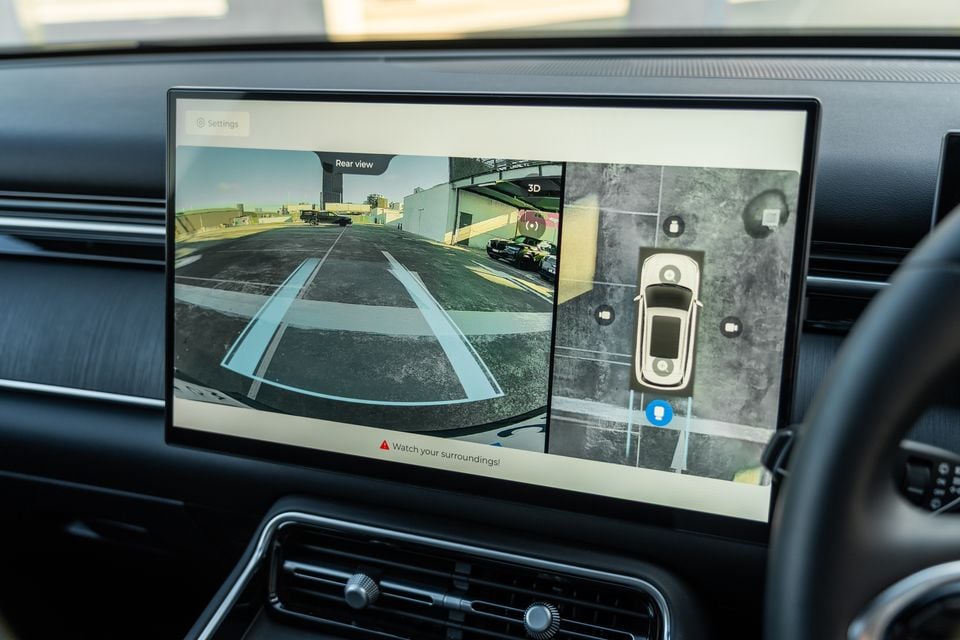
That said, the blind-spot and rear cross-traffic alerts worked well, and the Tiggo 9's excellent surround cameras with 3D projection came in handy when trying to slot this big family bus into shopping centre carparks.
Speaking of carparks, however, the steering rack made some weird rattling noises when doing low-speed parking manoeuvres, namely little corrections as I parked. It was like someone was tapping a plastic bottle on something...
To see how the Chery Tiggo 9 lines up against the competition, check out our comparison tool
What do you get?
The Elite grade forgoes some of the Ultimate's niceties but still retains a pretty comprehensive level of standard equipment.
2026 Chery Tiggo 9 Elite equipment highlights:
- 7 seats
- Auto LED projector-type headlights
- Auto high-beam
- Panoramic sunroof
- Rear privacy glass
- Power tailgate
- Rain-sensing wipers
- Proximity entry and start
- 10.25-inch digital instrument cluster
- 15.6-inch touchscreen infotainment system
- Satellite navigation
- Wireless Apple CarPlay, Android Auto
- 50W wireless phone charger
- 8-speaker Sony sound system
- Colour-adjustable ambient lighting
- Dual-zone climate control incl. 2nd- and 3rd-row air vents
- Leatherette upholstery
- Power tilt and telescopic steering wheel adjustment
- 6-way power driver’s seat with 4-way power lumbar and memory
- 6-way power passenger seat
- Heated front seats
- Massage function – driver's seat
2026 Chery Tiggo 9 Ultimate adds:
- Semi-autonomous parking assist
- Side parking sensors
- Head-up display
- Leather upholstery
- Ventilated front seats
- Massage function – front passenger seat
- Heated, ventilated outboard second-row seats
- Heated steering wheel
- Auto-dimming rear-view mirror
- 12-speaker Sony premium audio
To see how the Chery Tiggo 9 lines up against the competition, check out our comparison tool
Is the Chery Tiggo 9 safe?
The Chery Tiggo 9 is yet to receive an ANCAP safety rating, likewise its Jaecoo J8 twin.
Standard safety equipment includes:
- 10 airbags incl. driver's knee, front-centre
- Autonomous emergency braking – AEB
- Adaptive cruise control
- Blind-spot monitoring
- Door Opening Warning – Exit warning
- Driver monitoring system
- Emergency lane-keep assist
- Forward collision warning
- Integrated Cruise Assist – ICA
- Adaptive cruise
- Lane centring
- Lane departure warning
- Lane-keep assist
- Parking sensors – front, rear
- Rear cross-traffic assist
- Safe exit warning
- Speed Control Assist
- Speed limit information
- Surround-view cameras
- Traffic Jam Assist
To see how the Chery Tiggo 9 lines up against the competition, check out our comparison tool
How much does the Chery Tiggo 9 cost to run?
The Tiggo 9 is covered by Chery's seven-year, unlimited-kilometre new-vehicle warranty, and its PHEV battery is covered for eight years with no mileage limit.
| Servicing and Warranty | Chery Tiggo 9 SHS Elite FWD |
|---|
| Warranty | 7 years, unlimited kilometres – Vehicle8 years, unlimited kilometres – HV battery |
| Roadside assistance | 7 years |
| Service intervals | 12 months or 15,000km |
| Capped-price servicing | 7 years or 105,000km |
| Average annual service cost | $453.45 – 7 years |
| Total capped-price service cost | $3174.15 – 7 years |
It's worth noting the first five years of servicing is quite cheap, with the 72-month/90,000km visit throwing out the average a bit with its $1291.31 price.
So, it averages out at $319 annually over the first five years, then ups to $453.75 for the life of the seven-year capped-price service program. Still, not bad.
To see how the Chery Tiggo 9 lines up against the competition, check out our comparison tool
CarExpert's Take on the Chery Tiggo 9
Aside from being incredible value for money – even alongside Chinese competition – the Tiggo 9 is arguably Chery's most complete offering yet.
Objectively it's not quite as good as rivals from BYD and Kia, though Chery also charges much less money for a large seven-seat SUV that's still very good.
Sure, there are several areas in need of improvement, but the Tiggo 9's combination of value, practicality, general driving competence and real-world efficiency make it a solid alternative to large SUVs from established brands.
Chery should fine-tune the steering and continue to hone its driver-assistance systems if it wants to be even more competitive in the market and not just a solid 'cheap' alternative, and perhaps the Tiggo 9 could use a larger third-row seat given its flagship status in the range.
But I definitely think this Elite-spec is the pick of the range, including the Jaecoo J8 as well. It's affordable, it's honest, and despite having less power and a smaller battery, it does a pretty good job at being a plug-in hybrid family SUV that saves you money at the dealer and the fuel pump.
CarExpert can save you thousands on a new Chery Tiggo 9. Click here to get a great deal.
Click the images for the full gallery
MORE: Explore the Chery Tiggo 9 showroom















 Automotive Vehicle Spec Data & 4K images Powered by JATO Dynamics Ltd