




William Stopford
2027 Nissan X-Trail review
The Nissan X-Trail continues to impress in e-Power hybrid guise, especially now you can get front-wheel drive examples for less money.
40 Minutes Ago
The BYD Sealion 6 helped popularise plug-in hybrid vehicles in Australia, but has it kept up with the pace of progress?

Deputy Road Test Editor
Deputy Road Test Editor
Deputy Road Test Editor
Deputy Road Test Editor
If this is the car for you, we’ll compare offers from trusted dealers, handle the back and forth and manage your purchase from enquiry to delivery.
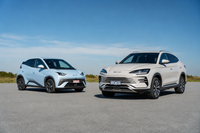
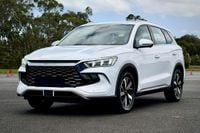
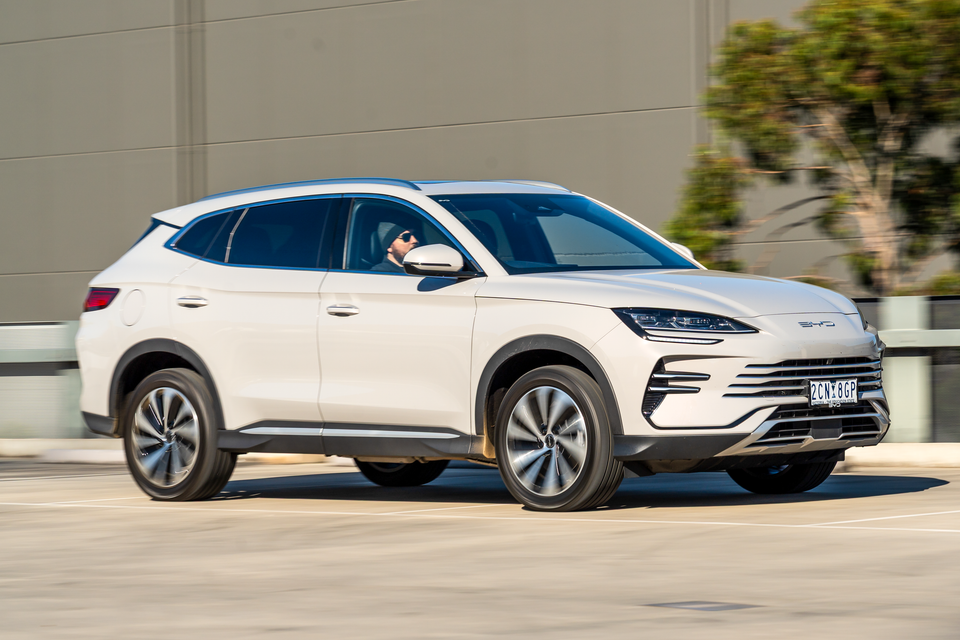
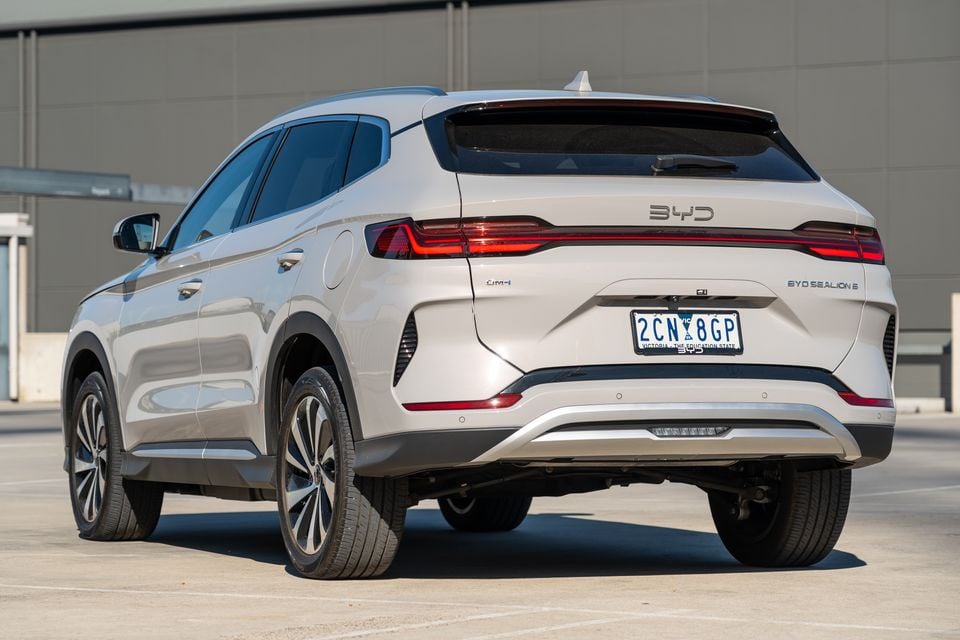
The BYD Sealion 6 is more recognisable than most Chinese mid-size SUVs, largely because it's the leader of Australia's PHEV-olution.
Once a niche technology, plug-in hybrid electric vehicle (PHEV) power is now in vogue and the Sealion 6 is at the forefront of the movement, accounting for 9055 sales last year, or 17 per cent of total PHEV sales.
There are a couple of reasons for this, the most obvious being that BYD beat most of its rivals to the punch. And for well south of $50k, the base Sealion 6 Essential still promises modern, safe and flexible family transport, with no requirement for buyers to place their trust in an unfamiliar brand.
That sure sounds like a great deal, especially when you consider a modestly specced Mazda CX-5 completely devoid of electrification commands similar money.
However, the Sealion 6 is no longer alone in promising the world on paper. Several alternatives have arrived since its local launch in May 2024, many of which are even cheaper than BYD's trendsetter.
So, how does the Sealion 6 stack up in 2026? Read on for all the answers.
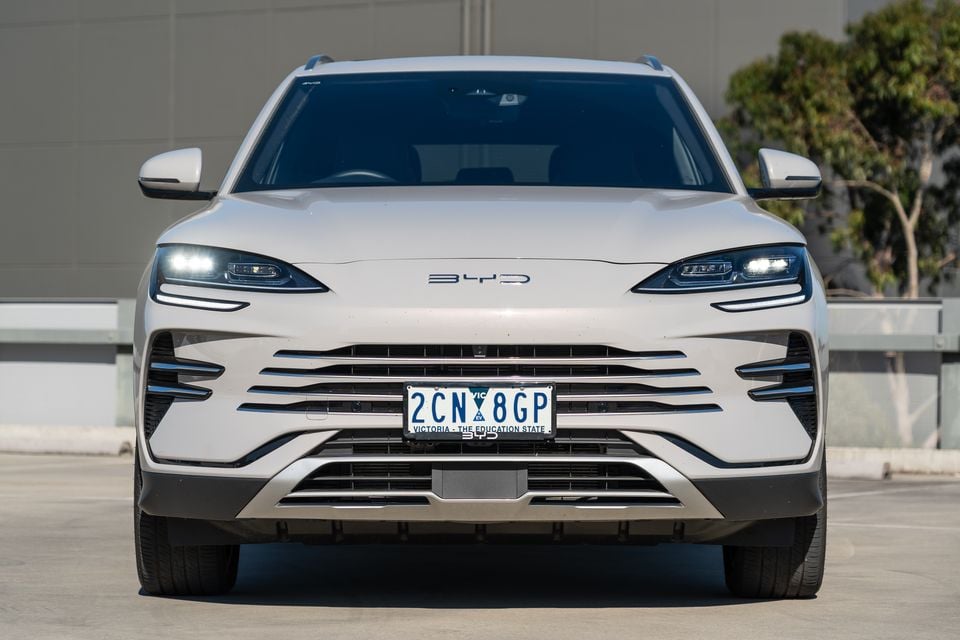
The Sealion 6 Essential is the most affordable version of the plug-in hybrid medium SUV on sale in Australia, priced from $42,990 plus on-road costs.
| Model | Price before on-road costs |
|---|---|
| 2026 BYD Sealion 6 Essential | $42,990 |
| 2026 BYD Sealion 6 Dynamic Extended Range | $46,990 |
| 2026 BYD Sealion 6 Premium Extended Range | $52,990 |
Rivals? It has a few. Direct PHEV competitors include (but aren't limited to) the Chery Tiggo 7 Super Hybrid, Geely Starray EM-i, Jaecoo J7 SHS, GWM Haval H6 PHEV, Leapmotor C10 Hybrid EV, and MG HS Super Hybrid – all priced from under $50,000 drive-away.
Beyond that, there are an additional 28 mid-size SUVs available for $65,000 or less, leaving prospective buyers spoilt for choice in what is Australia's single biggest new-vehicle segment by both sales volume and model count.
To see how the BYD Sealion 6 lines up against the competition, check out our comparison tool
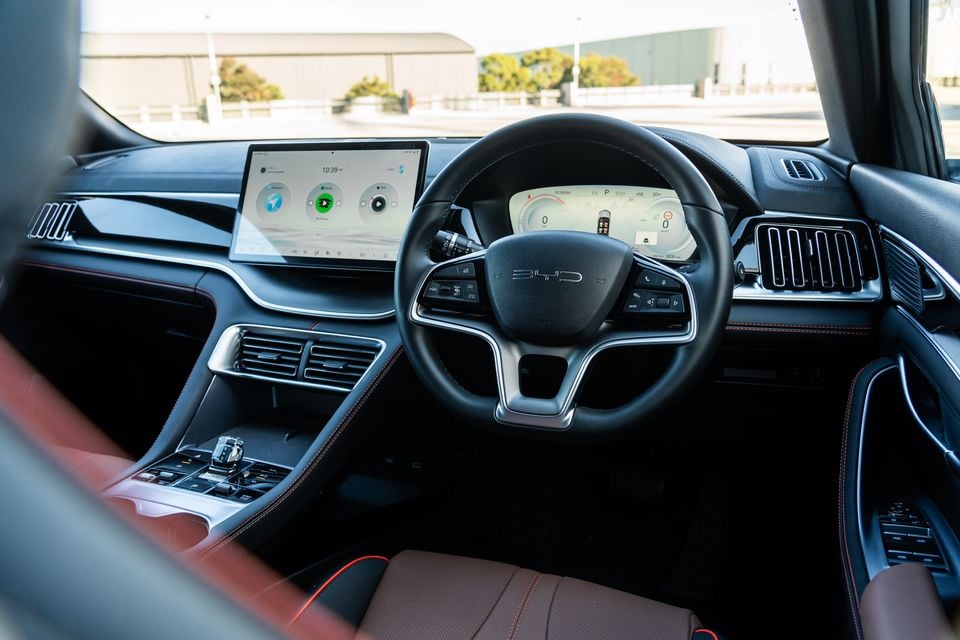
The entry-level Sealion 6 lacks some of the interior wow-factor that has come to define modern Chinese vehicles.
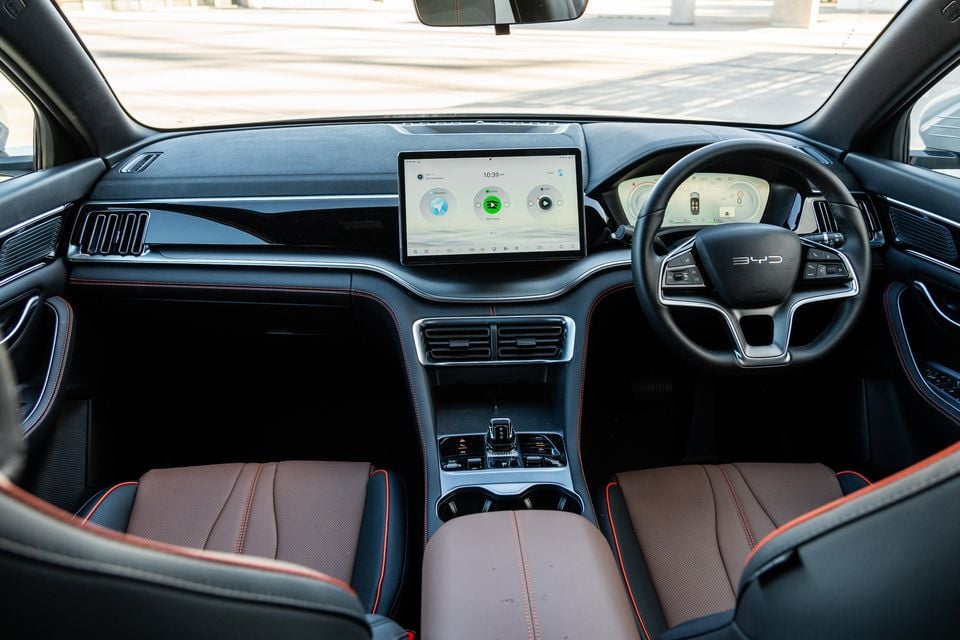
It makes a generally positive first impression, courtesy of widespread soft-touch materials, eye-catching orange accents, and nearly-premium switchgear, all of which are rare in similarly priced Japanese alternatives.
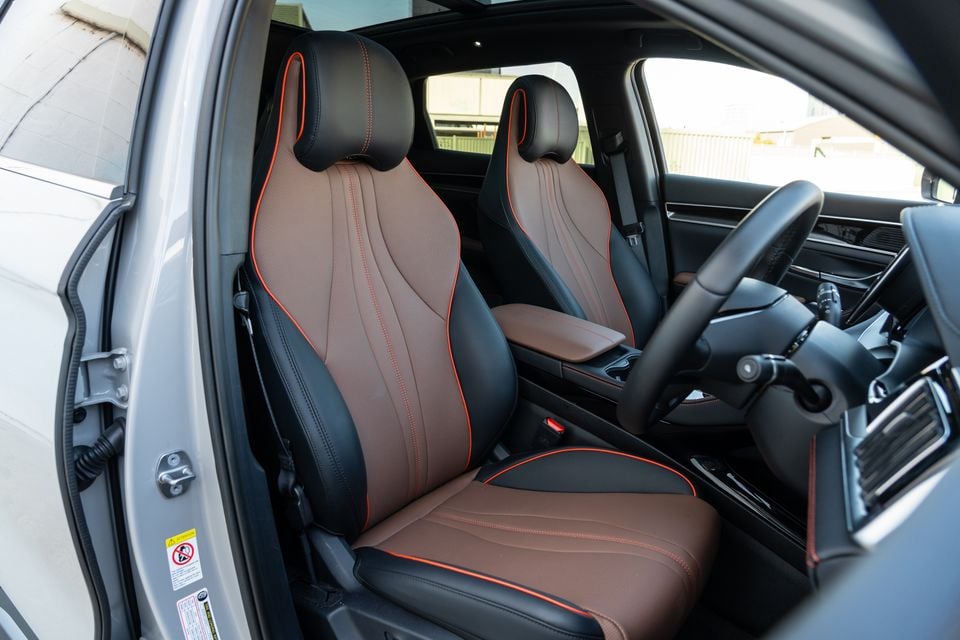
However, the front seats, though colourfully trimmed, are neither heated nor ventilated. Steering wheel heating is absent, too, and the technology suite is fairly subdued by modern standards.
As such, it doesn't quite feel like you're getting a cut-price luxury SUV.
You are, however, getting a comfortable and relatively straightforward family hauler that nails most of the basics.
While missing some equipment, the driver's seat is nevertheless cushy and supportive, with plentiful power adjustment. The steering wheel likewise tilts and telescopes to enable an ergonomic driving position, which is more important than just about anything else.
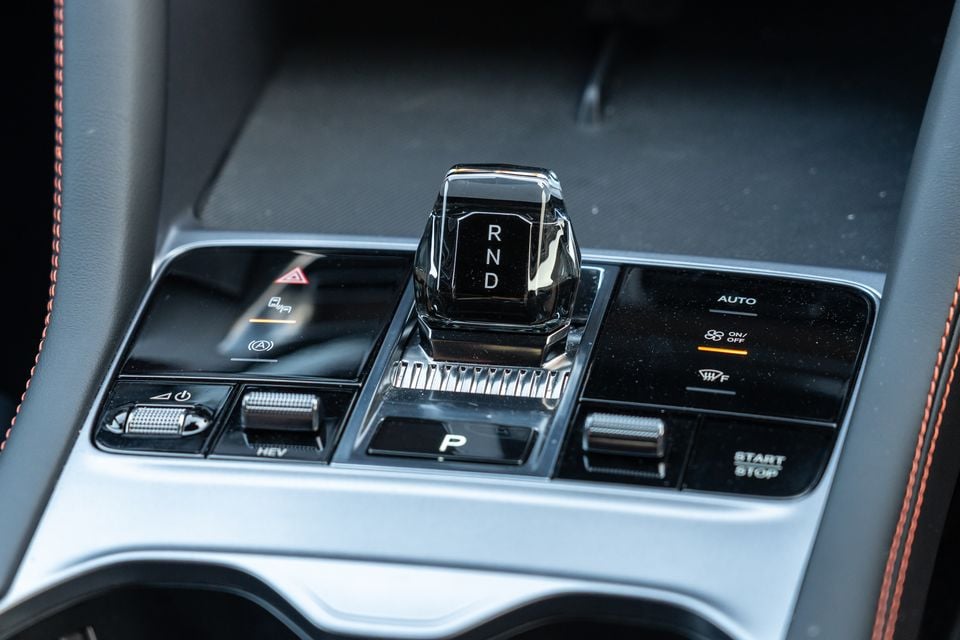
The inside of the Sealion 6 is also pretty user-friendly, given the prevalence of physical controls. A selection of knurled toggle switches and glossy black buttons on the centre console handle drive modes and key climate functions, while you can adjust cruise control, audio and instrument settings without taking your hands off the steering wheel. Conventional door-mounted mirror controls are the icing on the cake.
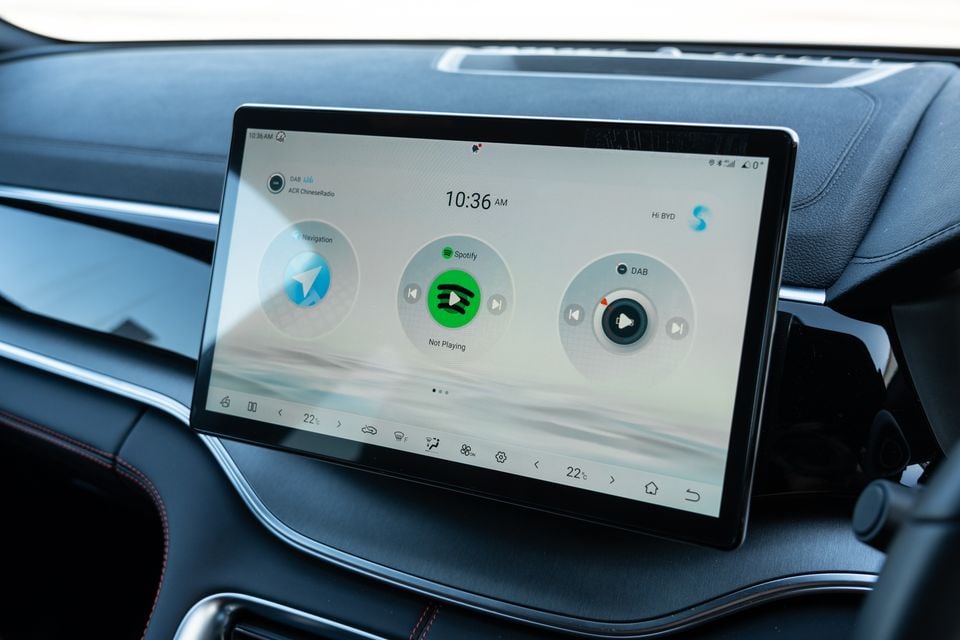
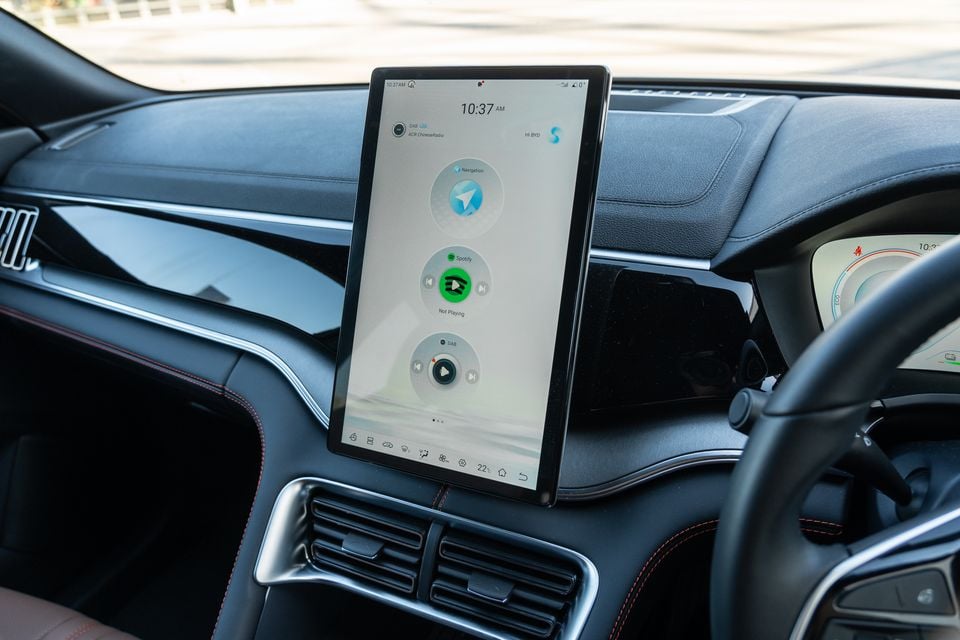
All other functions are embedded within the iPad-style central infotainment touchscreen, which is slightly smaller than those found in many of its contemporaries. It's the only screen that rotates, though, not that there's much use for this fun party trick.
Spinning hardware aside, the infotainment system doesn't house many surprises. It uses a basic app grid layout with a pinned shortcut bar along the bottom, providing easy access to cabin temperature adjustments, vehicle settings and other frequented functions.
However, some key features remain buried. For example, finding detailed energy and fuel consumption data requires serious digging. It’s the same story for safety settings.
With uninspiring visuals and slow-ish software, the system also just feels more basic than the setups in newer BYD models, despite featuring a connected app store and reliable wireless smartphone mirroring. Granted, it'll still seem space-age to buyers coming from older legacy SUVs.
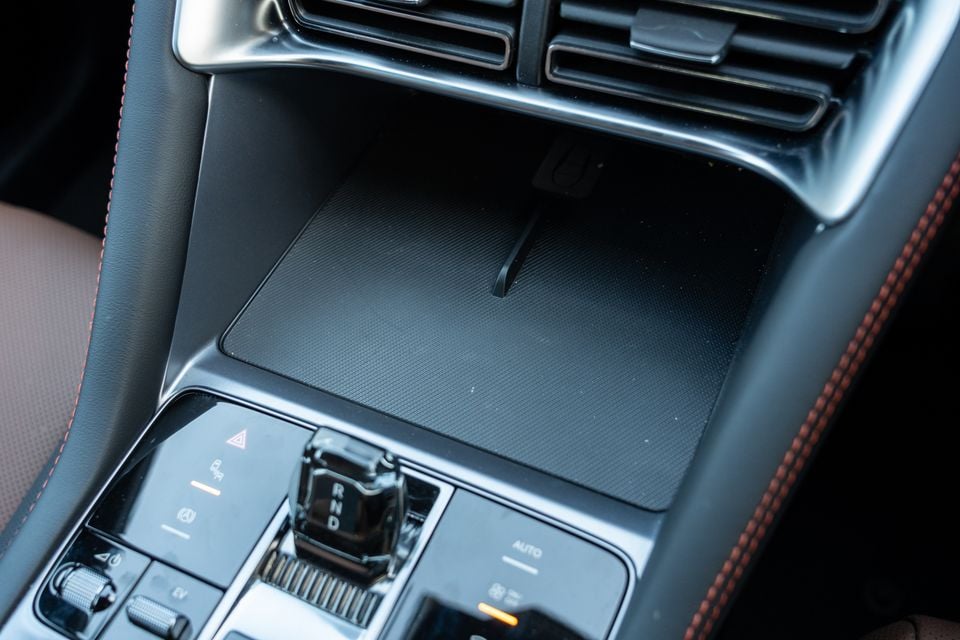
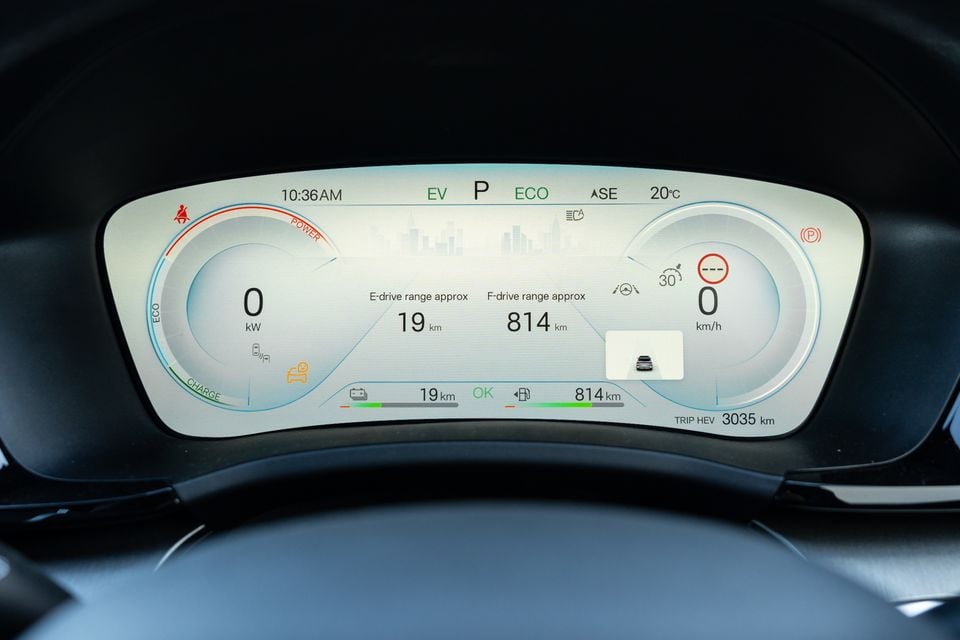
This base Essential does without a wireless phone charger – another source of slight disappointment. Instead, you get a choice of USB-C and USB-A outlets hidden below the central bridge, making them somewhat hard to reach.
The digital instrument display better meets 2026 expectations, presenting energy and fuel use, driver assists, and speed in a clear, inoffensive manner. Upgrading to the Dynamic nets you an additional head-up display.
But, to be honest, I'd prefer if the extra spend went towards a better climate control system – no matter what you do, it’s always either too hot or too cold inside the Sealion 6. With the temperature set mild, the air-conditioning blows aggressively under the assumption it's serving eskimos. Switch the A/C off and the cabin heats up equally quickly, particularly if the sunshade is left open. As a result, I often found myself driving with the windows down to achieve some consistency.
On a brighter note, cabin storage is plentiful. Highlights include a wide, rubber-lined tray at the base of the centre stack, a deep armrest compartment, an expansive glovebox, and wide door bins with drink bottle holders. Sunglasses and coins score their own dedicated cubbies, too.
Practicality is similarly a strength of the second row. Passenger space is in strong supply, even for taller adults, and the glass panel overhead ensures an abundance of natural light.
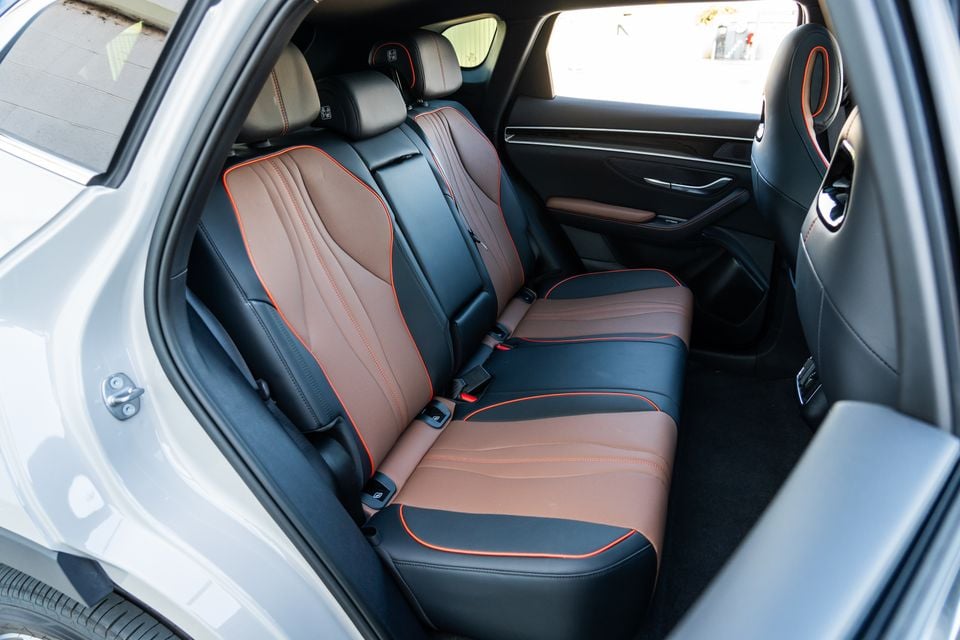
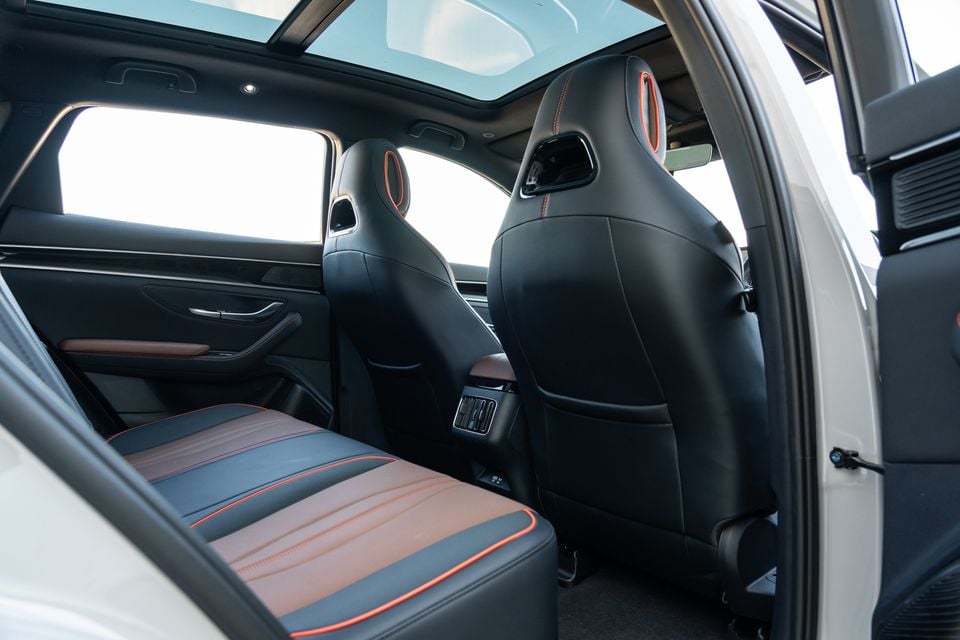
Both outboard seats are soft and inviting, albeit lacking in under-thigh support, while the middle seat is much firmer but more usable than most courtesy of a flat floor.
And while it may be a base model, the Essential doesn't skimp on rear amenities, offering USB-A and USB-C outlets, twin air vents with fan controls, seatback sleeves, useful door storage, and a fold-down centre armrest with integrated cupholders. That's pretty good for a $43k plug-in hybrid family SUV.
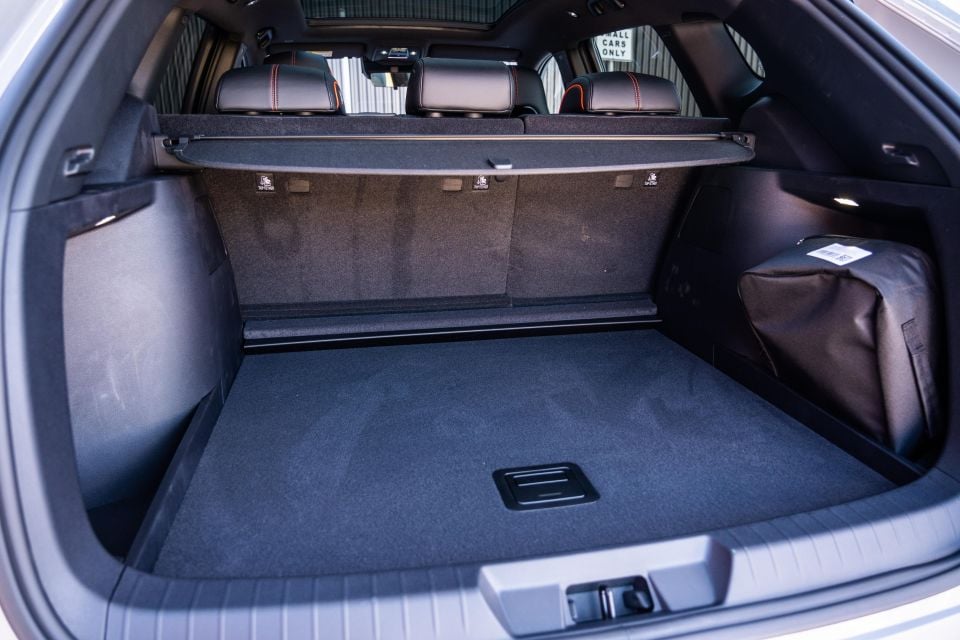
Moving further back, the tailgate raises manually to reveal a surprisingly small boot with a claimed capacity of just 425 litres – less than the vast majority of mid-size SUVs. Of course, you can drop the rear seatbacks in 60/40 fashion to increase the available space, but just be mindful of the step between the boot floor and folded bench.
A retractable cargo cover is just about the only selling point here, as the boot floor sits quite high, and while there isn’t much of a load lip, there’s also no underfloor storage.
Don't expect a spare wheel of any kind, either. Instead, a tyre repair kit is standard equipment across the Sealion 6 lineup.
| Dimensions | BYD Sealion 6 |
|---|---|
| Length | 4775mm |
| Width | 1890mm |
| Height | 1670mm |
| Wheelbase | 2765mm |
| Cargo capacity | 425L (rear seats up) 1440L (rear seats folded) |
To see how the BYD Sealion 6 lines up against the competition, check out our comparison tool
The base Sealion 6 Essential misses out on both the larger battery of the Extended Range models and the turbocharged all-wheel drive powertrain found in the flagship Premium. However, it still offers decent electric range and passable performance.
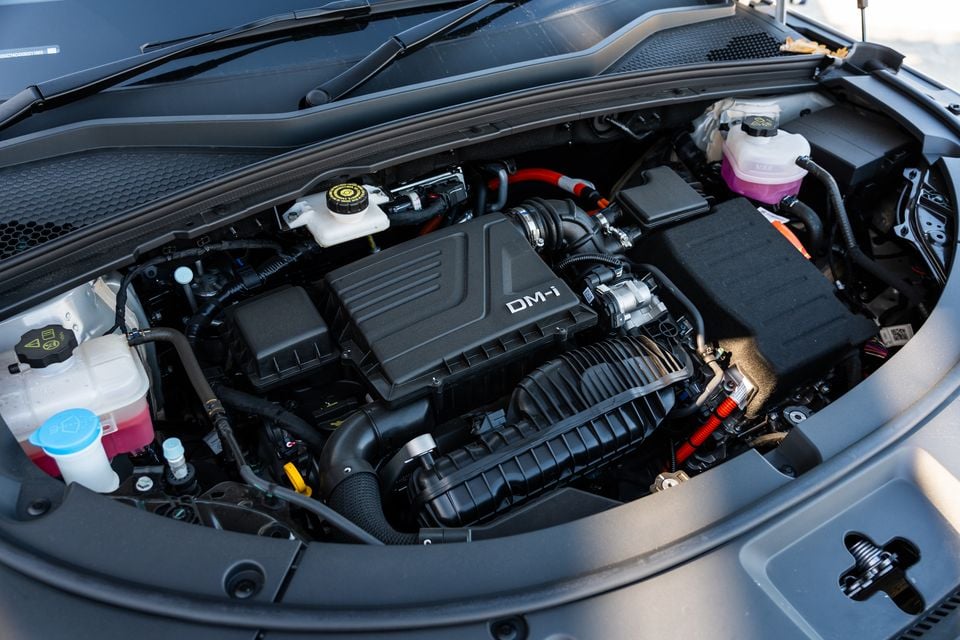
| Specifications | BYD Sealion 6 Essential |
|---|---|
| Engine | 1.5L 4cyl petrol |
| Engine outputs | 72kW 135Nm |
| Electric motor outputs | 145kW 300Nm |
| System outputs | 160kW 300Nm |
| Battery | 18.3kWh ‘Blade’ LFP |
| Transmission | Single-speed, reduction gear |
| Drive type | Front-wheel drive |
| Weight | 1940kg |
| 0-100km/h (claimed) | 8.5 seconds |
| Fuel economy (claimed) | 1.1L/100km |
| Fuel economy (as tested) | 1.5L/100km |
| Electric driving range (PHEV) | 92km |
| Fuel tank capacity | 60L |
| Fuel requirement | 95-octane premium unleaded |
| CO2 emissions | 24g/km |
| Emissions standard | Euro 5 |
| Braked tow capacity | 750kg |
If you need more of either, the Dynamic Extended Range can travel a claimed 140km as an EV, while the Premium brings extra punch and all-paw traction.
To see how the BYD Sealion 6 lines up against the competition, check out our comparison tool
You get what you pay for in this regard, as the Sealion 6 doesn't drive as well as its competitors.
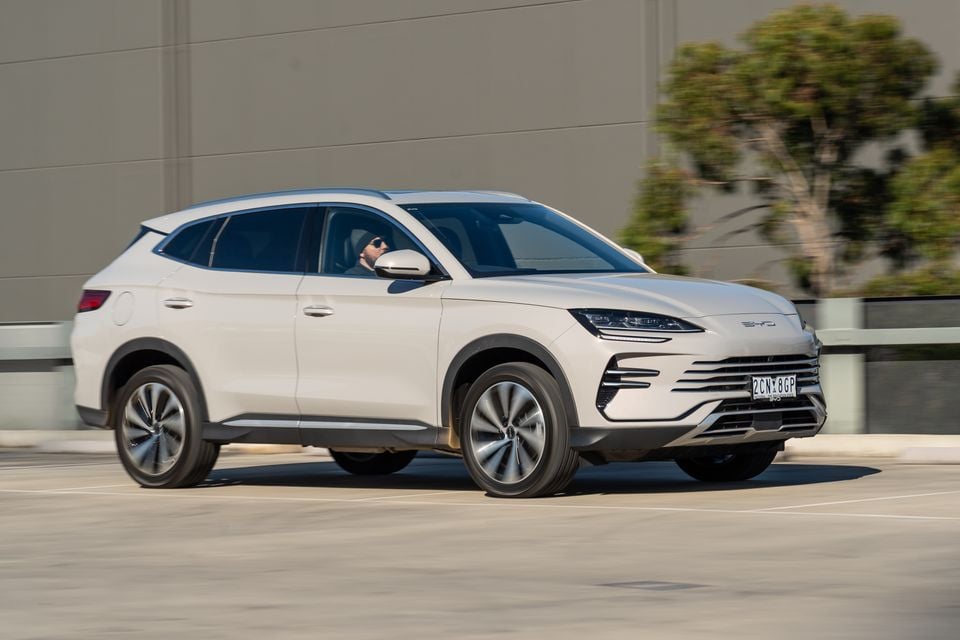
There's an argument to be made that it offers plug-in hybrid flexibility for the same outlay as a Toyota plug-less hybrid. However, so do the aforementioned Chery Tiggo 7 Super Hybrid, Geely Starray EM-i, Jaecoo J7 SHS, GWM Haval H6 PHEV, Leapmotor C10 Hybrid EV, and MG HS Super Hybrid.
That said, even BYD's entry-level PHEV system works better than most. It's highly efficient as a hybrid, defaulting to electric power as often as possible, and enables silent, smooth running in EV mode.
Said EV mode is best saved for urban errands, though, because it doesn't offer much 'go' at higher speeds. Press through the kick-down detent and the petrol engine fires up for a quick, yet still relatively quiet burst of extra acceleration.
But even with the engine and electric motor working together, this base Sealion 6 is no rocketship.
Switching between the power sources is super straightforward. There's a HEV/EV toggle on the centre console, plus a selection of additional drive modes – Eco, Normal, Sport, and Snow.
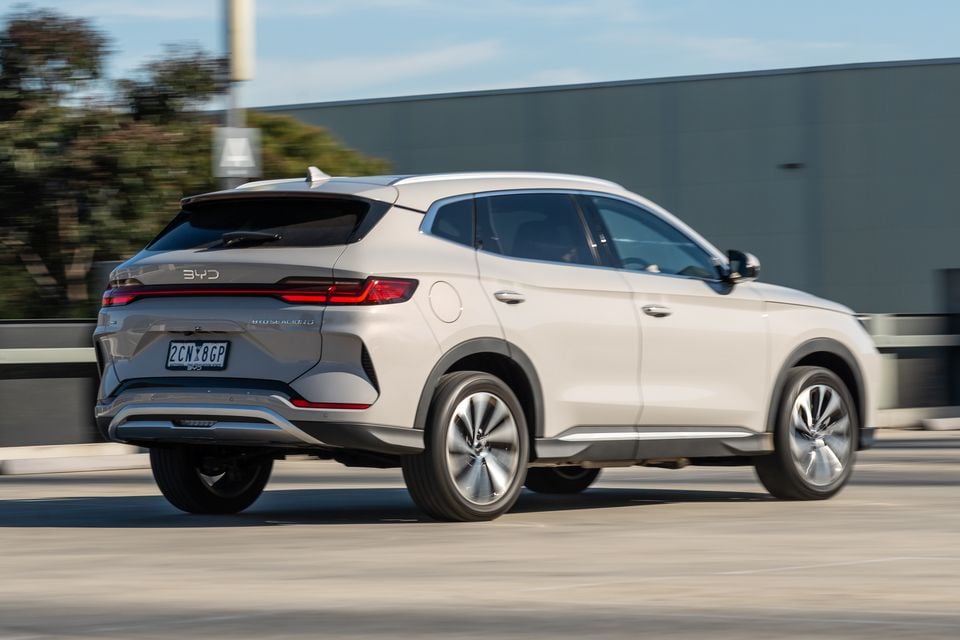
That’s about where the positives start to dry up from a driving perspective.
There's little to like about how the suspension is set up – it's very soft, and while that might sound like a recipe for comfort, the Sealion 6 struggles with body control and has a poor primary ride.
The secondary ride is somewhat better. Smaller imperfections in the road rarely make themselves known in the cabin, and harsher impacts aren’t felt too strongly up front.
Even so, the overall suspension tune remains too soft for Australian roads. Over larger bumps and undulations, the body bounces and rocks, throwing occupants – including the driver – around more than is reasonable. The rear-end is particularly prone to trampolining over lumpy country roads, which can make for a genuinely nauseating passenger experience.
Those same roads also expose issues in the handling department.
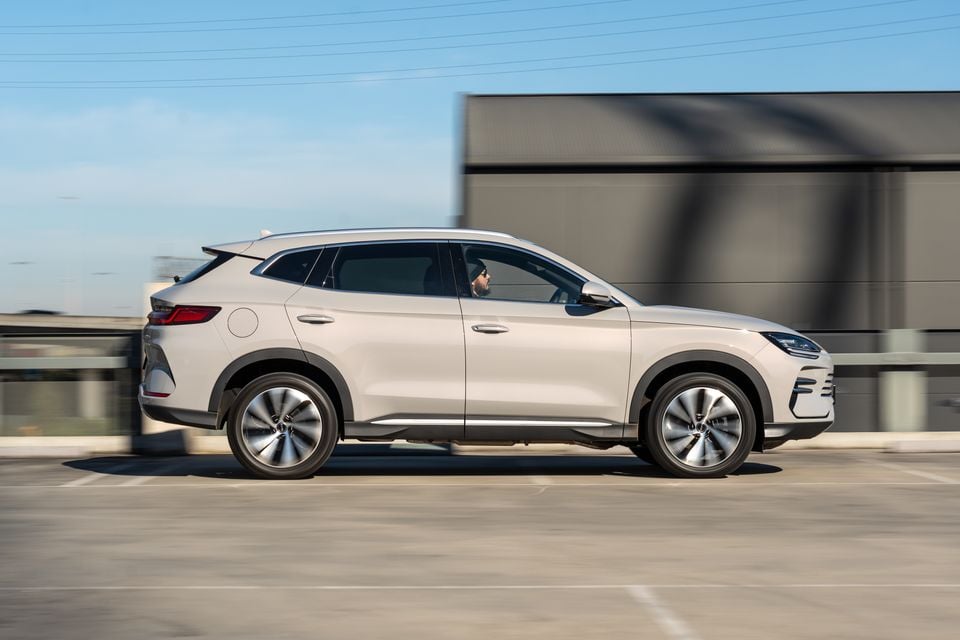
The Sealion 6 is prone to plenty of body roll – more so than most competitors – and the steering feels only loosely connected to the wheels, making it difficult to place the car precisely.
So while the Giti tyres provide enough grip, you never feel especially confident throwing it into faster corners.
It’s not much better in tighter city confines, where the Sealion 6 often feels bigger than it really is, particularly when tasked with something like a 180-degree turn.
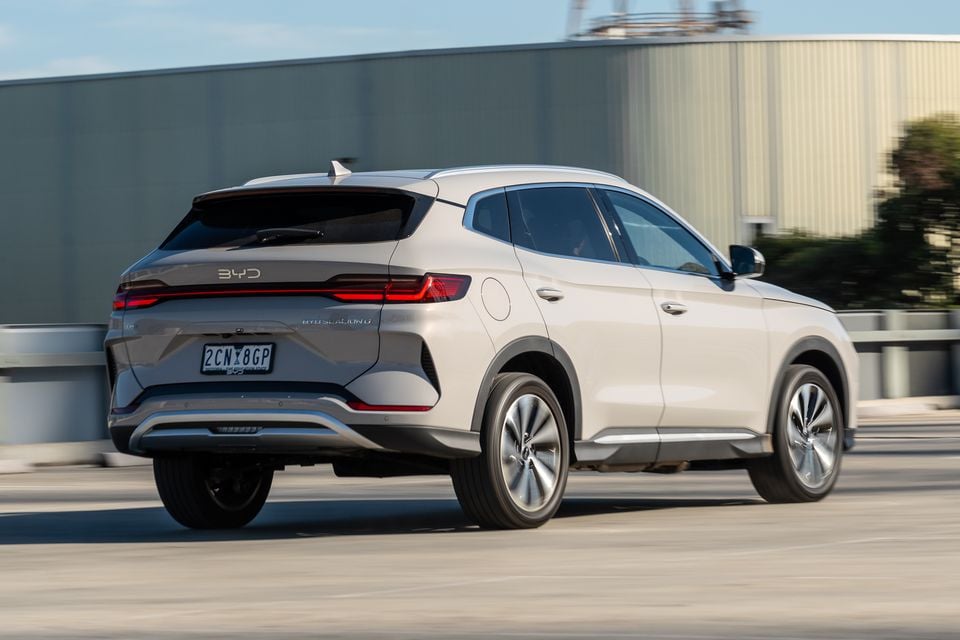
Parking presents its own challenges. The rear window is quite narrow, there are pronounced blind spots over both rear quarters, and the Essential misses out on the surround-view camera fitted to higher model grades. Instead, you get a fairly grainy reversing camera, which isn’t especially helpful after dark.
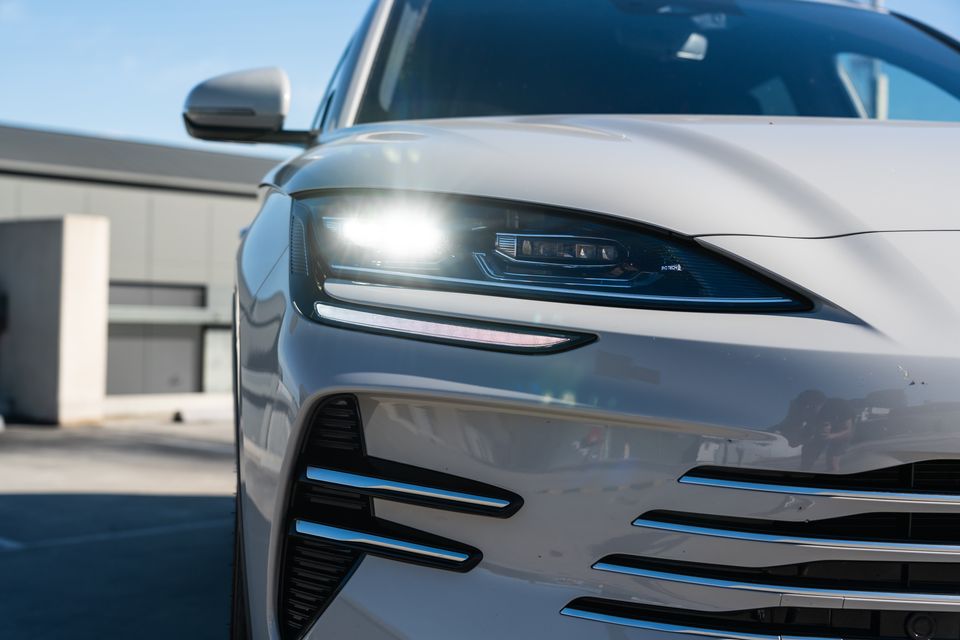
The headlights can also be problematic at night. On several occasions the automatic high-beams were slow to dip for oncoming traffic, dazzling other drivers in the process. Sorry to all the innocent motorists caught in the crossfire of my road testing.
Worse still, the brakes feel a little undercooked. The pedal requires a surprising amount of force to bring the car to a stop, which quickly becomes tiring.
As such, the Sealion 6 is happiest cruising on straight, smooth roads. In other words, it’s best suited to highway driving.
Here, it rolls along quietly, effectively shielding occupants from outside noise. I've recently started measuring cabin noise on a stretch of highway near our Docklands office, and the Sealion 6 recorded 56.3dB – a suitably hushed result for a family SUV.
Further, BYD’s Integrated Cruise Control (ICC) system adds a degree of semi-autonomous capability for longer journeys, combining adaptive cruise control with lane-centring assistance. It’s not the best system I’ve used, though. The Sealion 6 tends to wander around within its lane, at times almost ping-ponging from side to side rather than holding a consistently central position.
In fairness, it does a better job of managing speed, and the other advanced driver assistance systems (ADAS) are relatively well-behaved. I'd also rather deal with ICC inconsistencies than many of the fundamental dynamic shortcomings mentioned earlier.
To see how the BYD Sealion 6 lines up against the competition, check out our comparison tool
The Essential is the base grade in the Australian Sealion 6 lineup.
If this is the car for you, we’ll compare offers from trusted dealers, handle the back and forth and manage your purchase from enquiry to delivery.
2026 BYD Sealion 6 Essential equipment highlights:
Sealion 6 Dynamic adds:
Sealion 6 Premium adds:
To see how the BYD Sealion 6 lines up against the competition, check out our comparison tool
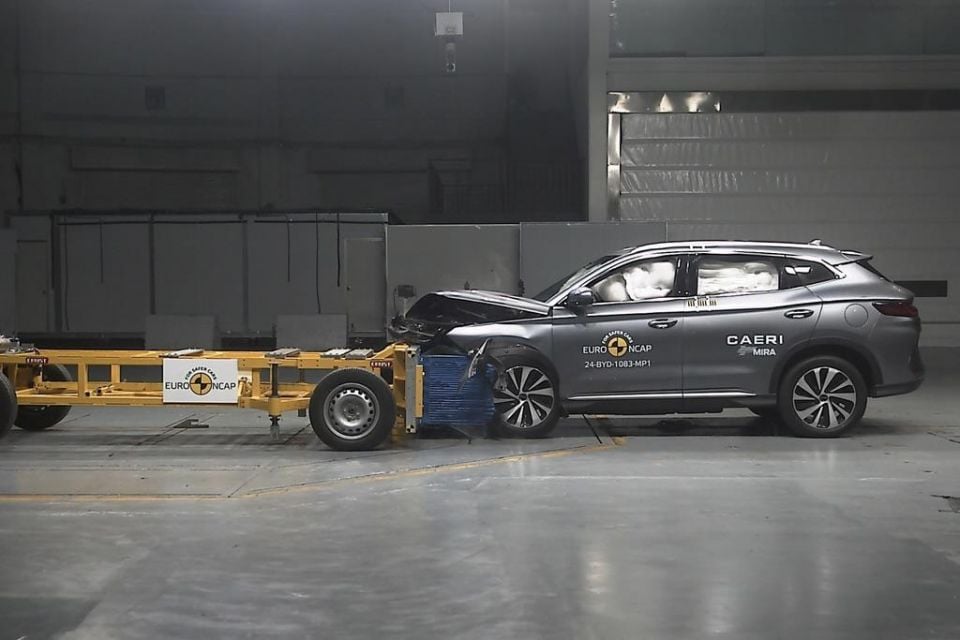
The BYD Sealion 6 has a five-star ANCAP safety rating based on testing conducted by Euro NCAP in 2023.
| Category | BYD Sealion 6 |
|---|---|
| Adult occupant protection | 88 per cent |
| Child occupant protection | 86 per cent |
| Vulnerable road user protection | 83 per cent |
| Safety assist | 75 per cent |
Standard safety features include:
Sealion 6 Dynamic adds:
To see how the BYD Sealion 6 lines up against the competition, check out our comparison tool
BYD covers its Australian range with a six-year, 150,000km new-vehicle warranty, and its ‘Blade’ battery for eight years or 160,000km.
| Servicing and Warranty | BYD Sealion 6 |
|---|---|
| Vehicle warranty | 6 years or 150,000km |
| High-voltage battery warranty | 8 years or 160,000km |
| Roadside assistance | 1 year, then service-activated |
| Service intervals | 12 months or 20,000km |
| Capped-price servicing | 11 years |
| Average annual service cost | $414 |
| Total capped-price service cost | $4549 |
Servicing isn't exactly cheap, although maintenance costs are capped for 11 years, whereas the industry standard sits at around seven years. And unlike some automakers (I'm looking at you, Toyota), BYD has set generous 20,000km intervals.
To see how the BYD Sealion 6 lines up against the competition, check out our comparison tool
The game has moved on.
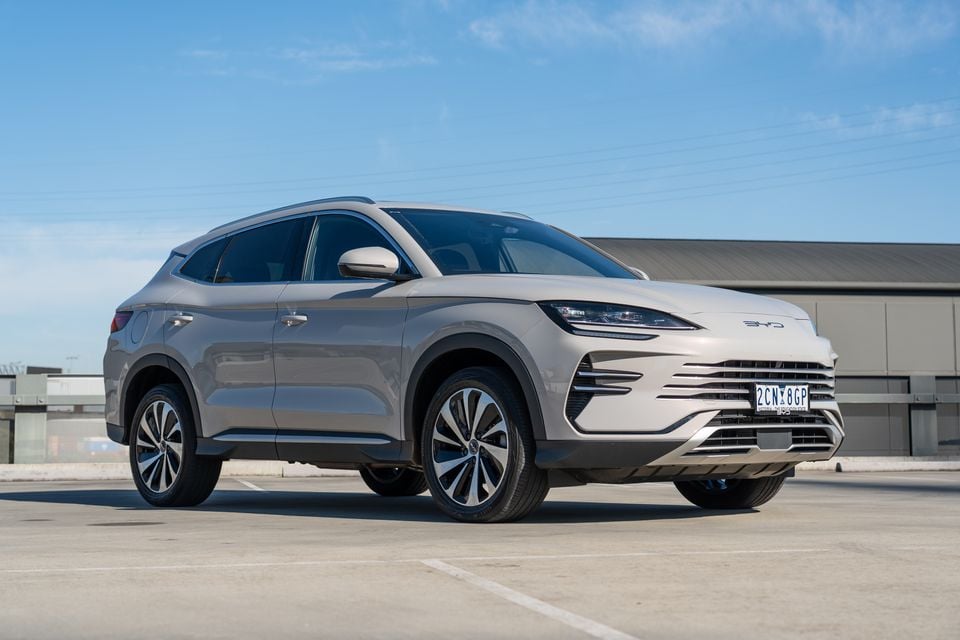
While the Sealion 6 was once a standout option in the affordable mid-size SUV space, it now faces stiffer competition from both a new wave of PHEV rivals and updated versions of popular HEVs such as the Toyota RAV4 and Honda CR-V.
Indeed, the proliferation of cheaper electrified options has only served to expose the shortcomings of this OG BYD – namely its small boot, disappointing dynamics and patchy technology.
There’s still enough to like – a spacious second row, upmarket materials and excellent cabin storage remain interior highlights, while the smooth, flexible powertrain aligns strongly with the demands of modern life.
But despite its strengths, the Sealion 6 – especially in Essential guise – is no longer the obvious pick.
That may sound harsh given we named it 'Best Affordable PHEV SUV' in the 2026 CarExpert Choice Awards, but I’d argue that gong is best attributed to the Extended Range with its... extended range and significantly longer list of standard equipment.
By all means take the Essential for a test drive, just make sure the Geely Starray EM-i, MG HS Super Hybrid and Honda CR-V e:HEV X are also on your shortlist.
CarExpert can save you thousands on a new BYD Sealion 6. Click here to get a great deal.
Click the images for the full gallery
If this is the car for you, we’ll compare offers from trusted dealers, handle the back and forth and manage your purchase from enquiry to delivery.
BYD Sealion 6
BYD Sealion 6 Sales rolling 12-months#
*Based on VFACTS and EVC data
Looking for complete BYD Sealion 6 price history?
Our BYD Sealion 6 Pricing Page shows exactly how prices have changed over time.
2025
$47,182
2025
$51,457
2025
$57,642
2025
$57,642
Josh Nevett is an automotive journalist covering news and reviews, with a background in motorsport journalism.
Add CarExpert as a Preferred Source on Google so your search results prioritise writing by actual experts, not AI.
William Stopford
40 Minutes Ago

Damion Smy
2 Hours Ago
Damion Smy
2 Hours Ago

Tace Clifford
5 Hours Ago
William Stopford
1 Day Ago
Damion Smy
2 Days Ago
Add CarExpert as a Preferred Source on Google so your search results prioritise writing by actual experts, not AI.
# Based on VFACTS and EVC data
† Displayed prices are based on the drive-away price of the vehicle, which includes delivery charges, registration fees, number plates, and applicable road taxes, based on a Sydney location. However, prices may vary between states and territories, and additional costs such as compulsory third party (CTP) insurance, dealer delivery fees, and optional extras are not included. These prices are subject to change without notice and may not reflect current market pricing or dealer offers.
 Automotive Vehicle Spec Data & 4K images Powered by JATO Dynamics Ltd