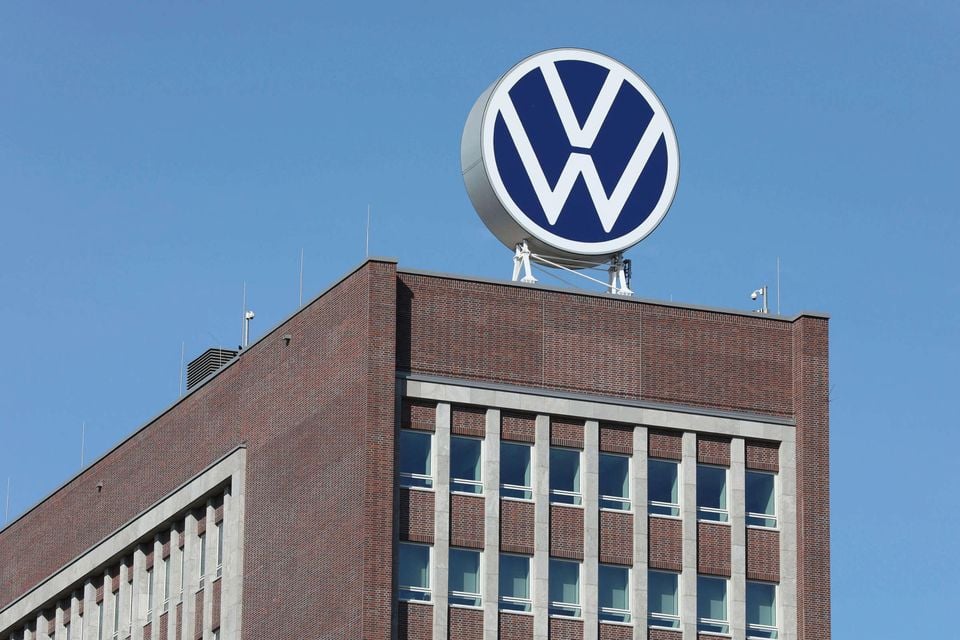
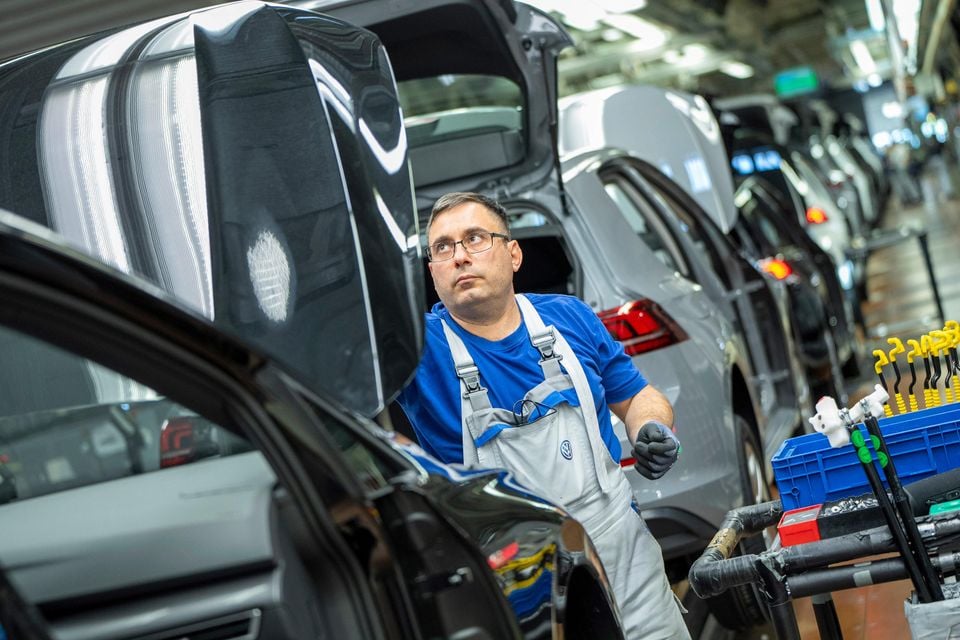
Volkswagen Group, the parent company of auto brands including Porsche, Audi and Skoda, has announced plans to slash its German workforce by 50,000 over the next four years.
The figure is 15,000 higher than the number that Europe’s largest automaker previously confirmed in 2024, when it said 35,000 jobs would be cut by 2030 after reaching a deal with German trade unions.
Volkswagen announced the significant job cuts while revealing a 53 per cent drop in pre-tax profits during the Volkswagen Group Annual Media, Analyst and Investor Conference in Wolfsburg, Germany this week.
It said the additional job losses stemmed from the volatility of global auto markets.
CarExpert can save you thousands on a new car. Click here to get a great deal.
“2025 was shaped by geopolitical tensions, tariffs and intense competitive pressure,” said Volkswagen Group chief financial officer Arno Antlitz in a statement.
“[But] the operating margin of 4.6 per cent, adjusted for restructuring, is not sufficient in the long run in this challenging environment.
“We want to keep our combustion-engine vehicles technologically competitive, continue investing in exciting electric vehicles and the latest software solutions for our customers, and expand our regional presence, particularly in the United States.
“We can only realise this if we continue to rigorously reduce costs, leverage Group synergies, reduce complexity and thus sustainably increase profitability. This is what we will focus on in the coming months.”
The company sold nine million vehicles across all of its brands in 2025 – a relatively flat number compared with the 9.03 million sales it notched up in 2024 – when Audi and Porsche in particular wound back their electric vehicle (EV) development plans due to slower EV sales growth.
After closing its Brussels, Belgium plant in February 2025, Volkswagen also closed its Dresden factory in December last year – the first closure of a Volkswagen plant in Germany in the automaker’s history.
In Australia, Volkswagen sales were down 20.6 per cent in 2025, following a 16.8 per cent fall the previous year.
While Volkswagen Group CEO Oliver Blume said the automaker was making “tangible progress” after “three intensive years of realignment”, the company said its headwinds are not over, with Blume adding: “We are operating in a fundamentally different environment.”
Mr Blume said the company will enter its next phase in 2026, when it will introduce “affordable electric mobility with premium technology” with a particular focus on China, where he said Volkswagen “will start the largest product campaign in our history”.
“Challenges are expected in particular from the macroeconomic environment, uncertainties regarding restrictions in international trade and geopolitical tensions,” continued the company statement, which said this would increase “competitive intensity” and volatility in “commodity, energy and foreign exchange markets”.
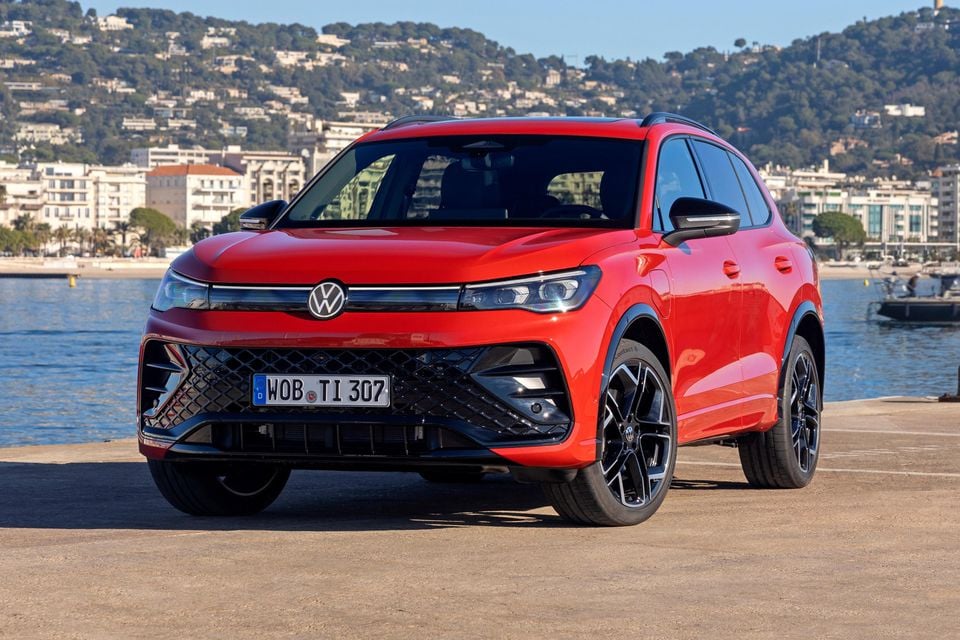
Australian showrooms will see plenty of new Volkswagen models arrive in the near future, including plug-in hybrid (PHEV) versions of the new-generation Tiguan and Tayron SUVs, and the Multivan and Transporter.
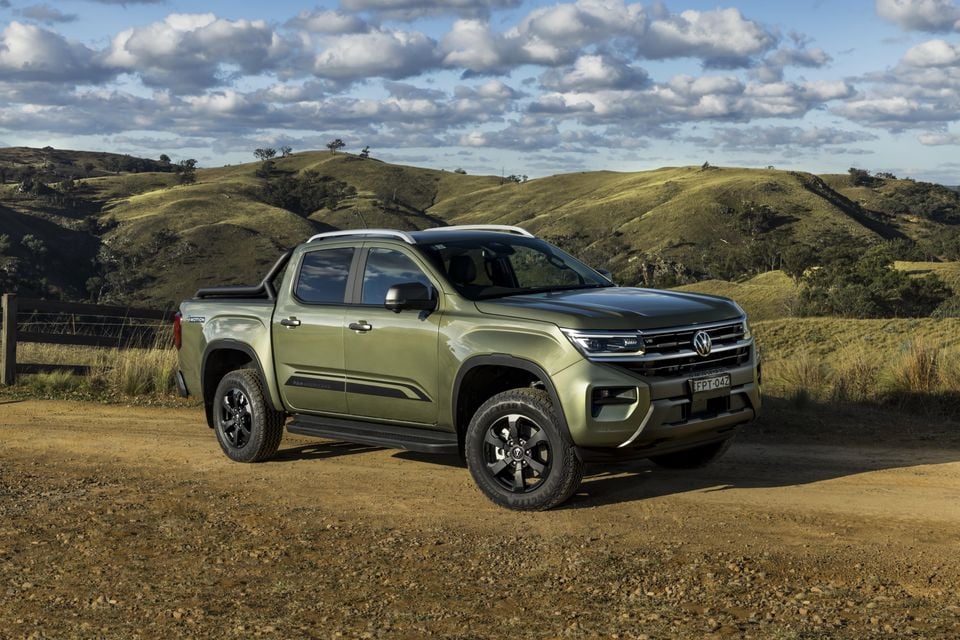
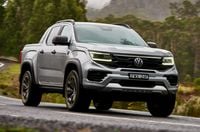
A more capable Walkinshaw-developed version of the second-generation Amarok dual-cab 4×4 ute is also scheduled for release in the second half of 2026.
MORE: Explore the Volkswagen showroom
Ready to find the right new car at a great deal?
Research cars in our Showroom, compare your options or let our New Car Specialists do the running around to find you a great deal.