




William Stopford
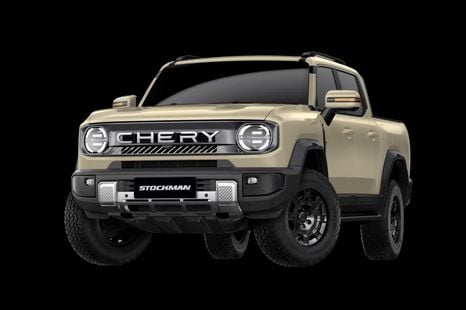
2027 Chery Stockman: More specifications detailed for diesel PHEV ute
Chery will beat key ute rivals on electric range and payload, and come very close on braked towing capacity.
3 Days Ago

Deputy Road Test Editor
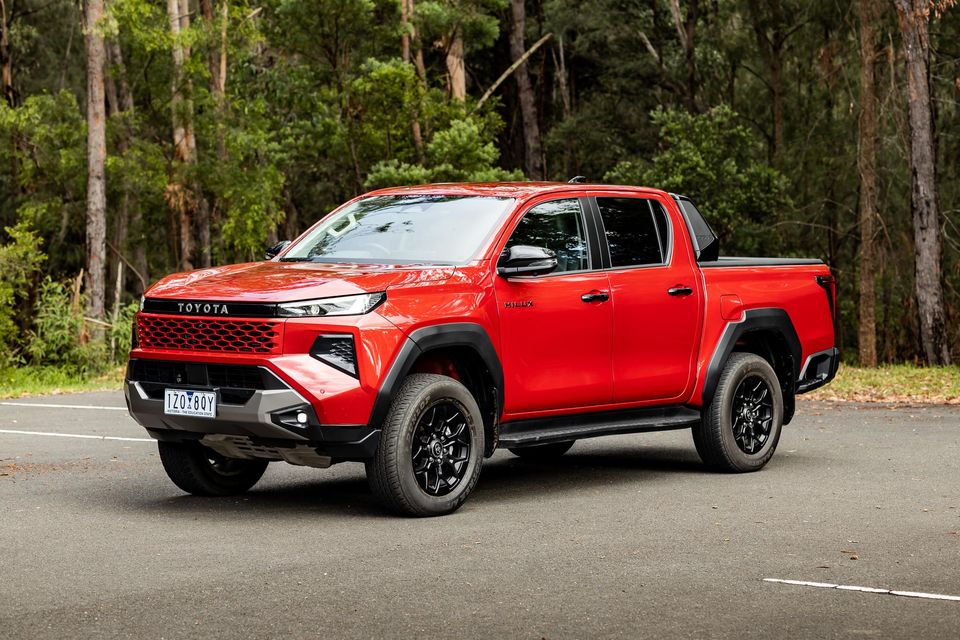
Plug-in hybrid (PHEV) utes are gaining popularity, but Toyota won't be jumping on the trend any time soon.
Diesel power has traditionally dominated the Australian ute segment, although new emissions regulations, tax incentives for buyers, and demand for more refined, more powerful 'lifestyle utes' have prompted rival brands to electrify their dual-cab offerings.
BYD won the race to market by launching the Shark 6 in late 2024, which has since been joined by the GWM Cannon Alpha PHEV and Ford Ranger Hybrid, while the JAC Hunter and Nissan Frontier Pro are expected to arrive within the next 12 months.
To the end of May this year, 8438 plug-in hybrid light commercial vehicles had been delivered Down Under, underlining the growing demand for diesel alternatives.
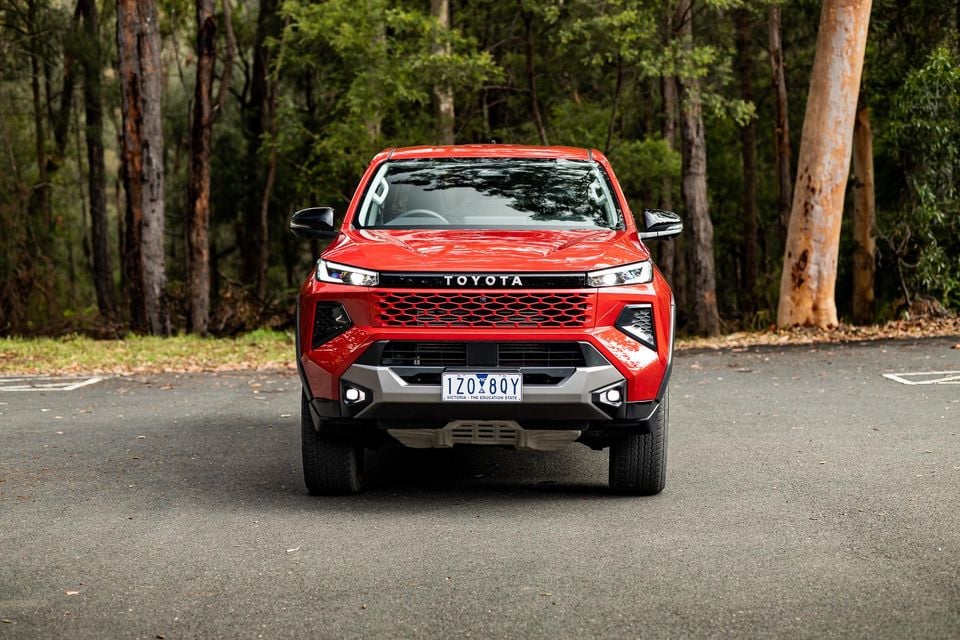
Don't expect Toyota to come to the party any time soon, though.
"We're always looking at these types of powertrain solutions, we're not just sitting back, but they need to be able to meet the needs of the customer," Toyota Australia vice president of sales, marketing and franchise operations, John Pappas, told CarExpert.
"We've got those [lifestyle ute] options available now in other HiLux grades, but we want to be able to make sure that if we're going to bring these types of powertrains to market through our very large investment in research and development, that they're right for our market."
Toyota Australia is currently committed to diesel, electric, and hydrogen versions of the ninth-generation HiLux, with the latter slated for a 2028 launch.
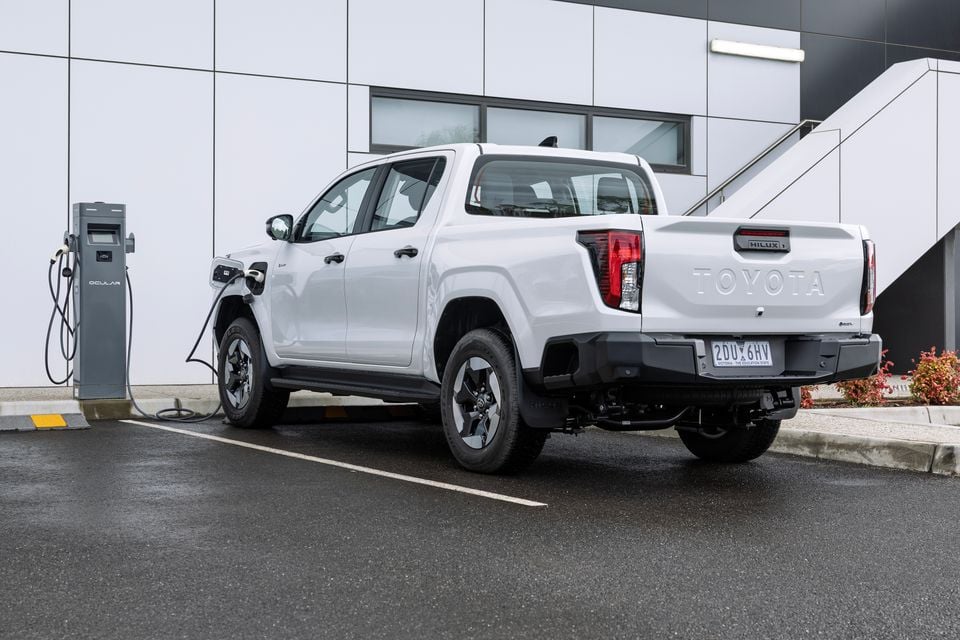
Turbo-diesel variants capable of towing up to 3500kg and carrying around one tonne continue to account for the majority of HiLux sales, while the less capable BEV and FCEV are aimed primarily at fleet and commercial customers.
By contrast, rival brands are already promising diesel-like towing capacity from their plug-in hybrid powertrains. The Cannon Alpha PHEV, Ranger Hybrid, Shark 6 Performance, and Hunter can all tow up to 3500kg with a braked trailer, although none matches the payload of a cab-chassis HiLux.
Toyota Australia senior manager of product planning and pricing, Ray Munday, says the brand won’t rush a plug-in hybrid HiLux to market simply to keep pace with rivals.
"We definitely recognise that there's some strong competition in that area, and we are looking into it, but until the technology is ready, we're not going to release something that's rushed," explained Mr Munday.
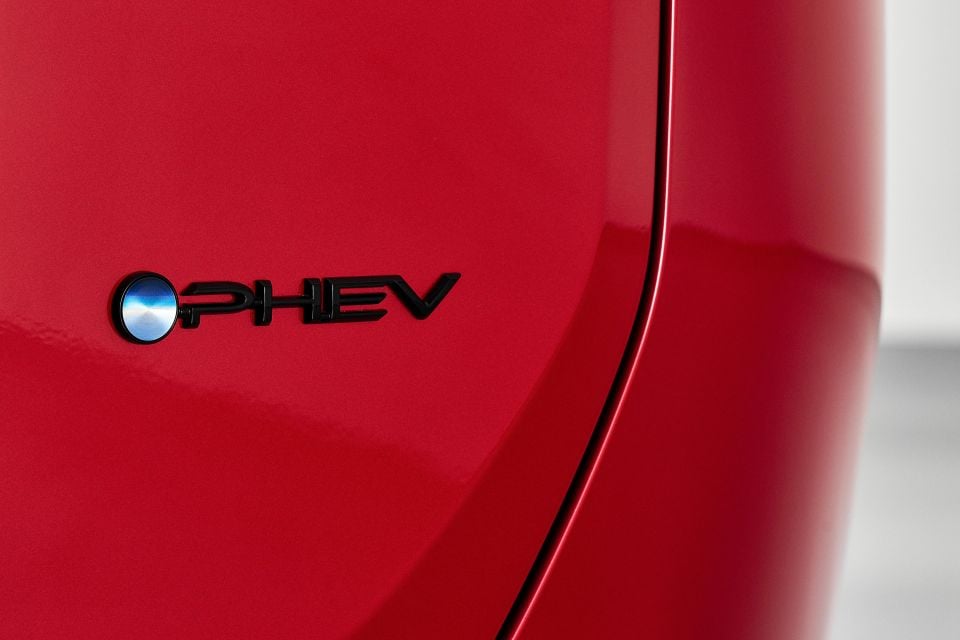
"At the moment, typically the challenge with PHEV or any electrification is added mass, which reduces payload and then also the ability to tow.
"The systems aren't necessarily developed at the moment to be able to meet our standards of what heavy towing means for a HiLux customer.
"The expectation of the Toyota and HiLux brand is very high, probably higher than it is on other products. We really respect that, and that adds a challenge."
Toyota's hesitance to launch a HiLux PHEV is somewhat unsurprising given plug-in hybrid technology is still new to the brand locally, having only just debuted in the RAV4 PHEV.
Research cars in our Showroom, compare your options or let our New Car Specialists do the running around to find you a great deal.
Josh Nevett is an automotive journalist covering news and reviews, with a background in motorsport journalism.
William Stopford
3 Days Ago

Damion Smy
4 Days Ago
William Stopford
4 Days Ago
Damion Smy
4 Days Ago
William Stopford
5 Days Ago

Marton Pettendy
5 Days Ago
Add CarExpert as a Preferred Source on Google so your search results prioritise writing by actual experts, not AI.