



Alborz Fallah
EREVs easier, cheaper to repair than PHEVs, claims Chinese brand
Chery's iCaur brand, due here in 2027, says extended-range electric vehicles have key advantages over more common plug-in hybrids.
2 Hours Ago
Journalist
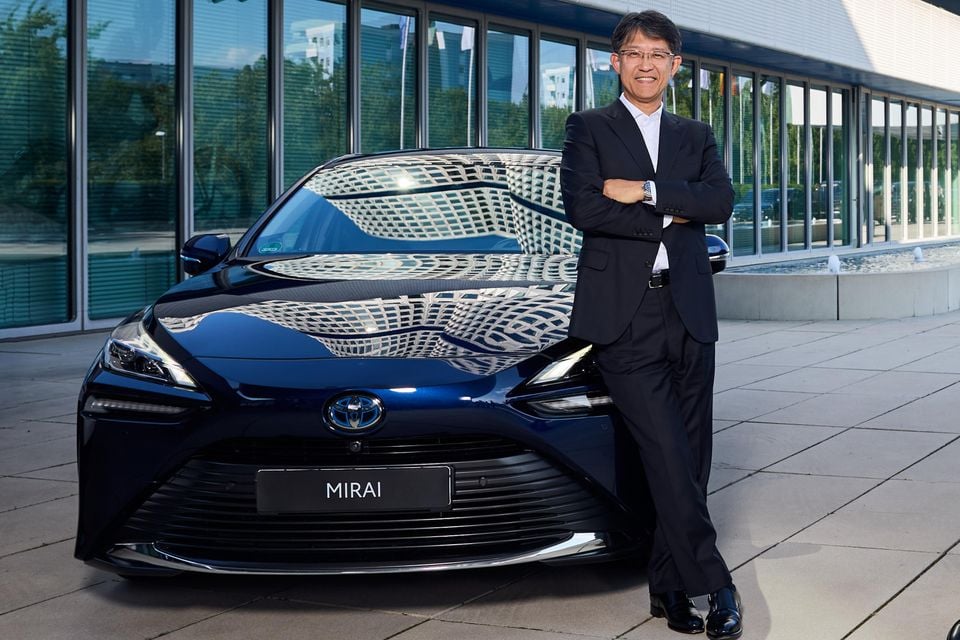
Koji Sato, Toyota's former CEO and now chief industry officer, is pushing for greater standardisation and collaboration between Japan's automakers as they try to counter the threat posed by China.
Sato-san, who is now also the head of the Japan Automobile Manufacturers Association (JAMA), sat down for an interview with Automotive News, and said "the most important theme facing the Japanese auto industry is improving ‘international competitiveness'".
Although he refused to explicitly name China, it's clear which country is causing the most angst among established automakers. In May, Chinese automakers collectively outsold Japanese marques in Europe for the first time.
Locally, to the end of May, China (144,425) was the number one source of new cars ahead of Japan (117,332), which is now in second place. Chinese manufacturers are also making serious inroads into Asia and developing markets throughout the world, although prohibitive tariffs are locking them out of the USA, the second-largest automotive market.
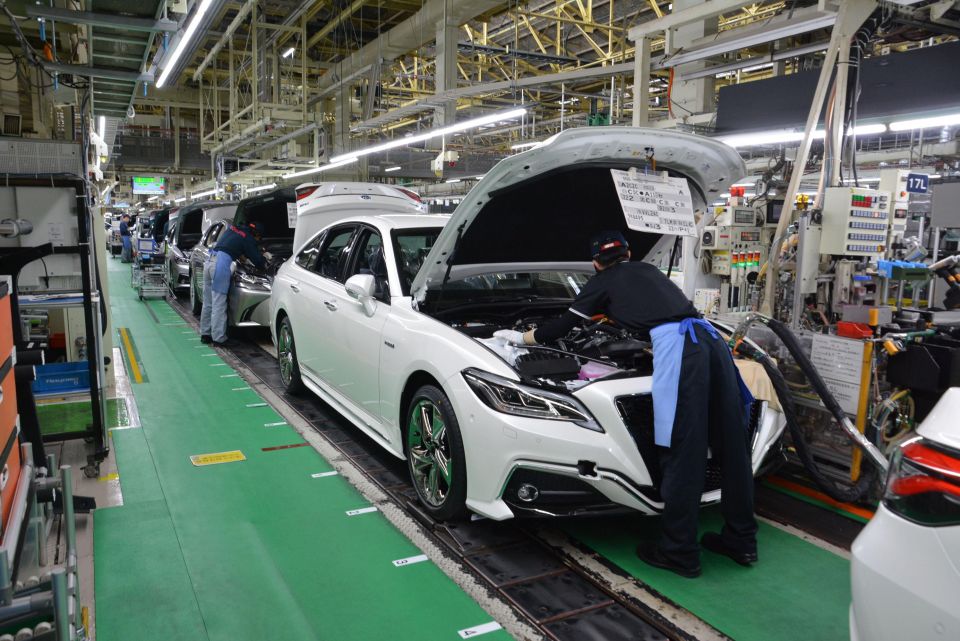
The former Toyota CEO believes the Japanese auto industry "will not survive" unless they "strategically create ‘areas of cooperation’ to improve efficiency" on unseen parts and materials so they can invest more in new technologies, such as advanced driver assistance, faster-charging batteries, software interfaces, and a wider array of drivetrain options.
The first step in this process will be standardising parts, like wiring harnesses. According to Sato-san, Japanese suppliers manufacture around 70,000 harness variants, which makes automation difficult.
He estimates standardising essential components, such as harnesses, steel grades and resin specifications, could improve productivity ten-fold and make recycling easier.
It might take a year or two before standard specs are worked out. Even once standards are established, it won't be until the next generation of vehicles are launched that they can be rolled out by automakers.
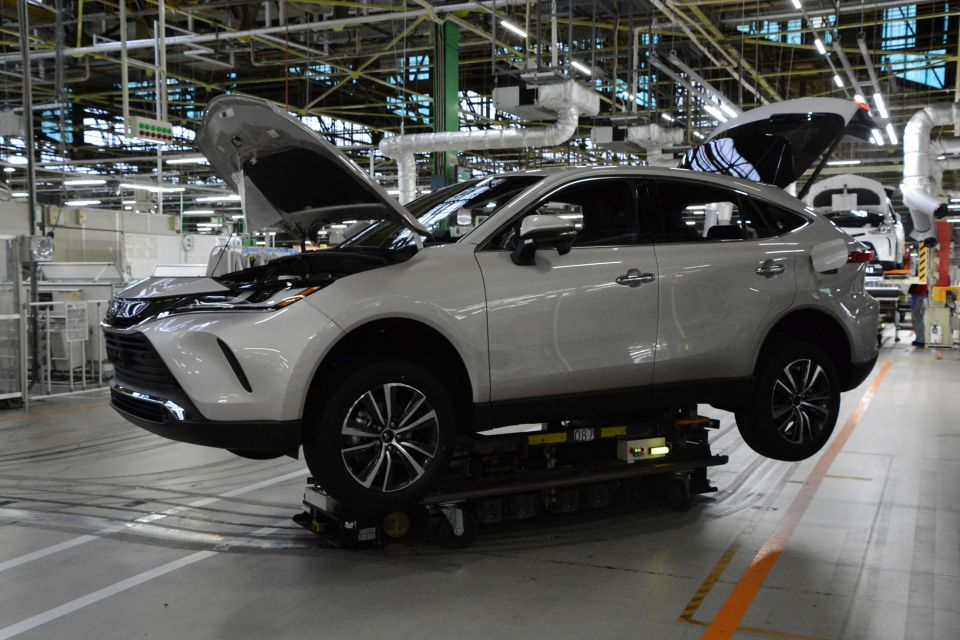
Beyond essential components, JAMA is looking at six other areas of co-operation, including logistics, securing access to raw materials, commercialising the circular recycling economy, improving the recruitment of talent, reworking Japan's infrastructure to support autonomous vehicles, and simplifying the country's automobile taxes.
Although the push for standardisation is being led by Sato-san and JAMA, it has the support of others within the industry, with Nissan CEO Ivan Espinosa saying: “We have a big opportunity to start sharing critical commodities, at least having a common spec on certain things.
"We’d have something like a JAMA standard that complies with the requirements of all of us, where we certify some suppliers, and then use this freely.”
Koji Sato was Toyota's CEO for three years before being replaced earlier this year by Kenta Kon, the automaker's chief financial officer. Despite losing his position as Toyota's boss, Sato-san remains on its board and was made its first chief industry officer, with part of his remit to "advance [cross-]industry collaboration to enhance Japan’s industrial competitiveness".
He told Automotive News that his new role is to help connect "the industry and Toyota", and that Toyota was pursuing a path of growth not just for itself, but for the whole Japanese auto industry.
"Rather than saying Toyota is somehow ‘special,’ it’s more that JAMA has always been led by the company best suited to address the industry’s biggest challenges at a given point in time," he added.
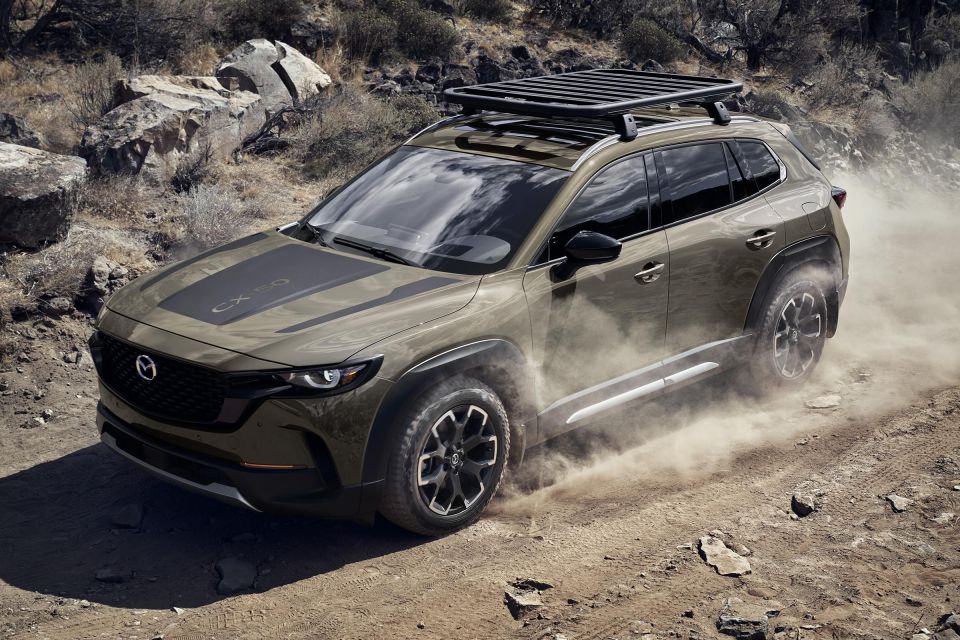
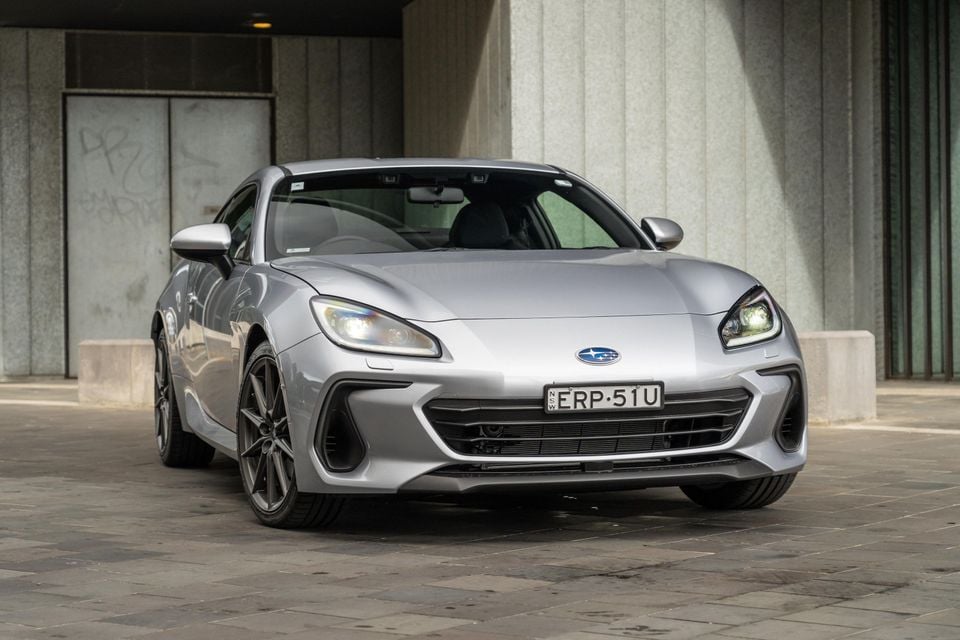
In addition to owning Daihatsu and Lexus outright, Toyota also has small stakes in Subaru, Mazda and Suzuki. It collaborates with Subaru, Mazda and Suzuki on select models, as well as some technologies.
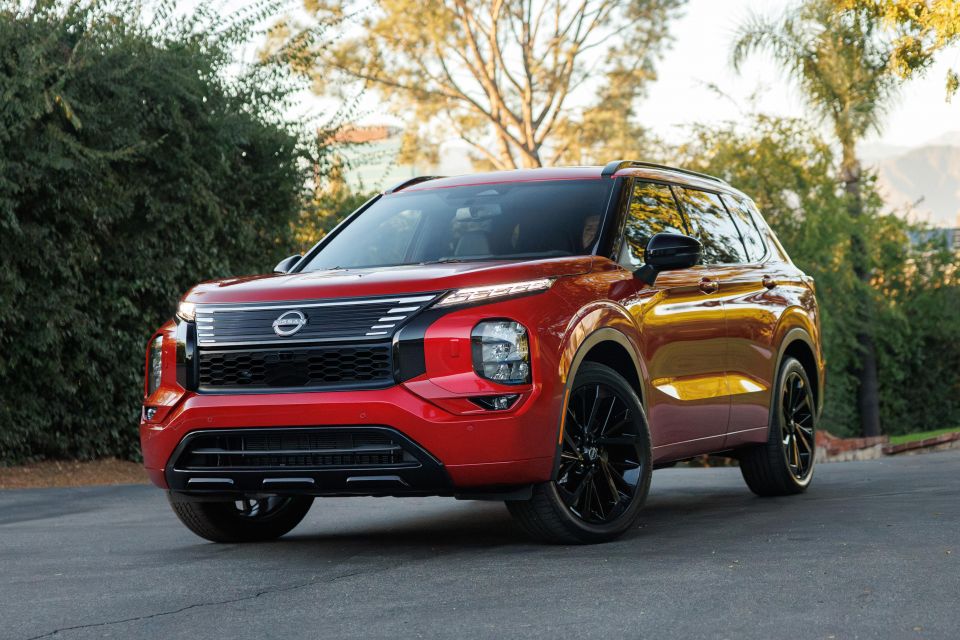
Nissan owns roughly 27 per cent of Mitsubishi, and is reportedly close to announcing a co-operation deal with Honda, which will see the two firms work together on components, software and some vehicles.
Renault remains Nissan's largest single shareholder, although it has ceded day-to-day control and their partnership has loosened from a centrally managed alliance to a case-by-case partnership with some model sharing, such as the Nissan Micra and Renault 5 E-Tech and Dacia/Renault Duster and Nissan Tekton twins.
Research cars in our Showroom, compare your options or let our New Car Specialists do the running around to find you a great deal.
Derek Fung would love to tell you about his multiple degrees, but he's too busy writing up some news right now. In his spare time Derek loves chasing automotive rabbits down the hole. Based in New York, New York, Derek loves to travel and is very much a window not an aisle person.
Alborz Fallah
2 Hours Ago
Alborz Fallah
3 Hours Ago
Alborz Fallah
3 Hours Ago
Alborz Fallah
4 Hours Ago
Ben Zachariah
6 Hours Ago
Ben Zachariah
6 Hours Ago
Add CarExpert as a Preferred Source on Google so your search results prioritise writing by actual experts, not AI.