 Car News
 CarExpert Podcast
 Car Reviews
 Owner Car Reviews
 Car Comparisons
 Showroom
 Car Chooser
 Car Specifications



Damion Smy
Ford Ranger PHEV prices cut by up to $10,000, other Rangers get $4000 fuel offer
Amid record fuel prices, Ford is offering $4000 fuel cards to buyers of its diesel Ranger and Everest, and slashing $10,000 off Ranger PHEV.
2 Hours Ago
The government’s fuel excise cut has come into effect, but motorists aren’t seeing relief from record petrol and diesel prices just yet.
Deputy News Editor
Deputy News Editor
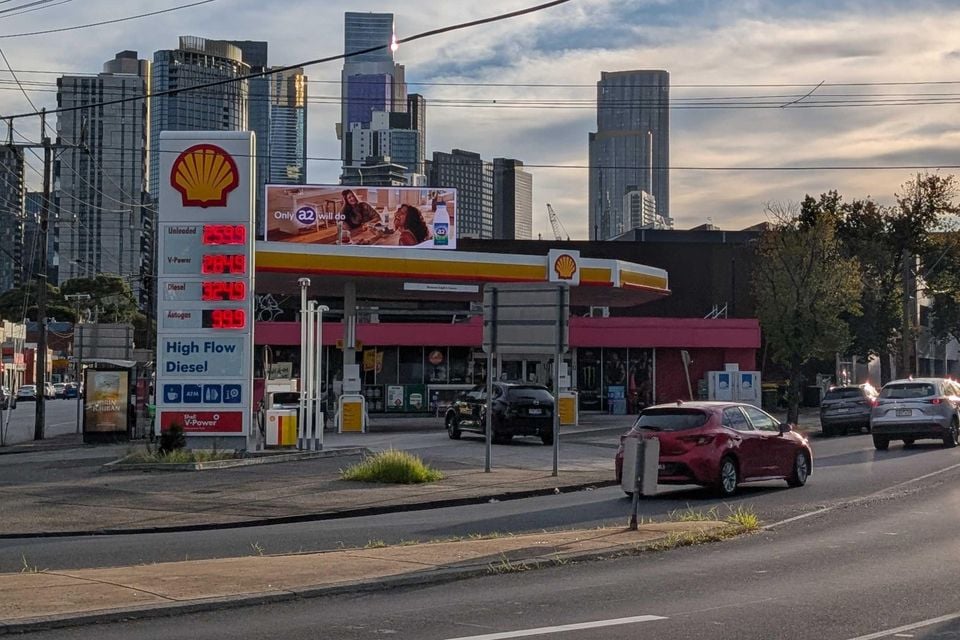
The prices of petrol and diesel haven’t fallen today, with averages remaining at record levels across Australia – despite the federal government’s fuel excise cut coming into effect.
On Monday, the federal government announced it would halve the fuel excise on petrol from 52.6 cents per litre to 26.3 cents per litre from April 1, 2026, for a period of three months.
The cut would save $14.47 on a full tank of a Toyota RAV4 hybrid with its 55-litre fuel capacity. The RAV4 was the best-selling vehicle in Australia in 2025 that runs on petrol.
As part of a four-stage emergency fuel plan, the government also said it would abolish the 32.4 cents per litre diesel heavy vehicle road user charge applied to trucks with a gross vehicle mass (GVM) of more than 4.5 tonnes.
CarExpert can save you thousands on a new car. Click here to get a great deal.
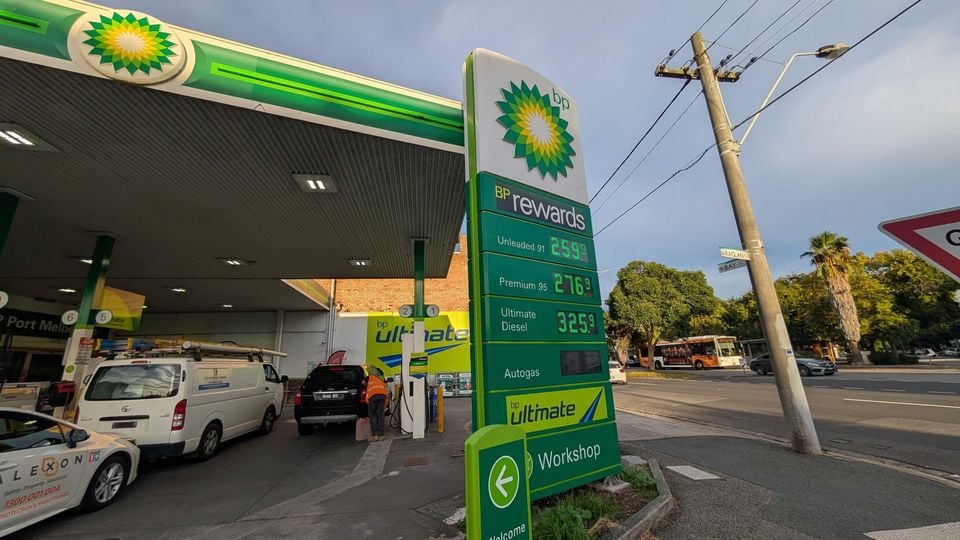
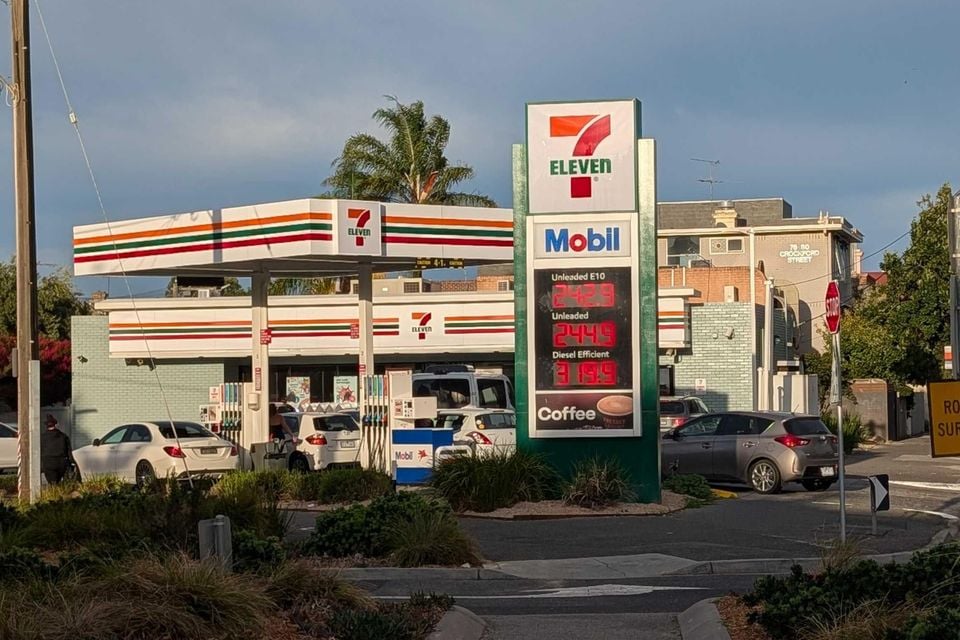
Yet prices at the pump remain elevated, with motorists across the country seeing little immediate change.
“For some very busy metropolitan sites, it could be a few days,” Rowan Lee, chief executive of the Australasian Convenience and Petroleum Marketers Association, told The Guardian.
“In remote areas where they [have] low volume, it could be a week or two. As that fuel is replenished, the reduced excise will be applied to that fuel and passed through to motorists.”
This delay is because fuel excise is charged at the terminal gate before fuel is delivered to service stations, meaning most fuel currently in tanks was taxed at the higher 52.6 cent per litre rate.
It won’t be until fuel leaving terminals from today – benefiting from the lower 26.3 cents per litre rate – reaches service stations that prices are expected to fall.
The latest data from the Australian Competition and Consumer Commission (ACCC) shows the average price of petrol across capital cities was $2.53 per litre for the week ending March 27, 2026.
Darwin recorded the highest average at $2.57 per litre, while Perth saw the biggest four-week increase, rising by 92.2 cents per litre over the period to $2.57.
Diesel prices have climbed to an average of $3.03 per litre nationally for the same period, with prices as high as $3.29 per litre in some areas.
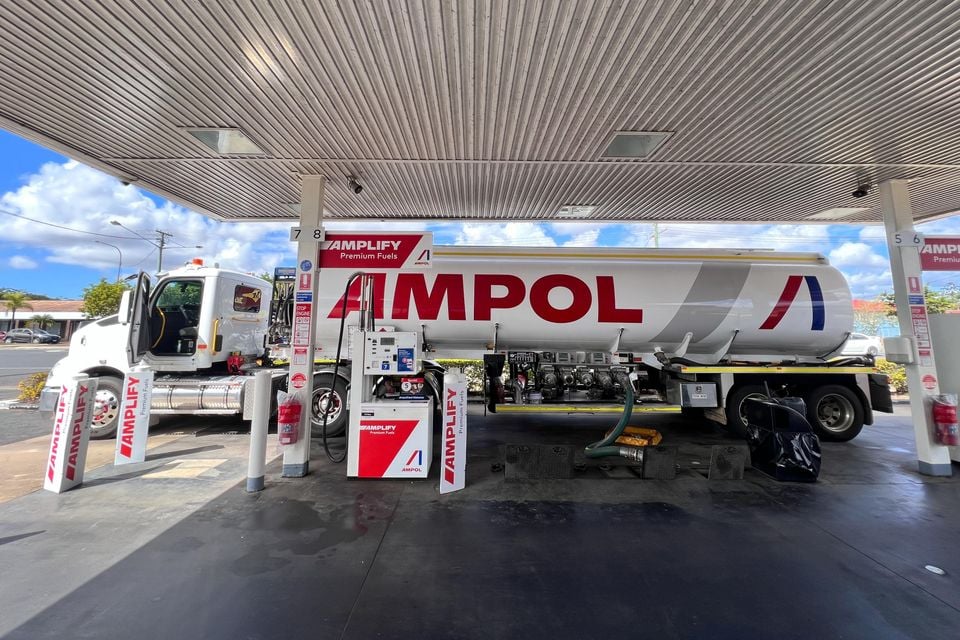
The federal government says it has empowered the ACCC to crack down on retailers failing to pass on the excise savings, following concerns prices have risen inconsistently across the country.
While price gouging isn’t technically illegal, Federal Treasurer Jim Chalmers said regulators should “come down like a tonne of bricks” on businesses doing the wrong thing.
The excise cut comes alongside broader measures to shore up fuel supply – particularly diesel – including unlocking domestic reserves, allowing lower fuel quality standards, and underwriting imports to ensure shipments continue arriving in Australia.
In a press release on March 28, Prime Minister Anthony Albanese said every fuel shipment scheduled to arrive in March had landed, while six of the 81 cargoes due in April had been “more than replaced”.
The government maintains fuel supply is stable and hasn’t triggered further stages of its emergency plan, which could include rationing under more severe conditions.
Federal Energy Minister Chris Bowen said on Tuesday, March 31 that 457 service stations nationally had run out of diesel, while 125 were out of unleaded petrol.
MORE: Record fuel prices spark gouging probe as government threatens crackdown
Damion Smy is an award-winning motoring journalist with global editorial experience at Car, Auto Express, and Wheels.
Damion Smy
2 Hours Ago


Max Davies
2 Hours Ago


William Stopford
2 Hours Ago


Ben Zachariah
3 Hours Ago
Damion Smy
4 Hours Ago

Ben Zachariah
2 Days Ago
Add CarExpert as a Preferred Source on Google so your search results prioritise writing by actual experts, not AI.