





William Stopford
GWM plans major expansion of its small EV range, including sedan, more budget-friendly hatch
An Uber-friendly sedan and a sub-$30,000 hatch could join the expanding GWM Ora 5 EV lineup in Australia.
47 Minutes Ago
Queenslanders caught driving with cannabis, methamphetamine, MDMA or cocaine in their system will soon face much higher fines and longer driving bans.

Managing Editor
Managing Editor
Queensland is doubling penalties for drug-driving offences, just as neighbouring New South Wales prepares to take a different approach to motorists who legally use medicinal cannabis.
The Queensland Parliament passed the Transport and Other Legislation Amendment Act 2026 last week, with its major drink- and drug-driving changes to take effect from December 1, 2026.
Under the changes, the maximum penalty for driving with a relevant drug present in a driver's blood or saliva will double from 14 to 28 penalty units.
At Queensland's current penalty-unit value of $172.70, that equates to a maximum fine of about $4836, while a new minimum court-imposed penalty of 7.5 penalty units equates to about $1295.
The maximum three-month prison term for the offence remains unchanged.

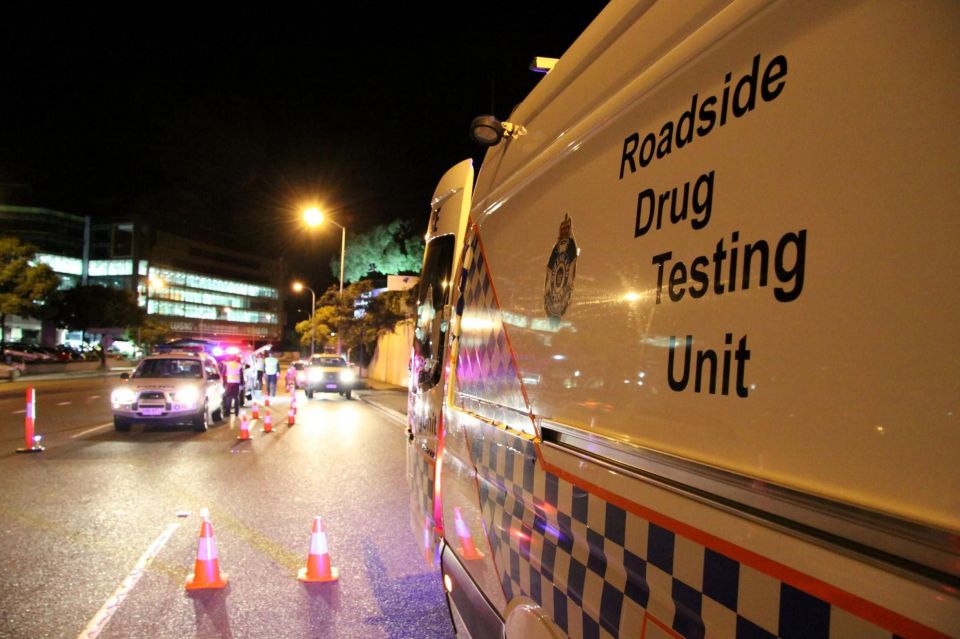
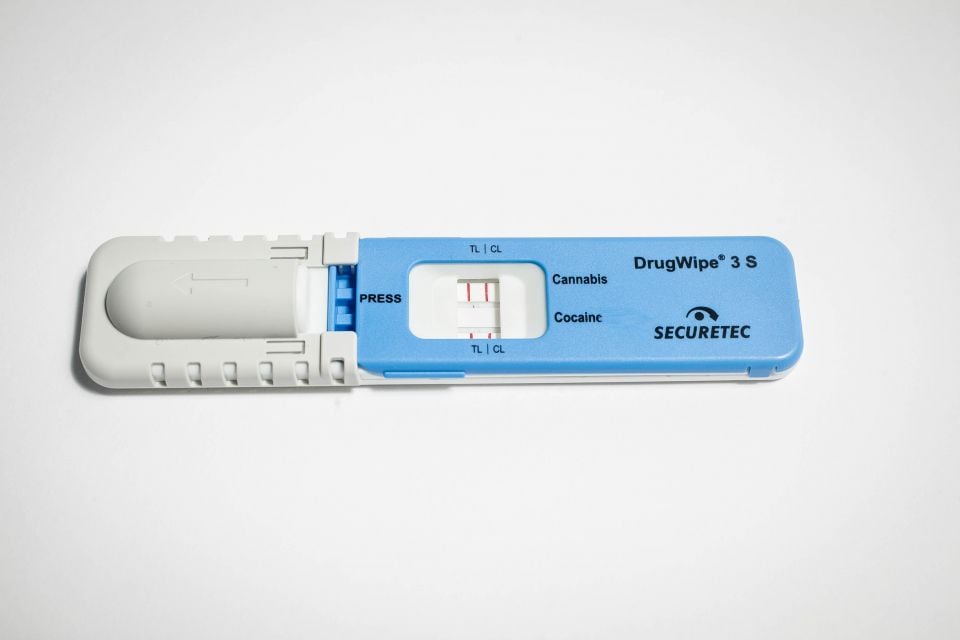
Queensland roadside saliva tests screen for four 'relevant drugs': methylamphetamine – better known as methamphetamine or ice – as well as MDMA, cocaine, and tetrahydrocannabinol (THC), the psychoactive component of cannabis.
The state maintains a presence-based drug-driving system, meaning a motorist can be penalised if any of those drugs is detected, rather than police having to establish that the driver was impaired at the time.
Licence disqualification periods are also being increased.
For a first offence involving a relevant drug, a driver who would previously have faced a minimum one-month disqualification will face at least two months off the road. Other licence holders and repeat offenders can be disqualified for longer.
The legislation also creates a specific combined drink- and drug-driving offence for motorists caught with a relevant drug in their system while also exceeding an applicable blood-alcohol limit.
That offence carries a maximum penalty of 33 penalty units – currently about $5699 – with licence disqualification periods increased by one month compared with the corresponding drink- or drug-driving offence.
Queensland courts will also be required to impose minimum fines for certain drink- and drug-driving offences, rather than having discretion to impose a smaller financial penalty.
As we reported earlier today, the changes come only days after NSW Parliament passed reforms aimed specifically at drivers who use legally prescribed medicinal cannabis.
Under the incoming NSW scheme, eligible unrestricted-licence holders will be able to register with Transport for NSW by providing evidence of a valid medicinal cannabis prescription and completing an online road-safety education program.
Registered drivers won't automatically be penalised simply because THC is detected, provided they meet the scheme's conditions and aren't driving while impaired.
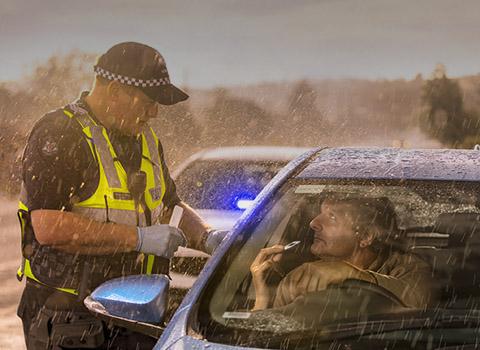
Roadside drug testing will continue in NSW. A registered medicinal cannabis patient who tests positive will still be banned from driving for 24 hours while their sample undergoes laboratory testing.
If the laboratory result is below the legislated THC threshold of 50ng/mL, no further action will be taken. A first or second result at or above that level within two years will result in a warning, while a third will attract a $722 fine and a minimum three-month licence suspension.
The NSW concession won't apply to learner or provisional licence holders or commercial drivers, and registered patients won't be permitted to have alcohol or other relevant drugs in their system.
Drivers considered impaired can still be prosecuted for more serious offences.
The NSW registration scheme is expected to begin in late 2026 or early 2027.
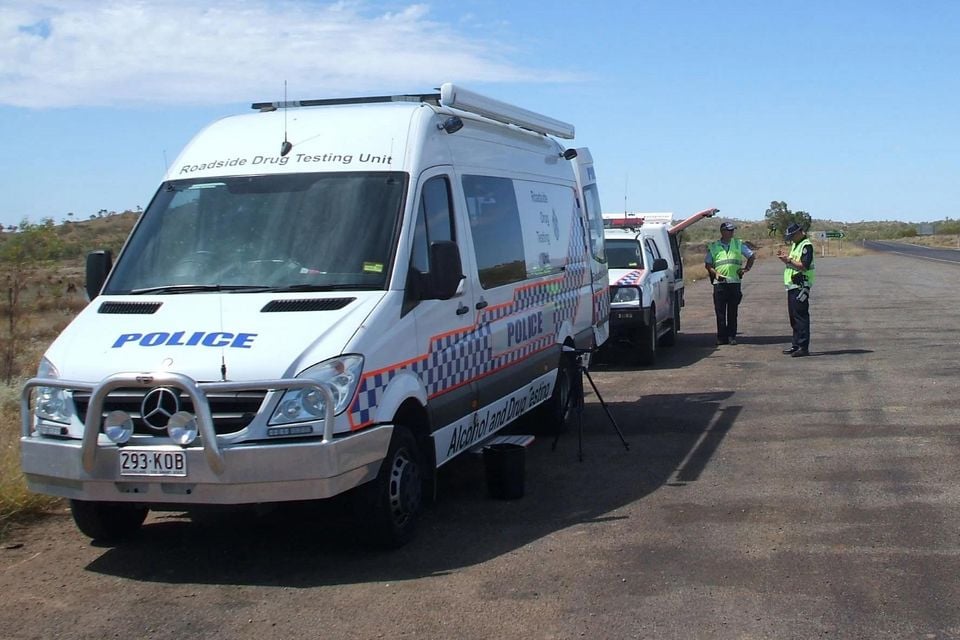
Queensland, in contrast, has chosen to retain its existing zero-tolerance approach to THC, including when the cannabis has been legally prescribed.
The Alcohol and Drug Foundation raised concerns during consultation that this could affect medicinal cannabis patients who comply with their prescriptions, arguing THC can remain detectable after consumption.
Queensland Transport Minister Brent Mickelberg acknowledged concerns about medicinal cannabis during parliamentary debate, but said the state's Drug Driving Review had found no scientifically reliable THC concentration or roadside impairment test that could reliably distinguish impaired and unimpaired motorists.
The drug-driving changes form part of a broader suite of new Queensland road laws.
Also from December 1, drivers detected travelling more than 40km/h above the speed limit will face an immediate six-month licence suspension, while further reforms scheduled for 2027 are intended to expand roadside drug testing and introduce mandatory drug-driving education for repeat offenders.
MORE: NSW to relax drug-driving laws for medicinal cannabis users
Marton Pettendy is a veteran motoring journalist and editor with decades of experience across Australia’s leading automotive titles.
William Stopford
47 Minutes Ago


Dave Kavermann
1 Hour Ago
Marton Pettendy
1 Hour Ago

Damion Smy
2 Hours Ago
William Stopford
2 Hours Ago


James Wong
5 Hours Ago
Add CarExpert as a Preferred Source on Google so your search results prioritise writing by actual experts, not AI.