




William Stopford
2027 Mercedes-Benz C-Class electric price and specs
Mercedes-Benz is launching its new electric mid-size sedan at the same time as arch-rival BMW, and it wins on power but not on range.
1 Day Ago

Journalist
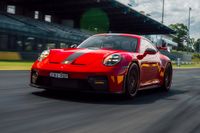
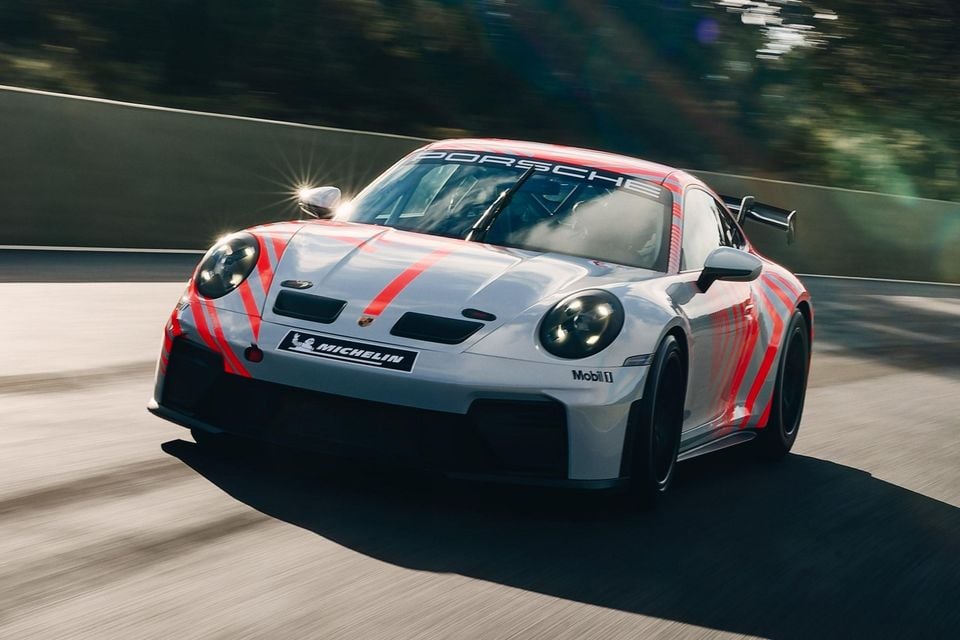
Porsche has always touted its 911 GT3 as a ‘race car for the road’, and its most pure iteration has just been released – but it won't be coming to Australia.
The Porsche 911 Challenge is effectively a 2026 Porsche 911 GT3 road car with a roll cage, a few motorsport-specific changes, and a free-flowing exhaust. It has no road approval and is intended exclusively for circuit use.
While it has been confirmed for New Zealand due to "strong interest" there, a Porsche Australia spokesperson said, "The 911 Challenge is not planned for the Australian market, so we won't be receiving the vehicle locally."
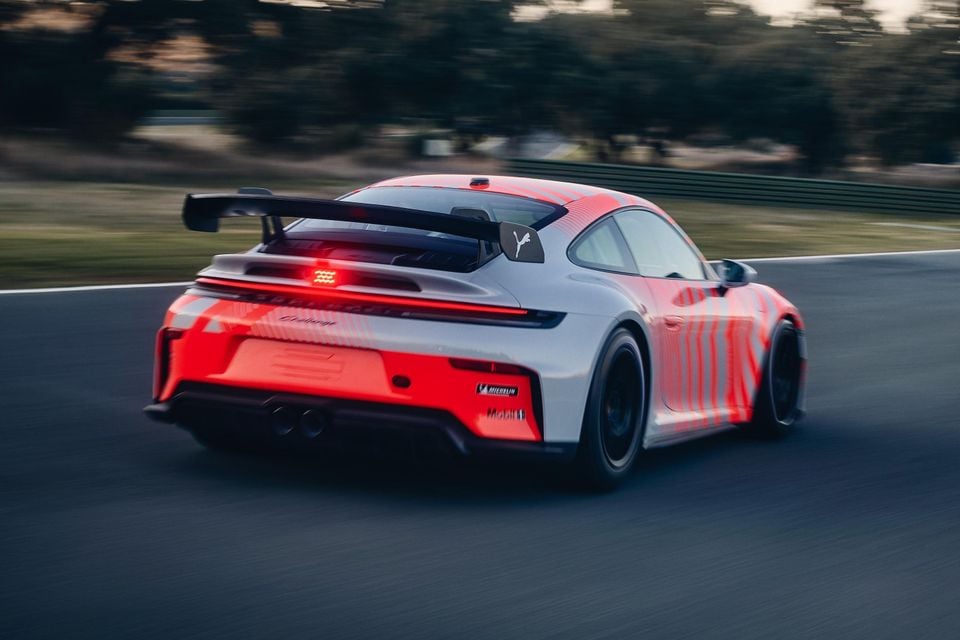
Sitting underneath the GT4 R, Cup, and GT3 R, the 911 Challenge represents the entry-level model in Porsche’s motorsport range. But unlike the other 911-based race cars, the 911 Challenge really is a road car, with a few safety tweaks for on-track action.
The new competition car is designed to bridge the gap between a road-going sports car and a full-blown race car, with Porsche saying it brings the driving experience of the 911 GT3 into customer motorsport more directly than ever before.
As a result, the 911 Challenge uses a significant amount of production-based GT3 technology.
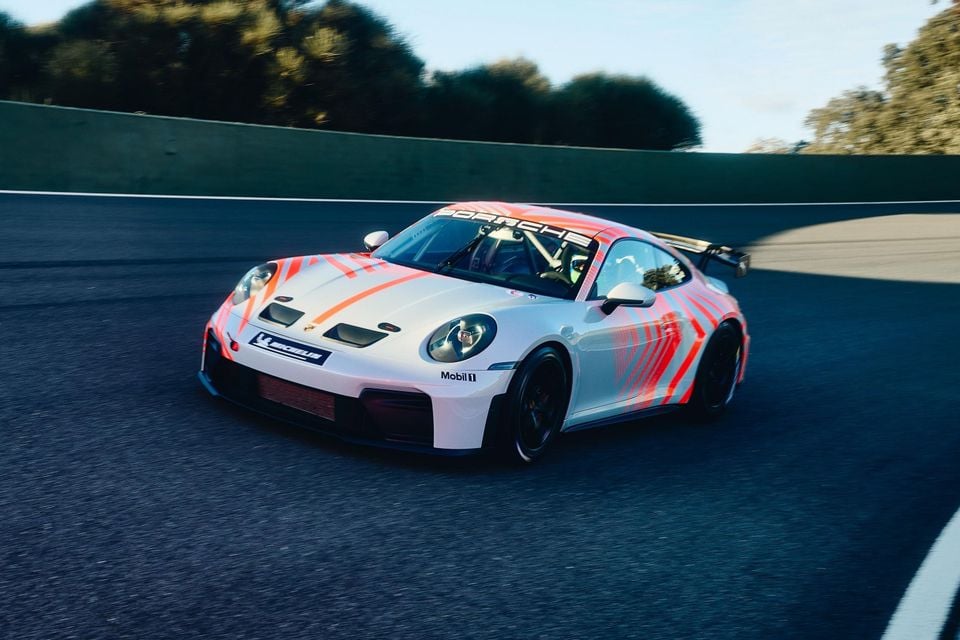
That includes the 4.0-litre naturally aspirated flat-six engine, seven-speed dual-clutch PDK transmission, aerodynamics, and steering wheel from the GT3 RS, while the car’s dimensions and key body components are identical to those of the road-going GT3.
The engine produces 379kW of power at 8500rpm, with a 9000rpm redline. That’s 4kW more than the road car, and the Challenge features a modified rear silencer and catalytic converter. Since it’s a track car, it doesn’t require a particulate filter in its racing configuration.
The seven-speed PDK gearbox is also largely familiar to GT3 owners, including the ability to select automatic or manual gear changes using the steering-wheel paddles.
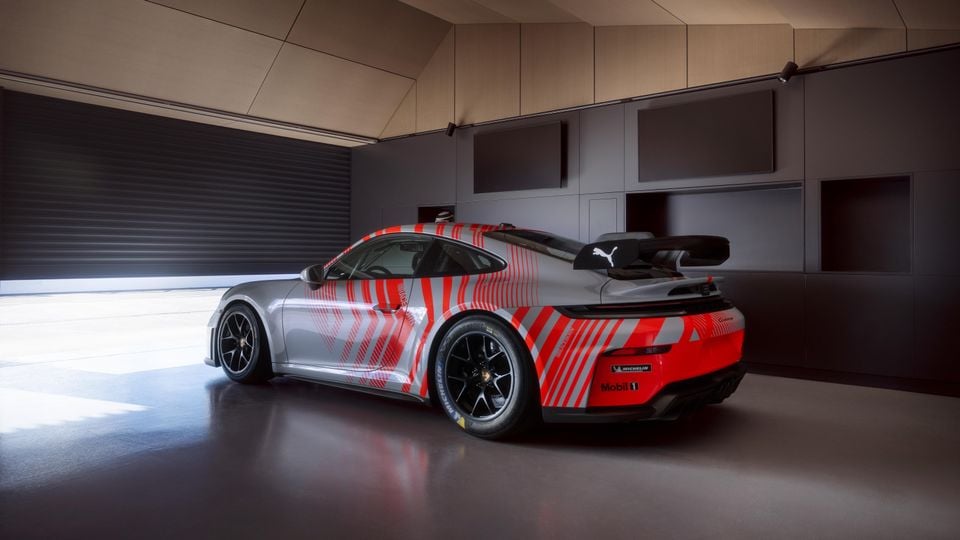
The similarities extend beyond the powertrain. The 911 Challenge gets Porsche’s adjustable Porsche Torque Vectoring Plus (PTV+), as well as adjustable anti-lock brakes, traction control, and electronic stability control.
These systems are intended to make the car easier for newcomers to competitive motorsport to drive, while allowing more experienced racers to adjust the level of assistance.
There’s also plenty of hardware borrowed from Porsche’s racing program, including motorsport-specific shock absorbers, a three-position adjustable anti-roll bar, 18-inch racing slicks, and 380mm steel brake discs front and rear.
While the 911 Challenge retains the dimensions and major body components of the GT3, the interior has been stripped back for competition use.
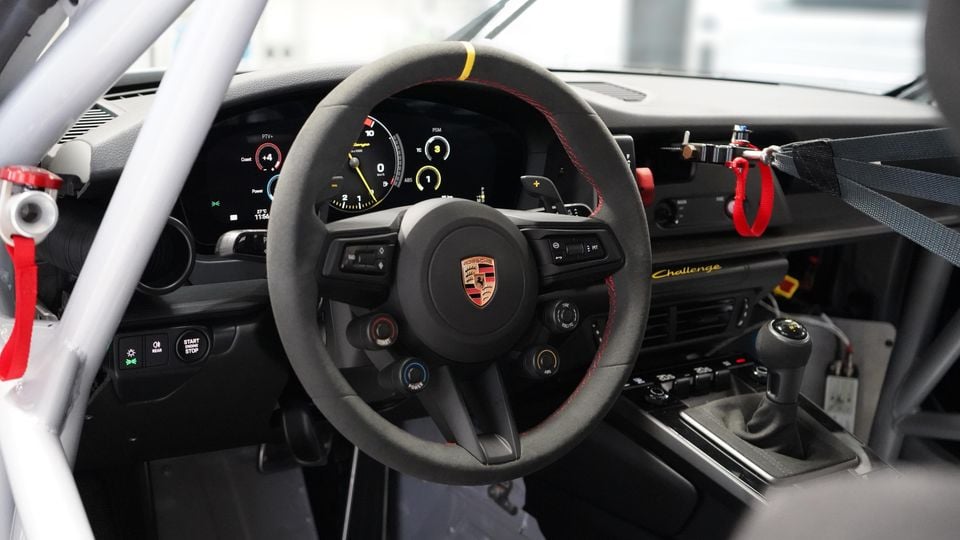
Sound deadening, carpets, and trim have been removed, while a welded-in roll cage reinforces the structure. There’s also a six-point harness, adjustable racing bucket seat, fire-extinguishing system, and a 110-litre FT3 fuel tank.
An integrated three-jack air-jack system is fitted as standard, while the bonnet uses quick-release fasteners and the rear wing can be manually adjusted through four positions.
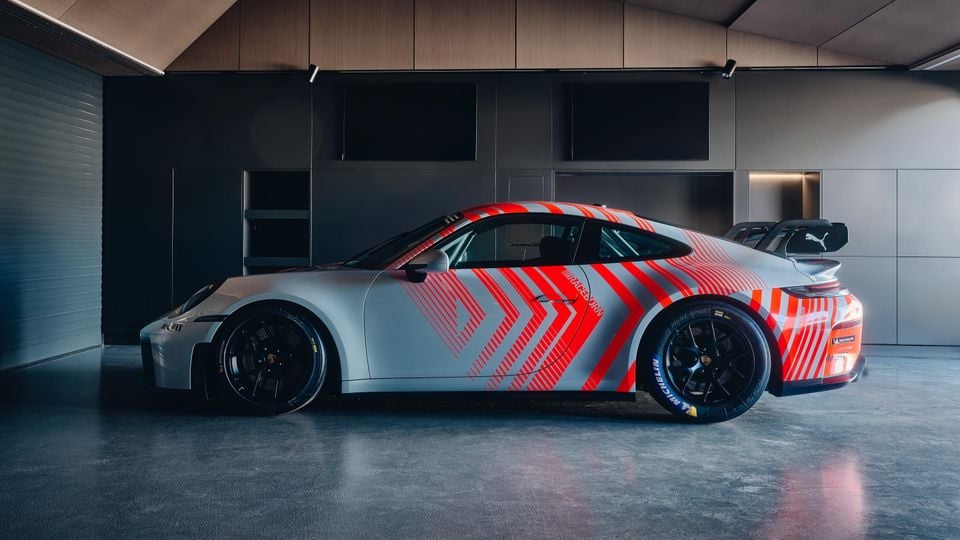
Porsche says the 911 Challenge will be eligible for numerous one-make racing series around the world from the 2027 season, including Porsche Challenge and Trophy events.
Research cars in our Showroom, compare your options or let our New Car Specialists do the running around to find you a great deal.
Dave is a Kiwi motoring journalist with experience in motorcycle racing, new car sales, radio and communications.
William Stopford
1 Day Ago
William Stopford
8 Days Ago

Damion Smy
11 Days Ago
Damion Smy
12 Days Ago

Josh Nevett
16 Days Ago
Dave Kavermann
20 Days Ago
Add CarExpert as a Preferred Source on Google so your search results prioritise writing by actual experts, not AI.